

An Original Painting by Listed Artist Susan Elkins Xx: appraisal and value basics
An Original Painting by Listed Artist Susan Elkins Xx research should start with identification, condition, provenance, and recent comparable sales. Use this guide to compare the signals that matter before paying for a formal appraisal or deciding whether to sell.
Susan Elkins Listed-Artist Painting Value Guide
Collectors and appraisers often encounter works described as “an original painting by listed artist Susan Elkins Xx.” That phrasing packs several claims: that the work is original (not a reproduction), that the artist is “listed” (recorded in recognized art market references), and that the inscription “Xx” is somehow meaningful. This article explains how to confirm those claims, extract the right information from the object, and translate it into credible value for sale, insurance, or equitable distribution.
At every step, aim to document, not assume. Because artist names can be shared by multiple individuals, and inscriptions can be misread or misinterpreted, the strongest appraisal rests on primary evidence from the painting itself, supported by credible comparables and provenance.
What “Listed Artist” Means—and Why It Matters
“Listed” in the art trade means the artist appears in recognized market or scholarly references—typically auction databases, standard artist dictionaries, or catalogues raisonnés. Being listed does not guarantee high value, but it does mean the artist is documented enough to support market comparisons and due diligence.
Key implications:
- Market traceability: Auction results and gallery listings enable comps (comparables) that anchor fair market value.
- Scholarly footprint: Inclusion in standard references or exhibition histories can bolster attribution and demand.
- Risk reduction: Known artists have more verifiable signatures, labels, stylistic periods, and biographical timelines you can reference when authenticating.
Practical verification:
- Confirm which “Susan Elkins” you have. If there are multiple artists with the same or similar name, align the work’s medium, subject matter, stylistic traits, and date range with the correct biography.
- Note where the artist is “listed.” Common categories include major auction archives, standard artist directories, gallery catalogues, or museum records. Record the exact source names and entries you consulted.
Avoid overstating “listed.” It’s a useful signal, not proof of value. The real work lies in authenticating the object and situating it in the right market context.
Confirming It’s an Original Painting (Not a Print)
Many works described as “originals” turn out to be printed reproductions or hand-embellished prints. To confirm originality, inspect the materials and paint layers closely.
Material and surface indicators:
- Support: Look for a stretched canvas, panel, or board typical of the artist’s period and practice. Check stretcher or strainer construction, corner keys, and the type of fasteners (nails vs. staples) for rough dating.
- Ground and layer structure: Original paintings reveal a ground layer and distinct paint strata. Use oblique light to see brushwork, impasto, and layering; these should sit atop the surface, not under a uniform dot matrix.
- Surface texture: Prints usually have flat, uniform surfaces. Under magnification, many reproductions show halftone dots or ink patterns. In genuine paintings, brush bristles, palette knife ridges, and irregularities are readily visible.
- UV examination: Ultraviolet light can reveal areas of overpaint, restoration, or varnish fluorescence. While not a definitive test of originality, UV often differentiates paint from ink and flags conservation history.
- Edge and verso evidence: Check the tacking margins for overpaint, old varnish drips, and age-consistent grime. Factory-printed canvases often have clean, repeated borders or printed edges.
Signatures and medium:
- Hand-painted signature: A signature executed in the same medium as the painting (e.g., oil or acrylic), with consistent aging and integration into the paint layers, is more promising than a mechanically applied signature.
- Medium test: If uncertain between acrylic and oil, a conservator can test discreetly. Knowing the medium helps confirm the work aligns with the artist’s known practice and with claimed dates.
When in doubt, commission a condition and materials report from a qualified conservator. Their findings, paired with your market research, strengthen an appraisal substantially.
Provenance, Signatures, and the Mysterious “Xx”
Provenance is the ownership timeline from creation to present. It provides both value and protection against disputes. The signature and any inscriptions (including “Xx”) are separate but related evidence streams.
Building provenance:
- Collect documents: Bills of sale, gallery invoices, exhibition checklists, correspondence, and restoration receipts. Photograph and transcribe anything fragile.
- Back-of-work data: Labels from galleries or framers, inventory stickers, handwritten notes, and old exhibition numbers on the verso are highly informative. Document these thoroughly before reframing.
- Chain of custody: Compile a chronological list from the artist to current owner. Partial provenance still helps; note gaps transparently rather than speculating.
Signature analysis:
- Placement and style: Compare the signature’s form, pressure, and letter construction to authenticated examples for the correct artist. Many artists vary signatures across periods; look for period-appropriate matches, not generic similarities.
- Medium congruence: A signature in marker on top of varnish may be later than the painting; a painted signature under the varnish layer is usually original to the work.
- Secondary marks: Initials, monograms, studio stamps, and date inscriptions add context. Record them exactly as seen, including punctuation.
Interpreting “Xx”:
- Working title or placeholder: “Xx” may be a studio shorthand, unfinished title, or inventory placeholder. Note where it appears: on the front, verso, label, or in documentation.
- Size notation or series code: Sometimes “xx” accompanies inch-based sizes (e.g., 20 x 20) or series identifiers (e.g., Series XX, work no. 10). Confirm by checking related works by the same artist.
- Not an edition mark: For paintings, “xx/xx” could suggest print numbering, but hand-numbering is typical in prints, not paintings. Distinguish clearly: if you see fraction-like markings, reassess whether the piece could be a print or a mixed-media work on paper.
- Don’t assume meaning: If the inscription’s intent is unclear, transcribe it precisely and treat it as a data point, not a conclusion.
Provenance, signature, and inscriptions create a composite picture. Together they can corroborate attribution to the correct “Susan Elkins” and align the work with a known period or series.
Market Context, Condition, and Valuation Strategy
Value is not a single number; it depends on purpose (fair market value vs. insurance replacement) and venue (auction vs. retail). The condition of the painting and its fit within the artist’s market activity significantly affect the result.
Define the valuation purpose:
- Fair Market Value (FMV): The price between a willing buyer and seller in an open market, without compulsion. Used for estate, donation, or equitable distribution.
- Retail Replacement Value (RRV): The cost to replace the item with a comparable example at retail, used for insurance. Typically higher than FMV due to dealer markups and sourcing time.
- Order of magnitude: Expect RRV to exceed FMV, with the gap influenced by the artist’s retail presence and liquidity.
Select appropriate comparables:
- Same artist first: Use auction and retail results for the same “Susan Elkins” (confirm identity) with the same medium, similar size, similar subject/period, and similar condition.
- Adjustments: Scale comps for size (by area, not linear dimension), medium (oil usually > acrylic > works on paper, but not always), subject (signature motifs can command premiums), date (mature vs. early work), and condition (unrestored mint vs. heavily restored).
- Time frame: Favor recent results in the most relevant markets; if the artist’s market is thin, you may need to extend the window but note market drift.
Condition factors that move value:
- Structural stability: Lined canvases, panel warping, or active flaking can reduce FMV.
- Cosmetic issues: Yellowed varnish, abrasion, or overcleaning diminish appeal but may be reversible.
- Restorations: Professional, documented conservation is generally acceptable; extensive overpaint or poorly integrated fills deter collectors.
Venue and liquidity considerations:
- Auction: Quicker sale, transparent results, but higher variability and seller commissions.
- Dealer/private sale: Potentially higher asking prices with curation and marketing; lead times may be longer.
- Regionality: Artists with strong regional followings can perform better locally than nationally; match venue to the artist’s demand footprint.
Documentation to support the number:
- Include images of the front, back, signature, labels, details of condition issues, and UV findings if available.
- Cite the specific comparables with sale date, venue, dimensions, and hammer/asking price. Explain adjustments clearly and conservatively.
Red flags to watch:
- A mismatch between the painting’s materials and the artist’s known practice during the purported period.
- A signature inconsistent with authenticated examples, especially if isolated on varnish or with different aging.
- A provenance story without documentation, or with anachronistic details.
Practical Checklist: Appraisal-Ready Information
Use this to compile everything a qualified appraiser or serious buyer will ask for:
- Full identification: Artist name as written on the work; any alternate names or known aliases. Confirm which “Susan Elkins” is intended.
- Title and inscriptions: Exact wording, placement, and transcription of “Xx” or other marks. Note dates and any catalog or series numbers.
- Medium and support: Oil or acrylic? Canvas, linen, panel, or paper? Ground color noted.
- Dimensions: Height x width x depth (unframed and framed), measured in centimeters and inches.
- Signature: Location, medium, and style; front/back. Include macro photos if possible.
- Verso evidence: Photos of labels, stamps, inventory numbers, frame shop tags, and handwritten notes.
- Condition overview: Structural (tears, cracks, cupping), surface (abrasion, grime), and restoration (inpainting, varnish). Include UV observations if available.
- Provenance: Owner history in chronological order with dates and documents (invoices, letters, exhibition checklists).
- Exhibition/publication: Any shows, catalogues, or reviews referencing the work. Cite specifics.
- Comparables: 3–6 sales records for the same artist and medium, with dates, venues, sizes, and prices. Explain your selection.
- Intended use of value: FMV or RRV; sale, insurance, or donation. State the valuation date.
- Photography: High-resolution images of front, back, signature, labels, and condition details in good light.
- Professional inputs: Conservator notes, expert opinions, or gallery statements (identified by name, role, and date).
Note: We couldn’t find enough auction records that directly match Susan Elkins Listed-Artist Painting Value Guide to publish a defensible price table. If you are valuing a specific item, include its maker, model, material, photos, and condition so the search can be narrowed.
What similar items actually sold for
To help ground this guide in real market activity, here are recent example auction comps from Appraisily’s internal database. These matched sales are market context only, not an object estimate or identification, and they do not guarantee a price for your specific an original painting by listed artist susan elkins.
Shown USD range: USD 280-USD 2,700. Median of these 4 USD examples: USD 1,100.
| Comparable | What sold | Auction house | Date | Lot | Source-reported amount |
|---|---|---|---|---|---|
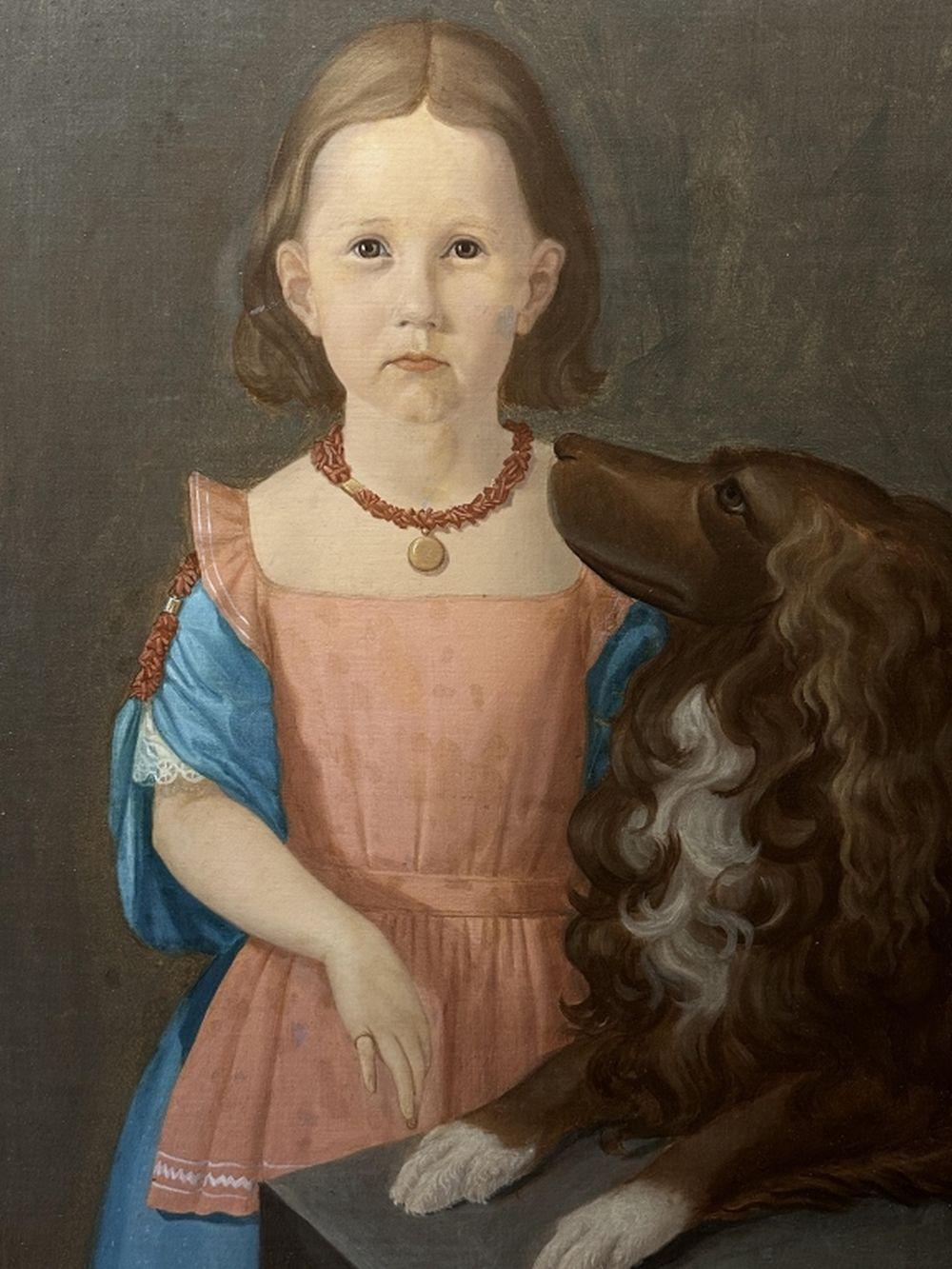 |
Listed Artist L. Ransom Folk Art Painting "Girl w/Source blocked; provenance matched | Terri Peters & Associates | 2024-04-13 | 299 | USD 1,750 (buyer’s-premium treatment unknown) |
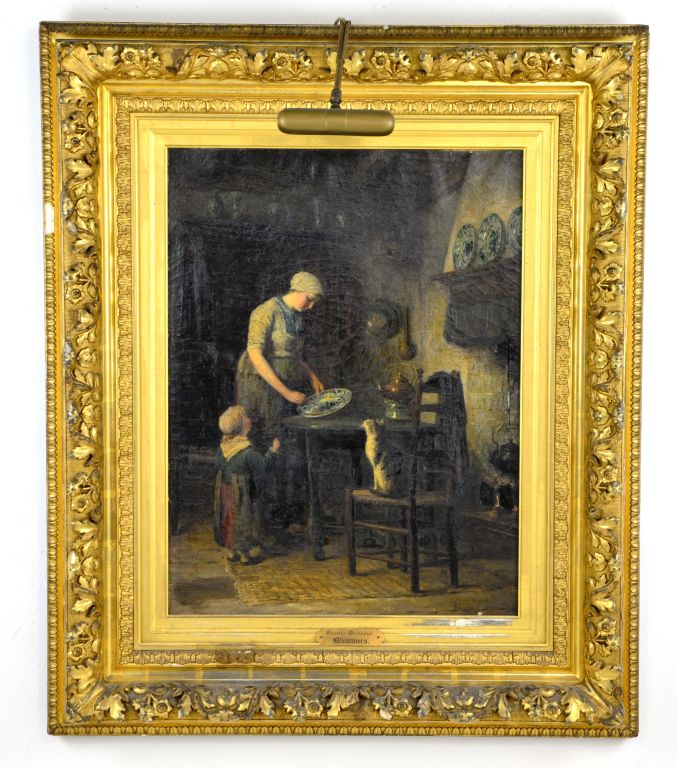 |
Oil Painting “Pussies Breakfast” by Listed Artist Bernard Johannes Blommers, (1845 - 1914)Source blocked; provenance matched | Great Expectations Auction Company | 2016-10-22 | 125 | USD 2,700 (buyer’s-premium treatment unknown) |
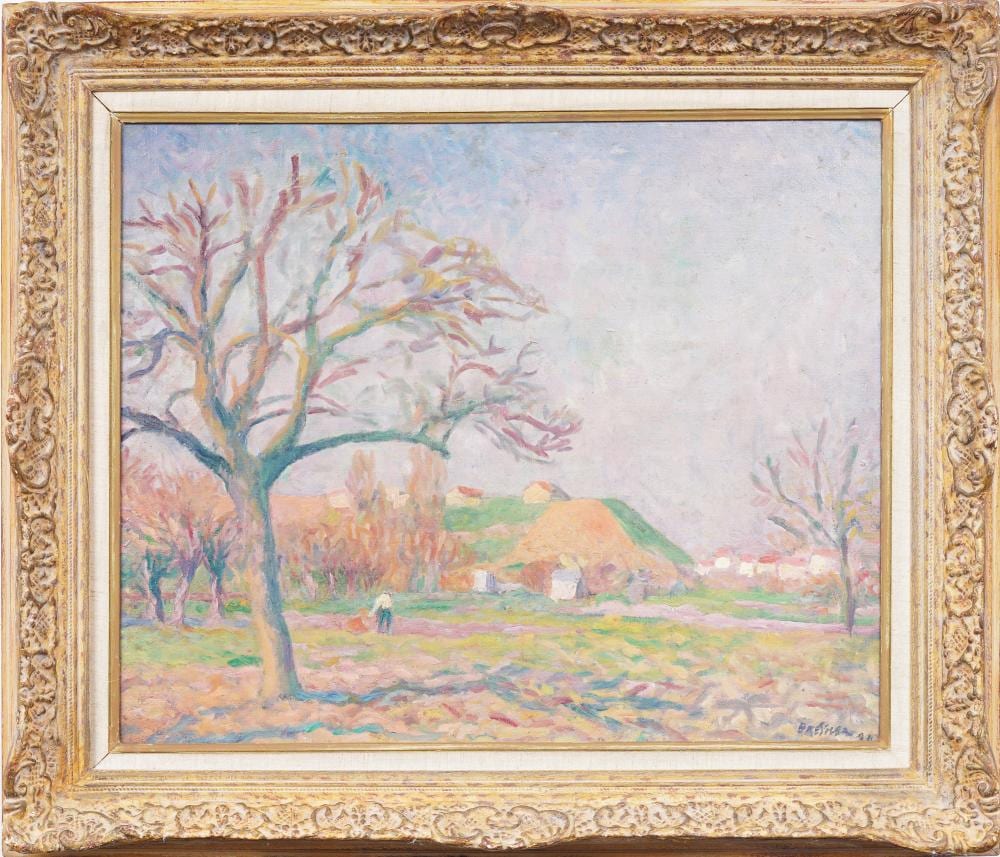 |
Emile Bressler (1886-1966) Listed Antique Swiss Landscape Modernist Original Landscape Oil PaintingSource blocked; provenance matched | Curated Gallery Auctions | 2025-10-19 | 338 | USD 450 (buyer’s-premium treatment unknown) |
 |
SUSAN NORRIE (born 1953) Destination Moon (Somewhere) 2008 oil and screen print on canvasSource blocked; provenance matched | Leonard Joel | 2020-09-22 | 38 | AUD 8,000 (buyer’s-premium treatment unknown) |
 |
Susan Kahn (NY,1924-2010) oil paintingSource blocked; provenance matched | Broward Auction Gallery LLC | 2023-08-20 | 364 | USD 280 (buyer’s-premium treatment unknown) |
How these auction records were verified
Each row retains its exact source URL, lot identity, retrieval time, access result, and immutable record hash. Live source access was blocked; the exact record matched Appraisily's immutable pipeline provenance. Inspect the public comparable provenance record.
Disclosure: prices are shown as reported by auction houses and are provided for appraisal context. Learn more in our editorial policy.
Free instant estimate
Not sure if your painting is worth appraising? Let us take a look.
Upload a photo, tell us what you know, and get a free first read. If a full appraisal makes sense, we will say so.
Free. No card needed. Takes about two minutes.
FAQ
Q: Does “listed” guarantee authenticity or high value? A: No. “Listed” means the artist appears in recognized references, which helps research and comparables. Authenticity still depends on the object’s materials, signature, and provenance, and value depends on condition and market demand.
Q: What if the painting is signed, but I can’t verify the exact “Susan Elkins”? A: Treat the identity as unconfirmed. Compare stylistic traits and materials with verified works by candidates sharing the name, and consult a specialist. Misattributing to the wrong artist can distort value significantly.
Q: The painting shows “Xx” on the back. Is that a title? A: Maybe. Transcribe it exactly and note its location. “Xx” could be a placeholder, size shorthand, or series code. It is not, by itself, proof of a title or edition number. Use context from other works and documentation to interpret it.
Q: How much does restoration affect value? A: Professional, well-documented conservation aimed at stabilizing the work often preserves value. Extensive overpaint, aggressive cleaning, or structural issues can reduce FMV. Always disclose and illustrate condition in appraisals.
Q: Should I seek a formal appraisal or rely on auction results? A: Use both. Auction results provide market evidence; a formal appraisal synthesizes that evidence with condition, provenance, and valuation purpose, producing a defensible number for insurance, estates, or donations.
By combining object-level analysis (originality, condition, signature and inscriptions like “Xx”) with documentation (provenance, exhibition history) and disciplined market comparisons, you can present a clear, supportable conclusion about an original painting by a listed artist such as “Susan Elkins Xx.” Even when the inscription is ambiguous and the market thin, careful documentation and conservative reasoning are your best tools for accuracy and credibility.