Warhol-attributed ink drawing: appraisal and attribution basics
Start by treating a Warhol-attributed ink drawing as an evidence file, not a conclusion. Compare line quality, technique, paper, ink, signature, verso marks, provenance, exhibition or publication history, condition, conservation records, and catalogue raisonne context before discussing value or sale venue.
Warhol-Attributed Ink Drawing Guide
Serious collectors and appraisers know that the phrase “attributed to” is both promising and precarious. When the artist is Andy Warhol (1928–1987), the stakes rise: his early ink works and later contour drawings are widely sought after, but they are also widely imitated. This guide explains how to evaluate an ink drawing attributed to Warhol with a methodical eye, from technique and materials to provenance, condition, and market context.
Why an Andy Warhol Ink Drawing Matters
Warhol’s reputation as a leading figure in postwar American art often centers on his silkscreen paintings and prints. Yet the foundation of his practice was drawing. Two clusters define his work on paper:
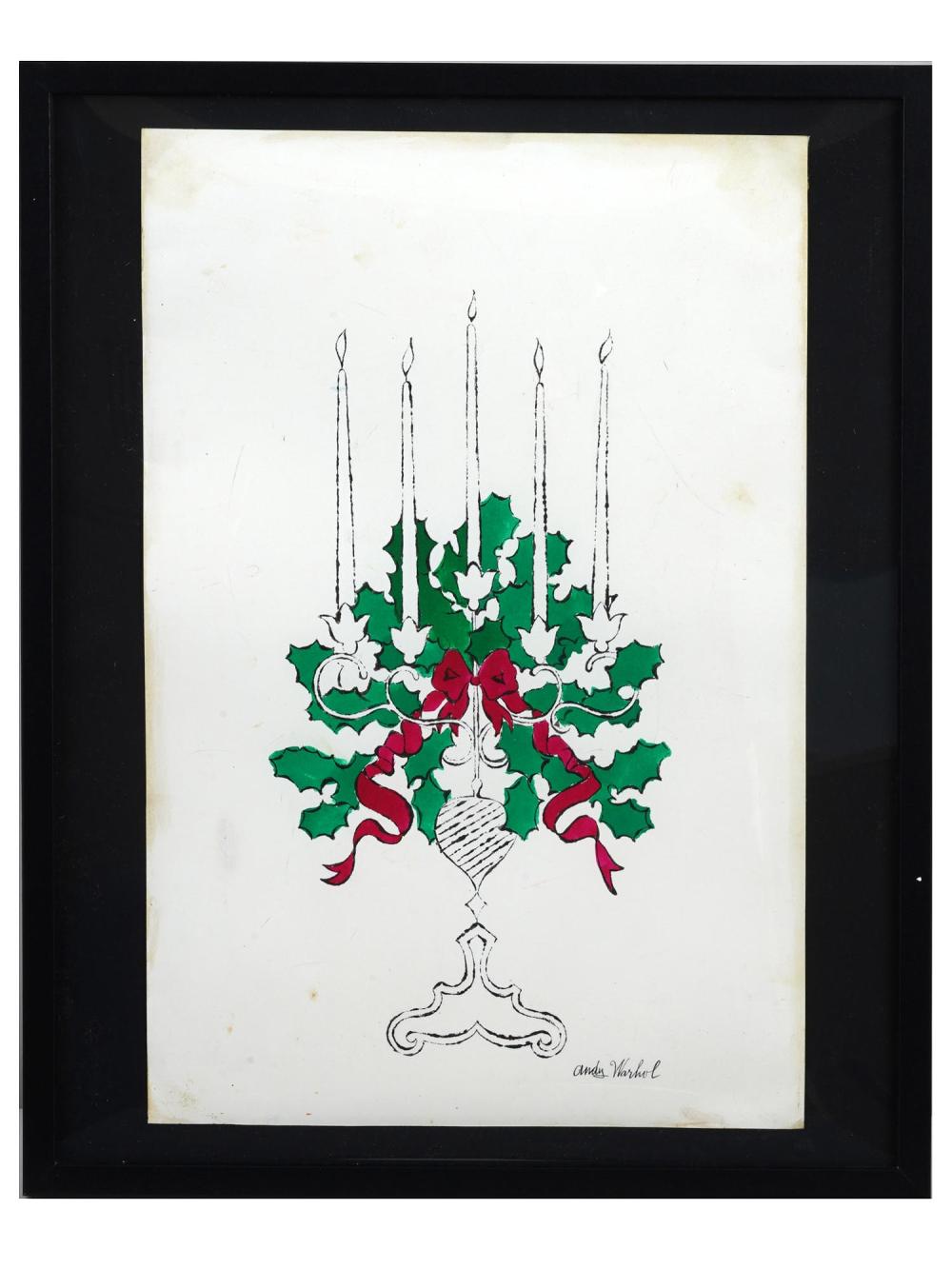
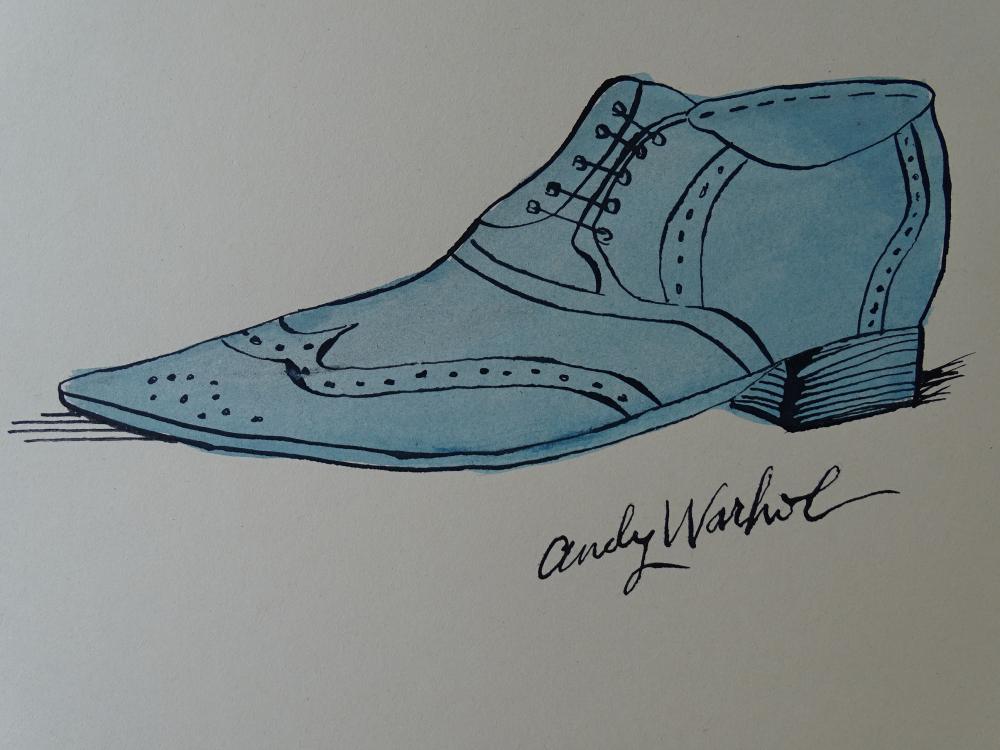
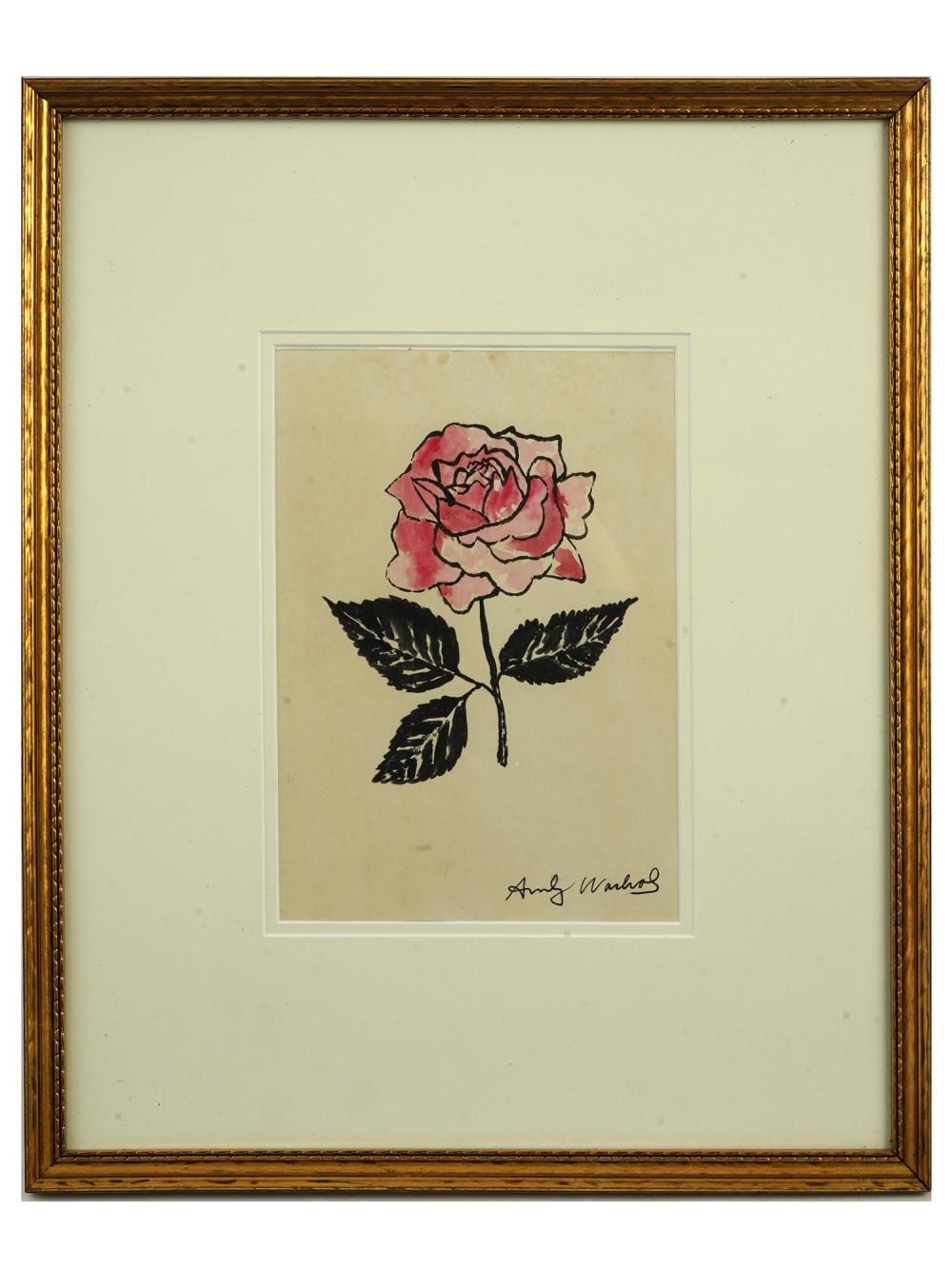
- Early 1950s: Commercial illustration and studio practice featuring the blotted-line technique, whimsical subjects (cats, shoes, angels, boys, flowers), and occasional hand-coloring or gold leaf.
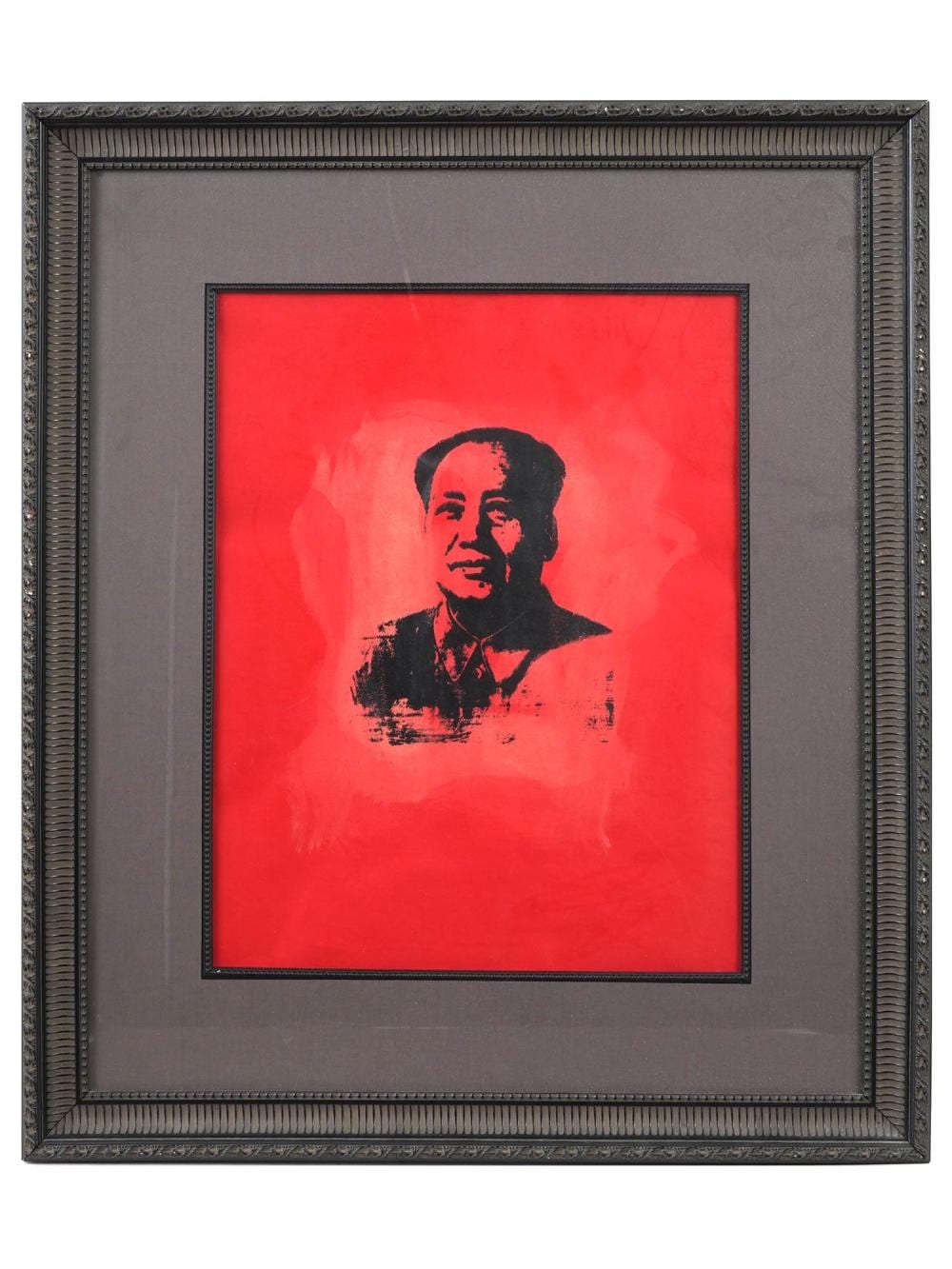
- 1970s–1980s: A revival of drawing through black ink or felt-tip contour line studies from Polaroids and life, often of celebrities, socialites, and patrons.
Ink drawings represent originality at the core of Warhol’s hand. They can be accessible entry points into the Warhol market, and the most compelling examples have strong auction histories. But a confident attribution depends on careful alignment of form, materials, and paper trail.
Understanding Warhol’s Ink Techniques
Knowing how Warhol actually made his drawings helps separate real period work from studio-inspired lookalikes.
- Blotted line (early 1950s)
- Process: Warhol drew in ink on non-absorbent paper, then pressed the wet image against absorbent paper to transfer a broken, feathered line. He could repeat a motif with slight variations, useful in his commercial illustration work.
- Visual cues: Delicate, discontinuous outlines; slightly fuzzy line edges; light graphite underdrawing sometimes visible; occasional registration irregularities from re-transfer.
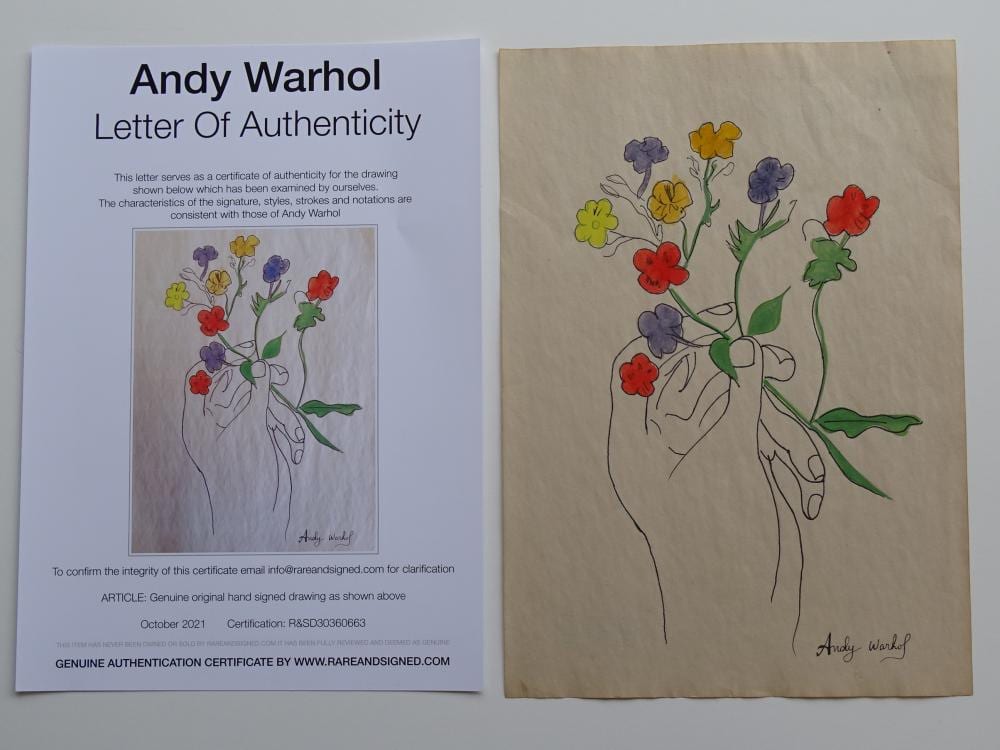
- Subjects: Shoes (often with witty captions), cats, angels, cupids, boys’ portraits, botanical motifs, and literary-inspired scenes.
- Color and leaf: Some drawings are selectively hand-colored with watercolor, dye-based washes, or aniline inks; others bear gold leaf with sizing in a manner reminiscent of religious icons.
- Continuous contour line (1970s–1980s)
- Process: Freehand line, typically with black fountain pen, felt-tip, or marker, often drawing from Polaroid snapshots he took in the studio.
- Visual cues: Unbroken, confident line; economy of detail; sparse shading; sometimes multiple contour passes that “search” the form.
- Subjects: Portraits of sitters connected to Warhol’s social and professional circles; flora and fauna; occasional celebrity heads in pared-down line.
- Materials and supports
- Ink: India ink and commercial drawing inks for early work; later, felt-tip and marker were common.
- Papers: Drawing paper, illustration board, and occasionally tracing paper or vellum. Watermarks such as Strathmore or Arches appear on some period papers; illustration board was popular for commercial commissions.
- Scale: Often small to medium; many sheets fall in the roughly 8 × 10 in to 16 × 20 in range, though larger boards exist.
Key takeaway: A claimed 1950s blotted-line drawing should exhibit the telltale transferred line quality, not a simply dotted pen imitation. Conversely, a 1980s contour drawing won’t look blotted; it should feel fluent, immediate, and lean.
Signatures, Inscriptions, and Paper: What to Look For
Signatures are helpful but not decisive. Warhol’s signatures evolved, and his drawing practice included gifts, inscriptions, and titles.
- Surname shift: Warhol (born Andrew Warhola) began using “Warhol” professionally around 1949. Early student-era works may bear “Warhola,” but the majority of market-visible 1950s drawings read “Andy Warhol.”
- Placement and style: Commonly lower right, in ink or graphite. Early signatures in cursive; later signatures can appear freer. Beware oddly labored or overlarge signatures that dominate the sheet.
- Inscriptions and dedications: Many 1950s pieces were made for friends, clients, or as presentation items. A period dedication with corroborating provenance can help. Hand-lettered captions accompany some shoe drawings and whimsical subjects.
- Estate and inventory markings: After Warhol’s death in 1987, some works received “The Estate of Andy Warhol” or Foundation inventory stamps and numbers on the verso. These marks can support, but not confirm, originality; both stamps and stickers have been forged.
- Paper and support diagnostics:
- Watermarks: Period watermarks from reputable mills are supportive but must align with date and geography.
- Optical brighteners: UV examination can indicate the presence of OBAs common in many post-1950 papers; that alone doesn’t date a sheet precisely but can contradict anachronistic claims.
- Illustration board: Look for manufacturer labels, edge delamination, or period notations.
- Underlayers: Graphite layout lines, erasures, pinholes, or adhesive ghosts may reflect commercial workflow.
If a drawing lacks a signature, quality of line, period materials, and demonstrable provenance become crucial. Unsigned but fully documented examples exist and can be valuable.
Provenance and Documentation: Building the Case
For Warhol, provenance can be decisive. The closure of the Warhol Authentication Board in 2012 shifted emphasis toward documented ownership history and scholarship.
- Primary sources:
- Gallery invoices, consignment forms, or exhibition labels from venues associated with Warhol’s early drawing exhibitions (e.g., 1950s New York galleries).
- Correspondence, dated photographs, or period publications reproducing the exact drawing.
- Estate or Foundation inventory numbers matching internal records.
- Secondary sources:
- Auction catalogues with lot illustrations and condition reports.
- Inclusion in reputable catalogues raisonnés for Warhol’s drawings or printed references produced by the Foundation or recognized scholars.
- Chain-of-title narrative:
- Note acquisition dates, intermediaries (dealers, estates), and any restorations or reframings.
- Keep all appraisal and conservation reports; they add professional scrutiny to the history.
- Red flags:
- Vague stories (“purchased in New York in the 50s”) without paperwork.
- Recently added “estate” stamps or incongruous label typography.
- Attributions relying solely on a signature or subject matter.
Provenance gaps are not fatal, but they require compensating evidence—technical analysis, connoisseurial opinions, and comparisons with securely documented peers.
Condition, Conservation, and Framing Considerations
Warhol’s drawings are vulnerable to light, acidity, and handling.
- Typical condition issues:
- Foxing (brown spots), mat burn along window openings, toning from acidic backing boards.
- Ink migration or bleed, especially in dye-based washes.
- Gold leaf abrasion or loss where used.
- Surface grime, graphite smudges, and handling creases.
- Conservation approach:
- Seek a paper conservator’s examination before any cleaning. Gentle surface cleaning and deacidification may be possible, but wash treatments must consider the solubility of inks and dyes.
- Avoid tape on the sheet; hinge with reversible Japanese tissue and wheat starch paste.
- Preserve verso stamps and inscriptions; they are evidence.
- Framing best practices:
- UV-filtering glazing, a 100% cotton rag mat and backing, and spacers to keep glazing off the art.
- Display in low-light, low-UV environments; rotate off-view to limit cumulative exposure.
- Document any reframing with photos of verso and all labels before changes.
Condition directly affects market confidence. A scarce, fully documented blotted-line drawing with light toning may still perform strongly; an aggressively cleaned or over-restored sheet with lost media can struggle.
Market Context and Valuation Factors
Warhol’s overall market is robust, but drawing values vary widely. Appraisers weigh:
- Period and technique:
- Early 1950s blotted-line drawings with compelling subjects and hand-coloring are comparatively rare and sought after.
- Later contour drawings’ values hinge on sitter recognition, graphic strength, and provenance.
- Subject matter:
- Iconic Warhol themes (shoes, cats, angels) have an established collector base.
- Portraits of known personalities can command strong prices; anonymous sitters are more variable.
- Quality and freshness:
- Crisp, elegant line with strong composition outperforms routine or tentative examples.
- Works unseen on the market for decades (“fresh to market”) often attract premium bidding.
- Documentation:
- Works recorded by the Estate/Foundation or published in authoritative references carry a trust premium.
- Solid gallery or private provenance reduces buyer risk.
- Comparative sales:
- Use recent comparables for like-for-like technique, size, subject, and date—particularly for blotted-line pieces and 1970s–80s portrait drawings.
- Legal and ethical considerations:
- Confirm clear title and any export restrictions.
- Be wary of works with unresolved originality disputes.
Price estimates should be built from recent, closely comparable results and adjusted for condition, scale, and documentation strength.
Practical Checklist: Assessing a Warhol-Attributed Ink Drawing
- Identify technique: blotted line (1950s) vs continuous contour (1970s–80s).
- Examine line quality under magnification: transferred feathered edges vs pen-simulated dots.
- Review materials: ink type, presence of watercolor/dye, gold leaf, felt-tip markers.
- Inspect paper/support: watermarks, illustration board, UV response, OBA indications.
- Map underdrawing: graphite guides, tracing marks, pinholes, or transfer evidence.
- Evaluate signature/inscriptions: placement, style, period plausibility; photograph verso stamps.
- Compile provenance: invoices, labels, photos, publications; reconstruct chain-of-title.
- Seek expert opinions: recognized scholars, reputable dealers, and major auction houses.
- Commission technical analysis when needed: fiber ID, ink solubility, UV/IR imaging.
- Document condition: foxing, toning, mat burn, media loss; obtain a conservation report.
- Frame to museum standards and retain all verso documentation and old mats/labels.
FAQ
Q: What does “attributed to Andy Warhol” mean in practice? A: It indicates a qualified opinion that the work is likely by Warhol but lacks definitive proof. Strong attributions rest on converging evidence—technique, materials, provenance, expert opinions—rather than a signature alone.
Q: Did the Warhol Authentication Board certify drawings? A: The Warhol Authentication Board no longer exists. Today, originality is established through scholarship, documentation, comparative analysis, and, where appropriate, technical study. Auction houses and museums rely on this body of evidence.
Q: Are unsigned Warhol drawings collectible? A: Yes. Unsigned works with impeccable provenance and period-correct technique can be highly desirable. Conversely, a signed but weak or anachronistic drawing will not withstand scrutiny.
Q: How risky is restoration on ink drawings? A: High if done improperly. Many inks and dyes are sensitive to moisture and solvents. Only a professional paper conservator should treat such works, and all treatments should be fully documented.
Q: What’s the single biggest red flag? A: A perfect-looking signature on a drawing whose line quality and materials do not match Warhol’s known methods for the claimed period. Always prioritize the drawing itself over the autograph.
An ink drawing attributed to Andy Warhol offers both opportunity and challenge. Build your appraisal on the fundamentals—technique, materials, provenance, and condition—and corroborate with expert and technical evidence. When these elements align, you can move from “attributed to” toward a confident authorship and a supportable valuation.