Andy Warhol 1928 1987 Signed Print: appraisal and value basics
Andy Warhol 1928 1987 Signed Print research should start with identification, condition, provenance, and item-specific market evidence. Use this guide to compare the signals that matter before paying for a formal appraisal or deciding whether to sell.
Andy Warhol Signed Print Appraisal Guide
Many listings tease “Andy Warhol 1928–1987 signed print,” a phrasing that mixes biographical dates with the promise of a signature. For appraisers and collectors, that wording is the first clue to slow down and look closely. Warhol did not add “1928–1987” to his signature; that date range is usually a memorial or estate notation used after his death. This guide explains what that wording typically signals, how real lifetime-signed Warhol prints look, and the practical checks that separate valuable originals from posters, posthumous editions, and misrepresentations.
What “1928–1987” Really Signals on a Warhol Print
Biographical marker, not a signature. “1928–1987” is Warhol’s birth and death years. When you see it near a signature, it’s usually part of a printed caption, a memorial poster, or a posthumous/estate mark. Warhol did not add his life dates to his hand signatures.
Memorial posters and offset reproductions. Many museums and publishers issued posters after 1987 bearing a printed facsimile of Warhol’s signature alongside the years “1928–1987.” These are not hand-signed fine art prints, even if the word “signed” appears in advertising copy. The signature is mechanically printed within the image or margin.
Estate or foundation notations. Some legitimate posthumous impressions or estate-stamped works on paper carry stamps or labels referencing the Estate of Andy Warhol or the Andy Warhol Foundation and may include his life dates in text. These are not lifetime-signed prints. They can be collectible, but they are distinct in value and status from works signed by Warhol in pencil during his lifetime.
Takeaway: If “1928–1987” is presented as part of the “signature,” you’re almost certainly not looking at a lifetime, hand-signed Warhol print.
Lifetime Signatures, Numbering, and Markings
Recognizing how Warhol actually signed, numbered, and marked his prints is the key to authenticating and appraising them.
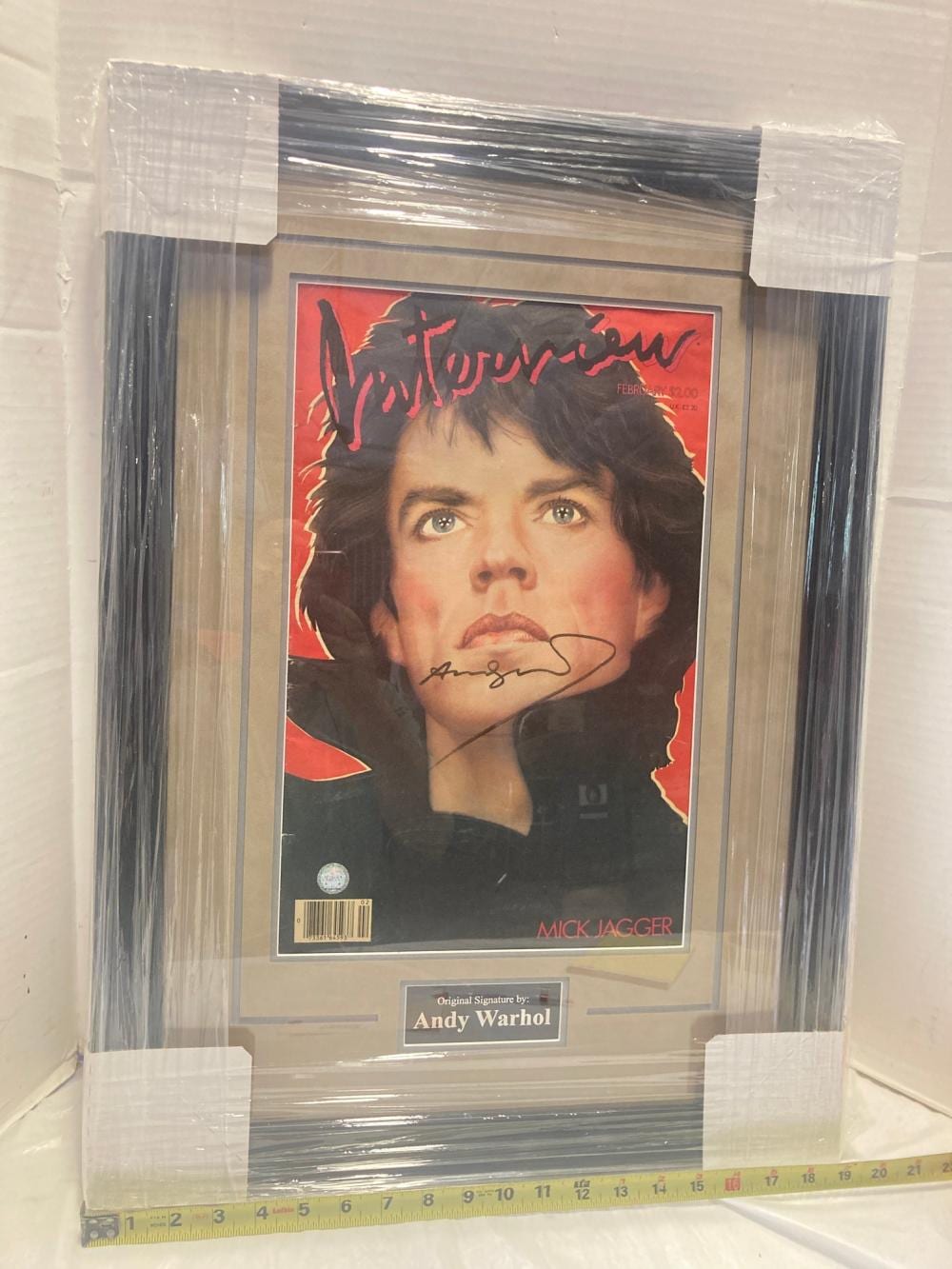
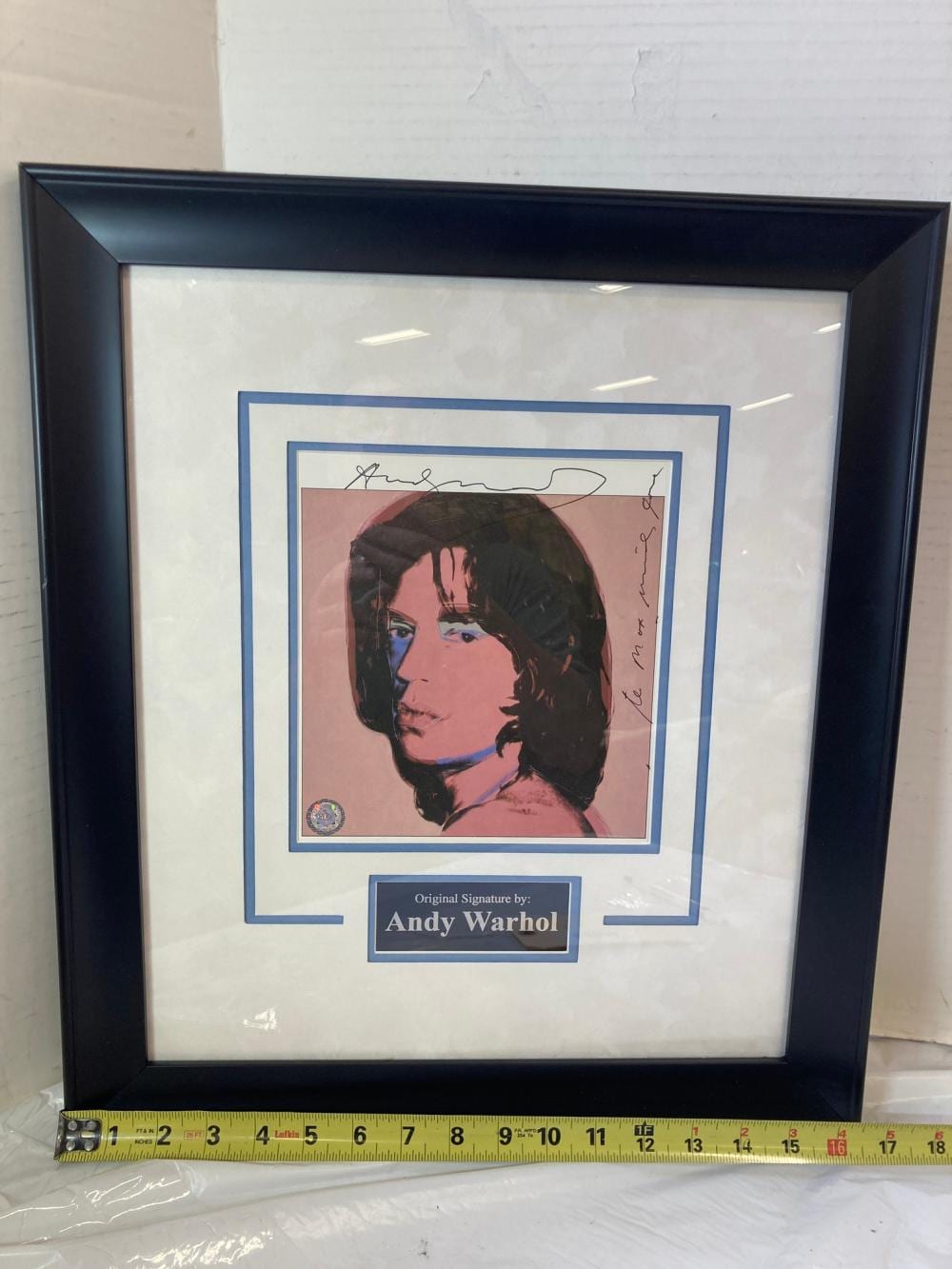
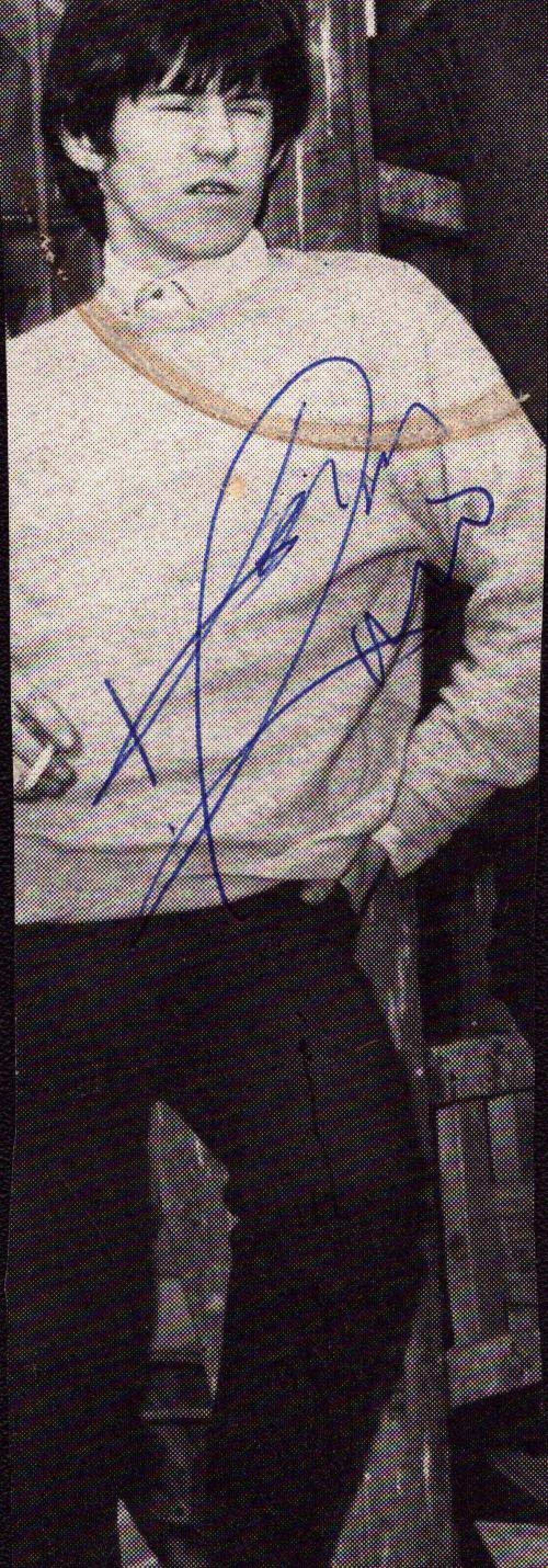
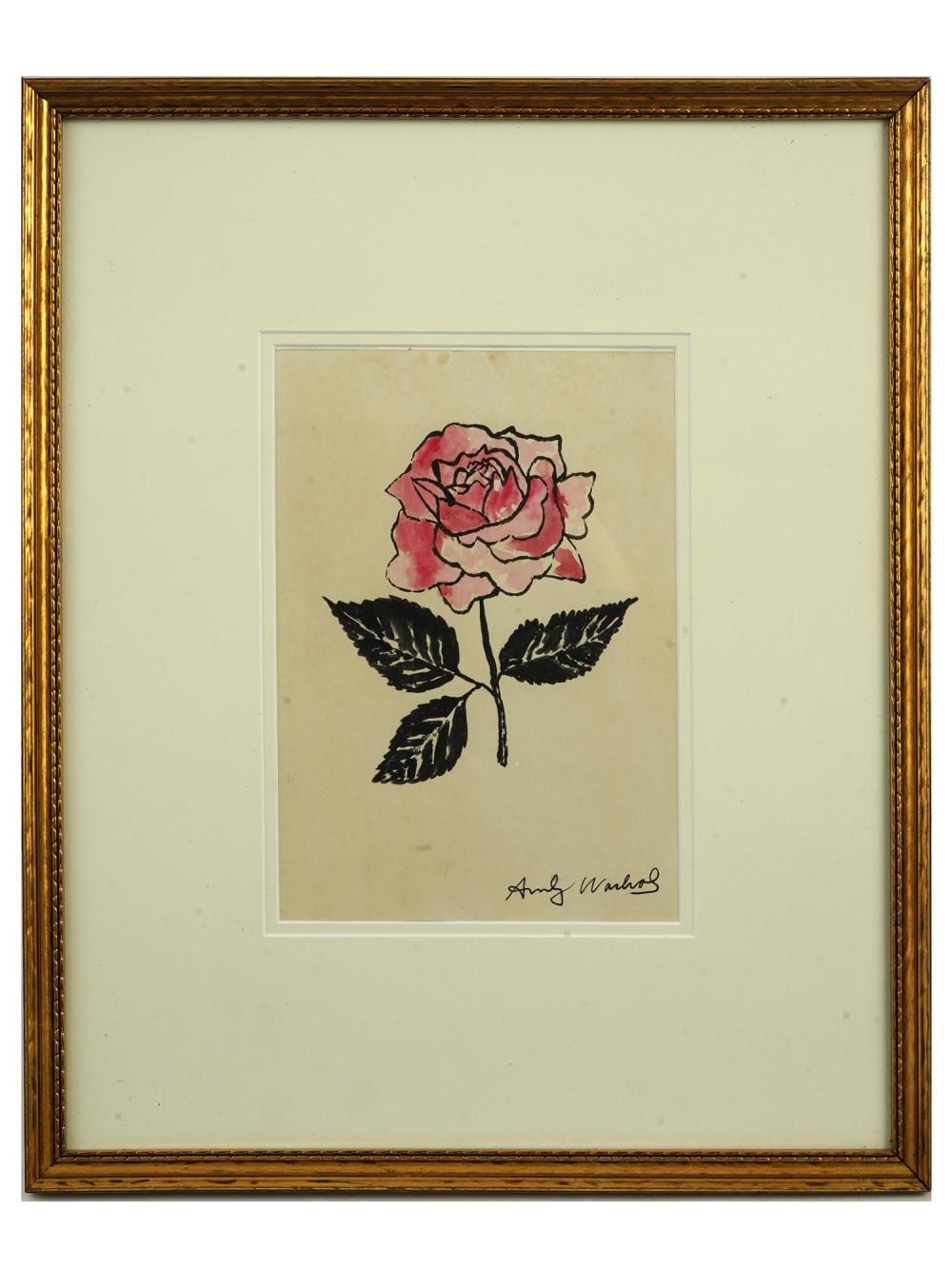
Pencil signature in the margin. Warhol typically signed in graphite (pencil) in the lower right margin. Under raking light, you should see the reflective sheen of graphite and slight indentation in the paper fibers. Ballpoint, felt-tip, or overly glossy “signatures” are red flags (unless clearly a printed facsimile on a poster).
Edition numbering in pencil. The edition number (e.g., 125/250) appears in the lower left margin in pencil. Other common notations include:
- A.P. (Artist’s Proof)
- T.P. (Trial Proof)
- P.P. (Printer’s Proof)
- H.C. (Hors Commerce) Proofs should still be in pencil and accompanied by appropriate printer/publisher marks.
Warhol rarely added dates or titles by hand. While dated examples exist, most standard portfolio prints are simply pencil-signed and numbered. Be cautious with elaborate inscriptions.
Printing technique and inks. Warhol’s fine art editions are predominantly screenprints (serigraphs) with distinct, layered color fields. You should see crisp edges between color separations and, in many cases, the tactile presence of ink layers. A halftone dot pattern across the entire image usually indicates an offset-litho poster, not a screenprint.
Dimensions and margins. Dimensions for each edition are fixed and published in the catalogue raisonné. Trimming, inconsistent margins, or sizes that don’t match published specs warrant scrutiny.
Blindstamps and stamps. Many lifetime editions have a printer’s or publisher’s blindstamp in the margin and sometimes a copyright or studio stamp on the verso. Common printers and publishers associated with Warhol’s screenprints include Styria Studio, Rupert Jasen Smith, Alexander Heinrici, Castelli Graphics, Multiples, Inc., and Factory Additions. The presence, placement, and style of stamps should align with the known edition.
Paper. Warhol screenprints were issued on quality papers such as Lenox Museum Board and Arches. The feel, weight, and deckle (if any) should correspond to the edition notes. Thin poster stock is a giveaway.
Editions and Posthumous/After-Warhol Prints
Understanding edition categories will clarify value and documented originality.
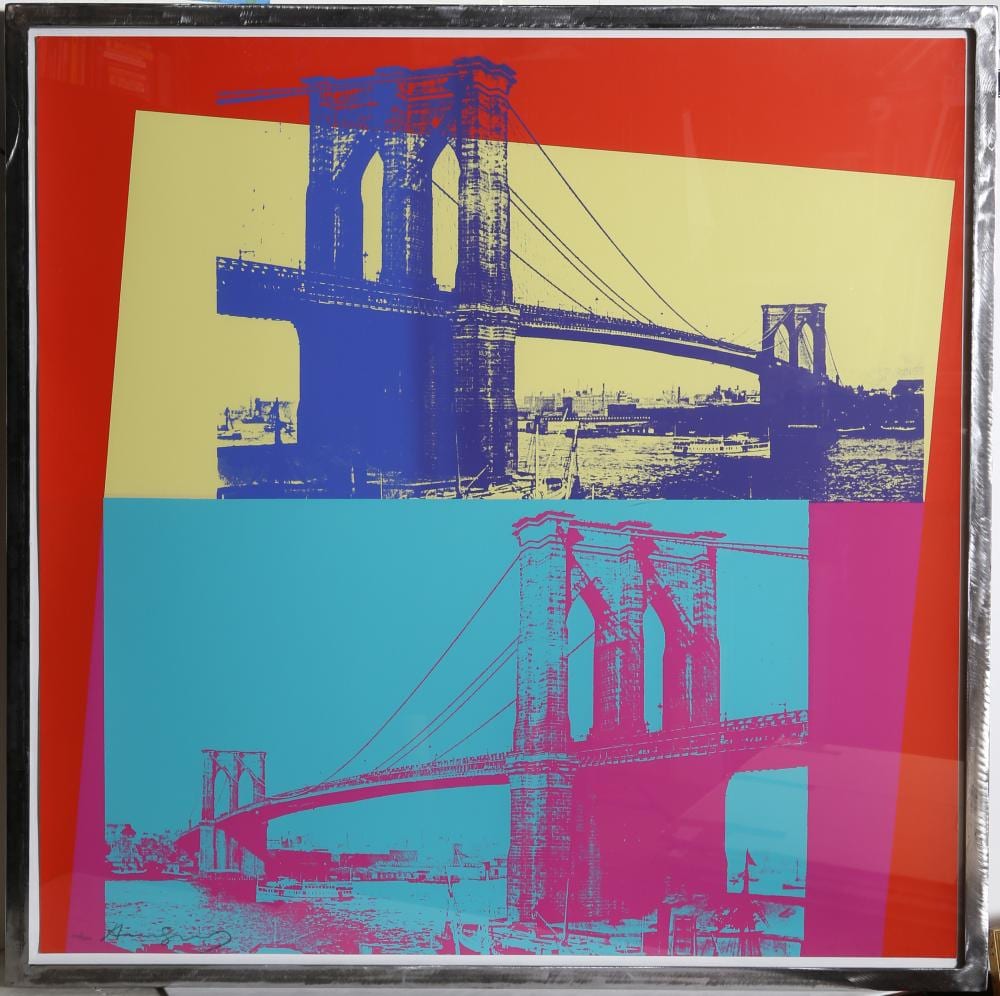
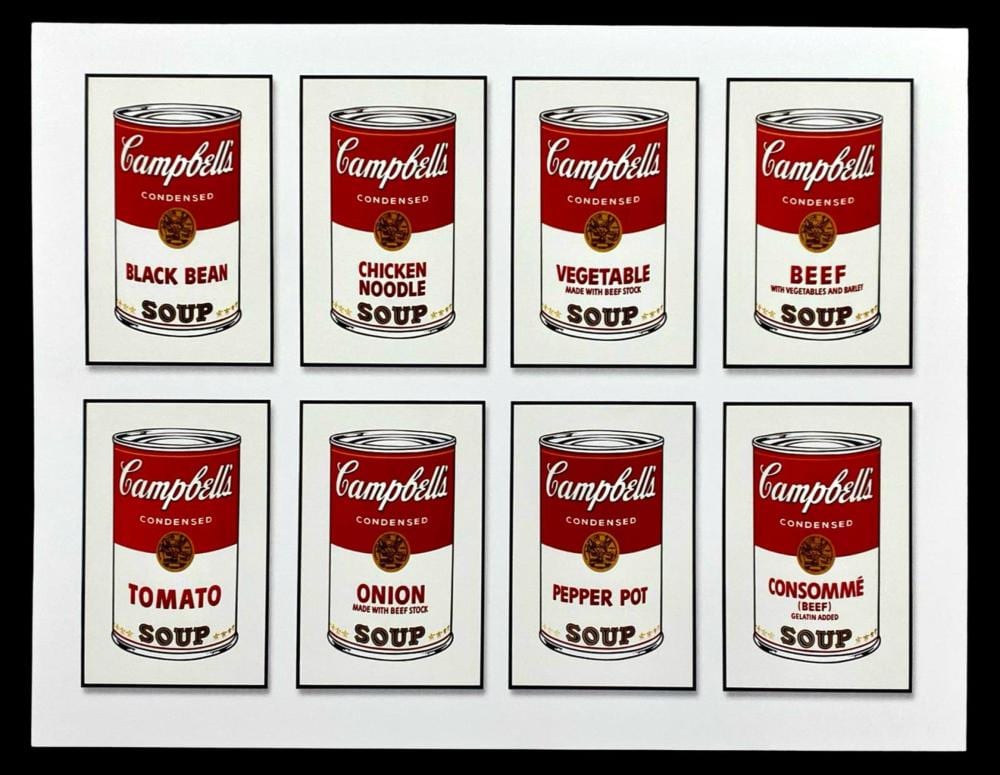
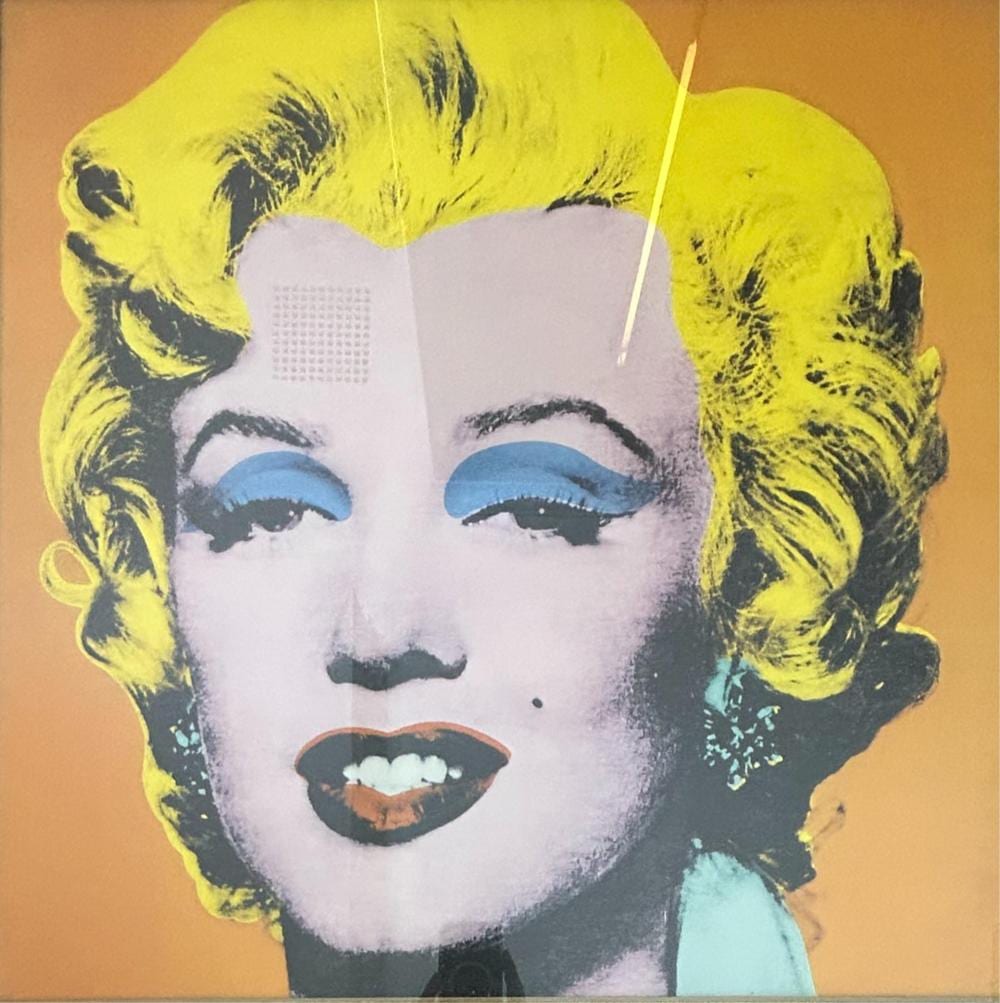
Lifetime editions (most sought-after). These are the screenprints Warhol oversaw and signed during his life. They are catalogued with Feldman/Schellmann numbers (often cited as “FS II.” for screenprints on paper). Values vary widely by subject (Marilyn, Mao, Campbell’s Soup, Electric Chair, Mick Jagger, Endangered Species, Cowboys and Indians, etc.), edition size, condition, and provenance.
Unique variants and trial proofs. Warhol experimented with colorways and trial proofs; some unique variants exist and can bring premiums. They should still conform to known paper, size, printer, and publisher details.
Sunday B. Morning. In the early 1970s, a separate publisher issued reprints of certain Warhol images (notably Marilyn and Flowers) marked on the verso with stamps such as “Published by Sunday B. Morning” and “fill in your own signature.” These are not lifetime editions, though some have collector interest. Warhol reportedly inscribed a few examples with “This is not by me,” underscoring their status. Most Sunday B. Morning impressions were not hand-signed by Warhol.
Posthumous/estate-stamped impressions. After 1987, some impressions were issued or stamped by the estate or foundation. They may bear stamped signatures or foundation/estate stamps. While genuine as publications, they must be valued separately from lifetime-signed prints and should be described as posthumous or estate-stamped, not as “Warhol hand-signed.”
Posters and reproductions. Exhibition posters, book plates, and mechanical reproductions sometimes include printed facsimile signatures and can carry memorial dates “1928–1987.” These are decorative and have a different market from original fine art screenprints.
When appraising, first identify the exact image and match it to the catalogue raisonné (Feldman/Schellmann) to confirm the correct edition, printer, publisher, paper, dimensions, and expected markings.
Appraisal Factors, Red Flags, and Handling
Value depends on more than originality. Condition, edition type, and subject all matter.
Key appraisal factors:
- Subject and series. Iconic images (Marilyn, Soup Cans, Mao) with strong demand typically command higher prices.
- Edition and proof type. Lifetime, pencil-signed, numbered impressions usually rank highest; rare proofs or unique variants can exceed standard editions.
- Condition. Screenprint inks are prone to scuffing, cracking, and handling creases. Look for:
- Surface abrasions, especially on dark grounds
- Ink loss at creases
- Paper toning or mat burn
- Foxing, staining, or moisture waves
- Fading from light exposure (notable in certain pigments)
- Over-trimming or hinges and tape on the margins/verso
- Completeness. Portfolios in complete sets with original covers or boxes often carry premiums.
- Provenance and documentation. Invoices from recognized galleries, auction catalogue references, and prior literature mentions strengthen value.
- Market comparables. Use recent auction results for the exact FS number, same edition type, and comparable condition. Adjust for condition variances and whether the work is single or from a portfolio.
Common red flags:
- “1928–1987” appearing as part of the “signature” or in a rubber stamp purporting to equal a signature.
- Signatures in ballpoint or felt-tip on supposed lifetime screenprints.
- No pencil indentation for either signature or numbering.
- Dimensions and margins not matching the published specs.
- Wrong or missing publisher/printer blindstamp or verso stamp.
- Paper that feels like poster stock or coated paper.
- Numbering that looks off (unusual fractions or handwriting inconsistent with known examples).
- Colors that differ materially from documented palettes for the edition (beyond known variants).
Best-practice handling and conservation:
- Handle with clean, dry hands or nitrile gloves; support the sheet fully.
- Avoid rolling if the print has textured or diamond-dust surfaces; these can crack or shed.
- Use acid-free, museum-grade mounts and UV-filtering glazing.
- Keep away from direct sunlight and high humidity.
- Document existing condition (photographs under normal and raking light) before transport.
Quick Checklist
- Identify the image and locate its Feldman/Schellmann (FS) entry to confirm edition details.
- Check signature and numbering in pencil with visible indentation and graphite sheen.
- Verify paper type, dimensions, margins, and any blindstamps against the edition record.
- Inspect the surface for screenprint characteristics (layered, solid color areas; no halftone pattern).
- Note any “1928–1987” text: treat it as memorial/estate/poster, not a hand signature.
- Assess condition carefully: scuffs, creases, fading, stains, backing, and trimming.
- Separate Sunday B. Morning, estate-stamped, and posters from lifetime-signed editions.
- Compile provenance and any invoices, catalogue mentions, or prior appraisals.
- Compare to recent sales of the same FS number and edition type, adjusting for condition.
- If uncertain, obtain a written evaluation from a specialist in Post-War prints.
FAQ
Q: Is a print with “Andy Warhol 1928–1987” next to the signature hand-signed by Warhol? A: No. Warhol did not add his life dates to his signature. That phrasing usually appears on memorial posters, printed facsimiles, or estate-related stamps. It is not a lifetime hand signature.
Q: How can I tell a screenprint from a poster? A: Use a loupe. A screenprint shows flat fields of color and crisp edges between layers, often with slight surface texture from the ink. Posters printed by offset typically reveal a uniform halftone dot pattern and lack the tactile ink layering. Also verify paper weight, margins, and publisher/printer marks.
Q: Are Sunday B. Morning prints valuable? A: They have a collector market but are distinct from Warhol’s lifetime editions. Their value is generally lower and depends on image, condition, and demand. They should be described as after-Warhol reprints, typically bearing Sunday B. Morning stamps on the verso.
Q: What documentation is best for a Warhol print? A: Match the work to its Feldman/Schellmann entry (image, dimensions, paper, printer, publisher, edition size, and markings). Provenance from reputable galleries or auction houses and condition reports also support value. The Warhol Foundation no longer authenticates, so third-party scholarly and market documentation is key.
Q: Do posthumous or estate-stamped Warhol prints have value? A: Many do, but they belong to a separate market tier from lifetime, pencil-signed editions. Value hinges on subject, edition, condition, and demand, and they must be described accurately as estate/posthumous rather than lifetime-signed.
By grounding your appraisal in how Warhol’s prints were actually produced, signed, and documented—and by treating “1928–1987” as a memorial or estate notation rather than a signature—you’ll avoid common pitfalls and price your piece with confidence.

![ANDY WARHOL 1928-1987 [AFTER] "TREE FROG" FROM THE ENDANGERED SPECIES SERIES"PRINT ON LENNOX MUSEUM BOARD, BLINDSTAMPED & STAMPED VERSO, 97X97CMS, UNFRAMED. sold by WA Art Auctions, lot 97 — auction record photograph](https://assets.appraisily.com/comps/auction-lots/200887020/thumb/33b87576388c8eb3db2f508073541947217068e80b87a3b7f86a5cf35c7fc2e6.jpg)

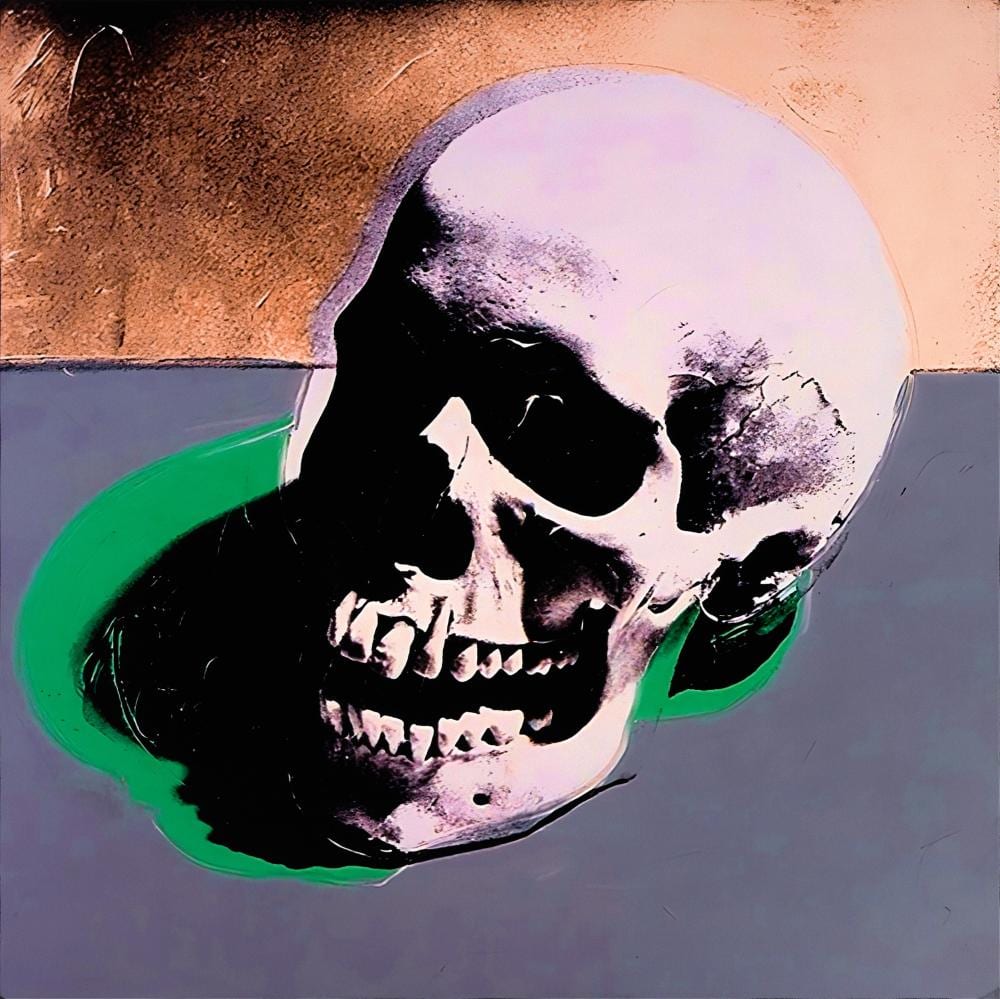
![ANDY WARHOL 1928-1987 [AFTER] "ORANGUTAN" FROM THE ENDANGERED SPECIES SERIES"PRINT ON LENNOX MUSEUM BOARD, BLINDSTAMPED & STAMPED VERSO, 97X97CMS, UNFRAMED. sold by WA Art Auctions, lot 98 — auction record photograph](https://assets.appraisily.com/comps/auction-lots/200887021/thumb/58cef7f5437163d26789e5776ab465048fa15b26a845b8a1dfae86762053b8e7.jpg)
![ANDY WARHOL 1928-1987 [AFTER] "BIG HORN" FROM THE ENDANGERED SPECIES SERIES"PRINT ON LENNOX MUSEUM BOARD, BLINDSTAMPED & STAMPED VERSO, 97X97CMS, UNFRAMED. sold by WA Art Auctions, lot 94 — auction record photograph](https://assets.appraisily.com/comps/auction-lots/200887017/thumb/4f933f36a7652e055c242602573549ad27decaf5958fbe700f0c00ea2d4df5f9.jpg)
![ANDY WARHOL 1928-1987 [AFTER] "SIBERIAN TIGER" FROM THE ENDANGERED SPECIES SERIES"PRINT ON LENNOX MUSEUM BOARD, BLINDSTAMPED & STAMPED VERSO, 97X97CMS, UNFRAMED. sold by WA Art Auctions, lot 95 — auction record photograph](https://assets.appraisily.com/comps/auction-lots/200887018/thumb/8800bbb724bd9d5dc8ebce943c921996cb1371de9fb83fbd1b015217a6ac3637.jpg)
![ANDY WARHOL 1928-1987 [AFTER] "RHINOCEROUS" FROM THE ENDANGERED SPECIES SERIES"PRINT ON LENNOX MUSEUM BOARD, BLINDSTAMPED & STAMPED VERSO, 97X97CMS, UNFRAMED. sold by WA Art Auctions, lot 96 — auction record photograph](https://assets.appraisily.com/comps/auction-lots/200887019/thumb/6665bbe0e0802bf70cd1561bb3e28f5ded8f8bb3d1ddf797cb55588985032616.jpg)