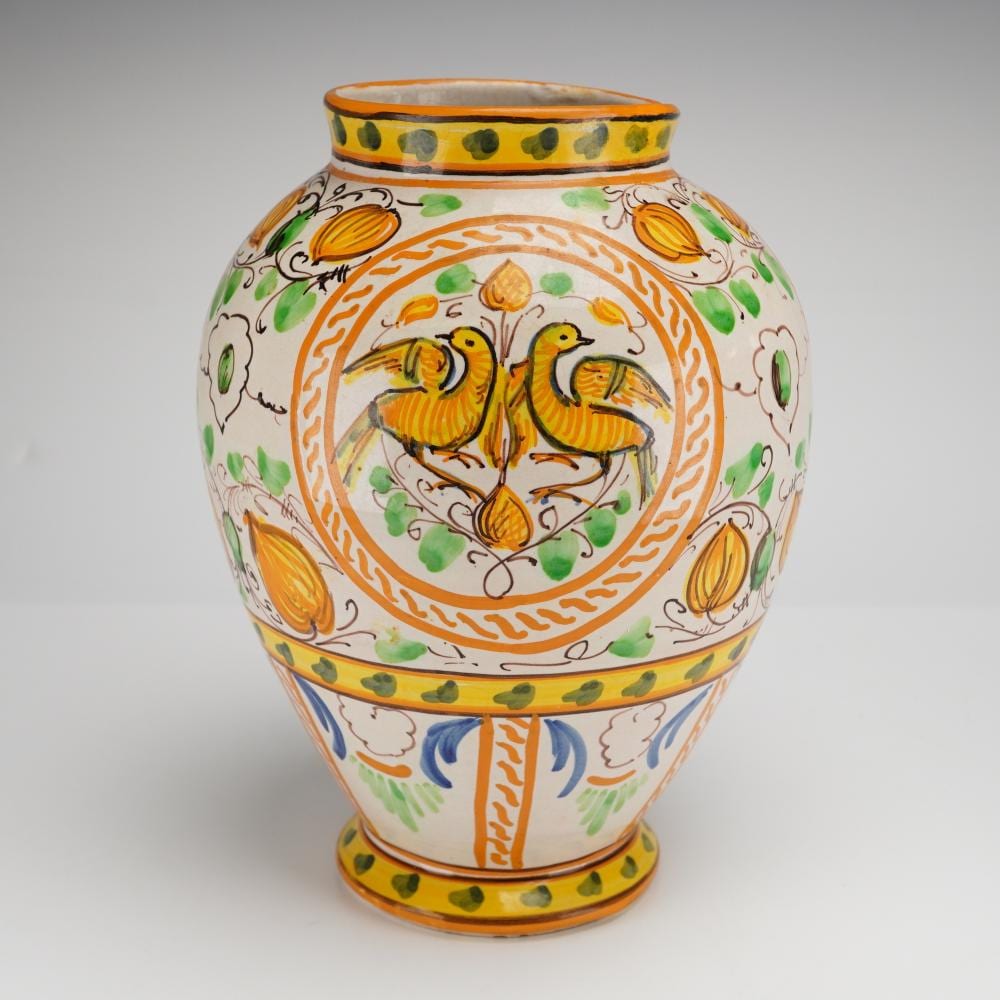
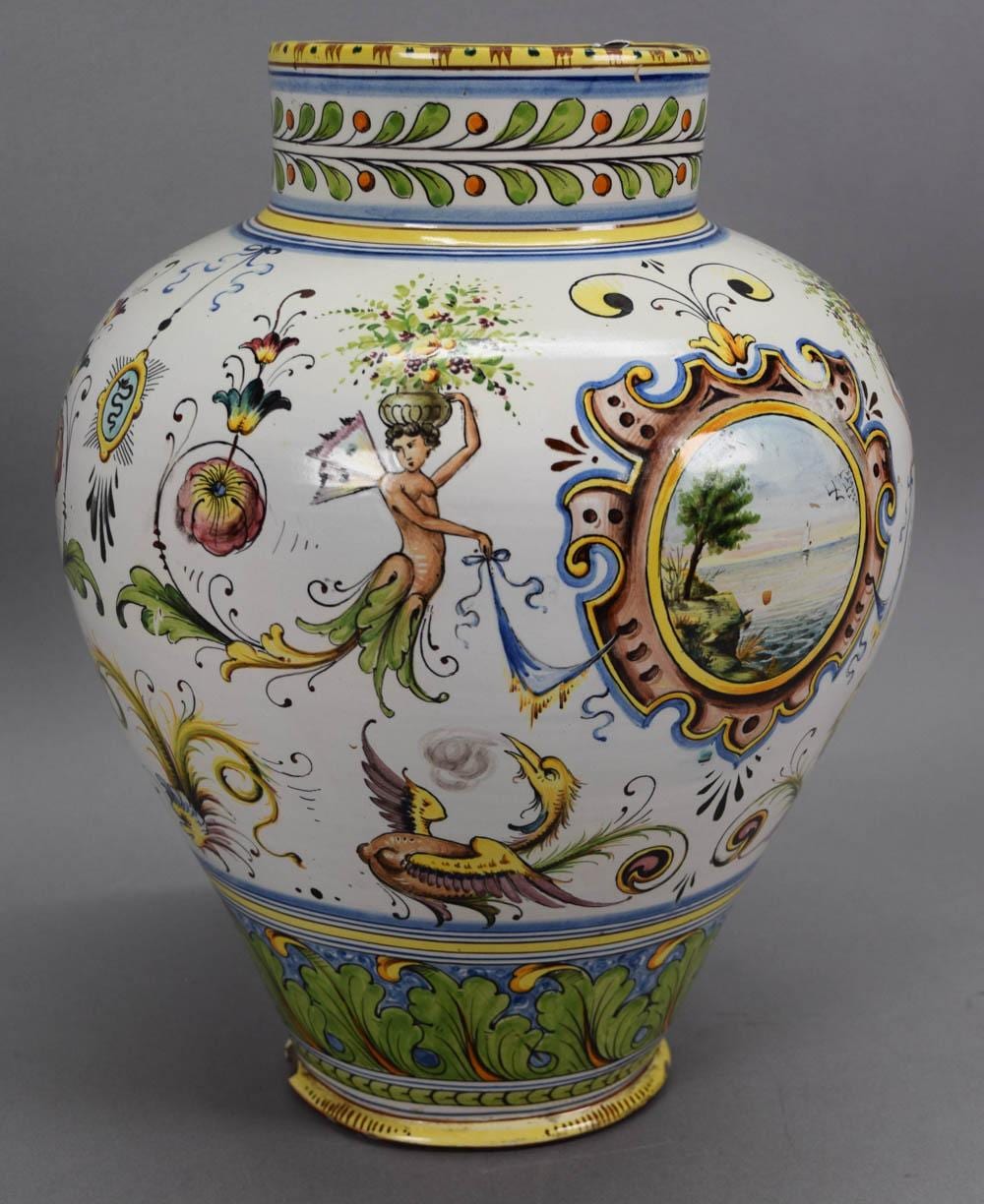
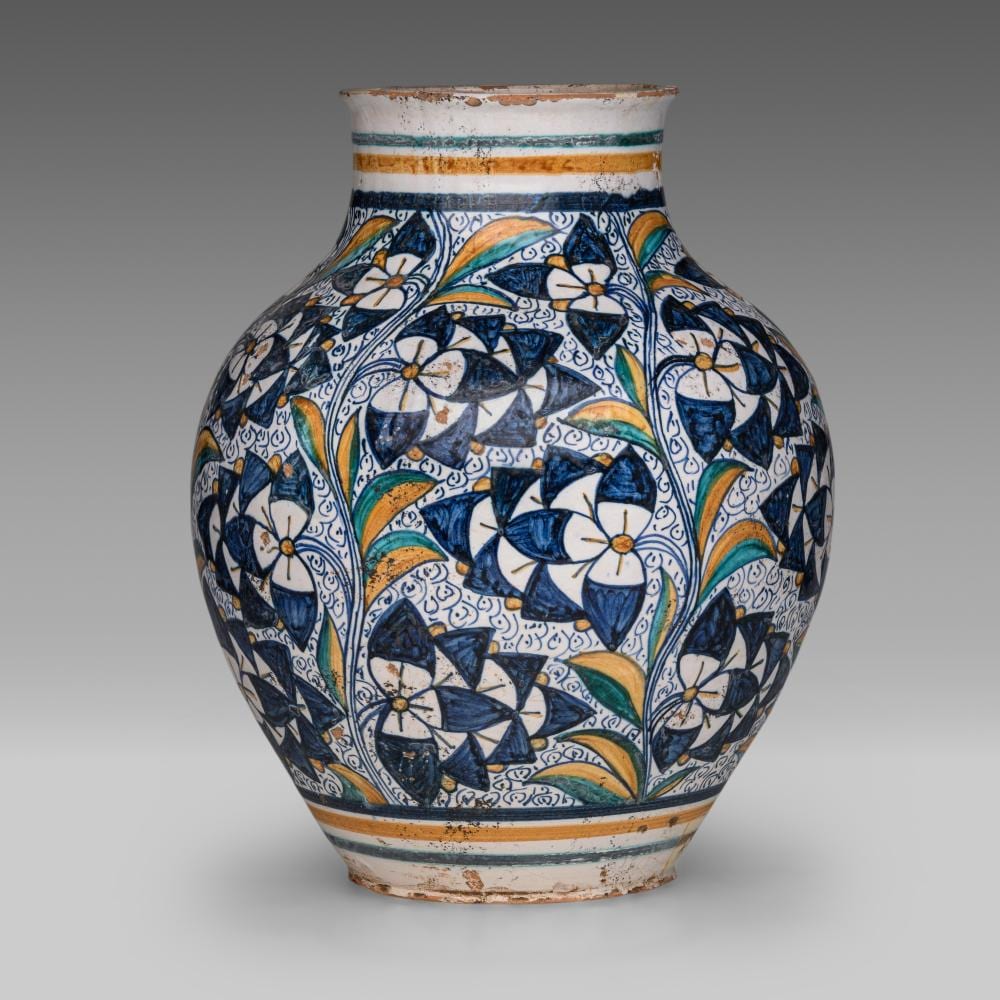
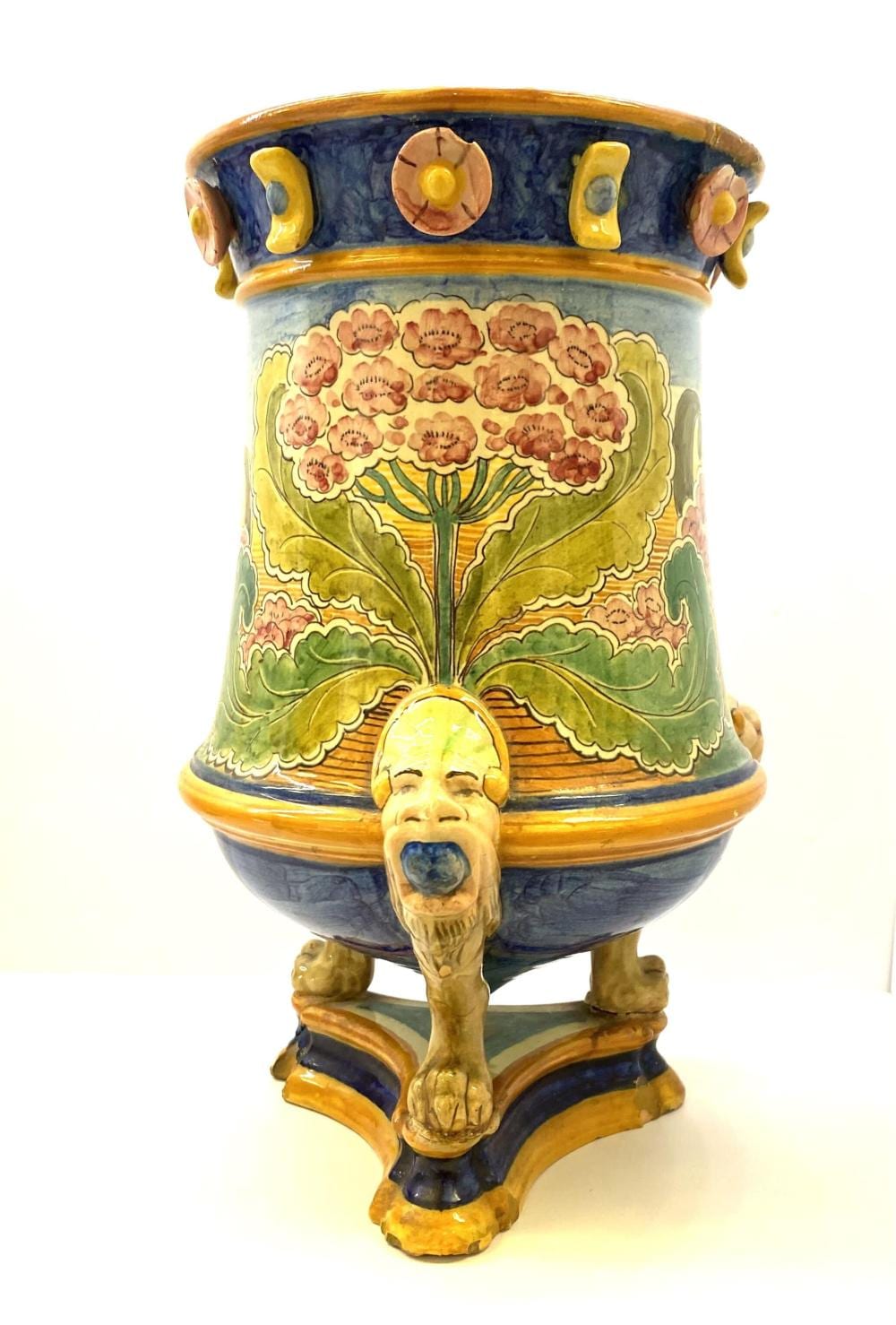
A Hand Painted Ceramic Vase Circa Early 20th Century Italian Origin: appraisal and value basics
A Hand Painted Ceramic Vase Circa Early 20th Century Italian Origin research should start with identification, condition, provenance, and recent comparable sales. Use this guide to compare the signals that matter before paying for a formal appraisal or deciding whether to sell.
Early 20th-Century Italian Hand-Painted Ceramic Vase Guide
Early 20th-century Italy produced a wealth of hand-painted ceramics that blend centuries-old maiolica traditions with the fluid lines of Liberty Style (Italian Art Nouveau) and the crisp geometries that foreshadow Art Deco. Appraisal enthusiasts assessing an Italian vase from this period should look for a combination of technical, stylistic, and historical cues. This guide explains what to examine, how to interpret marks, where values concentrate, and how to distinguish authentic workshop production from later tourist ware and reproductions.
Historical Context and Forms
Between roughly 1890 and 1930, Italian ceramics evolved swiftly:
- Liberty Style (c. 1895–1915) introduced sinuous florals, vine scrolls, dragonflies, and whiplash stems, particularly in Tuscany and Lombardy. Workshops such as Cantagalli (Florence) and Fornaci San Lorenzo (Borgo San Lorenzo, associated with Galileo Chini) explored updated maiolica and revived luster.
- The early 1920s saw cleaner geometries and stylized botanicals that anticipate Art Deco. Manufacturers like Richard-Ginori (the 1896 merger of Ginori and Richard) developed refined bodies and sophisticated decoration, both on porcelain and earthenware.
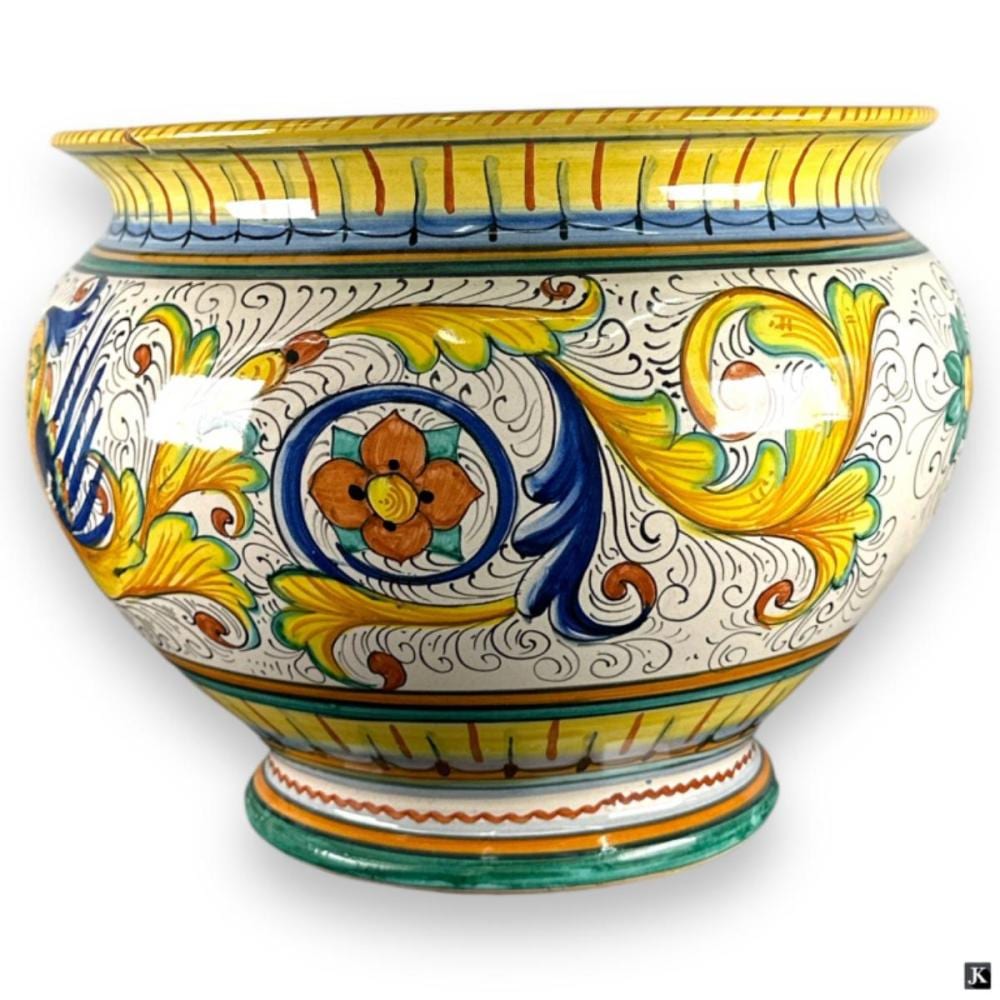
- Regional traditions persisted: Faenza and Deruta continued tin-glazed maiolica with robust color; Savona/Albissola produced blue-and-white and later modernist pieces; Sicily’s Caltagirone favored strong polychrome patterns and, later in the century, sculptural “Teste di Moro.”
Common vase forms from this era include:
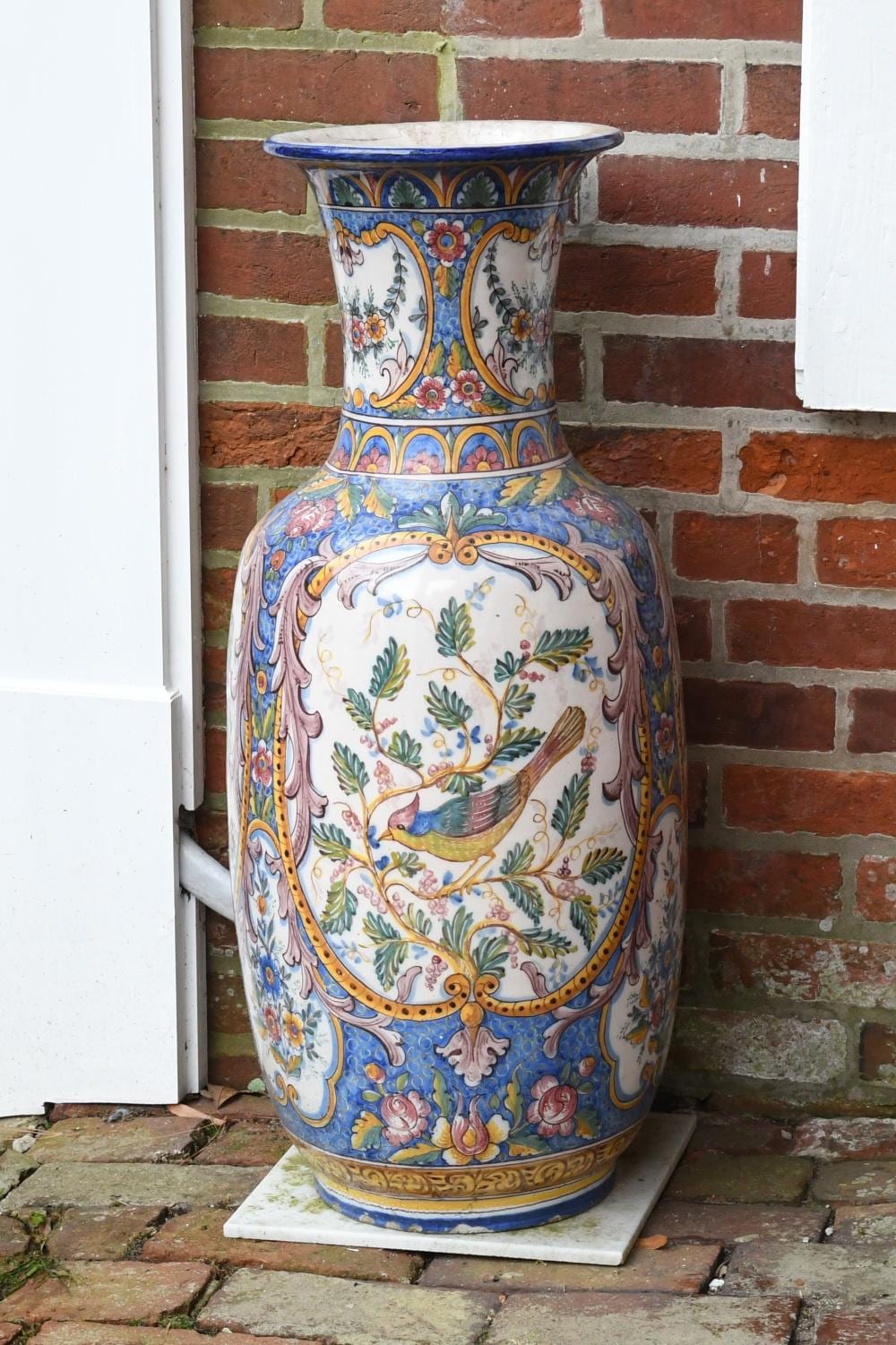
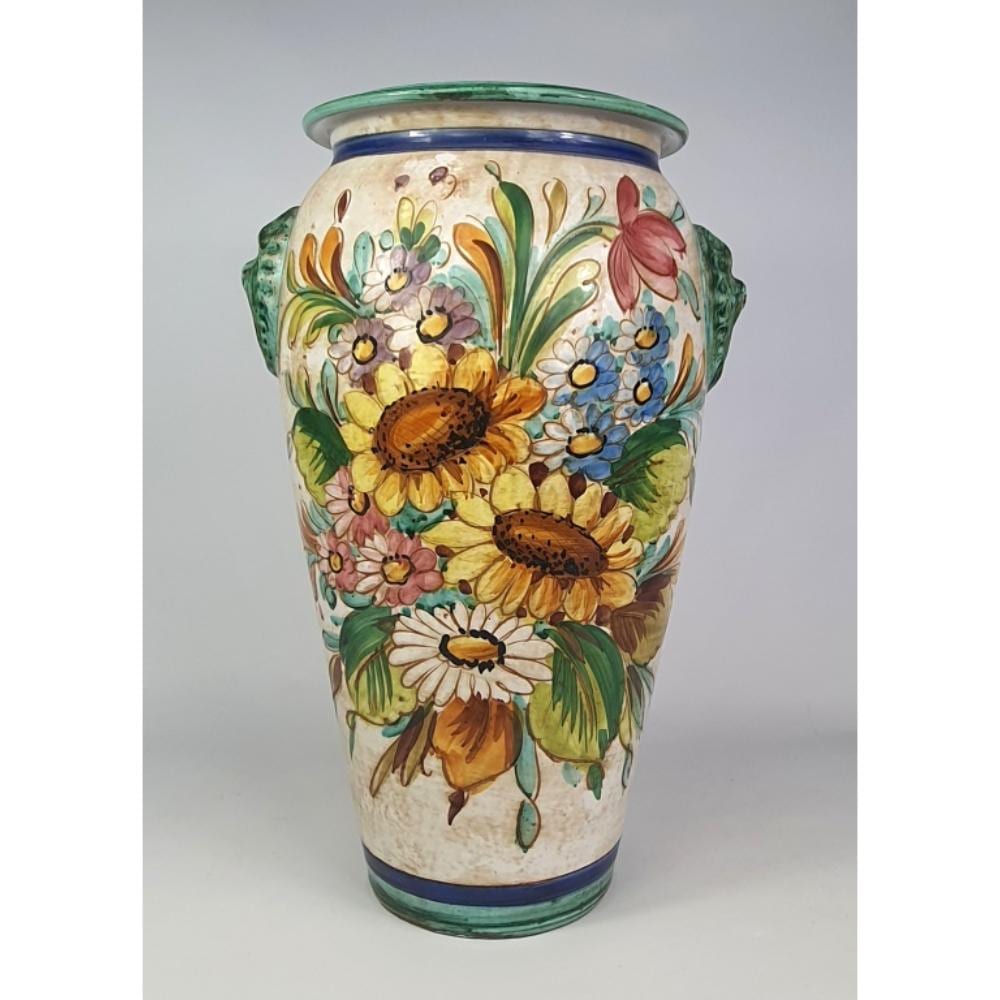
- Baluster and ovoid bodies with short or flared necks
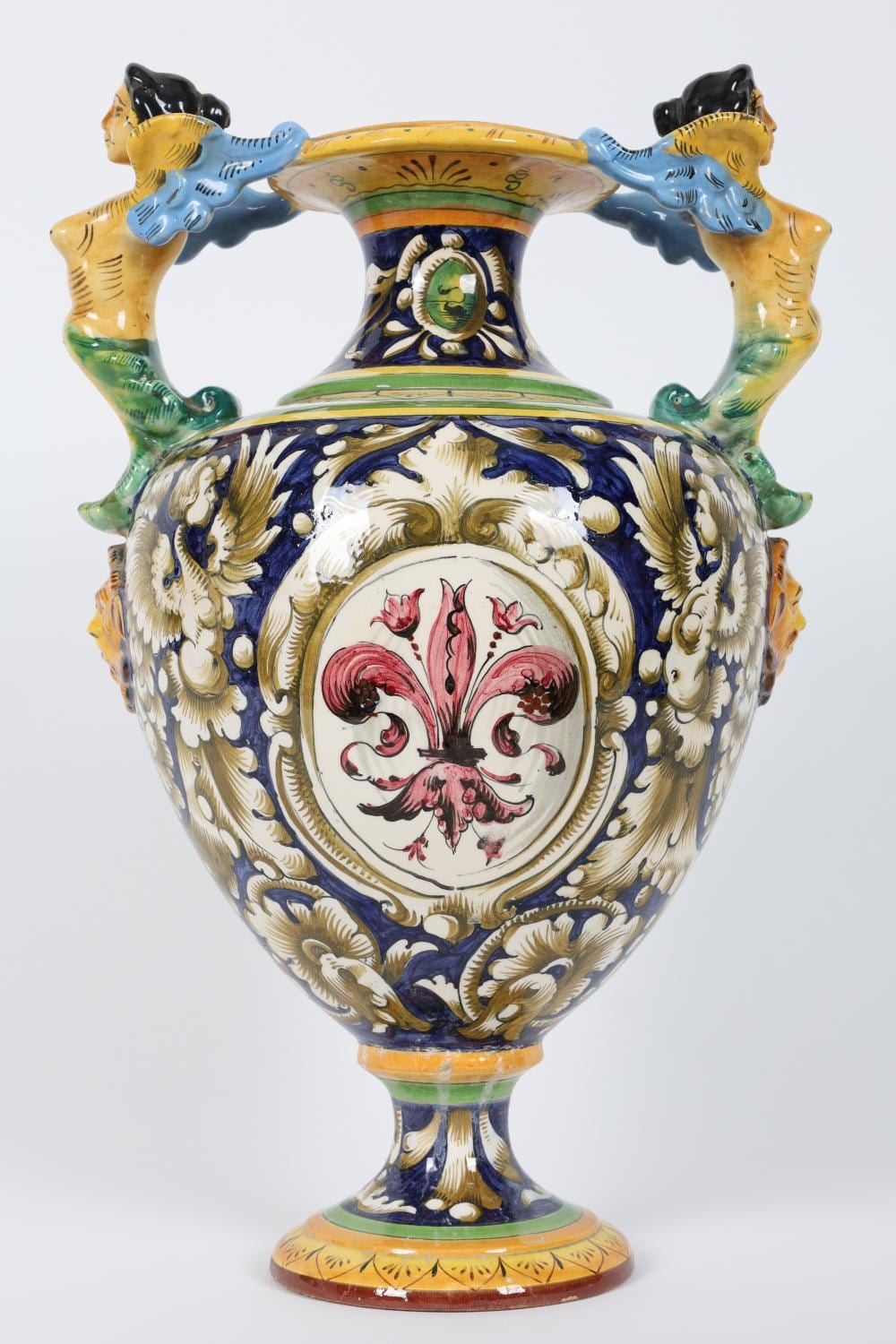
- Amphora-like shapes with twin handles (ansate)
- Bottle and gourd forms with elongated necks
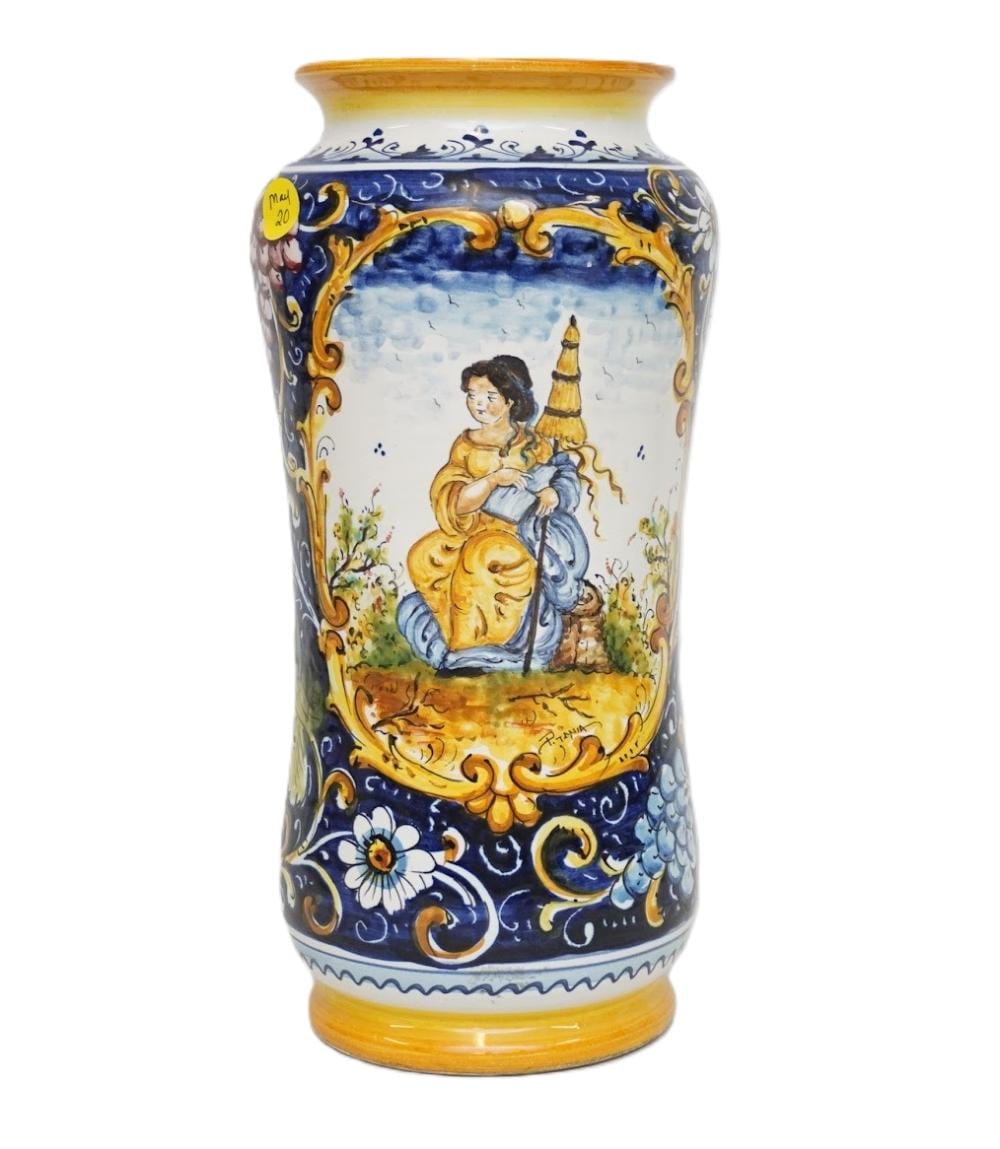
- Pharmacy-inspired albarello silhouettes adapted for decorative use
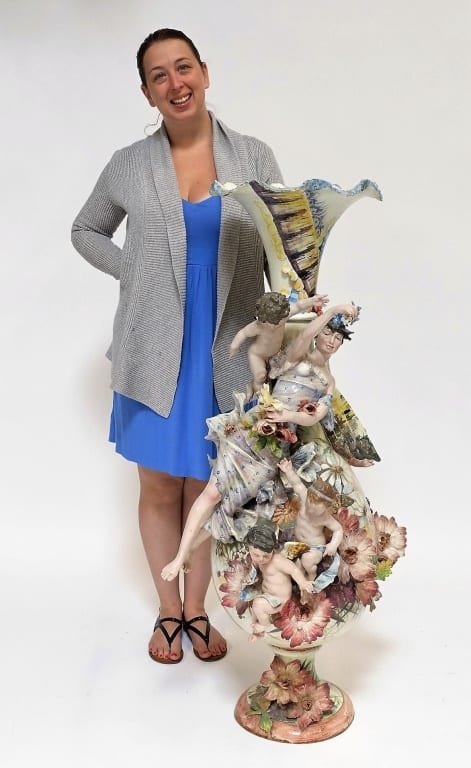
Heights of 20–30 cm (8–12 in.) are typical, though larger presentation vases exist. Expect foot rings with partial glazing and stilt marks from kiln supports.
How to Identify: Materials, Glazes, and Technique
Understanding what the vase is made of and how it was decorated is foundational to appraisal.
Body materials:
- Tin-glazed earthenware (maiolica): Opaque white glaze with a slightly soft, velvety reflection. Under magnification, tin glaze can show fine bubbles and occasional pinholing. The body beneath is earthenware (buff to terracotta).
- Lead-glazed earthenware (terraglia): Transparent glaze over a lighter body; the white ground may be a slip beneath clear glaze. Colors often appear brighter and more vitreous than on tin glaze.
- Porcelain and porcelainous bodies: Finer, lighter, and more resonant, commonly associated with Richard-Ginori and other factory outputs. Porcelain is less common for rustic regional wares.
Hand-painting versus transfer:
- Hand-painting shows variable stroke width, overlaps, and color pooling at stroke ends. Borders will not be perfectly repetitive.
- Transfer printing or decal additions display uniform outlines, dot matrices under magnification, and repeated motifs with near-identical “registration.”
- Many early 20th-century vases combine hand-painted underglaze decoration with small overglaze accents.
Decorative techniques to recognize:
- Underglaze painting on tin glaze (classic maiolica method), often followed by a clear lead overglaze fuse.
- Overglaze enamels and gilding, more prevalent on factory-made pieces; gilding wear concentrates at rims and handles.
- Sgraffito (patterns incised through a slip to reveal the body) appears occasionally, especially on rustic regional wares.
- Luster glazes saw revivals in certain workshops (e.g., Cantagalli), producing coppery or iridescent sheens.
Manufacturing clues:
- Thrown bodies show concentric turning lines inside the neck or body; slight asymmetry is common.
- Slip-cast pieces may reveal mold seams (often inside the neck or at handle junctions) and consistent wall thickness.
- Kiln furniture evidence: three or four tiny “stilt” scars on the base or foot ring, sometimes triangularly arranged.
Stylistic and Regional Clues
Identifying motif and palette can help to locate workshop traditions and narrow date ranges.
Liberty Style and early Deco indicators:
- Liberty: Poppy heads, iris, wisteria, dragonflies, peacocks, and undulating arabesques; palettes of soft greens, aubergines, and cobalt accents on white.
- Early Deco: Stylized chrysanthemums, sunbursts, stepped or chevron borders, and simplified foliage; stronger contrast with blacks, deep blues, and rust tones.
Regional signatures:
- Faenza: Maiolica with confident brushwork; floral garlands, grottesche-inspired motifs updated for modern taste; high-quality tin glaze.
- Deruta: Bold polychrome patterns, sometimes heraldic or geometric; later 20th-century Deruta is abundant, so verify age via glaze, wear, and marks.
- Savona/Albissola: Blues on white in earlier traditions; by the 1920s, modernist designers around Albissola embraced abstract and Futurist-adjacent decoration.
- Caltagirone (Sicily): Strong polychrome with yellows, greens, and blues; traditional strapwork and foliate motifs; heavier earthenware bodies.
- Tuscany (Florence and Borgo San Lorenzo): Revival maiolica, luster experiments, Liberty florals tied to Chini’s aesthetic.
Shape-language matters: amphora handles, mask terminals, and ribbed necks can suggest specific workshops or factory lines during narrow production windows.
Marks and Dating
Marks are useful but must be weighed alongside construction and style.
Country-of-origin and factory marks:
- “Italy” appears on exports shortly after the 1891 import-marking rules took hold in the United States; domestic-market pieces may be unmarked.
- “Made in Italy” becomes increasingly common during the 1920s; its presence suggests a piece more likely post-World War I, though not exclusively.
- Richard-Ginori: variations include crowned shields, “Ginori,” “Richard-Ginori,” and factory numbers; porcelain and high-grade earthenware lines are often well-marked.
- Cantagalli (Florence): rooster (cockerel) mark, sometimes with “Cantagalli” or “Firenze,” and handwritten numerals; beware later pieces mimicking the rooster.
- Fornaci San Lorenzo (Galileo Chini): stamps or painted marks referencing Borgo San Lorenzo or “FSL/Chini.” Brush-signed examples occur.
- Deruta/Faenza/Savona/Albissola workshops: painted place names, initials, or shop stamps; quality and letterforms vary widely.
Numbers and painter’s initials:
- Pattern or shape numbers appear in pencil, paint, or impressed; repeated models were common in factory settings.
- Painter’s monograms (often single or double initials) can help with workshop attribution when cross-referenced with archives.
Caution with “Capodimonte”:
- The crowned “N” mark is widely reproduced on 20th-century items, many of which are unrelated to the original 18th-century royal manufactory. A “Capodimonte” crown mark on a hand-painted earthenware vase is more likely a later marketing device than an 18th-century attribution.
Dating by construction and wear:
- Early 20th-century tin glazes often show fine craze networks; genuine wear concentrates on the foot ring, rim, and high points of relief.
- Slip-cast predominance and brighter factory glazes typically increase after the 1920s, though overlap exists.
Condition, Authenticity, and Value
Condition is the primary driver of value, followed by attribution, quality of painting, scale, and rarity.
Condition checklist:
- Hairlines versus craze: hairlines are structural cracks, often visible under bright light and can “catch” a fingernail; craze is a surface glaze network. Hairlines reduce value more significantly.
- Chips and rim nibbling: small glaze flakes at rims or foot rings are common; large or multiple chips detract more.
- Restoration: professional fills, overpainting, and regilding are frequent; examine under magnification and UV. Modern resins often fluoresce bluish; older shellac and some varnishes glow orange.
- Drill holes: conversion to lamps (mid-20th century) leaves a base or side hole; this materially affects desirability for collectors of original forms.
- Kiln flaws: pinholing, glaze skips at edges, and minor grit in the foot are normal and not necessarily value-killers if original.
Authenticity and reproduction cues:
- Artificial aging: uniform tea or nicotine staining in crazing suggests deliberate aging. Natural patina is irregular.
- Transfer outlines under supposed “hand paint” betray later production. Use a 10x loupe.
- Brushwork quality: confident, economical strokes signal skilled decorators; hesitant, shaky lines can indicate later tourist ware.
- Form fidelity: overly heavy bodies with thick, glassy glazes and generic “Capodimonte” crowns are red flags.
Value drivers and ranges (general guidance, subject to market volatility):
- Regional workshop vases with good hand-painting (c. 1900–1930), 25–35 cm tall, in sound condition: typically modest to mid-market.
- Recognized factories/workshops (e.g., Richard-Ginori Liberty/early Deco lines; Cantagalli with luster; Fornaci San Lorenzo/Chini designs): appreciably higher, especially with documented marks and superior decoration.
- Named artist-decorated pieces, documented exhibition wares, or striking Liberty/Deco designs: strong collector interest and higher auction results.
- Later tourist or reproduction pieces: significantly lower.
Because prices vary by design, mark clarity, condition, and scale, secure representative comparables by form and decoration, not mark alone.
Care and storage:
- Dust with a soft, dry brush or microfiber; for glazed areas, a slightly damp cloth is acceptable. Avoid soaking tin-glazed maiolica, which can admit moisture through crazing.
- No dishwashers or abrasive pads. Keep away from direct heat and harsh sunlight.
- Display with padded bases; use quake putty in seismic zones. Store in stable humidity to minimize crack propagation.
Quick Appraisal Checklist
- Form and feel: Check weight, wall thickness, and symmetry; look for throwing rings or casting seams.
- Glaze type: Opaque tin glaze (maiolica) vs clear lead glaze; note pinholing or luster.
- Decoration: Confirm hand-painted brushwork with a loupe; assess motif quality and stylistic fit (Liberty vs early Deco).
- Base evidence: Foot-ring wear, stilt marks, and unglazed rings; beware fresh, uniformly ground bases.
- Marks: Record all marks, numbers, and inscriptions; photograph under raking light.
- Condition: Identify hairlines, chips, restorations (use UV), and drill holes from lamp conversions.
- Attribution: Cross-reference marks and style with known workshops; avoid relying on “Capodimonte” crowns.
- Comparables: Seek sold examples by form, decoration, and maker; adjust for condition and size.
- Decision: For potentially important or high-value examples, obtain a specialist opinion before restoration or sale.
FAQ
Q: My vase is marked only “Italy.” Does that mean it’s later? A: Not necessarily. “Italy” alone is common on exports from the late 19th century into the early 20th. “Made in Italy” becomes more prevalent by the 1920s. Use construction, style, and glaze to refine the date.
Q: How can I tell if luster decoration is period or later? A: Period luster typically shows subtle, uneven iridescence integrated with the glaze surface, with light wear at high points. Later metallic paints may sit on top, appear bronzier, and can show brush drag under magnification.
Q: Are all “Capodimonte” vases valuable? A: No. The Capodimonte crown “N” mark is widely reproduced. True 18th-century Capodimonte is rare and porcelain, not earthenware maiolica. Many 20th-century vases bearing the crown are later decorative pieces with modest value.
Q: Should I remove old overpaint or regilding? A: Not without advice. Removing prior restorations can expose damage or harm original surfaces. A conservator can evaluate whether reversal is safe and beneficial.
Q: What size has the strongest market? A: Display-friendly sizes around 25–35 cm tend to sell well, but exceptional design, decoration, and attribution override size. Large presentation vases can be strong if condition is excellent and the maker is desirable.