Antique Porcelain Sink Value: appraisal and value basics
Antique Porcelain Sink Value research should start with identification, condition, provenance, and item-specific market evidence. Use this guide to compare the signals that matter before paying for a formal appraisal or deciding whether to sell.
Introduction to Antique Porcelain Sinks
In this comprehensive guide, we’ll explore what makes vintage porcelain sinks valuable, how to identify different styles and periods, and what you can expect to pay (or receive) in today’s market. Whether you’ve discovered an old sink during a renovation, inherited one, or are actively searching for the perfect period piece for your home, this article will help you determine its worth.
Value Factors for Antique Porcelain Sinks
Age and Era
Older sinks from the Victorian and early 20th century periods (1880s-1920s) generally command higher prices, especially those with distinctive period details. Sinks from the 1940s-1960s have seen increasing interest as mid-century design grows in popularity.
According to Period Bath Supply, early 20th century sinks with unique features like leg supports or decorative backsplashes are particularly sought after.
Condition
Porcelain condition is perhaps the most critical factor affecting value. Issues to look for include:
- Cracks or chips in the porcelain
- Crazing (fine surface cracks in the glaze)
- Rust showing through from the underlying material
- Staining or discoloration
- Worn or damaged drain areas
Perfect or near-perfect condition can double or triple a sink’s value compared to one with significant damage.
Manufacturer and Provenance
Sinks from renowned manufacturers like Kohler, Standard, American Standard, and Crane typically command premium prices. Look for manufacturer marks on the underside or back of the sink.
A documented history or provenance from a significant building or historic home can significantly increase a sink’s value.
Style and Design
Popular Porcelain Sink Styles by Era
- 1880s-1900s
Victorian Era
Ornate designs with decorative detailing and heavy construction. Often featuring marble tops with porcelain bowls.
- 1900s-1920s
Early 20th Century
Free-standing console sinks on legs or wall-mounted sinks with exposed traps became popular.
- 1920s-1940s
Art Deco Period
Sleeker lines, pedestal bases, and geometric patterns. Colors began to appear alongside traditional white.
- 1940s-1960s
Mid-Century
Cast iron sinks with drainboards for kitchens, colored porcelain bathroom fixtures.
Size and Practicality
Larger sinks, especially farmhouse or utility sinks with integrated drainboards, tend to command higher prices due to their versatility and visual impact. However, extremely large or unusual sizes might be more difficult to install in modern homes, potentially limiting their market appeal.
Color and Rarity
While white was the most common color for vintage porcelain sinks, colored versions (particularly pastel green, blue, pink, and yellow from the 1920s-1950s) can command premium prices due to their rarity and current design popularity.
According to 1stDibs, unusual colors or rare designs can increase values significantly, with some specialty sinks selling for far more than standard white models.
Current Market Values for Antique Porcelain Sinks
Porcelain Sink Price Ranges
Current market values based on sink type and condition
According to eBay sales data, a typical antique/vintage cast iron white porcelain farm sink with legs sells for a moderate price, while more desirable or rare models can command much higher prices.
The Old Goods Store lists vintage double basin porcelain farm sinks from the 1940s-50s, showing the consistent value these functional pieces maintain.
How to Identify Vintage Porcelain Sinks
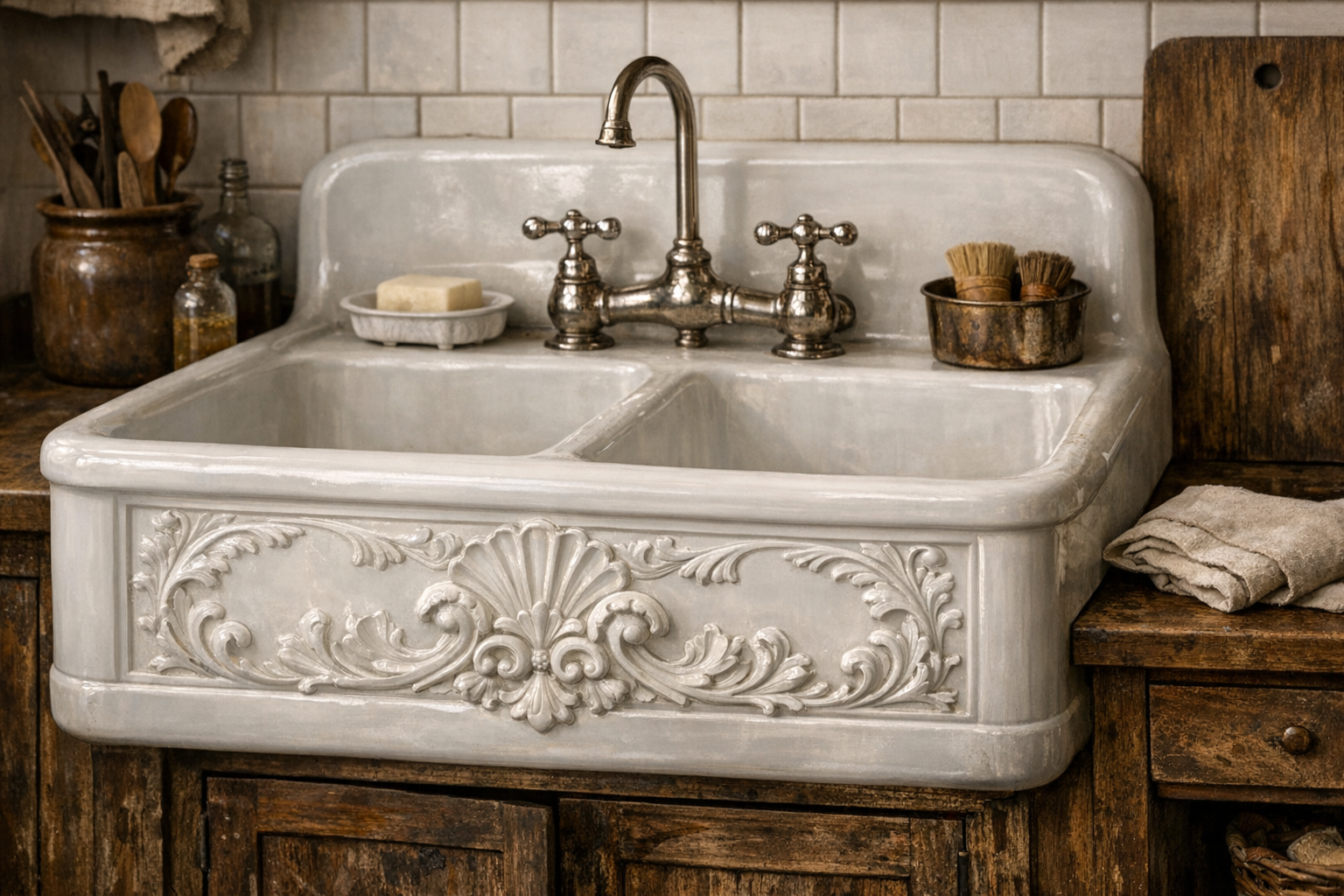
Look for Manufacturer Marks
Most quality porcelain sinks were marked by their manufacturers. Check:
- The underside of the sink basin
- The back panel or backsplash
- Behind or under mounting brackets
Common American manufacturers include:
- Standard Sanitary (later American Standard)
- Kohler
- Crane
- Eljer
- J.L. Mott Iron Works
According to historical records from the Kohler Company, different time periods featured distinct logo styles, which can help date your sink.
Examine Construction Materials
- Early sinks (pre-1920s): Cast iron with thick, heavy porcelain coating
- 1920s-1950s: Lighter cast iron with thinner porcelain or vitreous china
- 1940s-1960s: Steel with porcelain coating became more common
- Check underside edges where porcelain may be thinner to identify the base material
Identify Design Features by Era
Period-Specific Design Features
Identify these elements to help date your vintage sink
- High backsplash with detailed molding (1890s-1920s)
- Wall-mounted with exposed brackets (1910s-1930s)
- Pedestal base with Art Deco details (1920s-1930s)
- Integrated soap dishes or cup holders (1920s-1940s)
- Decorative chrome or brass legs (1920s-1940s)
- Colored porcelain (most common 1920s-1950s)
- Integrated drainboards (most popular 1930s-1950s)
- Double basin with center divider (1940s-1960s)
Examine Plumbing Fixtures
While original fixtures add value, they’re often replaced over time. However, the mounting holes can provide clues:
- Wide-spread faucet holes (8 inches apart) became standardized around the 1930s
- Earlier sinks often feature more diverse mounting arrangements
- Look for evidence of original faucet locations that may have been modified
Consider Original Finish
Documented vintage porcelain typically has a distinctive look:
- Earlier pieces (pre-1930s) often have a slightly creamier white tone
- Mid-century pieces might feature distinctive pastel colors
- The porcelain should have a deep, glass-like quality rather than a thin painted appearance
Where to Buy and Sell Antique Porcelain Sinks
Specialized Retailers
Several businesses focus specifically on architectural salvage and period bathroom fixtures:
- Period Bath Supply specializes in antique bathroom fixtures and offers both sales and restoration services
- Architectural salvage stores in most major cities
- Watermark Fixtures offers both documented vintage and reproduction pieces
Online Marketplaces
- 1stDibs - High-end vintage and antique marketplace
- eBay - Wide selection with varying price points
- Etsy - Independent sellers offering unique pieces
- Renovation-focused forums - Sometimes feature marketplace sections
Auction Houses and Estate Sales
- Regional auction houses frequently include architectural elements
- Estate sales in historic neighborhoods often feature original fixtures
- Salvage operations from historic building renovations
Considerations When Buying
Before purchasing a vintage porcelain sink, consider:
- Measurements: Ensure the sink will fit your space and modern plumbing
- Structural Integrity: Check thoroughly for cracks that might compromise functionality
- Restoration Needs: Factor in costs for refinishing, faucet installation, or repairs
- Transportation: These heavy items require special handling; factor in shipping or delivery costs
Selling Tips
If you’re looking to sell a vintage porcelain sink:
- Clean Thoroughly: Remove grime and showcase the original finish
- Document History: If you know the sink’s provenance, include this information
- Provide Measurements: Include detailed dimensions and mounting information
- Quality Photography: Show multiple angles, including any damage and maker’s marks
- Set Realistic Prices: Research comparable sinks on specialized marketplaces to establish fair value
Restoration and Care for Vintage Porcelain Sinks
Cleaning and Maintenance
For routine cleaning:
- Use non-abrasive cleansers specifically designed for porcelain
- Avoid harsh chemicals that can damage the glaze
- Bar Keepers Friend is widely recommended for removing stains without scratching
- For rust stains, a mixture of borax and lemon juice can be effective
- Never use steel wool or abrasive scrubbers on porcelain surfaces
Professional Restoration Options
For sinks with significant damage or wear:
Reglazing/Refinishing: Professional porcelain refinishers can apply new coatings to damaged surfaces
- Costs vary with size and condition, so get quotes from more than one specialist
- Quality varies; seek specialists in vintage fixtures rather than general refinishers
Chip Repair: Small chips can be filled with specialized porcelain repair compounds
- DIY kits are available for minor repairs
- Professional repairs are nearly invisible when done correctly
Structural Repairs: For cracks or more significant damage, specialized restoration may be required
- Cast iron bases can be repaired by welding specialists
- Some restoration companies specialize in complete rebuilds of vintage fixtures
According to restoration professionals, a well-executed refinishing job can last 10-15 years with proper care, making it a worthwhile investment for valuable antique sinks.
Retrofitting for Modern Use
To integrate a vintage sink into a modern bathroom or kitchen:
Plumbing Adaptations:
- Modern faucets can often be adapted to fit vintage sinks
- P-traps and drain assemblies may need updating to meet current codes
- Consult a plumber experienced with vintage fixtures
Mounting Solutions:
- Wall-mounted sinks may require reinforcement for secure installation
- Console sinks often need custom-fitted plumbing to work with their exposed designs
- Farmhouse sinks typically require custom cabinetry for proper support
Fixture Selection:
- Period-appropriate reproductions are available from specialty manufacturers
- Vintage-style faucets with modern internals offer the best of both worlds
Market Context of Antique Porcelain Sinks
Value Trends Over Time
Market analysis shows several notable trends:
Farmhouse and Utility Sinks: These have seen the most significant appreciation, with values increasing substantially over the past decade due to their popularity in modern kitchen designs.
Colored Porcelain: Mid-century colored fixtures, once removed during renovations, have become highly collectible with values increasing steadily.
Complete Sets: Matching sink, tub, and toilet sets from the same period and manufacturer command premium prices and tend to appreciate faster than individual pieces.
Art Deco Designs: The distinctive styling of 1920s-1930s bathroom fixtures continues to grow in popularity, with values for mint condition pieces rising steadily.
Even basic vintage sinks without special features or manufacturer attribution typically hold steady values, making them a stable investment.
Factors Affecting Future Value
Several factors may influence whether vintage porcelain sinks continue to appreciate:
Sustainability Trends: Growing interest in reuse and recycling favors architectural salvage items.
Period Restoration: Continued popularity of documented period home restoration supports demand.
Supply Limitations: The finite supply of original pieces, especially in good condition, creates natural scarcity.
Design Cycles: Interior design trends cyclically revisit vintage aesthetics, potentially boosting future demand.
Collector’s Perspective
For those specifically collecting vintage bathroom fixtures:
Focus Areas: Specialized collectors often focus on particular manufacturers, time periods, or design styles.
Rare Features: Unusual colors, specialized functions, or distinctive designs command the most collector interest.
Documentation: Original catalogs, advertisements, or installation manuals can add significant value to a collection.
Condition Premium: Museum-quality pieces in original, undamaged condition can command exponential premiums among serious collectors.
Common Questions About Antique Porcelain Sink Values
How can I tell if my old porcelain sink is valuable?
Evaluate these key factors to determine potential value:
- Age - Generally, pre-1950s sinks have higher collector value
- Manufacturer - Look for marks from Kohler, American Standard, Crane, or other known companies
- Condition - Minimal crazing, chips, or staining significantly increases value
- Design features - Unusual shapes, integrated drainboards, or decorative elements add value
- Color - Colored porcelain (especially pastel green, pink, or blue) typically commands higher prices
- Completeness - Original hardware, legs, or mounting brackets increase value substantially
For a professional appraisal, consider consulting with an architectural salvage specialist or antiques dealer specializing in architectural elements.
What is a fair price for a vintage porcelain farmhouse sink?
Vintage porcelain farmhouse (apron-front) sink prices depend on several factors:
- Basic single-basin farmhouse sinks in good condition: the most common and least expensive
- Large double-basin models with integrated drainboards: sell for more
- Rare designs, colors, or manufacturer models: the top of the market
According to current market listings on eBay and other resellers, a standard white porcelain farmhouse sink with legs in good condition typically sells for a moderate price. Exceptional examples in perfect condition or with rare features can command much higher prices.
Are old porcelain bathroom sinks worth installing in a modern home?
Vintage porcelain bathroom sinks can be excellent additions to modern homes, particularly for:
- Period restorations seeking documented fixtures
- Creating distinctive design statements in contemporary spaces
- Eco-conscious renovations focused on reuse
However, consider these practical factors before installation:
- Plumbing compatibility may require adaptation for modern connections
- Wall-mounted sinks may need additional structural support
- Finding period-appropriate or compatible faucets might be challenging
- Some older sinks lack overflow drains required by modern building codes
According to discussions on renovation forums like Reddit, many plumbers are willing to work with vintage fixtures, but it’s important to find one with experience in older installations.
How do I date my antique porcelain sink?
To determine the approximate age of your vintage porcelain sink:
- Check for maker’s marks - Look underneath or on the back for manufacturer names, logos, or date stamps
- Examine the material - Earlier sinks (pre-1920s) used thick cast iron with heavy porcelain coating
- Note the design features:
- High backsplashes with detailed molding suggest 1890s-1920s
- Wall-mounted with exposed brackets indicates 1910s-1930s
- Pedestal styles with Art Deco influences point to 1920s-1930s
- Integrated soap dishes or cup holders suggest 1920s-1940s
- Colored porcelain was most popular from 1920s-1950s
- Research the manufacturer - Many companies like Kohler or American Standard have online archives of historical catalogs
- Consider the mounting style - Faucet hole spacing and configurations changed over different periods
Architectural salvage specialists can often provide more precise dating based on these characteristics.
What is the value of a vintage porcelain sink with drainboard?
Porcelain sinks with integrated drainboards are particularly desirable. Value generally rises with the number of basins and drainboards:
- Single basin with single drainboard: the entry point
- Single basin with double drainboards: a step up
- Double basin with single drainboard: higher again
- Double basin with double drainboards: usually the most valuable
Factors that can increase value include:
- Original mounting legs or brackets
- Uncommon colors (beyond standard white)
- Unusual drainboard patterns or detailing
- Perfect or near-perfect condition
- Manufacturer reputation (Kohler, American Standard, etc.)
According to current marketplace listings, these functional vintage pieces remain highly sought after for both period kitchens and contemporary farmhouse-style renovations.
External Resources for Antique Porcelain Sink Research
1stDibs Antique Porcelain Sink Collection
Browse a premium collection of vintage and antique porcelain sinks with pricing information reflecting the high-end market.
eBay Antique Porcelain Sinks Category
A constantly updating resource of vintage sinks for sale, providing current market values across different conditions and styles.
Period Bath Supply Antique Sinks Gallery
View an extensive gallery of sold antique bathroom fixtures with original pricing information.
Etsy Vintage Porcelain Sink Marketplace
Discover unique vintage porcelain sinks from independent sellers, with varied styles and price points.
Watermark Fixtures Vintage-Inspired Bathroom Sinks
Explore reproduction options alongside documented vintage pieces with detailed specifications.
Reddit Plumbing Community Discussion on Vintage Sinks
Read practical advice from plumbing professionals about installing and maintaining vintage sinks.
Conclusion: The Enduring Value of Vintage Porcelain
Antique porcelain sinks remain both functional architectural elements and valuable collectibles. Their enduring appeal stems from a combination of quality craftsmanship, distinctive aesthetic charm, and the sustainable appeal of reusing well-made vintage fixtures.
Whether you’re a homeowner looking to incorporate documented period elements, a collector focusing on architectural salvage, or simply curious about the value of an old sink you’ve discovered, understanding the market for these fixtures helps ensure they’re properly appreciated and preserved.
As interest in documented home restoration continues to grow alongside environmentally conscious renovation practices, these vintage pieces are likely to maintain—and potentially increase—their value in the coming years. Their ability to serve as both functional elements and distinctive design statements ensures their continued relevance in contemporary interiors.
While value ranges can vary significantly based on condition, manufacturer, and specific features, the overall market for vintage porcelain sinks remains robust. With proper care and restoration when needed, these historic fixtures can continue to serve and delight for generations to come.
What similar items actually sold for
To help ground this guide in real market activity, here are recent example auction comps from Appraisily’s internal database. These matched sales are market context only, not an object estimate or identification, and they do not guarantee a price for your specific antique porcelain sink.
Shown USD range: USD 250-USD 5,040. Median of these 4 USD examples: USD 2,141.
| Comparable | What sold | Auction house | Date | Lot | Source-reported amount |
|---|---|---|---|---|---|
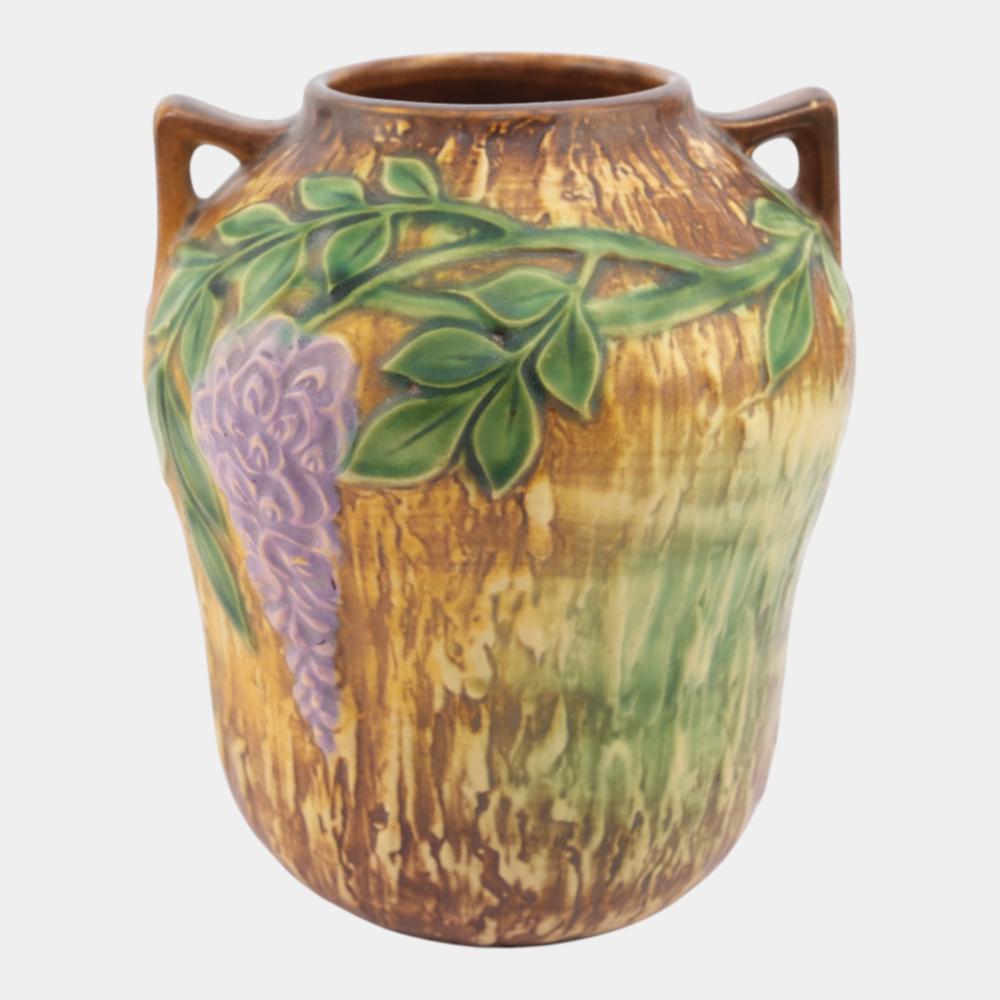 |
Roseville Wisteria Tan 1933 Vintage Art Deco Pottery Ceramic Vase 634-7 | Crafted Auctions | 2026-03-15 | 352 | USD 250 |
 |
PABLO PICASSO (1881-1973) Visage (A.R. 290) white earthenware ceramic bowl, | Christie's | 2024-05-20 | 93 | USD 5,040 |
 |
PABLO PICASSO (1881-1973) Oursin (A.R. 268) white earthenware ceramic bowl | Christie's | 2024-05-20 | 88 | USD 4,032 |
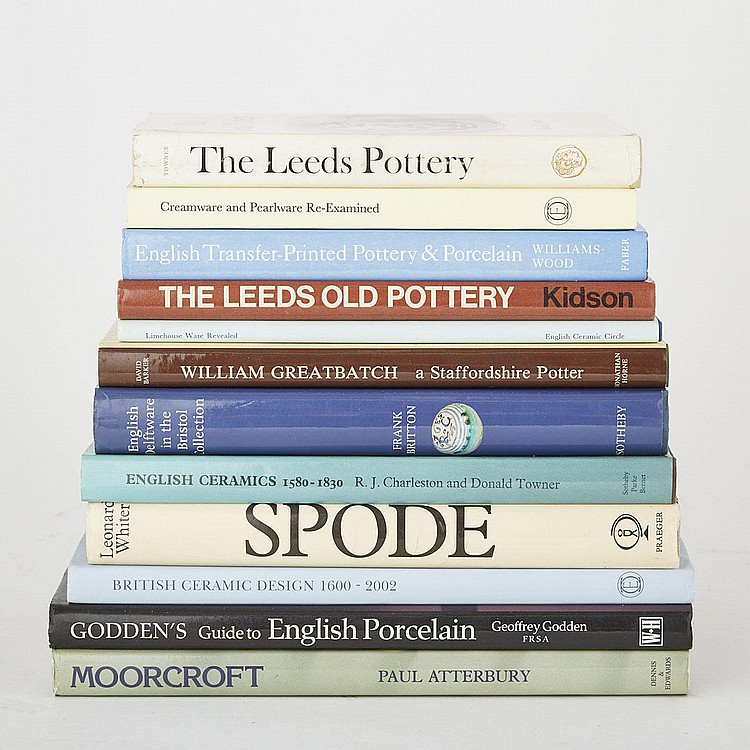 |
English Pottery and Porcelain (10 volumes) | Waddington's | 2016-12-08 | 42 | CAD 300 |
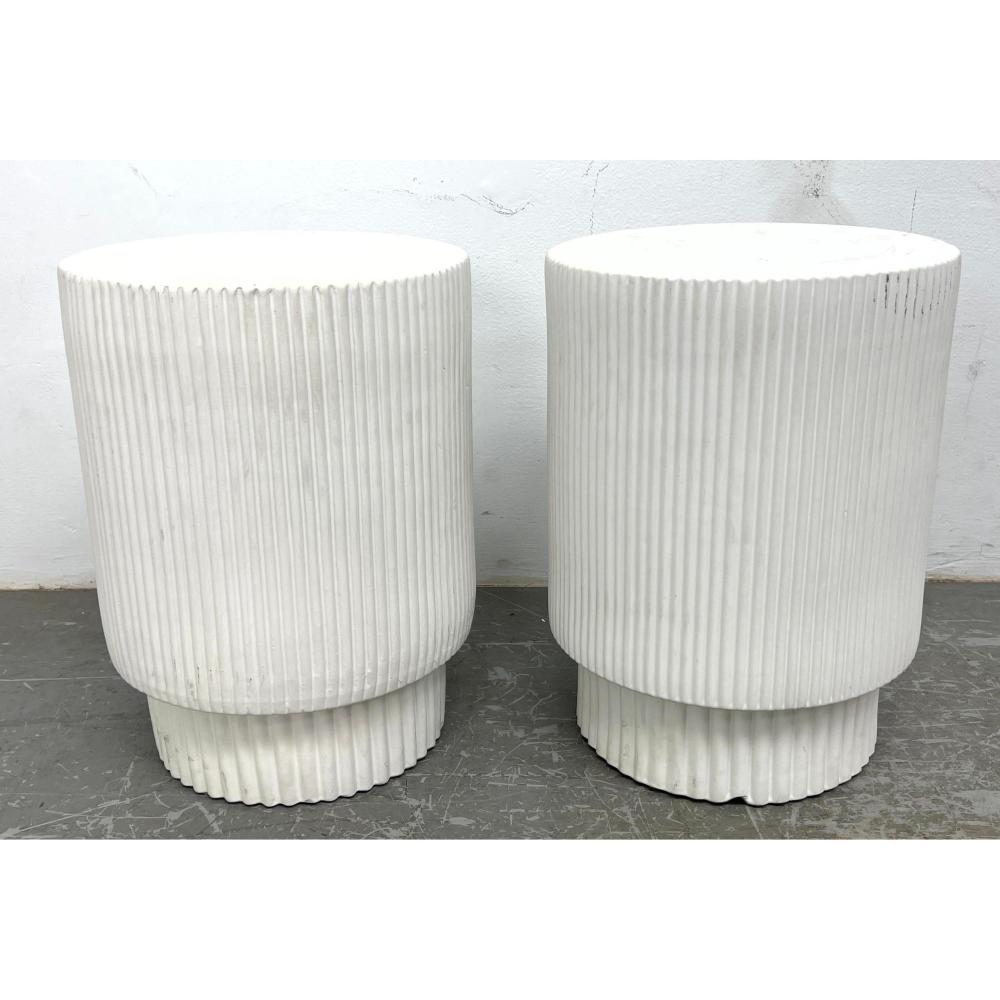 |
PAIR PORCELAIN POTTERY PEDESTAL SIDE TABLES. GARDEN PEDESTALS. | Uniques & Antiques | 2025-05-06 | 478 | USD 250 |
How these auction records were verified
Each row is tied to its lot identity, retrieval time, access result, and immutable record hash. Inspect the public comparable provenance record.
Free photo check
Not sure if your item is worth appraising? Let us take a look.
Upload a photo, tell us what you know, and get a free photo check. If a full appraisal makes sense, we will say so.
Free. No card needed. Takes about two minutes.
Get antique porcelain sinks appraised
Upload photos of the sink, maker marks, mounting points, drain, hardware, glaze, chips, stains, repairs, and condition notes.
- Signed report with photos and market context
- Delivered within 24 hours of receiving your photos
- Fixed, upfront pricing
No obligation. Secure upload.
Find a local antique or art appraiser
Ready for pricing guidance?
Start a secure online appraisal
Upload images and details. Delivered within 24 hours of receiving your photos.
Check my item from a photo — free View signed report sample