5 Stylish Ways to Introduce Vintage Glamour to Your Home with Antique Wash Basins: appraisal and value basics
5 Stylish Ways to Introduce Vintage Glamour to Your Home with Antique Wash Basins research should start with identification, condition, provenance, and recent comparable sales. Use this guide to compare the signals that matter before paying for a formal appraisal or deciding whether to sell.
5 Stylish Ways To Introduce Vintage Glamour To Your Home With Antique Wash Basins
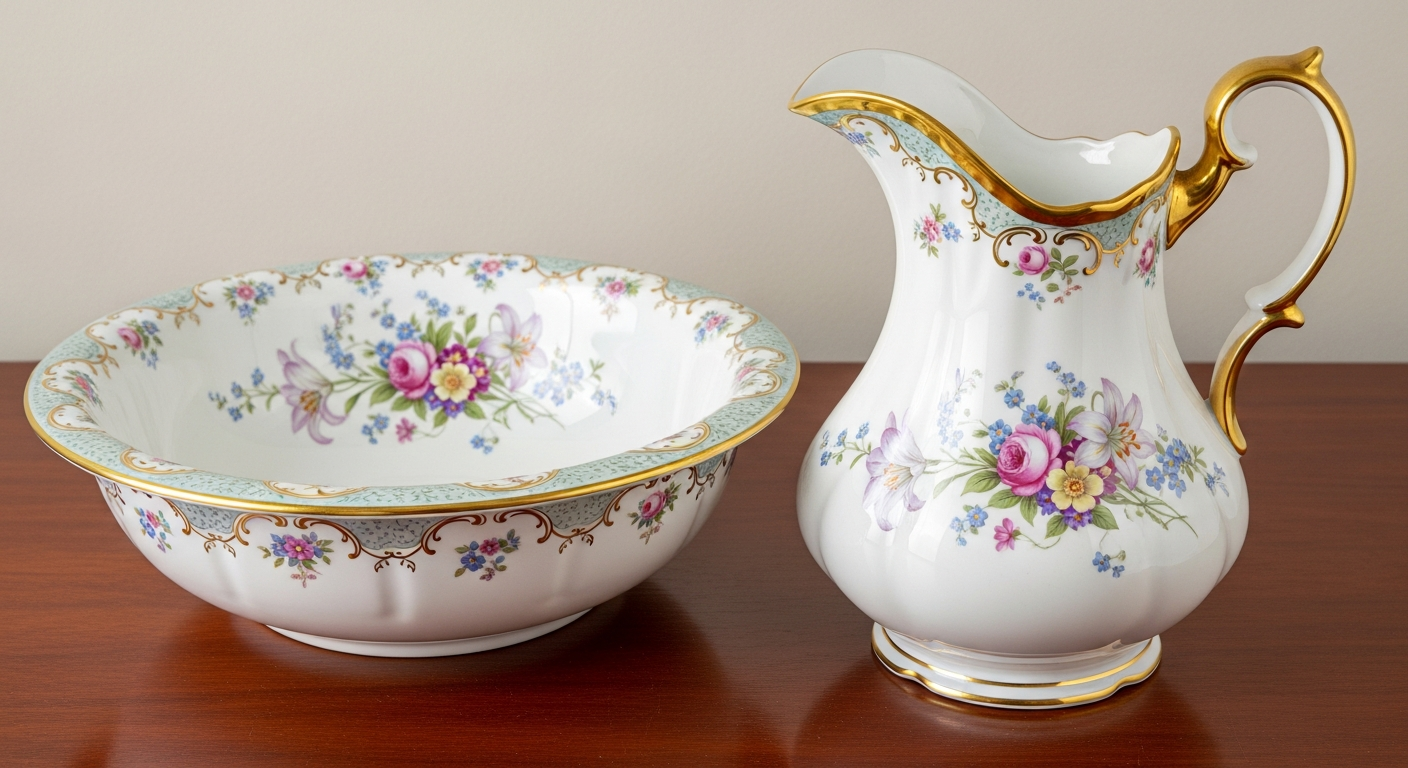
Antique wash basins—whether a porcelain pedestal, a marble-topped washstand bowl, or a pitcher-and-bowl set—deliver instant vintage glamour. For collectors and appraisal-minded enthusiasts, they’re also rich with history, maker’s marks, and material nuances that affect value and usability. The trick is integrating their patina into modern life without compromising authenticity.
Before diving into design ideas, orient yourself to types you’ll encounter:
- Pedestal and console sinks (late Victorian to Art Deco): vitreous china or earthenware with porcelain glaze; look for makers like Standard Sanitary (early American Standard), Kohler, J.L. Mott, Twyford, or Villeroy & Boch.
- Washstands with marble or hardwood tops (19th–early 20th century): typically hold a ceramic bowl; English ironstone and transferware by Minton, Wedgwood, Johnson Brothers, and others are common.
- Pitcher-and-bowl sets (Victorian/Edwardian): decorative transfer prints (flow blue, mulberry, Aesthetic Movement motifs) or plain ironstone; find impressed or printed marks, British Registration Diamonds (pre-1884), or Rd No. numbers (post-1884).
- Enamelware bowls and basins (late 19th–mid 20th century): steel with vitreous enamel, seen in French, German, and Scandinavian output; utilitarian, durable, and great for non-plumbed uses.
- Copper and brass basins: often Middle Eastern or European; tin- or nickel-lined interiors on earlier examples; inspect for leaded solder.
Key condition cues for appraisers and users:
- Glaze crazing, hairlines, and restorations (UV inspection reveals overpaint). Stable crazing can be acceptable; structural cracks diminish both value and functionality.
- Integrity of overflow channels (on some pedestal/console sinks), sound mounting points, and original hardware (soap dishes, towel bars).
- Maker’s marks and pattern clarity. Crisp transfer prints and legible marks typically command a premium.
With that understanding, here are five stylish, practical ways to bring vintage wash basins into your home.
1) Turn a Small Powder Room into a Jewel Box
Powder rooms shine with statement fixtures, and an antique pedestal or console basin can be the star.
How to execute:
- Choose a sink scaled to the space. Common pedestal widths range 18–26 inches; measure door swings and clearances.
- Use a wall-mount or deck-mount faucet with the correct spout reach (typically 5–7 inches from spout to drain center) so water lands near the bowl’s center.
- Opt for a slim bottle trap in polished brass, nickel, or blackened steel for a clean, gallery-like profile beneath the basin.
- Seal the perimeter with a reversible, minimal bead of neutral-cure silicone to protect plaster or tile while avoiding excess residue.
Preservation-minded guidance:
- Avoid drilling new holes in porcelain. Choose a faucet configuration that uses existing tap holes or a wall-mounted mixer.
- Support heavy basins with appropriate brackets anchored in studs or masonry. Original mounts are ideal; compatible reproductions are acceptable if marked and documented.
What appraisers notice:
- Original glaze lustre without excessive scouring; no powdery bloom or staining in the bowl’s well.
- Crisp maker’s mark under the rim or underside of the pedestal. Early “Standard” marks (Standard Sanitary Mfg. Co.) and pre-war Kohler stamps can enhance collectability.
- Matching porcelain color between pedestal and bowl. Mismatched replacements lower value but may be acceptable if disclosed.
2) Reimagine a Marble-Top Washstand as a Vanity
Victorian and Edwardian washstands with marble slabs and towel bars adapt beautifully into modern vanities while showcasing period carpentry and stone.
How to execute:
- Retain the original bowl if possible. If using it functionally, have a professional evaluate glaze integrity and the feasibility of installing a drain without stressing the ceramic.
- Prefer a vessel-mount installation over drop-in cutting—this preserves more of the marble and is generally reversible.
- Protect the marble: re-seat loose slabs, fill minor pits with color-matched resin, and seal with a breathable stone sealer. Use a raised ring or stand for the bowl to prevent water etching.
- Add a wall-mounted faucet at the proper height to avoid drilling the marble. Aim for approx. 4 inches clearance from spout to bowl rim.
Preservation-minded guidance:
- Keep original casework finishes if stable. Gentle cleaning and wax, not aggressive sanding. Replace missing pulls with period-appropriate hardware and keep receipts.
- If you must add plumbing access, cut from the back of the cabinet to preserve visible joinery and panels.
What appraisers notice:
- Original marble with rounded pencil edges or ogee profiles; fewer corner repairs are better.
- Ironstone bowl quality: even glaze, minimal staining, and no star cracks. Aesthetic Movement or botanical transferware can add value when complete with matching soap dish or toothbrush holder.
- Working drawers and undisturbed dovetails; later plywood backs are a negative unless documented as reversible.
3) Curate a Living-Room Vignette with a Pitcher-and-Bowl Set
Not every basin must be plumbed. A classic pitcher-and-bowl on a console or sideboard lends immediate Victorian glamour and is safely reversible.
How to execute:
- Choose a statement set: flow blue, romantic landscapes, or bold Aesthetic Movement designs with birds and fans. Plain white ironstone offers minimalist gravitas.
- Style with natural materials: starched linen, a small silver brush, or a cut-glass cologne bottle. Limit water use; place a hidden felt pad under the bowl to protect furniture.
- Use a plate stand or bespoke cradle to angle the pitcher so the transfer motif reads from across the room.
Preservation-minded guidance:
- Stabilize display with museum wax to mitigate vibration, especially in high-traffic rooms or on narrow shelves.
- Keep the set out of direct sunlight to prevent uneven fading of transfer prints. Maintain humidity around 40–50% to reduce craze-line stress.
What appraisers notice:
- Complete sets (bowl, pitcher, soap dish, sometimes slop jar) command a premium. Matching pattern and size matter.
- Legible marks: Wedgwood and Minton impressed or printed marks, Rd Nos. tying to pattern registration dates. Early pieces may show the British Registration Diamond.
- Quality of blue: rich, velvety flow versus washed-out or overly blurred transfers.
4) Make a Sculptural Statement in the Kitchen or Wet Bar
A large porcelain or copper basin can become a conversation-starting prep or bar sink—provided you respect materials and food-safety.
How to execute:
- For porcelain: choose a deep, thick-walled bowl with a stable glaze. A custom drain flange can be installed if the base will tolerate it; consult a restorer first.
- For copper: prefer thick-gauge, tin- or nickel-lined interiors. If the lining is worn, have it professionally re-tinned; avoid food contact with raw copper or any leaded solder.
- Pair with a bridge or high-arch faucet in living finish brass. Ensure spout reach and height suit the basin depth to control splashing.
Preservation-minded guidance:
- When adaptively reusing fine porcelain bowls, consider a protective insert: a shallow modern stainless or resin liner can sit inside the antique bowl for daily use, preserving original surfaces.
- Mount basins in a furniture-style island or bar cabinet that echoes period woods—walnut, oak, or ebonized finishes—without pretending to be original.
What appraisers notice:
- Honest patina on copper (warm brown to deep chocolate). Overpolished, pinkish surfaces suggest aggressive treatment and can diminish value.
- Even wall thickness; dents or thin spots on copper are red flags.
- In porcelain, deep-stain crazing around the base signals prolonged water exposure; firmly reduce water contact or use an insert.
Safety notes:
- Test for lead on old glazes and solders before any food-related use. When in doubt, treat antique vessels as decorative or use liners.
5) Bring Patina Outdoors with a Garden or Conservatory Station
Enamelware and robust stoneware basins thrive in semi-outdoor roles as potting sinks or beverage stations, and they’re easier to clean than fine transferware.
How to execute:
- Choose enamelware bowls with intact rims and minimal rust under the lip. Minor chips are acceptable; seal edges to prevent undercutting.
- Mount on a salvaged iron stand or teak console. Incorporate a simple drain to a gravel bed or gray-water system where permitted.
- Style with cut herbs, terracotta pots, and a brass mister for an old-world conservatory feel.
Preservation-minded guidance:
- Reserve high-value transferware and delicate porcelain for indoor display; outdoor humidity and temperature swings amplify craze and crack propagation.
- If using stoneware, choose thick utilitarian crocks or dairy bowls; they better tolerate temperature fluctuations.
What appraisers notice:
- Enamel colorways and rim patterns that indicate origin (e.g., speckled graniteware, French white with blue rim). Repairs with modern enamel paint should be declared.
- Soundness of riveted handles and hooks on accompanying accessories. Original tool hooks add charm and value.
Environmental notes:
- Provide shade; UV degrades enamel sheen. In freezing climates, bring basins inside to avoid expansion cracks.
Practical Checklist: Buying, Styling, and Installing
- Measure twice: basin diameter, height, and tap-hole spacing; confirm spout reach and trap alignment.
- Authenticate: find maker’s marks; date via Rd Nos. or registration diamonds; note any retailer stamps.
- Inspect condition: look under strong light and UV for hairlines and overpaint; tap gently—clear ring is better than a dull thud.
- Plan reversibility: avoid new holes; prefer wall-mounted faucets; use existing fittings and brackets where possible.
- Test and protect: check for lead in glazes/solders; use liners for food prep; add felt pads or museum wax under displays.
- Document changes: photograph before/after; keep receipts for conservation, notating reversible methods—useful for future appraisal.
- Control environment: stable humidity, avoid direct sun, and keep water exposure minimal unless professionally adapted.
Choose your next step
Use the path that matches the decision you need to make about the item.
Not sure it is worth appraising?
Start with a lower-friction screen to understand the likely category, evidence, and next step.
Upload photos for a free first lookWant proof before paying?
See how a signed report documents photos, comparable evidence, condition notes, and value conclusions.
View signed report sampleNeed a signed report?
Use this for insurance, estate, donation, resale, or documented value decisions.
Need documentation now? Start signed appraisalNeed local or specialist help?
Compare directory options when the work needs in-person review or a specialist near you.
Find local specialistsSee what the report looks like
Sample reports show how photos, comparable evidence, condition notes, and a value conclusion are documented.
Get a Professional Appraisal
- Expert report with photos and comps
- Fast turnaround
- Fixed, upfront pricing
No obligation. Private upload.
Continue your valuation journey
Find the right local specialist
Compare antique and art appraisers by location and specialty in one directory.
Antique & art specialists
Browse the Antique & Art Appraisers Directory
Choose a local specialist when the assignment needs in-person inspection or a specific credential.
Machine-readable summaries
Use these machine-friendly references for AI and crawler discovery of Appraisily content.
Ready for pricing guidance?
Start a secure online appraisal
Upload images and details. Certified specialists respond within 24 hours.
Upload photos for a free first look View signed report sampleFree instant estimate
Not sure if your item is worth appraising? Let us take a look.
Upload a photo, tell us what you know, and get a free first read. If a full appraisal makes sense, we will say so.
Free. No card needed. Takes about two minutes.