Ways to Determine the Value of Old Chinese Coins: appraisal and value basics
Ways to Determine the Value of Old Chinese Coins research should start with identification, condition, provenance, and item-specific market evidence. Use this guide to compare the signals that matter before paying for a formal appraisal or deciding whether to sell.
Old Chinese coins checklist
Determining the value of old Chinese coins is part detective work, part art history, and part market savvy. Whether you are sorting a small accumulation of cash coins or evaluating a milled silver dollar, the same core factors drive value: type and era, legible inscriptions and mint marks, condition, rarity/varieties, originality, and current market demand. This guide gives you a structured approach, practical diagnostics, and realistic price context so you can appraise with confidence.
1) Identify the Type and Era First
Old Chinese “coins” span two very different technologies and collecting traditions.
- Knife and spade money (pre-Qin, Warring States): Blade- or spade-shaped bronze currencies from circa 600–200 BCE. Scarcer types can be valuable, but the category is heavily faked.
- Early round coins without a square hole: Ban Liang (秦) and Wu Zhu (汉–晋) cast bronze, typically thicker and earlier than later “cash.”
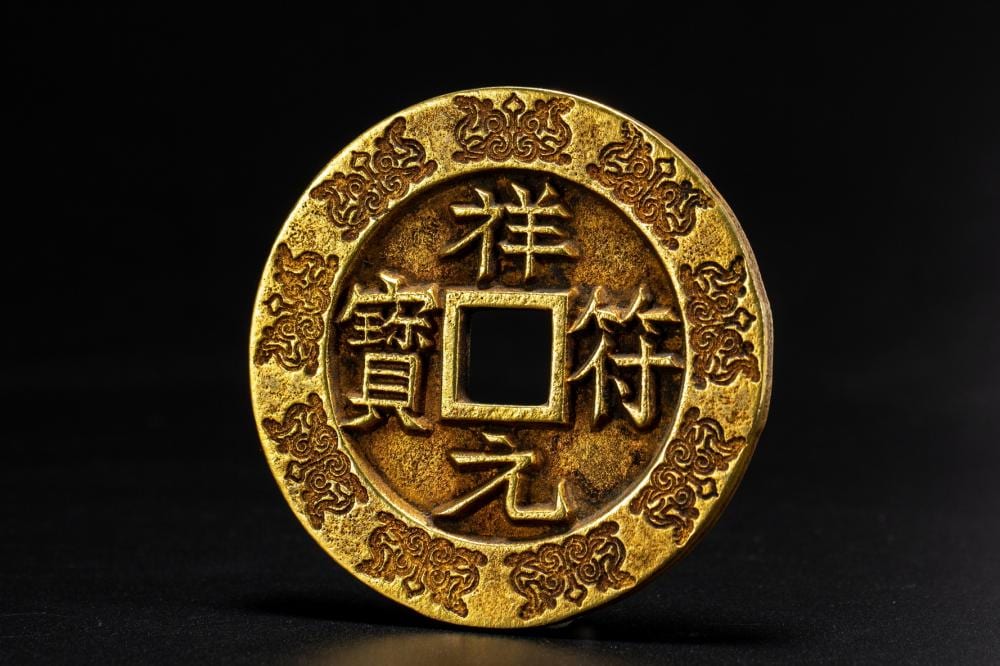
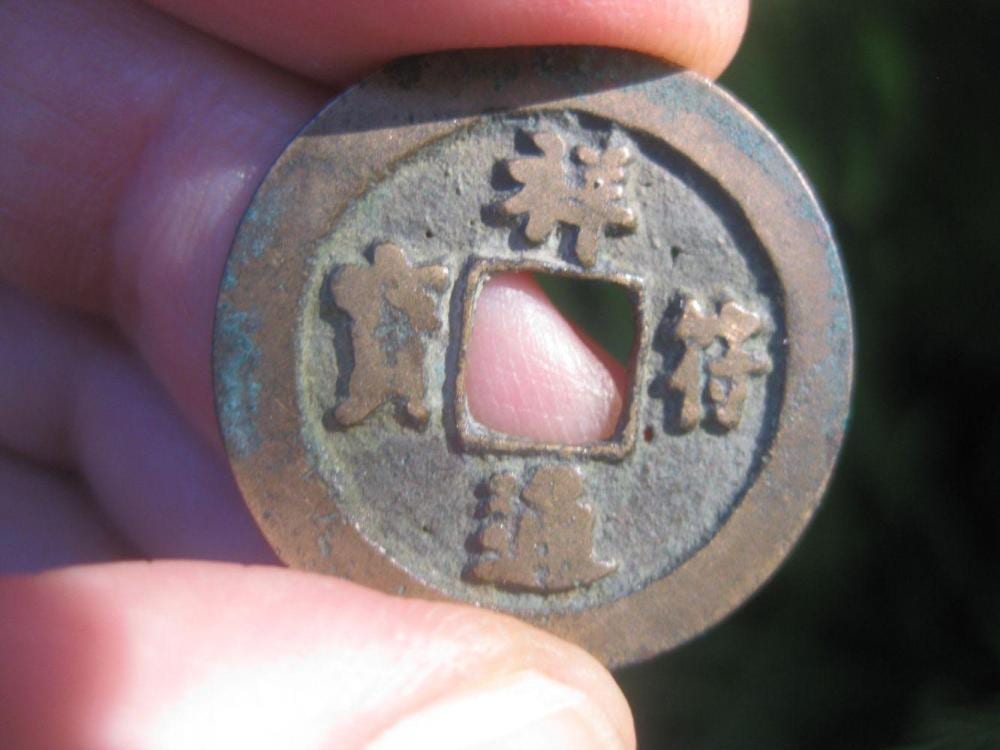
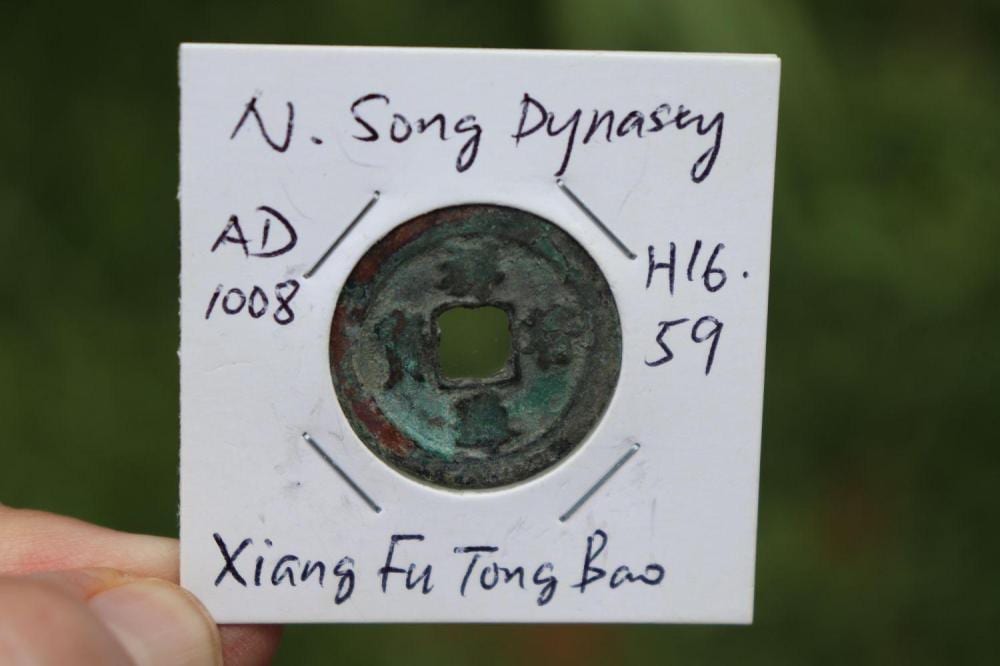
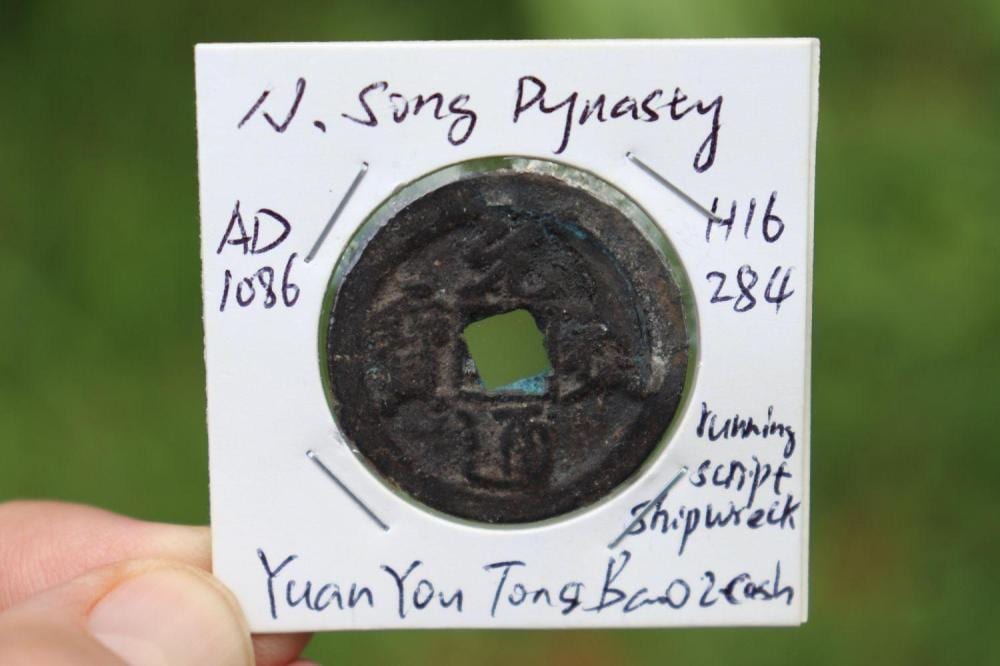
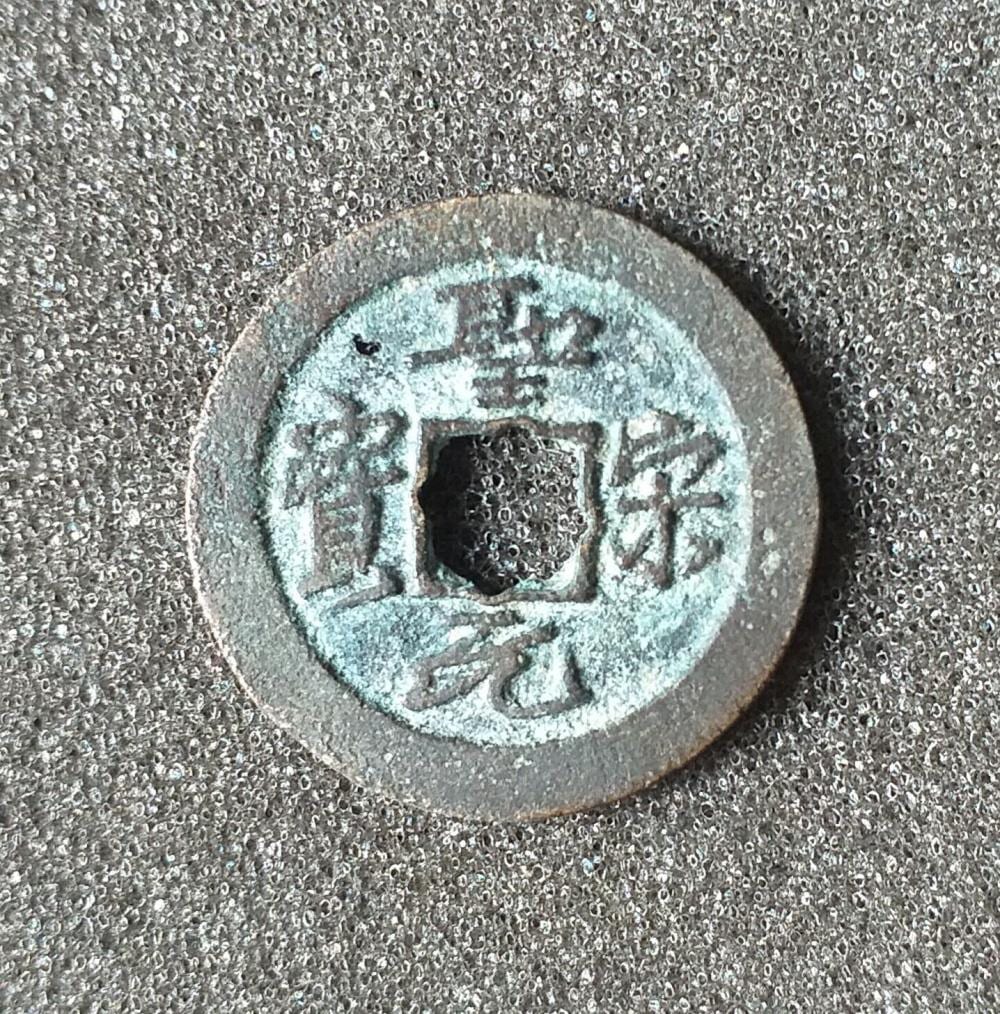
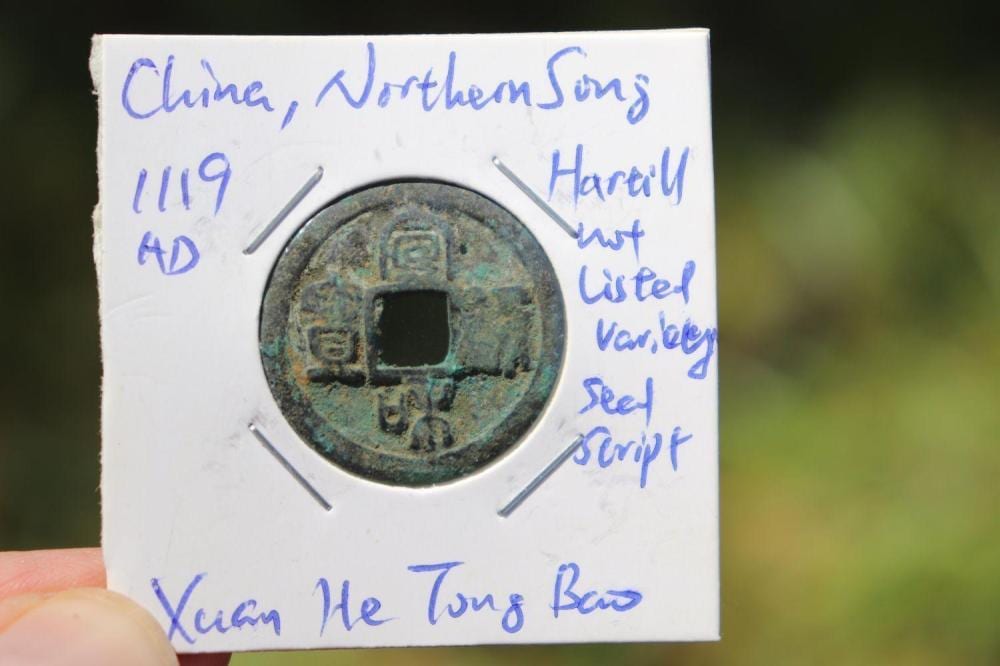
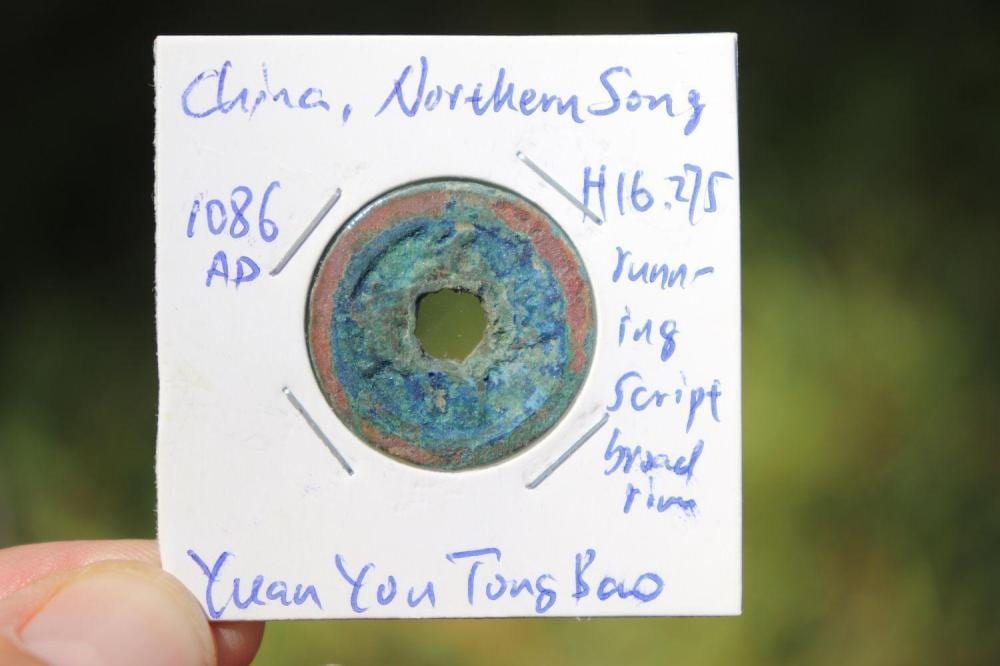
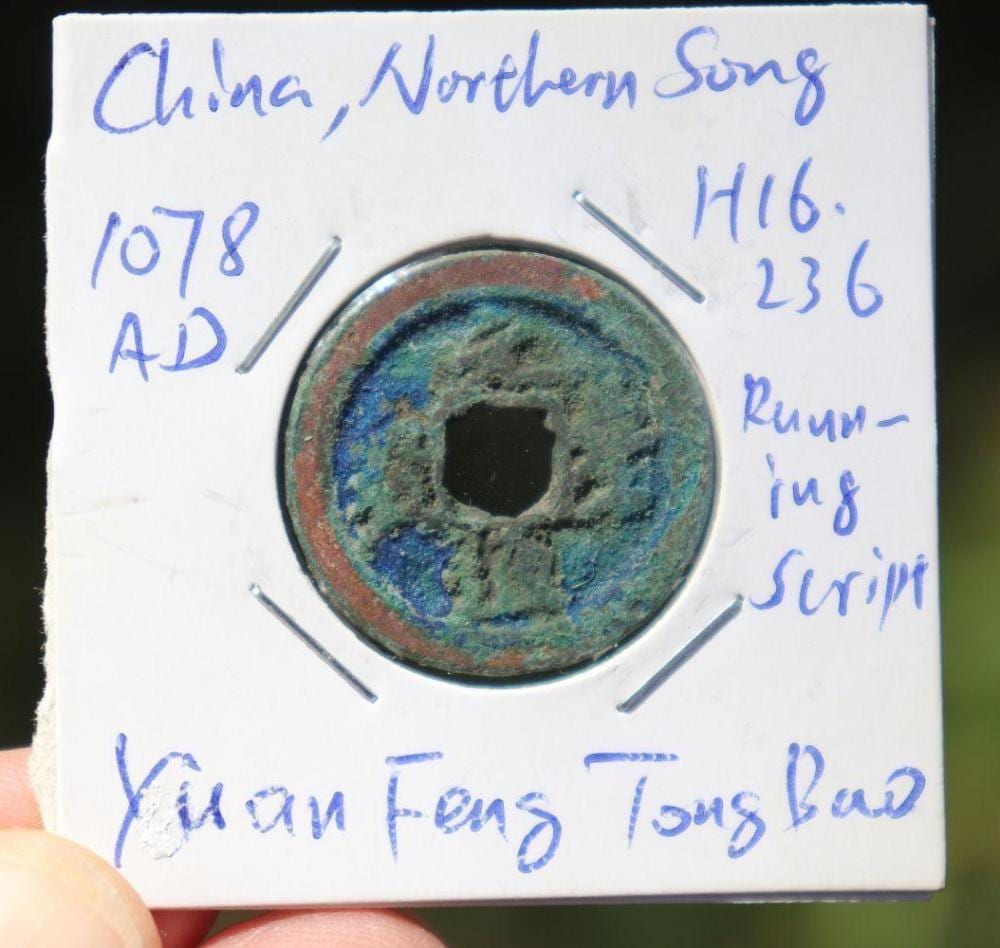
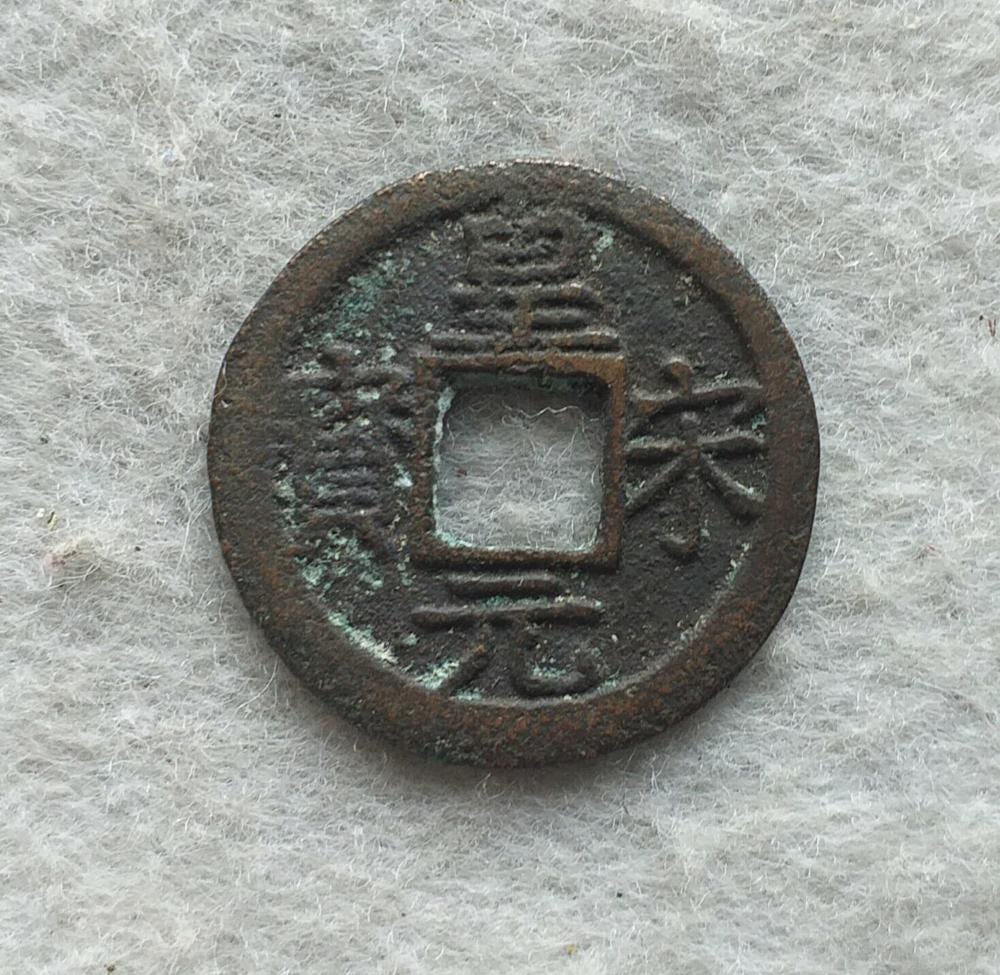
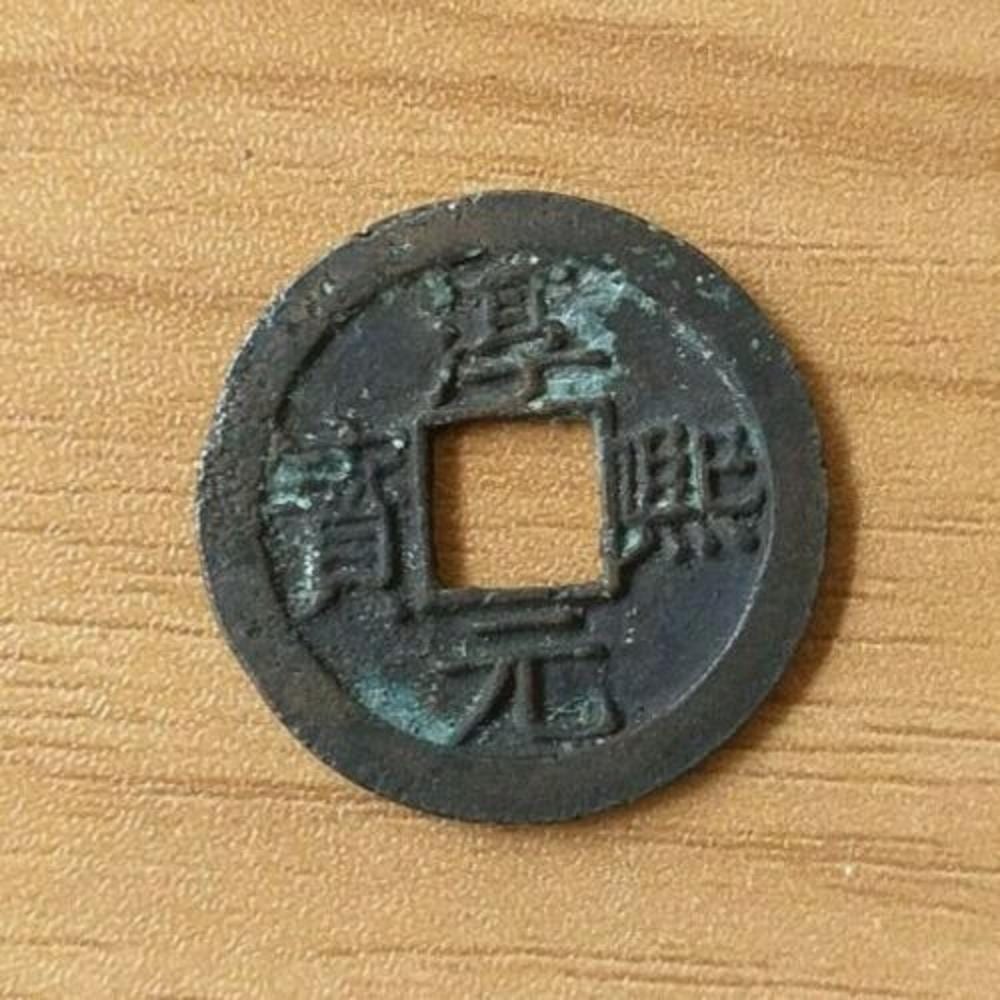
- Cash coins (round with a square hole): Cast bronze/brass pieces used from the Tang through the Qing (7th to early 20th century). Most bear four-character inscriptions on the obverse.
- Large-denomination cast coins: Especially during Xianfeng (1851–1861), cast in varied metals and sizes with denominations above 1 cash. Rare genuine examples can be valuable; many modern reproductions exist.
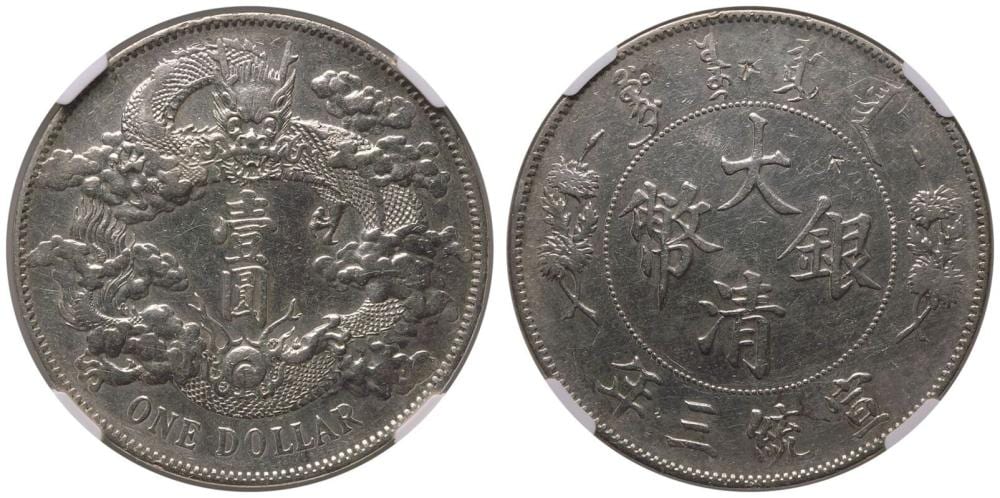
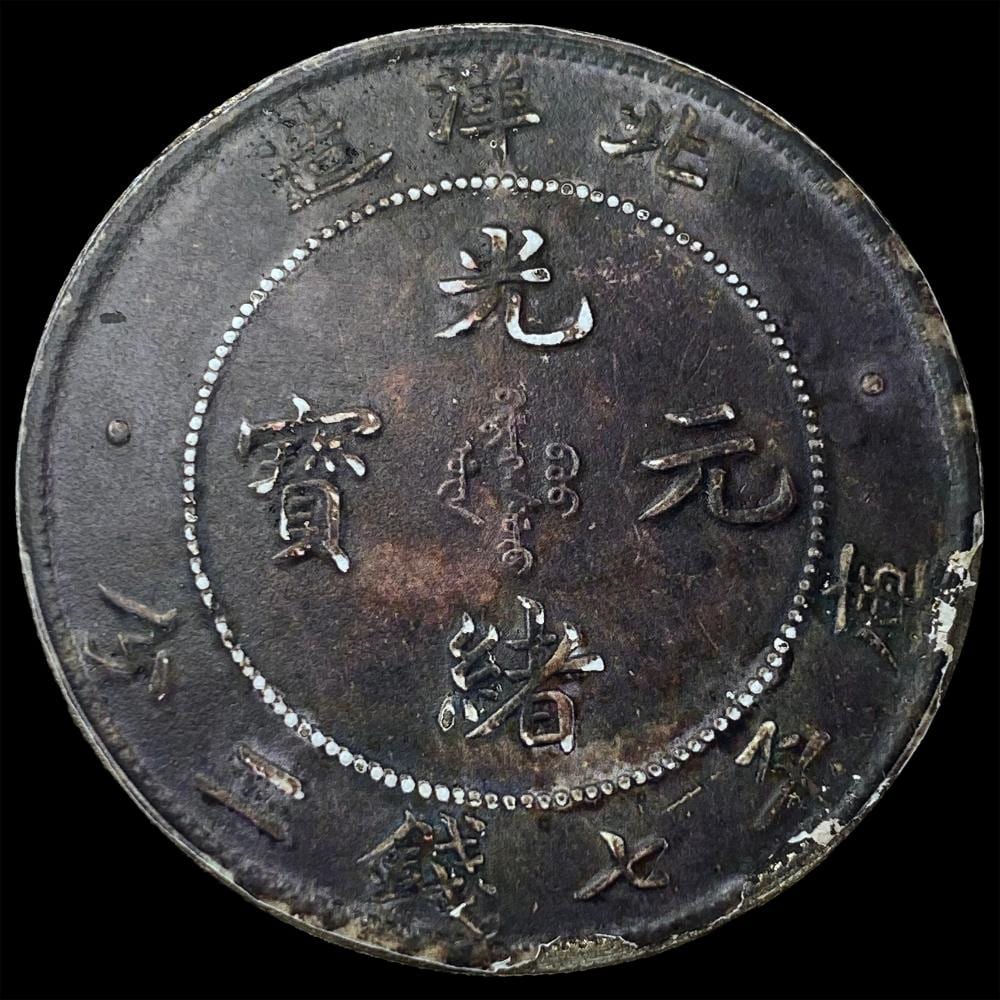
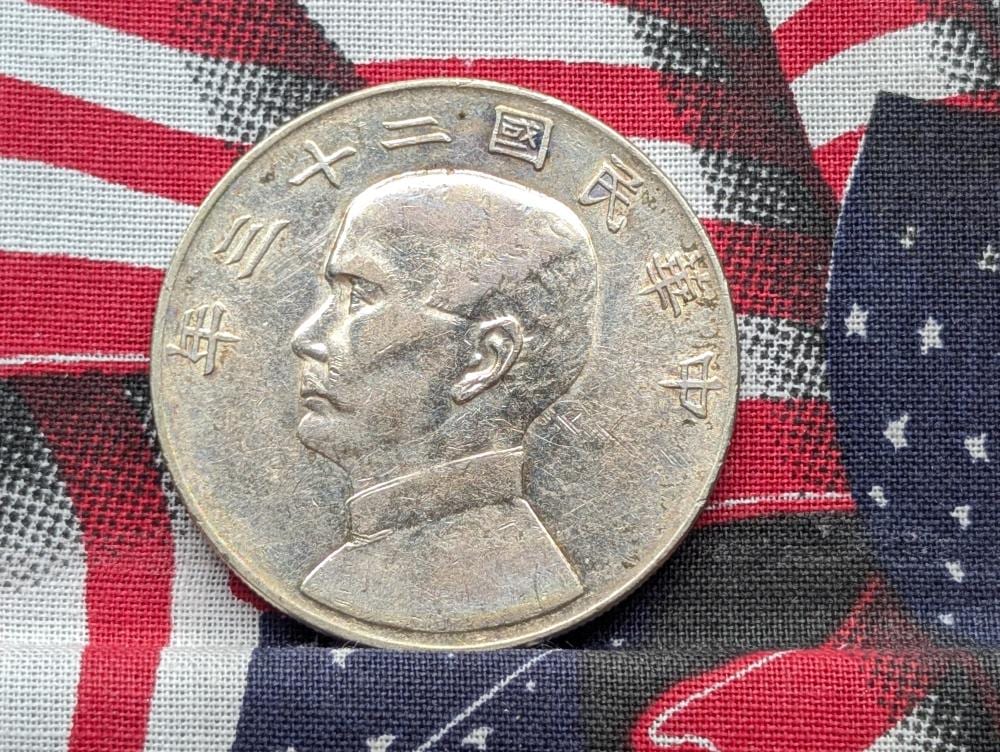
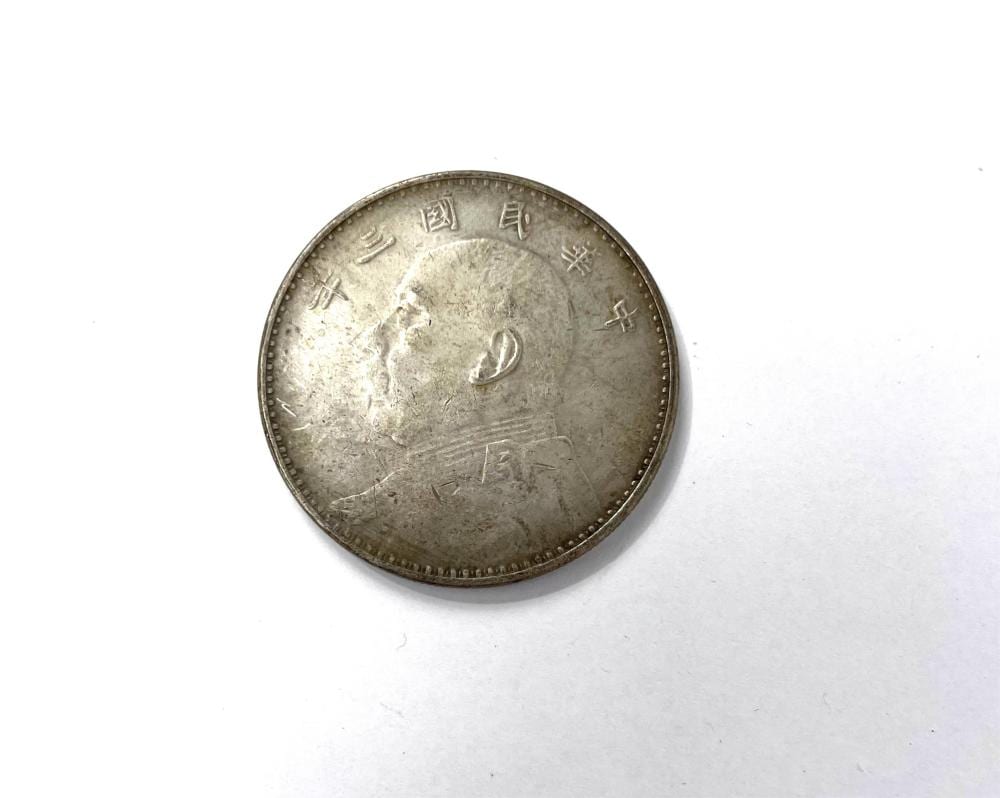
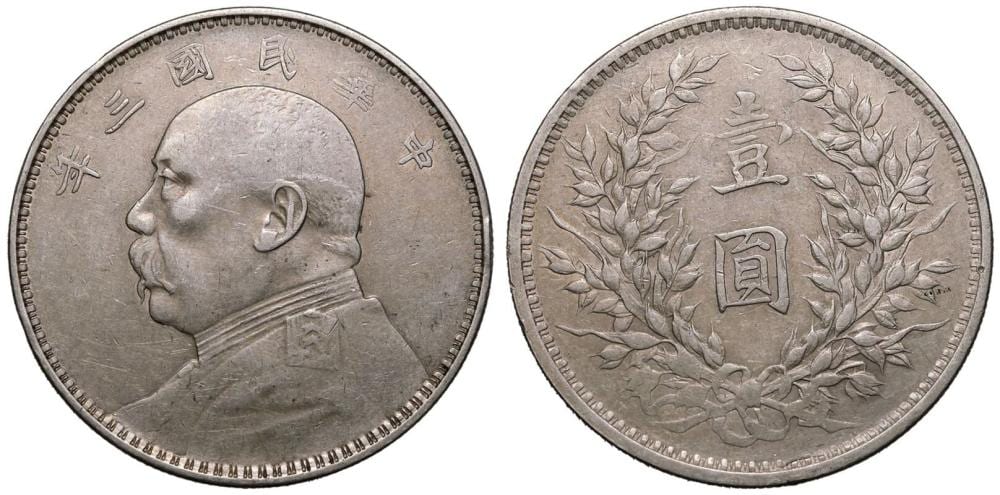
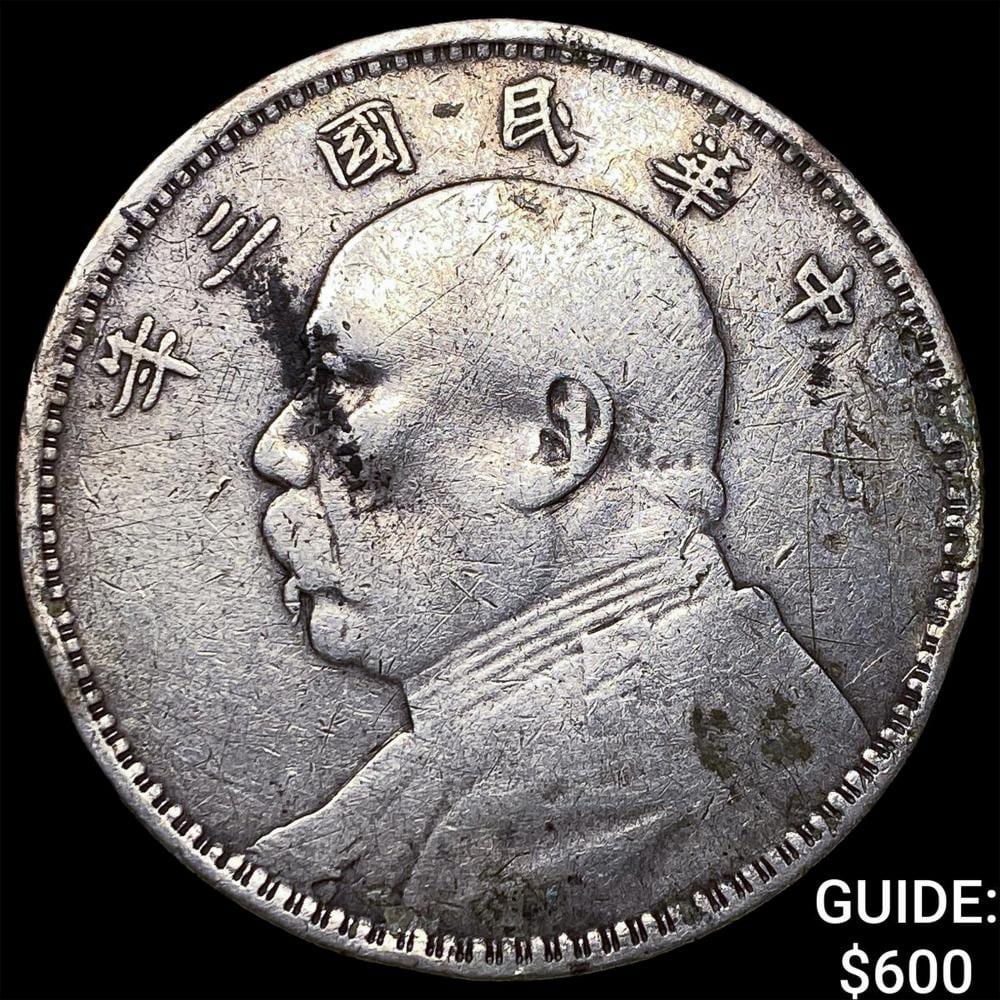
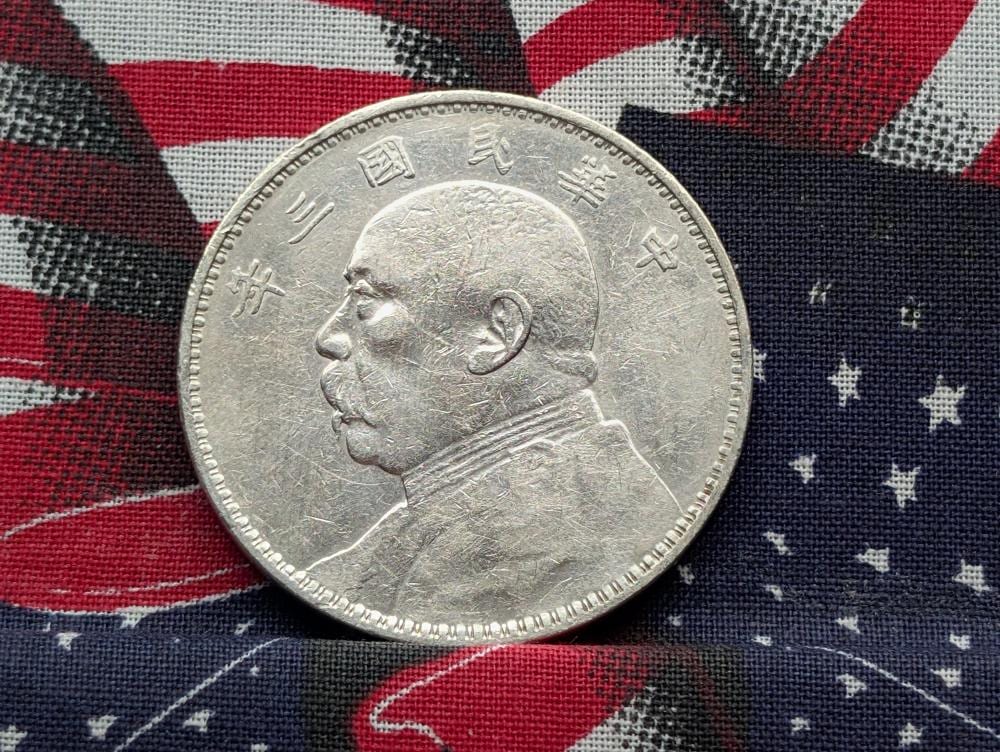
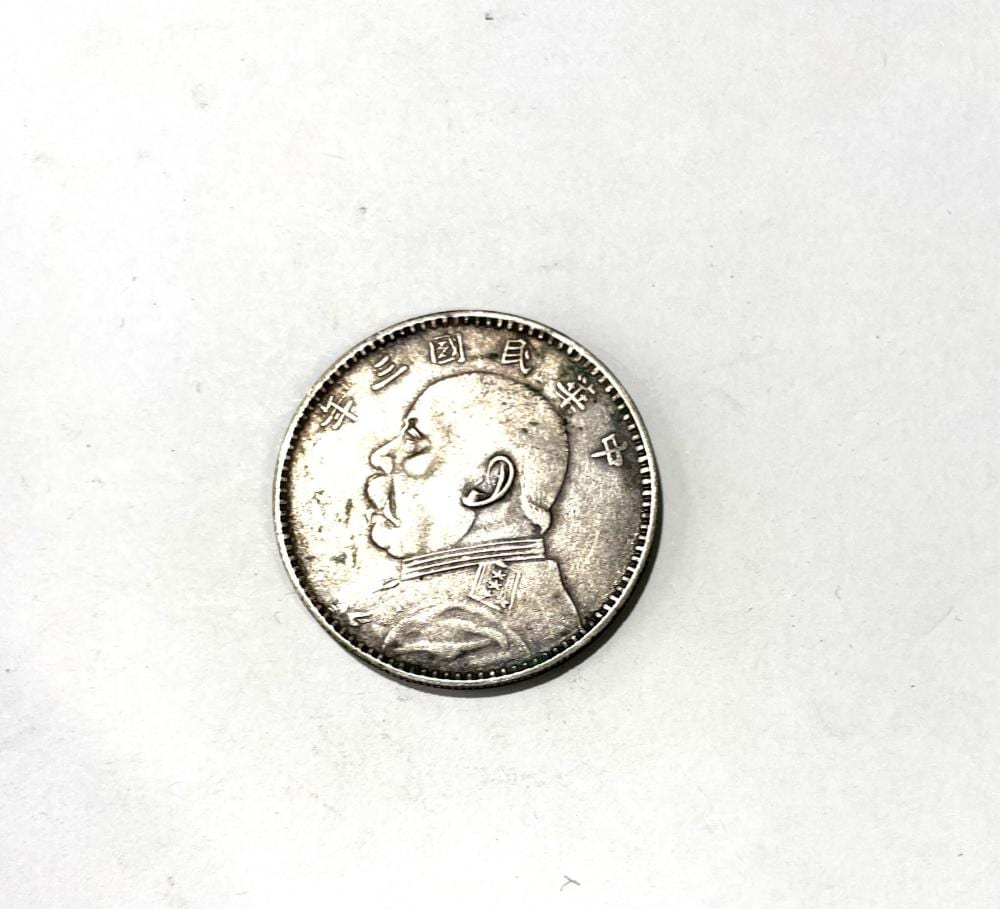
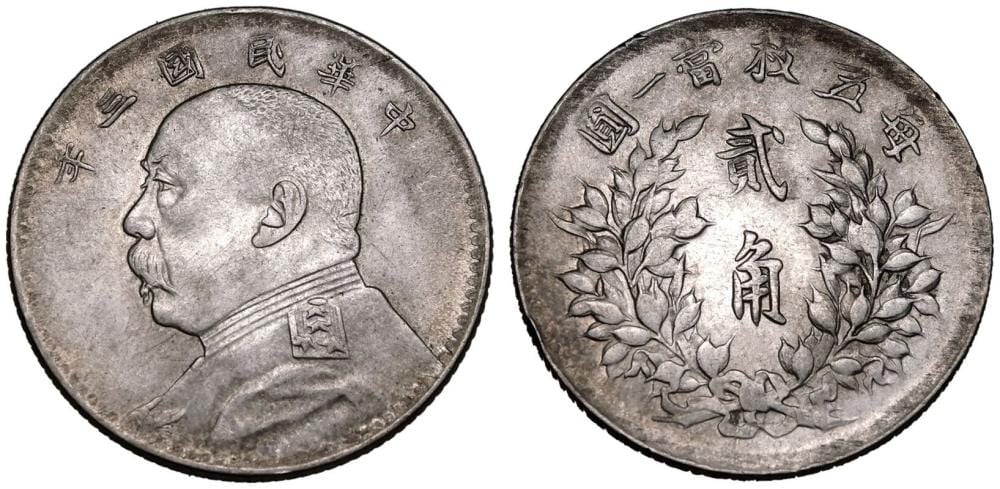
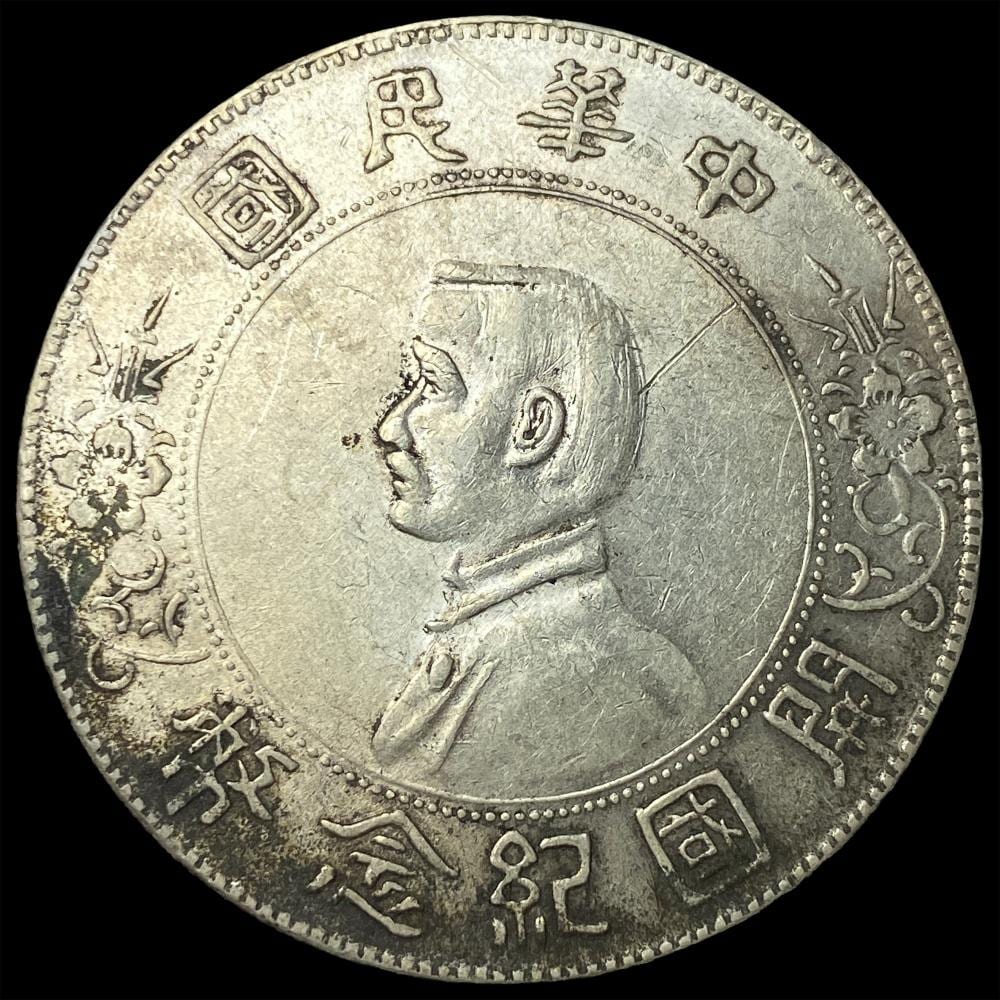
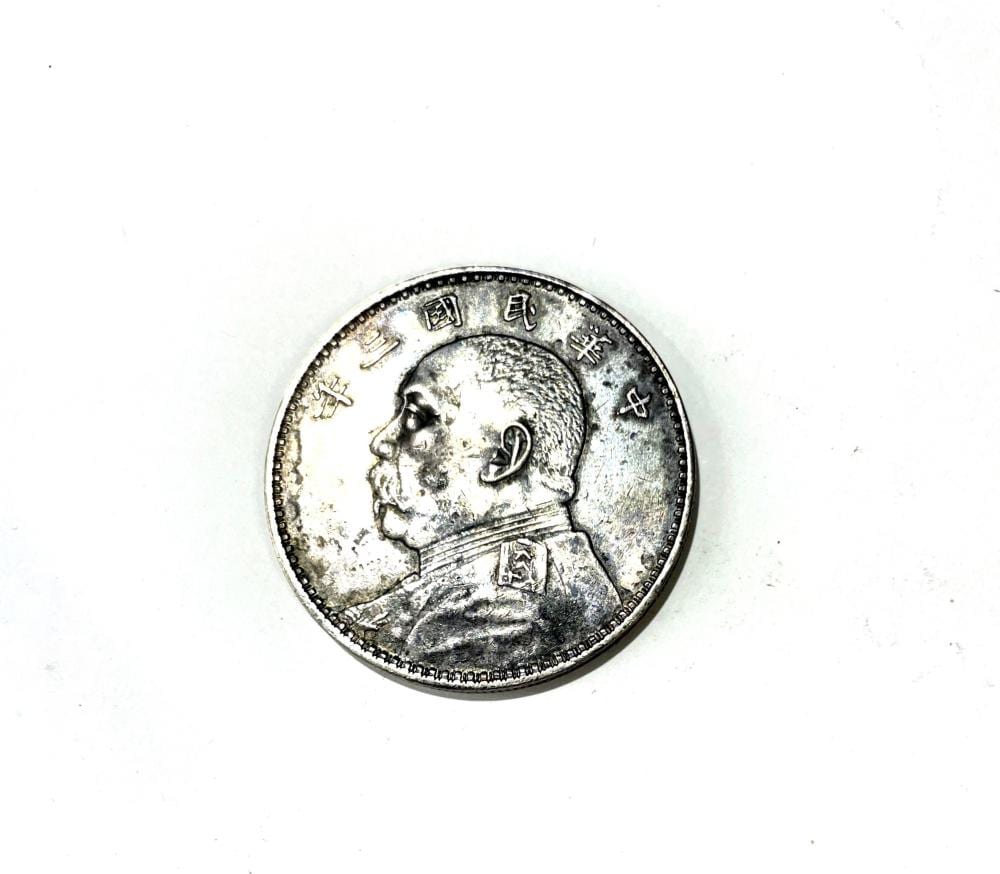
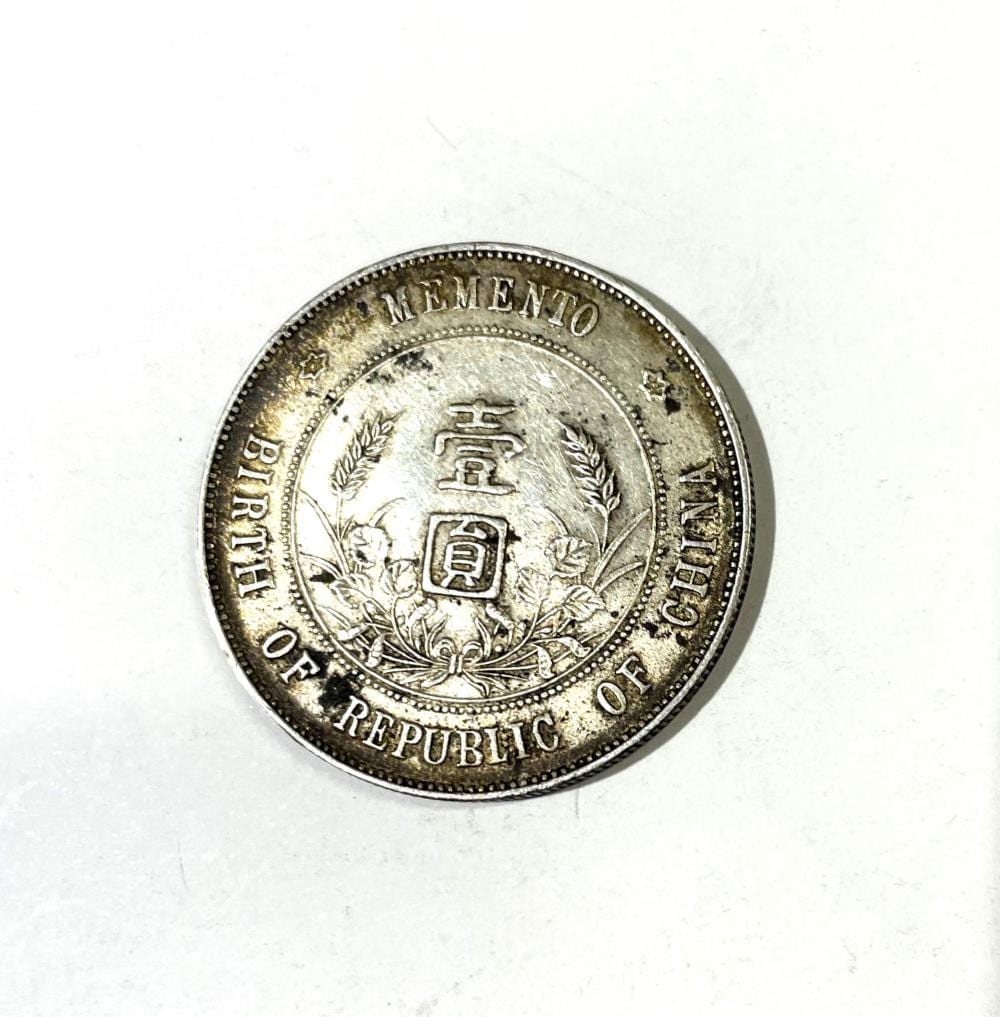
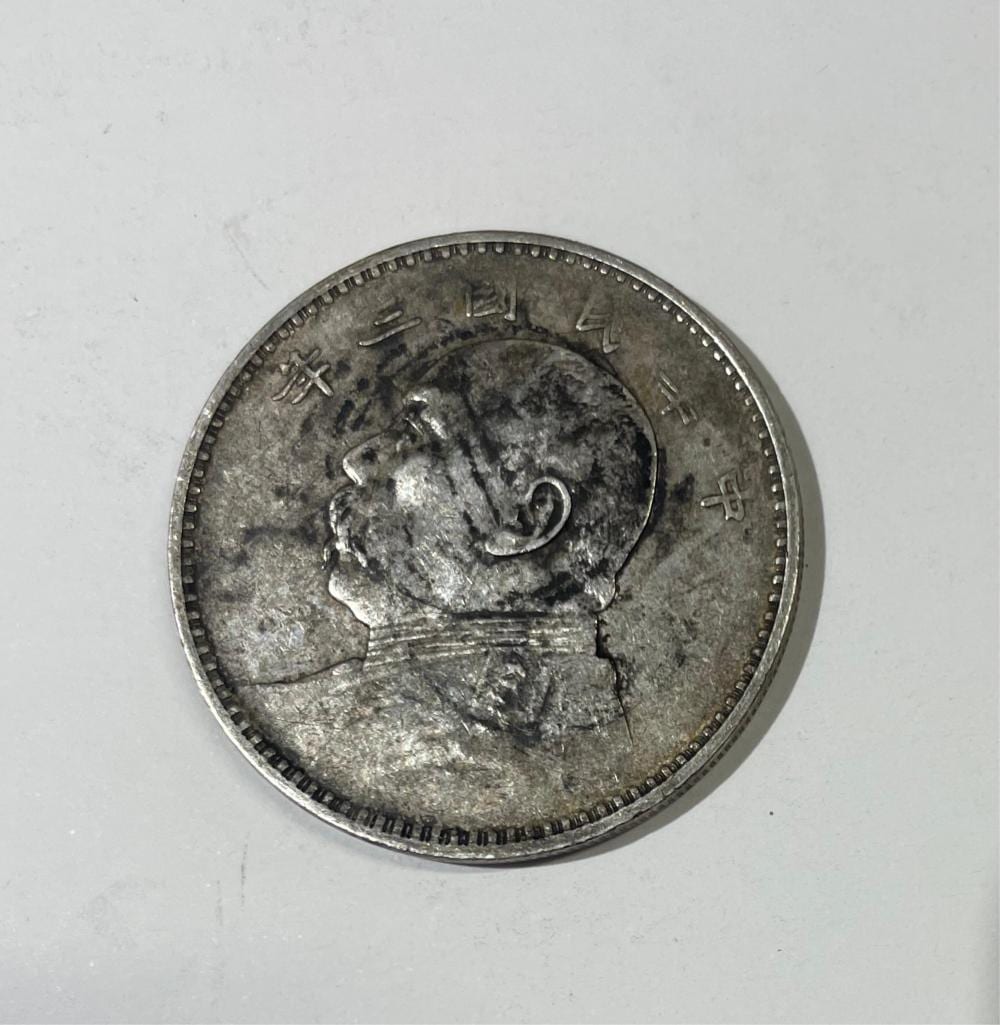
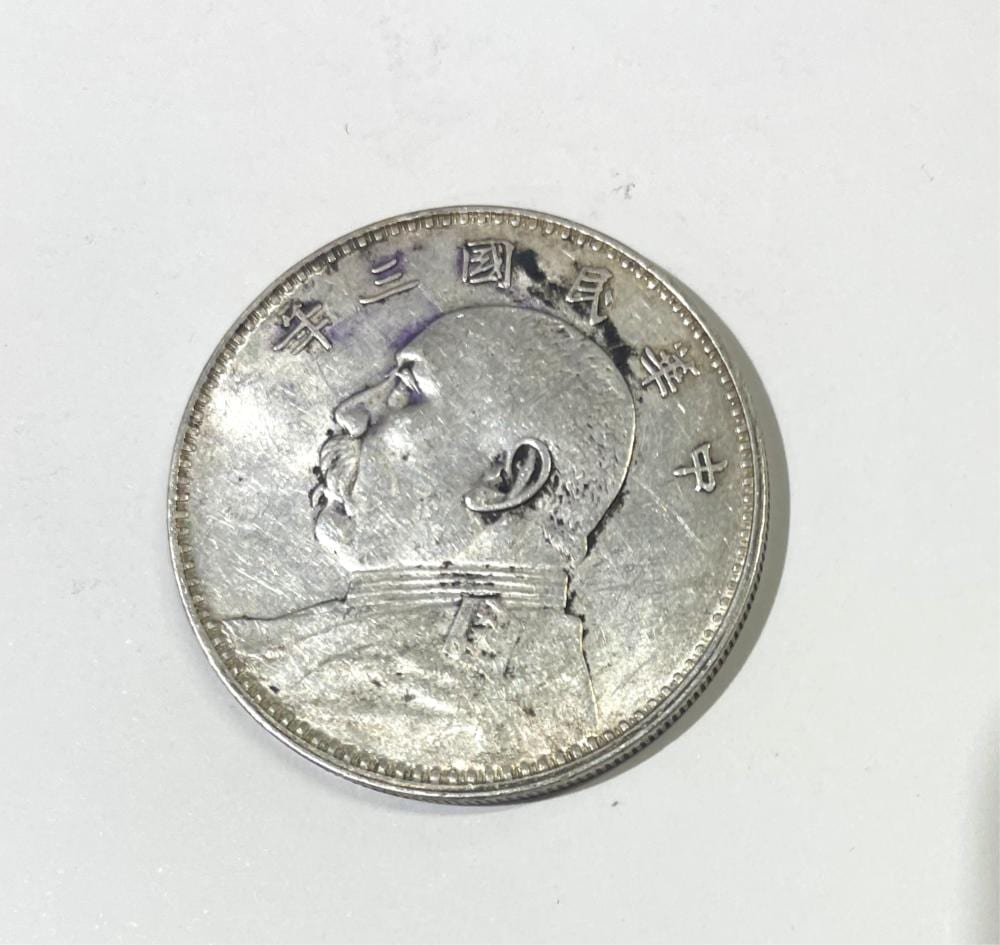
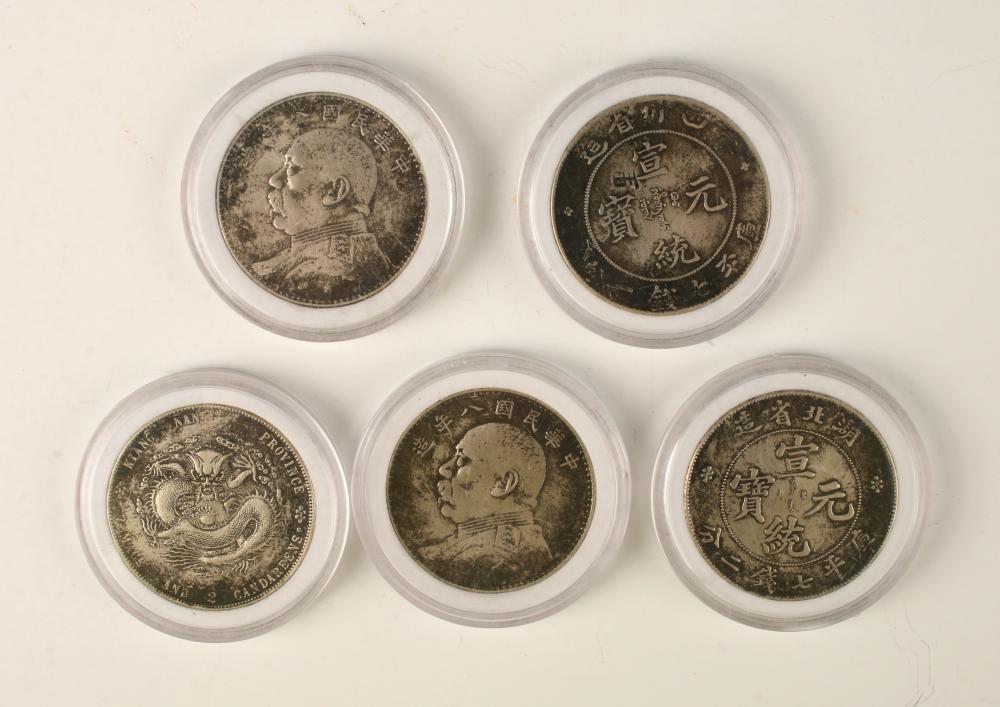
- Machine-struck (milled) coins: Late Qing (1890s–1911) and Republic of China (1912–1949) silver and copper-nickel coins, including the well-known Yuan Shikai (“Fat Man”) dollars. These follow modern minting standards and are often collected by date and province.
Baseline expectations:
- Common Qing cash coins with typical wear often trade for only a few dollars. Attractive patina or scarcer mints can push them higher.
- Milled silver dollars have a wide spread: genuine, circulated common types might be under a few hundred dollars; scarce provinces, key dates, or high grades can go into the thousands. Counterfeits are extremely common.
Pinpointing type and era frames the rest of the valuation—especially which diagnostics and catalogs to use.
2) Read the Inscriptions and Mint Marks
Chinese coins advertise their identity, but you must read them correctly.
Obverse inscriptions (cash coins):
- Four characters read top-bottom-right-left (in that order on most issues) typically end in “通寶” (Tong Bao), “重寶” (Zhong Bao), or “元寶” (Yuan Bao).
- The first two characters are the reign title (nianhao). Examples:
- 開元通寶 (Kai Yuan Tong Bao) – Tang dynasty
- 康熙通寶 (Kang Xi Tong Bao) – Qing dynasty
- 乾隆通寶 (Qian Long Tong Bao) – Qing dynasty
- 咸豐重寶 (Xian Feng Zhong Bao) – Qing dynasty, often with larger denominations
- Song dynasty issues sometimes feature distinctive calligraphy; Northern Song series include many variants prized by specialists.
Reverse marks (cash coins):
- Mints and boards are indicated by Chinese and sometimes Manchu characters. Key Beijing mints:
- 寶泉 (Baoquan Ju) – Board of Revenue; Manchu legend often transcribed “Boo Ciowan”
- 寶源 (Baoyuan Ju) – Board of Works; Manchu legend often transcribed “Boo Yuwan”
- Provincial marks identify where the coin was cast (e.g., 江南 Jiangnan, 廣東 Guangdong). These affect scarcity and value.
Milled coins:
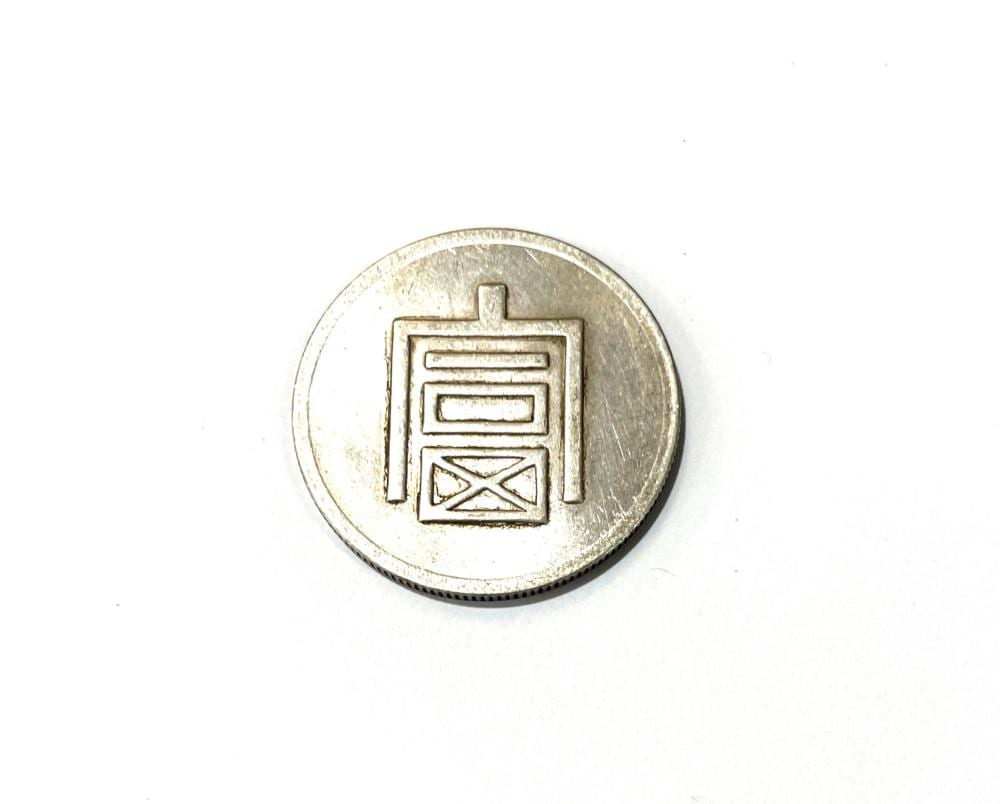
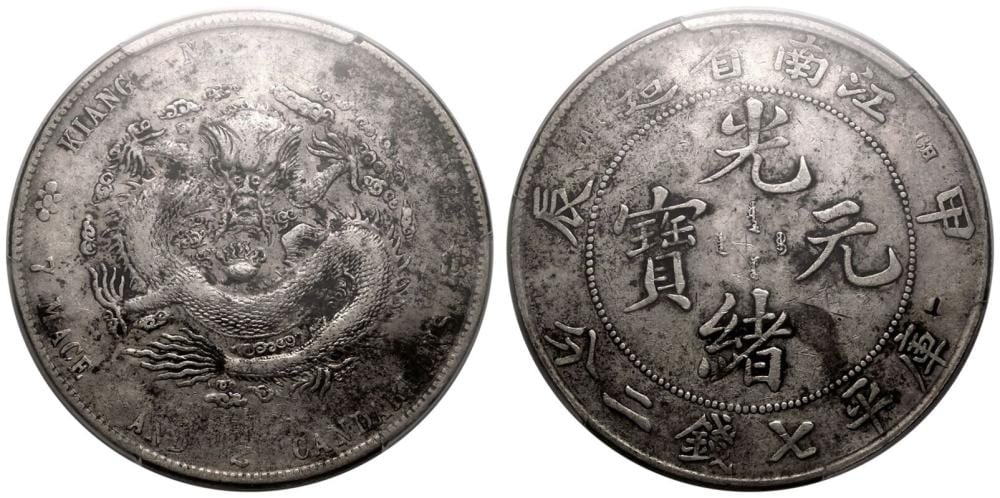
- Legends identify province, denomination, and sometimes silver fineness in traditional units (e.g., “7 Mace and 2 Candareens” ≈ 0.900 silver).
- Republic dates may show “Year X of the Republic.” For example, Year 3 corresponds to 1914 on a Yuan Shikai dollar.
This step lets you align a coin to a dynasty, reign title, mint, and sometimes a denomination—essentials for rarity and price research.
3) Evaluate Condition and Original Surfaces
Grading standards differ by type; what counts as “nice” on a cast coin isn’t the same as on a milled coin.
Cast cash coins:
- Desirable: even casting, complete rims, sharp inner/outer rims, clear strokes, and stable natural patina (earthy brown, olive, or dark chocolate; occasional cuprite reds or green malachite accents).
- Common problems: corrosion, edge chips, crude modern casting bubbles, filed sprue areas, cleaned or artificially patinated surfaces, and bending or cracks.
- Note that gentle filing on edges was a traditional practice to adjust weight; isolated old file marks do not automatically doom value but heavy modern grinding does.
Milled silver/copper coins:
- Use modern wear grades: VG, F, VF, XF, AU, MS. Higher-grade coins command strong premiums.
- Original mint luster, unhairlined fields, and undisturbed devices are prized. Cleaning leaves parallel hairlines or unnatural brightness; this can halve or worse the value.
- Chopmarks: small punches applied by merchants in circulation-era China. They generally reduce value to type collectors but have a niche audience; the impact depends on severity and market trends.
- Rim dents, test cuts, and harsh tooling are serious negatives.
It is almost always best not to clean. Natural patina and honest wear are more valuable than a brightened, hairlined coin.
4) Rarity, Varieties, and Special Issues
Two coins of the same reign can differ dramatically in value due to mint, variety, or calligraphy.
Key rarity drivers:
- Provincial mints: Some Qing mints are commonplace; others are scarce and command multiples.
- Calligraphy and character style: For example, certain Song dynasty inscriptions with uniquely styled scripts by imperial calligraphers (e.g., Huizong-era forms) and rare character variants are avidly collected.
- Denomination and size during Xianfeng: Large denominations and iron/brass/bronze alloys exist; genuine large-size pieces, correctly attributed and in decent condition, can be valuable. Expect rampant forgeries.
- Transitional and short-lived issues: Coins struck or cast during rebellions (Taiping Heavenly Kingdom), siege coinage, or brief provincial experiments can be rare.
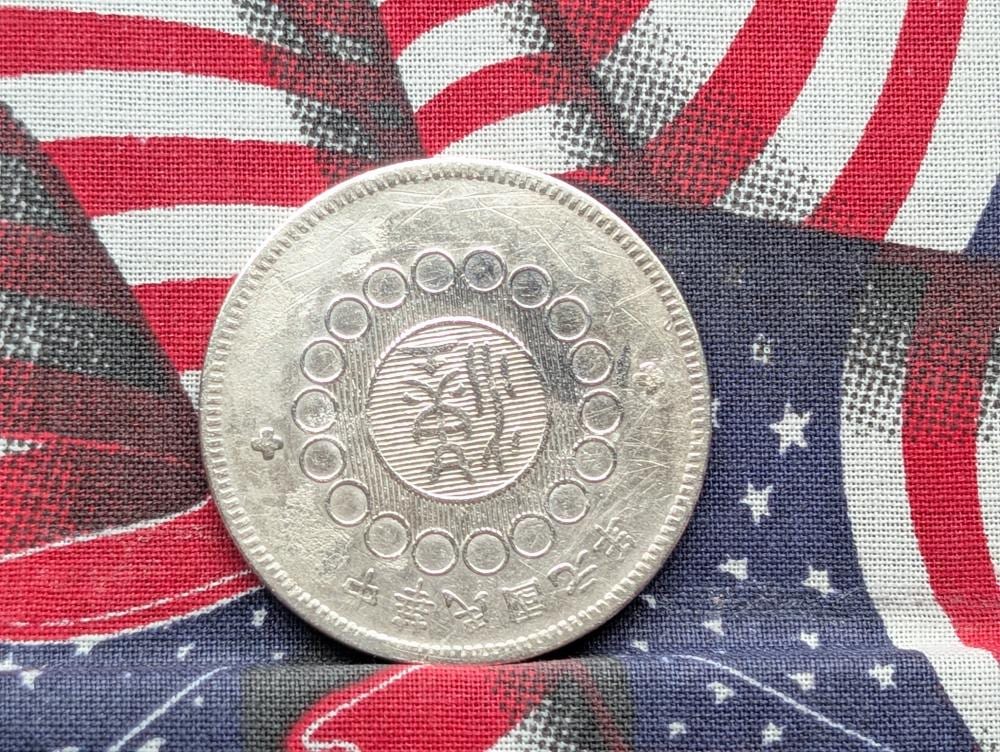
- Milled coin varieties: Rim beads, punctuation, die engraver quirks, and province-specific differences (e.g., Kwangtung, Kiangnan) can make a big difference. Yuan Shikai dollars have multiple varieties and dates; some warlord dollars are notably scarce.
Numismatic charms vs coins:
- Many round “coin-like” pieces with auspicious phrases, zodiac, or talismans were not legal tender. While many are common souvenirs, high-quality Qing/Republic charm pieces, or those with fine openwork and historical motifs, can be collectible. Value depends on motif quality, age, and execution.
Rarity is best documented via specialized catalogs and auction records. Once you’ve pinned down the exact variety, realistic price estimates become possible.
5) Document and Test the Metal
Counterfeits are widespread across all Chinese series—especially silver dollars and high-value cast cash. Use simple tools before you invest.
Basic toolkit:
- Digital scale (0.01 g)
- Calipers (0.01 mm)
- Strong magnet
- 10x–20x loupe
- Distilled water and a container for specific gravity (SG) testing
Benchmarks and tests:
- Cash coins: Typical diameters around 23–26 mm with weights generally 3–5 g vary by era and mint. For early or large Xianfeng denominations, consult references for correct size/weight and metals. Casting seams should be confined to inner/outer rim lines, not to the devices; surfaces should look granular but not bubbly or “mushy.”
- Milled silver dollars: Genuine late Qing/Republic “dollars” are roughly 38.5–39 mm in diameter and about 26.6–27.0 g in weight for 0.900 silver issues. They are non-magnetic and have a clear ring when gently tapped. Specific gravity near 10.3–10.4 is typical for this alloy; substantial deviation is a red flag.
- Visual diagnostics: Look for tool marks, repeating depressions (evidence of cast copies from the same mold), incorrect fonts, cartoonish portrait details, and die features that do not match known varieties.
- Patina and toning: Artificial toning may show rainbow hues that sit unnaturally on devices, with uniformity inconsistent with real circulation. Chemical odors and sticky residues are warning signs.
- For high-value pieces: XRF metal analysis or third-party attribution review is prudent.
If a coin fails weight, size, magnet, and SG tests, treat it as suspect even if it “looks right.”
6) Research the Market and Choose Your Valuation Approach
Value is realized in the market. After identification, grading, and attribution review, turn to pricing sources.
What to consult:
- Standard references: Use established catalogs to align your coin with a type number. For cast cash, specialized references organize by reign and mint. For milled coins, global catalogs list types by province and date with pricing by grade.
- Auction archives: Look up recent sales of the same variety and grade to gauge current demand. Match details closely—province, variety, chopmarks, cleaning, and certification status.
- Dealer price lists and bourse floors: Observing asking prices (and what actually sells) refines your expectations.
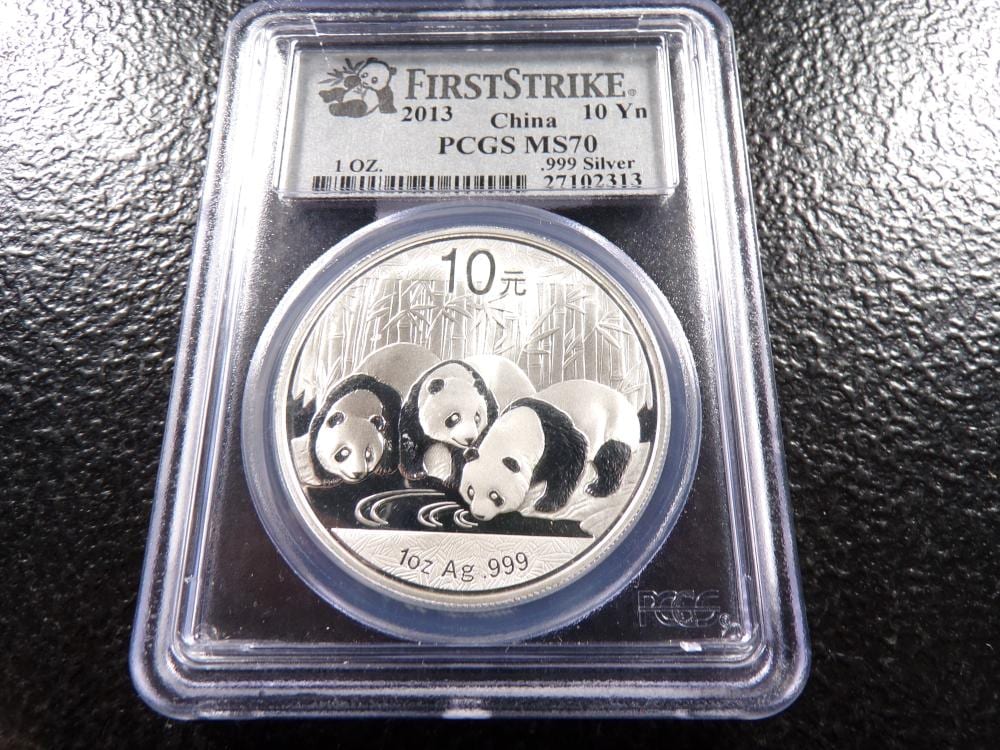
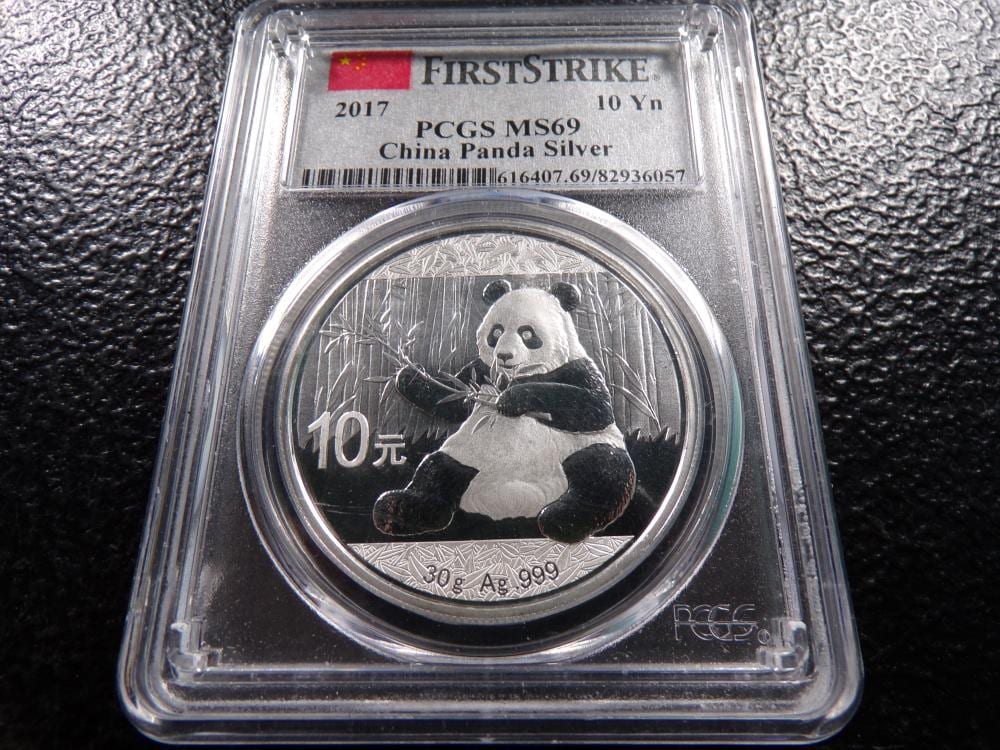
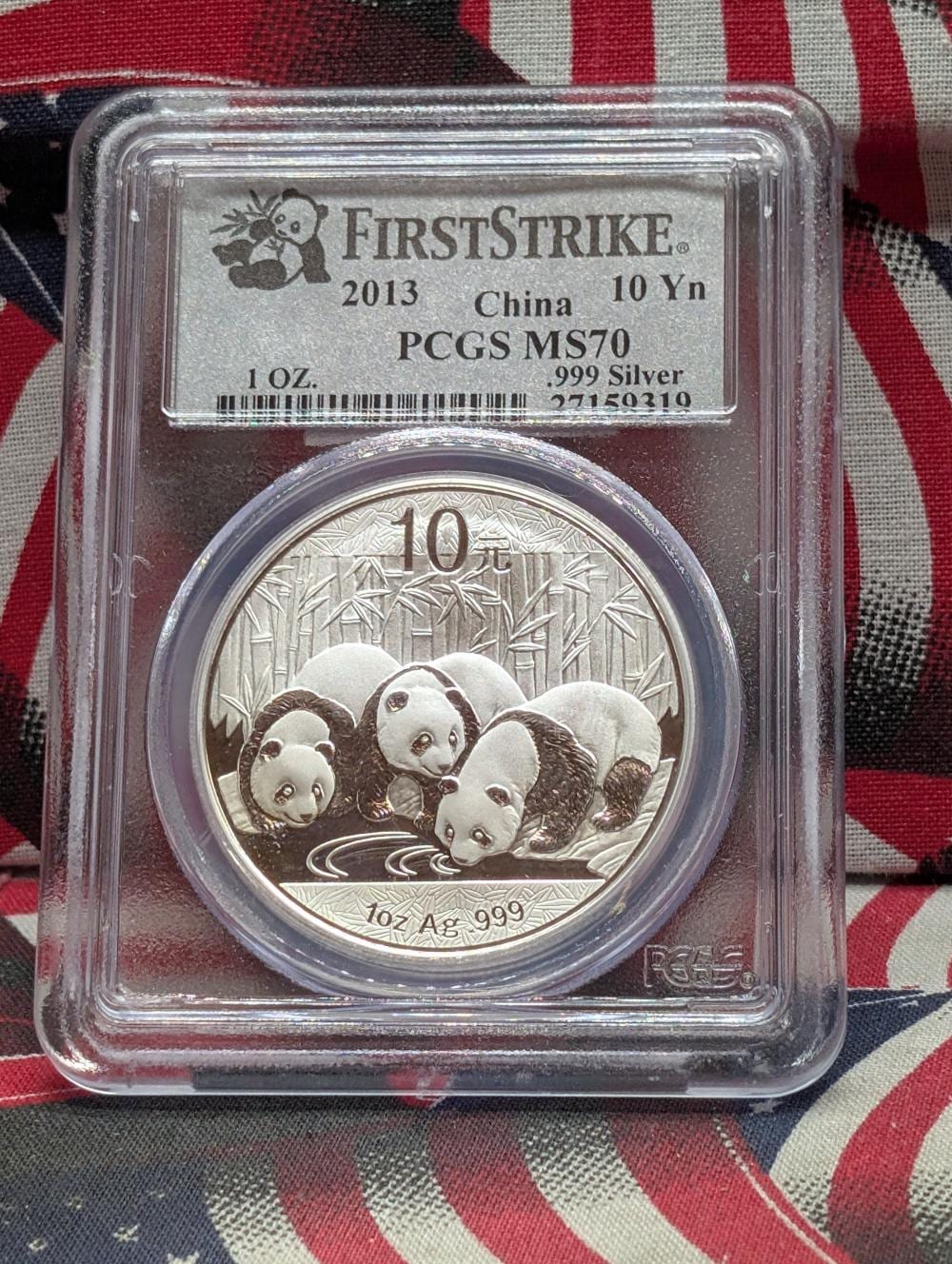
- Third-party grading: Certification by major services that handle Chinese coins can boost liquidity and value, especially for milled silver and condition-sensitive types. Balance grading fees against estimated value.
Price context (very general, subject to change):
- Common Qing cash coins: modest in average condition, more with excellent patina and sharp casts; rare mints or varieties can reach hundreds.
- Yuan Shikai dollars (common dates): Genuine circulated examples can sell for up to a few hundred depending on grade and market; high-grade certified coins or scarce varieties can be significantly higher.
- Provincial milled dollars and warlord issues: Values vary widely; correct attribution and attribution review are critical.
Record your findings (photos, measurements, provenance) and keep them with the coin—documentation adds credibility when selling or insuring.
Practical Checklist: Valuing an Old Chinese Coin
- Identify the coin type: knife/spade, early cast, cash coin, or milled.
- Read the obverse inscription and translate the reign title.
- Check the reverse for mint marks (Chinese and/or Manchu) or province.
- Measure diameter and thickness; weigh to 0.01 g.
- Test with a magnet; most genuine copper alloys and silver coins are non-magnetic.
- Perform a careful ring test on silver dollars; consider a specific gravity check.
- Examine under magnification for casting seams, tool marks, or hairlines from cleaning.
- Evaluate condition: wear level, luster/patina, rim integrity, and any chopmarks.
- Compare fonts and device details against known varieties in references.
- Assign a realistic grade and note any problems (cleaned, mount marks, corrosion).
- Research recent sales of the same variety and grade; adjust for market trends.
- For high-value items, consider third-party attribution review/grading.
- Document measurements, photos, and provenance for future reference.
FAQ
Q: Are all old Chinese cash coins valuable? A: No. Most Qing cash coins are common and worth only a few dollars in average condition. Value rises with scarce mints, rare varieties, excellent patina, or exceptional sharpness.
Q: How can I quickly spot a fake Yuan Shikai dollar? A: Start with basics: weight around 26.6–27.0 g, diameter near 39 mm, non-magnetic, and a clear silver ring. Look closely at portrait details and fonts; cast texture, wrong weight, or dull thud on a ring test are red flags.
Q: Does cleaning help the value of old Chinese coins? A: Almost never. Cleaning removes original patina and luster, often leaving hairlines that lower value. Leave coins as found; if conservation is necessary, consult a professional.
Q: Are chopmarked coins worth less? A: Typically yes, for type collectors; chopmarks are considered damage. However, some collectors specialize in chopmarks for their trade-history appeal, softening the penalty on certain pieces.
Q: Should I grade every coin? A: Not necessarily. Grading fees can exceed the value of common coins. Reserve third-party grading for coins you’ve identified as scarce, high grade, or frequently counterfeited where certification aids liquidity.
By following a disciplined process—identify, read, grade, document, and compare—you can arrive at defensible, market-aligned values for old Chinese coins, whether they’re humble cash coins or coveted silver dollars.