Old Chinese Coins Value: appraisal and value basics
Old Chinese Coins Value research should start with identification, condition, provenance, and item-specific market evidence. Use this guide to compare the signals that matter before paying for a formal appraisal or deciding whether to sell.
Chinese coin value checks before appraisal
Old Chinese coin values depend on period, reign mark, metal, casting quality, surface condition, rarity, provenance, and authenticity. Common cash coins may have modest value, while scarce types, unusual metal, strong provenance, or collection context can justify specialist review.
- Photograph both sides, edge, diameter, weight, patina, storage envelopes, collection labels, and any previous invoices.
- Separate single coins from inherited groups or reference collections; context can change whether appraisal is worthwhile.
- Use a written appraisal or specialist review when authenticity, estate value, insurance, donation, or resale risk is material.
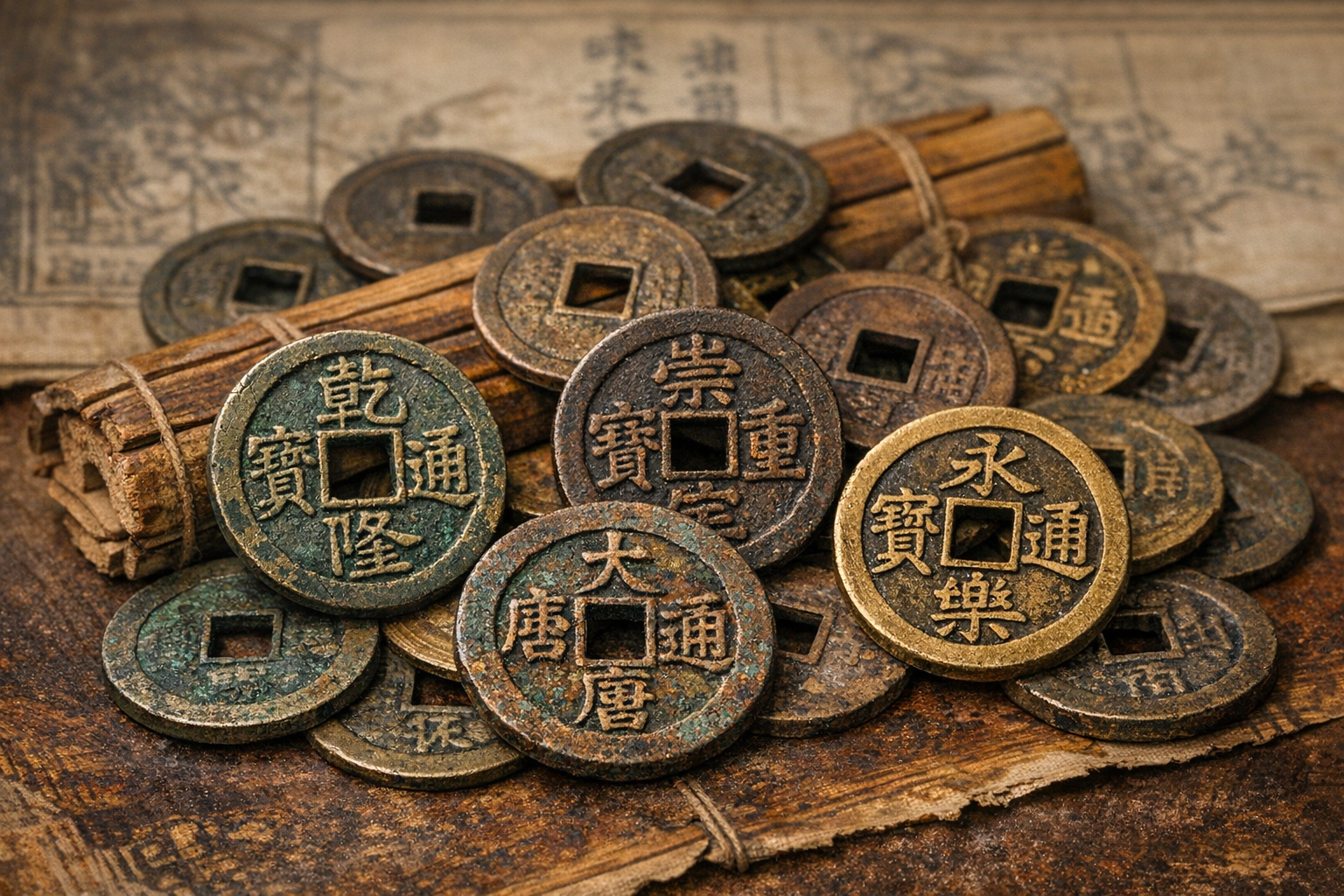
Chinese coins represent one of the world’s oldest and most fascinating numismatic traditions, spanning over 2,400 years of continuous minting. From ancient round coins with square holes to modern commemorative issues, these artifacts tell the story of China’s rich cultural and economic history. For collectors and investors alike, understanding the value of old Chinese coins requires knowledge of their historical context, originality markers, and market dynamics.
In this comprehensive guide, we’ll explore what makes Chinese coins valuable, how to identify different types and periods, and what factors influence their worth in today’s market. Whether you’re a seasoned collector or just discovering these fascinating pieces of history, this resource will help you navigate the complex world of Chinese numismatics.
Table of Contents
- Historical Overview of Chinese Coinage
- Types of Valuable Chinese Coins
- Key Factors That Determine Value
- Attribution review and Identification Guide
- Current Market Values and Price Ranges
- Where to Buy and Sell Chinese Coins
- Collection Care and Preservation
- FAQ: Common Questions About Chinese Coin Values
Historical Overview of Chinese Coinage
Evolution of Chinese Coinage
- 255 BC - 221 AD
Early Cash Coins
The first standardized Chinese coins appeared during the Qin Dynasty. These round coins with square holes in the center (known as "cash coins") established the basic design that would continue for over 2,000 years.
- 618 - 907 AD
Tang Dynasty Expansion
The Tang Dynasty saw widespread use of the Kai Yuan Tong Bao coins, which became one of the most recognized designs in Chinese numismatic history and influenced coinage across East Asia.
- 1644 - 1911
Qing Dynasty Period
The final imperial dynasty produced numerous varieties of cash coins, including the common Qianlong Tongbao and Guangxu Tongbao. Late Qing saw the introduction of machine-struck coins with modern denominations.
- 1912 - 1949
Republican Era
Following the fall of the Qing Dynasty, the Republic of China produced a diverse range of coins including silver dollars (known as "Yuan"). Many collectors prize the "Junk Dollar" featuring a Chinese sailing ship.
- 1949 - Present
Modern Chinese Coins
The People's Republic of China established new currency systems and later introduced popular commemorative coins, including the gold and silver Panda series, which are highly valued by collectors worldwide.
Chinese cash coins remained remarkably consistent in their basic design for over two millennia, making them one of the longest-lasting currency formats in world history. The iconic round shape with a square center hole represented the ancient Chinese cosmological principle of “round heaven, square earth.” This design also allowed coins to be strung together on cords for convenient carrying.
The inscriptions on these coins typically include the era name of the emperor’s reign and the characters “tong bao” (通寶) meaning “circulating treasure” or variants like “yuan bao” (元寶) for “original treasure.” These inscriptions are crucial for dating and attributing coins to specific periods.
Types of Valuable Chinese Coins
Ancient Cash Coins (Pre-1644)
Early Chinese coins from dynasties like the Han, Tang, and Song can be valuable based on their historical significance and rarity. While common varieties might sell for just a few dollars, rare specimens with unusual inscriptions, mint errors, or exceptional preservation can command substantial premiums.
According to Calgary Coin’s reference guide, ancient Chinese cash coins varied greatly in weight, with heavier specimens generally being more valuable in today’s market. Their value also depends heavily on originality, as modern reproductions are common.
Qing Dynasty Coins (1644-1911)
The final imperial dynasty produced a vast array of coins that vary significantly in value:
Common Cash Coins: Standard issue Qing cash coins in average condition typically sell for a value that must be established from current, topic-matched sales depending on the emperor and state of preservation.
Provincial Issues: Late Qing provincial mint coins, particularly larger denominations, can be worth significantly more than standard cash coins.
Pattern Coins and Rarities: Trial strikes and rare provincial issues can reach extraordinary values. According to Yahoo Finance, the China-Heilungkiang ND 1896 50 Cents Brass Pattern is among the most valuable Chinese coins.
Republic Era Coins (1912-1949)
Republican period coins represent some of the most actively collected Chinese numismatic items:
Silver Dollars: The famous “Junk Dollar” (showing a Chinese sailing ship) and various portrait dollars featuring political figures like Yuan Shikai and Sun Yat-sen can be worth hundreds to thousands of dollars in good condition.
Provincial Issues: Coins minted by local warlords and provincial governments during this turbulent period can be extremely valuable due to their limited production and historical significance.
Pattern Coins and Special Issues: According to the PCGS Chinese Coin Price Guide, pattern coins and special presentation issues from this era can reach six-figure values at auction.
Notable Chinese Coin Values
| Most Valuable Type | Approximate Value | Notable Example |
|---|---|---|
| Kweichow Auto Dollar (1928) | a value that must be established from current, topic-matched sales | Depicts earliest Chinese automobile |
| Republican Era Patterns | a value that must be established from current, topic-matched sales | Rare trial strikes and presentation pieces |
| Provincial Silver Coins | a value that must be established from current, topic-matched sales | Particularly rare mints and denominations |
Key Factors That Determine Value
1. Rarity and Historical Significance
The rarity of a Chinese coin is the primary driver of its value. Coins produced in limited quantities, from mints that operated briefly, or during tumultuous historical periods typically command premium prices. According to Coin Value Checker, many of the most valuable old Chinese coins were struck in the late 1800s and early 1900s, when China was transitioning from imperial to republican governance.
Historical context also plays a crucial role. Coins associated with significant historical events or transitions between dynasties often attract collector interest beyond their inherent rarity.
2. Condition and Preservation
The physical condition of a coin dramatically affects its value. For ancient cash coins, factors like patina, corrosion levels, and legibility of inscriptions matter greatly. For more modern coins, collectors use the standard grading scale ranging from Poor (P) to Mint State (MS), with multiple gradations in between.
According to experts at PCGS, the difference between a circulated and uncirculated specimen of the same coin can be enormous—sometimes representing a a category-dependent amount price difference or more.
Chinese Coin Condition Assessment
Use this checklist to evaluate the condition of your Chinese coins
- Inscriptions are clear and fully legible
- Original surfaces are intact without cleaning damage
- No corrosion or environmental damage is present
- Square hole has sharp, well-defined edges (for cash coins)
- No repairs, tooling marks, or restoration is evident
- Original mint luster is visible (for modern coins)
- Coin has attractive, natural patina (for ancient coins)
3. Originality
The market for Chinese coins is unfortunately plagued by counterfeits, making attribution review a critical concern. Modern fakes range from crude tourist replicas to sophisticated forgeries that can fool inexperienced collectors.
Attribution review involves examining:
- Metal composition
- Weight and dimensions
- Strike characteristics
- Style of calligraphy
- Patina and aging patterns
Professional grading services like PCGS and NGC offer attribution review and grading for Chinese coins, which can significantly enhance their marketability and value.
4. Market Demand and Trends
The Chinese numismatic market has seen dramatic growth in recent decades, driven by increasing wealth within China and growing international interest in Chinese cultural artifacts. According to market observers, prices for rare Chinese coins have outperformed many other collectible categories.
Current collecting trends favor:
- Republican era silver coins
- Pattern coins and presentation pieces
- Coins with exceptional preservation
- Coins with documented provenance
Attribution review and Identification Guide
Identifying Chinese Cash Coins
Cash coins (round coins with square holes) require examination of:
Inscriptions: The characters on the coin identify the era and emperor. Most cash coins have four characters, with the first two representing the reign title and the last two typically reading “tong bao” (通寶) or a similar phrase.
Mint Marks: Small symbols or additional characters on the reverse can indicate which mint produced the coin, which affects rarity and value.
Size and Weight: Documented coins from different periods have specific size and weight ranges. According to Calgary Coin, ancient Chinese coins vary in weight, generally ranging from 4 to 12 grams, with heavier specimens usually commanding higher prices.
Metal Composition: Most cash coins were made of bronze or brass alloys, though some special issues used silver, gold, or iron. The composition can help identify and date the coin.
Detecting Counterfeit Chinese Coins
Counterfeits of Chinese coins come in several forms:
Ancient Reproductions: Even in imperial times, coins were sometimes unofficially reproduced. These contemporary copies are collectible in their own right.
Tourist Fakes: Crude reproductions made for the souvenir market, usually easy to identify by their poor craftsmanship.
Modern Forgeries: Sophisticated counterfeits intended to deceive collectors, requiring expert examination to detect.
Warning signs of counterfeits include:
- Inconsistent weight or dimensions
- Incorrect metal composition
- Artificial patina or aging
- Improper character style for the period
- Casting bubbles or other manufacturing flaws
Attribution review Resources
Professional services and tools for Chinese coin verification
Current Market Values and Price Ranges
Common Chinese Coins: Entry-Level Collecting
For new collectors, many Chinese coins remain surprisingly affordable:
Common Cash Coins: According to Dirty Old Coins, uncleaned ancient Chinese cash coins can be purchased for as little as a value that must be established from current, topic-matched sales each. Joel’s Coins offers unidentified old Chinese cash coins for around a value that must be established from current, topic-matched sales for a lot of 25.
Late Imperial Copper Coins: Common late Qing Dynasty coins in circulated condition typically sell for a value that must be established from current, topic-matched sales depending on preservation and emperor.
Modern PRC Coins: Standard circulation coins from the People’s Republic of China can be acquired for close to their face value, though commemorative issues command premiums.
Mid-Range Collectible Chinese Coins
As noted on eBay’s Chinese Coins category, Empire coins produced up to 1948 often show signs of wear and are typically higher in cost because of their historical value. This middle market includes:
Better Grade Cash Coins: Well-preserved examples from popular dynasties like Ming or early Qing can sell for a value that must be established from current, topic-matched sales.
Provincial Silver Coins: Smaller denominations from the late Qing and early Republic periods typically range from a value that must be established from current, topic-matched sales depending on condition and mint.
Republican Copper and Nickel Issues: Attractive examples of common Republican minor coinage generally sell for a value that must be established from current, topic-matched sales.
Premium and Investment-Grade Chinese Coins
The high end of the market features extraordinarily valuable pieces:
Rare Provincial Issues: According to Invaluable’s blog on rare Chinese coins, exceptional provincial issues can command significant premiums at auction.
Pattern Coins: Trial strikes and patterns, especially from the late Qing and Republican periods, regularly sell for five and six-figure sums.
Historical Rarities: As highlighted in the Top 10 Most Valuable Chinese Coins Worth Big Money video by North Central Coins, coins like the Kweichow Auto Dollar have reached values of a value that must be established from current, topic-matched sales million.
Chinese Coin Value Ranges by Category
Current market prices as of 2024
| Category | Price | Notes |
|---|---|---|
| Professional Grading Service (PCGS/NGC) | a value that must be established from current, topic-matched sales per coin | Attribution review, grading, and encapsulation in tamper-evident holder |
| Reference Books and Catalogs | a value that must be established from current, topic-matched sales | Specialized catalogues with images, weights, and descriptions |
| Digital Caliper and Scale | a value that must be established from current, topic-matched sales | Essential tools for measuring dimensions and weight |
| XRF Metal Analyzer (advanced) | a value that must be established from current, topic-matched sales or rental | Determines exact metal composition without damaging the coin |
</tbody> </table>
Where to Buy and Sell Chinese Coins
Purchasing Chinese Coins
When looking to acquire Chinese coins for your collection, consider these sources:
Specialized Dealers: Numismatic dealers who focus on Asian coins typically offer documented items with accurate descriptions. While prices may be higher than other sources, the expertise and confirm of originality often justify the premium.
Major Auction Houses: Companies like Heritage Auctions, Stack’s Bowers, and Spink regularly feature Chinese coins in their sales. These venues typically offer higher-end material with professional descriptions and condition assessments.
Online Marketplaces: Platforms like eBay offer a vast selection of Chinese coins at various price points. While convenient, buyers must exercise caution regarding originality and condition claims.
Direct from Collectors: Through coin shows, collector forums, and social media groups, you can sometimes acquire coins directly from other collectors, often at favorable prices.
Etsy and Similar Platforms: Sites like Etsy offer Chinese coins with varying levels of attribution review. These can be good sources for decorative or lower-value pieces.
Selling Chinese Coins
When it’s time to sell your Chinese coins, consider these options:
Auction Consignment: For valuable specimens, consigning to a specialized auction house can maximize returns, though fees may range from to a condition-specific range of the hammer price.
Direct to Dealers: Selling directly to dealers offers immediate payment but typically at wholesale prices (a condition-specific range of retail value).
Online Marketplaces: Listing coins yourself on platforms like eBay can potentially yield retail prices but requires significant effort in creating listings, handling inquiries, and managing shipping.
Collector Forums and Clubs: Specialized venues like the Chinese Numismatic Society connect sellers directly with interested collectors.
Attribution review and Grading Services
Before significant purchases or sales, consider using professional grading services:
PCGS (Professional Coin Grading Service): Offers specialized grading for Chinese coins with their PCGS Chinese Coin Price Guide providing valuable reference data.
NGC (Numismatic Guaranty Corporation): Provides attribution review and grading for Chinese coins in tamper-evident holders.
ANACS and ICG: Other third-party grading services that handle Chinese coins, sometimes at lower fees than PCGS or NGC.
Professional grading typically costs a value that must be established from current, topic-matched sales per coin depending on value and service level, but can significantly increase marketability and buyer confidence.
Collection Care and Preservation
Storage Recommendations
Proper storage is critical for preserving Chinese coins:
Ancient Cash Coins: These generally have stable patinas and can be stored in:
- Coin flips (inert, PVC-free plastic)
- Coin trays with individual compartments
- Acid-free paper envelopes
Silver and Modern Coins: These require more careful storage:
- Mylar flips or capsules to prevent environmental damage
- Slab holders from grading services for valuable specimens
- Specialized albums with inert materials
Handling Guidelines
Clean Hands: Always handle coins with clean, dry hands or cotton gloves to prevent oils and acids from transferring to the coin surface.
Proper Grip: Hold coins by the edges, never touching the faces.
Stable Surface: Always examine coins over a soft surface or pad in case of accidental drops.
No Cleaning: Never clean ancient Chinese coins as their natural patina is valued by collectors and improper cleaning can drastically reduce value.
Environmental Factors
Humidity Control: Store coins in environments with stable humidity, ideally between a condition-specific range. Excessive humidity can promote corrosion and fungal growth.
Temperature Stability: Avoid temperature fluctuations and extremes, which can cause condensation on metal surfaces.
Air Pollutants: Protect coins from airborne contaminants, especially sulfur compounds which can tarnish silver coins.
Light Exposure: Minimize exposure to direct sunlight and UV light, which can affect patina development.
Collection Care Checklist
Essential practices for maintaining your Chinese coin collection
- Coins stored in inert, archival-quality holders
- Collection kept in climate-controlled environment
- Inventory maintained with photographs and descriptions
- Valuable coins professionally graded and encapsulated
- Insurance coverage obtained for significant collections
- Handling limited and done with proper techniques
Common Questions About Chinese Coin Values
What old Chinese coins are worth money?
-
Kweichow 1928 Auto Dollar: Features an early Chinese automobile design and can fetch a market-dependent range million depending on condition.
-
Provincial silver coins from the late Qing Dynasty: Particularly from mints like Chekiang, Heilungkiang, and Kiangnan, worth from several hundred to tens of thousands of dollars.
-
Pattern coins and trial strikes: Experimental designs that never entered mass production, often worth five to six figures.
-
Republican era silver dollars: Including "Junk Dollars" and portrait dollars featuring political figures like Yuan Shikai and Sun Yat-sen.
How much is a Chinese coin worth in US dollars?
-
Modern circulation coins from the People’s Republic of China have minimal collector value, typically worth only their face value (a few cents to a dollar when converted).
-
Common ancient cash coins from abundant issues might sell for a value that must be established from current, topic-matched sales each.
-
Better-preserved specimens from popular dynasties can be worth a value that must be established from current, topic-matched sales.
-
Silver coins from the late imperial and early republican periods range from a value that must be established from current, topic-matched sales to several thousand dollars.
-
Rare patterns and provincial issues can reach hundreds of thousands or even millions of dollars at auction.
How can I identify old Chinese coins?
-
Inscriptions: Most Chinese cash coins have four characters. The top and bottom characters usually indicate the emperor’s reign title, while the right and left characters typically read "tong bao" (通寶) meaning "circulating treasure" or similar phrases.
-
Size and Weight: Different denominations and periods have specific size and weight ranges. Measure and weigh your coin and compare to reference sources.
-
Mint Marks: Small additional characters or symbols on the reverse can indicate which mint produced the coin.
-
Metal Composition: Most cash coins are made of bronze or brass alloys. Silver coins became common in later imperial and republican periods.
-
Style and Calligraphy: The style of characters and calligraphy can help date a coin.
Are Chinese cash coins valuable?
-
Common Varieties: The most abundant types in average condition might sell for just a value that must be established from current, topic-matched sales each, as billions were minted over centuries.
-
Better Condition Specimens: Well-preserved examples with clear details can sell for a value that must be established from current, topic-matched sales.
-
Scarce Emperors or Dynasties: Coins from brief reigns or smaller dynasties command premiums of a value that must be established from current, topic-matched sales or more.
-
Rare Variants and Errors: Unusual inscriptions, mint errors, or special issues can be worth hundreds or thousands.
The market for cash coins is generally more modest than for silver coins or modern rarities, making them accessible for beginning collectors. Their historical significance often exceeds their monetary value, with many specimens dating back 1,000+ years yet still available for modest sums.
Value increases significantly for coins with documented provenance, exceptional preservation, or those assembled in complete sets by dynasty or emperor.How can I tell if my Chinese coins are genuine?
-
Weight and Dimensions: Compare to reference standards for the specific type. Significant deviation can indicate a counterfeit.
-
Metal Composition: Documented coins have specific alloy compositions appropriate to their period. Modern fakes often use incorrect metals.
-
Strike or Casting Method: Examine how the coin was manufactured. Ancient coins show different production characteristics than modern reproductions.
-
Patina and Aging: Documented old coins develop natural patina over centuries that differs from artificially aged modern pieces.
-
Character Style: The calligraphy on genuine coins follows period-specific styles that forgers often fail to replicate accurately.
For valuable specimens, professional attribution review through services like PCGS or NGC is recommended. They employ experts in Chinese numismatics and specialized equipment to detect counterfeits.
Consulting reference books and comparing your coin to documented examples can also help document attribution evidence. The Chinese numismatic community, through forums and collector associations, can provide valuable input as well.What are Qing Dynasty coins worth?
-
Common Cash Coins: Ordinary copper/brass cash coins from abundant issues like Qianlong or Guangxu reign periods in average condition sell for a value that must be established from current, topic-matched sales each.
-
Better Grade Examples: Well-preserved specimens with clear details and attractive patina can fetch a value that must be established from current, topic-matched sales.
-
Rare Emperors or Mints: Coins from shorter reigns like Xianfeng or from uncommon mints command premiums of a value that must be established from current, topic-matched sales+.
-
Late Qing Machine-Struck Coins: Provincial mints produced modern-style coins in the late 19th/early 20th centuries that range from a value that must be established from current, topic-matched sales to several thousand dollars depending on denomination, mint, and condition.
-
Silver Issues: Silver coins from the late Qing period are particularly valuable, with common types worth a value that must be established from current, topic-matched sales and rare provincial issues reaching thousands or tens of thousands.
Building a Chinese Coin Collection
For those interested in starting a collection of Chinese coins, begin by focusing on a specific area of interest. You might collect by:
- Dynasty: Focus on coins from a particular historical period
- Coin Type: Specialize in cash coins, silver dollars, or modern commemoratives
- Theme: Collect coins depicting certain imagery (dragons, portraits, etc.)
- Historical Events: Acquire coins marking significant events in Chinese history
Starting with more affordable pieces allows you to develop knowledge and expertise before investing in high-value items. Consider joining numismatic organizations focused on Asian coins to connect with fellow collectors and access specialized resources.
External Resources for Chinese Coin Collectors
PCGS Chinese Coin Price Guide
Comprehensive pricing information for Chinese coins with current market valuations and historical price trends.
Calgary Coin's Ancient Chinese Coinage Reference
Detailed information on ancient Chinese cash coins including identification guides and historical context.
Invaluable Blog: Rare Chinese Coins
Overview of valuable Qing Dynasty coins with auction results and historical background.
Chinese Numismatic Society
Official organization promoting research and education in Chinese numismatics.
North Central Coins: Top 10 Most Valuable Chinese Coins
Educational video highlighting the most valuable Chinese coins ever sold at auction.
Joel's Coins Chinese Section
Resource for both information and purchasing Chinese coins with historical background.
Conclusion
The world of old Chinese coins offers a fascinating intersection of history, art, and market context. From ancient cash coins that circulated for over two millennia to rare patterns worth millions, these numismatic treasures provide tangible connections to China’s rich cultural heritage.
For collectors, the key to success lies in developing knowledge before making significant purchases. Understanding the factors that influence value—rarity, condition, originality, and historical significance—allows for informed decisions and satisfying acquisitions.
Whether you’re drawn to the historical significance of ancient cash coins, the artistic beauty of silver dollars, or the market context of rare patterns, Chinese numismatics offers something for collectors at every level of interest and budget. As the market continues to evolve, with particularly strong growth in Chinese participation, these fascinating artifacts of monetary history represent both cultural appreciation and potentially rewarding investments.
Note: We couldn’t find relevant auction comps in our database for this topic right now. If you’re valuing a specific item, try searching by maker/model/material and we’ll expand coverage over time.
What similar items actually sold for
To help ground this guide in real market activity, here are recent example auction comps from Appraisily’s internal database. These matched sales are market context only, not an object estimate or identification, and they do not guarantee a price for your specific value of old chinese coins.
Shown USD range: USD 250-USD 15,000. Median of these 4 USD examples: USD 2,875.
| Comparable | What sold | Auction house | Date | Lot | Source-reported amount |
|---|---|---|---|---|---|
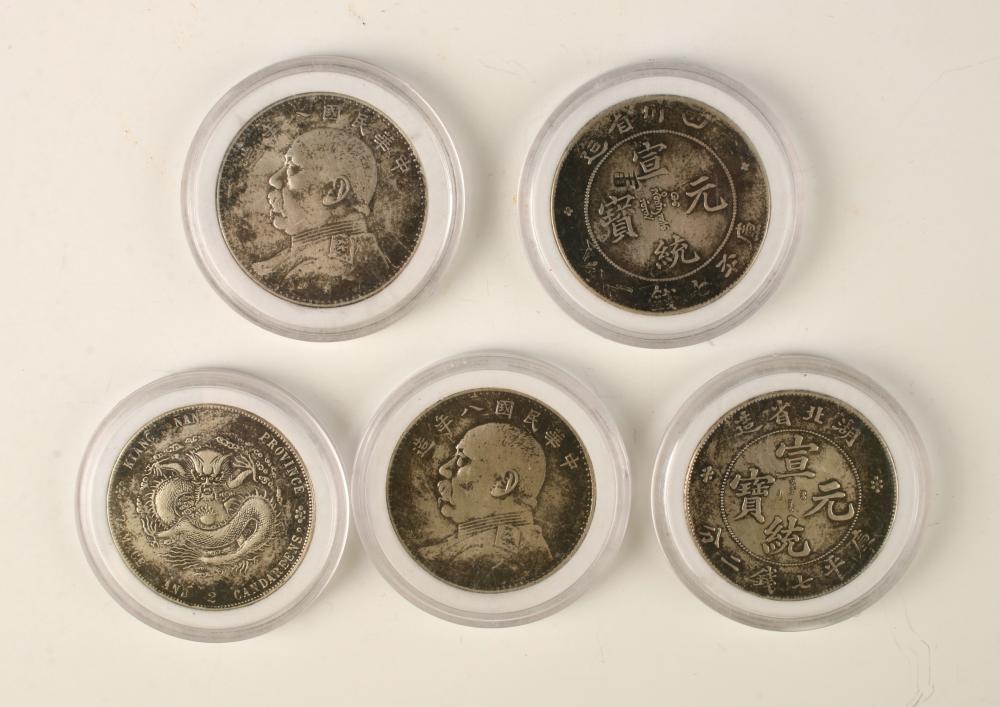 |
LOT OF CHINESE COINSSource blocked; provenance matched | Converse Auctions | 2020-05-01 | 282 | USD 250 (buyer’s-premium treatment unknown) |
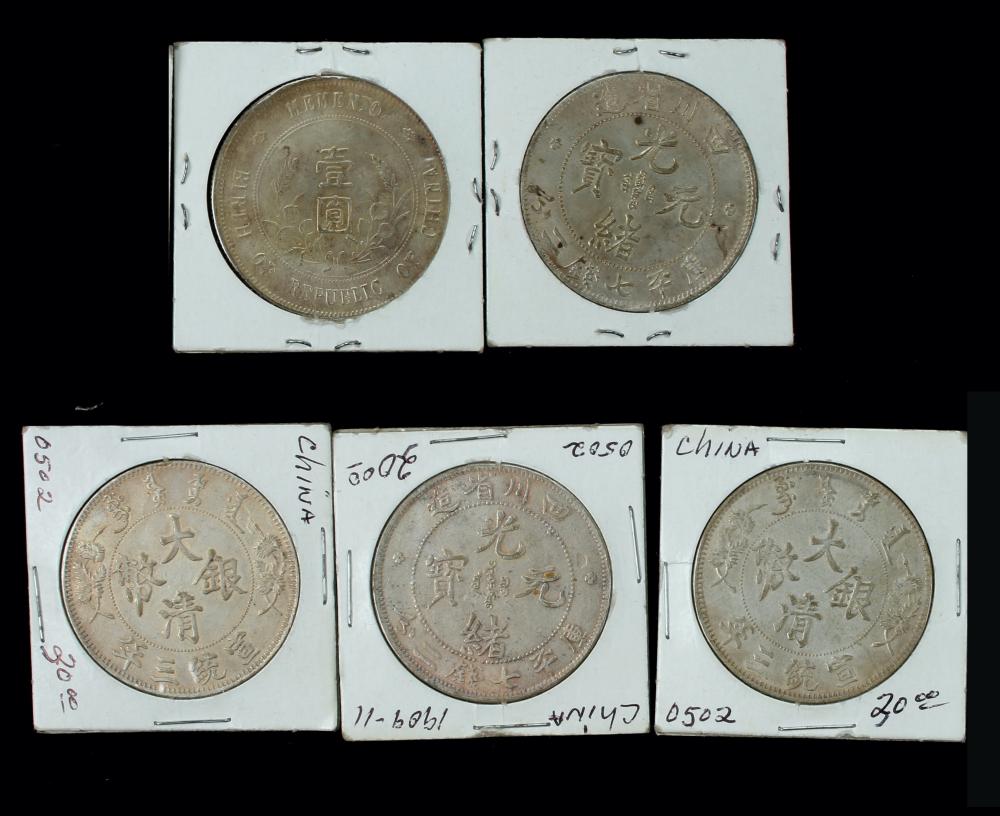 |
FIVE CHINESE COINSSource blocked; provenance matched | Converse Auctions | 2020-05-01 | 280 | USD 250 (buyer’s-premium treatment unknown) |
 |
XING BAOZHUANG (YING POCHONG, Chinese, Hong Kong,1940-2020)Source blocked; provenance matched | Leonard Joel | 2025-06-08 | 68 | AUD 1,500 (buyer’s-premium treatment unknown) |
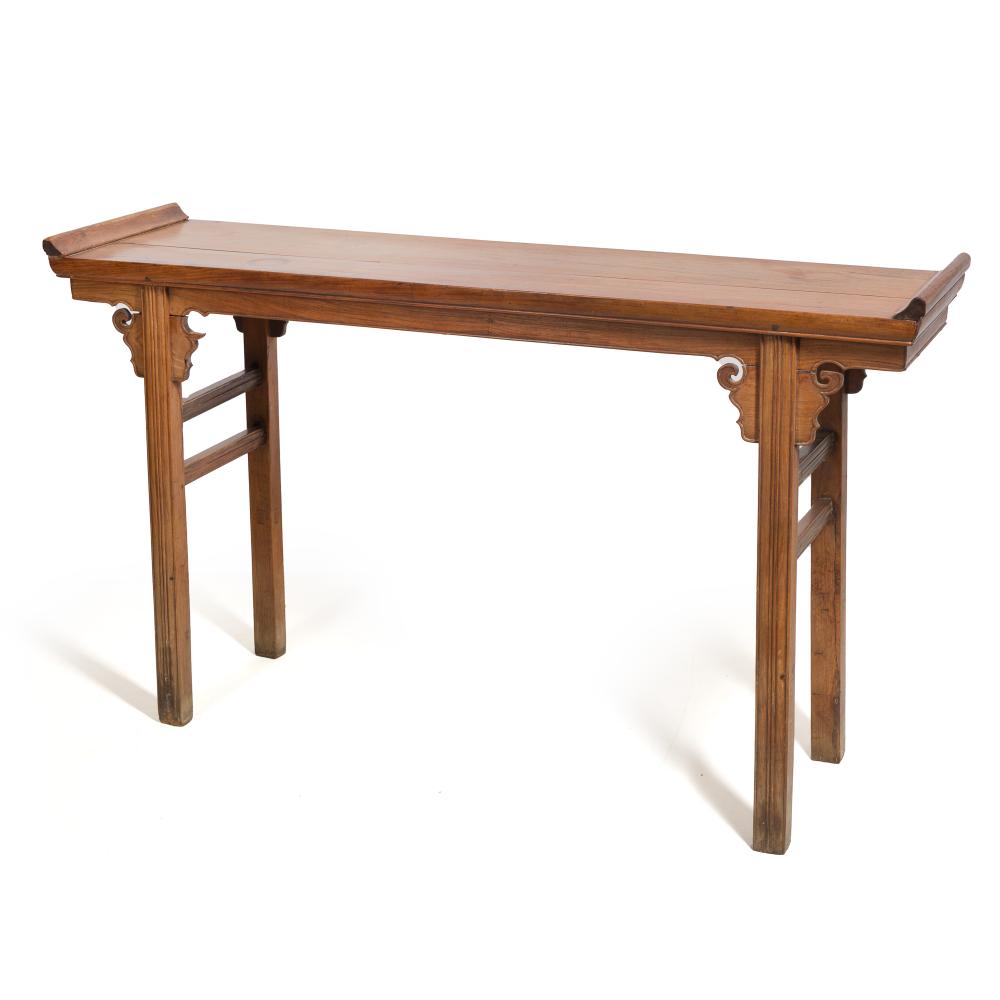 |
A Chinese huanghuali table, Qiaotou'an, Qing dynasty | Oakridge Auction Gallery | 2026-06-07 | 326 | USD 15,000 (buyer’s-premium treatment unknown) |
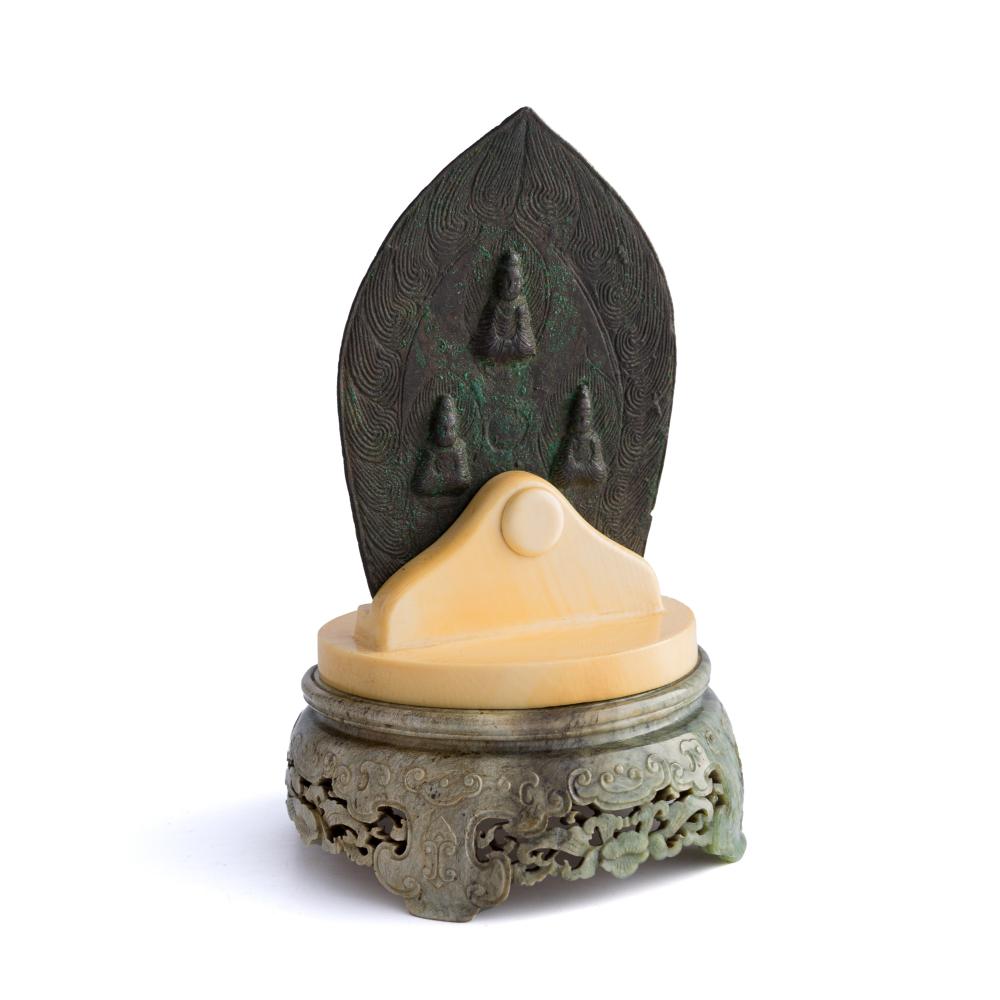 |
A Chinese bronze mandorla, The 22nd year of Taihe, Northern Wei dynasty | Oakridge Auction Gallery | 2025-03-15 | 473 | USD 5,500 (buyer’s-premium treatment unknown) |
How these auction records were verified
Each row retains its exact source URL, lot identity, retrieval time, access result, and immutable record hash. Live source access was blocked; the exact record matched Appraisily's immutable pipeline provenance. Inspect the public comparable provenance record.
Disclosure: prices are shown as reported by auction houses and are provided for appraisal context. Learn more in our editorial policy.
Free instant estimate
Not sure if your rare coin is worth appraising? Let us take a look.
Upload a photo, tell us what you know, and get a free first read. If a full appraisal makes sense, we will say so.
Free. No card needed. Takes about two minutes.
Choose your next step
Use the path that matches the decision you need to make about the item.
Not sure it is worth appraising?
Start with a lower-friction screen to understand the likely category, evidence, and next step.
Upload photos for a free first lookWant proof before paying?
See how a signed report documents photos, comparable evidence, condition notes, and value conclusions.
View signed report sampleNeed a signed report?
Use this for insurance, estate, donation, resale, or documented value decisions.
Need documentation now? Start signed appraisalNeed local or specialist help?
Compare directory options when the work needs in-person review or a specialist near you.
Find local specialistsSee what the report looks like
Sample reports show how photos, comparable evidence, condition notes, and a value conclusion are documented.
Get Chinese coins appraised
Upload photos of both sides, script, edge, diameter, weight, patina, metal color, casting details, and any collection notes.
- Expert report with photos and market context
- Fast turnaround
- Fixed, upfront pricing
No obligation. Secure upload.
Continue your valuation journey
Find the right local specialist
Compare antique and art appraisers by location and specialty in one directory.
Antique & art specialists
Browse the Antique & Art Appraisers Directory
Choose a local specialist when the assignment needs in-person inspection or a specific credential.
Machine-readable summaries
Use these machine-friendly references for AI and crawler discovery of Appraisily content.
Ready for pricing guidance?
Start a secure online appraisal
Upload images and details. Certified specialists respond within 24 hours.
Upload photos for a free first look View signed report sample