Antique Cameo Brooch Value: appraisal and value basics
Antique Cameo Brooch Value research should start with identification, condition, provenance, and item-specific market evidence. Use this guide to compare the signals that matter before paying for a formal appraisal or deciding whether to sell.
Quick value snapshot: what most antique cameo brooches sell for
Cameos vary wildly in quality, so “what is a cameo brooch worth?” only becomes answerable after you narrow down material, mount/era, and carving quality. Use this table as a starting point, then tighten your estimate with the steps below.
| Typical cameo type | What moves the price |
|---|---|
| Molded resin/plastic “cameo look” (costume) | Brand, condition, and whether it’s part of a set |
| Shell cameo in base metal or gold-filled mount | Clean carving, no cracks, attractive frame |
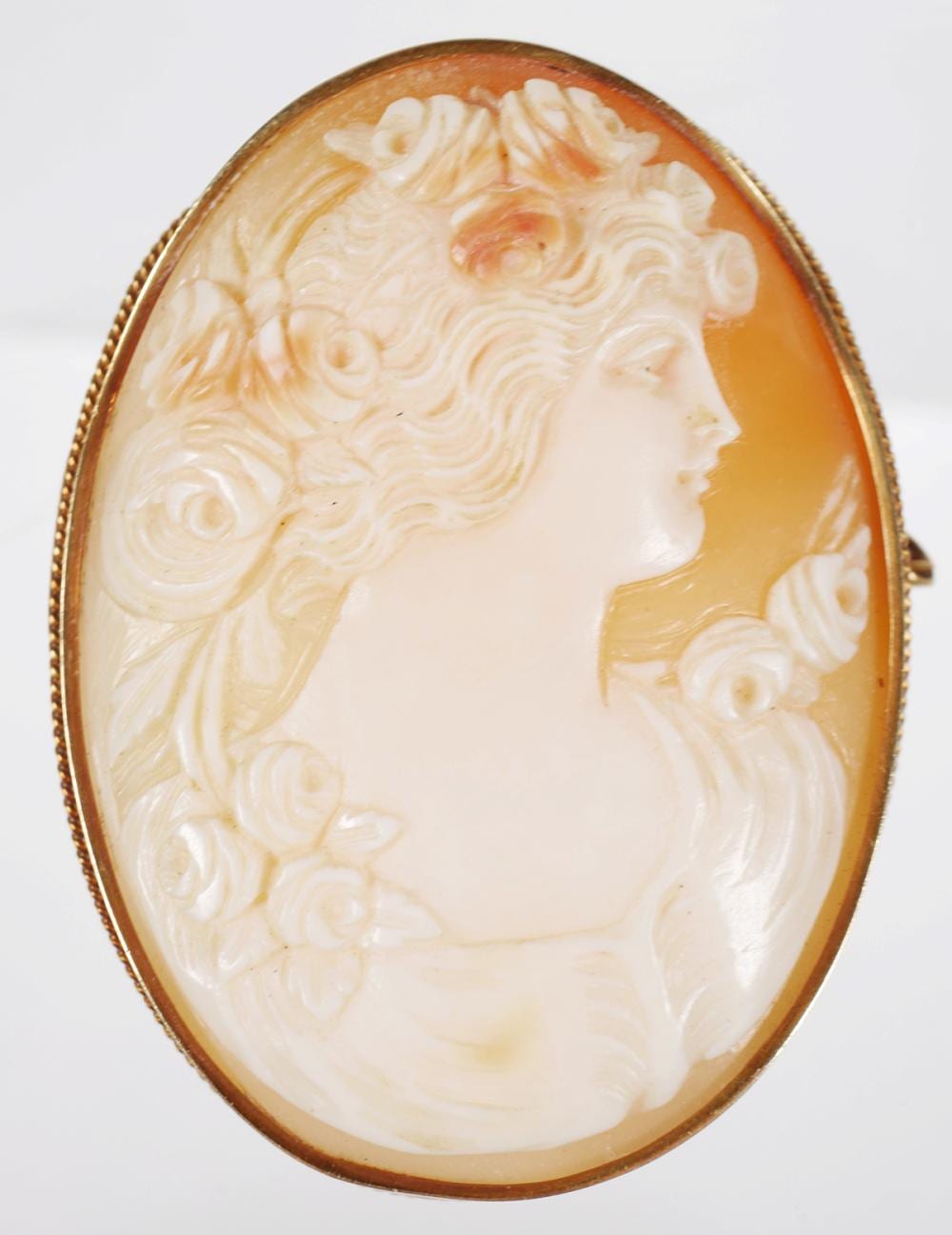
| Victorian/Edwardian shell cameo in solid gold | Large size, sharp detail, original clasp, strong gold hallmarks |
| Hardstone (sardonyx/onyx) cameo brooch | High relief, crisp undercutting, exceptional contrast, signed work |
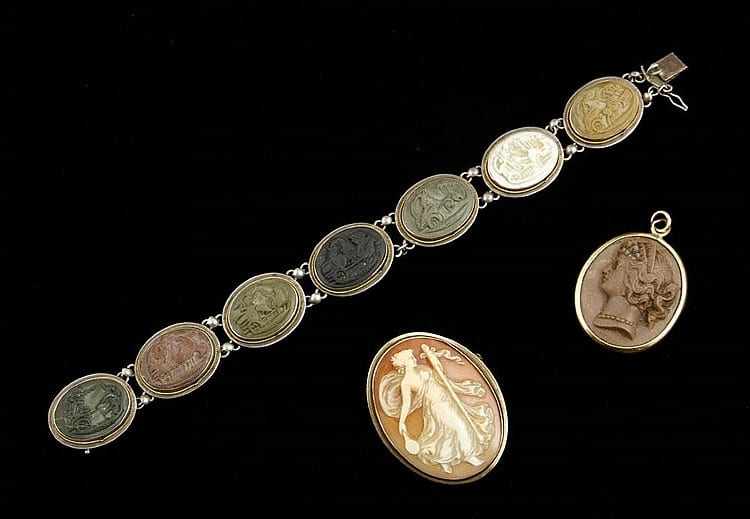
| Lava cameo (Grand Tour) in gold mount | Subject rarity, clean matte surface, period-accurate mount |
These ranges reflect typical online resale outcomes; insurance replacement values can run higher. Always match your item to the closest sold market evidence (similar size, material, and mount), not just “cameo brooch” in general.
Step 1: identify the cameo material (shell vs hardstone vs lava)
Material is the fastest divider between “pretty antique jewelry” and “serious miniature carving.” You can usually get most of the way there with a loupe and a phone flashlight.
| Material | Fast ID clues | How it affects value |
|---|---|---|
| Shell (often conch) | Warm feel, lighter weight, faint striations; glows slightly when backlit | Common, but excellent carving + gold mount can still be strong |
| Hardstone (sardonyx/onyx) | Cool/heavy, crisp layer boundary (white on black/brown), glossy polish | Often commands a premium when relief + detail are high |
| Lava (volcanic stone) | Matte surface, earthy colors, tiny pores; no translucency | Desirable in period mounts; subject and quality matter most |
| Molded glass/plastic | Seam lines, perfect repeats, “too uniform,” no undercutting | Usually lower value unless designer-signed costume jewelry |
Step 2: date the mount using the clasp and hinge
The back is often more reliable than the front. Antique cameo mounts were frequently updated over time, but the clasp style still provides valuable era clues.
- C-clasp + tube hinge is common on many 19th-century brooches.
- Rollover safety clasp is typically later and often seen in the early-to-mid 20th century.
- Converted pieces (pendant loop added, replaced pin) can still be documented—just price in the work.
Step 3: judge carving quality (the biggest value lever)
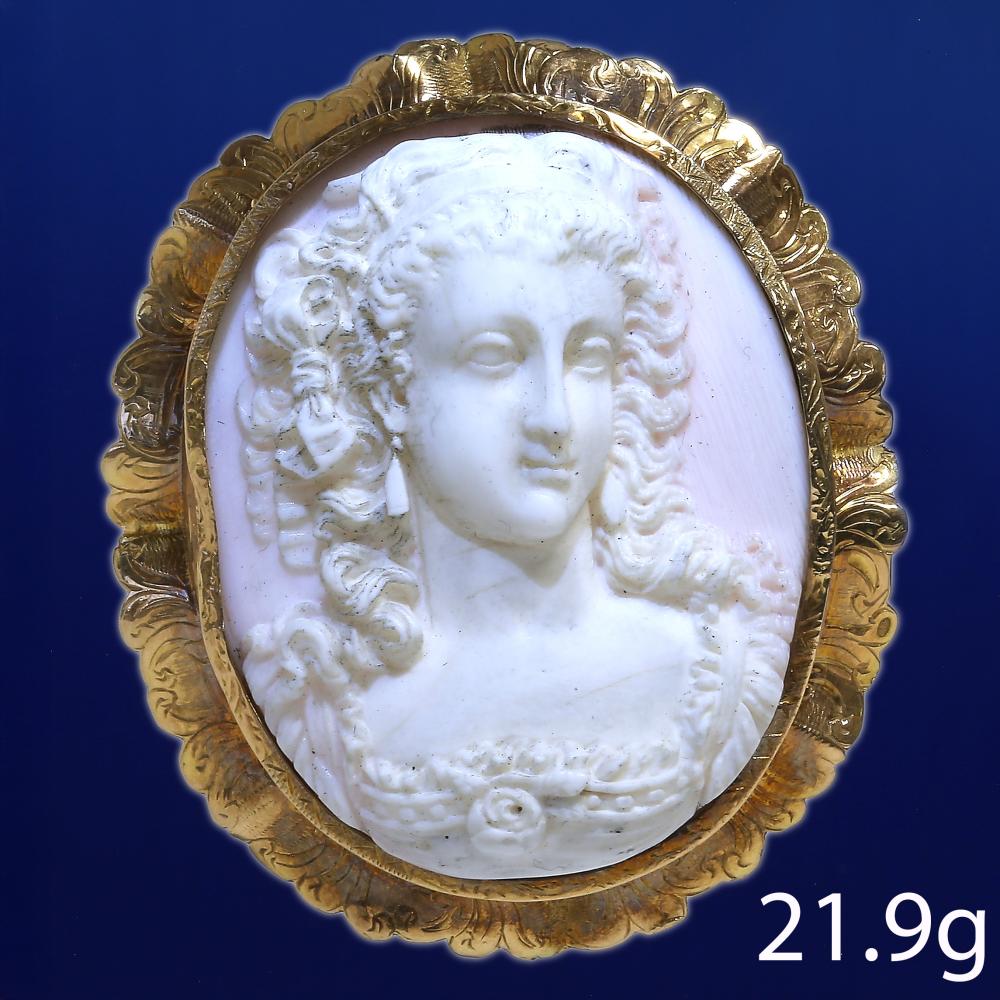
Two cameos can be the same size and material, yet one sells for far more than the other. The reason is usually carving quality—especially relief height, undercutting, and lifelike detail.
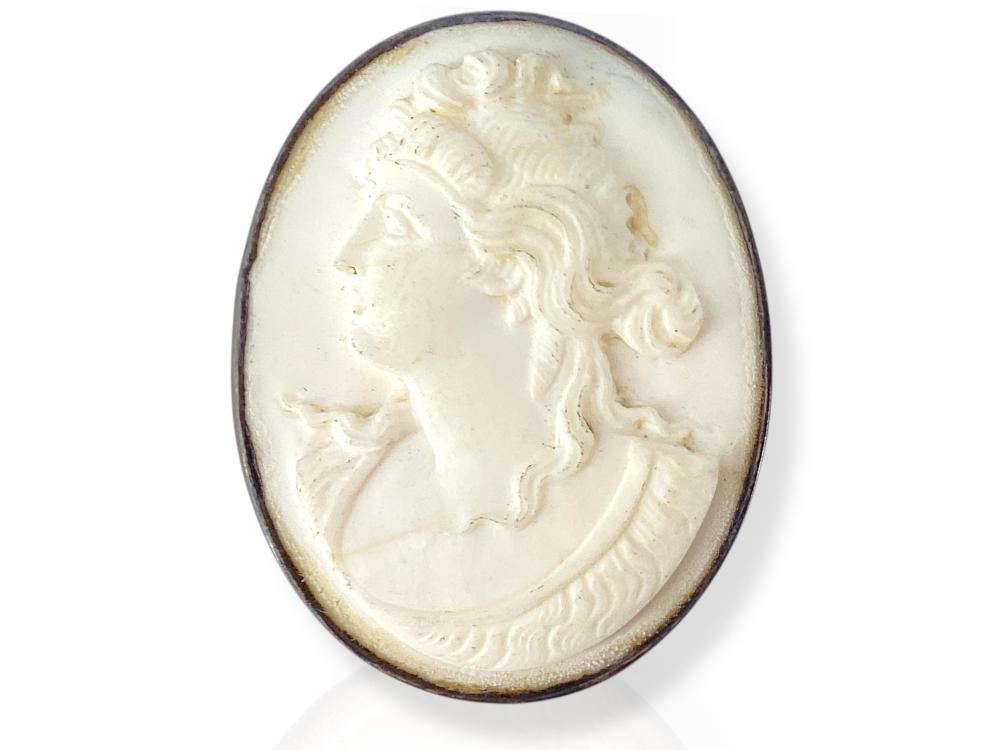
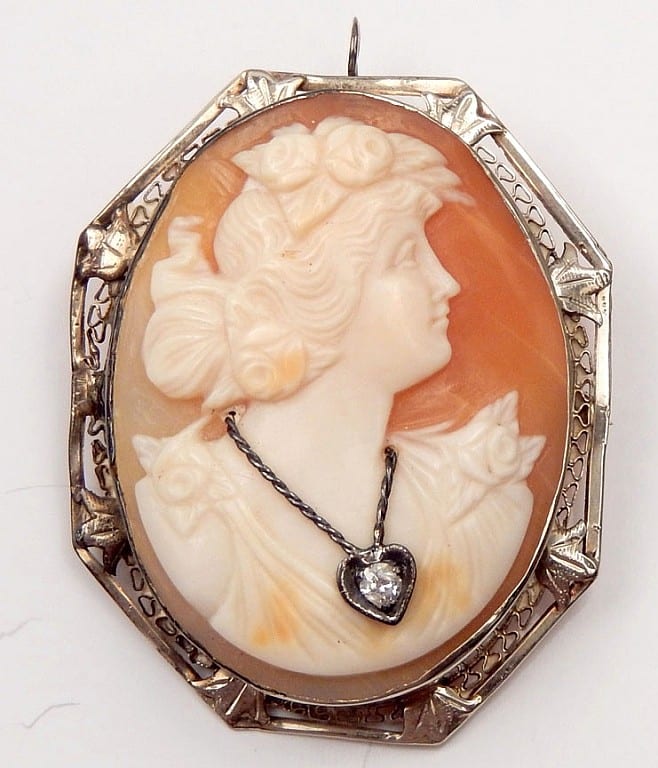
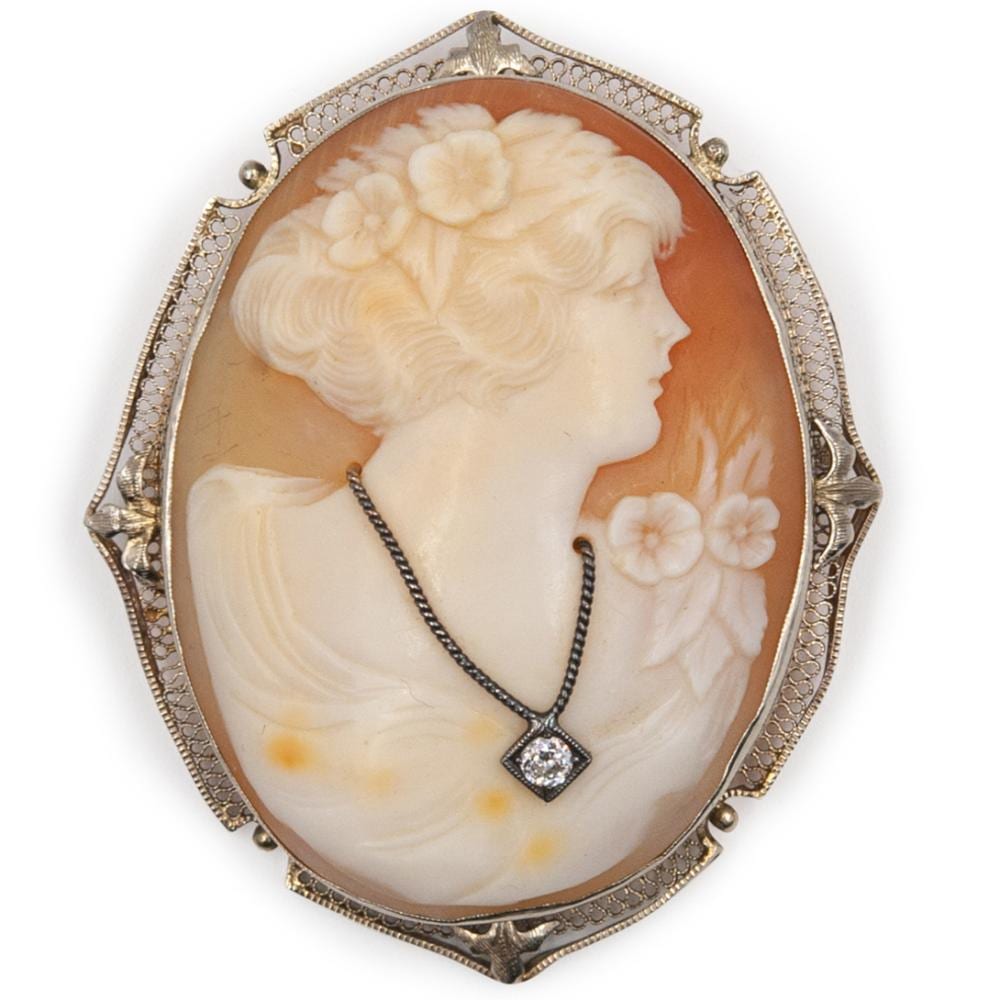
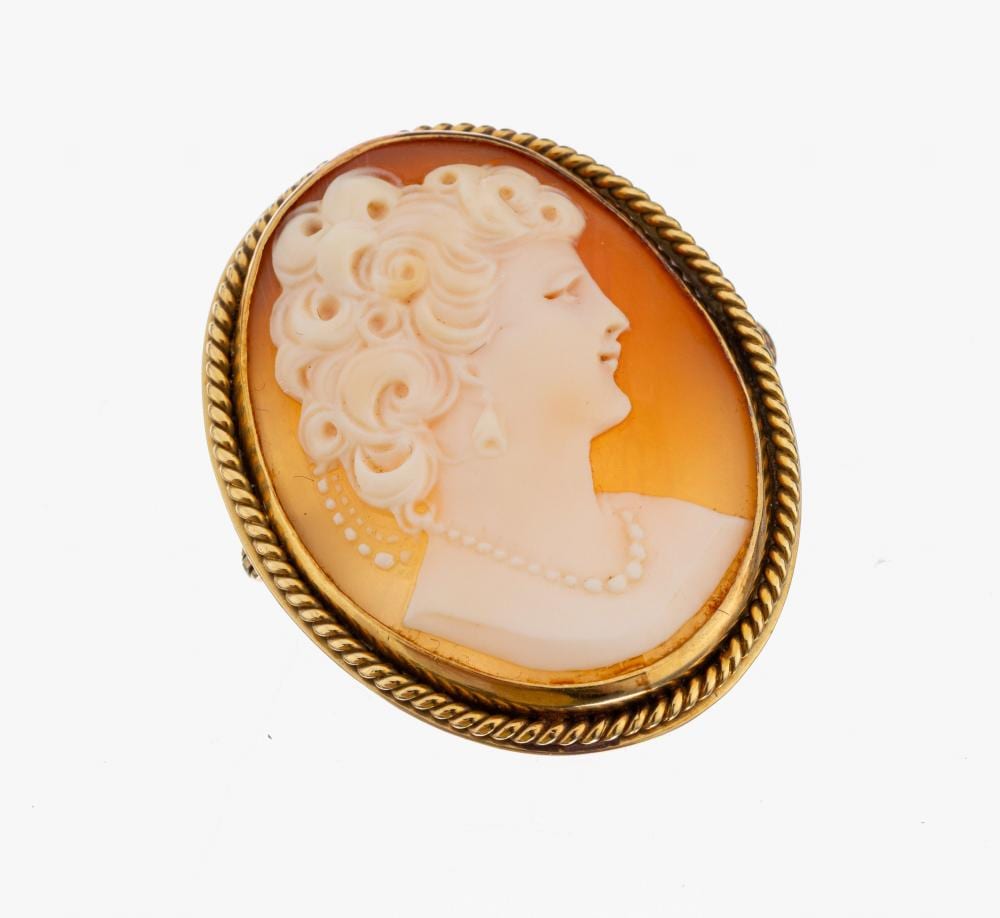
- Undercutting: look at the nose, chin, curls, and neckline—do details separate cleanly from the ground?
- Facial anatomy: eyes, lips, and ear details should look intentional, not “mushy.”
- Tool confidence: crisp hair strands and clean edges generally outperform heavy polishing.
Step 3b: subject, composition, and signature (the “collector premium”)
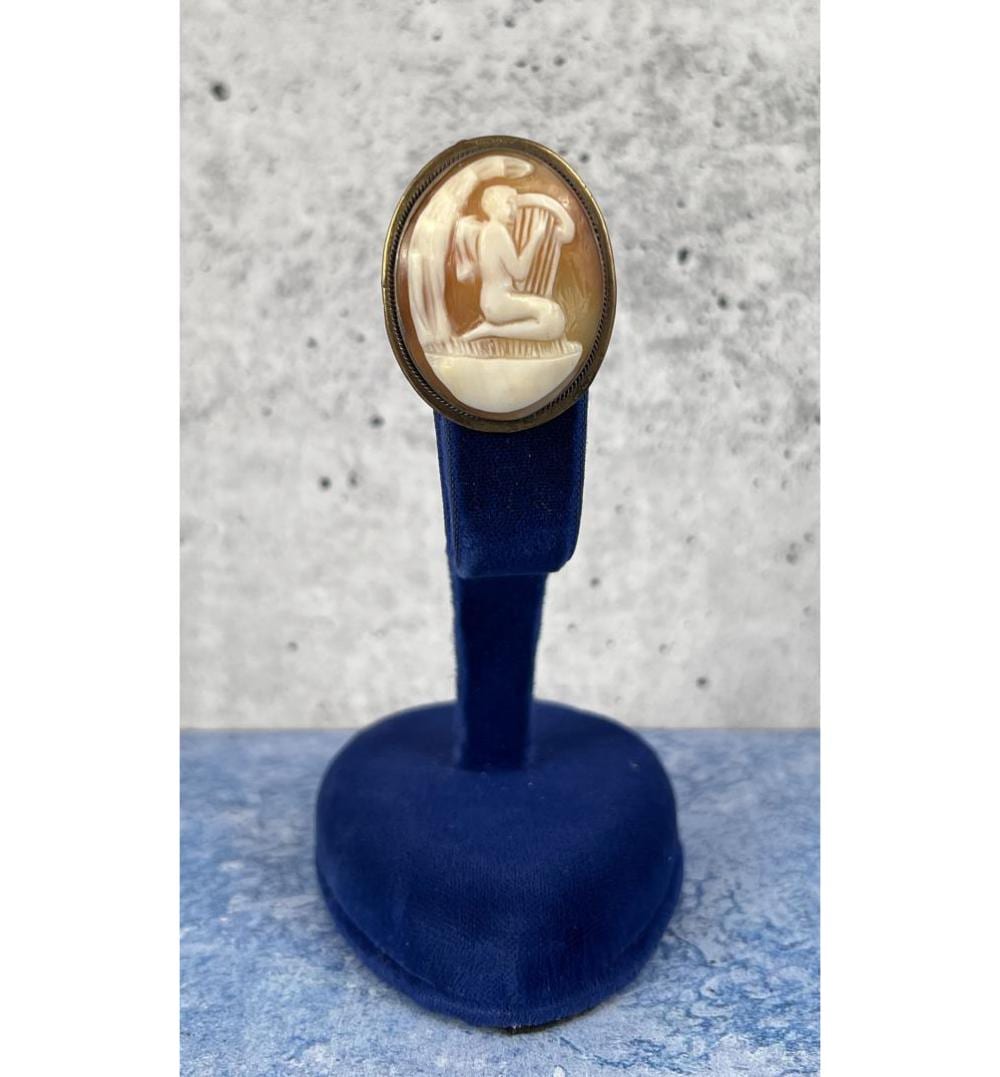
Many cameos feature a classic profile portrait, which is timeless and easy to sell. But the market often pays extra when the subject or execution is less common—especially when the carving is confidently signed or the composition is more complex than a single bust.
- Multi-figure scenes and mythological subjects can outperform standard profiles when well carved.
- Portrait likeness (commissioned sitters) can matter, but only when documented and comparable.
- Signed cameos (carver signature on the front, edge, or reverse) can command a premium, but originality matters.
- Unusual materials (exceptional hardstone contrast, fine coral, or high-quality lava) tend to raise the ceiling.
Practical tip: if you see an inscription or signature, photograph it under angled light and include both a close-up and a wider “location” photo so reviewers can confirm where it appears on the piece.
Step 4: read hallmarks and mount metal (without over-weighting scrap)
Mount metal matters, but in most cameos the carving drives the price. A solid gold frame adds desirability and a price floor, yet the market usually pays for the total object: carving + mount + originality.
- Gold marks: look for 9ct/375, 14k/585, 18k/750, or maker’s marks.
- Silver marks: 800/835/925, or regional marks depending on origin.
- Gold-filled / rolled gold: can be genuine antique jewelry but typically prices lower than solid gold.
Step 5: grade condition like a buyer (cracks change everything)
Condition is where many cameo prices fall apart. Hairline cracks in shell are common; some are stable, but buyers still discount them. Damage on the relief (nose, chin, hair) usually hurts more than an edge flake.
Step 6: originality checks (and the common “fake cameo” tells)
Most modern reproductions aren’t “counterfeits” in the criminal sense—they’re costume pieces made to look like antique cameos. The goal is to recognize the shortcuts that usually come with molded materials and mass production.
- Seam lines around the edge or on the back are common on molded plastic/resin and some molded glass.
- Flat relief with no undercutting tends to signal molding rather than carving.
- Painted “wear” (uniform darkening in crevices) is a red flag compared to natural grime/patina.
- Odd pairing (very new clasp on a supposedly Georgian mount) may indicate a replaced fitting or a reproduction.
Avoid destructive tests (hot pin, acid, scraping). If you’re unsure, the safest approach is a clear set of photos: front, side profile, back, and close-ups of the edge layers and clasp.
Step 7: build your estimate the way appraisers do (triangulation)
The most reliable approach is to pick a realistic baseline from market evidence, then adjust for differences you can actually see: material, relief quality, mount metal, and condition. This avoids the two most common pricing mistakes: overpaying based on “antique” alone, or underpricing a genuinely high-grade carving.
| Adjustment factor | When to adjust upward | When to adjust downward |
|---|---|---|
| Material | Hardstone with crisp contrast, high-quality lava in period mount | Molded material or uncertain substrate |
| Carving quality | High relief + undercutting + clean anatomy | Soft/mushy detail, heavy over-polishing |
| Mount metal | Solid gold with clear hallmarks, intact period construction | Base metal, loose setting, replaced or mismatched fittings |
| Condition | No cracks, stable mount, working clasp | Hairlines, chips to nose/chin, glue repairs, missing elements |
If you’re selling, use the “expected resale” side of the range. If you’re insuring or settling an estate, the replacement value may be higher—but it should still be grounded in comparable market context.
What to photograph for an accurate cameo brooch valuation
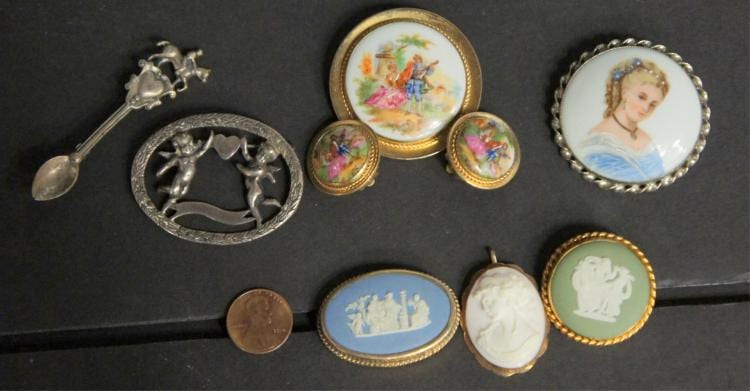
If you want a confident estimate (or plan to sell), good photos can add more value than polishing. Use indirect daylight and include a ruler or coin for scale.
- Front straight-on (sharp focus on facial details)
- Side profile to show relief height
- Back of the cameo and full clasp/hinge
- Close-ups of hallmarks and any maker’s marks
- Any damage: cracks, chips, loose setting, repairs
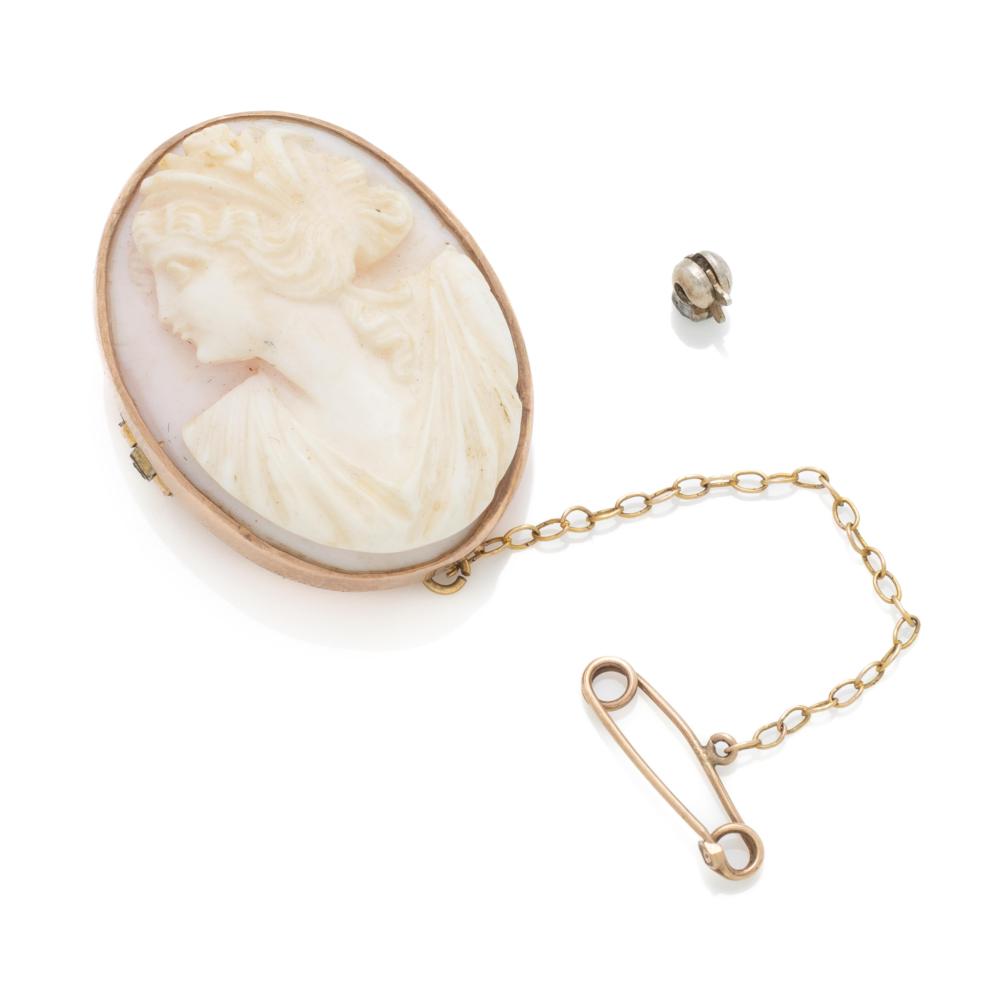
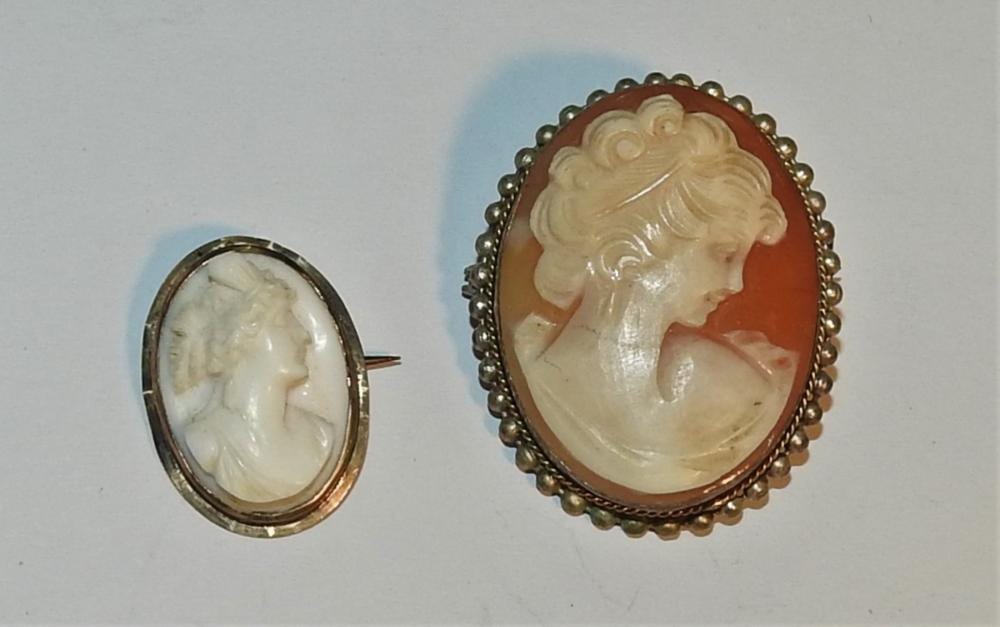
Visual gallery: inspection cues collectors use
These single-subject examples illustrate the cues discussed above.
Search variations collectors ask
Readers often Google:
- how can I tell if my cameo brooch is shell or sardonyx
- what does a C-clasp mean on an antique cameo brooch
- Victorian cameo brooch value range in gold vs gold filled
- how to spot fake cameo brooches made of plastic or glass
- are lava cameo brooches valuable and how do you identify them
- best photos to get an appraisal for an antique cameo brooch
- where to sell an antique cameo brooch (auction vs consignment)
- does a cracked shell cameo lose value
Each question is answered in the valuation guide above.