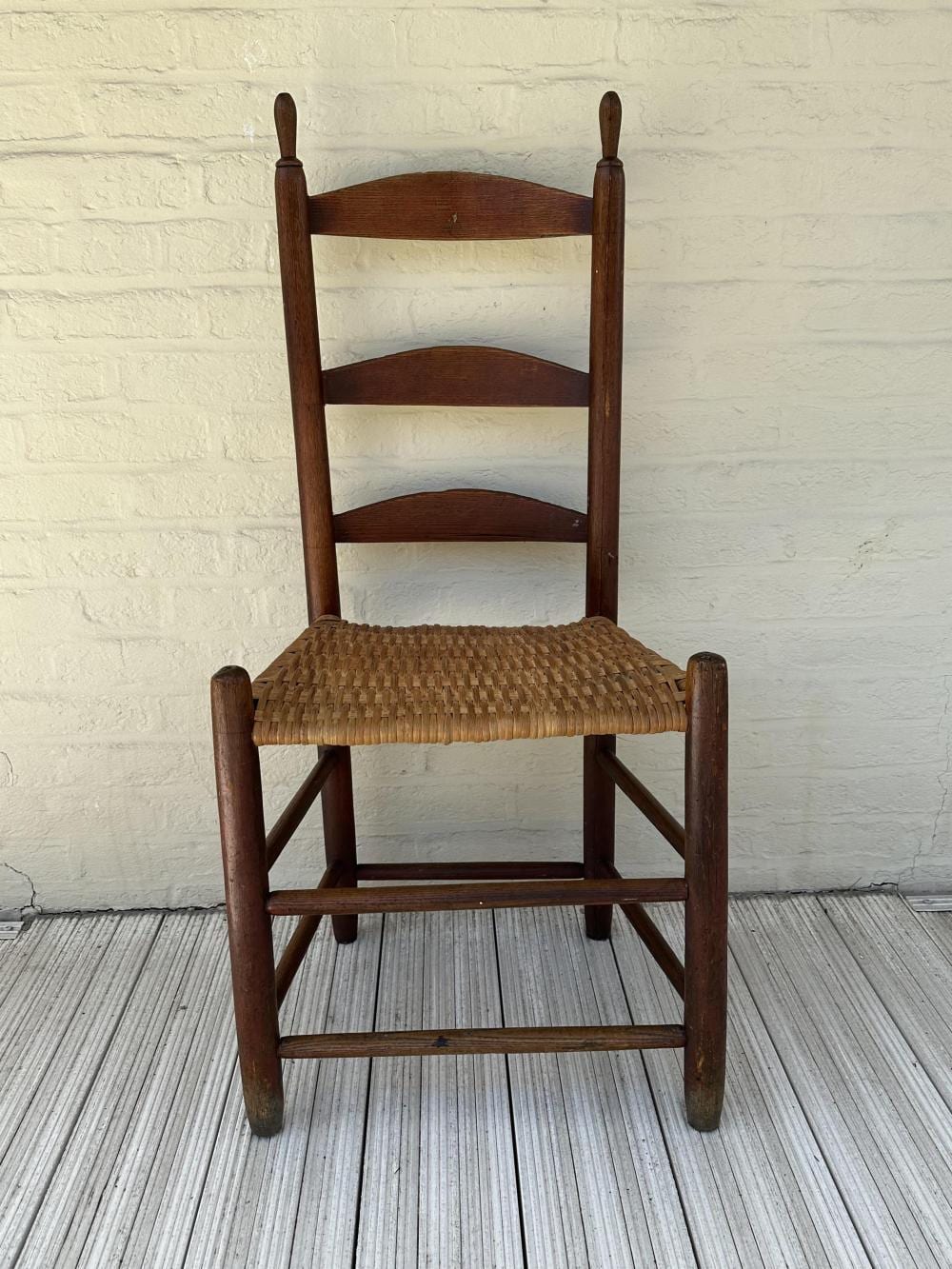
Unlocking the Worth of Antique Ladder Back Chairs a Detailed Guide to Determining Value and Desirability: appraisal and value basics
Unlocking the Worth of Antique Ladder Back Chairs a Detailed Guide to Determining Value and Desirability research should start with identification, condition, provenance, and item-specific market evidence. Use this guide to compare the signals that matter before paying for a formal appraisal or deciding whether to sell.
Antique ladder back chair appraisal checklist
Antique ladder-back chairs, with their stacked horizontal slats and woven seats, are a staple of country furniture and a favorite among interior designers. Yet their simplicity can conceal wide swings in quality, age, and value. This guide explains how to identify, date, and evaluate ladder-back chairs so you can judge desirability, avoid common pitfalls, and price with confidence.
Recognizing Ladder-Back Chairs: Form and Features
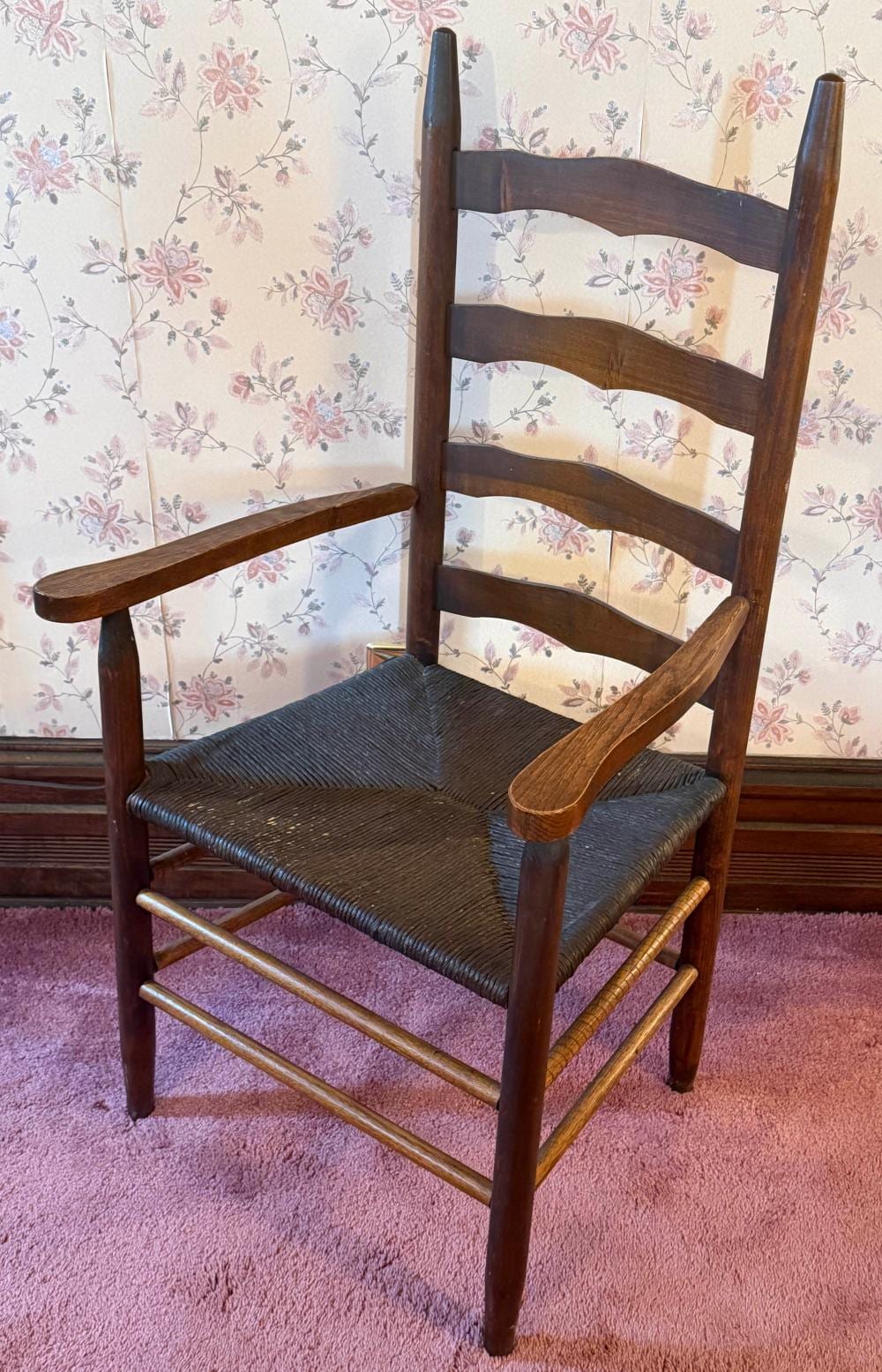
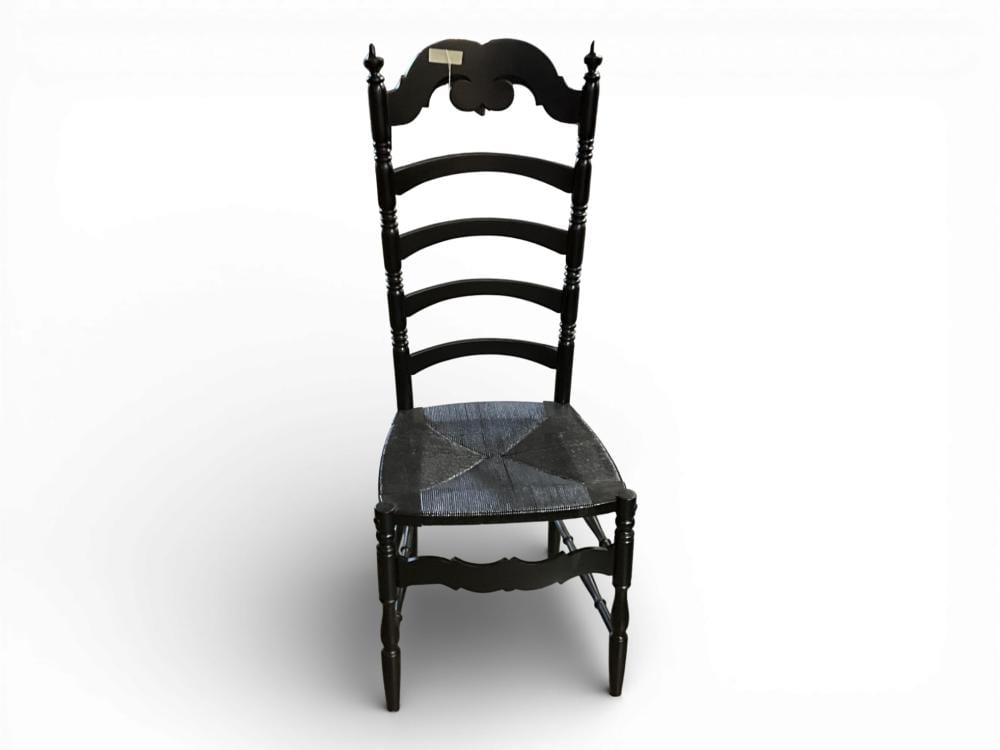
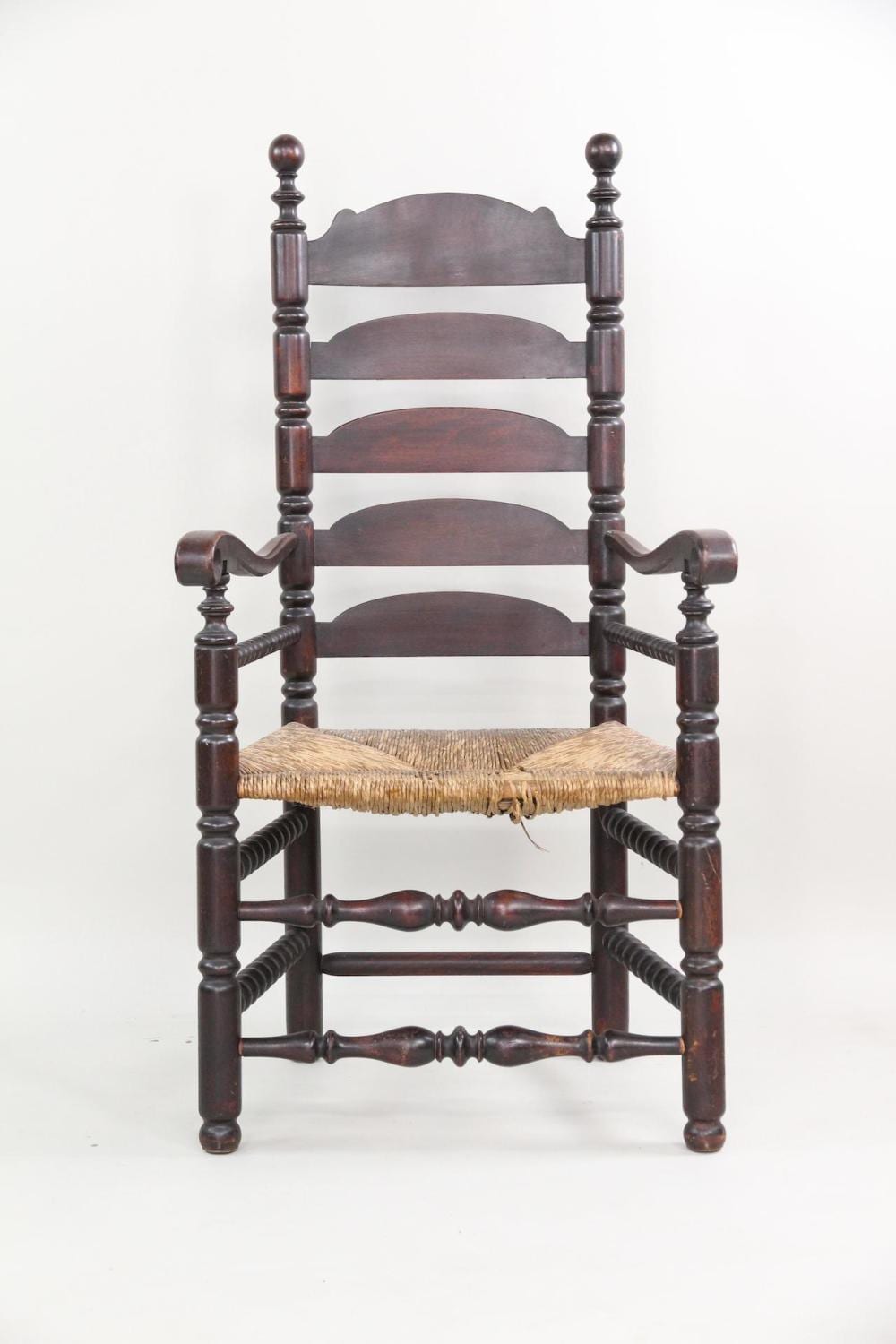
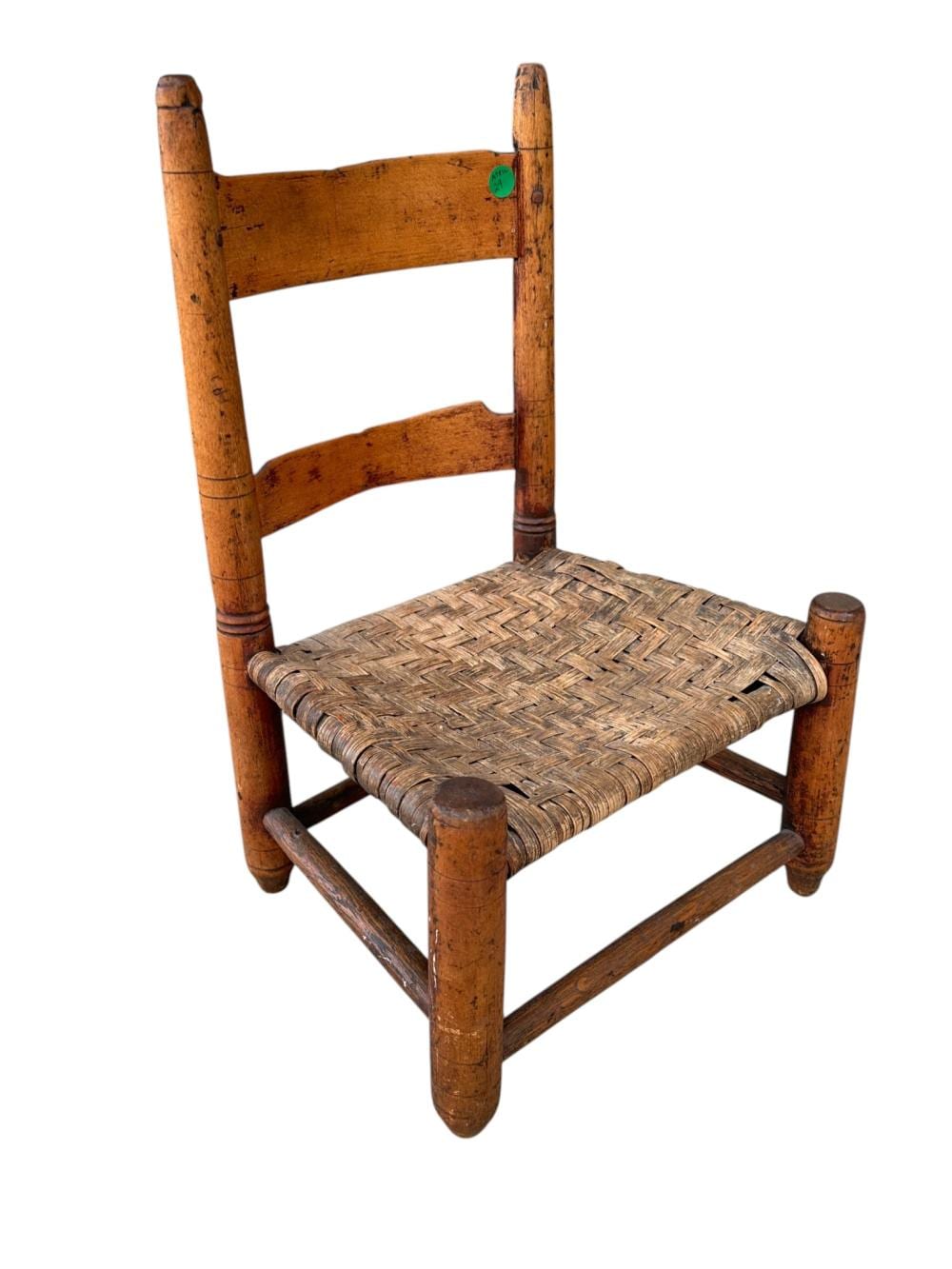
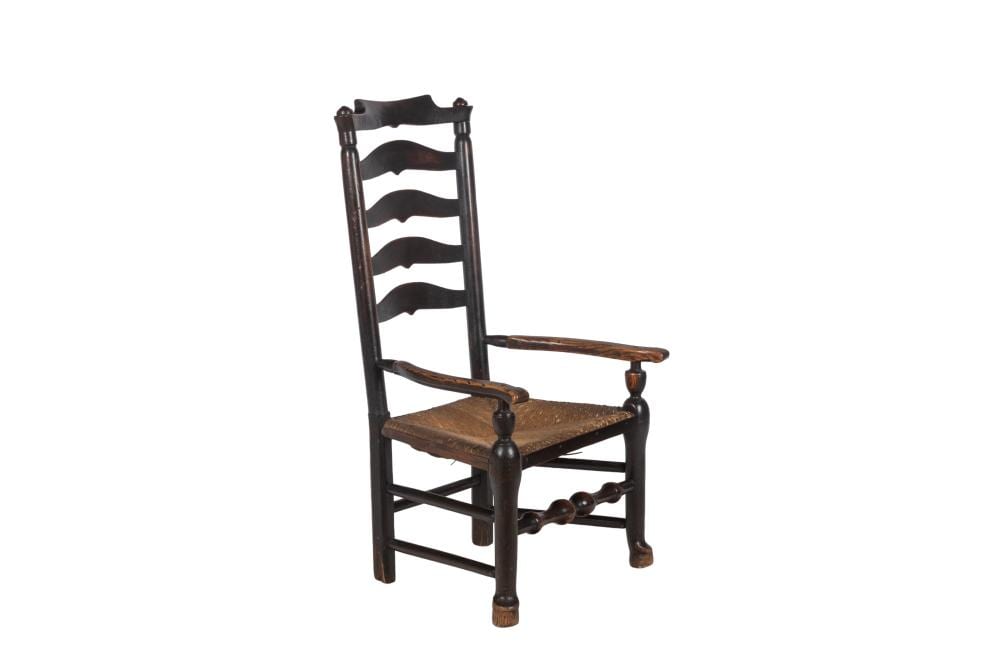
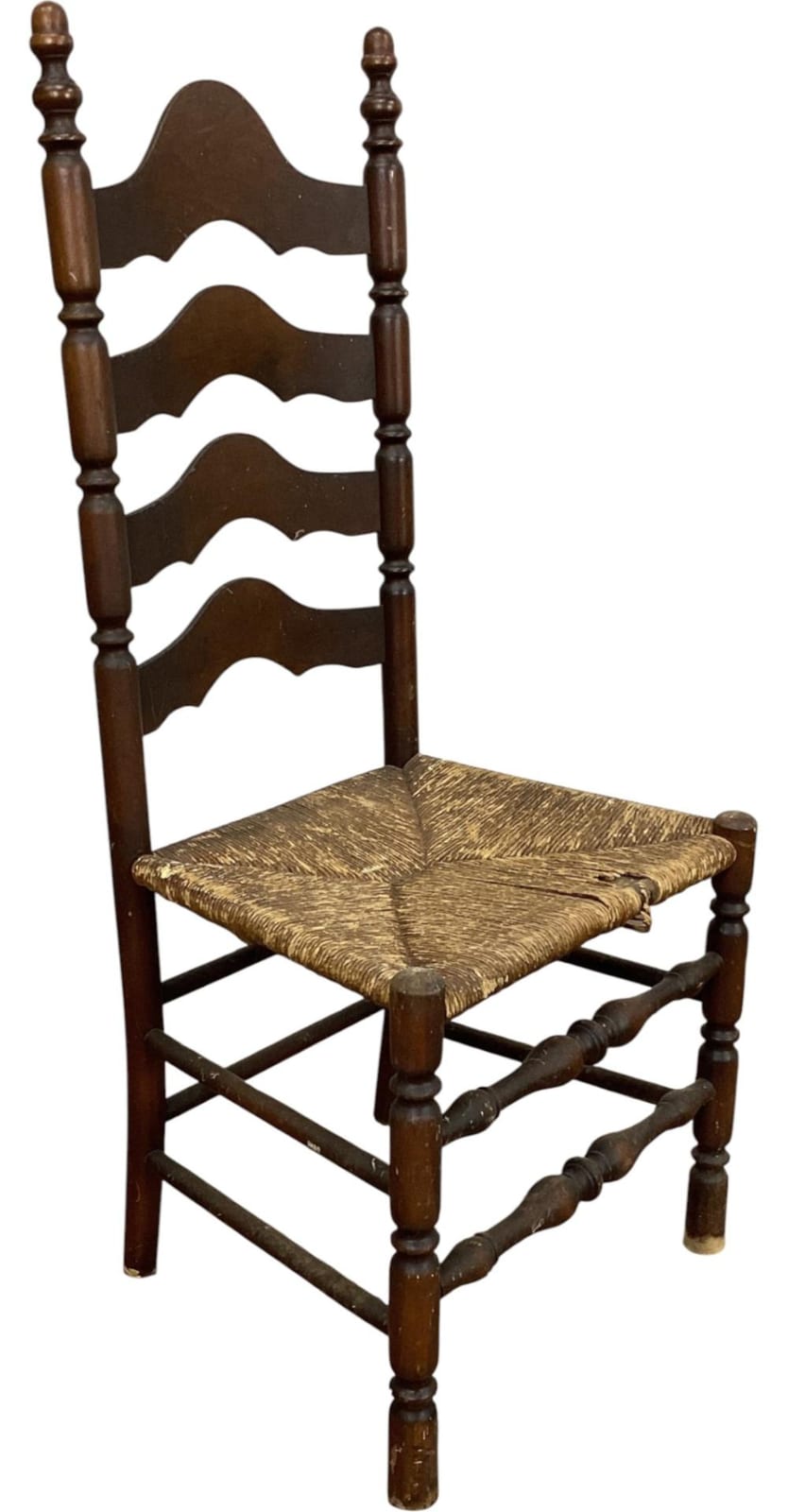
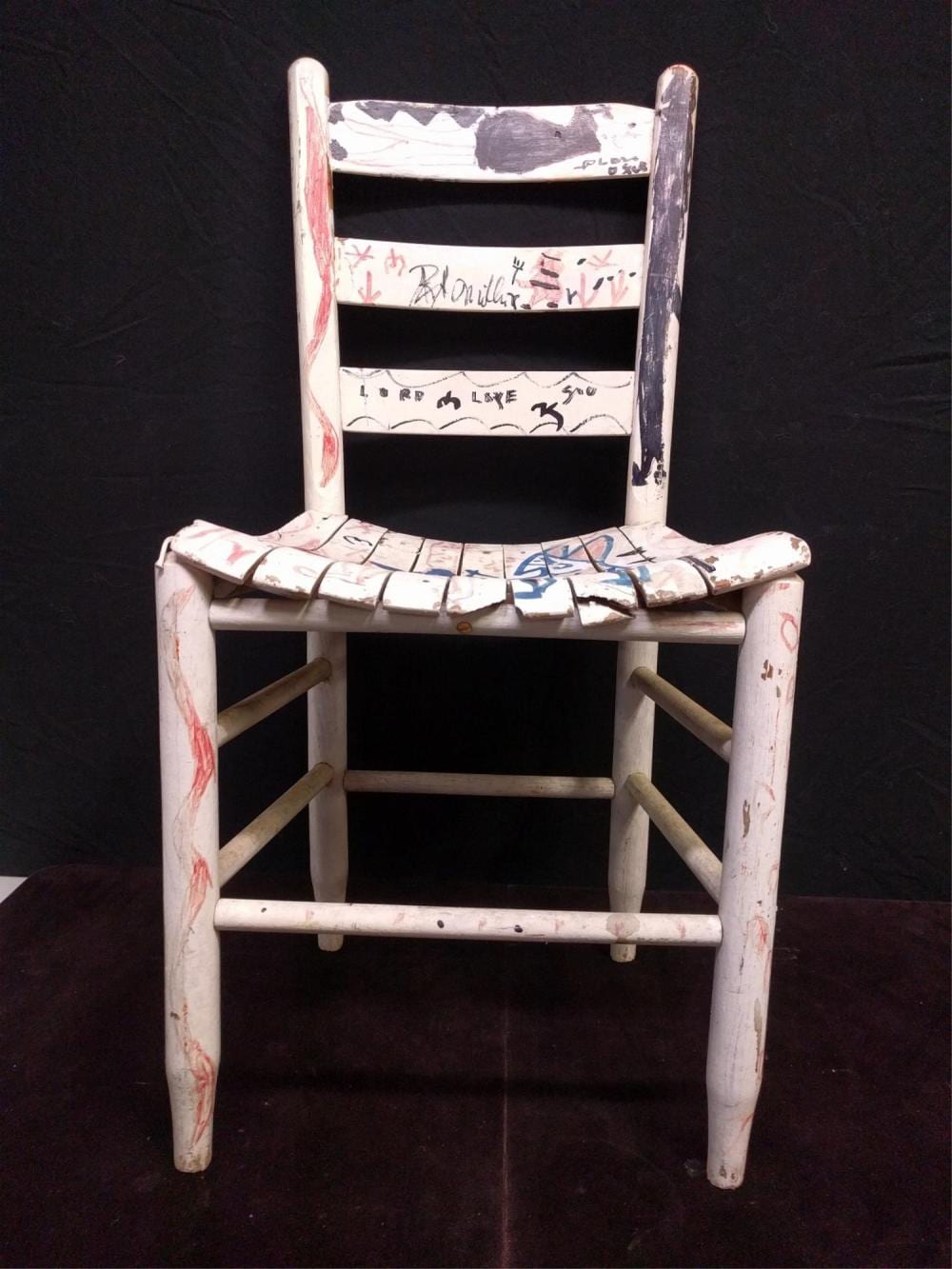
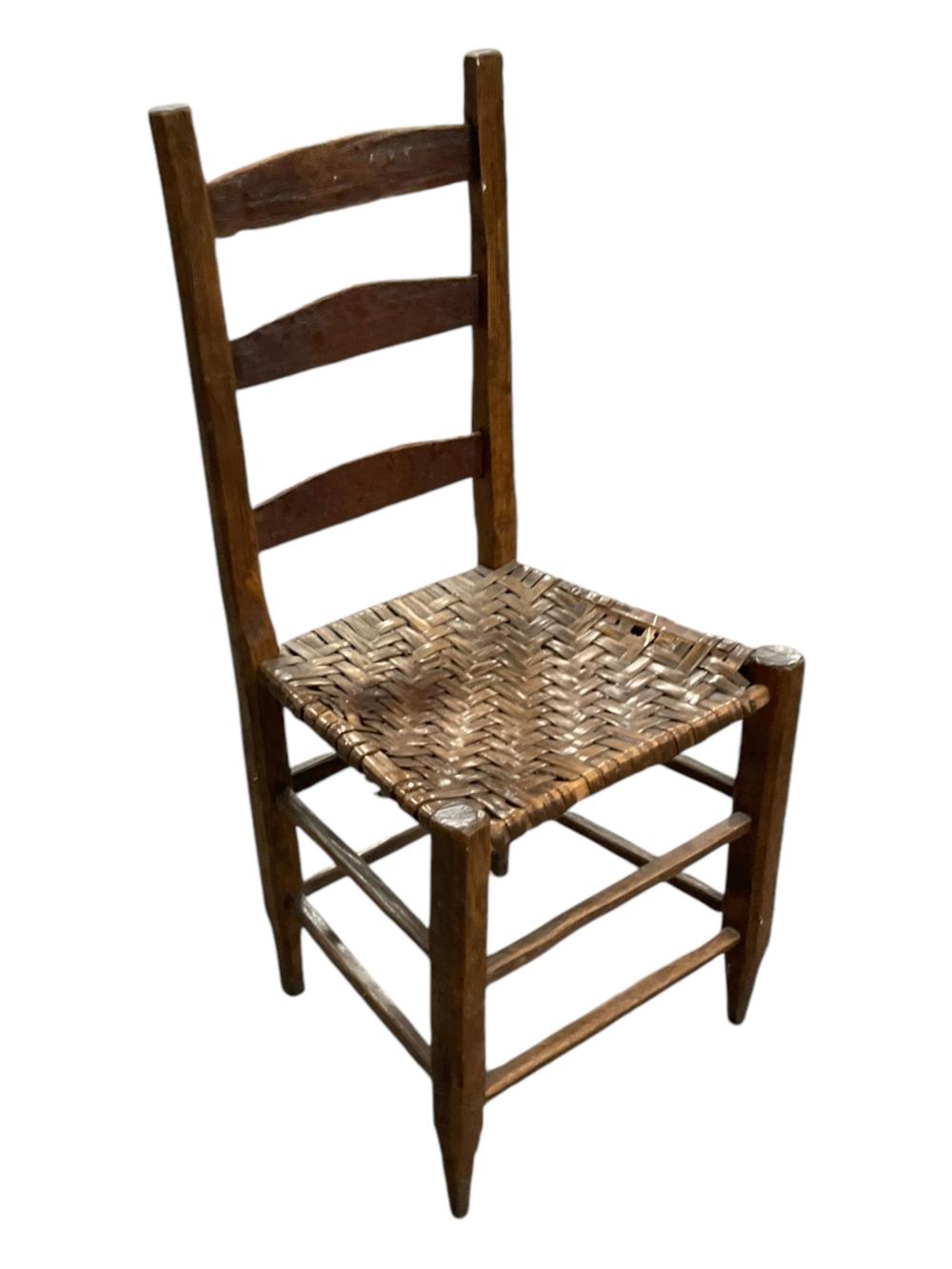
Ladder-back chairs (also called slat-back chairs) are defined by a pair of upright rear posts connected by multiple horizontal slats that resemble the rungs of a ladder. Key components and traits:
- Posts and finials: Rear posts extend above the top slat and may terminate in finials (acorn, ball, or spool) or simple tapering points. Front posts may be turned or square.
- Slats: Typically three to six horizontal slats. Early and better examples often have shaped or gently curved slats for comfort; flat, uniform slats can indicate later production.
- Seat: Traditionally rush (cattail or bulrush), seagrass, cane, or hickory splint. Rush seats show hand-twisted fibers, irregular color, and age-darkening. Machine-woven cane and modern paper rush are clues to later replacement.
- Joinery: Mortise-and-tenon joints, often pegged. Hand tool marks, slight asymmetry, and shrinkage at joints are age indicators.
- Stretchers: Rails connecting legs near the floor. Wear on the front stretcher from shoes is a classic sign of use and age. Some regions favor box (all four sides) stretchers; others emphasize side stretchers.
- Wood species: English examples commonly use oak or ash; American chairs often use maple, birch, hickory, or cherry; French rural chairs favor fruitwoods, beech, or walnut. Grain and weight help verify species and origin.
Terminology you’ll encounter:
- Side chair: No arms; most common dining form.
- Armchair (open-arm): Typically more valuable as a head chair, especially in matched sets.
- Rocker: Rocking chair variants appear in American and Shaker traditions.
- High-back vs medium-back: Taller backs with more slats can be earlier or more desirable in certain regions.
Differentiate from related forms:
- Banister-back chairs feature vertical slats; often earlier in American contexts.
- Windsor chairs have a solid sculpted seat with legs and spindles mortised into the seat—distinct from ladder-back construction.
Dating and Attribution by Region and Maker
Dating and attribution combine wood identification, construction clues, proportions, and regional habits.
- 17th–18th century England: Early ladder-backs (sometimes called Yorkshire chairs) in oak or ash with pronounced turned posts and finials; slats may be thick and sculpted. Expect hand-planed surfaces, irregular turnings, and blackened patina.
- 18th–early 19th century America: New England, Mid-Atlantic, and Southern shops produced maple, birch, hickory, and cherry chairs with pegged joinery and rush or splint seats. Taller backs and shapely finials can indicate earlier pieces.
- Shaker (19th–early 20th century): Highly collectible. Features include light, graceful turnings; finely shaped slats; superb joinery; and occasionally “tilters” (leather or ball-and-socket devices on back legs) to prevent wall scuffing. Communities like Hancock, Enfield, and Mount Lebanon show subtle variations. Original surface often oil or shellac; later varnish detracts.
- French provincial (18th–19th century): Fruitwood or beech frames with warm patina and rush seats (“chaises paillées”). Curved slats and elegant, slightly splayed legs. Sets of four to eight are common and appealing for décor.
- 19th–20th century rural and revival: Countless chairs were produced into the 20th century, especially in Appalachia and the South. Machine-turned posts, uniform slats, and Phillips-head screws in repairs suggest later production.
Dating clues to inspect:
- Tool marks: Hand plane tracks and slight irregularities indicate pre-industrial work.
- Hardware: Hand-wrought nails or early cut nails in secondary repairs suggest age; Phillips screws and staples are modern.
- Seat material: Original hand-woven rush darkens and compacts; bright, uniform paper rush is modern.
- Surface: Original paint or varnish, oxidized shellac, and accumulated grime in crevices support age; stripped wood or glossy polyurethane points to later intervention.
- Wear patterns: Polishing on slats from decades of handling, foot wear on the front stretcher, and shrinkage at joints are positive signs.
Value Drivers: The Factors Appraisers Weigh
Value hinges on a combination of originality, craftsmanship, and market appeal. Consider these factors:
- Age and originality: Earlier and untouched examples command premiums. Genuine 18th-century English or American chairs are worth significantly more than 20th-century revival pieces.
- Region and school: Shaker chairs, especially with tilters and identified community traits, are among the most desirable. Well-proportioned English oak chairs and elegant French provincial sets also do well.
- Form: Armchairs and rockers are scarcer and often more valuable than side chairs. Tall-backs with sculpted slats can outpace medium-backs.
- Wood and workmanship: Fine turning, neatly shaped and graduated slats, tight joinery, and pegged mortises signal quality.
- Surface and patina: Original surface and early paint can lift value dramatically. Even, mellow oxidation and undisturbed patina are key desirability factors.
- Condition: Structural integrity is vital. Original stretchers, uncut legs, intact finials, and stable joints matter. Old, professional repairs in keeping with period methods (e.g., hide glue) are acceptable; heavy modern restoration depresses value.
- Seat condition: Original rush is a plus but fragile. A well-executed re-rush with natural materials is acceptable; sloppy or synthetic replacements detract.
- Provenance: Documented history, especially for Shaker or notable regional makers, can move price bands up.
- Rarity and sets: Pairs and matched sets sell faster and at a premium compared with singletons. Keeping sets together generally maximizes value.
- Scale and decor appeal: Chairs that fit modern dining heights and interior aesthetics (not too low or narrow) are easier to place and sell.
Originality vs Restoration: How It Affects Price
Collectors pay for originality and surface. Restoration choices can add usability but subtract dollars if heavy-handed.
Green lights (value-supportive):
- Original finish with gentle cleaning and wax.
- Professional seat reweaving in natural rush or seagrass, matched to period techniques and patina.
- Old glue blocks and pegged joints that remain stable.
- Honest wear: smooth, burnished slats; worn front stretcher; oxidation in mortises.
Red flags (value-reducing):
- Refinished surfaces stripped to raw blond wood or coated with thick polyurethane.
- Replaced stretchers, slats, or finials, especially if mismatched wood or turning pattern.
- Cut-down legs to adjust seat height; look for fresh end grain or missing foot wear.
- Visible modern adhesives (PVA squeeze-out), screws, staples, or corner brackets.
- Artificial distressing (uniform wormholes, sharp “antique” dents) and uniform machine marks.
Typical impact on price (context-dependent):
- Replaced rush seat: a small to moderate reduction versus comparable example with stable original seat; high-end Shaker may fall more if weave or material is inappropriate.
- Full refinish: a moderate to large reduction, especially on earlier pieces where patina is critical.
- Major structural replacements (stretcher/slat/finial): a moderate to large reduction depending on visibility and quality.
- Documented original paint or early surface: a significant premium over stripped examples, case by case.
When in doubt, prioritize reversible, conservation-minded treatments (e.g., hide glue for reglueing joints, gentle cleaning with mineral spirits and wax) and avoid sanding or stripping.
Market Benchmarks, Ranges, and Selling Strategy
Values fluctuate by region, venue, season, and fashion. This is how genuine examples in honest condition compare in today’s market:
- Late 19th–early 20th century country ladder-back, single side chair: the most common and least expensive.
- Set of four to six country ladder-backs (mixed or matched): priced as a set; well-matched, superior sets bring the most.
- 18th-century English tall-back in oak or ash: well above country chairs for fine, original examples.
- American 18th–early 19th century side chair: priced on form and surface; armchairs sell for more.
- French provincial fruitwood, set of six: matched sets are the most sought after; singles sell for much less.
- Shaker side chair (identified community, good surface, possible tilters): strong collector demand; Shaker armchairs and rockers sell for more, depending on rarity and provenance.
- Child’s chairs and highchairs: usually modest unless exceptional.
- 20th-century revival or decorator-grade: the least expensive per chair.
Venue matters:
- Auction: Faster, with fees; prices can be efficient for generic examples and strong for rare, documented chairs.
- Dealer/retail: Higher ask due to curation and guarantees; slower sales.
- Private sale or online marketplace: Good for sets and regional buyers; presentation and local logistics are pivotal.
Selling tips for maximizing outcome:
- Keep sets together; pairs also sell well. Breaking sets usually reduces total return.
- Provide precise measurements: overall height, seat height (floor to seat), seat width/depth, back width, and stretcher height.
- Photograph under natural light from all angles. Highlight surface, joinery, slat profiles, undercarriage, and seat weave.
- Write condition notes plainly, including repairs and seat replacements; buyers reward transparency.
- Consider local pickup or regional delivery to avoid shipping damage and costs; chairs are bulky and vulnerable.
Appraiser’s Practical Checklist
- Identify form: side, arm, rocker; count and profile the slats.
- Verify construction: mortise-and-tenon with pegs; examine tool marks and symmetry.
- Check wood species: oak/ash (English), maple/birch/hickory/cherry (American), fruitwood/beech/walnut (French).
- Inspect surface: original paint/varnish/shellac vs later refinish; look for consistent patina.
- Assess seat: original rush/cane vs replacement; quality and age of the weave.
- Examine wear: front stretcher polish, slat hand wear, foot wear, oxidation in joints.
- Note repairs: replaced elements, cut-down legs, modern screws/staples; look for hide glue vs PVA.
- Measure: overall height, seat height, seat width/depth, stretcher height.
- Attribute: region, school (e.g., Shaker community), shop traits, or maker marks/labels where present.
- Compare: locate similar examples in trusted archives or prior sales; note differences.
- Decide action: conservation cleaning, discreet regluing, or professional re-rush if usability is desired without harming value.
- Document: photographs, condition report, and any provenance for future reference or sale.
FAQ
Q: How do I distinguish a ladder-back from a banister-back or a Windsor chair? A: Ladder-backs have horizontal slats between rear posts. Banister-backs use vertical slats. Windsors have a solid wooden seat with legs and spindles mortised into the seat, not rails and slats.
Q: Is a replaced rush seat a deal-breaker? A: Not usually. A well-done re-rush in natural materials is acceptable and practical. It may reduce value somewhat versus a stable original seat, but a damaged or unsafe seat is worse for usability and price.
Q: Should I refinish my chair to make it look new? A: Avoid refinishing. Original surface and patina are major value drivers. Instead, opt for gentle cleaning and wax. Refinish only when the surface is compromised and after consulting a professional.
Q: What are the most collectible ladder-back chairs? A: Shaker examples with community attribution and tilters, early English oak tall-backs with original surface, and elegant French provincial sets in fruitwood are strong categories. Exceptional form, condition, and provenance matter most.
Q: Does a set really add value compared to singles? A: Yes. Pairs and sets command premiums and sell faster. Maintain consistency of height, slat count, and finish across the set; mixing disparate examples diminishes desirability.
With careful observation of construction, surface, and regional traits—plus an honest condition assessment—you can distinguish an ordinary ladder-back from a special one. Applying the checklist and market benchmarks will help you price appropriately, conserve original character, and make smart buying or selling decisions.