Unlocking the Past How to Assess and Maximize Your Antique Toy Value: appraisal and value basics
Unlocking the Past How to Assess and Maximize Your Antique Toy Value research should start with identification, condition, provenance, and item-specific market evidence. Use this guide to compare the signals that matter before paying for a formal appraisal or deciding whether to sell.
Antique toy value checklist
Antique and vintage toys are more than charming relics—they’re compact historical documents. Understanding what drives their value, how to assess condition and originality, and how to position them in the market can turn a dusty shelf find into a well-documented, high-confidence asset. This guide walks you through an appraisal-minded framework to assess and maximize your antique toy value.
What Drives Antique Toy Value
Value is multi-factorial. The strongest drivers typically include:
- Maker and brand: Established names with consistent quality and collector followings trade high. Examples include Märklin and Lehmann (tin litho), Ives and Lionel (trains), Hubley (cast iron), Buddy L and Structo (pressed steel), Dinky, Corgi, and early Hot Wheels “Redlines” (die-cast), Schoenhut (wood), and early Barbie, G.I. Joe, and Star Wars (Kenner) in the action figure realm.
- Category and material: Collectors often specialize, so the market can be deep for certain types. Tin lithographed wind-ups, cast iron automotive toys, pressed steel trucks, early celluloid or composition figures, and mint-on-card action figures each have distinct audiences.
- Era and scarcity: Pre–World War II tinplate and cast iron, early postwar Japanese tin, limited-run dealer samples, prototypes, and regional variants can be scarce. Scarcity must be paired with demand to translate into value.
- Condition and completeness: Original paint, decals, correct parts, and presence of box, inserts, and instructions are decisive. A common toy in near-mint condition with its original box can outperform a rarer example in poor shape.
- Design and desirability: Iconic subjects (steam locomotives, race cars, space/robot motifs), exceptional lithography, working mechanisms, and larger scales often command premiums.
- Provenance: Documented ownership by notable collectors, inclusion in exhibitions, or paperwork tying the toy to its original retailer or maker can add credibility and value.
A quick rule of thumb: originality plus condition plus completeness, amplified by brand and demand, is where top-dollar results emerge.
Identification And Dating: Reading The Clues
Correct identification and accurate dating underpin sound appraisal. Use a layered approach:
- Maker’s marks and logos: Look for stamps, cast-in marks, decals, or lithographed trademarks on bases, undercarriages, and inside battery compartments. Marks evolve; comparing logo styles helps narrow production periods.
- Country-of-origin clues:
- “Germany” generally pre-1945; “US Zone Germany” (approx. 1945–1949); “West Germany” (1949–1990).
- “Made in Occupied Japan” (circa 1947–1952).
- “Hong Kong” tends to signal 1960s–1980s mass-market production.
- Early UK marks may read “England”; later may use “UK.”
- Patents and registration numbers: Patent/Reg. numbers can be cross-referenced to date-range windows. A patent “pending” label suggests early production runs.
- Construction and fasteners: Rivets and slotted screws are typical in earlier toys; Phillips screws and obvious modern hex fasteners often indicate later manufacture or repair. Cast iron exhibits parting lines and surface texture distinct from die-cast zamak/pot metal.
- Materials and finishes:
- Tin litho has printed graphics on metal sheets; wear shows as scratches with distinct edges.
- Cast iron is dense with a granular interior surface where paint chips; die-cast is lighter, with sharper edges and sometimes “zinc pest” in later alloys.
- Celluloid is extremely light and flammable; composition figures have a sawdust/glue mix under paint; early plastics (Bakelite/phenolic) feel hard and heavy.
- Packaging and ephemera: Boxes can date toys via prices, styles, and printing methods. Barcodes appear mid-1970s onward; zip codes on US addresses start in the 1960s. Toy safety marks and product codes can also help establish era.
- Variations and runs: Colorways, wheel types, baseplate scripts, and minor casting changes can create variant tiers. Some variants, like Redline wheel changes or short-run paint colors on Dinky/Corgi, carry premiums.
Document every clue with clear notes and photographs; this becomes the backbone of your appraisal narrative.
Condition And Completeness: Grading With Confidence
Granular grading separates casual estimates from credible valuations.
- Grading scales: Many collectors use a 1–10 scale (C-1 poor to C-10 mint) for toys and a parallel P-1 to P-10 for packaging. Others prefer descriptive terms: Poor, Fair, Good, Very Good, Excellent, Near Mint, Mint. State which scale you’re using.
- Condition factors:
- Paint and litho: Look for chips, scratches, crazing, fading, or retouch. Original paint typically shows consistent aging; touch-ups may pool in crevices or fluoresce under UV.
- Mechanics: Wind-up clocks, flywheels, and battery actions should be tested cautiously. Non-functioning mechanisms lower value, but over-winding or forcing can do more harm than good.
- Structural integrity: Check axles, tabs, and solder joints. Warping, metal fatigue, and cracks materially reduce grade.
- Decals and trims: Missing or replaced decals, tires, or accessories affect originality claims.
- Completeness:
- Original box, inserts, instructions, and small accessories can add 20–200%+ depending on rarity and condition. Inner packing matter (cardboard forms, tissue) is often overlooked; keep and document it.
- Sets and playsets: Individual pieces might be common; complete, matched sets with dividers and paperwork soar in value.
- Detecting restoration and reproductions:
- Paint: Examine under magnification; color tone and orange-peel texture can betray work. UV light can highlight newer pigments or varnishes.
- Screws and rivets: Modern replacements are value-negative; period-correct hardware matters.
- Repro parts: Replacement boxes, tires, ladders, and wind-up keys are common. Honest disclosure is essential; undetected repros can distort comps and harm credibility.
- Smell and surface: Fresh solvent odor or overly glossy finish on a toy from the 1920s is a red flag.
When in doubt, grade conservatively and detail defects and alterations explicitly. Sophisticated buyers value transparency.
Pricing Evidence: Comparable Sales And Appraisals
Price discovery requires more than a hunch. Build a defensible valuation with:
- Comparable sales (comps): Look for recent sales of the same model, variant, and condition, ideally with or without box to match yours. Factor in:
- Venue: Hammer prices at specialty auctions may exceed generalist venues; private sales may carry premiums for top-tier items.
- Timing: Market appetite can be cyclical; seasonality (holiday interest), anniversary years of brands, or media-driven surges affect demand.
- Geography: Regional tastes vary; European tinplate might excel in EU markets; early American cast iron may do better in US venues.
- Asking prices vs. sold prices: List prices can be aspirational; emphasize realized prices for accuracy.
- Adjustment for differences: Apply reasonable premiums or discounts for condition steps (e.g., Excellent vs. Near Mint), presence/absence of box, variant desirability, and known restoration.
- Types of appraisals:
- Fair Market Value (FMV): Price between willing buyer/seller in an open market; used for estate and charitable donation contexts.
- Replacement Value: Typically higher; used for insurance coverage, based on retail replacement cost in a reasonable time.
- Liquidation Value: Lower, reflecting time-constrained sale.
- Be explicit about purpose; methodology differs and so will values.
Maintain a valuation file: your photos, identification notes, condition grading, and a comp sheet with dates, venues, and realized prices. This record adds confidence for you, insurers, and buyers.
Maximizing Value: Preservation, Light Restoration, And Selling Strategies
You can increase antique toy value not only by buying well, but by caring for and presenting what you own.
- Preservation and handling:
- Cleaning: Start with the least invasive approach—soft brush for dust, microfiber cloth, and distilled water on cotton swabs. Avoid household cleaners, abrasives, and strong solvents. Test in an inconspicuous spot.
- Metal care: For bare metal, consider a microcrystalline wax to inhibit corrosion. Do not polish away original patina on tin or brass; patina is part of value.
- Corrosion: Remove batteries immediately; neutralize light battery corrosion carefully and document the intervention. Heavy corrosion may warrant professional treatment.
- Adhesives: Avoid tape on boxes and decals. If stabilization is needed, consult conservators about reversible, archival methods.
- Storage: Stable climate (roughly 60–70°F, 40–55% RH), minimal light/UV, and inert supports. Keep celluloid away from heat; avoid contact with PVC plastics which can off-gas and stain.
- Packaging care: Store boxes upright with acid-free tissue; do not stack heavy items on them. Use archival sleeves for instructions and ephemera.
- Restoration policy:
- Light, reversible conservation is generally acceptable; heavy repainting often slashes value unless the toy is extremely rare and the restoration is master-level—and even then, disclose.
- Replace missing parts only if period-correct and declare them; keep any original parts, even if damaged.
- Presentation and marketing:
- Documentation: Provide your grading notes, variant identification, and functioning status. Clear, well-lit photographs from multiple angles, with close-ups of marks and defects, increase buyer confidence.
- Selling venue selection:
- Specialist auctions: Best for rare, high-value items and when you need international reach and vetted buyers.
- Specialist dealers: Faster placement, curated audiences; expect dealer margin.
- Online marketplaces: Broad reach, variable fees, more work on your end; ideal for mid-range items and duplicates.
- Shows and fairs: Hands-on negotiation; good for building collector relationships.
- Lotting strategy: Keep complete sets and matched accessories together. For common items, consider grouping as a lot; for valuable pieces, sell individually with their boxes and paperwork.
- Timing: Release marquee items when interest peaks—brand anniversaries, show seasons, or when comparable records are fresh.
- Pricing tactics: Start with a competitive opening to attract bidders or use a reserve thoughtfully. Fixed-price listings benefit from “Best Offer” to test market ceiling.
Practical Checklist: Fast Track Your Assessment
- Identify maker, model, and variant; photograph marks and mechanisms.
- Pin the date range using country marks, logos, patents, and materials.
- Grade condition (toy and box) on a declared scale; list all defects.
- Verify completeness: box, inserts, instructions, accessories, decals.
- Screen for restoration/repro parts; document any interventions.
- Build comps from recent realized prices; adjust for condition and variant.
- Decide appraisal purpose (FMV, replacement, liquidation) and document method.
- Stabilize and store properly; avoid aggressive cleaning.
- Choose the right selling venue and timing; prepare honest, detailed listings.
- Keep all notes and photos together as a provenance package for future buyers.
FAQ: Antique Toy Value
Q: Does cleaning always increase value? A: No. Over-cleaning can strip original finish and patina, reducing value. Use the least invasive methods and stop if color transfers to your cloth. When in doubt, leave it or consult a conservator.
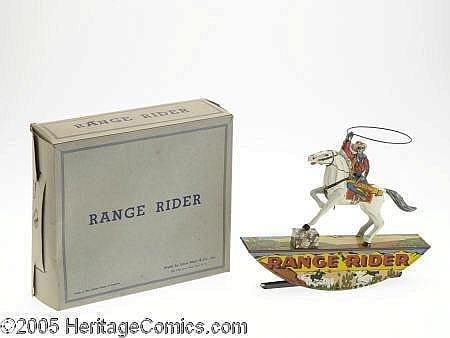
Q: How much does the original box matter? A: A lot. Depending on rarity and condition, an original box can add 20–200% or more. Boxes with correct inserts, price tags, and paperwork can transform a good example into a top-tier one.
Q: Is professional restoration worth it? A: Only in specific cases. For high-value, rare toys with significant issues, museum-level, reversible restoration may make sense. For most items, visible repainting or non-original parts decrease value. Always disclose work performed.
Q: How do I tell if a part is a reproduction? A: Compare material, weight, finish, and aging to known originals. Repro tires and boxes often look too fresh, with modern fonts or paper. Hardware that doesn’t match period fasteners is a clue. UV light and magnification help detect newer paint and decals.
Q: What’s the best place to sell an antique toy? A: Match the item to the venue. Rare, high-dollar pieces tend to do best through specialist auctions or dealers with established buyer bases. Mid-range items can perform well online with excellent photos and detailed descriptions; common pieces may sell best in curated group lots.
By approaching each toy with a structured appraisal mindset—identify, date, grade, verify, compare, and present—you’ll not only uncover the story locked inside the object, you’ll also position it to achieve its full market value.