
Vintage Toys vs Reproductions How to Tell the Difference Before You Pay Too Much: appraisal and value basics
Vintage Toys vs Reproductions How to Tell the Difference Before You Pay Too Much research should start with identification, condition, provenance, and item-specific market evidence. Use this guide to compare the signals that matter before paying for a formal appraisal or deciding whether to sell.
Why this decision is expensive and easy to get wrong
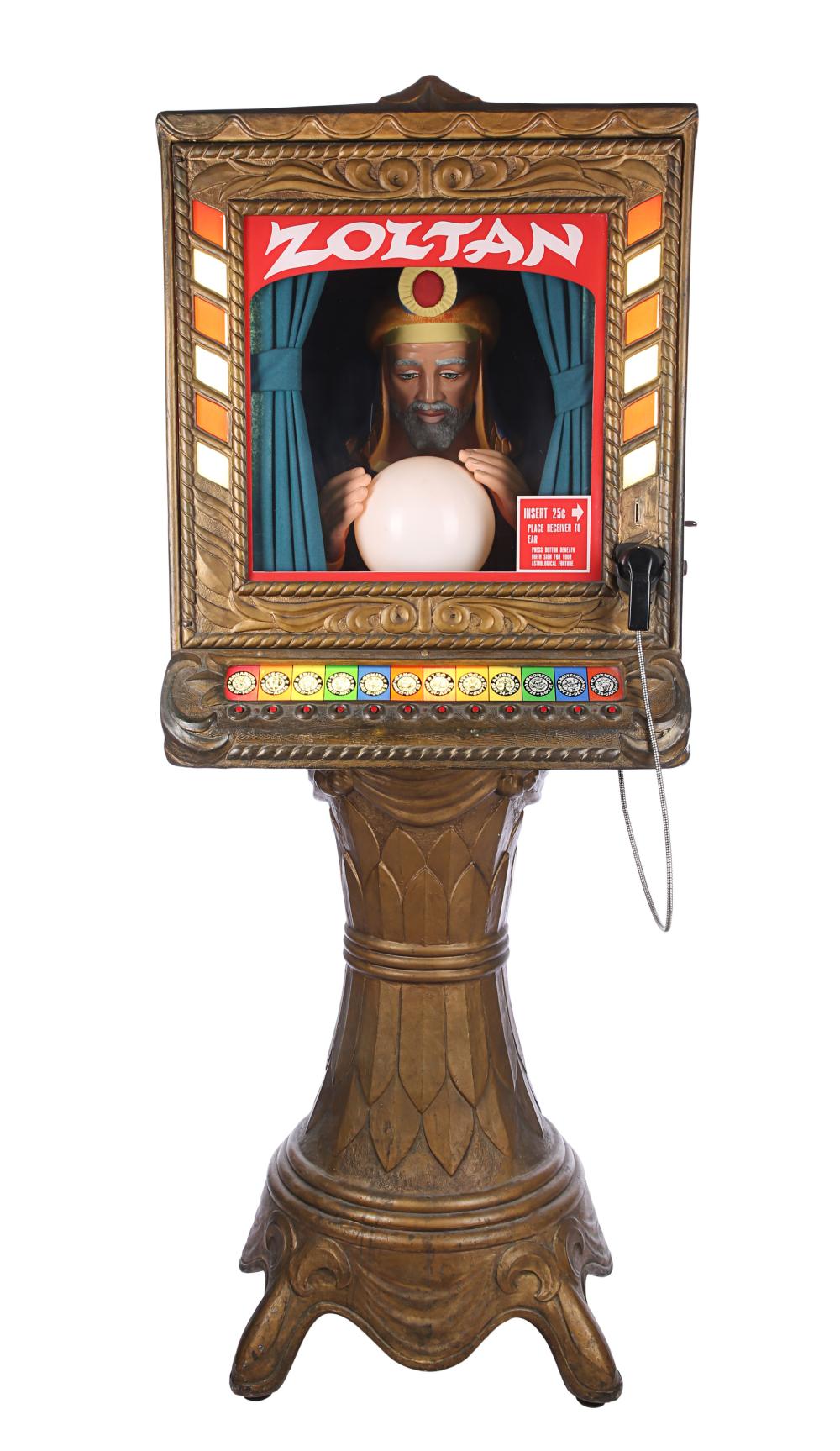
That old tin toy in the attic? It might be worth a value that must be established from current, topic-matched sales a value that must be established from current, topic-matched sales or almost nothing at all. A vintage Zoltan Fortune Teller machine sold for GBP 3,500 at auction, while some modern reproductions with the same nostalgic look trade for a fraction of that. The difference is not always obvious at first glance, but it is visible if you know where to look.
This guide shows you what to check before you bid, buy, list, or send a toy to auction: the marks, materials, wear, box, repairs, and market evidence that separate a real vintage find from a convincing later copy.
What separates vintage toys from modern reproductions
Start with the simple question: does this toy make sense for the year it claims to be from? Reissues, restored pieces, replacement parts, and decorative reproductions can blur the answer, so do not rely on one clue. Let the toy build its case piece by piece.
1) What the plastic or metal tells you
If your toy was really made in the 1950s, it was shaped by tools, plastics, metals, paints, and inks from that period. The weight, surface texture, color saturation, and way light hits the paint can all tell a story. Modern copies often feel too smooth, too light, or too freshly finished.
2) Flip it over: what stamps and logos reveal
Turn the toy over and look closely at the maker mark, country mark, mold number, or logo. Reproductions can copy the obvious symbols, but they often miss the spacing, depth, pressure, or placement. If a stamp looks unusually crisp on a toy that supposedly spent 60 years in storage, slow down.
3) Real wear vs fake wear: where to look
Real wear usually shows up where hands, shelves, boxes, and moving parts touched the toy: edges, corners, wheels, keys, hinges, handles, and bases. Fake aging often looks evenly dull everywhere. A toy that is “perfect but old-looking” should make you more curious, not more confident.
4) Does the box match the story?
Boxes are powerful evidence when they match the toy, the era, and the wear pattern. Check print quality, label style, barcode era, instructions, and whether the box looks too new for the story. A perfect sleeve with vague “old family toy” language is not proof.
5) Open it up: seams, screws, and shortcuts
Reproduction makers often simplify details to reduce cost. Check seam lines, screw profiles, hinge geometry, joint friction, paint cracks around stress points, and internal supports. A wrong screw, odd seam, or soft casting detail can change the value story quickly.
Your first-pass comparison checklist (before bidding)
You are looking at a listing. The photos are decent. The price seems fair. But something feels off. This is the sequence that catches most reproductions before you commit money:
- Who made it, and when? If the seller cannot answer either question, treat that as a warning.
- Ask for close-ups of the base, seams, and stamps. Blurry photos hide the clues that matter most.
- Match every major visible mark. Compare to maker reference sheets and trusted market photos.
- Look at where the wear is. Hands touch edges, keys, wheels, and corners, not random flat centers.
- Check auction and catalog history. If a comparable lot looks similar, verify date and provenance.
- Count restoration signs. Minor repair can be normal; replaced sections need a real discount.
- Estimate market correction. Use internal market evidence and apply condition multipliers conservatively.
- If “vintage” is the only proof, that is not proof. Walk away or get a second read.
The kind of find that makes this worth checking
A typical estate-sale scenario looks like this: a wind-up tin toy is priced at a value that must be established from current, topic-matched sales because the seller calls it “vintage style.” The buyer almost passes, then checks the maker mark, wheel wear, and lithographed surface against documented examples. If those clues line up, the same object can move from a decorative shelf piece to the kind of vintage metal toy that has sold around the a market-dependent range in recent auction data.
The point is not that every attic toy is valuable. Most are not. The point is that the valuable ones often reveal themselves through small details that casual sellers and casual buyers both miss.
What recent sales show (for context, not a promise)
This is where the money gap becomes real. A vintage Zoltan Fortune Teller machine sold for GBP 3,500 at Propstore. Vintage tin toy lots from Jackson’s International landed around the a value that must be established from current, topic-matched sales range. Vintage metal wind-up toys and boxed circus toys have also cleared hundreds of dollars when the age, condition, and category make sense.
- A VINTAGE TOYS - Zoltan Fortune Teller Machine sold at Propstore London for 3,500 GBP.
- VINTAGE GERMAN TIN TOYS and 16 VINTAGE TIN LITHO TOYS from Jackson’s International were reported at roughly 250–275 USD range.
- A Swann Auction Galleries lot featuring signed works related to Robert Heinecken showed a range around 1,500–3,500 USD depending on provenance and condition profile.
Same general shape, same nostalgic colors, wildly different value. That is why the attribution review details matter. A clean reproduction-inspired toy with modern touch-ups can lose buyer trust quickly, even when it looks close in a small listing photo.
How to price a potential vintage toy you are unsure about
If you are not sure whether your toy is original, you are not alone. The safe approach is simple: assume reproduction until evidence proves otherwise. Start from the lower end of the comparable range, then only move up when multiple clues line up.
- Originality: maker marks, materials, and construction should all point to the same era.
- Condition: missing decals, faded paint, broken wind-up keys, or replaced parts pull the price down.
- Proof: box, catalog reference, auction match, or family provenance can support a stronger number.
If the evidence is weak, keep your offer near the low end. If the seller gives clear photos, consistent marks, and a believable history, you can price with more confidence.
Want a specialist to check it for you? Try the free instant estimate first. It takes about two minutes and gives you a better next step before you pay for a full appraisal.
Free instant estimate
Not sure if your vintage toy is worth appraising? Let us take a look.
Upload a photo, tell us what you know, and get a free first read. If a full appraisal makes sense, we will say so.
Free. No card needed. Takes about two minutes.
A buyer’s workflow for high-confidence decisions
Here is the exact sequence a smart buyer follows before committing money. It works whether you are at an estate sale, an auction preview, or staring at an eBay listing at midnight.
- Collect all images and request missing views immediately.
- Map each evidence point into the five categories above.
- Cross-check listing photos against known auction images and catalogs.
- Estimate two scenarios: documented with full documentation vs plausible reproduction.
- Set your maximum offer after subtracting reproduction and condition risk.
- Ask the seller for a written response to your highest-risk claims.
- Proceed only when provenance and physical evidence converge.
If you go through those steps and still feel under a category-dependent amount confident, stop. Get a professional read before you pay. It is free to start.
3 signs your vintage toy is probably a reproduction
Some toys announce the problem before you ever need a specialist. These signs do not prove a toy is fake by themselves, but they should make you slow down:
- The wear is too even. Real play wear gathers around edges, handles, wheels, keys, and corners. Uniform dullness can mean artificial aging.
- The mark is too perfect or in the wrong place. Stamps, logos, and country marks should match known examples from the claimed period.
- The box tells a different story. Modern print quality, fresh cardboard, wrong labels, or barcode-era mismatches can expose a later reproduction.
When clues conflict, price the toy as the lower-value scenario until better evidence appears.
Search variations on this topic
- How to tell if a vintage toy is fake
- Vintage tin toy markings and maker stamps
- How to spot repro cast iron toy details
- Do vintage toy repros have value in resale
- How much should I pay for a vintage wind-up toy
- Signs a toy has been restored for display
- How to check toy packaging provenance
- Difference between antique toys and reproductions


