
Sterling Silver vs Reproductions How to Tell the Difference Before You Pay Too Much: appraisal and value basics
Sterling Silver vs Reproductions How to Tell the Difference Before You Pay Too Much research should start with identification, condition, provenance, and recent comparable sales. Use this guide to compare the signals that matter before paying for a formal appraisal or deciding whether to sell.
Most silver buyers do not fail because they cannot spot a difference between silver and plated brass. They fail because they jump too early. The most expensive mistakes happen when people value a piece by appearance and ignore authentication sequence: mark quality, maker context, and intervention history.
If your silver item is for daily use, inheritance, insurance, or resale, the same rule applies: don’t pay premium money before confirming how the object sits in the evidence chain. An object can look beautiful and still be materially weaker in value if it is a modern reproduction, has replacement parts, or lacks transparent provenance.
This guide gives a practical process for buyers. We will use three layers: identity checks (is it real sterling or not), integrity checks (is the piece authentic to the claimed period), and market checks (what similar items have recently sold for in auction context).
1) The fast safety pass: first 10 minutes
Before you open valuation pages and before you ask anyone a price, do this five-step fast pass. It is not final proof, but it lowers bad buys quickly:
- Read the entire visible marks suite. Not just the backplate: check base, stem junctions, and underside near joins.
- Check hallmark format consistency. In genuine old silver, marks usually appear with matching font, spacing, and period details; one odd isolated stamp can indicate replacement, polishing, or mismatch.
- Review edge quality. Look for hand-tool transitions, wear in high-contact zones, and solder line behavior. Machine-perfect consistency is not always proof of quality; sometimes it is the opposite.
- Record all photos and dimensions. You need a durable evidence set before comparison: hub shape, foot profile, stem profile, back, clasp joints, and any stamps.
- Confirm seller transparency. If provenance language is evasive (“looks old,” “family piece”), treat valuation as provisional until receipts or appraisal notes can be added.
If any two of these steps raise concerns, pause before purchase and move to a deeper check.
2) Hallmarks, stamps, and what they actually prove
Many buyers assume a visible “925,” “sterling,” or lion passant image resolves the issue. It is a useful clue, but not a final gate. A mark can be removed, re-stamped, or reproduced. So treat marks as one layer in a hierarchy:
- Layer 1: Metal authenticity. Marks can indicate sterling-standard silver, but they can still appear on objects with non-period mounts, replacement parts, or altered wear paths.
- Layer 2: Origin consistency. Compare all marks against the piece’s claimed geography and era. A modern mark placed on an antique silhouette is an immediate valuation warning even if the object is genuinely silver.
- Layer 3: Construction congruence. Check hall marks against joinery, solder patterns, and wear behavior in the same area of the object.
For silver, consistency is the deciding trait. One period-accurate mark and one period-inaccurate repair can coexist in many legitimate pieces, but the repair reduces value relative to a complete original structure unless fully documented.
3) Construction clues that outperform visual shine
Finish polish, even patina, and a clean lid can all be false positives. Construction history is harder to fake at scale:
- Joint geometry: Authentic old silver often shows controlled asymmetry from handwork and use. Reproductions can be too uniform.
- Solder color and line behavior: Old solder seams can show micro-flow and oxidation differences between surrounding metal; modern runs often look uniformly bright in macro photos.
- Wear logic: Look for believable edge wear and tool marks that correlate with likely handling. Uniform wear in sheltered zones can indicate deliberate distressing.
- Repair trace quality: Older repairs can still be valuable if disclosed. The risk is when undocumented repairs are represented as original metal.
Do not use a single test to make a call. Use weighted evidence: marks, joins, patina pattern, photos, and provenance together.
4) Market reality: how differences change valuation
Internal auction comparison work shows two broad outcomes:
Outcome A — pieces with strong provenance and coherent construction can command significantly higher value, especially when complete with good contextual indicators. For example, several internal sterling entries in this topic lane included reproductions and original-style tableware clusters, with reported lot results spanning from low hundreds to mid five figures depending on completeness and trust signals.
Outcome B — pieces with mixed manufacturing signals or unclear intervention history often sell as decorative or secondary-value lots, even when the silver content is high. In internal comps for this lane, modernized table structures and uncertain matching generally priced lower than comparable fully documented originals.
Use this as a decision rule: if provenance and construction are unclear, treat headline pricing as provisional and apply an “authenticity discount.” Buyers often avoid expensive regret by assuming this discount in negotiation, then requesting appraisal confirmation.
5) Case-context reference (appraisal-style)
A real customer-supplied example from our internal workflow shows why documentation matters: a 1749 London-style sterling tankard form with hallmarked and date-letter discussion had materially stronger positioning once provenance details and wear context were included together. The case did not become more “valuable” just by adding a hall-mark photo; it became more defensible and easier to price.
The practical implication is simple: you can reduce discount pressure by presenting a coherent chain of custody and condition detail.
6) What catches people out in high-pressure purchases
- Over-trusting one hallmark. A single mark is not the full story.
- Ignoring structural mismatches. If the joins and edges do not align with the era, the valuation risk rises quickly.
- Mixing complete-value and partial-value assumptions. Buyers often compare a complete set to a partial set and overpay.
- Skipping restoration logs. A minor replating or hidden rewiring repair can reduce liquidity significantly.
- Jumping before a written valuation path. Auction and consignment decisions are where discounting becomes irreversible.
Use a short internal rule before bidding or buying: if the seller can’t answer your provenance questions clearly, you should proceed only under a lower offer framework and mention appraisal contingency.
7) Decide before you pay: a practical checklist you can use now
- Verify all marks with clear, macro photos.
- Match construction consistency for the claimed era.
- Request restoration details in writing.
- Compare to at least three comparable sales with similar condition and completeness.
- If paying above your ceiling, ask for specialist review before funds are sent.
When in doubt, a short expert review saves margin on the final price and can often prevent expensive “I don’t know what I paid for” outcomes.
Free instant estimate
Not sure if your item is worth appraising? Let us take a look.
Upload a photo, tell us what you know, and get a free first read. If a full appraisal makes sense, we will say so.
Free. No card needed. Takes about two minutes.
Need specialist help?
Need regional verification before purchase or listing?
Connect with the Antique Appraisers Directory for in-person, item-specific review, including restoration disclosure and valuation consults.
Appraiser directory
Antique silver specialists
Get directed to specialists who review hallmark, provenance, and repair history before you place final offers.
Browse specialistsFrequently asked questions
Can I rely only on hallmarks?
No. Hallmarks are useful but insufficient alone. They must line up with construction, wear logic, and documentation to reduce mispricing.
Do reproductions ever sell near original-value levels?
Reproductions can be made well, but they usually price as decorative or modern functional objects unless accompanied by exceptional provenance and period-accurate rarity context.
Can I still make a profitable purchase decision without a full assay report?
Yes, if you use staged checks and insist on written valuation terms before funds move. A practical staged review is always safer than full trust in a listing.
What similar items actually sold for
To help ground this guide in real market activity, here are recent example auction comps from Appraisily’s internal database. These are educational comparables (not a guarantee of price for your specific item).
Shown USD range: USD 250-USD 3,500. Median of these 5 USD examples: USD 425.
| Image | Description | Auction house | Date | Lot | Reported price realized |
|---|---|---|---|---|---|
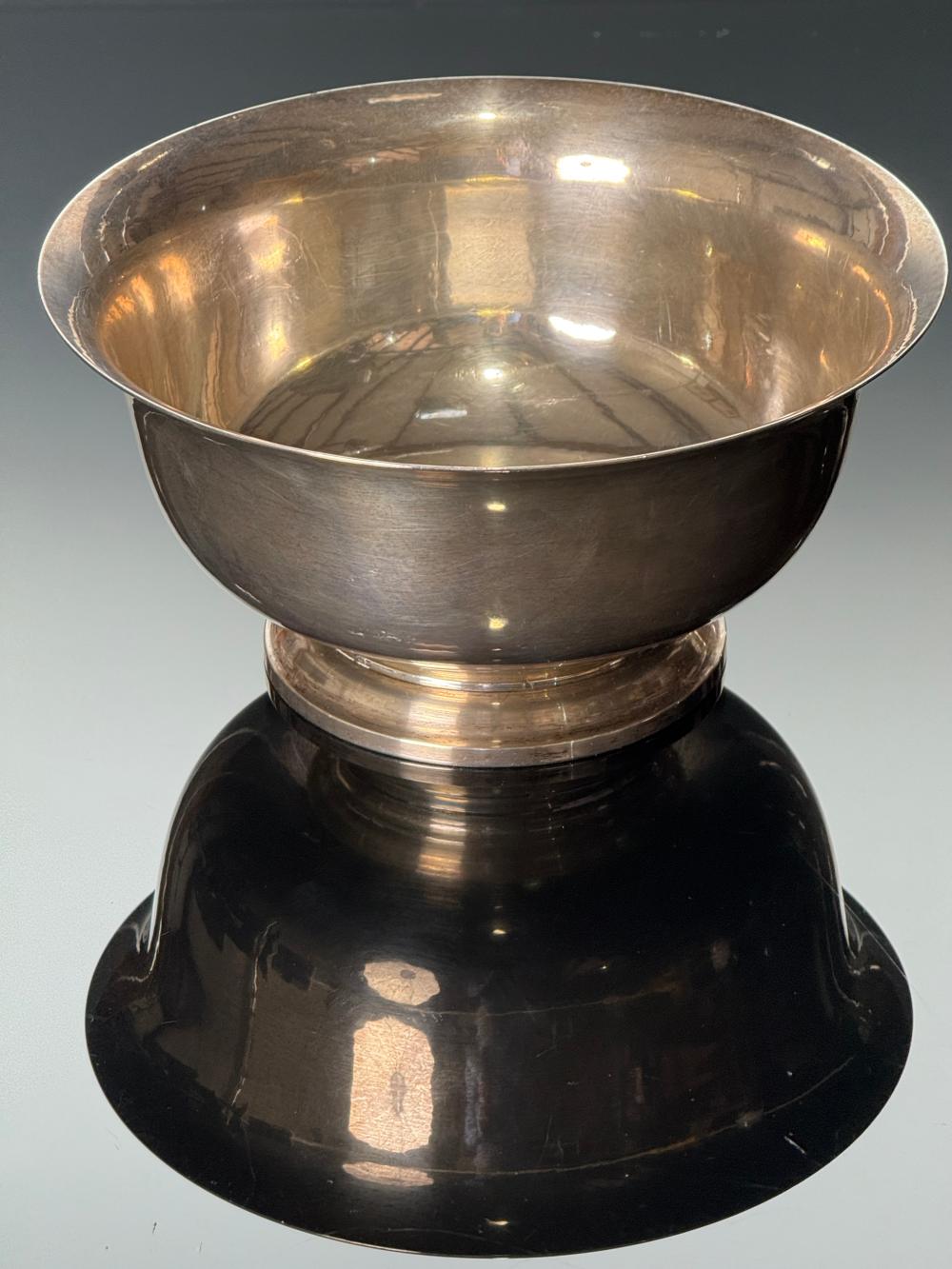 |
Georg Jensen Sterling Silver 8in Paul Revere Bowl 1404 P. Revere Reproductions | Ace Of Estates | 2025-03-23 | 155278 | USD 350 |
 |
SIX STERLING SILVER TABLE ARTICLES. Including pair Tiffany & Co. flaring oblong open salts made as reproductions of London originals by | Sloans & Kenyon | 2023-03-23 | 76 | USD 425 |
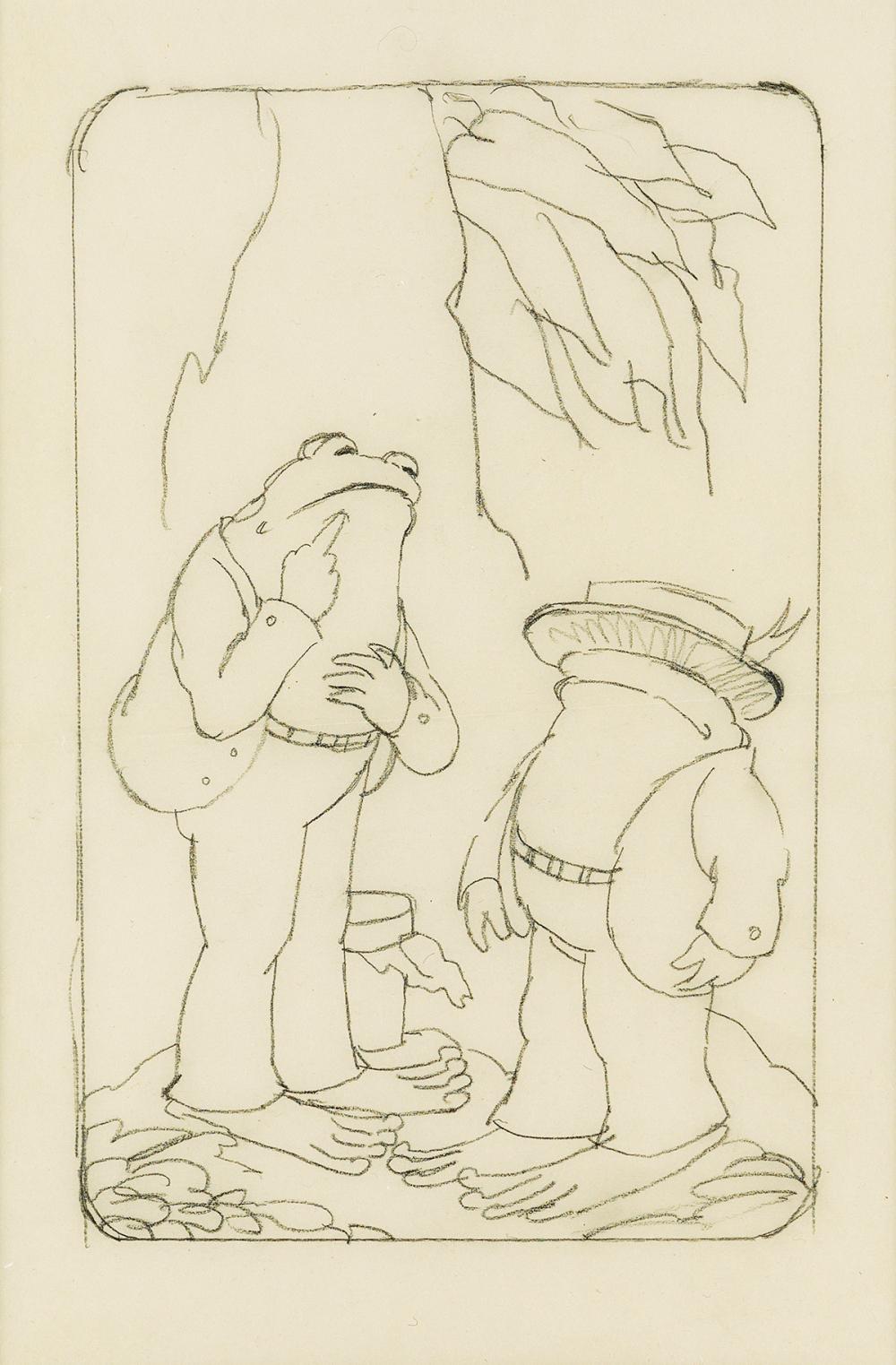 |
ARNOLD LOBEL. "That hat is much too big for you..." | Swann Auction Galleries | 2019-06-04 | 29 | USD 3,500 |
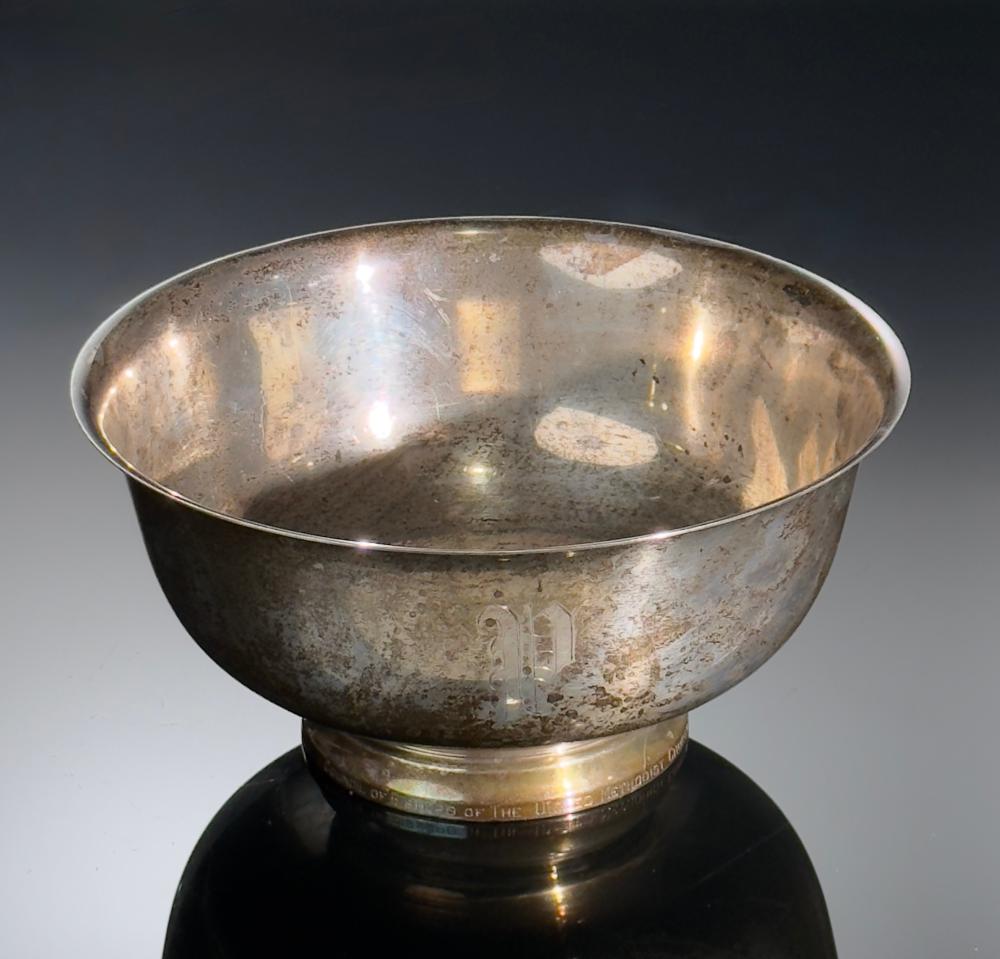 |
Paul Revere Sterling Silver Boardman | Ace Of Estates | 2025-06-15 | 422239 | USD 550 |
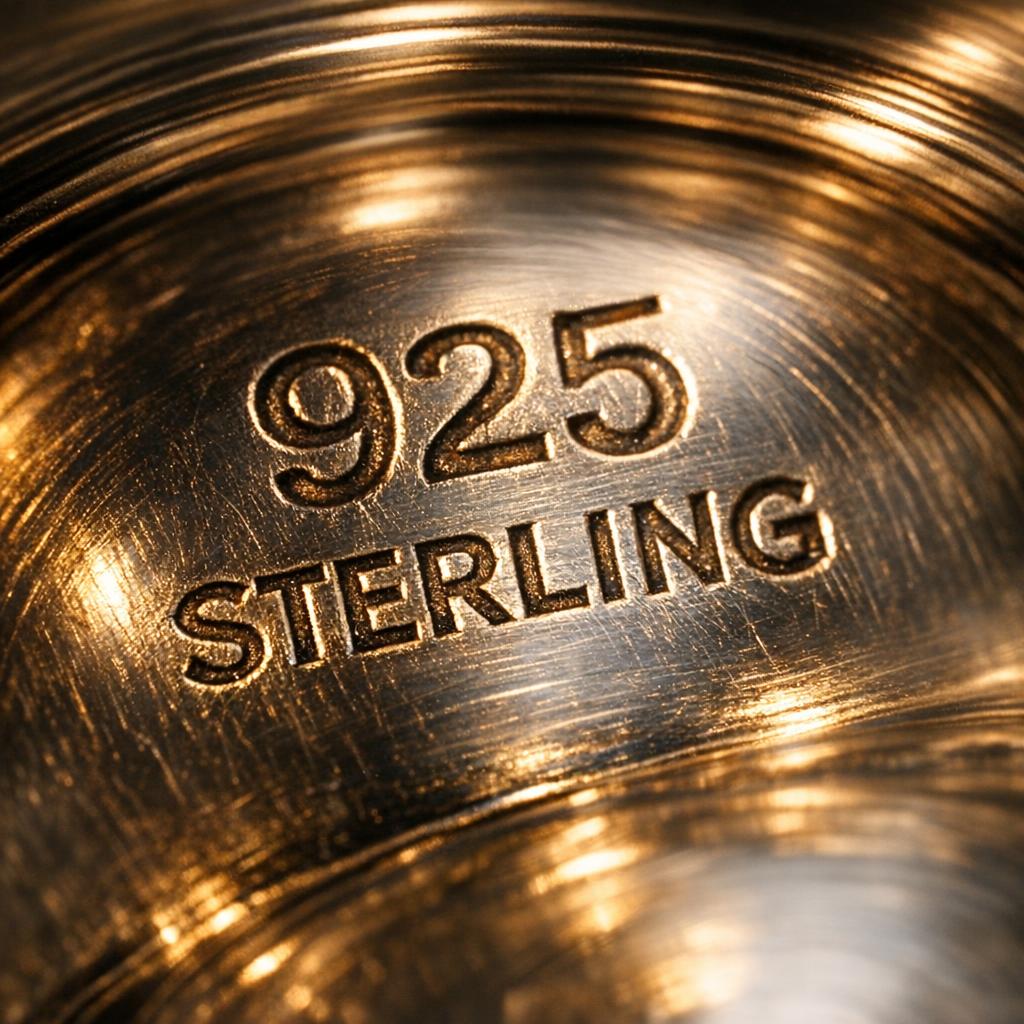 |
DeMatteo Hand-Made Sterling Silver Tea Caddy - 7.940 ozt. | Sarasota Estate Auction | 2025-08-17 | 1410 | USD 250 |
Disclosure: prices are shown as reported by auction houses and are provided for appraisal context. Learn more in our editorial policy.
Search variations
- How do I tell if sterling silver is real at a glance?
- Can I buy sterling silver if I only have photos?
- Do 925 marks always mean authentic sterling?
- What are the biggest silver reproduction warning signs?
- How much do reproductions reduce silver resale value?
- What should I inspect before buying silver online?
- Should I buy before receiving full maker provenance?
- How to compare silver auctions without overpaying
- What condition drops silver value the most?
References
- Internal Appraisily auction comp set for this keyword lane.
- Internal valuation case context and provenance notes, public case report.
- Editorial sourcing policy: Appraisily Editorial Policy.
Auction comps and price ranges in this guide are used for educational context and are not resale guarantees. They are sourced from Appraisily’s internal auction results and valuation workflows.