
Value of Old Toys: Maker, Age, Box, Completeness and Condition
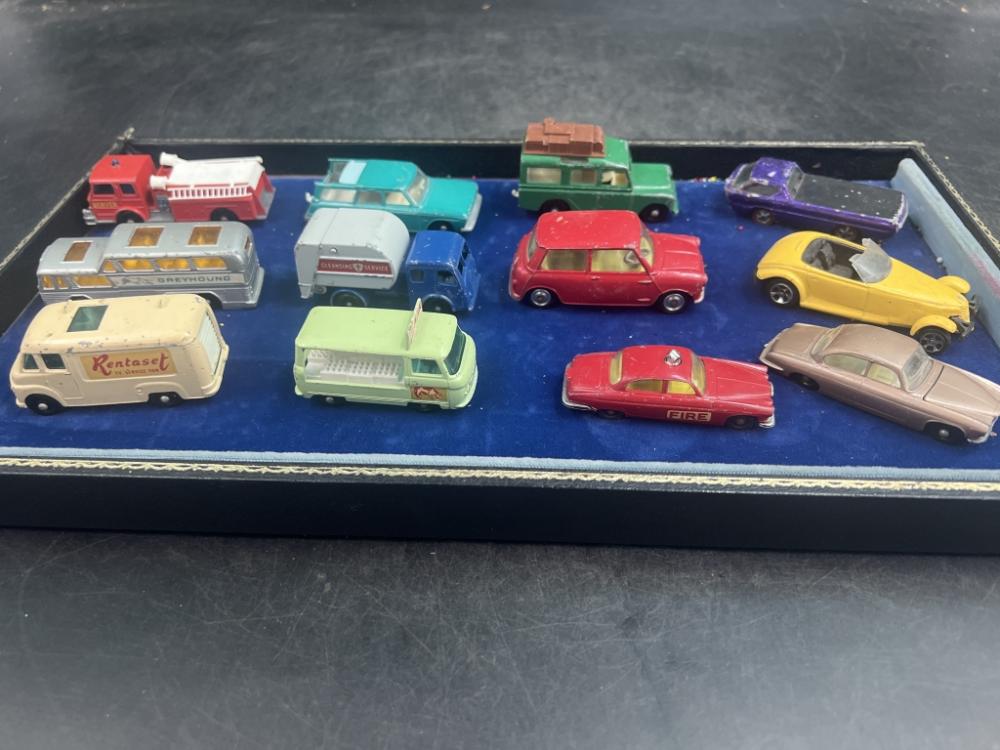
Evaluate old toy value by documenting maker, age, box, materials, completeness, rarity, photos, and condition.
Free first step
Found old toys and want to know if they matter?
Upload photos. We identify the object, check real sales, and show the right appraisal path.
Quick old toy value checklist
- Brand and line: Hot Wheels, Matchbox, Tonka, Lionel, Marx, Barbie, Star Wars, LEGO, Fisher-Price, G.I. Joe, Transformers, or another known maker.
- Age and production clues: copyright dates, country of manufacture, patent marks, catalog numbers, packaging codes, or mold markings.
- Completeness: original box, inserts, accessories, decals, instructions, batteries removed, and all pieces present.
- Condition: paint loss, cracks, missing tabs, discoloration, battery corrosion, replaced parts, smoke odor, or box wear.
- Rarity and demand: limited releases, early production, unusual colors, store displays, prototypes, and active collector interest.
What drives old toy value
The strongest old toy values usually come from a narrow match between the exact toy and collector demand. A boxed toy car, action figure, train, or doll can sell very differently from the same item loose. A complete set can sell differently from a partial set. A rare store display can belong to a different market than ordinary play-worn toys.
Do not clean, repaint, glue, or replace parts before identification. Original surface and packaging can matter more than making the toy look new.
When a free screener is enough
Use the free screener when you need a first read on what the toy is, whether it appears collectible, and whether real market evidence exist. It is useful for inherited boxes, attic finds, mixed toy lots, and items you are not ready to pay to appraise.
When to get a professional appraisal
Use a professional appraisal when the toy may be rare, insured, donated, inherited, disputed, or sold as a high-value item. A signed report can document identification, condition, market evidence, and limitations more clearly than a quick screen.
For report expectations, see the professional sample report.
Photo checklist before you upload
- Front, back, sides, underside, and close-ups of marks or copyright text.
- Original box, inserts, instructions, accessories, decals, and loose parts.
- Condition issues: cracks, missing pieces, repainting, rust, battery corrosion, fading, or repairs.
- Scale photo with a ruler or common object.
- Group shot plus individual photos if you have a collection.
Note: We couldn’t find enough auction records that directly match Value of Old Toys: Maker, Age, Box, Completeness and Condition to publish a defensible price table. If you are valuing a specific item, include its maker, model, material, photos, and condition so the search can be narrowed.
What similar items actually sold for
To help ground this guide in real market activity, here are recent example auction comps from Appraisily’s internal database. These matched sales are market context only, not an object estimate or identification, and they do not guarantee a price for your specific toy.
Shown USD range: USD 20-USD 305. Median of these 10 USD examples: USD 52.50.
| Comparable | What sold | Auction house | Date | Lot | Source-reported amount |
|---|---|---|---|---|---|
 |
Japanese Tin Toy Trolley BusSource blocked; provenance matched | Morphy Auctions | 2015-11-14 | 702 | USD 305 (buyer’s-premium treatment unknown) |
 |
T. Cohn Metal Tin Wind Up Toy Boat USA 1960sSource blocked; provenance matched | The Benefit Shop Foundation Inc. | 2026-01-21 | 498 | USD 25 (buyer’s-premium treatment unknown) |
 |
ANTIQUE TOY DOG ON WHEELSSource blocked; provenance matched | Ashcroft and Moore | 2024-03-13 | 96 | USD 60 (buyer’s-premium treatment unknown) |
 |
Baby Cast Iron Toy StoveSource blocked; provenance matched | Dinkys Auction Center | 2024-12-27 | 557 | USD 100 (buyer’s-premium treatment unknown) |
 |
Mid Century Celluloid Sharp Shooter Wind Up ToySource blocked; provenance matched | Keystone Auctions LLC | 2026-06-07 | 362A | USD 45 (buyer’s-premium treatment unknown) |
 |
An Antique Toy TricycleSource blocked; provenance matched | Veilinghuis de Jager | 2025-05-27 | 1270 | EUR 300 (buyer’s-premium treatment unknown) |
 |
Triumph Range Cast Iron Toy StoveSource blocked; provenance matched | Dinkys Auction Center | 2024-12-27 | 552 | USD 275 (buyer’s-premium treatment unknown) |
 |
Vintage Wind-Up Tin Toy, Universal Globe Plane with BoxSource blocked; provenance matched | Lion and Unicorn | 2025-06-18 | 148 | USD 25 (buyer’s-premium treatment unknown) |
 |
Schylling Disney Mickey Mouse Handcar Wind Up ToySource blocked; provenance matched | Bodnar's Auction Sales | 2024-12-04 | 307 | USD 20 (buyer’s-premium treatment unknown) |
 |
Dolly Replica Cast Iron Toy StoveSource blocked; provenance matched | Dinkys Auction Center | 2024-12-27 | 560 | USD 100 (buyer’s-premium treatment unknown) |
 |
Vintage German Walking Bunny Wind Up ToySource blocked; provenance matched | Matthew Bullock Auctioneers | 2026-02-07 | 572 | USD 35 (buyer’s-premium treatment unknown) |
How these auction records were verified
Each row retains its exact source URL, lot identity, retrieval time, access result, and immutable record hash. Live source access was blocked; the exact record matched Appraisily's immutable pipeline provenance. Inspect the public comparable provenance record.
Disclosure: prices are shown as reported by auction houses and are provided for appraisal context. Learn more in our editorial policy.
Free instant estimate
Not sure if your vintage toy is worth appraising? Let us take a look.
Upload a photo, tell us what you know, and get a free first read. If a full appraisal makes sense, we will say so.
Free. No card needed. Takes about two minutes.
Choose your next step
Use the path that matches the decision you need to make about the item.
Not sure it is worth appraising?
Start with a lower-friction screen to understand the likely category, evidence, and next step.
Upload photos for a free first lookWant proof before paying?
See how a signed report documents photos, comparable evidence, condition notes, and value conclusions.
View signed report sampleNeed a signed report?
Use this for insurance, estate, donation, resale, or documented value decisions.
Need documentation now? Start signed appraisalNeed local or specialist help?
Compare directory options when the work needs in-person review or a specialist near you.
Find local specialistsSee what the report looks like
Sample reports show how photos, comparable evidence, condition notes, and a value conclusion are documented.
We identify the toy, check real sales where available, and tell you whether a free screen or signed appraisal makes sense.
Try the free screener