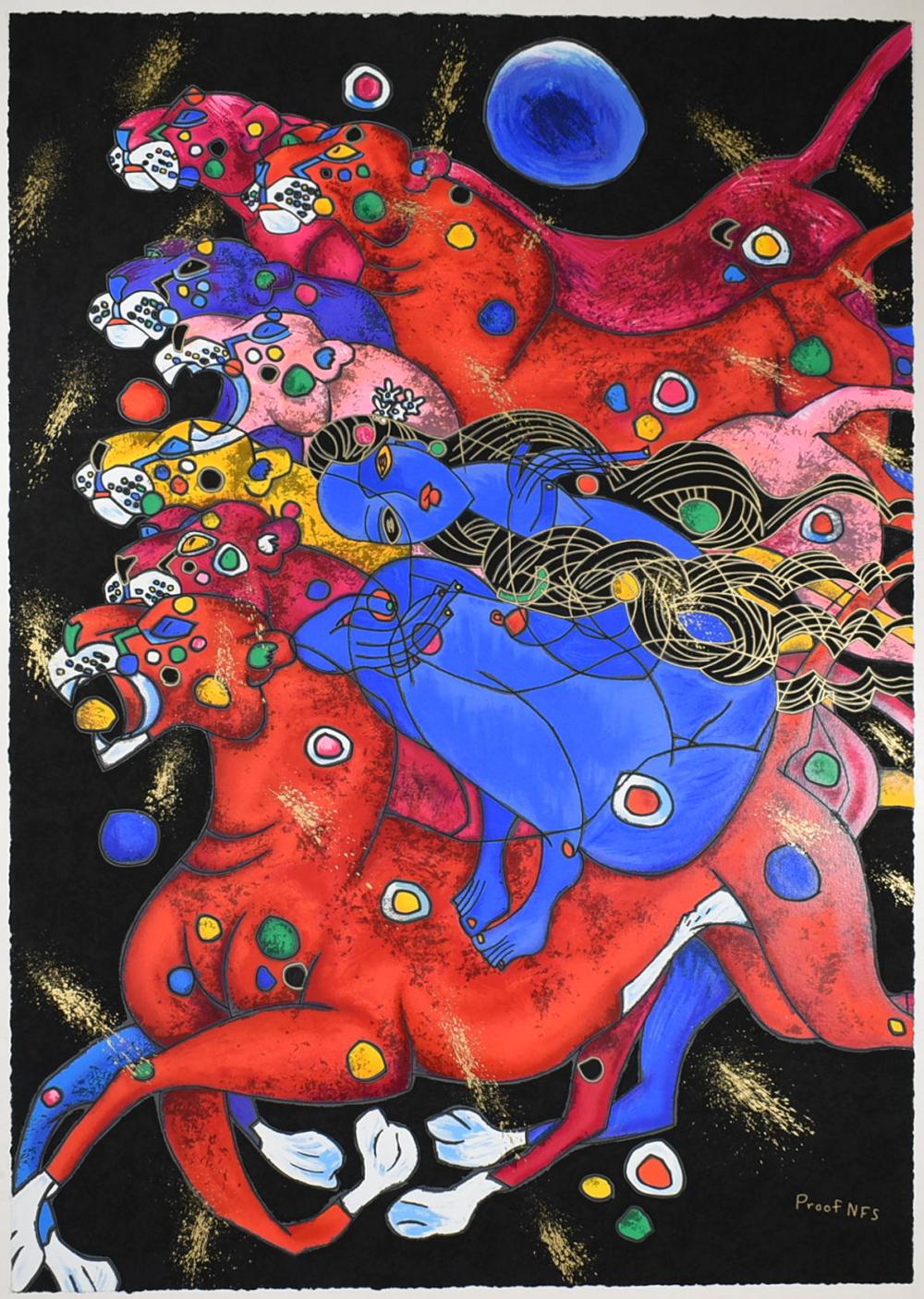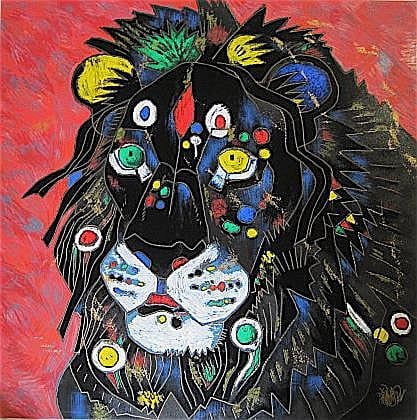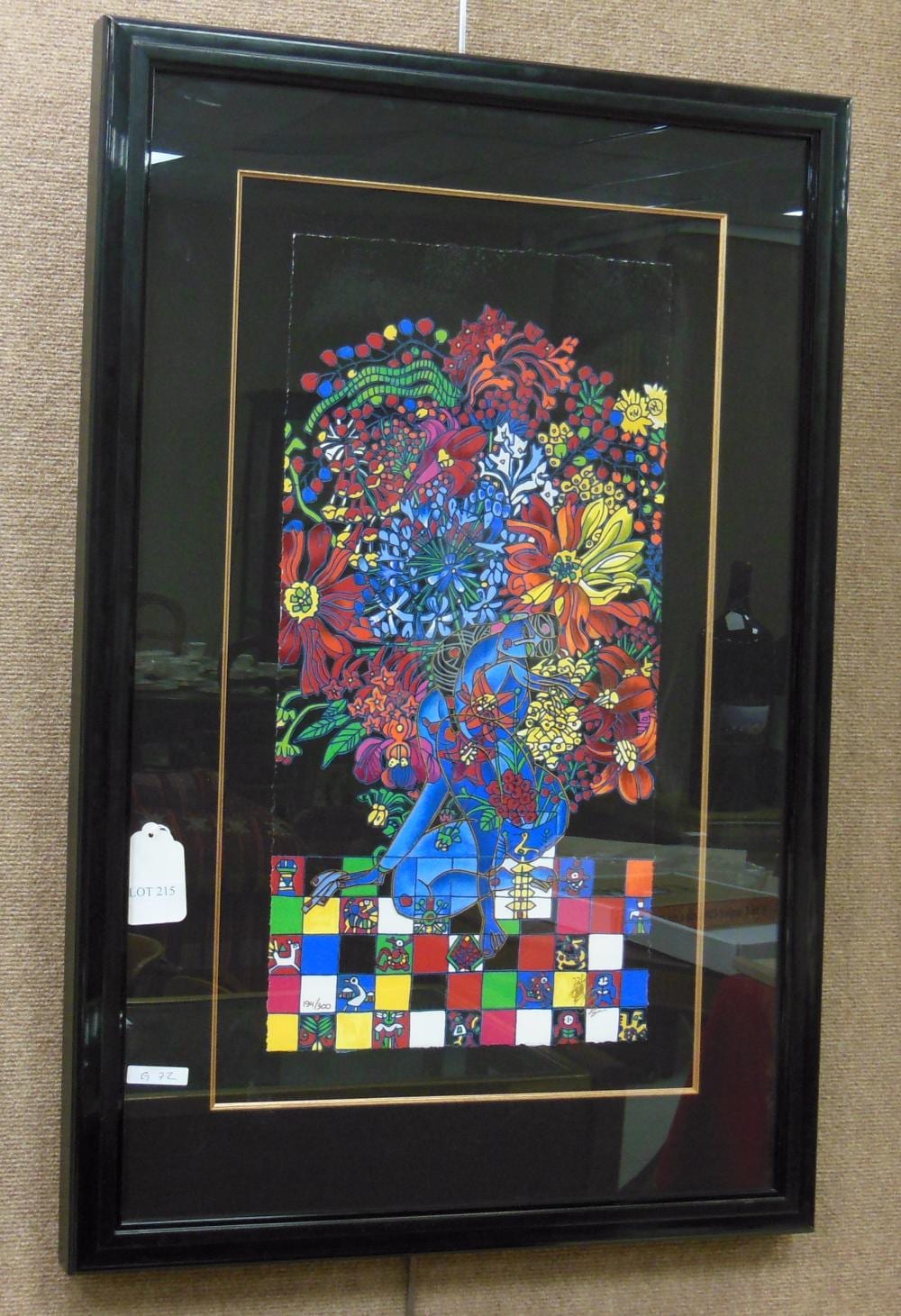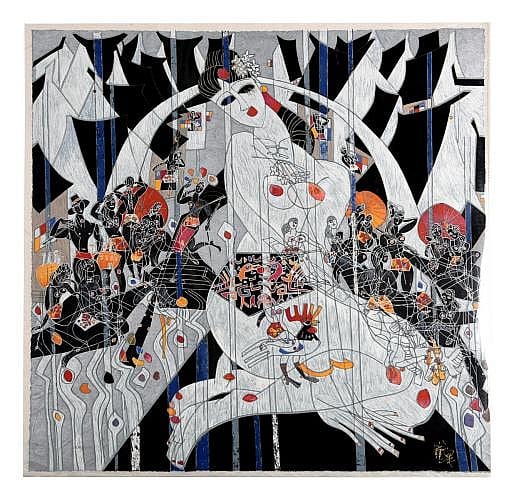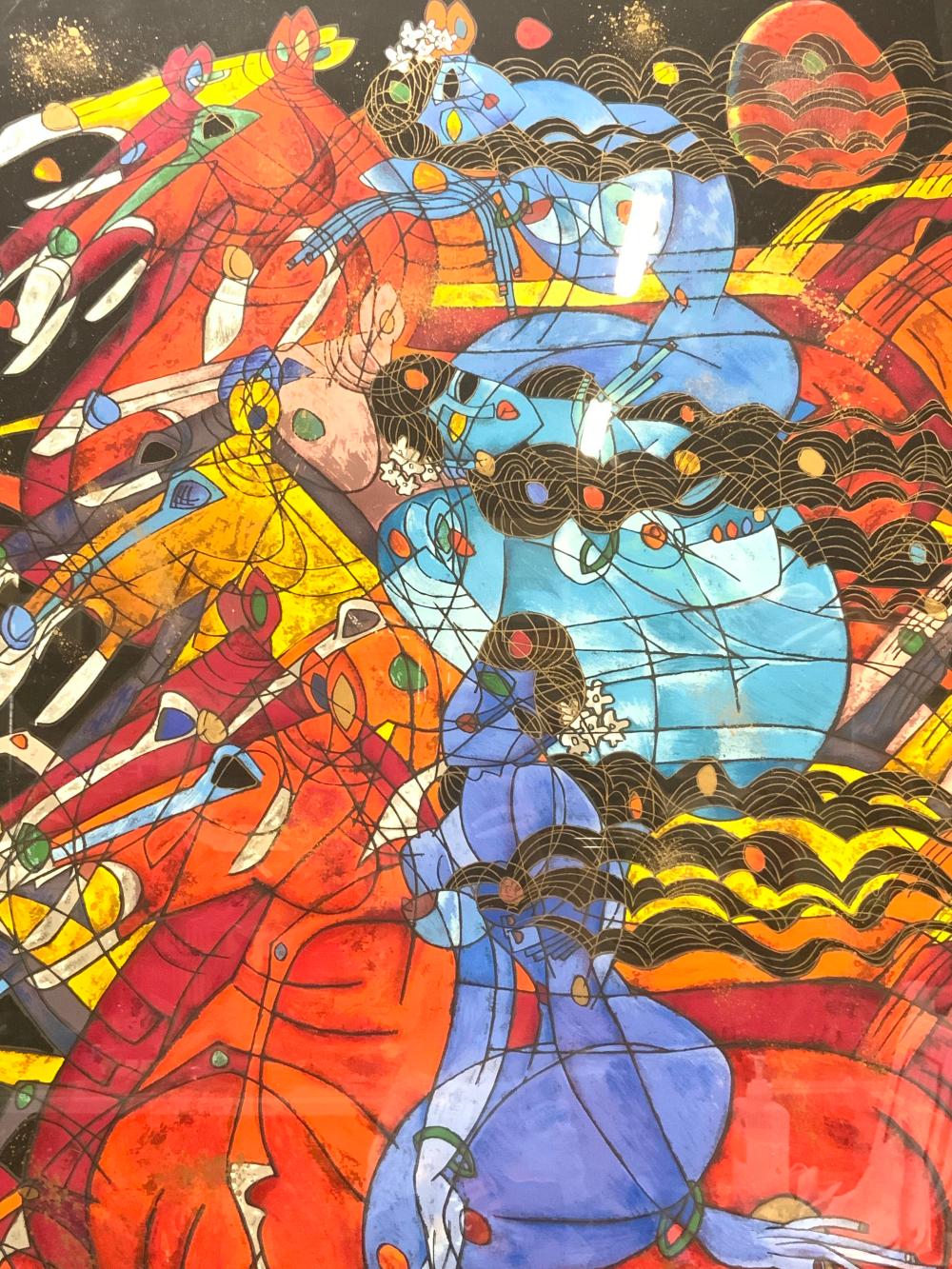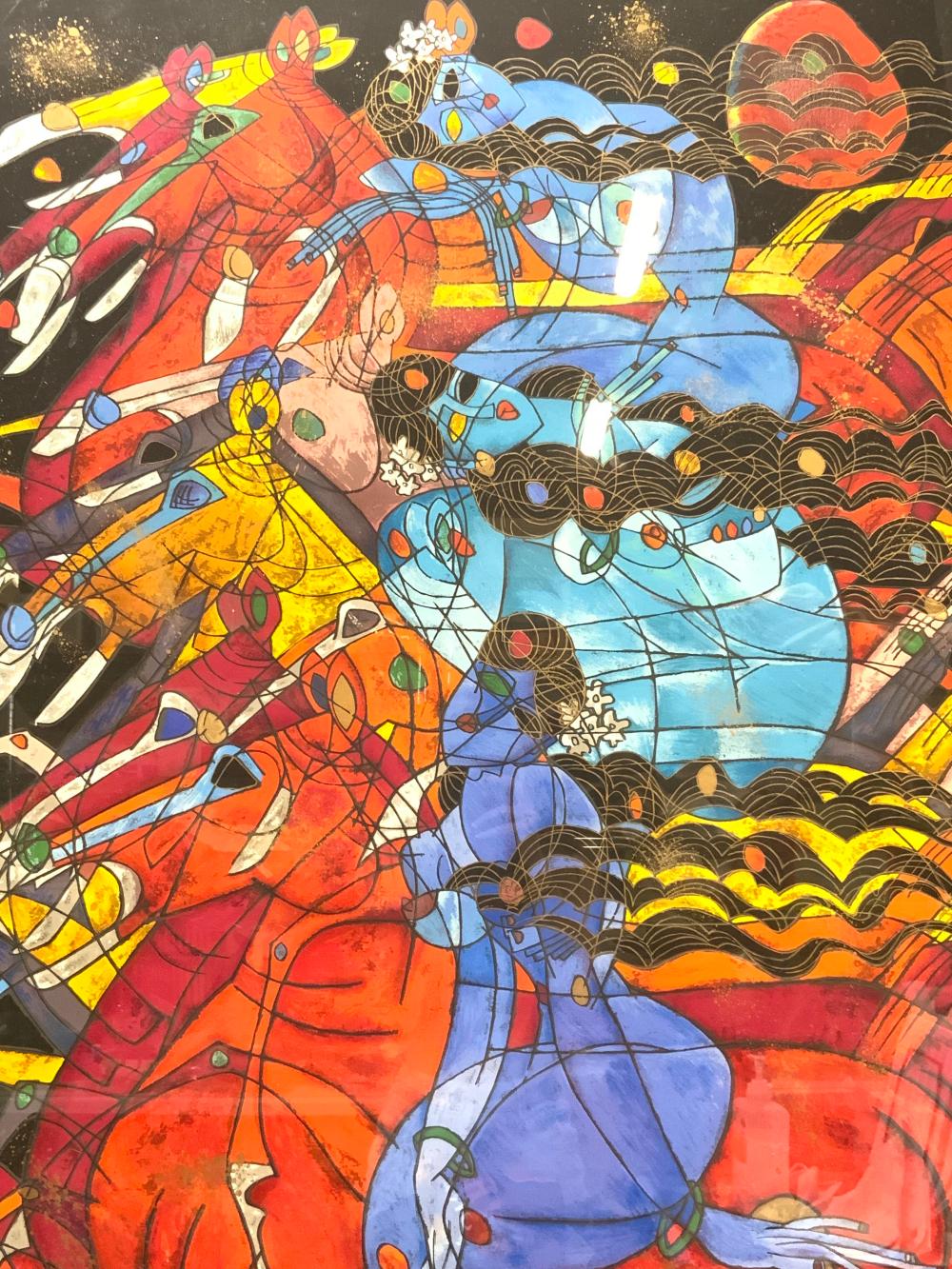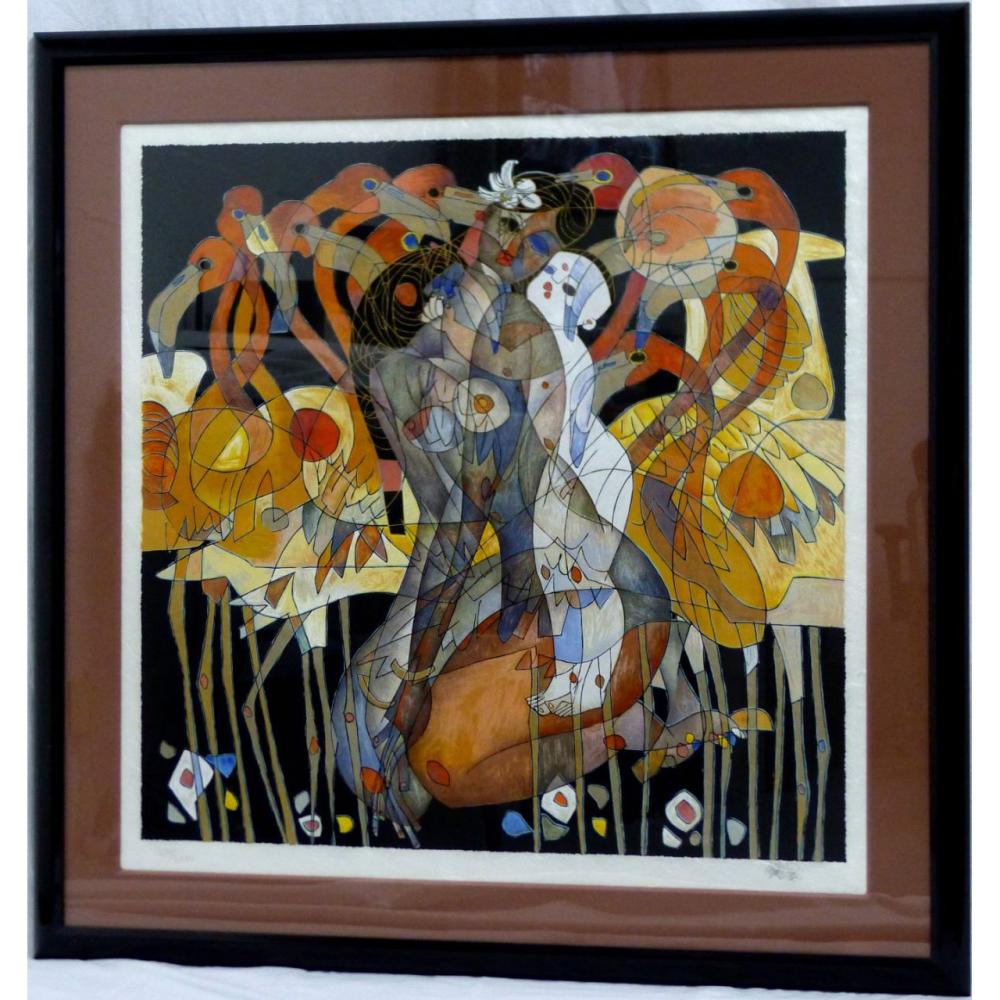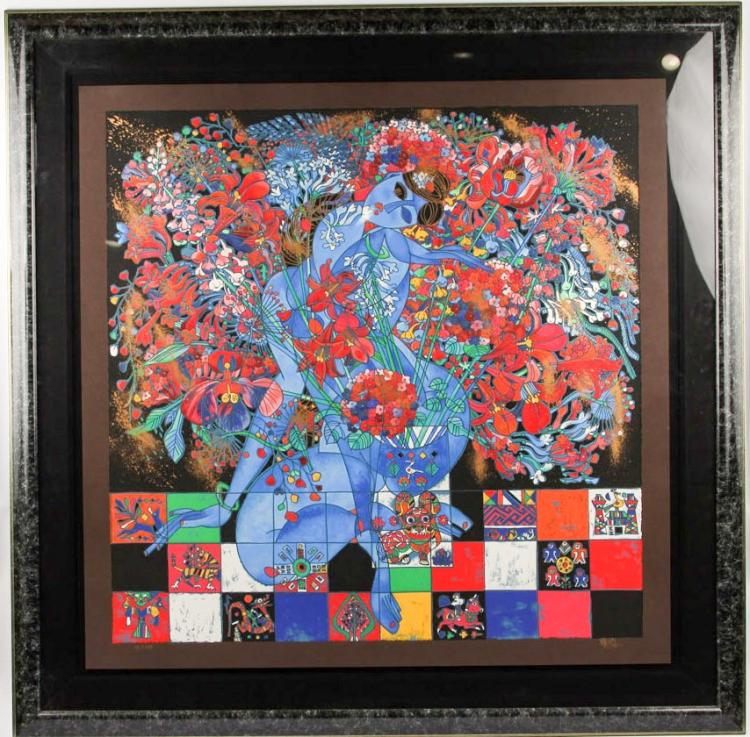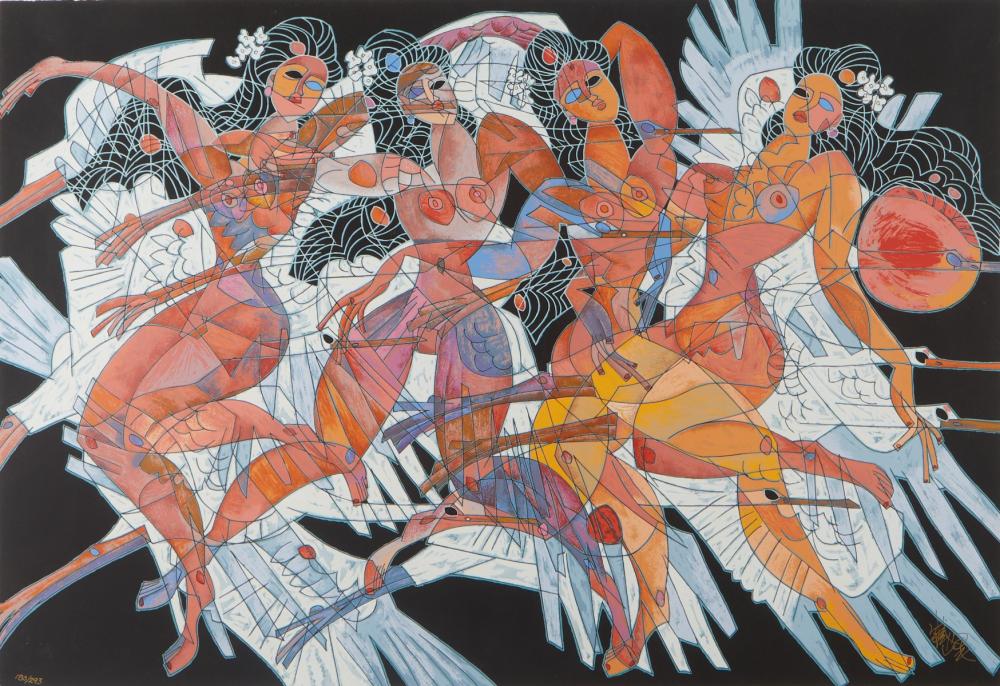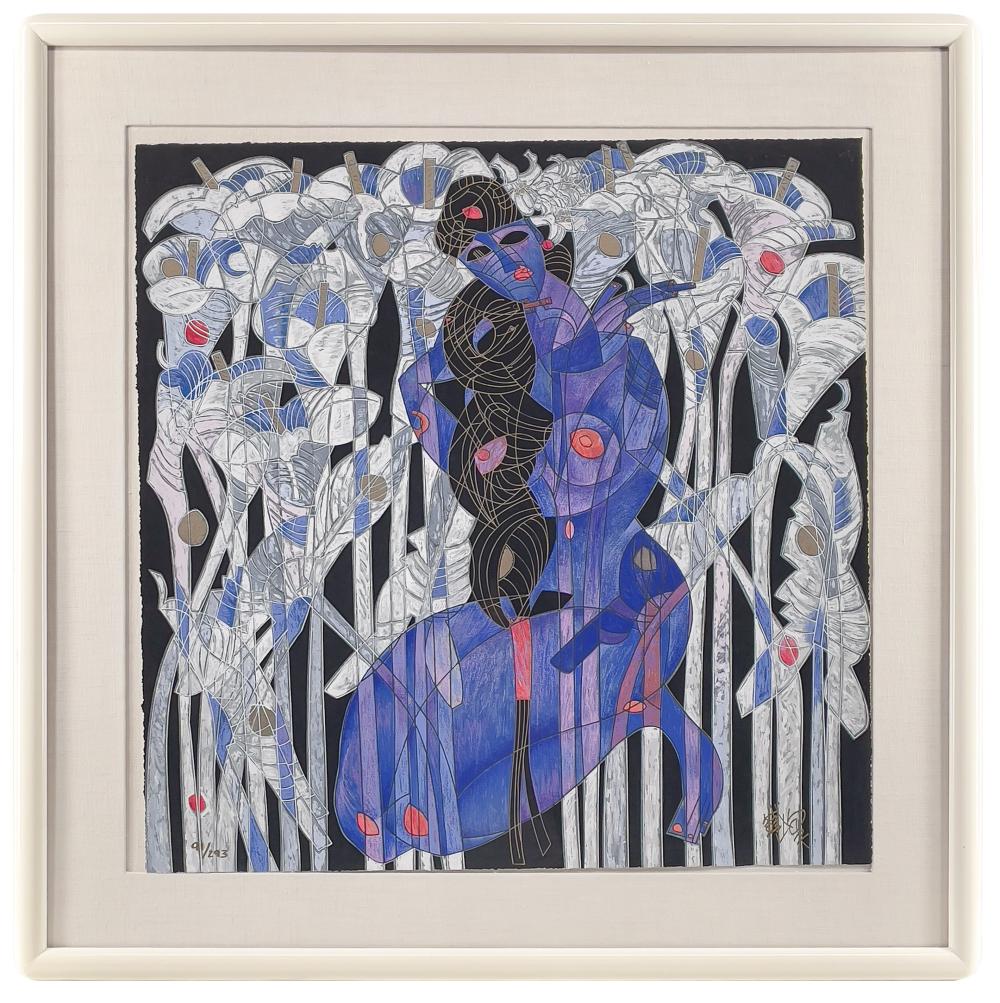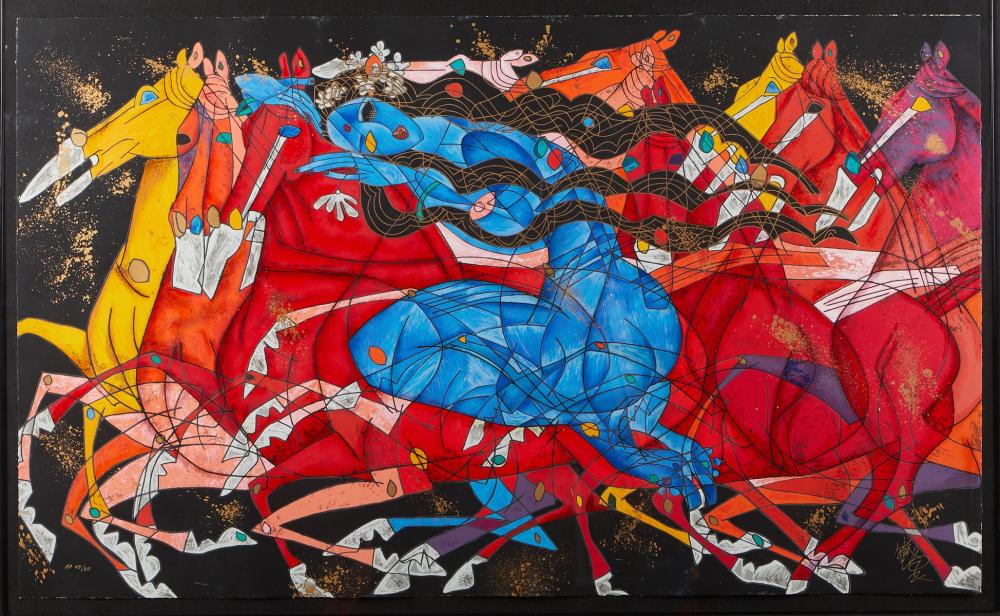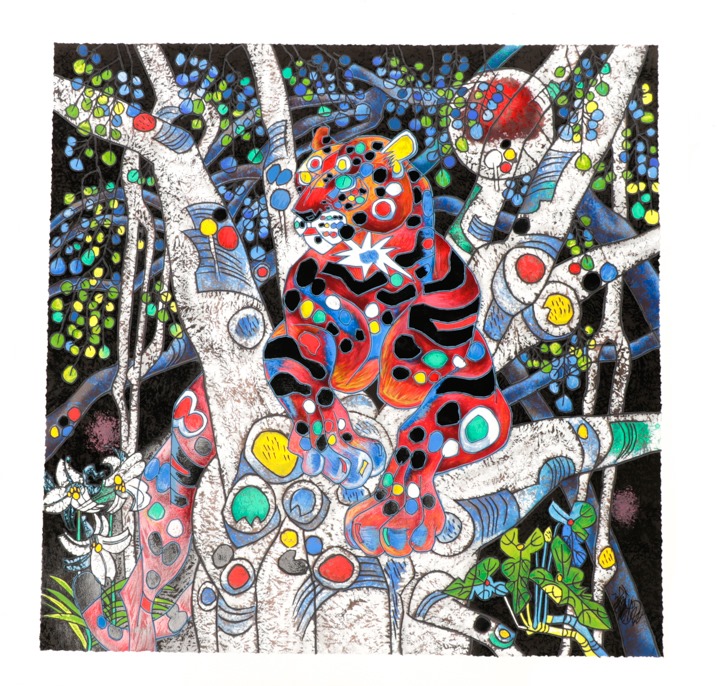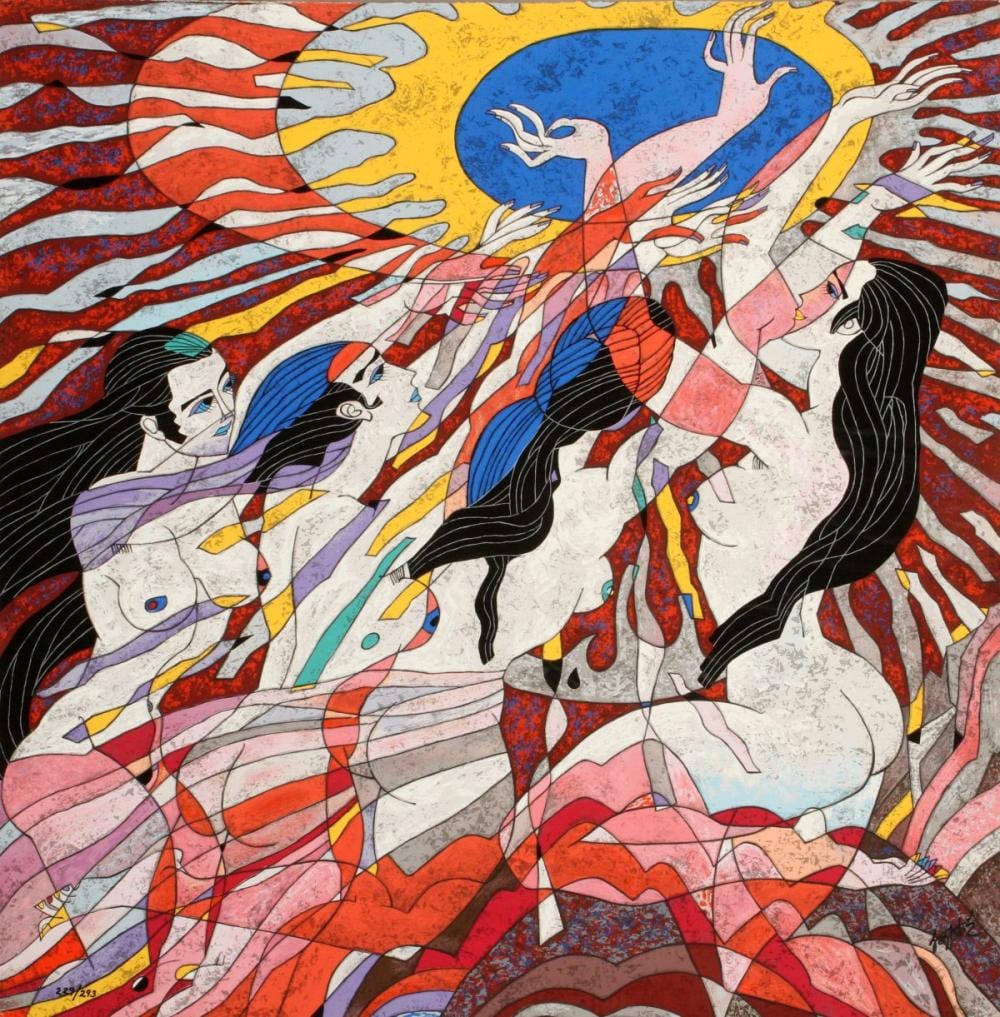
The Sea Jiang 2005 Serigraph Hand Signed: appraisal and value basics
The Sea Jiang 2005 Serigraph Hand Signed research should start with identification, condition, provenance, and recent comparable sales. Use this guide to compare the signals that matter before paying for a formal appraisal or deciding whether to sell.
Hand-signed serigraph appraisal checklist
Collectors frequently encounter listings for “The Sea” by an artist surnamed Jiang—dated 2005 and described as a hand-signed serigraph. Whether you’re verifying a recent acquisition, preparing an appraisal, or considering a sale, this guide explains how to identify, authenticate, evaluate condition, and understand the market for such a work without guesswork or overreliance on dealer lore.
Clarifying the Work: Title, Artist, and Year
- Title conventions: “The Sea Jiang 2005” can reflect the artwork’s title (The Sea), the artist’s surname (Jiang), and the year of publication (2005). Confirm that “The Sea” is the actual title printed on gallery labels, a certificate, or the print margin. Titles sometimes shift in translation or are updated by publishers; ensure consistency across paperwork.
- Which “Jiang”? Multiple contemporary artists with the surname Jiang have produced serigraphs. If yours is by the prominent printmaker Jiang Tie-Feng (a common possibility), his works often carry a bold, stylized signature and may include Chinese characters. However, do not assume the artist without corroborating evidence. Look for:
- A legible romanized signature that matches known exemplars for the specific Jiang.
- Publisher or printer details on labels or a blind stamp.
- A title and edition number format consistent with that artist’s other serigraphs from the mid-2000s.
- Date accuracy: The year 2005 typically references the print’s publication date, not necessarily the original design’s creation. Check the margin notations or certificate for a date; if absent, a gallery invoice or publisher catalog might document the year.
Practical step: Build a “document stack.” Assemble photographs of the signature, edition number, any blind stamps, labels, and the full sheet (front and back), plus any paperwork. Alignment across these sources is a primary indicator of authenticity and supports valuation.
Serigraph 101: Production Markers and Mid-2000s Prints
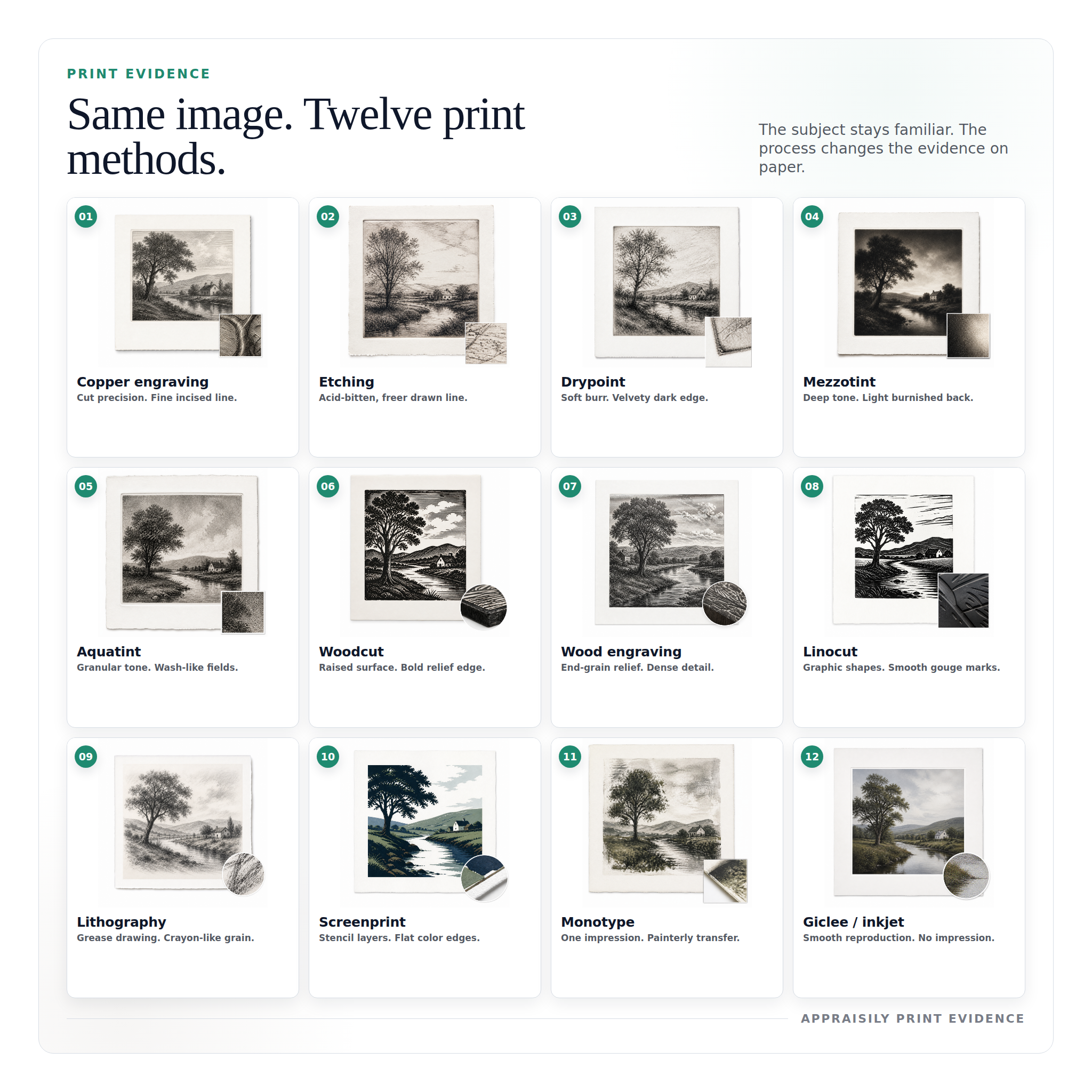
A serigraph (screenprint) is created by pushing ink through a series of screens, one per color, onto a heavyweight, usually cotton-based paper. Understanding how this method looks and feels helps you confirm the medium:
- Ink layers: Under a loupe, edges appear crisp; color boundaries have a clean, stenciled edge rather than a rosette dot pattern (offset lithography) or a mist of micro-dots (inkjet/giclée). Some colors may have slight relief you can feel.
- Paper: Look for a robust, archival sheet (e.g., 250–350 gsm). Deckled edges are common but not universal. Paper tone should be neutral white or warm off-white unless intentionally tinted.
- Editioning: Mid-2000s limited editions are typically numbered in pencil at the lower left in the format 123/300. Artist proofs (AP), printer’s proofs (PP), or hors commerce (HC) impressions might exist, usually in smaller counts and notated as AP, PP, or HC instead of a fraction.
- Signature: Expect hand-signing in graphite pencil at the lower right. Some screenprints also carry a chop mark or publisher’s blind stamp near an edge.
- Printer/publisher marks: A discrete blind stamp, impressed seal, or printed credit on a label supports authenticity and ties the print to a known workshop or publisher.
Tip: If the piece is advertised as a serigraph but shows aerosol-like dot patterns under magnification or inks that bleed into the paper fibers, consider the possibility of a giclée or reproduction. Medium mislabeling materially affects value.
Authentication: Signature, Edition, Chops, and Paperwork
Authenticating a modern print hinges on consistent physical and documentary evidence rather than a single “smoking gun.”
- Signature analysis:
- Pencil pressure and fluency should look natural, not traced.
- Compare letterforms and any accompanying characters to verified examples from the same artist and period. For Jiang Tie-Feng, for instance, the signature style is relatively consistent across 2000s editions, though spacing and angle can vary.
- Avoid overcleaned margins; erased areas can disturb paper fibers, dulling the tooth under the signature and suggesting tampering.
- Edition number:
- Confirm that the fraction matches known edition sizes for the title and year. Unusually high denominators or mixed notation styles (e.g., different hand for numerals versus signature) warrant scrutiny.
- Proofs (AP/PP/HC) should be in addition to the numbered edition, not disguised as standard copies.
- Blind stamps and chops:
- Locate any emboss or chop mark. Photograph it in raking light. Match to known printer/publisher chops if possible.
- Absence of a chop is not definitive, but its presence and match strengthen the case.
- Paper and inks:
- Use a loupe and raking light to confirm screenprinted layers. UV examination may reveal optical brighteners (common in modern papers) but should not show suspicious fluorescence in inks suggestive of later overpainting or repairs.
- Provenance:
- Ideal: a chain of custody from a reputable gallery or publisher, supported by invoices, certificates, or exhibition records.
- Certificates: Treat COAs as supporting documents, not sole proof. Ensure the issuing entity is identified and that the details (title, medium, dimensions, edition, signature) match the print in hand.
- Dimensions:
- Record both image and full sheet sizes. Variances can indicate trims (e.g., if deckles are missing on only some edges) or different edition formats (standard vs. deluxe).
If any element is inconsistent—signature style, edition notation, paper type, or publisher marks—pause and gather more data before concluding authenticity.
Condition: What to Look For and How It Affects Value
Condition can easily swing value by 30–50% on contemporary prints. Assess with care:
- Light exposure:
- Fading: Compare colors in protected areas (under the mat) to exposed areas. Serigraph inks are generally stable, but certain pigments can shift.
- Mat burn: Brownish lines along mat windows indicate acidic mats; often correctable by a conservator.
- Surface and handling:
- Abrasions: Flat, scuffed patches on matte inks are common; tiny losses at corners can occur from poor handling.
- Creases and waves: Moisture or tight framing can cause cockling. Avoid “dry-mounting” heat processes, which can permanently affect value.
- Stains and accretions:
- Foxing: Rusty specks indicate mold or metal impurities; treatable but noted by appraisers.
- Tape residue: Old pressure-sensitive tapes can migrate; prefer reversible, archival hinges.
- Structural alterations:
- Trimming: Loss of deckled edges or narrow margins reduces desirability; heavy trimming can remove the edition number or signature.
- Overinpainting: Retouching on a print is a red flag; color-matched fills are risky in flat color fields.
Conservation approach:
- Leave the print hinged with archival, reversible methods (Japanese paper, wheat starch paste).
- Use 100% cotton rag mat and backing; UV-filtering glazing helps mitigate future fading.
- If treatment is needed, consult a paper conservator for aqueous washing or stain reduction; avoid DIY chemical treatments.
Market Context: Value Drivers and Smart Comparables
The market for a hand-signed 2005 Jiang serigraph titled The Sea will depend on a matrix of factors:
- Artist identity and market tier:
- Works definitively attributable to a recognized Jiang (e.g., Jiang Tie-Feng) generally command stronger prices than ambiguous attributions. Name recognition, auction track record, and institutional presence matter.
- Image appeal:
- Marine-themed compositions with strong color contrasts and recognizable motifs often outperform less distinctive images by the same artist.
- Edition size and proof status:
- Lower edition numbers are not inherently more valuable, but smaller edition sizes and scarce proof categories (AP/PP) may carry a premium if demand is robust.
- Condition and presentation:
- Excellent, untrimmed sheets with clean margins and archival framing bring the best results. Fading, mat burn, or trimmed margins compress value.
- Documentation:
- A clear provenance trail and matching paperwork reduce buyer risk and support pricing.
Comparable research strategy:
- Use recent, verifiable sales of the same title and medium. If exact comps are scarce, bracket with:
- Same artist, same medium, similar year and size.
- Same artist, different image but comparable edition size and market demand.
- Adjust for condition honestly. A pristine sheet versus a faded, matted example can be a multi-hundred-dollar swing in mid-market prints.
- Expectation setting: Mid-2000s signed serigraphs by established contemporary artists often transact from the low hundreds to low thousands, depending on the above factors. The Sea (Jiang, 2005) could sit anywhere along that spectrum; only solid comps and condition inspection will anchor a credible estimate.
Selling and appraisal venues:
- For formal insurance values, a written appraisal from a qualified appraiser will cite standard methodologies and comparables.
- For resale, transparent listings with full-sheet photographs, close-ups of all markings, and accurate condition notes attract serious buyers and reduce returns.
Care, Storage, and Display
- Framing: Use museum-grade, UV-filtering glazing and acid-free mats. Float-mount if you wish to show deckled edges; avoid adhesives on the sheet.
- Environment: Maintain 40–55% relative humidity, 18–22°C (65–72°F). Avoid direct sun and sources of heat or moisture.
- Handling: Cotton gloves are optional for robust papers, but clean dry hands suffice; support the sheet fully to prevent kinks.
- Storage: Flat in an archival box with interleaving, or in a solander box. If rolled, use a large-diameter tube and acid-free materials; prolonged rolling is not ideal for heavy serigraph papers.
Practical Checklist
- Confirm identity
- Verify the artist (which Jiang) via signature comparison and documentation.
- Match the title and year across the margin, labels, and any certificate.
- Inspect the medium
- Under magnification, look for crisp, layered serigraph inks (not inkjet dots).
- Note any printer’s chop or blind stamp.
- Record edition data
- Photograph the edition number, signature, and any proof notations.
- Cross-check known edition sizes if available.
- Assess condition
- Check for fading, mat burn, creases, stains, and trimming.
- Document both image and full sheet dimensions.
- Gather provenance
- Collect invoices, labels, certificates, and prior appraisal reports.
- Keep high-resolution photos of front, back, and all markings.
- Protect and present
- Use archival matting and UV glazing; avoid dry mounting.
- Store in stable climate; handle carefully.
- Research comparables
- Find recent sales for the same image or close proxies.
- Adjust for condition and edition type; set realistic expectations.
FAQ
Q: Is every “The Sea Jiang 2005” a serigraph? A: Not necessarily. Some publishers issue multiple formats (serigraph, giclée, mixed-media). Confirm the medium by inspection and documentation; do not rely solely on the listing title.
Q: Where should the signature and edition number appear? A: Typically in pencil on the lower margin—edition at lower left (e.g., 45/300) and signature at lower right. Variations exist, but departures from this norm warrant extra scrutiny.
Q: How important is a certificate of authenticity? A: Helpful but not decisive. A COA supports, but does not replace, physical evidence and provenance. The most persuasive combination is a matching COA, correct margin notations, and a recognized printer’s chop.
Q: Does an artist proof (AP) version have higher value? A: Often, but not always. APs can carry a premium when demand is high and the AP population is small and well-documented. Condition and image desirability remain more influential than the AP label alone.
Q: Can light restoration restore full value? A: Quality conservation can significantly improve presentation and marketability, but restoration history should be disclosed. Severe issues (heavy fading, trimming) typically leave a lasting impact on value even after treatment.
With a careful, evidence-driven approach—verifying artist, medium, edition, and condition—you can confidently appraise or purchase The Sea (Jiang, 2005) hand-signed serigraph and position it wisely within today’s market.