Paul Emile Lecomte Original Etching: appraisal and value basics
Paul Emile Lecomte Original Etching research should start with identification, condition, provenance, and recent comparable sales. Use this guide to compare the signals that matter before paying for a formal appraisal or deciding whether to sell.
Paul Emile Lecomte etching checklist
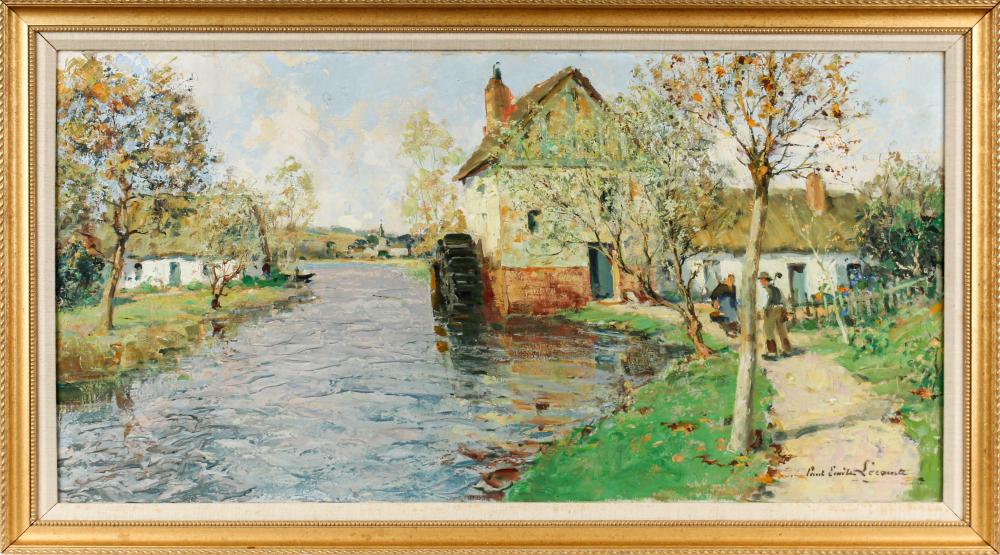
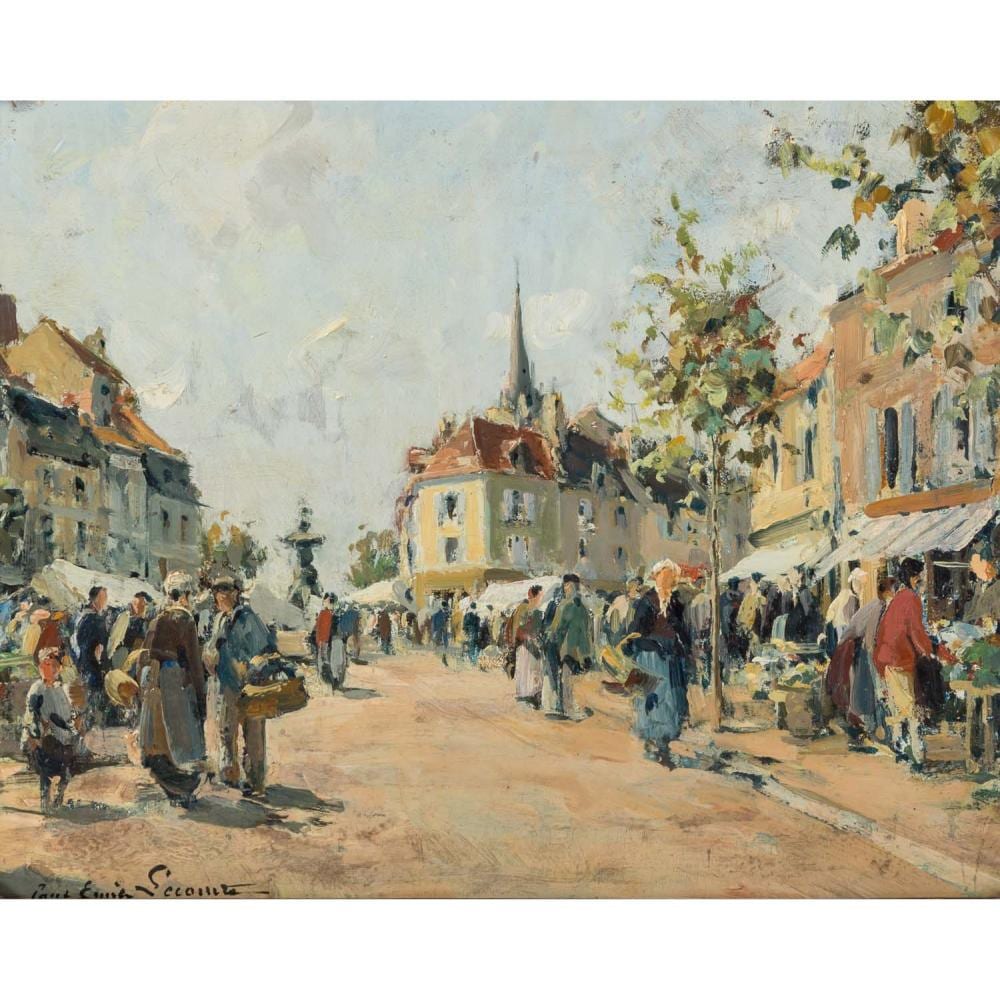
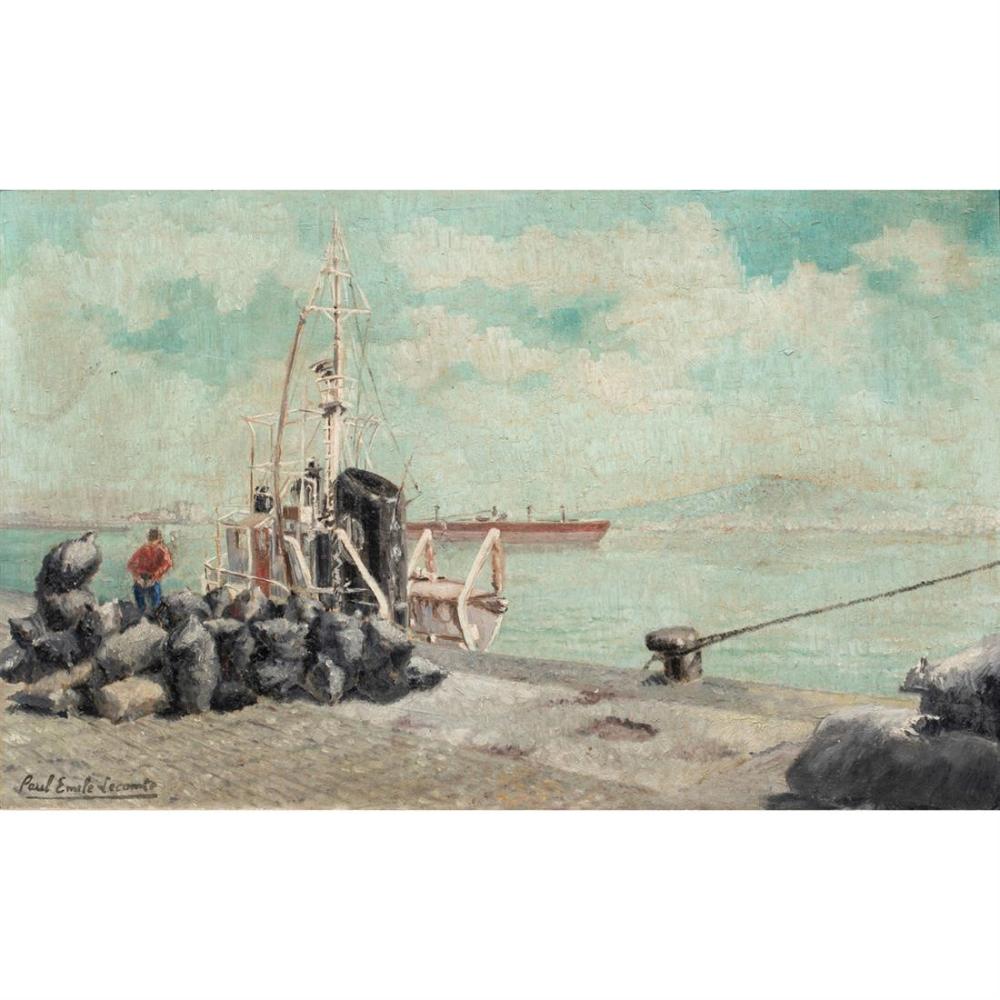
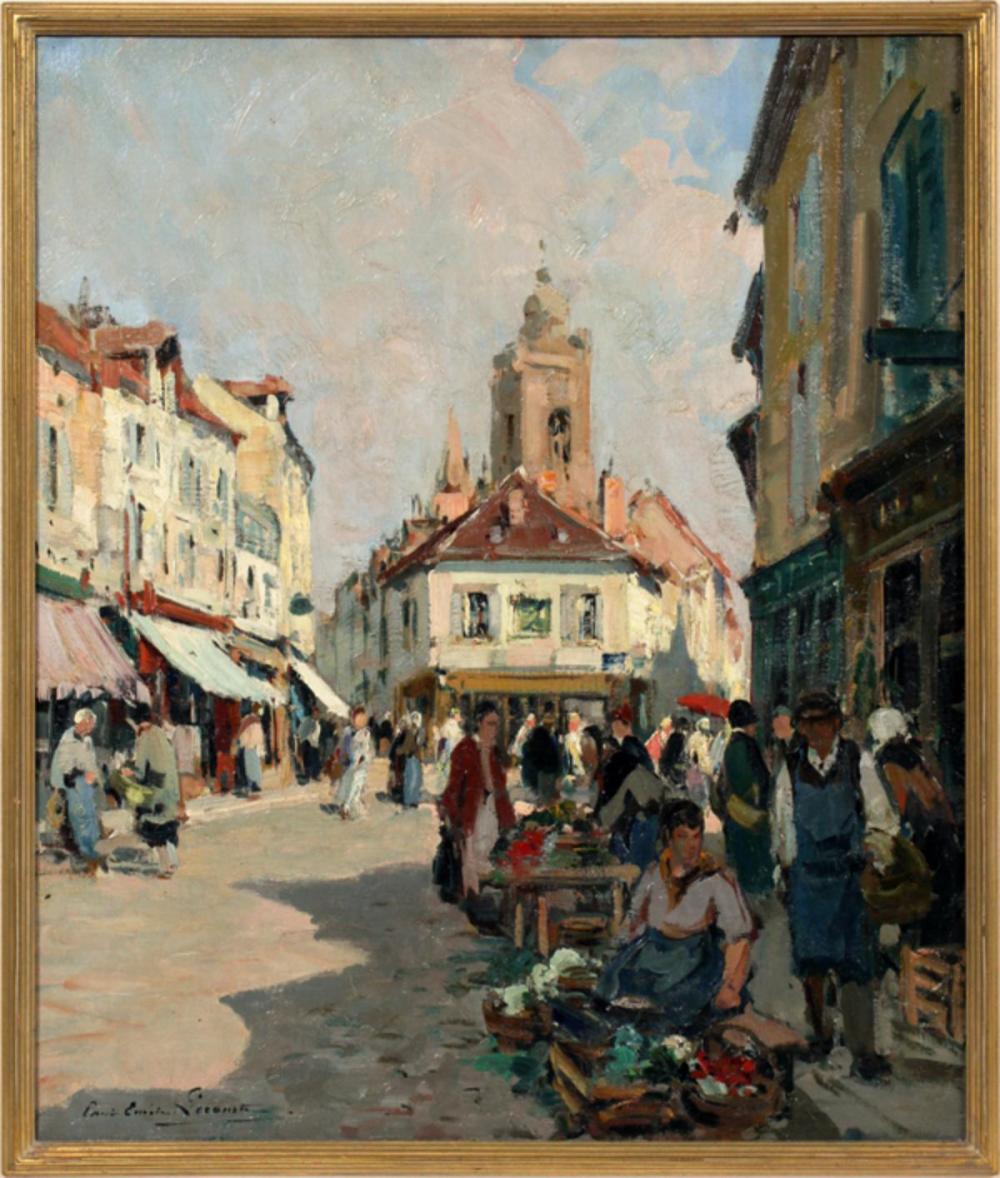
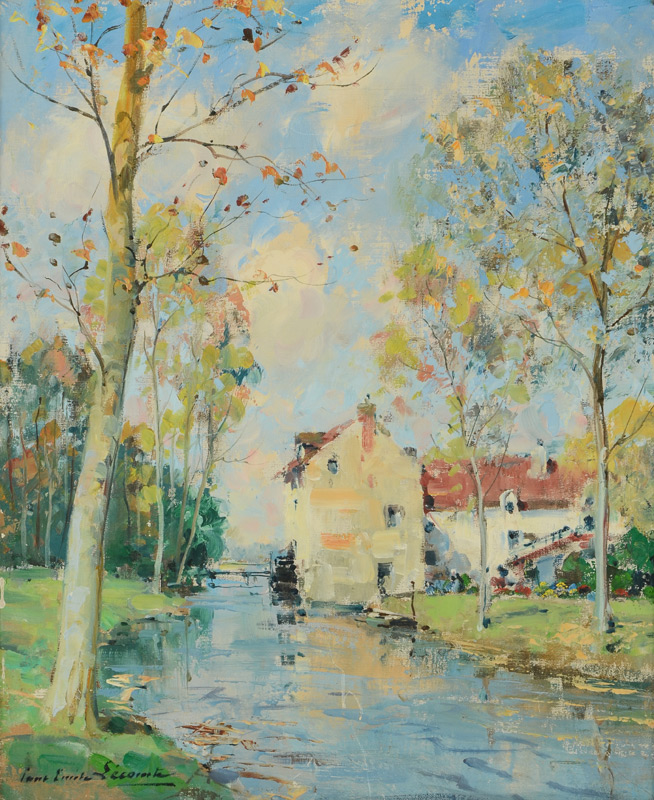
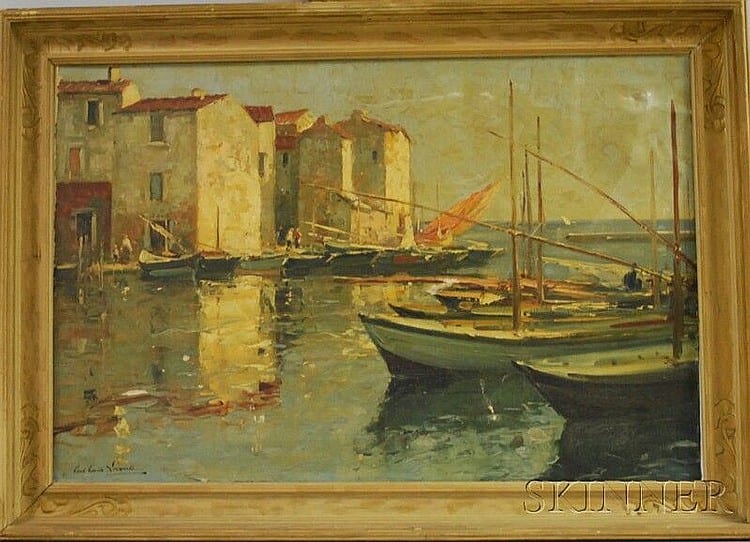
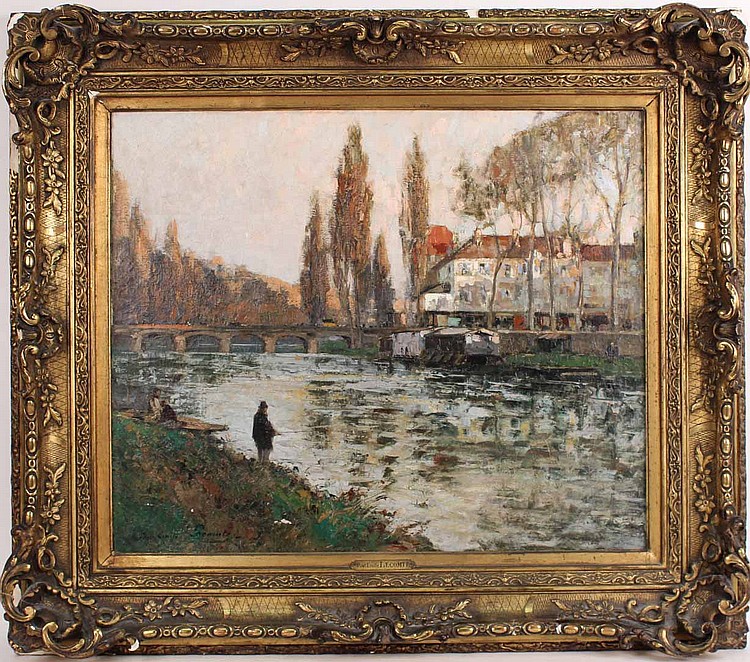
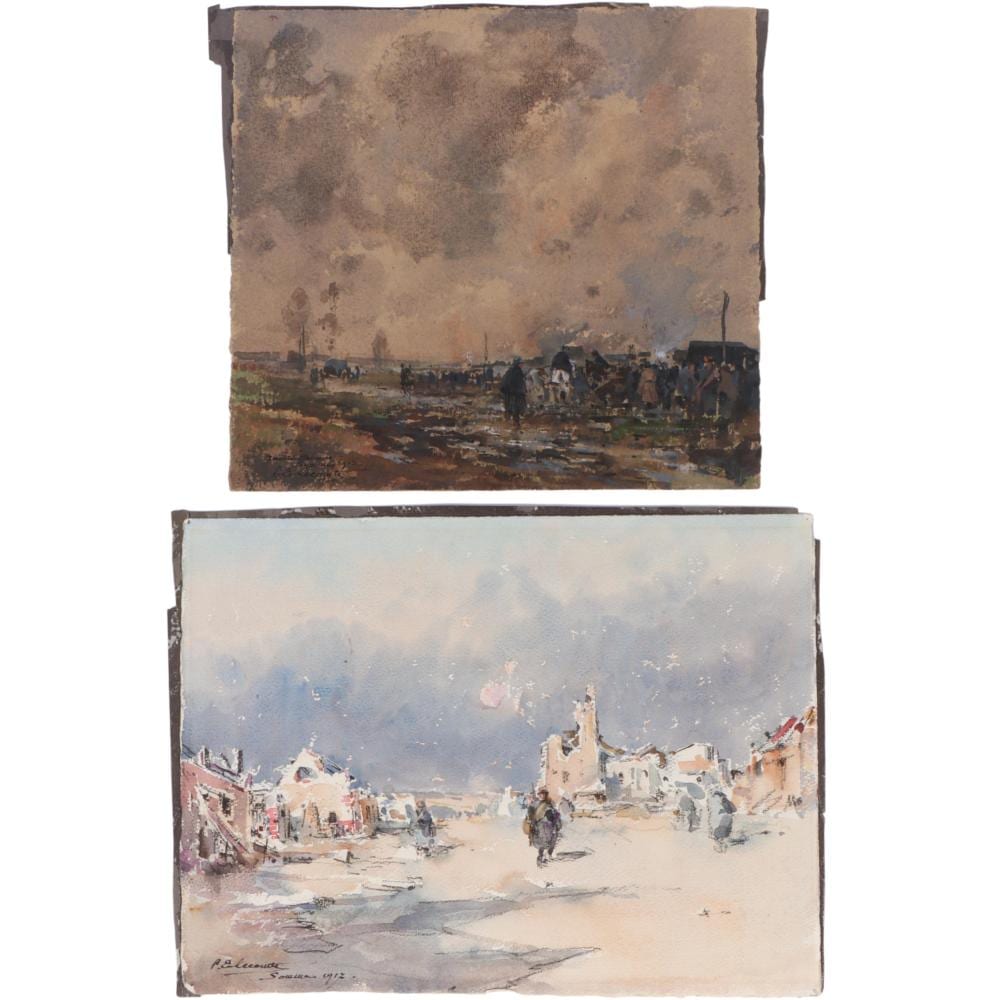
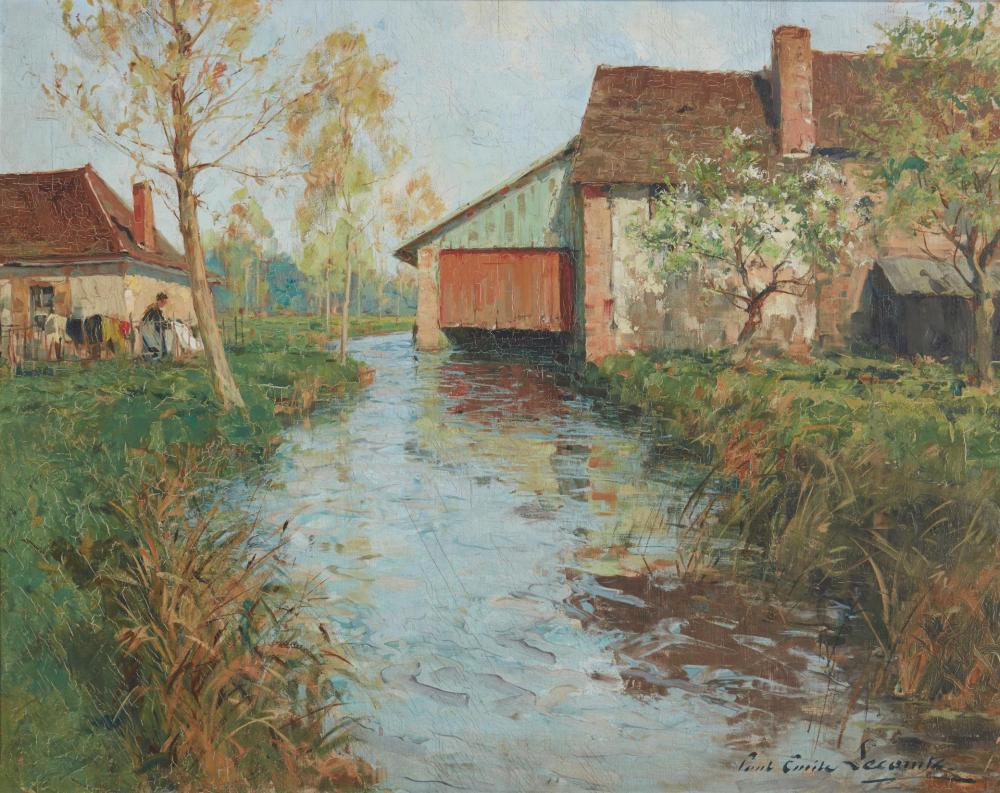
Paul Émile Lecomte is admired for atmospheric French landscapes, riverbanks, and harbors rendered primarily in watercolor and oil. Because his name appears on a wide variety of works on paper—some genuinely hand-made, others mechanical reproductions—collectors and appraisers frequently encounter pieces labeled “original etching” and wonder what, exactly, they have. This guide clarifies authorship, explains how to authenticate an original etching, and outlines value drivers.
Who Was Paul Émile Lecomte?
Paul Émile Lecomte (1877–1950) was a French painter associated with lyrical views of the French countryside—particularly river scenes along the Seine and Marne, coastal towns in Normandy and Brittany, and tree-lined rural roads. He was the son and pupil of Paul Lecomte (1842–1920), also a landscape painter. The shared names, overlapping subject matter, and similar signatures lead to frequent attribution mix-ups.
Key points about the artist:
- Medium emphasis: watercolors and oils predominate in his oeuvre.
- Subjects: placid rivers, barges, bridges, poplars, village quays, harbor masts, and luminous skies.
- Signature: commonly “Paul Émile Lecomte,” “Paul-Émile Lecomte,” or “P. E. Lecomte.” The father typically signed “Paul Lecomte,” sometimes without the middle name.
- Style: high-key tonality, refined drawing, and a romantic naturalism rather than stark modernism.
While the artist is best known for paintings, prints bearing his name circulate widely. The crucial question is how many of those are true, hand-pulled etchings versus reproductions.
Did Lecomte Create Original Etchings?
Original etching is a term of art: it means the artist (or a printmaker working directly from the artist’s hand-drawn copper or zinc plate) created a design incised into a metal plate, inked it by hand, and printed it on a press. Each impression is an original print because it comes off the plate, not from a photographic or offset process.
With Paul Émile Lecomte, there are three common scenarios:
- Authentic original etchings
- Less frequently encountered than his watercolors.
- Typically show an incised platemark (a rectangular indentation) around the image.
- May include a pencil signature in the lower right margin and a title or edition note (e.g., “Epreuve d’Artiste,” an artist’s proof) in the lower left.
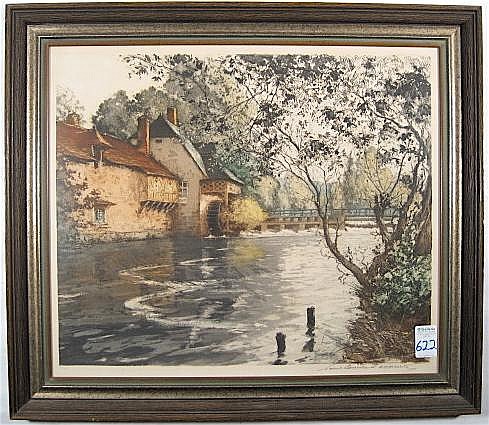
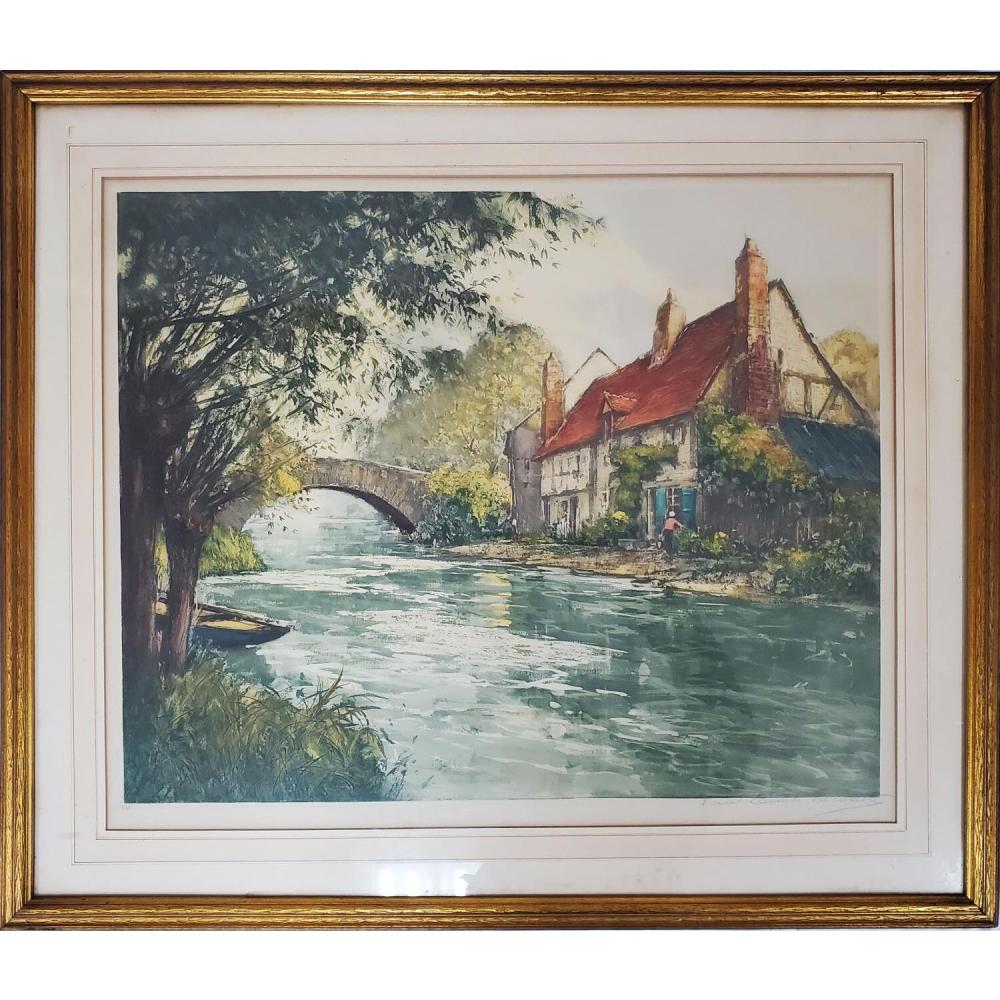
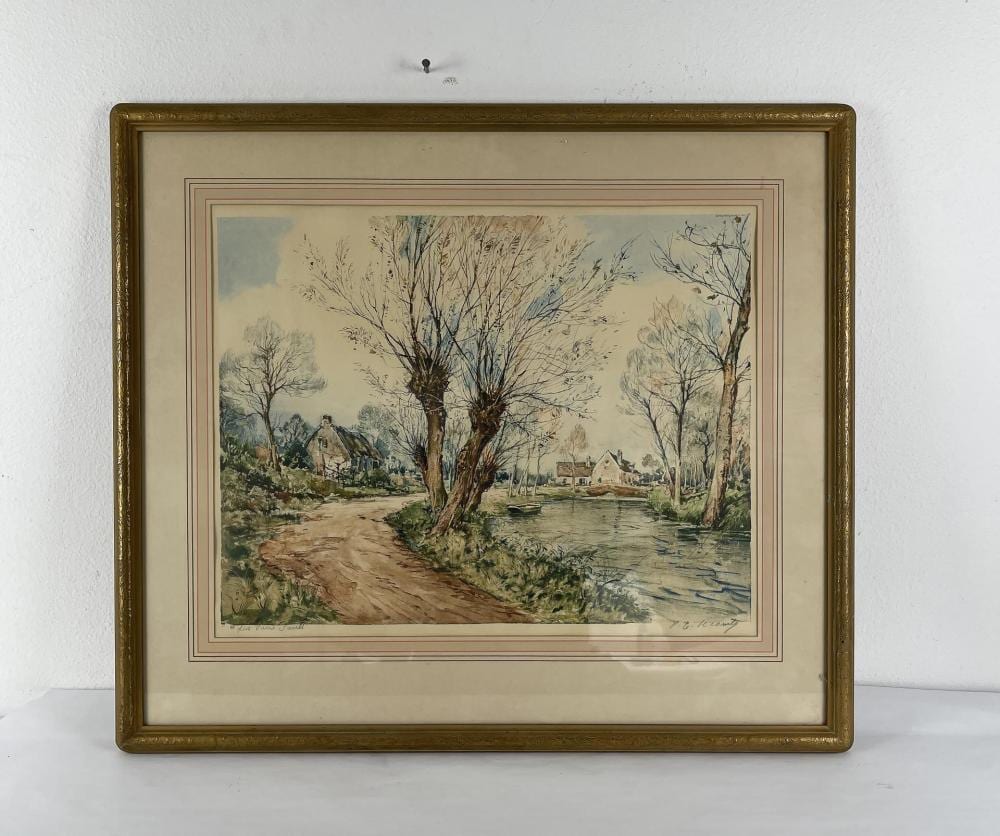
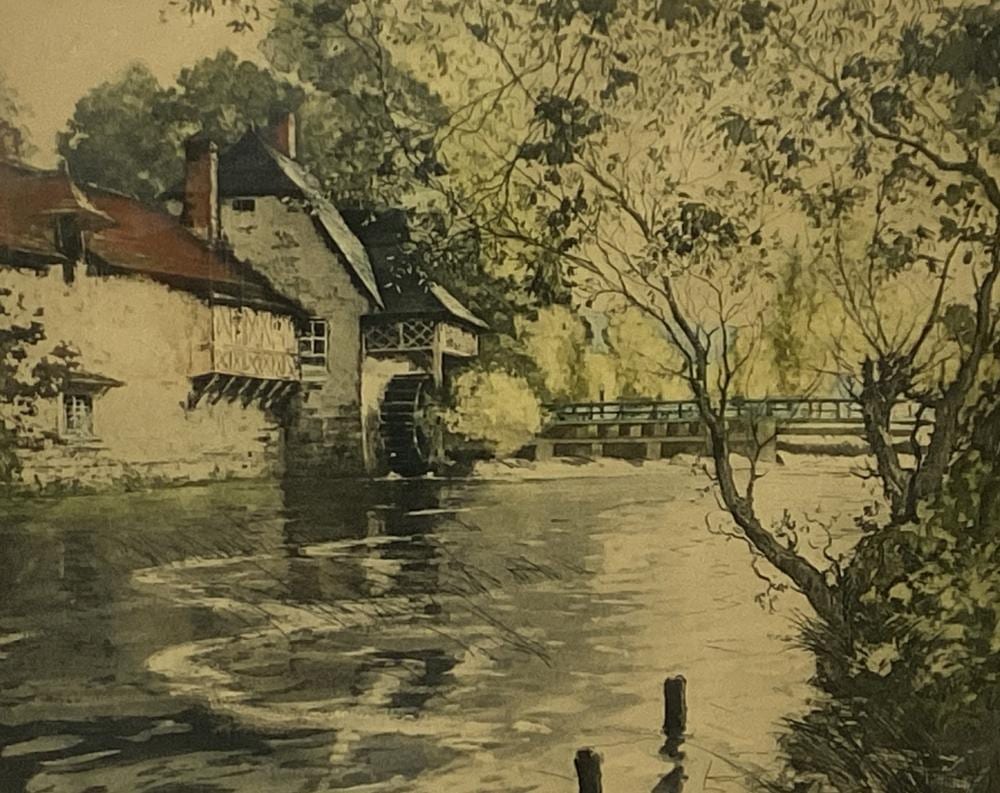
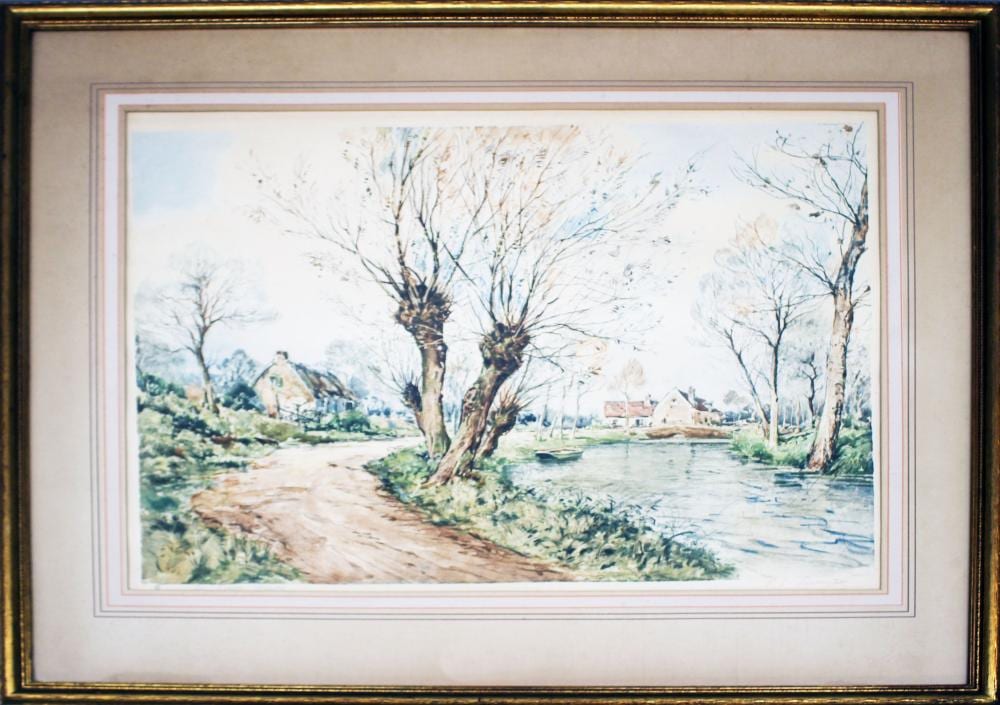
- Some color etchings exist: these may show aquatint grain and were printed either with multiple plates or à la poupée (selective inking).
- Photomechanical reproductions (photogravure, collotype, or halftone)
- Often misdescribed as “etchings.”
- May carry a printed (in-plate) signature but lack a genuine platemark or show only a simulated plate border printed in ink.
- Frequently issued as decorative prints in the early to mid-20th century; margins may bear a blind-stamped “Original Etching” or a publisher’s mark not connected to the artist.
- Later restrikes or posthumous prints
- If a plate existed, a publisher or estate might pull later impressions. These can be legitimate as prints from the original plate but are often less valuable if not supervised or signed by the artist.
- Posthumous prints rarely include a true artist’s pencil signature; any pencil signature dated after 1950 should be treated skeptically.
Bottom line: genuine, hand-pulled etchings by Paul Émile Lecomte do exist, but a substantial portion of “Lecomte etchings” on the market are photomechanical reproductions or decorative prints. Authentication hinges on physical examination.
How to Authenticate a Paul Émile Lecomte Etching
Use a methodical, physical-inspection approach. A 10x loupe, raking light, and a soft ruler are essential tools.
Platemark
- Look for a crisp, depressed rectangular line around the image where the plate bit into the paper. Under raking light, the paper fibers should visibly dip.
- Simulated platemarks printed in ink sit on the paper’s surface and do not indent the sheet.
Ink characteristics
- In a true intaglio etching, ink resides in recessed lines. Under magnification, lines have slightly raised edges and a subtle, uneven character. You may see plate tone (a faint veil of ink left on the plate) gently tinting the paper within the platemark.
- Photomechanical prints display dot patterns (halftone rosettes) or continuous, reticulated tone without the physical bite of a plate.
Line quality and burr
- Drypoint lines may show a velvety, fuzzy edge (burr). Aquatint areas look like fine, even grain—think of minuscule, sprayed dots fused by acid.
- Uniform, perfectly smooth outlines suggest reproduction.
Signatures and inscriptions
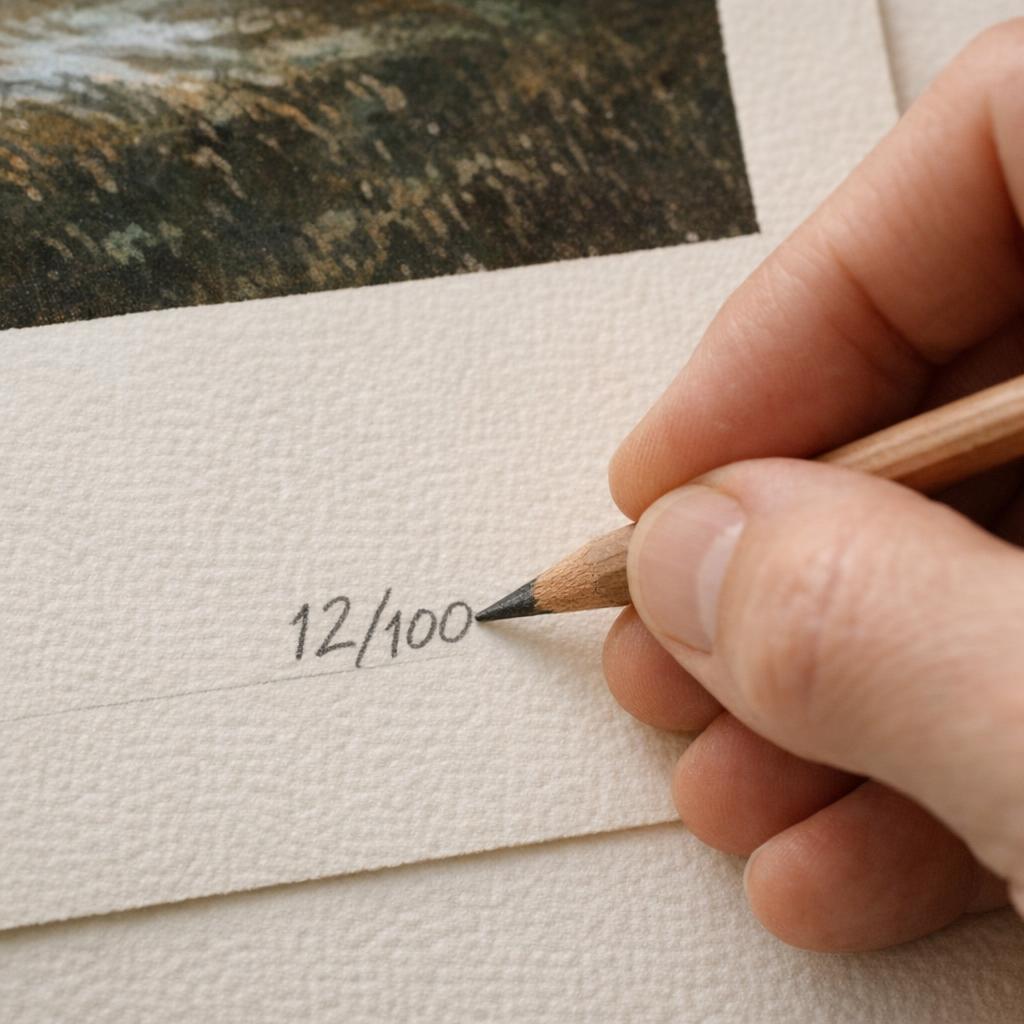
- Pencil signature: true limited-edition intaglio prints often have a graphite signature in the lower right margin. Under magnification, graphite sits on top of the paper and has slight shine when angled to light.
- Plate signature: appears in the image itself, printed in the same ink as the design. This does not confirm originality, as reproductions often carry a facsimile plate signature.
- Edition marks: look for “No. x/xx,” “E.A.” (épreuve d’artiste), or “H.C.” (hors commerce), often in the left margin. Scarcity generally helps value.
- Language: titles in French are common for Paris-printed editions. English captions sometimes indicate later export prints or reproductions.
Paper and watermarks
- Original intaglios often use high-grade wove or laid papers (e.g., Arches, BFK Rives, Van Gelder). Hold to light for watermarks near a deckle edge.
- Reproductions may be on thinner, wood-pulp sheets with uniform, machine-cut edges.
Dimensions
- Note both plate size (inside the platemark) and sheet size (full paper). Consistent plate sizes across multiple examples can point to a published edition; inconsistent cropping or trimmed margins can affect value.
Publisher’s chops and stamps
- A blind stamp from a reputable atelier or publisher strengthens the case for an original print but is not dispositive. Generic “Original Etching” embosses are common on decorative reproductions and should be treated cautiously.
Provenance
- Sales receipts, exhibition labels, or gallery notations can support attribution. Beware anachronistic documents or vague certificates without a known expert’s name.
When in doubt, compare with a known original intaglio under magnification to calibrate your eye, and consult a specialist print appraiser or paper conservator.
Condition, Conservation, and Framing
Condition significantly influences value. Etchings are sensitive to handling, light, and poor framing materials.
Watch for:
- Foxing: rust-colored spots from mold or metal impurities. Light spray-like foxing is common on older sheets.
- Overall toning: general paper darkening, often from acidic mats or long display.
- Mat burn: a brown rectangular halo where a cheap mat bordered the image.
- Stains and tide lines: water exposure leaves characteristic wavy, brown tidelines.
- Tears, losses, and creases: especially at corners or along the margins; repaired tears may fluoresce under UV.
- Abrasion and scuffing: wiped plate tone is delicate; overcleaning can create light spots.
- Trimming: margins cut down to or into the platemark reduce desirability and can complicate authentication.
Conservation and framing tips:
- Use an experienced paper conservator for washing, deacidification, and foxing reduction when appropriate.
- Mount with Japanese paper hinges and wheat starch paste; avoid pressure-sensitive tapes and cardboard backings.
- Mat with 100% cotton rag or lignin-free, buffered boards; allow a window that clears the platemark.
- Glaze with UV-filtering acrylic or glass and keep out of direct sunlight.
- Maintain stable indoor conditions: roughly 40–55% RH and moderate temperature; avoid basements and attics.
Market Value and Collecting Tips
Value drivers for Paul Émile Lecomte prints:
- Authorship and medium: a confirmed, hand-pulled etching typically surpasses mass reproductions by a wide margin. Watercolors and oils still command significantly higher prices than prints.
- Signature and edition: a clean pencil signature and a documented, low edition (e.g., under 100) are positive indicators. Plate-signed only or unsigned impressions are usually worth less.
- Subject and size: idyllic river views, bridges, barges, and iconic sites (Honfleur, the Seine) tend to perform better. Larger plates can be more desirable, assuming condition is strong.
- Color: well-inked color etchings with nuanced aquatint often outpace monochrome impressions.
- Impression quality: rich plate tone, velvety lines, and even inking point to an early, desirable pull from the plate. Worn-plate impressions appear pale and can be less valuable.
- Condition: untrimmed margins, no mat burn, minimal foxing, and professional framing support better results.
- Provenance: gallery or exhibition history and reputable collection labels help.
Expectations and ranges:
- Original etchings with pencil signatures and sound condition commonly trade in the lower-to-mid hundreds in many markets, with strong subjects and color potentially higher.
- Photogravures and decorative reproductions are often modest, sometimes nominal.
- Remember that regional demand, currency, and venue (auction vs. dealer vs. private sale) can materially shift prices.
Collecting strategy:
- Buy the best condition you can afford; restoration is possible but not always economical.
- Prioritize impressions with pencil signatures, clear platemarks, and intact margins.
- If new to prints, acquire a known original intaglio from any artist to learn the tactile and visual cues; then compare your Lecomte candidate.
- Keep documentation: invoices, condition notes, and photographs pre- and post-framing.
Quick Checklist for Appraisers and Buyers
- Confirm a real platemark with visible paper indentation under raking light.
- Inspect lines with a loupe: intaglio ink in recesses, not a halftone dot pattern.
- Look for a genuine pencil signature and, if present, edition notation in the margin.
- Check paper quality and watermarks; beware brittle, wood-pulp sheets.
- Measure plate and sheet dimensions; note any trimming into margins.
- Evaluate condition: foxing, mat burn, tears, staining, and creases.
- Note subject, color use, and impression strength; compare to known examples.
- Record provenance and any publisher’s stamps; be wary of generic “Original Etching” embosses.
- If uncertain, seek a specialist opinion before purchase or valuation.
FAQ
Q: My print has “Paul Émile Lecomte” printed in the image but no pencil signature. Is it original? A: A plate (printed) signature alone is not proof of originality. Many photogravures carry a printed signature. Look for a genuine platemark, intaglio ink characteristics, and—ideally—a pencil signature or edition mark in the margin.
Q: The border shows a rectangular line, but I can’t feel an indentation. Is that a platemark? A: Not necessarily. Reproductions often simulate a plate border in ink. A true platemark physically compresses the paper; it’s visible and tactile under raking light.
Q: Are color Lecomte etchings more valuable than black-and-white? A: Often, but not always. Color can add appeal, especially with fine aquatint and subtle inking. However, impression quality, condition, and subject matter weigh just as heavily.
Q: How do I distinguish works by Paul Émile Lecomte from those by his father? A: Signatures that fully spell out “Paul Émile Lecomte” or “P. E. Lecomte” typically indicate the son. The father often used “Paul Lecomte.” Subject overlap occurs, so rely on signature style, handwriting comparison, and period provenance for clarity.
Q: Should I clean foxing or stains myself? A: No. Amateur cleaning risks abrasion, tide lines, and loss of plate tone. Consult a paper conservator for safe treatment options and cost-benefit guidance.