Lot description
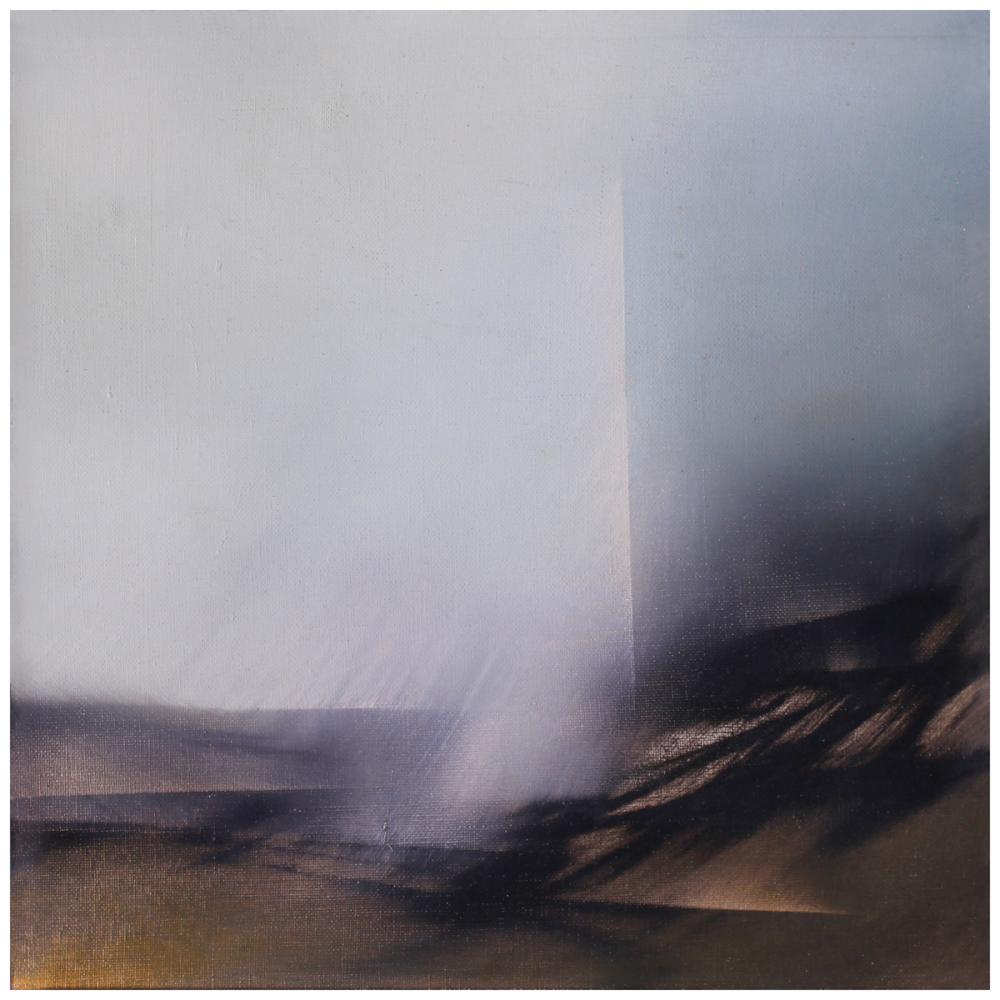
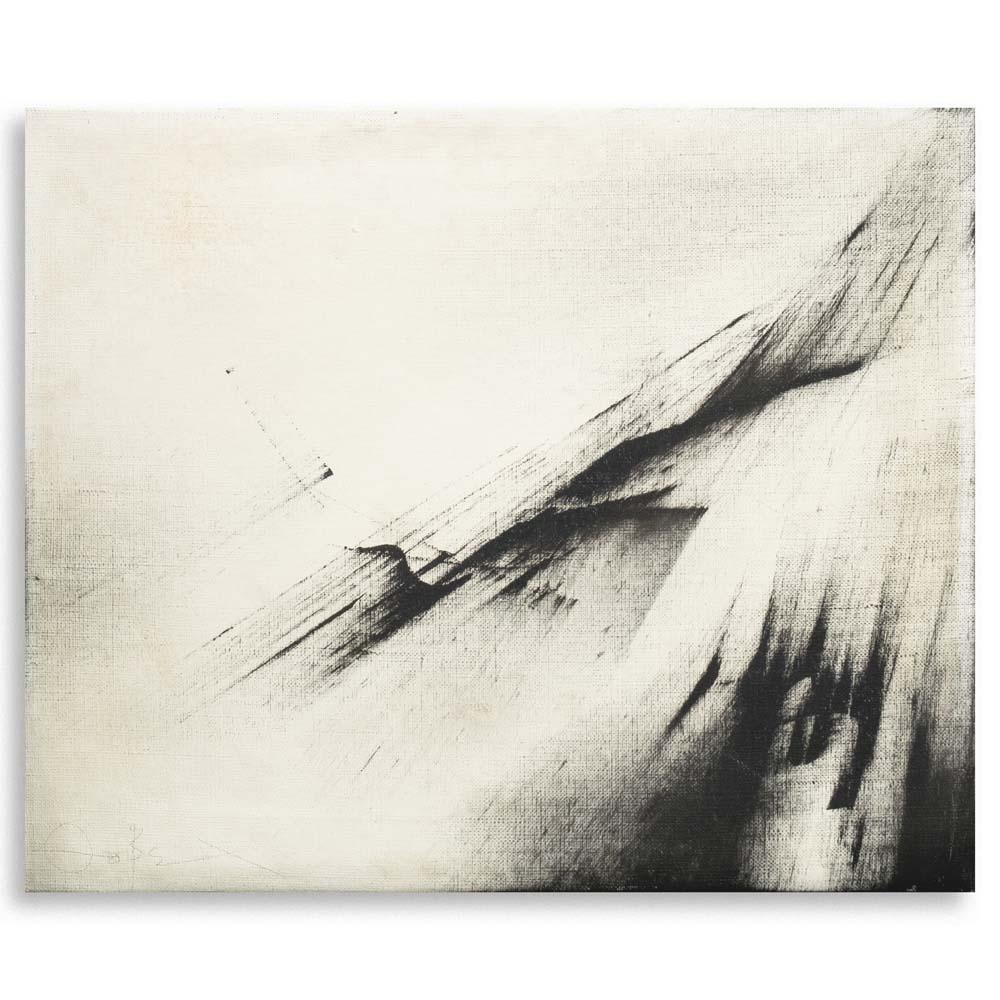
Talgo signed (lower left and verso), titled, and inscribed "ZOBEL 523 TALGO" (verso) 1962 oil on canvas 15" x 18" (38 cm x 46 cm) PROVENANCE Private Collection, Michigan Subastas Abalastre, Subasta 12, Madrid, 10 - 12 February 2016, Lot 180 LITERATURE De la Torre, Alfonso and Rafael Pérez-Madero. Fernando Zóbel: Catalogue Raisonné of Paintings (1946 - 1984). Madrid: Fundación Azcona, 2022. Listed as "62-48 TALGO" with full-color illustration and painting description on page 248. We can say without a doubt that 1962 was one of the most important years in Fernando Zobel’s career. By then, his artistic language had fully matured, and he had embraced the deep reflection on his work that came with the “serie negra”. “Talgo” is an amazing artwork. Painted in August, it’s one of the very few small format canvases Zobel has ever created. The size - 38 x 46 cm, which Zóbel used for the first time in 1962, it’s used in only nine works from that year, and in ten additional pieces made between 1964 and 1976. Regardless of the canvas size, Zobel´s work and his visual language remains powerful and effective. Even in a smaller format, his technique is just as strong and compelling. When looking at a photo of Talgo, one might easily think it’s a much larger piece. The title refers to the high-speed train “Talgo,” which marked the beginning of the modernization of Spain’s railway network. Unlike most of the artist’s works— especially within his “serie negra”—this title makes a clear suggestion of movement, evoking the concept of a “saeta” (a type of arrow or dart), a visual motif he had explored in earlier pieces. In this painting, we could think of a train approaching from the right side—once again invoking the diagonal composition that Zóbel loved so much. In the lower right, we see what could either be a landscape or perhaps a windmill-like form created by the rapid motion of the train. This diagonal play and the projection of lines— derived from his earlier “saetas”—convey a strong sense of motion, and in this case, the speed of the fast train. It is in works like these – intimate yet powerful – that Zóbel reveals himself as one of the great painters of his time, capable of expressing a profound idea with a remarkable intensity, even on a small size. This art piece belonged to the north American artist Julian Hatton, close friend of Fernando Zóbel- something that speaks to the value this work held for the both of them.