Lot description
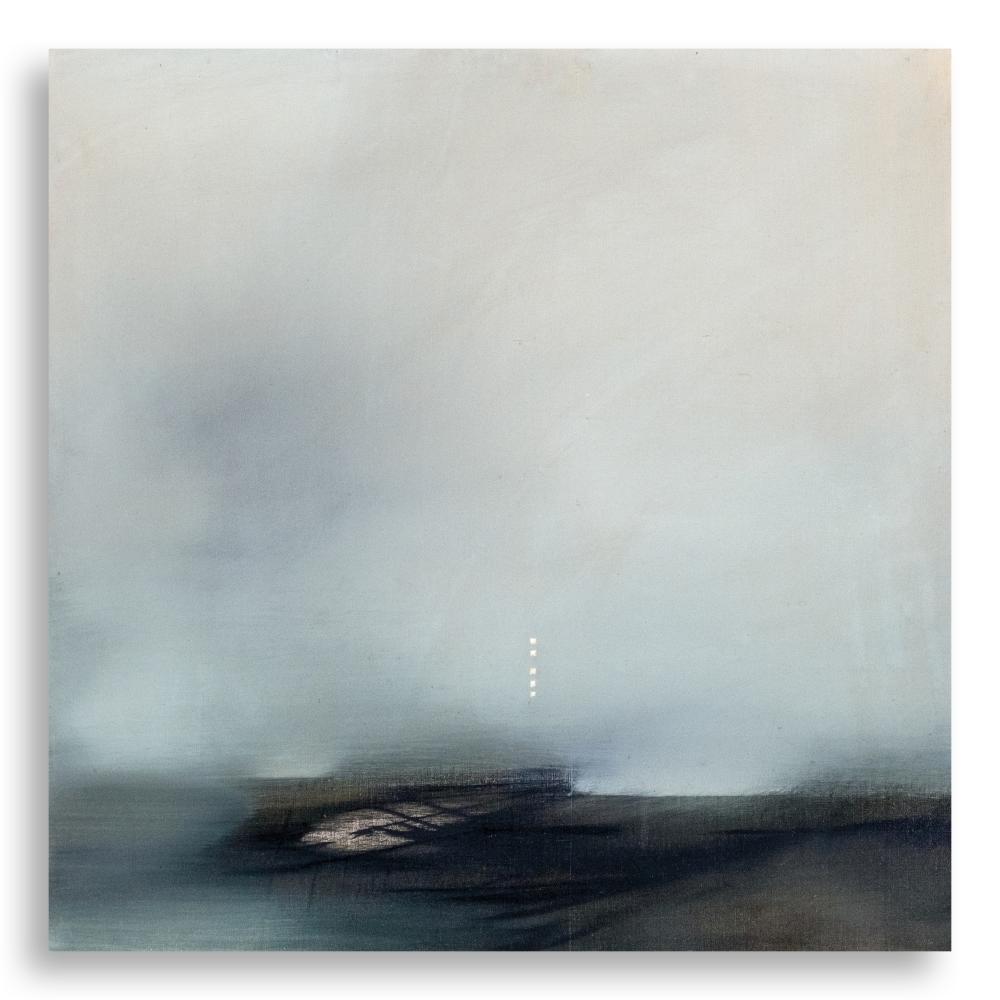
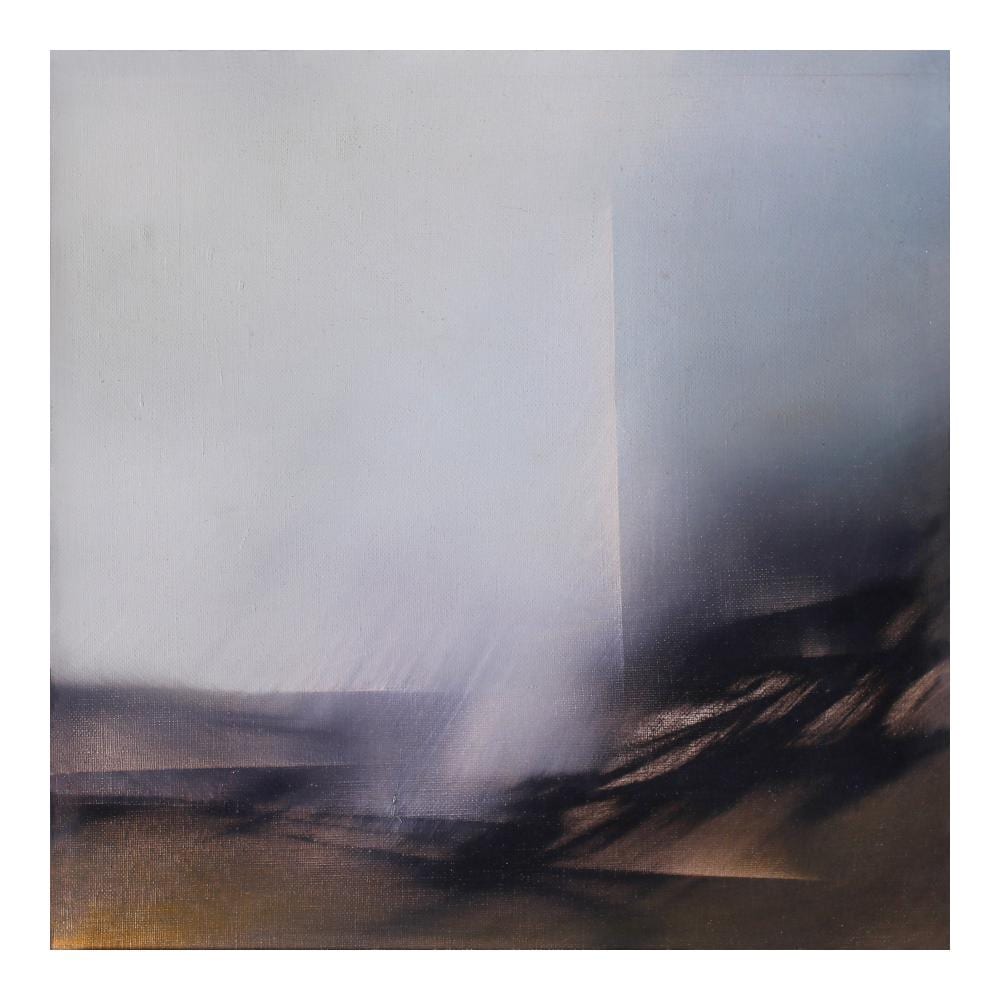
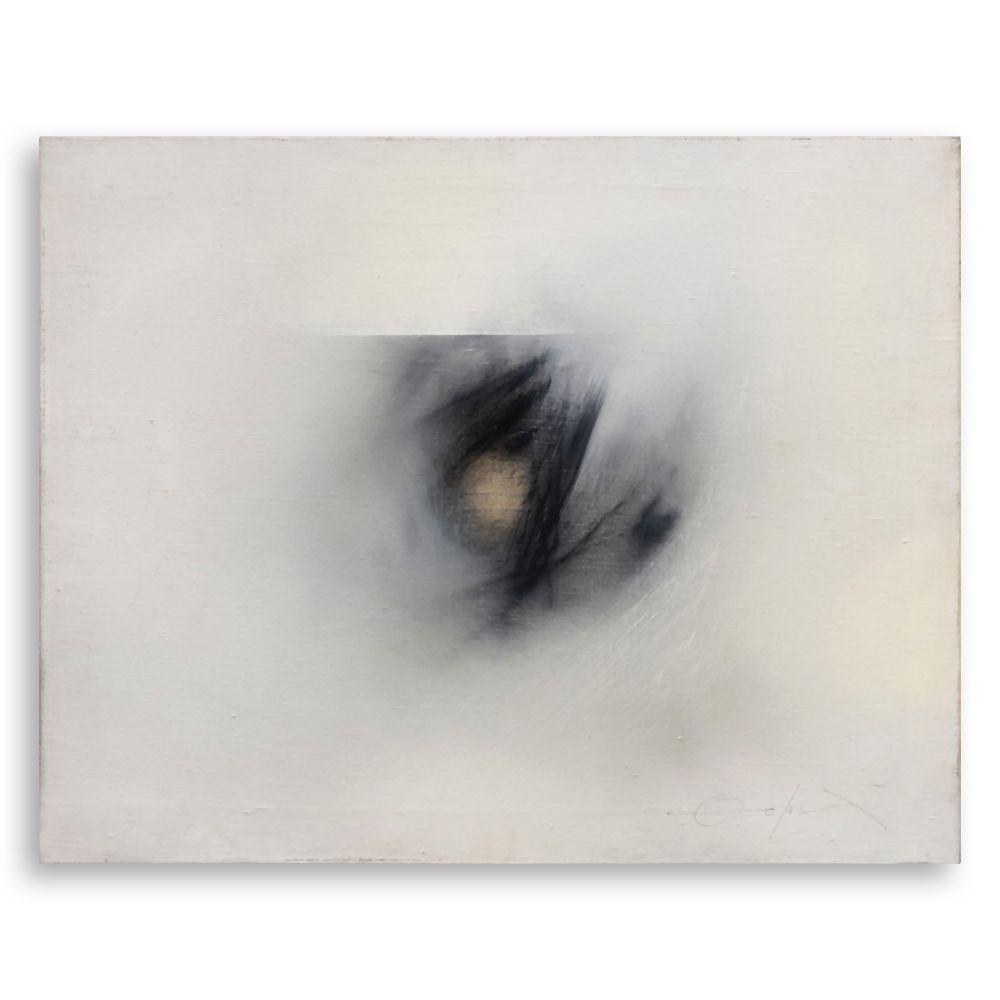
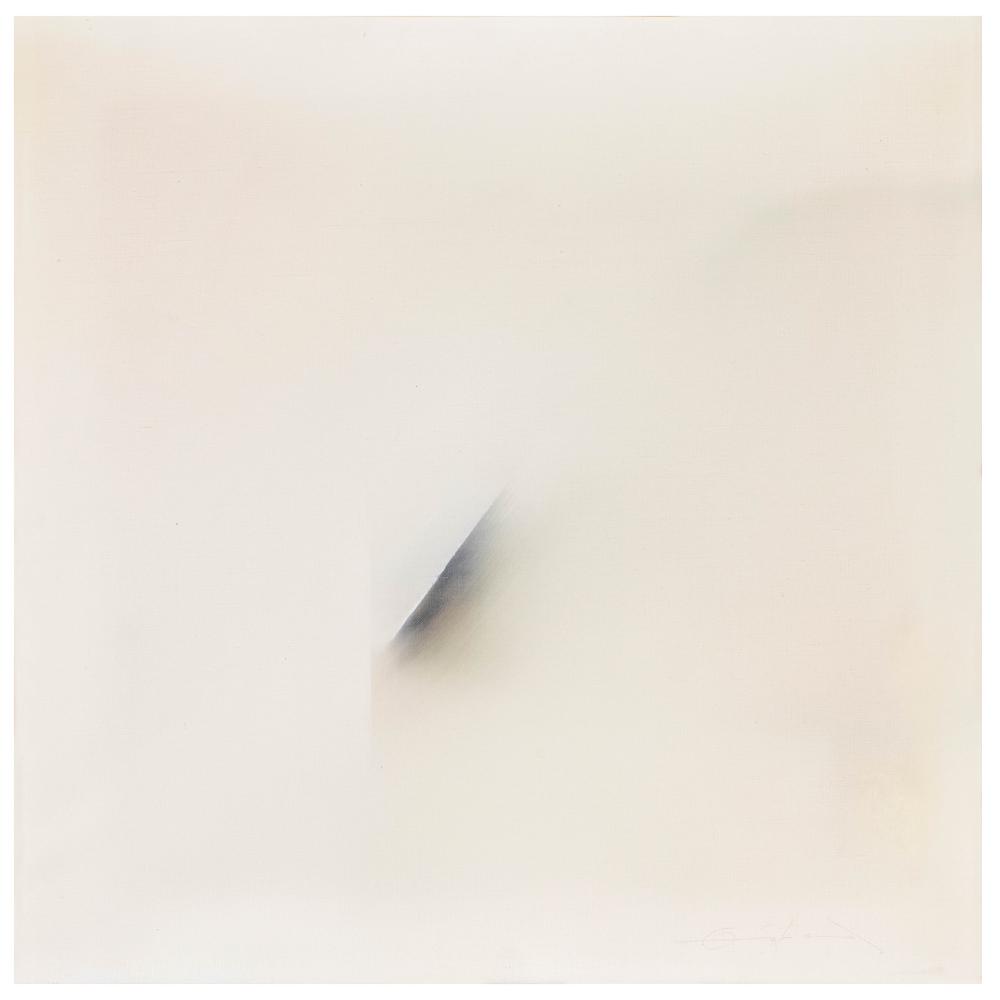
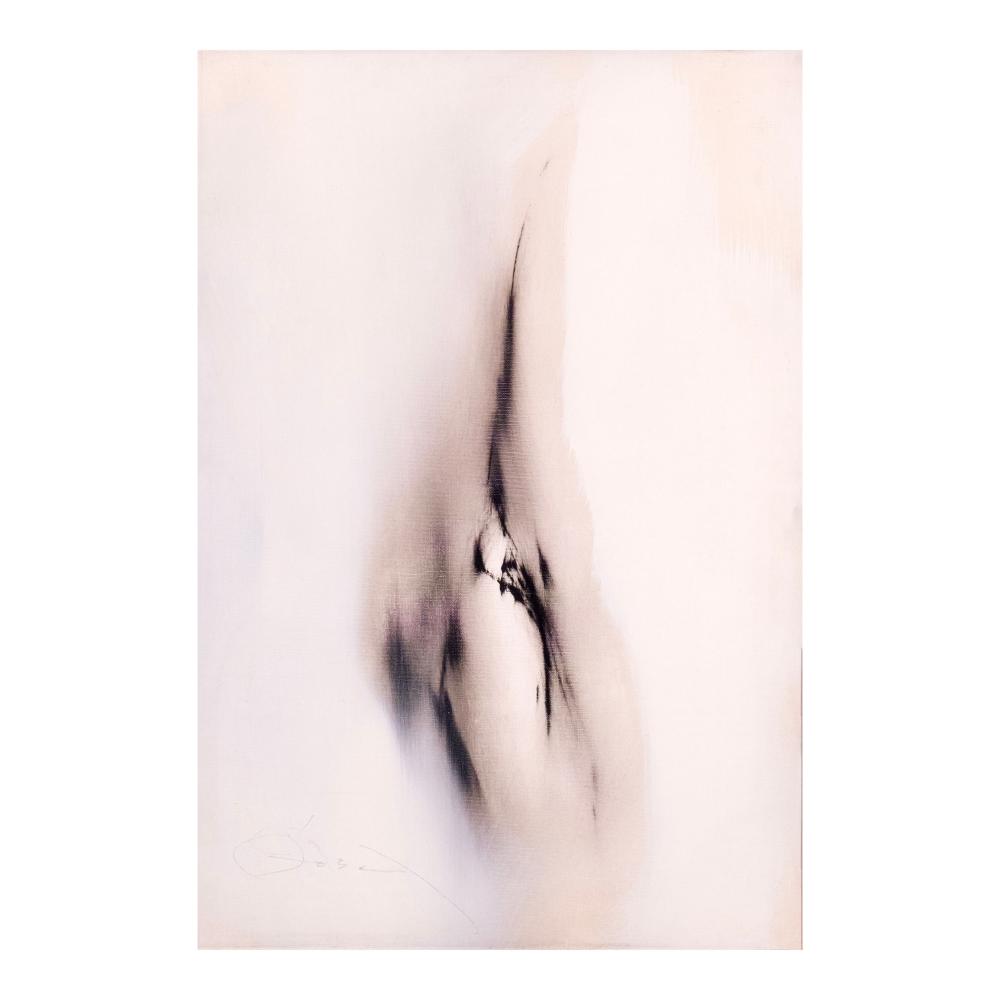
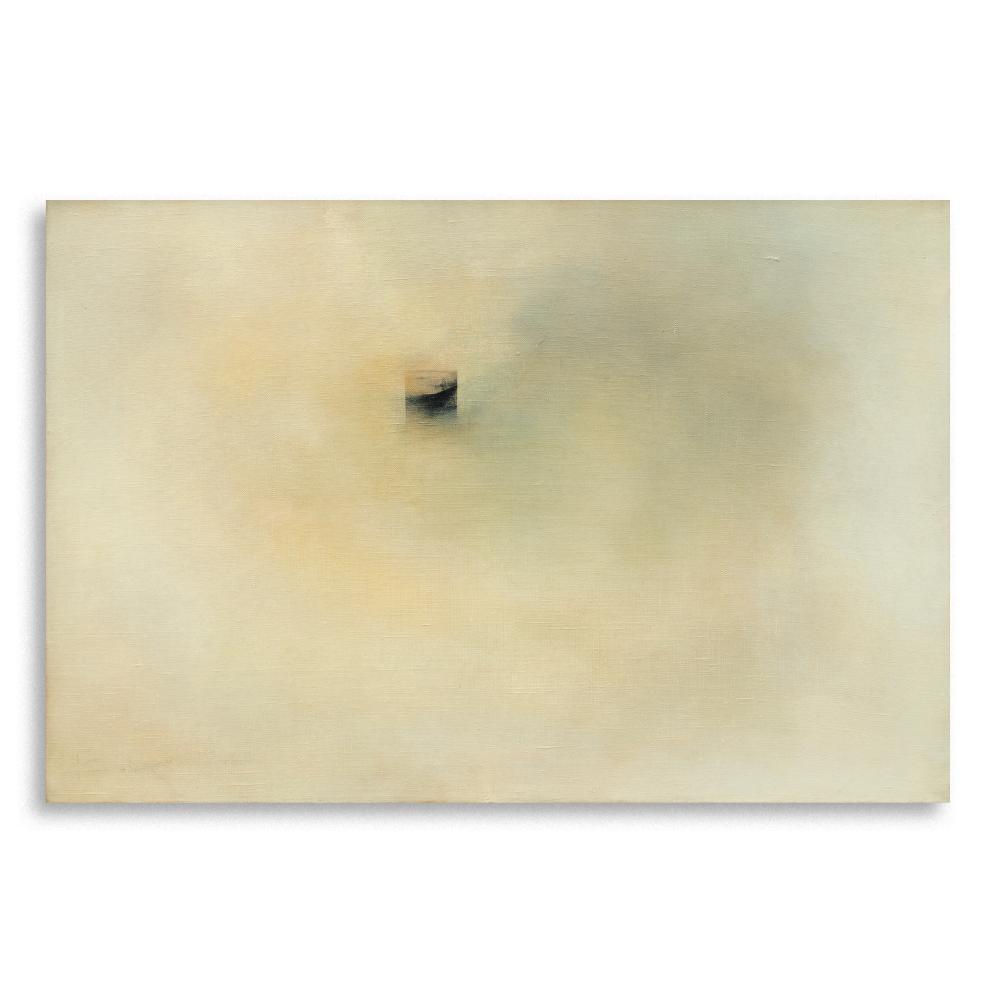
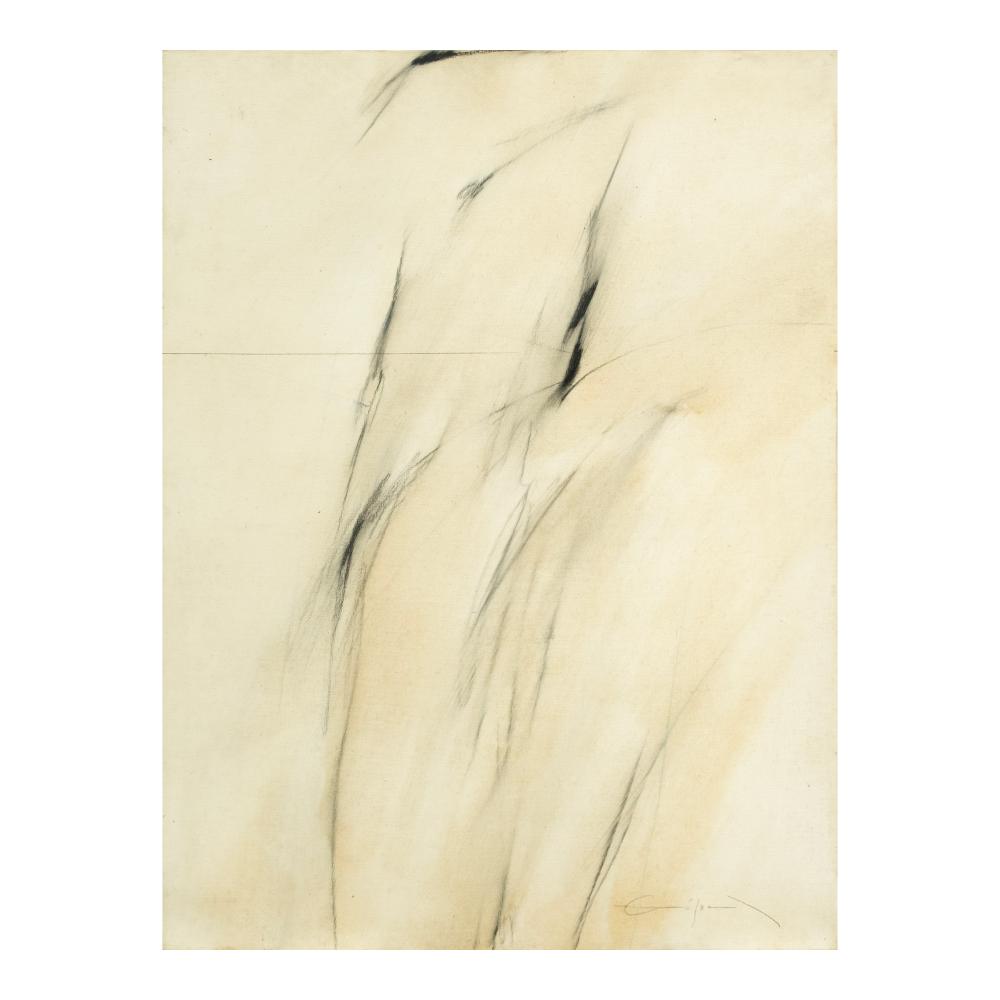
PROPERTY FORMERLY IN THE GERARDO RUEDA COLLECTION Iris II - Boceto signed (lower right) and inscribed "Iris II" (verso) dated 1980 oil, pastel, and pencil on canvas 31 1/2" x 24" (80 cm x 60 cm) PROVENANCE Acquired directly from the artist by Gerardo Rueda Christie's, Asian 20th Century Art (Day Sale), Hong Kong, 31 May 2015, Lot 450 LITERATURE DE LA TORRE, Alfonso (Director). In collaboration with Rafael Pérez-Madero. Fernando Zóbel. Catalogue Raisonné of Paintings (1946-1984)-Catálogo Razonado de Pinturas de Fernando Zóbel (1946 - 1984). Madrid-Manila: Fundación Azcona, Fundación Juan March, Ayala Foundation and Fernando Zóbel Heirs, 2023. Nº cat. 80-59, p. 612. Dividing his time between Manila and Madrid, Zóbel soon became a vital figure in postwar abstraction. Alongside artists such as Gerardo Rueda, he sought to redefine painting not as expressionistic turmoil but as an act of reflection and balance. His collaboration with Rueda, in particular, was both personal and philosophical—a meeting of minds that culminated in the founding of the Museo de Arte Abstracto Español in Cuenca. Conceived together, the museum embodied their shared belief in the spiritual and intellectual rigor of abstraction, offering a sanctuary for artists devoted to the poetic potential of form and light. Created during the 1980s, Iris II belongs to Zóbel’s final and most distilled period. By this time, he had moved away from the dynamic brushwork and dense tonalities of his earlier Serie Negra and Saetas series. In their place emerged a quieter, more deliberate exploration of space and gesture. Iris II exemplifies this evolution—its faint washes of ivory and sepia form a contemplative ground upon which dark, tapering strokes drift like traces of movement or breath. These weightless lines, drawn with a subtle tension, seem to hover between emergence and disappearance, evoking the impermanence of thought or memory. The work reveals what can be seen as Zóbel’s profound dialogue with Rueda’s own minimalist sensibility. Rueda’s practice, characterized by its architectural precision and sensitivity to material, reinforced Zóbel’s growing interest in restraint and order. Their shared aesthetic sought to capture the essence of form stripped of excess—to find beauty in quiet equilibrium. In Iris II, this is expressed through the delicate balance between gesture and void, density and air, presence and erasure. In his final years, Zóbel’s art became an act of contemplation. Works like Iris II no longer speak in the assertive language of modernism’s grand narratives, but rather in whispers—in the spaces between light and shadow, sound and silence. Here, Zóbel memorializes the enduring gravity of stillness, transforming the act of drawing into a meditation on time itself. As art historian Rod. Paras-Perez once noted, Zóbel’s mature works “are not about what the eye sees, but what the mind continues to perceive long after seeing.” Iris II stands as a testament to that vision: a painting that invites the viewer not to look harder, but to listen more quietly. Zóbel continues to occupy a singular place in both Philippine and Spanish modernism. Born in Manila to a family deeply engaged in culture and intellect, Zóbel’s education at Harvard University and later at the Rhode Island School of Design exposed him to the Western avant-garde at its height. It was there that he first encountered the works of Mark Rothko, whose meditative chromatic abstractions profoundly shaped Zóbel’s lifelong search for a visual language rooted in silence, rhythm, and introspection. (Jed Daya)