Lot description
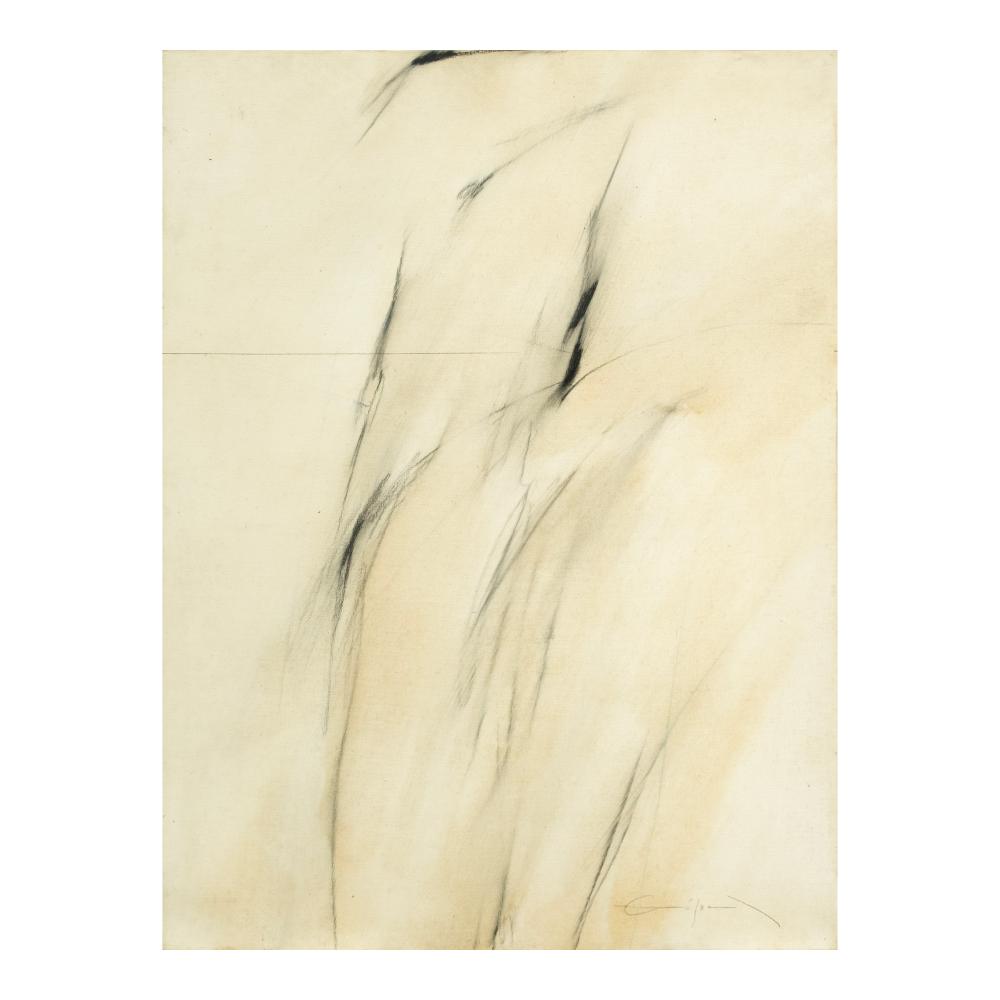
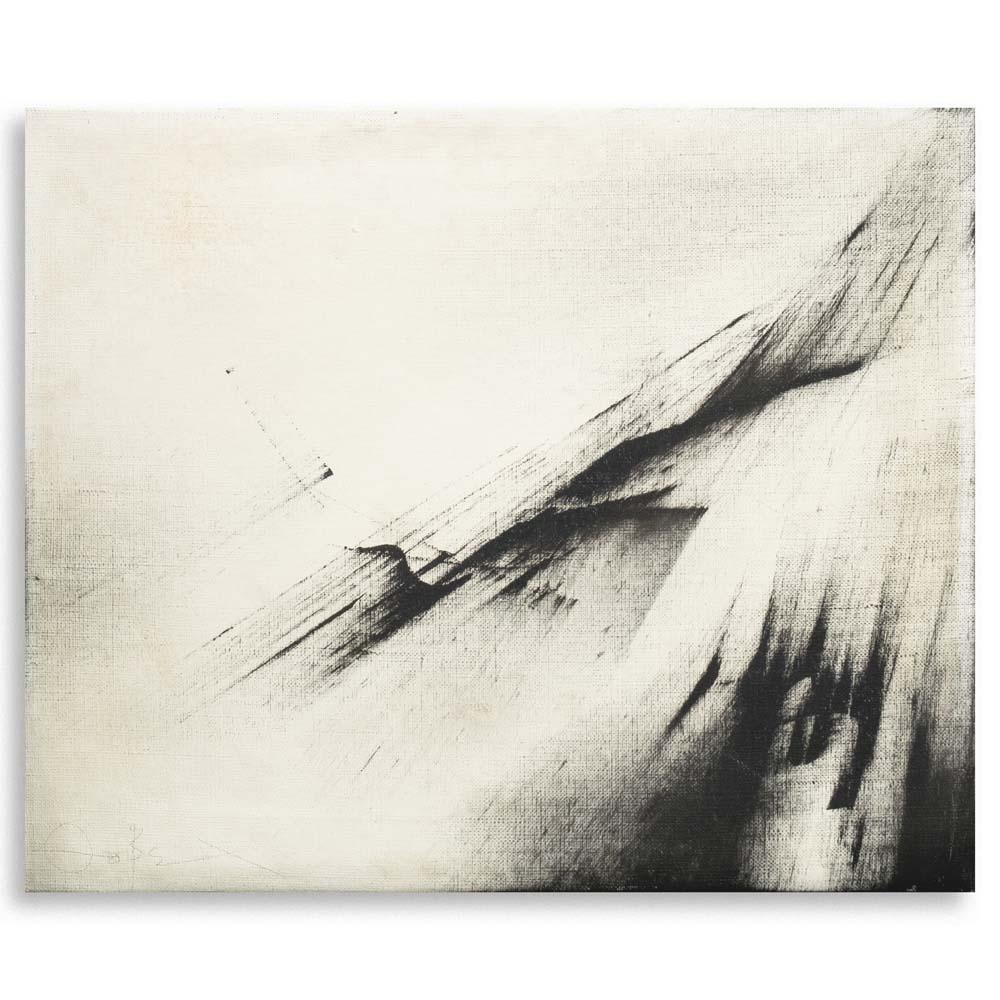
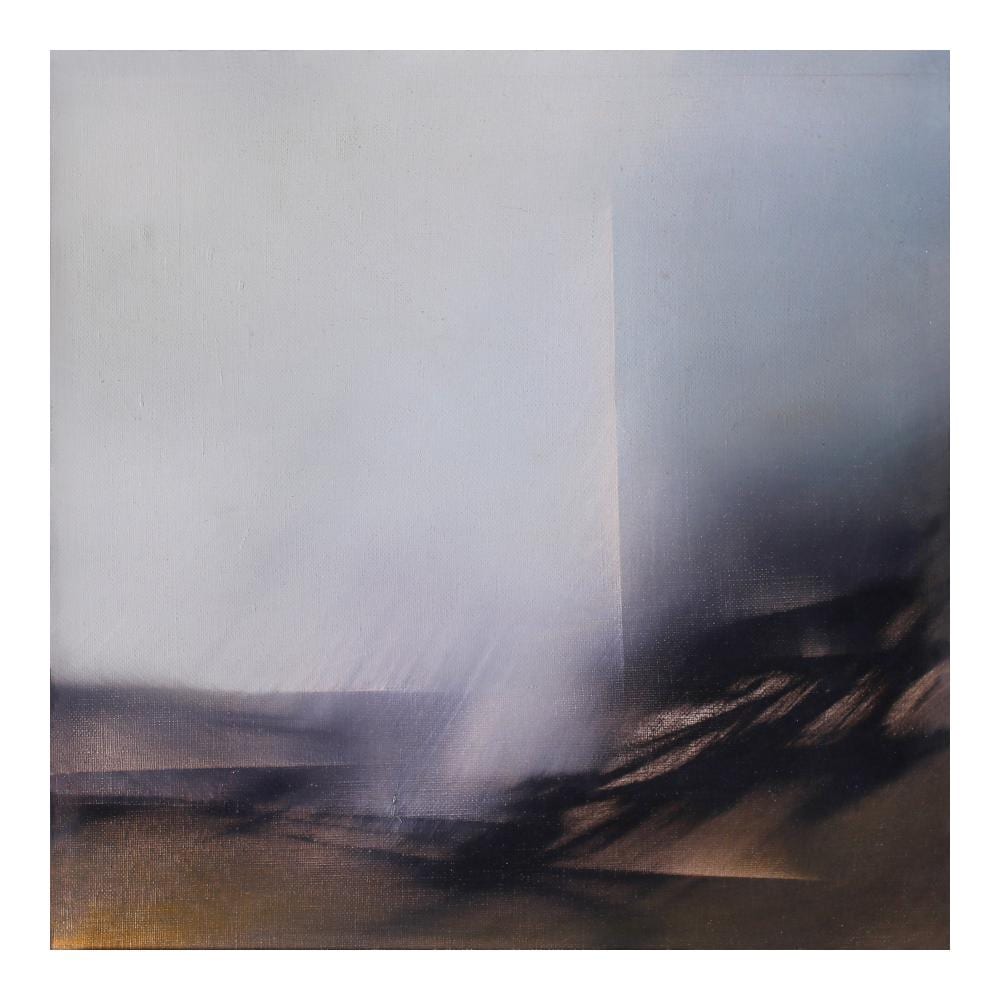
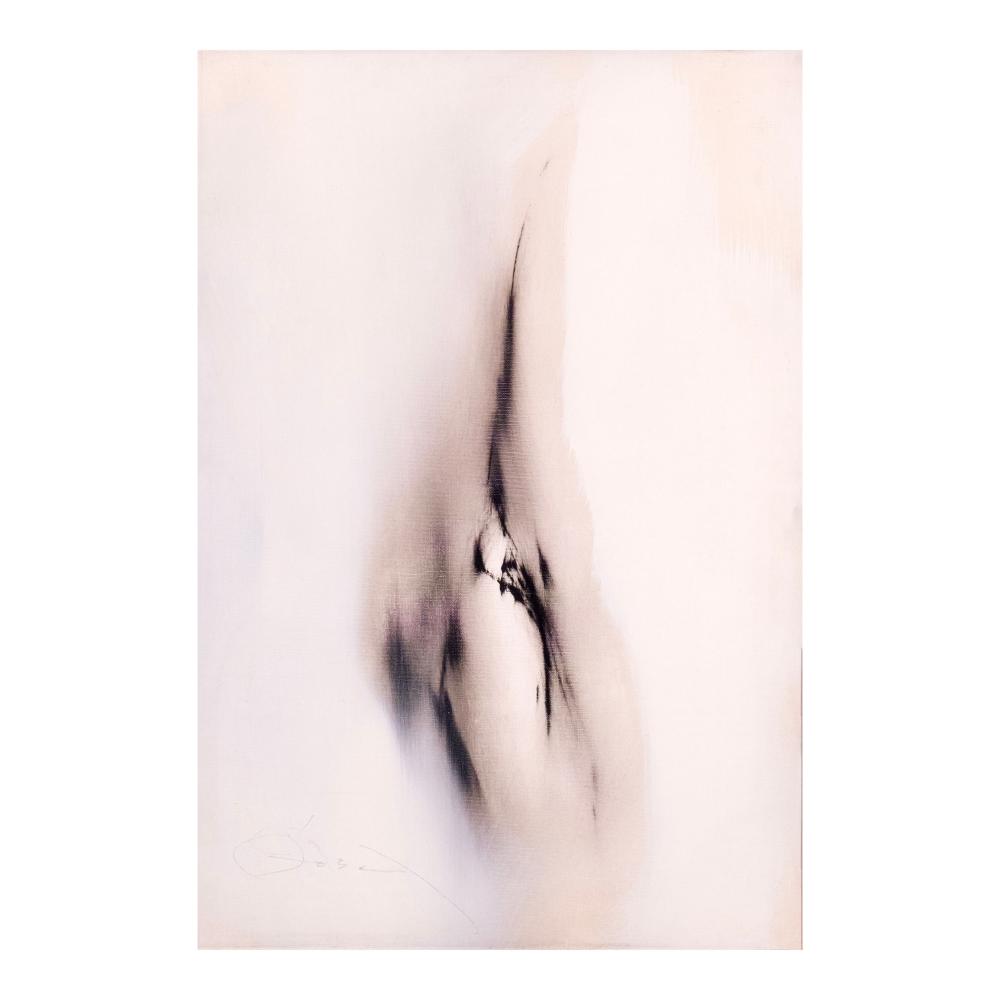
Gestos XXIX - Climbing signed (lower left and verso), dated 1979 and inscribed "GESTOS XXIX 79-10" (verso) oil on canvas 24" x 16" (61 cm x 41 cm) LITERATURE: De la Torre, Alfonso and Rafael Pérez-Madero. Fernando Zóbel: Catalogue Raisonné of Paintings (1946 - 1984). Madrid: Fundación Azcona, 2022. Listed as "nº 79-10" with painting description on page 588. In the 1970s, Fernando Zobel reached perhaps what would be a zenith of his career. This prolific decade saw the abstractionist reach heights greater than he had previously done, with the series El Júcar and La Vista setting the tone his 1970s would pose. However, perhaps the greatest of his 1970s series is his Serie Blanca. The artist's most lyrical and most enigmatic work of fiction, it is what art critic Emmanuel Torres describes as Zobel' s "progression from the material to the spiritual." "After twelve years spent studying color, in the final pictures of La Vista, Zóbel's painting becomes predominantly white,” adds his biographer Angeles Villalba Salvador. “He thus commences the series, Serie Blanca, which he will continue until 1978." Serie Blanca would be the pinnacle of Zobel’s abstraction, his works pushing the common color of white to its limits and then well beyond it, It is a series of works that Villalba Salvador describes as “characterized by infinitely degraded whites, which distribute spaces and volumes and seem to lose themselves on the edges of the canvas.” “With Serie Blanca, the thematic aspect is broadened: light, volume, form, gesture, anatomies, still lifes, and, of course, themes from the history of art,” Villalba Salvador continues. It is then with this eminent series that another body of work came out. A series within a series, Gestos – meaning gesture in Spanish – shed Serie Blanca’s interest in the figure, transferring it to the various ways in which the human body rearranges itself. “It is no longer a question of its movement, as in the previous stage, but of rest between two movements and, in particular, the gestures made by children,” Villalba Salvador writes. As such, Gestos XXIX – Climbing follows the movement of climbing, the sole black gesture at the middle reminiscent of the cracks and outcrops one might need to step on to climb to the top. Gestos – as a series and as an individual work – is an outstanding example of Zobel’s unique brand of minimalism, an abstractionist reduction that has been his signature and is recognizable as uniquely Zobel’s for the decades to come. He traversed into pure non-objectivism, his gestural lines dissolving into ambiguity that is both intricate and sublime. (Hannah Valiente)