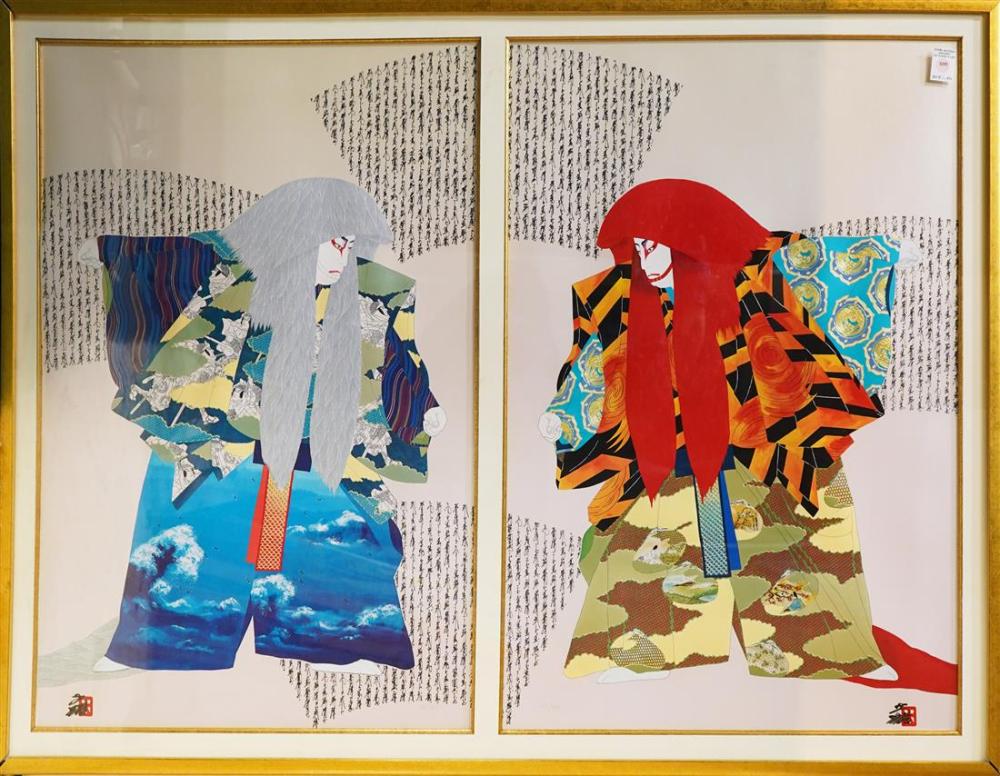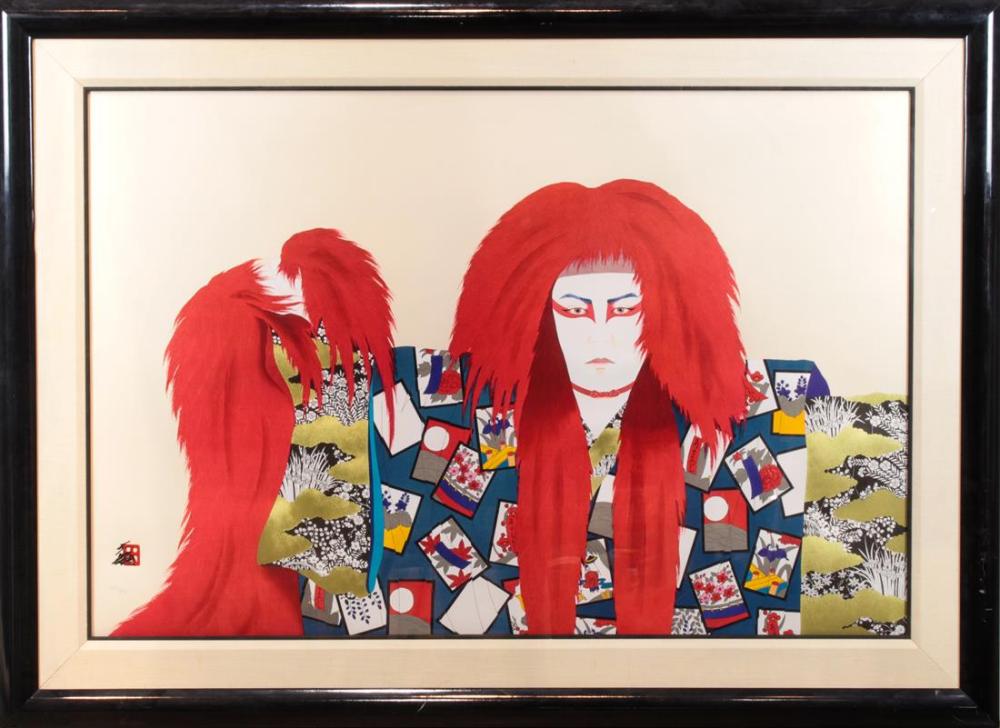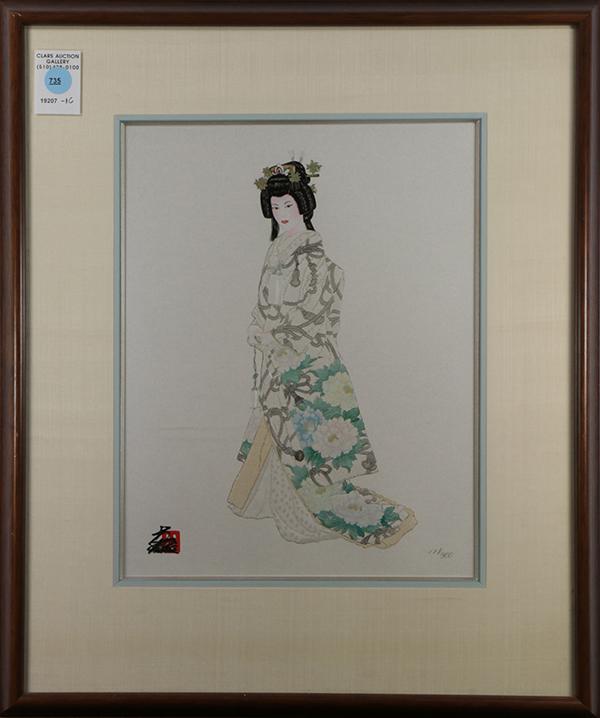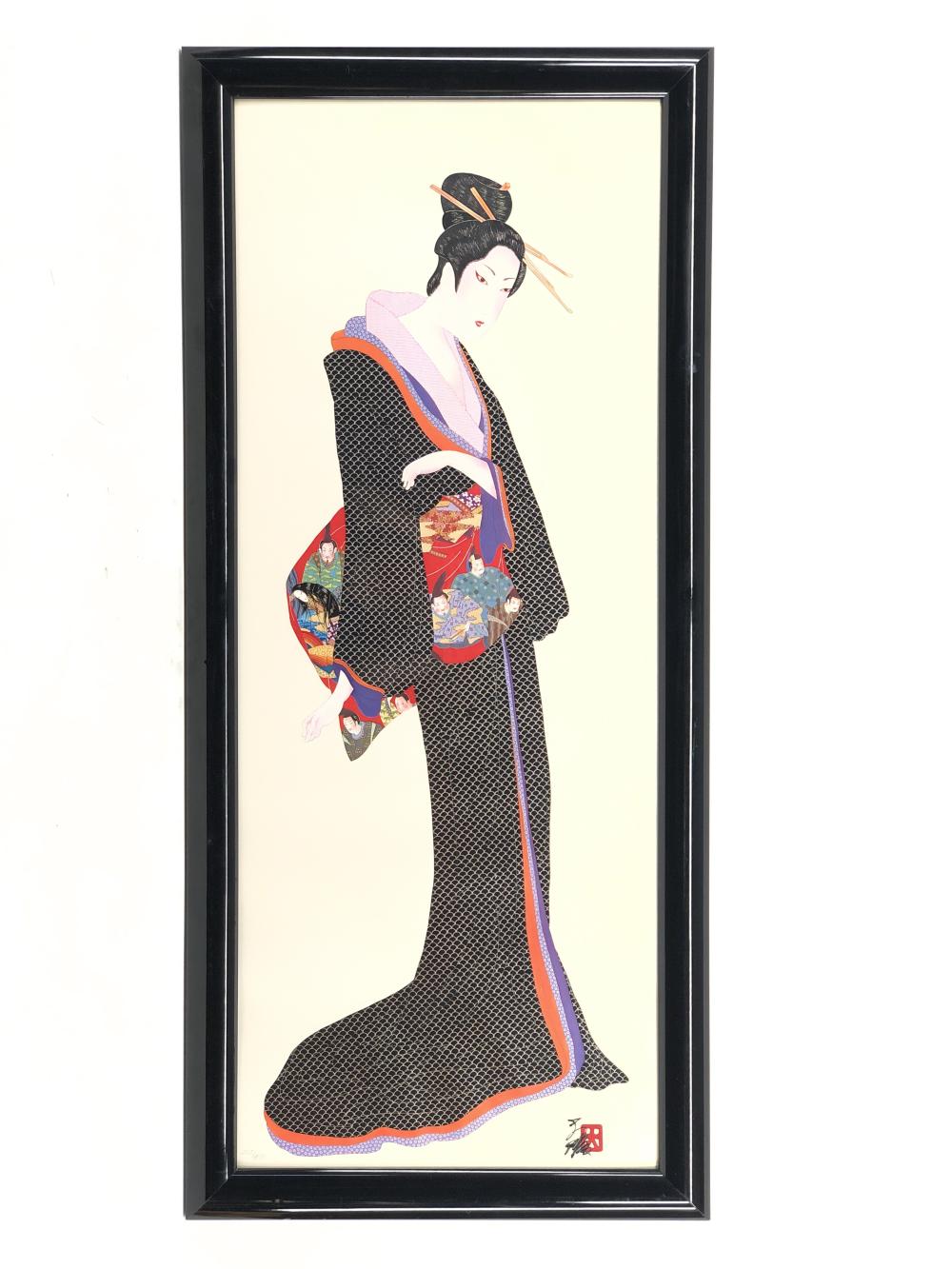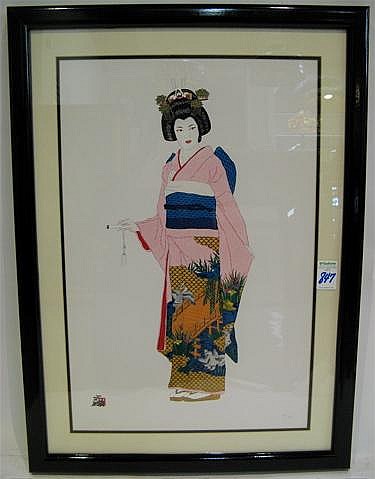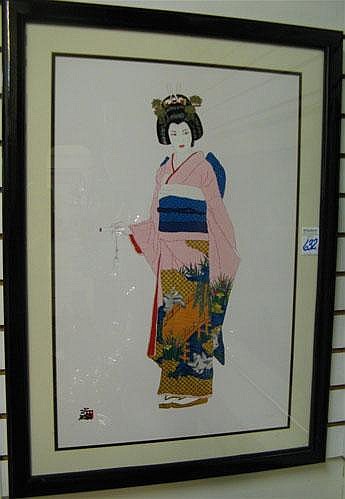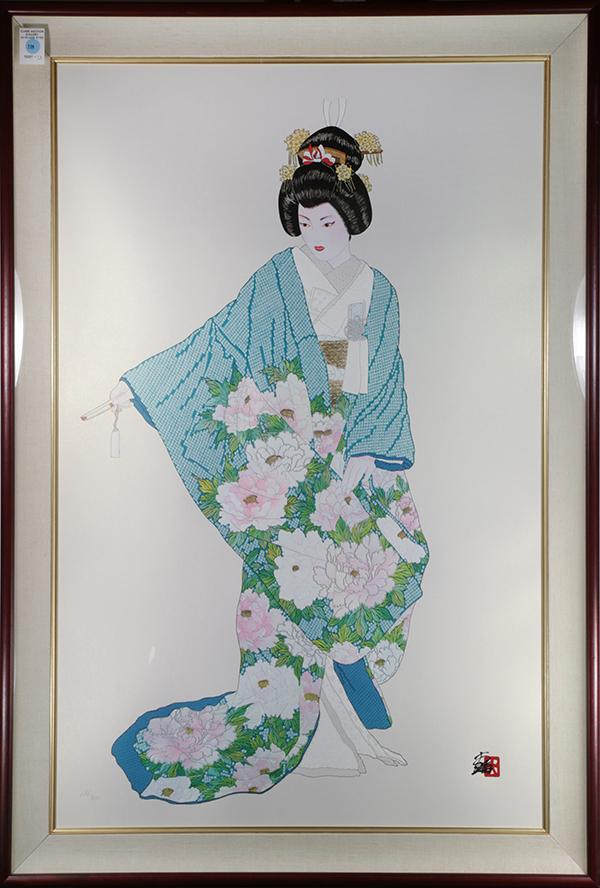
Hisashi Otsuka Spirit of Musachi Color Lithograph Signed: appraisal and value basics
Hisashi Otsuka Spirit of Musachi Color Lithograph Signed research should start with identification, condition, provenance, and recent comparable sales. Use this guide to compare the signals that matter before paying for a formal appraisal or deciding whether to sell.
Hisashi Otsuka Spirit of Musachi Lithograph Guide
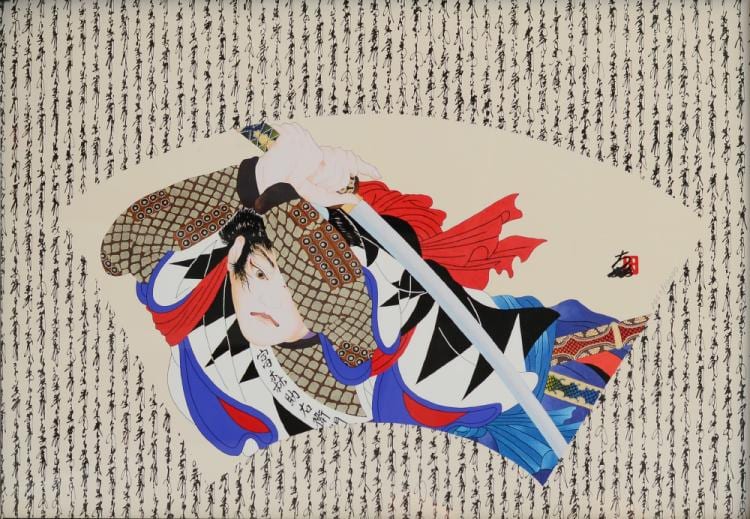
Note: The work is commonly titled “Spirit of Musashi” (after the famed swordsman Miyamoto Musashi). Misspellings such as “Musachi” sometimes appear on invoices or listings; they refer to the same subject.
Artist and Work Overview
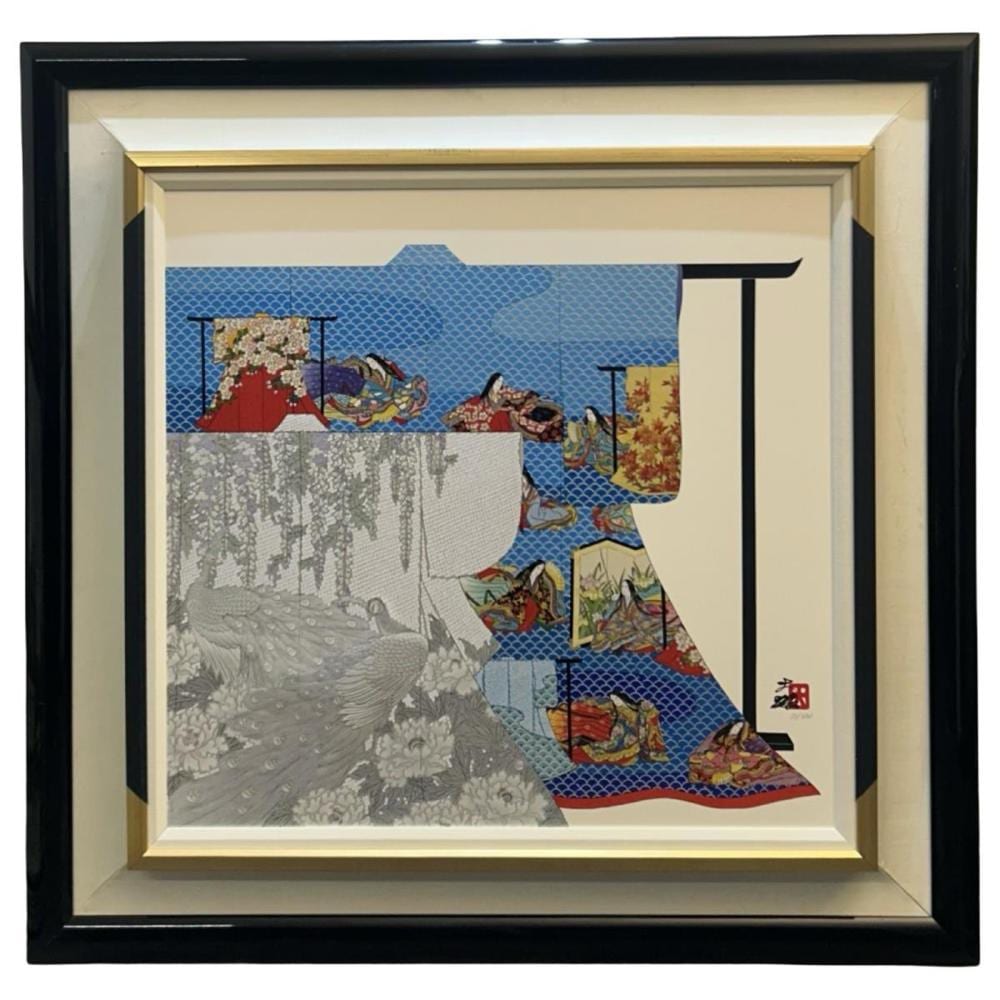
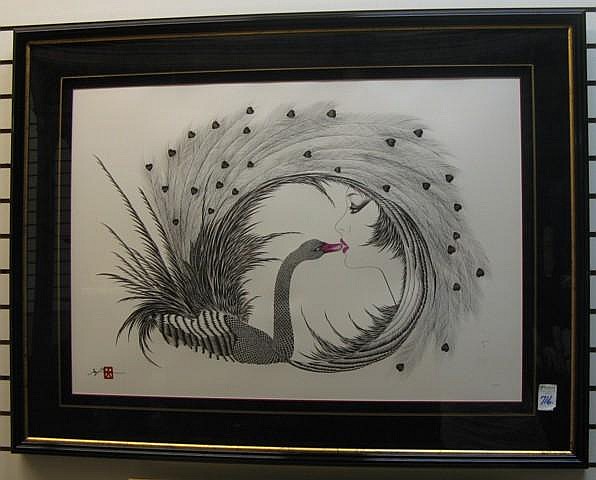
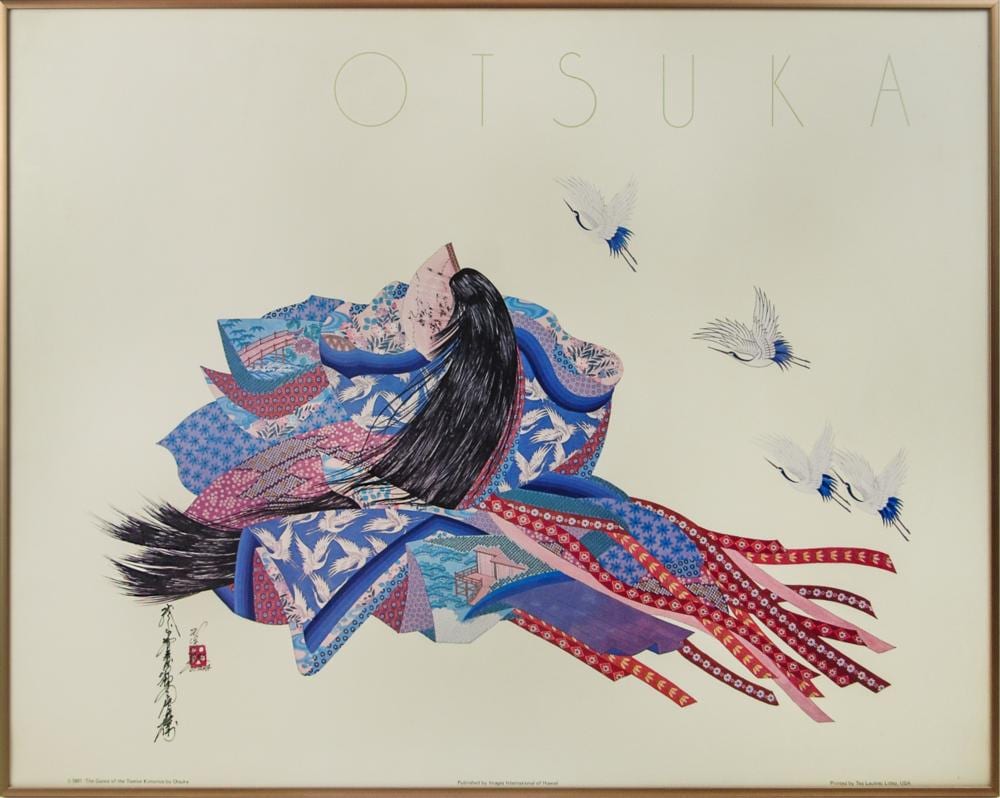
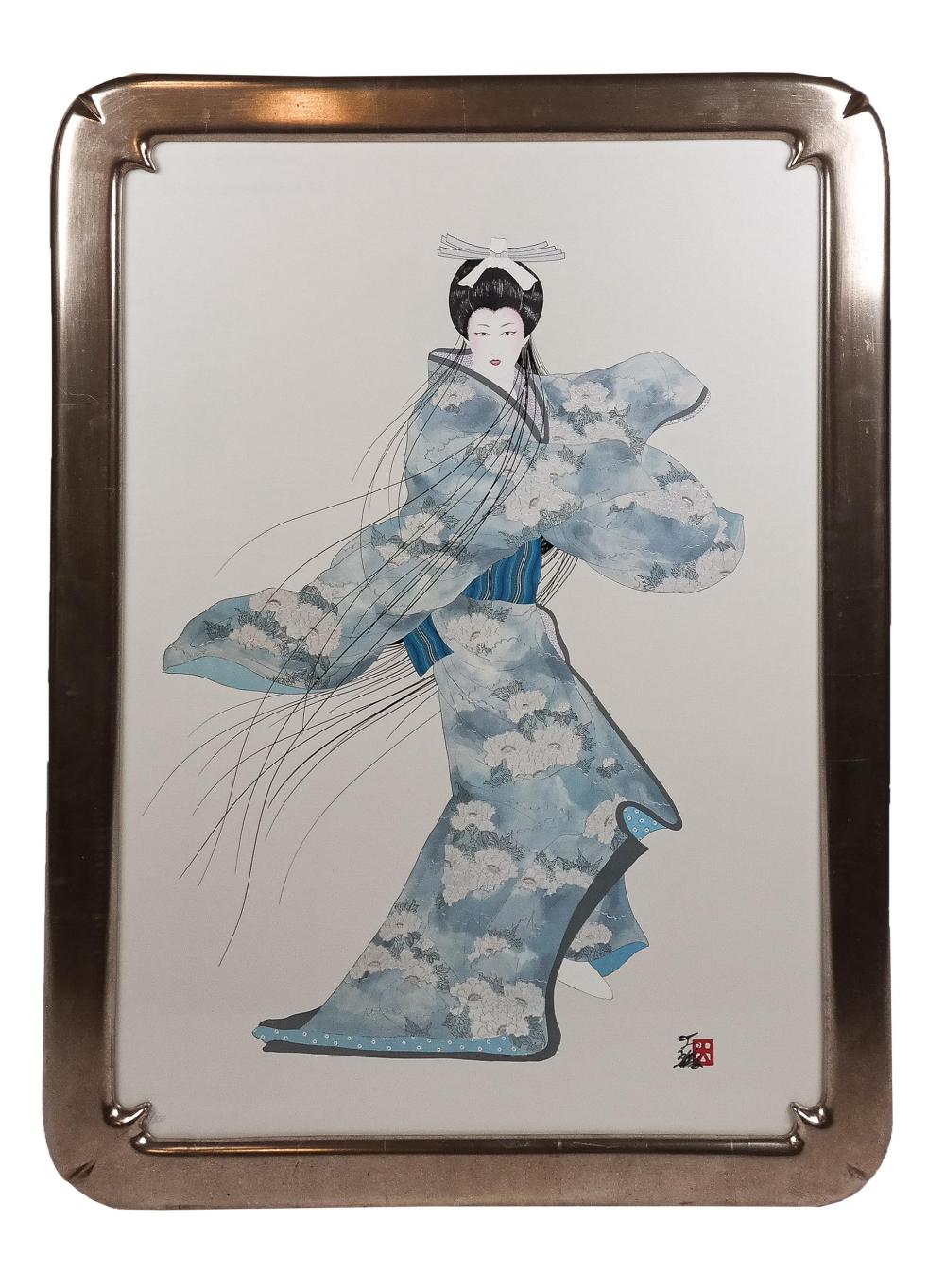
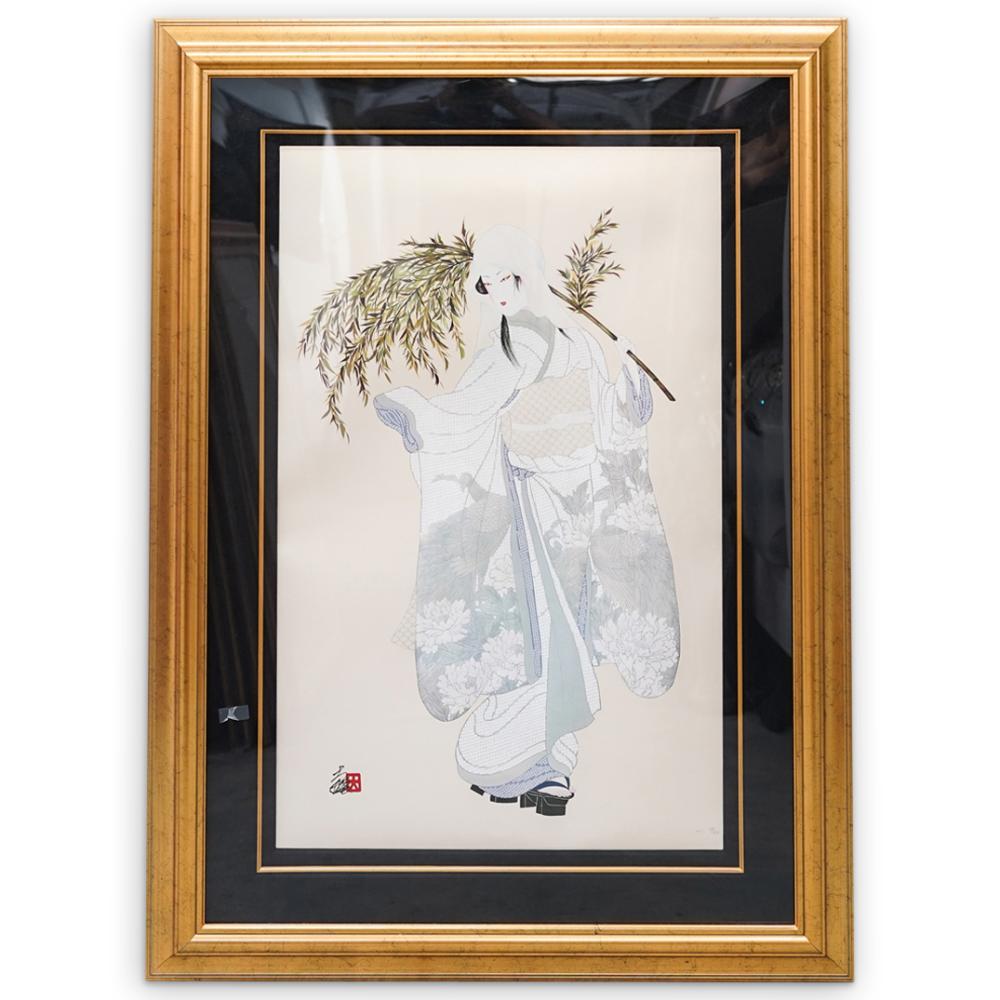
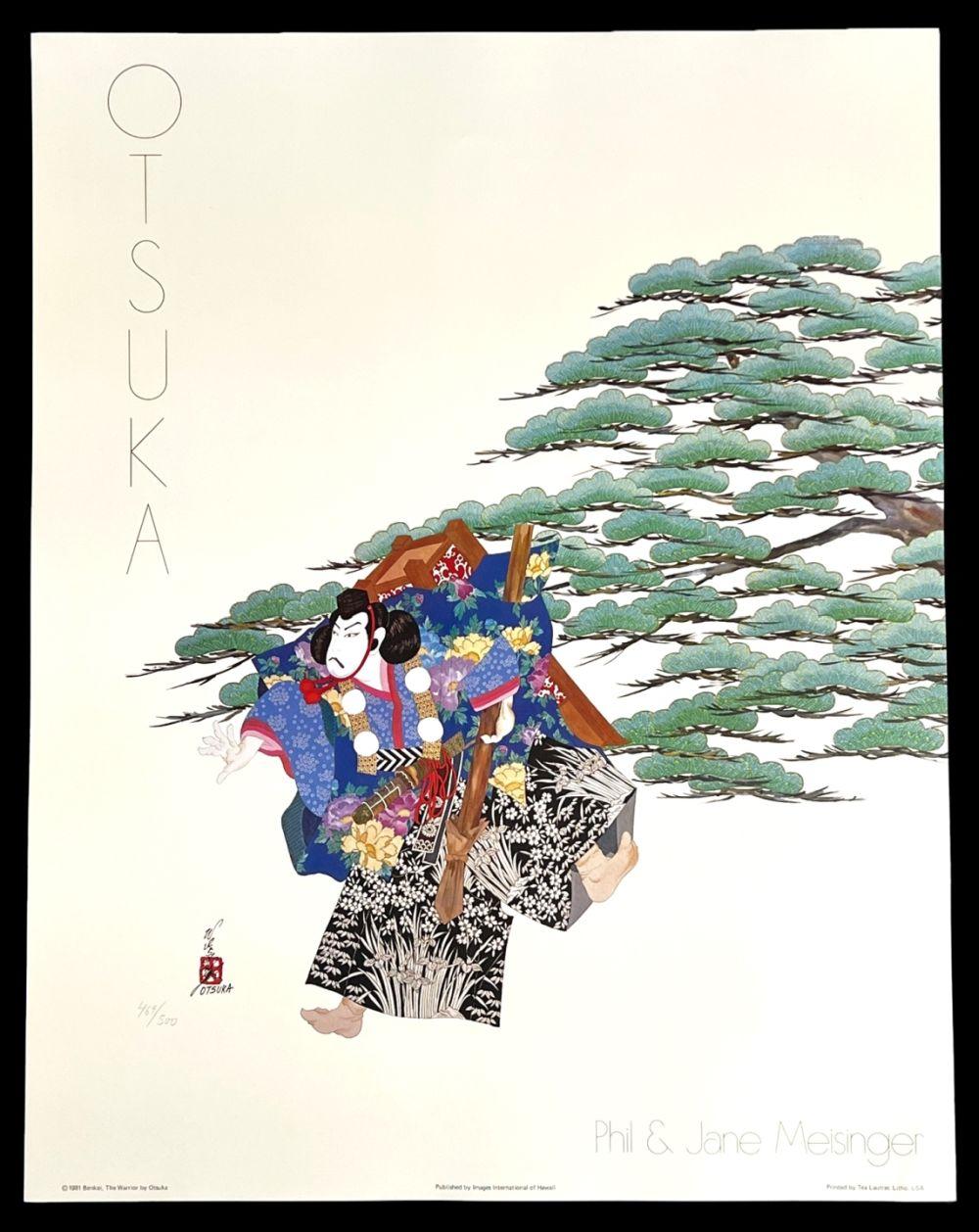
Hisashi Otsuka (b. 1947) is a Japanese-born artist celebrated for bold, stylized depictions of samurai, kimono patterns, and classical Japanese motifs rendered with modern graphic clarity. Otsuka trained in Japan and later developed a broad market presence, especially in the United States and Hawaii from the 1980s onward. His editions often include screenprints (serigraphs), color lithographs, and mixed-media prints, with frequent use of a red artist chop (seal) and crisp linework that evokes both ukiyo-e and contemporary design.
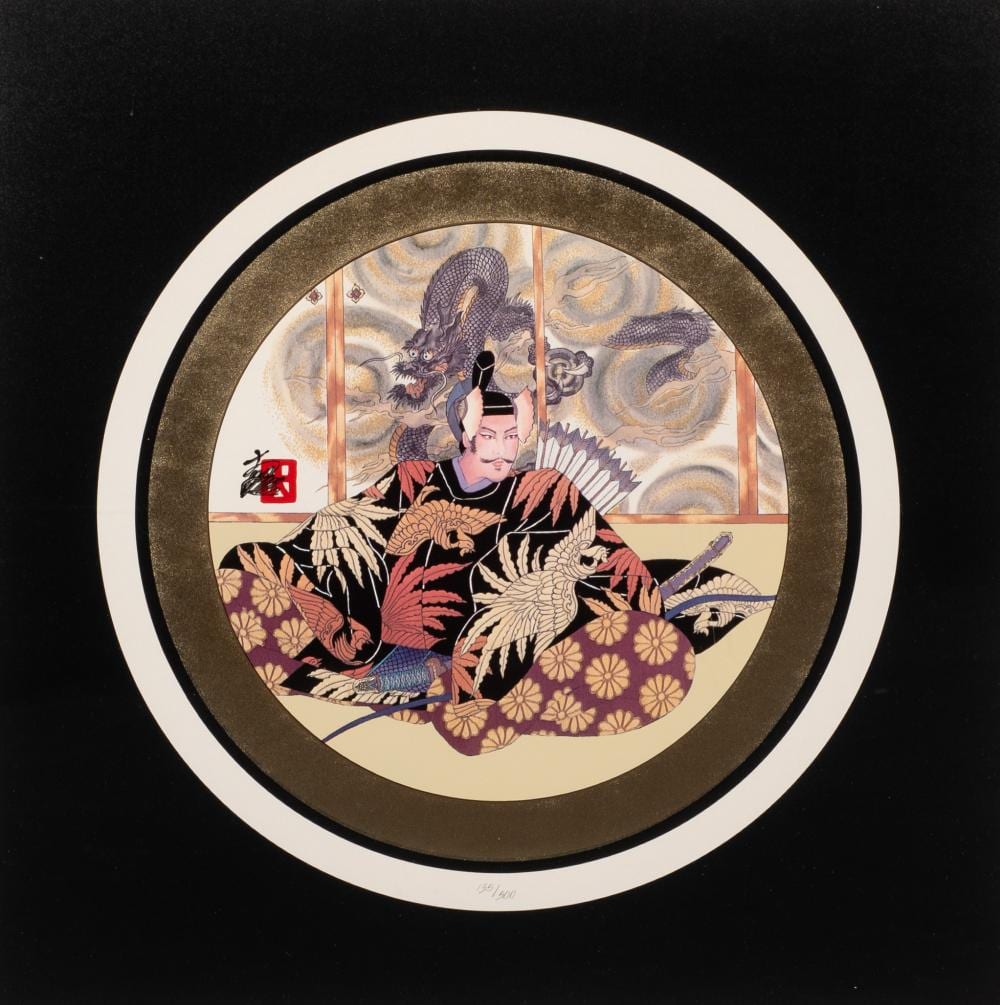
“Spirit of Musashi” is a popular Otsuka subject centered on Miyamoto Musashi, the legendary 17th-century swordsman and author of The Book of Five Rings. The image typically presents a resolute warrior figure with dynamic negative space and emphatic color blocks—hallmarks of Otsuka’s style. Signed, limited-edition impressions of this subject circulate widely in the secondary market, making it an accessible yet collectible entry point for enthusiasts of modern Japanese-themed prints.
Because Otsuka embraced multiple print methods, confirm the exact medium of your piece. A “signed color lithograph” should be on quality printmaking paper, pencil-signed by the artist, and numbered in a limited edition. Serigraph versions of similar imagery also exist; media clarity helps you appraise accurately.
Authenticity: Lithograph vs. Other Print Types
A precise identification of medium and method is key to value—especially distinguishing a hand-pulled color lithograph from serigraphs or later digital prints.
- Color lithograph (hand-pulled): Created from drawings on a stone or metal plate and printed in color layers. Under 10x magnification, color areas appear flat and continuous, without the rosette dot pattern typical of commercial offset printing. You may see subtle, irregular pigment distribution reflecting the stone/grain.
- Serigraph (screenprint): Ink is pushed through stencils on a mesh screen. Under magnification and by touch, color areas may appear slightly raised with crisp edges; you might feel a tactile ink build-up where multiple layers were applied.
- Offset lithograph reproduction (not a limited fine-art lithograph): Under magnification, continuous tones resolve into a regular CMYK dot/rosette pattern. These are usually open-edition or poster-like, lower in value.
- Giclée/inkjet (modern reproduction): Dots are present but not rosettes; instead, you’ll see dispersed micro-droplets. Edges look exceptionally smooth but without the tactile ink presence of serigraphs.
What to check on your Otsuka print:
- Paper: Fine rag papers (e.g., Arches, Rives, Somerset) are common for limited editions. Look for a watermark when backlit or in an untrimmed margin.
- Blind stamp: A printer’s or publisher’s blind emboss may be present near a margin. This is a positive signal but absence does not automatically mean inauthentic.
- Editioning: A fraction like 123/300 in graphite indicates a limited edition. Many Otsuka editions fall in the low hundreds. Artist’s proofs (AP), hors commerce (HC), printer’s proofs (PP), or trial proofs (TP) can exist.
- Inks: Color lithographs show solid, matte color fields. Serigraphs often have richer, layered opacity. Both are legitimate fine-art techniques; what matters is accurate representation.
If the paper is thin, glossy, or shows a uniform dot pattern under a loupe, you may be looking at a reproduction rather than a limited fine-art lithograph.
Signatures, Seals, and Edition Markings
Knowing where and how Otsuka signed and marked editions helps confirm authenticity.
- Signature: Typically in graphite pencil at the lower right margin. You may see “Hisashi Otsuka,” “H. Otsuka,” or a stylized “Otsuka.” The line quality should be confident, consistent, and slightly impressed into the paper.
- Edition number: Usually at lower left in pencil, e.g., 75/300. Low edition numbers do not inherently raise value, but extremely small editions as a whole can.
- Title: Sometimes handwritten in the center or printed typeset. Variations in titling (e.g., capitalization; occasional misspellings on paperwork) exist; the printed image is the constant.
- Chop/seal: A red artist hanko (seal) is common on Otsuka works, typically within or near the image area. It should be crisp, with fibers showing where ink meets paper. Smudged, overly glossy, or pixelated seals can indicate reproductions.
- Printer/publisher marks: A blind stamp or a discrete printed credit may appear along the margin. While helpful, publisher information for Otsuka prints varies by edition and period.
- Inscriptions: Proofs like “AP,” “HC,” “PP,” or “TP” may be pencil-notated where the numerator would appear. A “BAT” (bon à tirer) proof is the printer’s standard and is uncommon on the market.
Compare the handwriting style of the signature and numeration; they should share pressure and stroke character typical of pencil on rag paper. Inconsistencies—like an ink signature alongside pencil numbering—invite closer scrutiny.
Condition and Conservation
Condition can swing value dramatically. Otsuka’s graphic palettes—often including saturated reds, blacks, and neutrals—respond differently to light and humidity.
Common condition points:
- Light fade: Reds and some yellows are the first to shift under UV exposure. Compare protected margins (under mat) against exposed areas. A visible “tan line” suggests sunning.
- Mat burn/acid migration: Brown lines at the window opening indicate past acidic mats. These can be reduced by paper conservators via washing/deacidification.
- Foxing: Rust-colored pinhead spots, typically from humidity or paper impurities. Treatable but affects value until addressed.
- Cockling/waviness: From moisture or tight framing. Not fatal but detracts in high-grade collections.
- Tape residue/hinge stains: Check verso for pressure-sensitive tapes; these can stain and tear fibers.
- Abrasions/surface rub: On lithographs, scuffs can disturb the ink layer and paper nap.
- Trimmed margins: Many collectible prints rely on full margins for value; trimming to fit frames reduces desirability.
Framing best practices:
- Use 100% rag or alpha-cellulose conservation mats, UV-filtering glazing, and reversible hinges (Japanese paper with wheat starch paste).
- Keep out of direct sunlight and away from heat or humidity sources.
- If issues are present, consult a paper conservator; documentation of professional treatment supports value retention.
Appraisal, Value, and Market Trends
Value for “Spirit of Musashi” color lithographs depends on six main drivers:
- Medium clarity: Hand-pulled color lithograph or serigraph in a signed, numbered edition generally ranks higher than offset or giclée reproductions.
- Edition size and proof status: Editions in the low hundreds are common. Proofs (AP, PP) can command slight premiums, though the image’s desirability often matters more.
- Subject desirability: Musashi is a marquee subject within Otsuka’s oeuvre; samurai-themed works tend to outperform purely decorative compositions.
- Condition: Fresh color, full margins, and no restoration or only well-documented, professional treatment increase liquidity and price.
- Size and presentation: Larger formats and tasteful, archival framing help in retail contexts; institutions and experienced collectors often prefer unframed, original-margined examples for inspection.
- Provenance and documentation: Original gallery invoices, certificates of authenticity from the time of purchase, and a clear ownership chain support confidence.
Indicative price ranges:
- Signed, numbered color lithograph or serigraph, good condition: commonly in the mid-hundreds to low thousands USD.
- Top-condition, desirable formats/large sizes, strong provenance: potentially above the low-thousands range.
- Open-edition offsets or later giclée reproductions: usually below the above ranges.
Because Otsuka produced multiple print media and editions across years, precise pricing hinges on confirming medium, edition, and condition. For formal insurance scheduling or tax-deductible donations, obtain a written appraisal compliant with USPAP or your jurisdiction’s standards. For market checks, review recent auction results and reputable dealer offerings focusing on identical medium and edition, not just similar images.
Negotiation tips:
- If selling, present clear photos of the full sheet (front and verso), close-ups of signature, edition mark, seal, any blind stamps, and any condition issues.
- If buying, request images out of frame or at least of the exposed margins, watermark presence, and loupe shots of the ink to confirm medium.
Practical Checklist
- Confirm the exact medium:
- Under a 10x loupe, look for dot patterns (offset/giclée) vs. solid lithographic color or layered serigraph ink.
- Verify edition details:
- Pencil signature lower right; edition fraction lower left; look for AP/PP/HC notations if present.
- Inspect paper and marks:
- Watermark in margin when backlit; possible printer’s blind stamp; clean, untrimmed margins preferred.
- Assess condition:
- Check for UV fading, mat burn, foxing, cockling, and tape residue; compare mat-covered vs. exposed areas.
- Document provenance:
- Gather invoices, COAs, gallery labels, and any conservation reports; photograph the verso and all annotations.
- Frame safely:
- Use UV glazing, archival mats, and reversible hinges; avoid direct sunlight and high humidity.
- Establish value:
- Compare to recent sales of the same medium/edition; adjust for condition and size; seek a professional appraisal for insurance.
FAQ
Q: Is “Spirit of Musashi” more valuable than other Otsuka subjects? A: Generally, samurai-themed works—especially Musashi—are among his most sought-after images, but medium, edition, and condition ultimately determine value.
Q: My print is signed but not numbered. Is it still limited? A: Not necessarily. Some signed pieces are open-edition or signed after production. Seek other indicators (watermark, blind stamp, publisher info) and compare with known edition records.
Q: How can I tell if mine is a color lithograph and not a serigraph? A: View under 10x magnification. Lithographs show flat, continuous color with no raised ink edge, while serigraphs often have slightly raised, layered ink and sharply defined color borders.
Q: Do proofs (AP/PP) bring a premium? A: Sometimes a modest one, depending on desirability and condition. The image and state of preservation usually matter more than proof status alone.
Q: Should I remove it from the frame to inspect? A: If you’re comfortable and the framing appears modern and reversible, carefully removing backing to view margins and verso can clarify medium, watermark, and condition. If in doubt, have a conservator or qualified appraiser handle it to avoid damage.