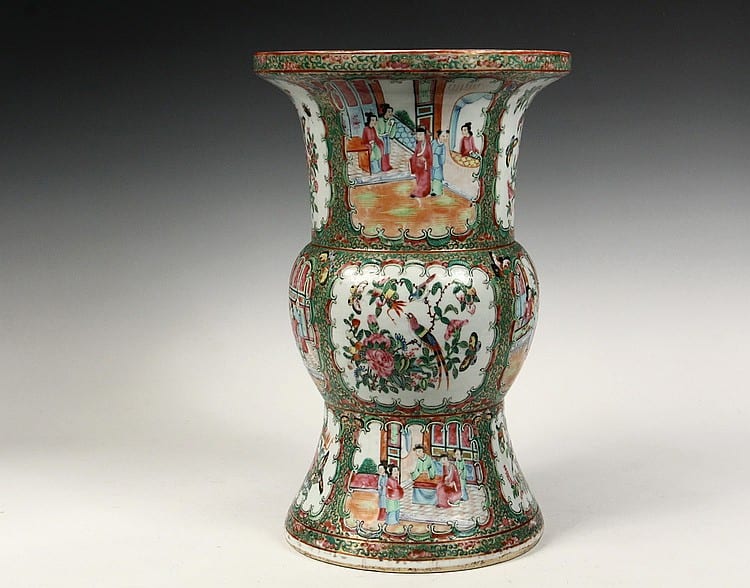
A “Chinese antique” can mean porcelain, bronze, jade carvings, cloisonne enamel, lacquerware, textiles, furniture, and export wares. Because the category is broad (and modern reproductions are common), a good appraisal is evidence-led: identify the object, document marks and condition, then compare to recent auction results that truly match.
This guide shows you what to photograph, what authenticity pitfalls to watch for, and how to use comps to reach a realistic value range before you sell, insure, donate, or settle an estate.


Free first look
Share your Chinese antique details with a reviewer familiar with the category today
Upload photos of the object, the base, any marks, and the condition. We'll help identify the category and period, explain authenticity signals, and provide a written value range grounded in recent market comps.
Your details stay secure. You only continue to checkout if a full appraisal makes sense.
Value ranges by category (ballpark)
These ranges are intentionally broad because category, period, condition, and authenticity evidence can move prices dramatically. Use them as a starting point, then narrow with auction comps that match.
| Category | Common market range | What moves it higher |
|---|---|---|
| Chinese porcelain (export / later Qing) | $100–$1,500 | Rare forms, strong decoration, better cataloging, minimal repairs. |
| 18th c. porcelain pairs | $1,500–$10,000+ | Matched pairs, credible period, and excellent condition. |
| Jade carvings / group lots | $300–$5,000+ | Material quality, translucency, proven period, and size. |
| Bronze censers / figures | $500–$8,000+ | Important forms, inscriptions, stable patina, and strong provenance. |
| Cloisonne | $150–$2,500+ | Fine wirework, minimal losses, and rare motifs. |
If you're insuring an item, you may need replacement value, which can differ from auction hammer prices.
Fast identification checklist (10 minutes)
Before you chase prices, get the object into the right “bucket.” Most overpricing happens because people compare the wrong form (e.g., a later export vase to an 18th-century pair) or assume a reign mark guarantees age.
- Material: porcelain/stoneware, bronze/brass, jade/hardstone, cloisonne, lacquer/wood, textile.
- Form: vase, bowl, jar, censer, brush washer, plaque, snuff bottle, figure, screen panel, etc.
- Dimensions: height, diameter, and a rough weight (kitchen scale is fine).
- Marks: photograph the base straight-on; don't translate or “guess the dynasty” yet.
- Construction clues: foot rim, glaze pooling, casting seams, wirework, tool marks.
- Condition: chips, hairlines, repairs, drilled holes (lamps), overpainting, polishing.

Material-specific tells (with photo examples)
Chinese antiques are evaluated differently depending on material. In every category, clear photos of the base/mark and close-ups of surface wear help an appraiser tell the difference between age, later restoration, and modern production.
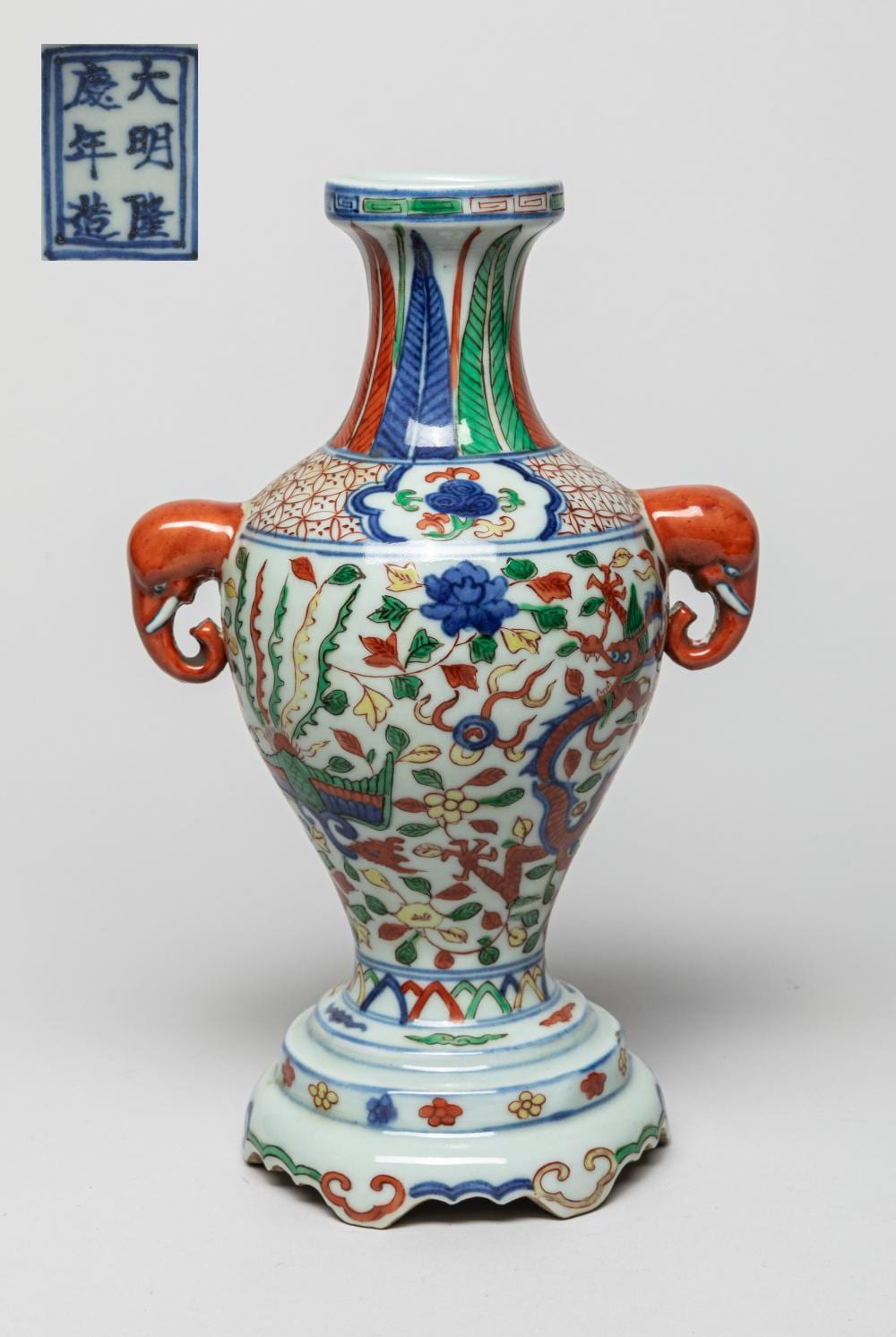
Reign marks (and why marks don't equal age)
Many wares carry apocryphal reign marks that honor an earlier period. Appraisers treat marks as one clue and compare them against body, glaze, decoration, and overall wear.

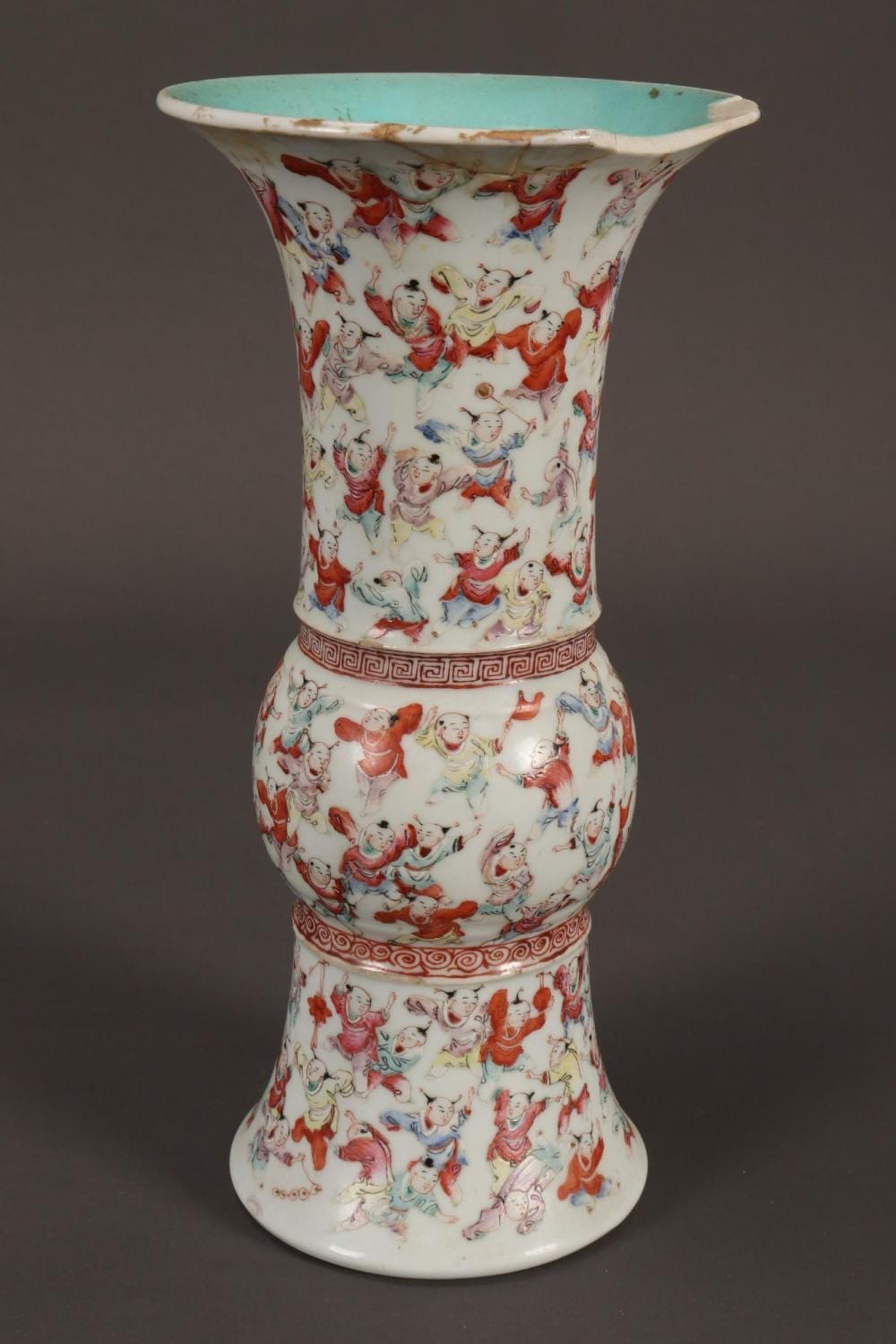
Overglaze enamels (famille rose)

Crackle glazes

Cloisonne enamel

Jade and hardstone

Bronze patina and casting

Lacquerware

Condition issues that change value the most
Condition is a multiplier. A small rim frit on porcelain might be acceptable; a long hairline or a restored break can drop values sharply. The same is true for polished bronze or heavily repaired lacquer.
- Porcelain: hairlines, large restorations, drilled holes (converted lamps), heavy overpainting.
- Jade: cracks, re-polished edges, repaired breaks, obvious dyeing.
- Bronze: aggressive cleaning/polishing, unstable corrosion, repairs to rims/handles, re-patinating.
- Cloisonne: enamel losses, cracks, re-enameling, bent wirework.
- Lacquer/wood: lifting, splits, later varnish, repainting over losses.
If you're unsure whether you're seeing original wear or later restoration, take raking-light photos (light from the side) and include close-ups of damage.
Real auction comps (recent sales snapshots)
Comps are most useful when they match the same category, form, and credibility tier. Below are three concrete examples from recent auction results. (Hammer prices shown as reported; buyer's premium and shipping can be additional.)
| Lot | Auction house | Date | Title | Hammer |
|---|---|---|---|---|
| 116 | Freeman's | 2025-12-16 | Group of seven Chinese jades and agate, Qing dynasty and later | $21,000 |
| 260 | Greco Subastas | 2025-12-18 | Pair of 18th-century Chinese porcelain vases with blue-and-white lotus decoration | EUR 6,000 |
| 351 | Rob Michiels Auctions | 2025-12-16 | Chinese bronze censer with Xuande mark (17th/18th century), with Ji' handles | EUR 6,500 |
What the comps teach: the market rewards specificity. A credible period attribution, strong form, and clean condition can move a piece into a very different value tier than a broadly labeled “Chinese antique.”
Selling, insurance, and estate use-cases
For selling or consigning
- Photograph like a catalog: overall + base/mark + close-ups + damage + scale reference.
- Disclose repairs: restorations, overpainting, glued breaks, drilled holes, replaced parts.
- Match the venue: fine Chinese works often do better in specialized Asian art auctions than general estates.
- Pack professionally: porcelain and cloisonne ship poorly without double boxing and padding for vibrations.
For insurance, estate, or donation values
- Document condition: your photos and notes become part of the audit trail.
- Define value type: replacement vs fair market vs liquidation can change the number materially.
- Keep the comps: save house/date/lot/hammer so the valuation is defensible later.
Image SEO gallery: Chinese antique identification close-ups
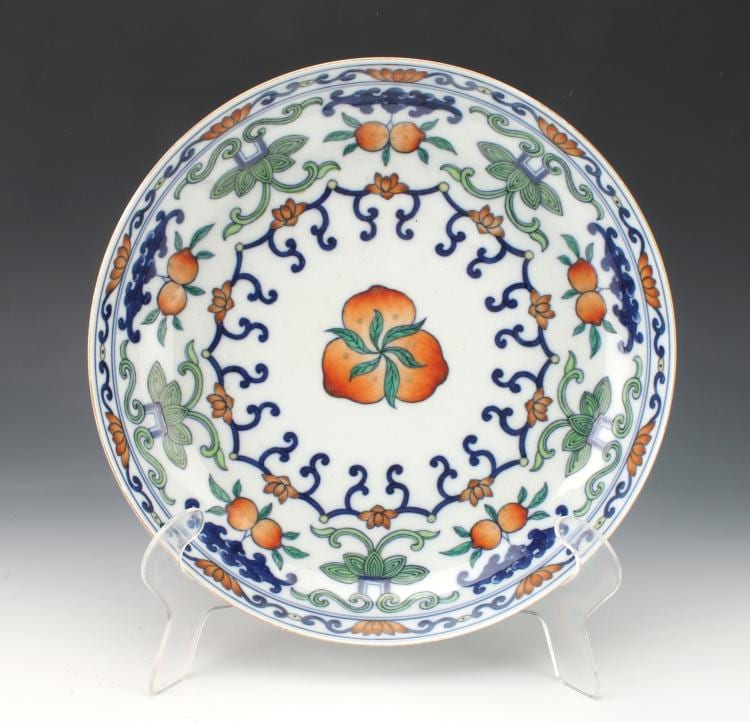
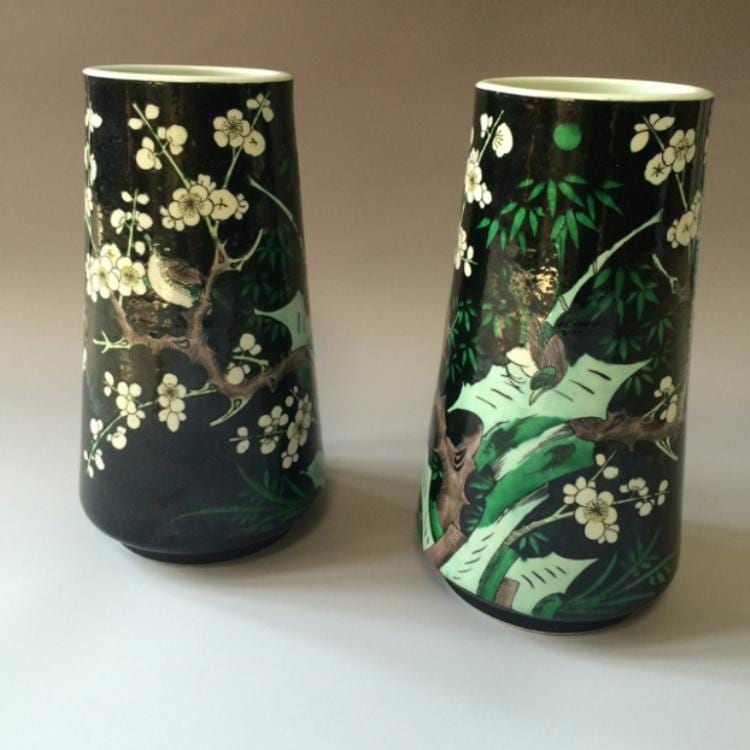
Use these reference photos as a checklist when photographing your own item. The goal is to capture the features that drive identification, authenticity analysis, and valuation.
Search variations collectors ask
Readers often search for:
- how do I get a Chinese antique appraised online
- what photos do I need for a Chinese antique appraisal
- how to tell if a Chinese porcelain mark is real
- what does apocryphal mark mean on Chinese porcelain
- how to value a Chinese bronze censer with Xuande mark
- is my jade carving real and what is it worth
- Chinese antique appraisal for insurance replacement value
- best auction comps for Qing dynasty porcelain vases
- how to spot repairs on Chinese lacquerware
Each question is answered in the appraisal workflow above.
References & data sources
-
Appraisily auction datasets (accessed 2025-12-22):
/mnt/srv-storage/auctions-data/chinese-antique-appraisal/. Comps cited from Freeman's lot 116 (2025-12-16, $21,000), Greco Subastas lot 260 (2025-12-18, EUR 6,000), and Rob Michiels Auctions lot 351 (2025-12-16, EUR 6,500). - Identification best-practice: photograph the same views you see in auction catalogs (overall + base/mark + foot rim + close-ups + damage + scale reference). For insurance/estate definitions, use a written appraisal.