What rocking chair actually sell for
A common example is a different sale from a high-end named piece.
Typical sales. Pressed Back Rocking Chair sold for $3.
Wooden Rocking Chair sold for $10.
Rocking Chair w/ Cushion sold for $11.
ROCKING CHAIR sold for $20.
Spindle Back Rocking Chair sold for $25.
Hunzinger Style Rocking Chair sold for $30.
High-value outlier. LOUIS MAJORELLE | Rocking Chair sold for $13,750.
Photograph maker marks, model, condition, and completeness before treating any one sale as yours.
What similar items actually sold for
To help ground this guide in real market activity, here are recent example auction comps from Appraisily’s internal database. These matched sales are market context only, not an object estimate or identification, and they do not guarantee a price for your specific unlocking the secrets of antique rocking chairs discover.
Shown USD range: USD 3-USD 13,750. Median of these 6 USD examples: USD 18.
| Comparable | What sold | Auction house | Date | Lot | Source-reported amount |
|---|---|---|---|---|---|
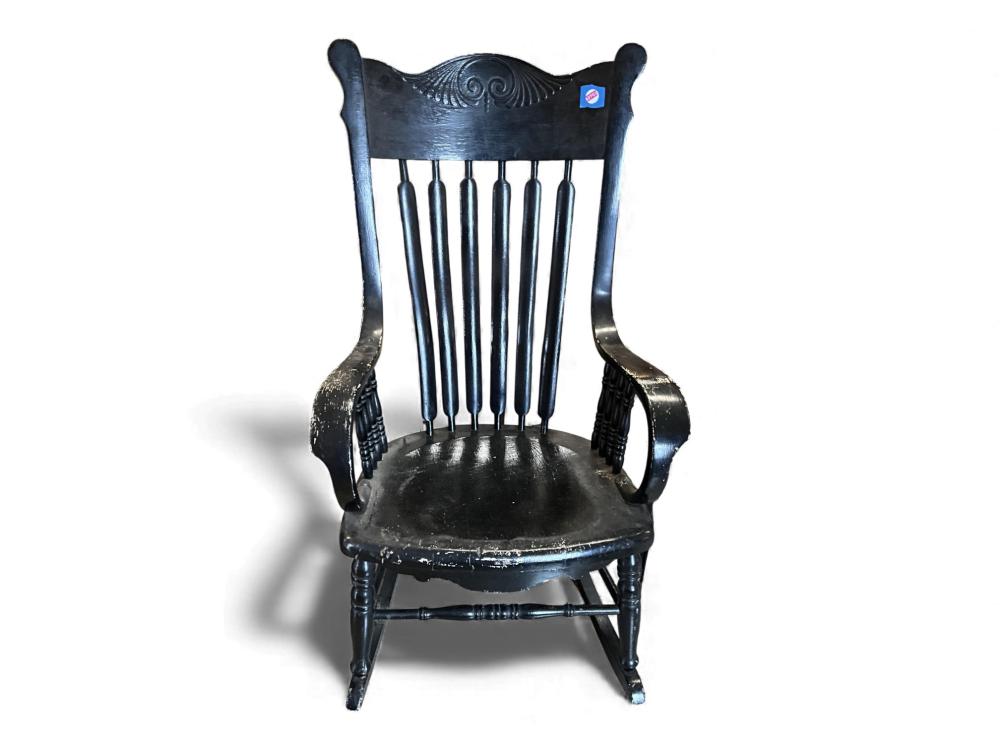 |
Pressed Back Rocking ChairSource blocked; provenance matched | Apple Tree Auction Center | 2025-12-10 | 4096 | USD 3 (buyer’s-premium treatment unknown) |
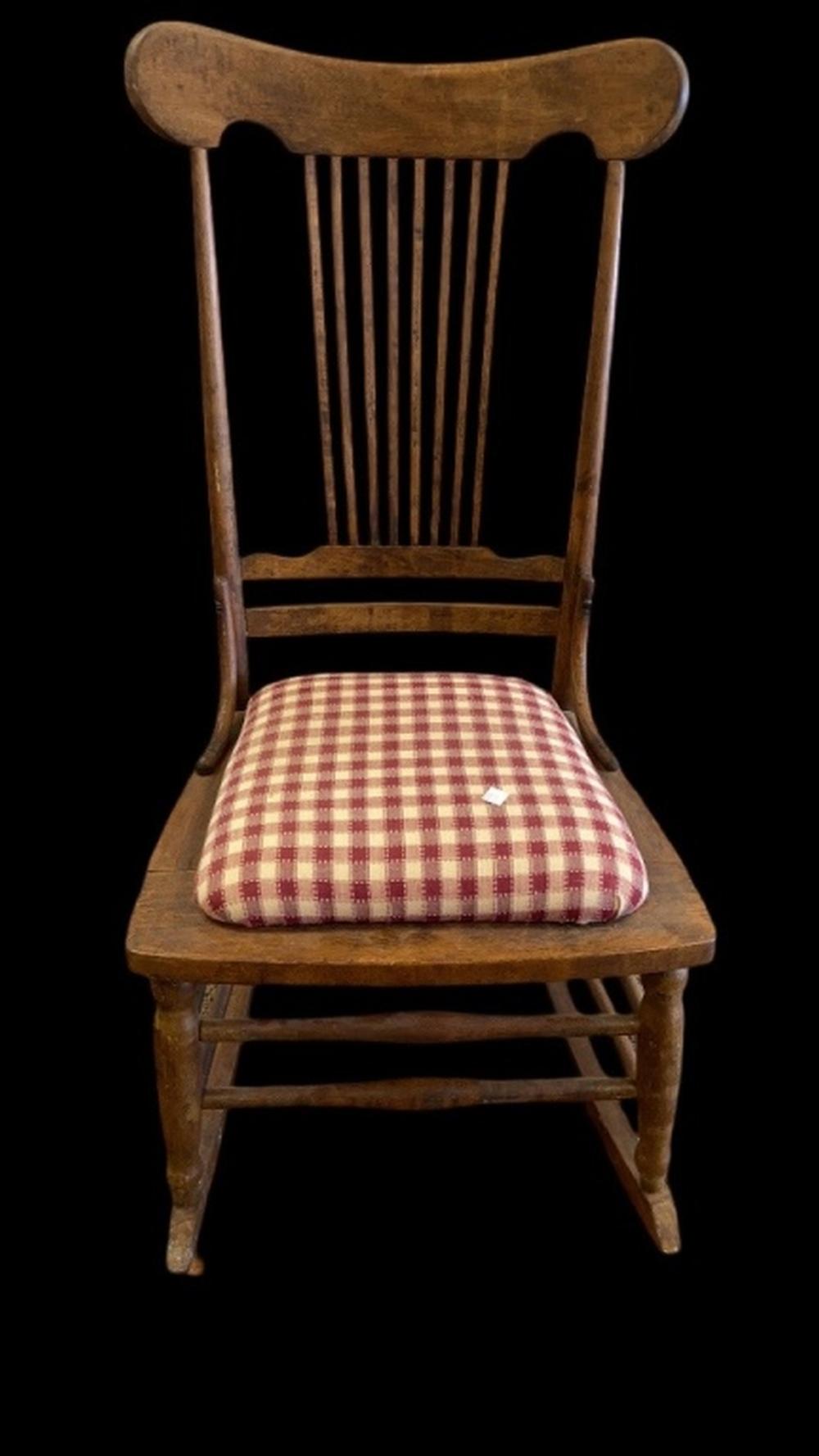 |
Antique Wooden Rocking ChairSource blocked; provenance matched | R & R Auction INC | 2024-10-27 | 906 | USD 10 (buyer’s-premium treatment unknown) |
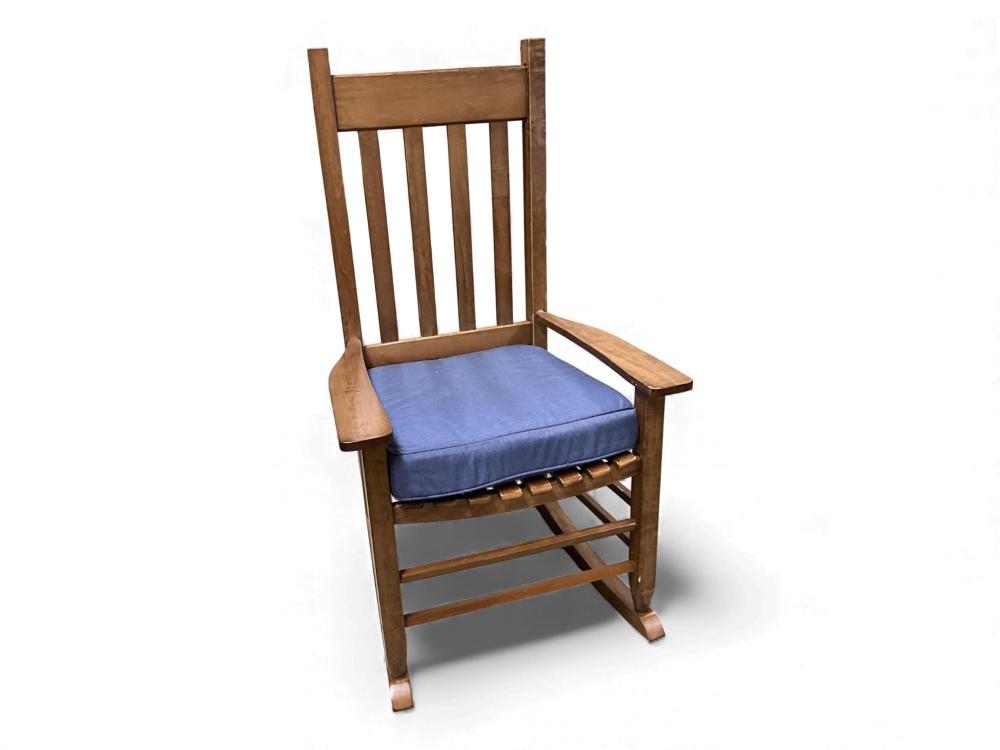 |
Rocking Chair w/ CushionSource blocked; provenance matched | Apple Tree Auction Center | 2025-12-10 | 4035 | USD 11 (buyer’s-premium treatment unknown) |
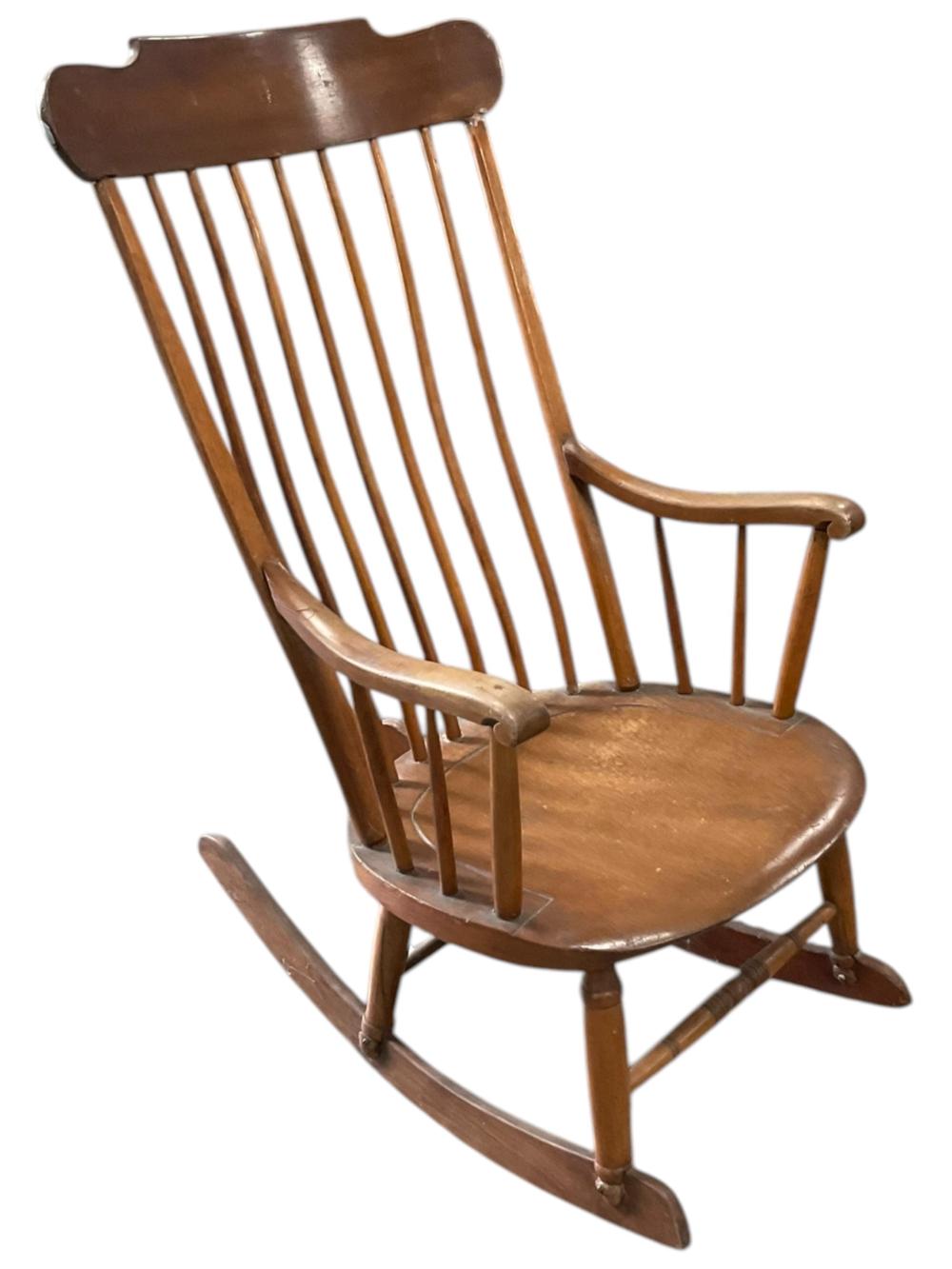 |
Spindle Back Rocking ChairSource blocked; provenance matched | Caswell Prewitt Realty, INC | 2025-12-07 | 131 | USD 25 (buyer’s-premium treatment unknown) |
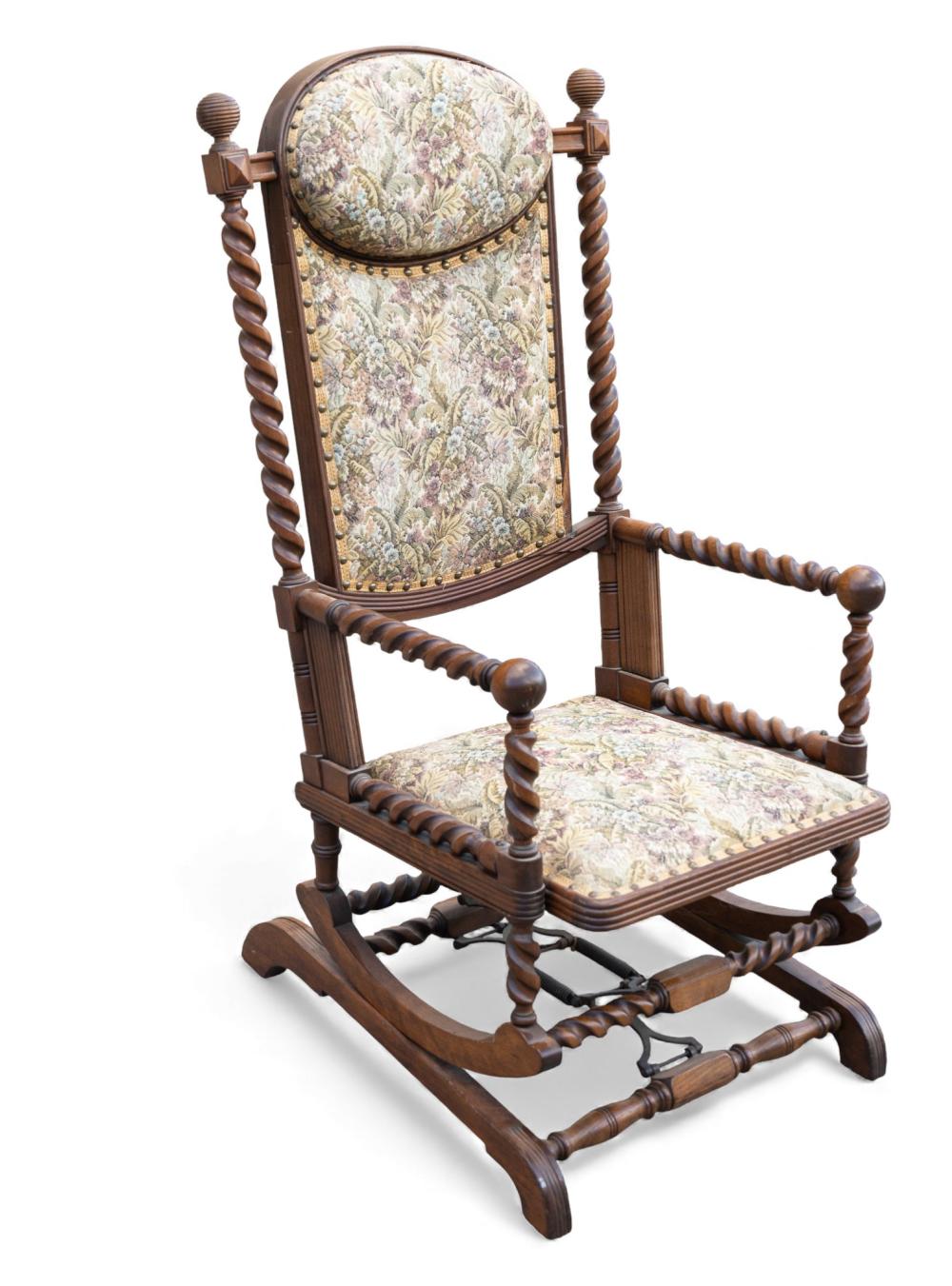 |
Antique Hunzinger Style Rocking ChairSource blocked; provenance matched | Keystone Auctions LLC | 2025-12-27 | 53A | USD 30 (buyer’s-premium treatment unknown) |
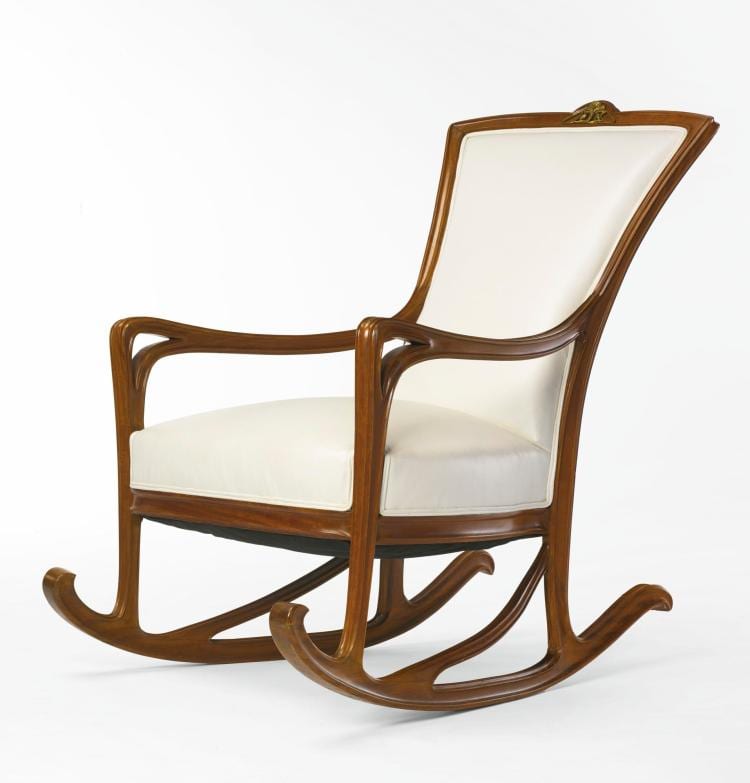 |
LOUIS MAJORELLE | Rocking ChairSource blocked; provenance matched | Sotheby's | 2015-03-04 | 51 | USD 13,750 (buyer’s-premium treatment unknown) |
How these auction records were verified
Each row retains its exact source URL, lot identity, retrieval time, access result, and immutable record hash. Live source access was blocked; the exact record matched Appraisily's immutable pipeline provenance. Inspect the public comparable provenance record.
Disclosure: prices are shown as reported by auction houses and are provided for appraisal context. Learn more in our editorial policy.
Unlocking the Secrets of Antique Rocking Chairs Discover Their True Value: appraisal and value basics
Unlocking the Secrets of Antique Rocking Chairs Discover Their True Value research should start with identification, condition, provenance, and item-specific market evidence. Use this guide to compare the signals that matter before paying for a formal appraisal or deciding whether to sell.
Antique rocking chair value checklist
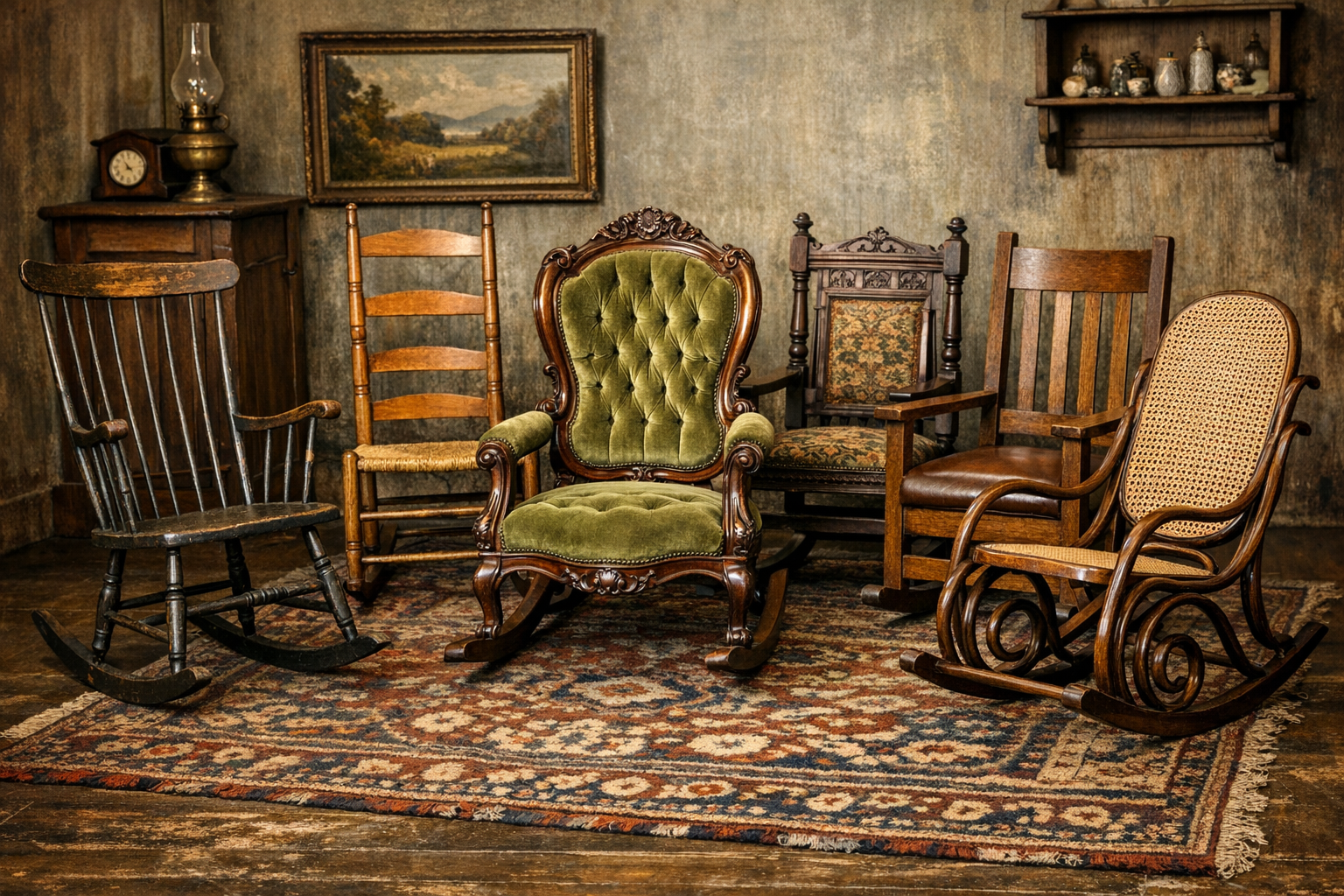
Antique rocking chairs carry centuries of craftsmanship, domestic history, and design evolution in their curved runners. Whether you discovered one in a family attic or are evaluating a piece for sale or purchase, understanding what it is—and what it isn’t—is the first step toward a sound appraisal. This guide distills the critical identification traits, condition factors, and market drivers that determine value, along with a practical checklist to use in the field.
A brief timeline: from 18th-century Windsor to 20th-century gliders
Rocking chairs evolved with technology, taste, and the way people lived:
- Late 1700s–early 1800s: Windsor rocking chairs appear, typically converted from static Windsor forms by adding runners. Hand-shaped saddle seats, turned spindles, and stick-joined backs define the type. Early rockers were sometimes added later; originals or early conversions are more desirable than modern conversions.
- Early–mid 1800s: Shaker communities refine ladder-back rockers with light frames, taped seats, and ingenious “tilters” (small foot attachments that protect floors and adjust pitch). Simplicity, superb joinery, and original finishes drive value.
- 1820s–1850s: Stenciled and painted rockers such as Boston rockers and Hitchcock-style chairs gain popularity. Black paint with gilt and floral stenciling, scroll crests, and turned spindles are common.
- Mid–late 1800s: Wicker and cane rockers (Heywood Brothers, later Heywood-Wakefield) flourish for porches and parlors. Bentwood rockers by Thonet introduce elegant steam-bent beech frames and cane seats.
- 1880s–1910s: Platform rockers and early gliders use spring or linkage mechanisms to create a rocking motion on a stationary base. Upholstered Victorian and Eastlake examples proliferate; innovative makers like George Hunzinger elevate the form.
- 1900s–1920s: Arts & Crafts and Mission oak rockers emphasize rectilinear lines, exposed joinery, and quartersawn oak. Stickley and Limbert exemplify the period.
- 20th century: Regional ladder-back rockers (Appalachian, Southern hickory/bark), rustic lodge Old Hickory, and countless factory models continue the tradition at varying quality levels.
Dating a rocker reliably requires looking beyond the general style to the wood, joinery, surface, and hardware.
How to identify age and authenticity: wood, joinery, and wear
Appraisers build age confidence by layering evidence. No single detail “proves” age; instead, look for a converging set of period-correct traits.
- Wood and surface
- Woods: Early American rockers often use maple, oak, pine, or cherry; fine examples may be walnut or mahogany. Thonet used beech; Shaker frequently used maple/cherry; Mission rockers are typically quartersawn white oak.
- Surface: Original finish (oxidized shellac, oil-wax, or milk paint) shows depth, uneven mellowing, and fine craquelure. Uniform polyurethane gloss is modern. Alligatoring can appear on old shellac; bare high-contact areas (arm fronts, seat edges, top rail) should display rounded, honest wear.
- Joinery and tool marks
- Traditional chairs: Mortise-and-tenon joints, pegs or wedges, hand-turned stretchers, and irregular lathe turnings indicate pre-industrial or early shop work.
- Saw marks: Straight, parallel hand-saw marks suggest pre-1840; circular arcs indicate circular saws (mid-19th century onward). On chairs, look for tool chatter or plane tracks on seat undersides and inside surfaces.
- Hitchcock/Boston rockers: Factory-made but still use pegged joinery; look for hand-applied stenciling beneath later overpaint.
- Shaker: Precision joinery; taped seats woven through saw kerfs or around rails; “tilters” (small mushroom-like feet) attached to rear posts are a strong indicator.
- Hardware clues
- Nails: Hand-wrought nails (18th c.) are rare; cut nails (roughly 1790–1890) vs. wire nails (1890s onward). Replacement nails are common—assess the whole chair.
- Screws: Hand-cut screws (offset slots, variable threads) pre-date machine uniformity; Phillips-head screws date from the 1930s onward and can signal later repairs.
- Wear patterns
- Runner wear: Even, long-term abrasion on the bottom of the runners suggests prolonged use. Sharp, unworn rocker edges on an otherwise old chair can indicate replaced runners.
- Touch points: Arm fronts and crest rail tops should show softened edges and ingrained dirt consistent with age; artificially sanded “wear” looks uniform and often appears in illogical areas.
A key authenticity check: were the rockers original to the chair? Many straight chairs were “rockerized” later by cutting legs and adding runners. Look for evidence of original feet, added blocks, or mismatched wood at the runner joints. Later-added rockers reduce value for most forms.
Style guide: what your rocker might be
Use these capsule profiles to narrow your identification:
- Windsor rocker (late 18th–early 19th c.)
- Carved saddle seat, turned spindles, comb or hoop back, splayed legs. Early paint (green, black) and original surfaces prized. Many were later converted; early conversions still valued if period-correct.
- Shaker ladder-back rocker (c. 1830–1880)
- Lightweight, elegant simplicity. Tape or cane seats, finial-topped back posts, and tilters on rear legs. Often unmarked; provenance to a Shaker community (e.g., Mount Lebanon) dramatically lifts value.
- Hitchcock/Boston rocker (c. 1820–1850)
- Painted black with gilt/bronze stenciling; scrolled crest rail; turned spindles; often labeled or stenciled on the rear seat rail. Beware later revival Hitchcock rockers (20th c.) with different labels.
- Bentwood Thonet rocker (mid-late 19th c.)
- Sinuous steam-bent beech loops; cane seat/back; lightweight. Paper labels or branded oval “THONET” marks. Many variants; later European makers produced similar designs.
- Wicker/Heywood-Wakefield rocker (late 19th–early 20th c.)
- Woven reed, curvilinear or “fancy” weave patterns; sometimes on wood frames. Paper labels, brands, or construction details link to maker.
- Mission/Arts & Crafts rocker (c. 1900–1925)
- Straight lines, visible tenons, quartersawn oak with ray fleck. Cushioned leather seats often replaced over time. Stickley, Limbert, and Roycroft are premium names; look for branded or decal marks.
- Platform rocker/glider (c. 1880–1915)
- Rocking motion via springs or linkages on a fixed platform; Eastlake, upholstered, or turned styles. Generic examples are modest; patented and signed makers (e.g., Hunzinger) are collectible.
- Rustic and regional ladder-back (late 19th–20th c.)
- Appalachian slat-backs; hickory-bark seats; Old Hickory brand for lodge furniture (burn-mark logos). Honest, functional furniture with steady demand.
Condition and restoration: what helps—and hurts—value
The market favors originality. Clean, stable, and reversible conservation tends to help; aggressive refinishing usually hurts.
- Finish
- Best: original or very old finish, cleaned but intact. Gentle cleaning with mineral spirits and soft cloths can remove grime without stripping; test first.
- Risky: stripping to bare wood, heavy sanding, or modern glossy topcoats. These erase age indicators and reduce value, sometimes by half or more.
- Structure
- Tight joints, sound runners, and level rock are essential. Professional, hidden mortise-and-tenon regluing with hide glue is preferable to modern adhesives slopped over joints.
- Replaced runners, arms, or stretchers lower value; document any conservation with receipts and photos.
- Seats
- Re-caning or reweaving (tape, rush, hickory bark) is acceptable if period-correct and neatly executed; preserve original hole patterns and rails. Upholstery should not alter original frames.
- Decoration
- Stenciling or painted decoration adds value only when original. Overpainting or “touched-up” stencils can decrease desirability.
- Mechanisms (platform/glider)
- Replaced springs or linkages are common; working mechanisms enhance usability but originality determines collector value. Save original parts where possible.
Valuation framework: rarity, demand, and realistic price ranges
Final value emerges from intersecting factors: maker, age, form, condition, originality, surface, provenance, and regional demand. Use the ranges below as general guidance for retail/auction contexts; exceptional examples can exceed them, and compromised condition can push lower.
- Windsor rockers (1790–1820s)
- Early, original-surface, well-formed: roughly a value that must be established from current, topic-matched sales.
- Later conversions or stripped: roughly a value that must be established from current, topic-matched sales.
- Shaker rockers (1830–1880)
- With tilters, tape seats, and strong community attribution: roughly a value that must be established from current, topic-matched sales+.
- Unattributed but likely Shaker style, good surface: roughly a value that must be established from current, topic-matched sales.
- Hitchcock/Boston rockers (1820–1850)
- Original stenciling and label: roughly a value that must be established from current, topic-matched sales.
- Later revivals (mid–late 20th c.): roughly a value that must be established from current, topic-matched sales.
- Thonet bentwood rockers (late 19th–early 20th c.)
- Typical labeled examples: roughly a value that must be established from current, topic-matched sales.
- Scarcer models or pristine early labels: roughly a value that must be established from current, topic-matched sales.
- Mission/Arts & Crafts rockers (1900–1925)
- Unsigned, good quartersawn oak: roughly a value that must be established from current, topic-matched sales.
- Branded Gustav Stickley, L.&J.G. Stickley, or Roycroft: roughly a value that must be established from current, topic-matched sales+ based on model and condition.
- Wicker/Heywood-Wakefield rockers (late 19th–early 20th c.)
- Solid, original paint, minimal breaks: roughly a value that must be established from current, topic-matched sales.
- Platform/glider rockers (1880–1915)
- Generic, usable examples: roughly a value that must be established from current, topic-matched sales.
- Patented and signed Hunzinger or exceptional designs: roughly a value that must be established from current, topic-matched sales.
- Rustic/Old Hickory (early–mid 20th c.)
- Branded Old Hickory lodge rockers: roughly a value that must be established from current, topic-matched sales depending on model and condition.
Provenance can shift these ranges. A period photograph, a bill of sale, or documentation linking a piece to a community or notable maker elevates confidence and price. Conversely, replaced parts, stripped finishes, and unstable repairs depress value.
Buying, selling, and documenting provenance
- When buying
- Inspect under strong light. Tip the chair upside down; study runner wear, seat underside, and joints.
- Ask sellers for the chair’s history, any repairs, and old labels. Photograph marks before they fade or fall off.
- Cross-check details: a 19th-century chair with modern Phillips screws in critical joints signals post-1930s work; not always a deal-breaker, but price accordingly.
- When selling
- Clean gently; avoid refinishing. Provide thorough photos: front, rear, sides, underside, joints, runners, and any labels or stamps.
- Describe honestly: note repairs, replaced parts, and finish status. Buyers pay for transparency.
- Consider venue: high-style, well-attributed pieces often perform better at specialty auctions; vernacular or decorative rockers may be ideal for regional auctions or reputable dealers.
- Provenance and records
- Keep receipts from conservation work, written appraisals, and any family histories.
- Secure loose labels; store them in archival sleeves with the chair’s file if detaching is necessary for conservation.
Field checklist: fast ID and value cues
Use this concise checklist during inspection:
- Confirm the type: Windsor, Shaker, Hitchcock/Boston, Thonet, wicker, Mission, platform/glider, rustic/Old Hickory, or other.
- Wood and surface: identify wood species; assess if finish appears original (oxidized shellac/oil, milk paint) vs. modern varnish/poly.
- Joinery: look for mortise-and-tenon joints, pegs, hand-turnings; avoid overreliance on one detail.
- Hardware: note nails and screws (cut vs. wire, slotted vs. Phillips) and whether they match claimed age.
- Runners: check for uniform wear, replaced wood, or evidence of later rocker additions to a chair not originally designed to rock.
- Seat: original woven/cane vs. re-caned; upholstery that obscures original rails reduces confidence.
- Decoration: original stenciling, gilding, or paint vs. recent repaint or touched-up areas.
- Marks: search for brands, stencils, labels (e.g., THONET, Stickley decals, Old Hickory burn marks, Hitchcock seat-rail stencils).
- Structure: test for wobble, loose joints, cracks; hidden, reversible repairs preferred.
- Provenance: note any documentation, photos, or family history traceable to place and time.
- Market context: rarity, maker attribution, and regional demand; compare to similar documented sales, not asking prices.
- Conservation plan: if needed, choose reversible methods; avoid stripping.
Short FAQ
Q: How can I tell if the rockers were added later? A: Look for evidence of cut-down feet or added blocks at the base of legs, mismatched wood, or screw holes that don’t align with period construction. Runner wear that looks new while the rest of the chair shows age is another clue. Early conversions can be acceptable; modern conversions reduce value.
Q: Should I refinish an antique rocker to increase its value? A: No. Original finish is a major value driver. Gentle cleaning and minor, reversible conservation is preferred. Stripping or heavy refinishing typically lowers value significantly.
Q: Are re-caned or re-taped seats acceptable? A: Yes, if done in a period-appropriate pattern and without altering original rails. Quality reweaving restores function and is standard maintenance. Save any remnants of original material for documentation.
Q: What’s the difference between a platform rocker and a glider? A: A platform rocker uses springs or a pivoting mechanism mounted on a stationary base. A glider uses a swinging linkage to “glide” horizontally. Both differ from traditional rockers with curved runners. In general, mechanism originality affects collector value.
Q: What cleaning method is safest for an old finish? A: Start with a dry dusting, then very light cleaning using mineral spirits on a soft cloth in a hidden area to test. Avoid water, ammonia, and aggressive abrasives. When in doubt, consult a conservator and finish with a thin coat of quality paste wax if appropriate.
Antique rocking chairs reward close looking. With careful attention to wood, joinery, surface, and style—and a conservative approach to care—you can separate authentic, value-worthy examples from the merely old or altered, and make confident decisions as a collector, consignor, or appraiser.