How to Identify Fake Murano Glass: Labels, Signatures, Pontil, Form, Color Work and Seller Claims
Identify fake Murano glass by documenting labels, signatures, pontil, form, color work, wear, provenance, seller claims, and expert-review needs.
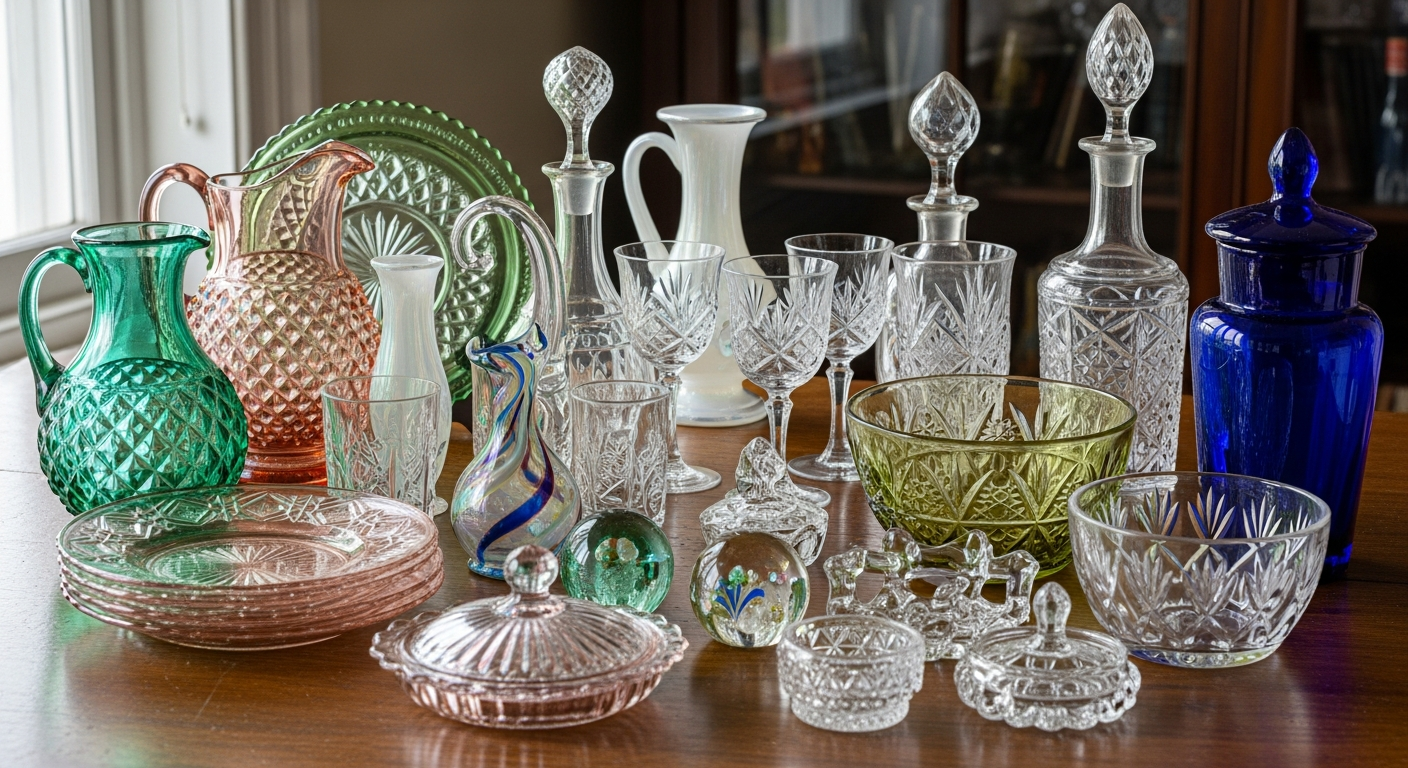
Murano glass identification reference with labels, signatures, pontil, form, color work, wear, provenance, seller claims, and expert review. Reference image; item-specific appraisal depends on submitted photos and documentation.Murano glass identification image used for checking labels, finish, color work, and originality clues.
Fake Murano glass identification starts with evidence, not a single label. Check the form, color work, pontil, weight, wear, signature, labels, seller claims, and any purchase or gallery paperwork.
Murano is a place-based glassmaking tradition, so broad phrases like Italian style, Venetian style, or Murano-style should not be treated as proof of origin.
Inspect labels and signatures
Labels can be moved, copied, or added later. Photograph labels, engraved signatures, acid marks, and stickers, then compare them with the claimed maker or workshop.
Read the object itself
Look for quality of execution, controlled color work, polished pontil, base wear, tool marks, bubbles, and finishing. Poor finishing can be a warning sign, but quality alone does not prove Murano origin.
Preserve the evidence trail
Keep invoices, gallery records, packaging, certificates, and prior appraisals together. If provenance is thin, describe the object conservatively until a glass specialist reviews it.
No public market evidence are asserted here. Treat any value conclusion for fake Murano glass identification as evidence-dependent until the object, condition, provenance, and market context are reviewed.
Get a documented appraisal path
Upload clear photos and background details so Appraisily can review identity, condition, and market context before you rely on a value.
To help ground this guide in real market activity, here are recent example auction comps from Appraisily’s internal database. These are educational comparables (not a guarantee of price for your specific item).
Shown USD range: USD 300-USD 1,100. Median of these 6 USD examples: USD 375.