
Yuan dynasty ceramic pair value basics
Start with identification, condition, provenance, and market evidence. A suspected Yuan ceramic pair can range from decorative Yuan-style pieces to specialist-market Longquan or other kiln wares, so photos of the body, glaze, foot rim, and condition are essential.
Yuan Dynasty Ceramic Pair: Identification and Value
The original WordPress post behind this page was only a single sentence: you bought two ceramic pieces in China years ago and suspect they could be funerary urns from the Yuan dynasty. That’s a smart instinct to explore—tomb objects and storage forms are common—and it’s also exactly the situation where photos and measurements matter most.
The Yuan dynasty (1271–1368) covers a wide variety of kiln traditions. Some Yuan ceramics are museum-grade (and can be worth five or six figures). Others are later pieces made in “Yuan style” for the tourist or decorative market. The goal of this guide is to help you document what you actually have and understand how originality drives value.
Free first read
Check form, glaze, foot rim, and condition before pricing
Upload the full pieces plus close-ups of the base, glaze, and any wear or repairs. We’ll route your intake to a ceramics specialist and reply with next steps.
Start with a free screener. Use a signed report when you need insurance, estate, donation, resale, or formal documentation.
How We Research Valuation Data
Our appraisal guides are based on auction results, dealer pricing data, and professional appraiser insights. We may earn a commission when you use our free professional appraisal service. Learn about our editorial standards.
First: what “Yuan dynasty ceramics” can look like
Collectors often imagine Yuan ceramics as one specific “look,” but the period includes multiple kiln centers and materials. Depending on where (and for whom) an object was made, it might be:
- Longquan celadon (green glaze): thick, glassy green glaze with carved or molded decoration under the glaze.
- Cizhou and northern wares: bolder forms, often with slip decoration (black/brown on lighter body) and more utilitarian profiles.
- Early blue-and-white: cobalt decoration under glaze—rare in true Yuan and widely copied.
- Tomb wares (mingqi): objects made for burial—some are earthenware, some glazed, many are stylistically “period,” but not always as finely finished as court wares.
So when someone says “funerary urns from the Yuan dynasty,” the best next step is to document what the pieces are physically: their material (porcelain vs. stoneware vs. earthenware), glaze type, firing features, and wear.
How to document your two pieces for identification
The fastest way to get a meaningful opinion is a consistent photo set for each piece. Do this in bright indirect light (window light is fine), with a ruler or tape measure visible in at least one shot.
- Full front, back, and side views (show the entire silhouette).
- Top view (rim profile, any lid-seat, interior glaze line).
- Base / foot rim (unglazed clay, trimming marks, kiln grit, any sticker residue).
- Close-ups of decoration (incising, carving, painting, stamped marks).
- Close-ups of damage/repairs (chips, cracks, filled losses, overpaint).
- Weight + measurements (height, max diameter, mouth diameter, foot diameter).
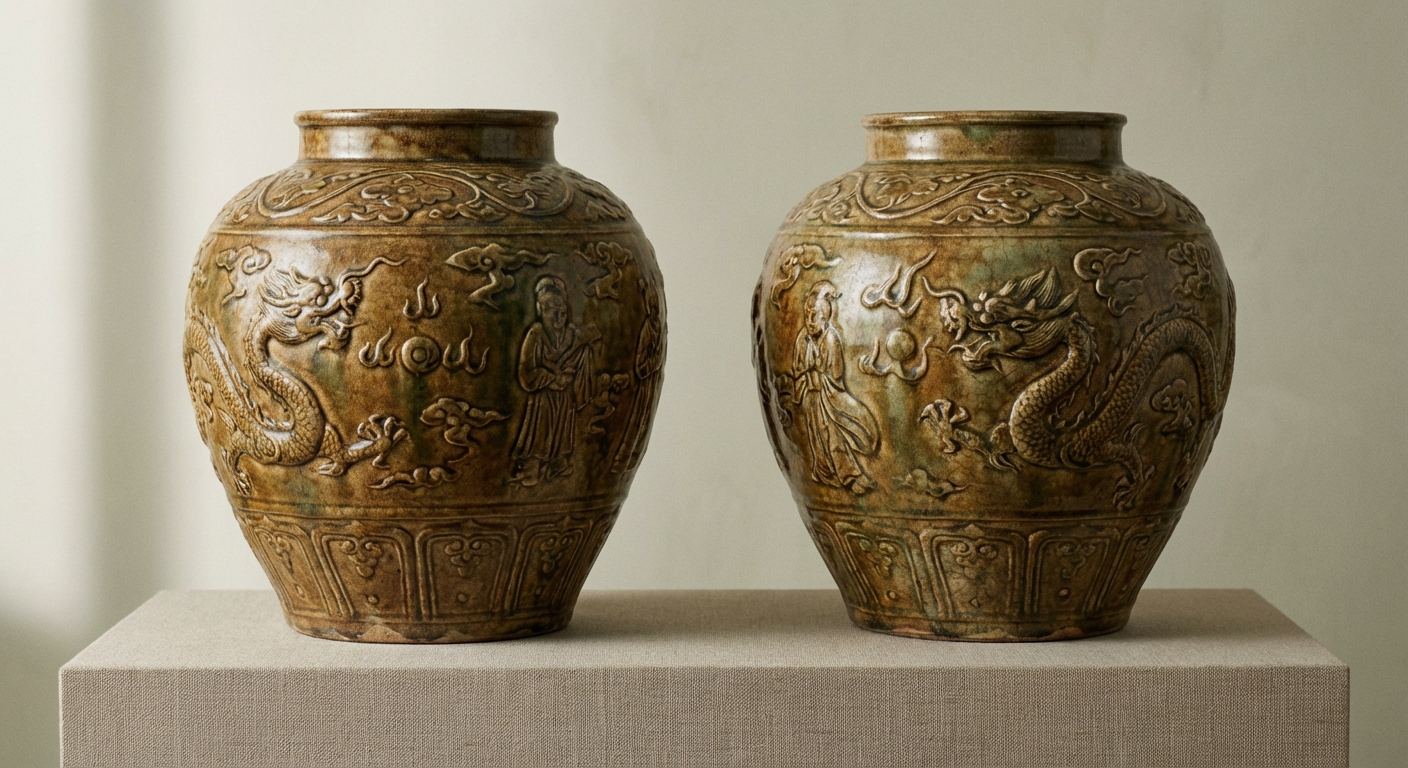
Quick attribution review clues: body, glaze, and foot
You don’t need to be a conservator to spot red flags. A few “big picture” indicators can help you decide whether you’re likely looking at modern decorative ceramics or older kiln wares.
1) The ceramic body (what it’s made of)
- Porcelain (high-fired, white body) is common in later periods, but Yuan porcelain exists too—especially in Jingdezhen production.
- Stoneware (gray/buff body) is common for Longquan celadon and many utilitarian forms.
- Earthenware (more porous, lower-fired) can appear in some tomb wares; it often rings less “glass-like” when tapped lightly.
2) Glaze behavior
- Natural glaze pooling in recesses and a clear “stopping line” (where glaze ends) are good signs; overly uniform glaze everywhere can be a modern tell.
- Crazing (fine crackle) can be natural or induced; evaluate it alongside wear and staining.
- Bright, glossy glaze with no handling wear on rim edges is often modern—especially if the piece is claimed to be excavated.
3) The foot rim and base
- Unglazed base with kiln grit/sand is common in older Chinese ceramics (but also imitated).
- Trimming marks should look purposeful and consistent with wheel finishing, not random sanding.
- Artificial aging often shows as “even” abrasion in places that wouldn’t naturally wear, or uniform dark staining that wipes away with a damp cotton swab.
Are they really a pair?
Many buyers acquire “pairs” that were matched by a dealer rather than made together. That doesn’t make them worthless, but it can affect value—especially if you’re hoping they are a matched set from the same kiln and period.
Check whether both pieces match on these points:
- Same clay color at the foot rim (not just the same glaze).
- Same glaze thickness and tone (celadon can vary; look for overall consistency).
- Same firing scars (spur marks, kiln grit pattern, glaze stop line).
- Same proportions (rim diameter, shoulder profile, foot diameter).
- Same wear pattern (handling wear on the rim/shoulder should look “lived-in,” not staged).
Marks—and why Yuan pieces are often unmarked
A common misconception: “If it’s real, it should have a reign mark.” In reality, many earlier wares are unmarked, and reign marks become more systematic later. Even when marks exist, they can be apocryphal (later marks added to honor an earlier period).
If your bases show a neat six-character mark in underglaze blue, treat it cautiously: that pattern is much more typical of later Ming/Qing marking conventions than documented Yuan wares.
Condition issues that matter most for value
Condition is a major price driver in Chinese ceramics. Two pieces with the same “type” can be separated by a factor of 5× (or more) depending on repairs.
- Rim chips: common and often acceptable on utilitarian wares, but they reduce value.
- Hairlines: fine cracks are serious; they can spread with temperature changes.
- Restoration/overpaint: UV light can reveal modern fill and overpaint; professional restoration is not automatically “bad,” but it must be disclosed.
- Excavation staining: genuine burial staining tends to be uneven and integrated; uniform “mud wash” can be a modern effect.
Value ranges (and why the range is so wide)
Without seeing the pieces, a single value would be irresponsible. Use the ranges below as screening guidance, then compare against the auction table.
- Decorative or Yuan-style pair: often low hundreds when attribution is uncertain or modern.
- General Song/Yuan or Yuan-Ming attribution: often hundreds to low thousands when the form and glaze are plausible but not top-tier.
- Documented Yuan kiln ware: can reach five or six figures at specialist sales when quality, provenance, condition, and market demand align.
Auction comps for Yuan and Yuan-style ceramics
Separate uncertain “Yuan style” or broad Song/Yuan lots from documented Yuan kiln wares. Specialist Longquan celadon results can be outliers if your pieces lack provenance, kiln attribution, or comparable condition.
| Photo | Sale | Date | Lot | Realized | Notes | Source |
|---|---|---|---|---|---|---|
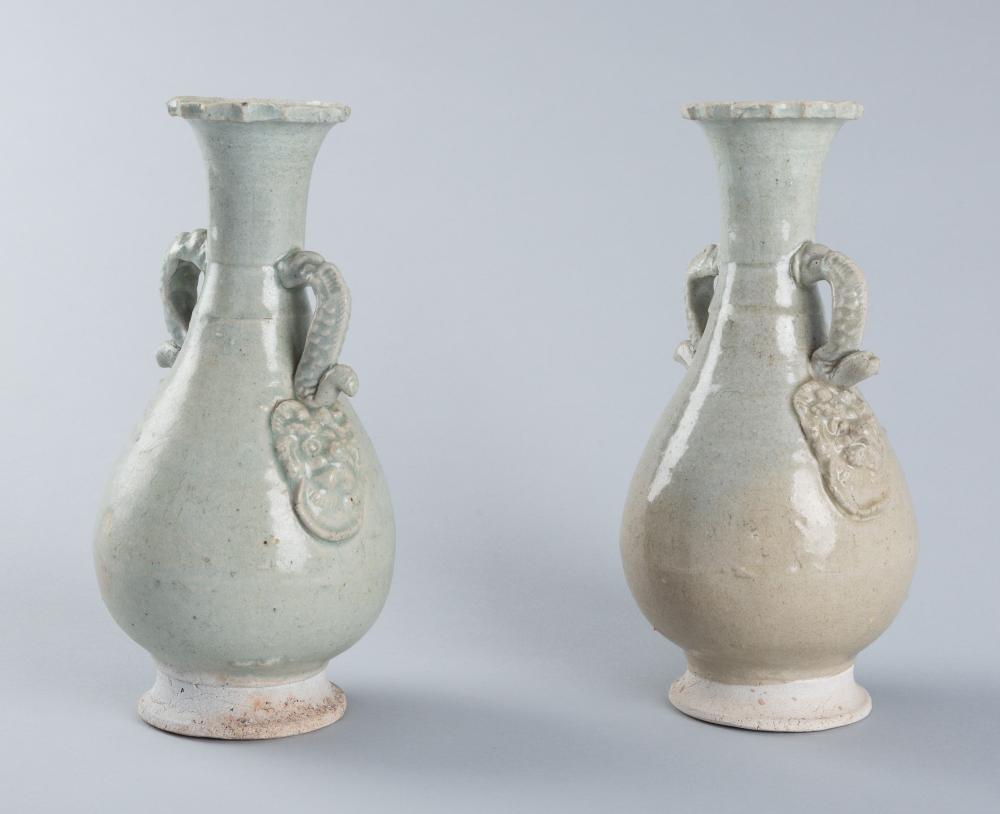 | Galerie Zacke, pair of Qingbai glazed ceramic vases, Song to Yuan dynasty | January 18, 2024 | 1217 | EUR 550 | Closest pair-format comp; useful for lower specialist or uncertain attribution context. | Valuer Bridge dataset |
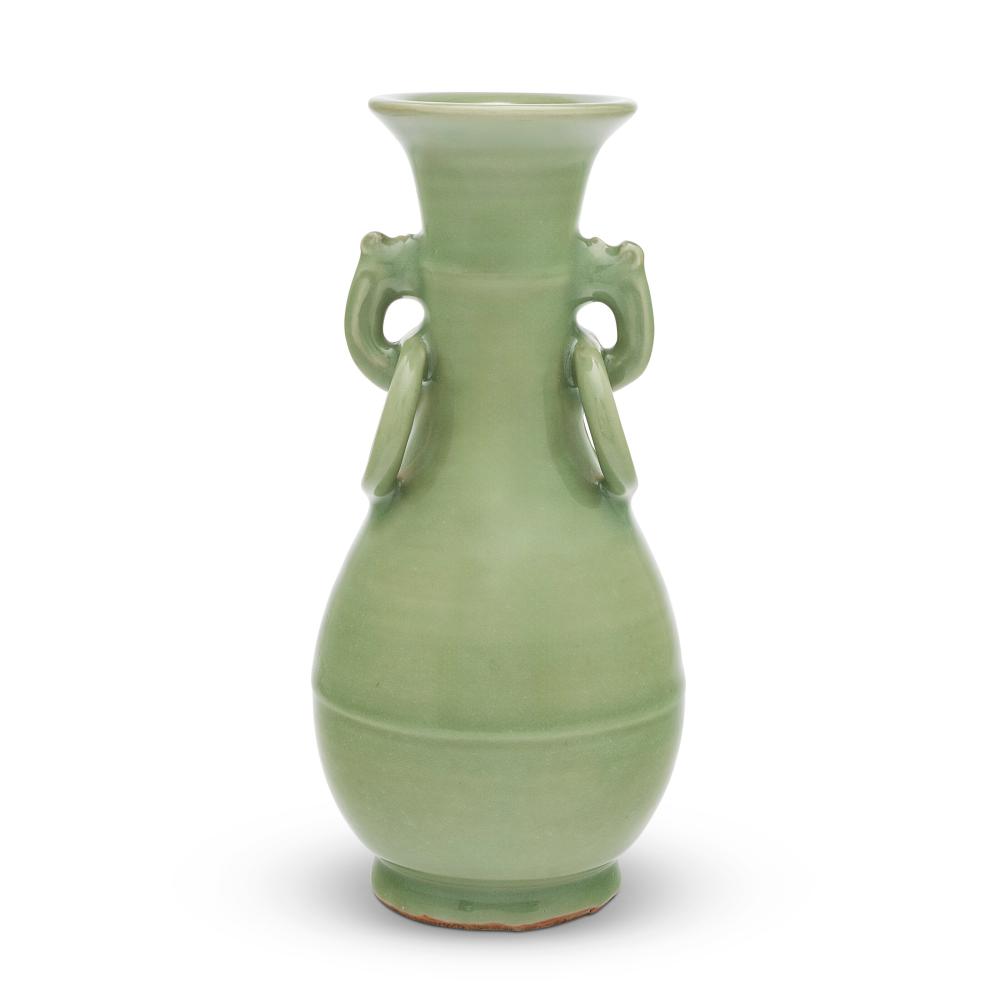 | Christie's, Longquan celadon twin-handled baluster vase, Yuan-Ming dynasty | December 13, 2024 | 689 | EUR 4,000 | Specialist Longquan context; relevant if body, glaze, foot, and form align. | Valuer Bridge dataset |
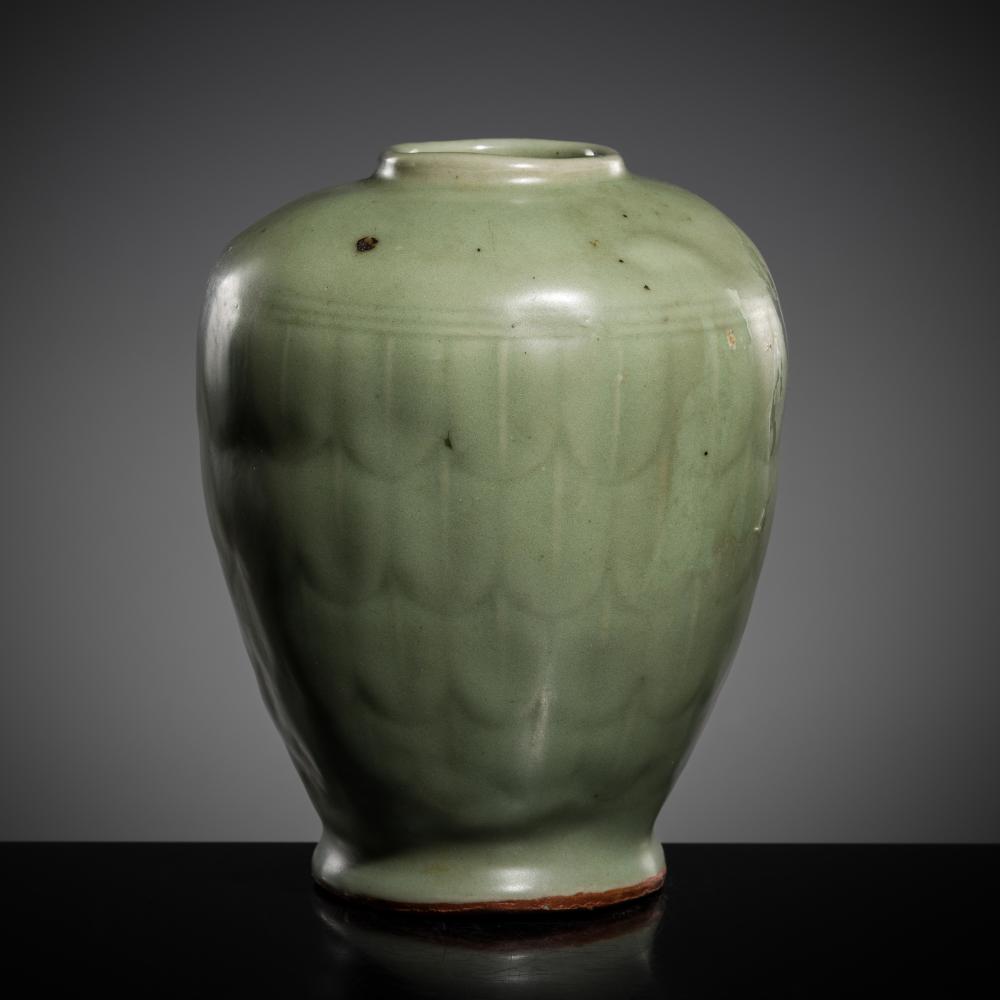 | Galerie Zacke, Longquan celadon vase, Yuan to Ming dynasty | March 11, 2026 | 237 | EUR 800 | Mid-market specialist comp for Longquan-type attribution with modest result. | Invaluable / Galerie Zacke |
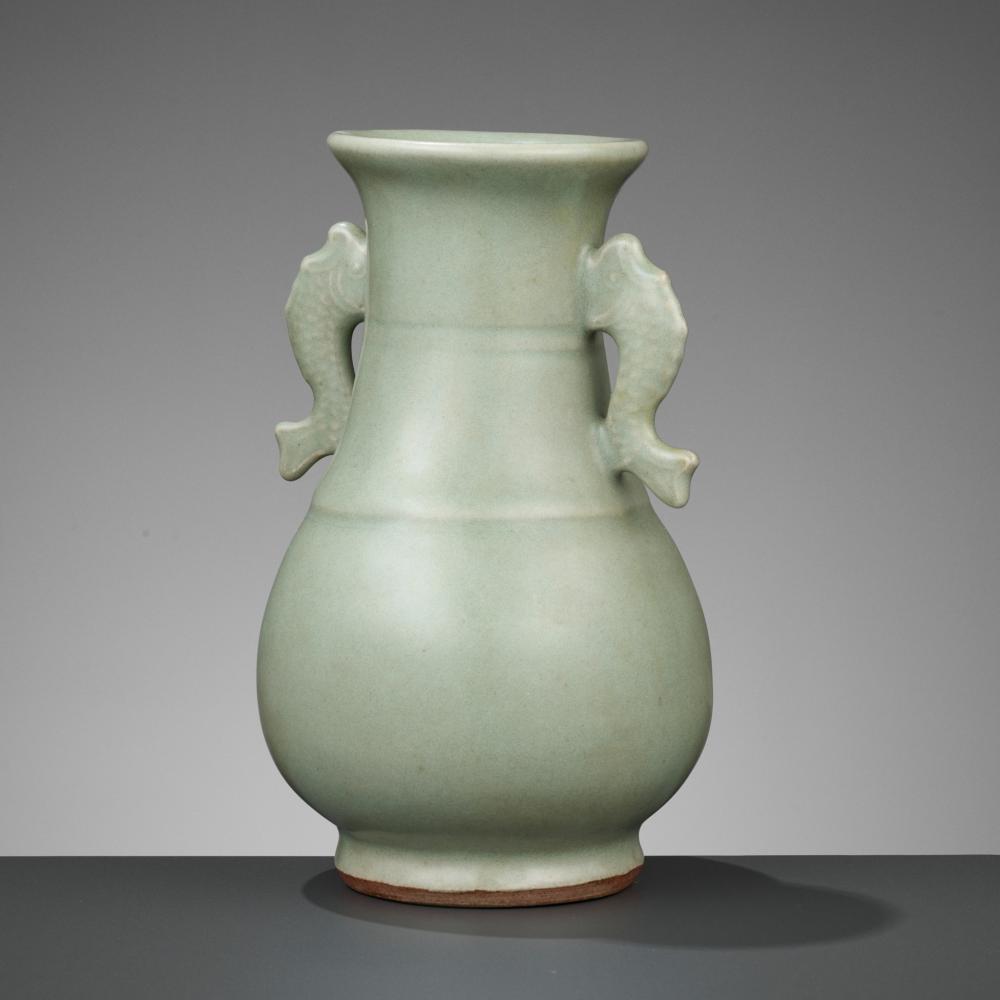 | Galerie Zacke, Longquan celadon twin-fish vase, Southern Song to Yuan dynasty | January 18, 2024 | 1222 | EUR 1,000 | Useful for genuine Longquan-style form but still far below top-tier provenance results. | Invaluable / Galerie Zacke |
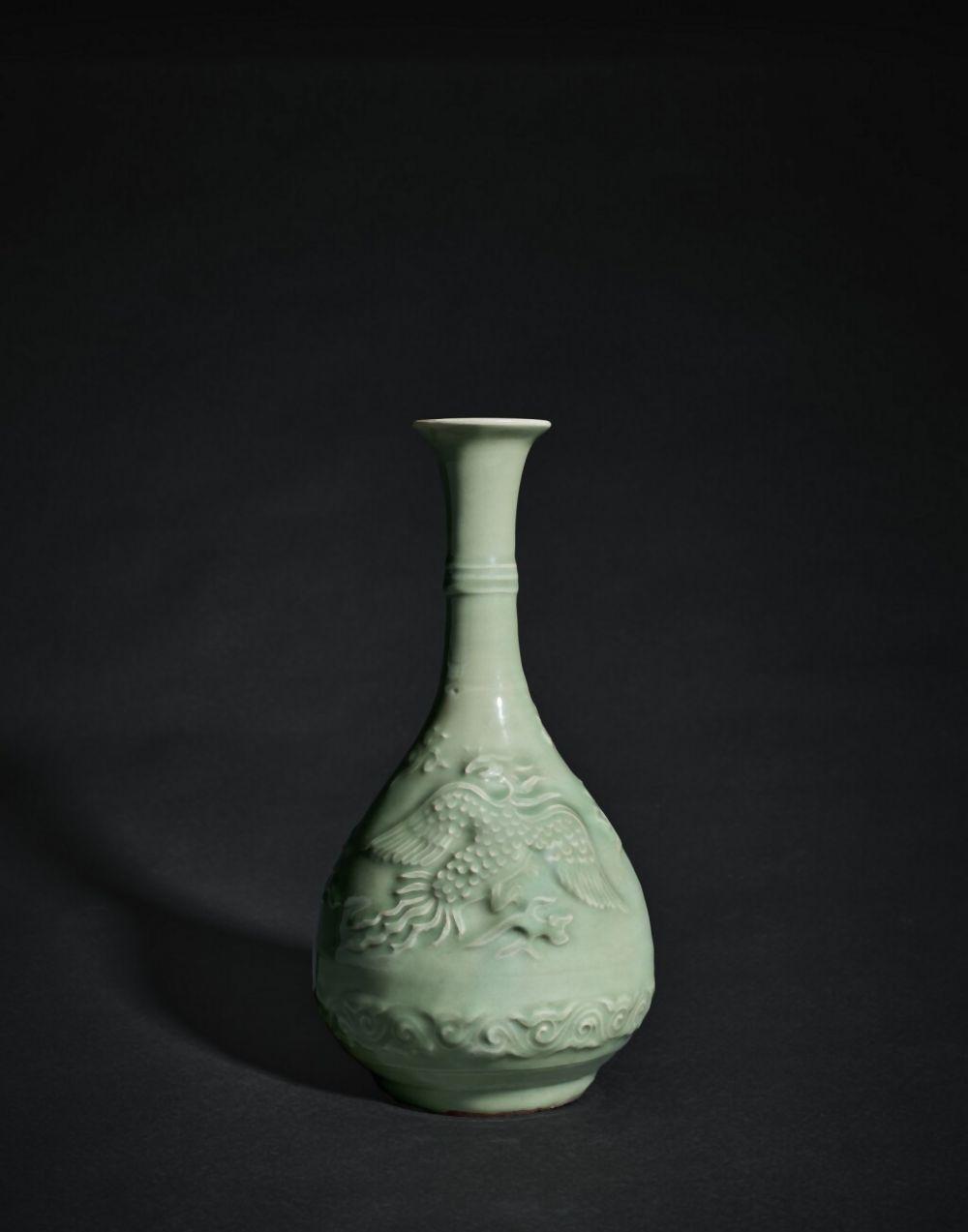 | Sotheby's, Longquan celadon phoenix vase, yuhuchunping, Yuan dynasty | October 29, 2024 | 2032 | HKD 1,320,000 | High specialist outlier; use only when comparable rarity, quality, provenance, and condition are present. | Invaluable / Sotheby's |
| No image | Christie's, rare Longquan celadon bottle vase, Yuan dynasty | September 13, 2019 | 1051 | USD $75,000 | Specialist-market context for documented Yuan Longquan with strong presentation. | Invaluable / Christie's |
Takeaway: uncertain Yuan-style pieces can sit in the hundreds, while documented Yuan Longquan forms can reach specialist prices. Attribution, condition, and provenance decide which market applies.
Have suspected Yuan ceramics?
Check body, glaze, foot rim, condition, and pair status before pricing.
Upload both pieces, bases, foot rims, glaze close-ups, dimensions, and repair photos. The free screener can flag whether specialist review is warranted.
Upload photos for a free first lookWhat to do next (a simple path)
- Photograph the pair systematically (full views + base close-ups + any damage).
- Write down your purchase context: where in China, what year, from what kind of seller.
- Don’t clean aggressively. Avoid soaking, abrasive scrubbing, or removing “staining” until a specialist weighs in.
- Consider expert review if the bodies/glazes look promising—especially if the foot rims and wear look naturally consistent.
If you want a concise written appraisal plan, submit your photos through the mid-article intake above. We’ll respond with an initial range and the most useful next steps (including whether lab testing would add value).
Need a second opinion?
Find the right ceramics specialist
Compare experts by specialty and location—or start a secure online appraisal with photo upload.
Appraiser Directory
Browse vetted experts
Search by specialty, region, and response time.
Browse the directoryOnline appraisal
Get a written report
Upload photos and receive market evidence in about 24 hours.
Start an appraisal