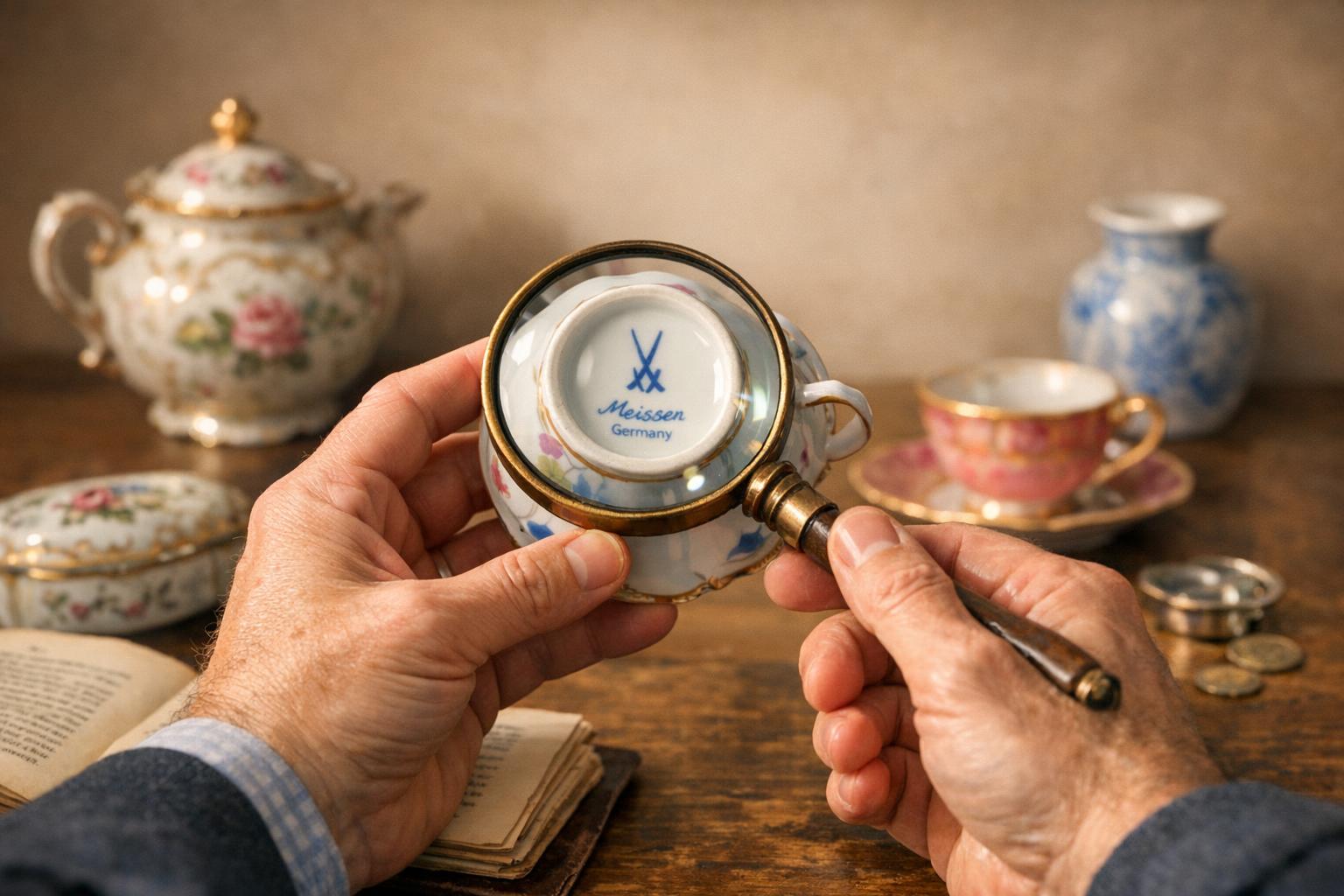
Pottery and porcelain identification basics
Start with the base mark, clay body, glaze, translucency, foot rim, weight, wear, and country-of-origin wording. A famous-looking mark is only one clue, and later reproductions can carry convincing stamped or printed marks.
Collectors often ask the same first question: “What is this, and how can I tell quickly if it is authentic?” The practical answer is to treat pottery and porcelain identification as a sequence, not a single clue. You should confirm the item in this order: mark evidence, material behavior, age signs, then restoration risk.
That sequence avoids the classic mistake of over-crediting one visible signal. A clean maker mark on a repaired base does not always outweigh aggressive restoration, and a highly decorative glaze does not automatically mean antique production. This guide gives you a practical workflow you can apply with minimal tools and a lot of caution.
The goal is to move from a vague “pretty piece” intuition to a defendable hypothesis you can test before spending money on full valuation. If you still have uncertainty after the workflow, the next step is usually to send photos to a ceramics specialist.
How this guide is structured
- Fast identification checklist
- How to read pottery and porcelain marks
- Material identification by feel, weight, and sound
- Age clues without lab equipment
- Authentication toolkit for home and pre-scouting
- Common mistakes that create costly misreads
- What to do when no marks are present
- When to bring in a specialist
The Fast Identification Checklist
If your piece is recent or unfamiliar, spend four minutes on this checklist before you search any database:
- Check both base and foot rim for backstamps, symbols, letters, or applied marks.
- Test for porosity: water should not pass through unglazed porcelain or bone china quickly.
- Hold the edge up to side light to evaluate translucency and glaze texture.
- Run a ring test on a safe area and compare tonal clarity across the piece.
- Compare wear pattern symmetry and look for modern tool marks around chipped edges.
- Confirm whether any marks repeat across another object in the same group (if you have group pieces).
- Photograph details at 45° light and 90° light before further judgment.
How to Read Pottery and Porcelain Marks
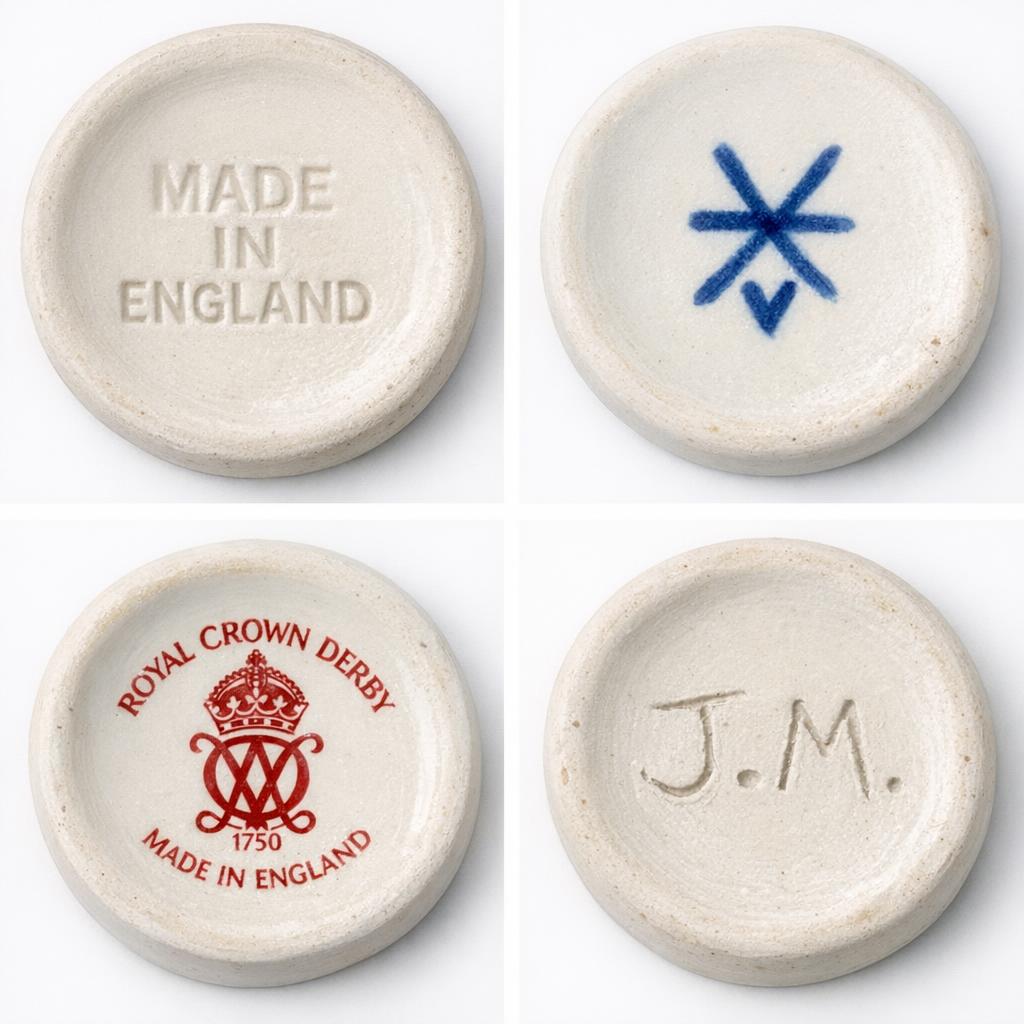
Not all marks carry the same weight. Broadly, use this hierarchy:
- Maker marks are usually the strongest clue for provenance when clearly legible and consistent.
- Factory marks confirm production origin and production method.
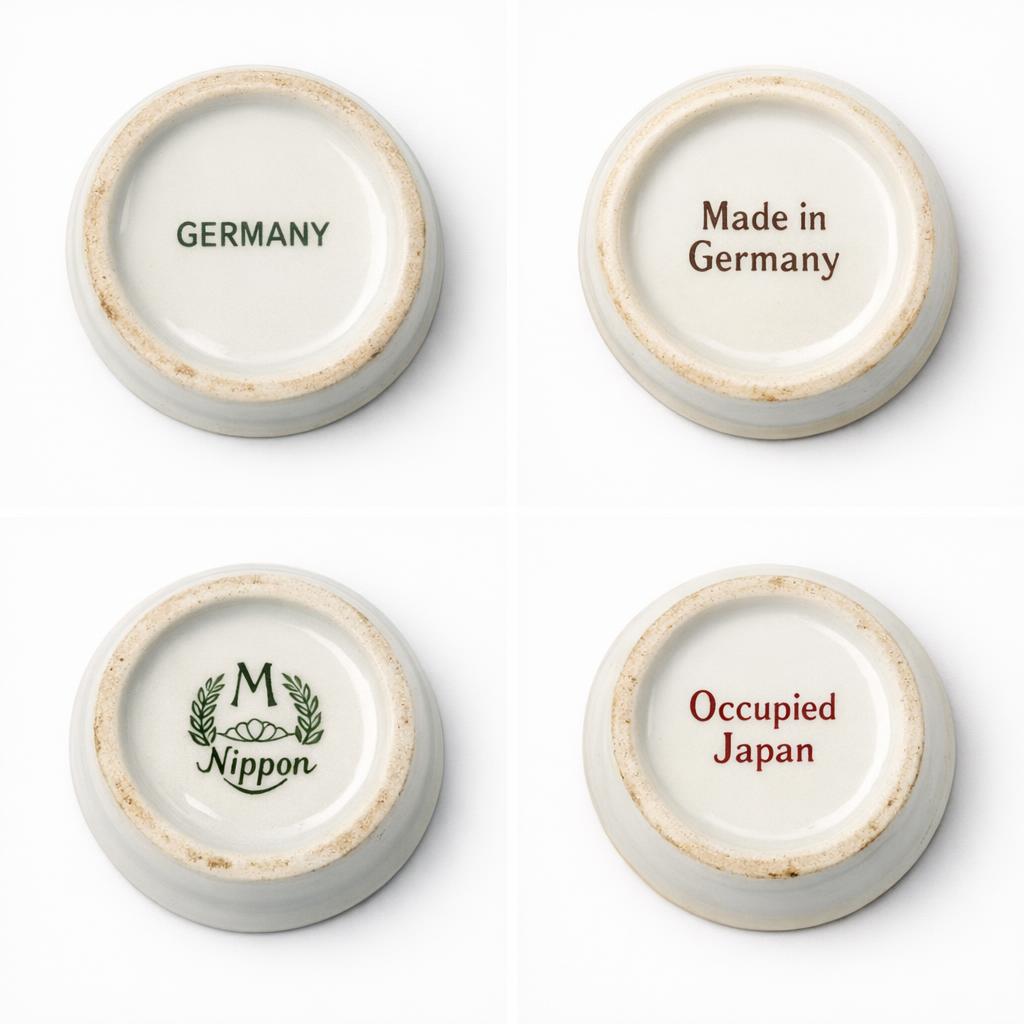
- Country marks can place the object in a legal-timeframe window.
- Pattern and date marks help narrow the catalog family.
- Painter/decorator marks usually affect decorative lineage, less so absolute dating.
1) Maker marks
Look for repeated iconography (symbols, crowns, letters, interlocked monograms) and consistent line quality. Distortions, flattened edges, or uneven impressions can indicate tool wear or abrasion from decades of handling.
2) Factory marks
Factory marks often describe the workshop scale rather than one individual. Compare style with catalogs or reliable reference pages from trusted appraiser datasets.
3) Country-of-origin marks
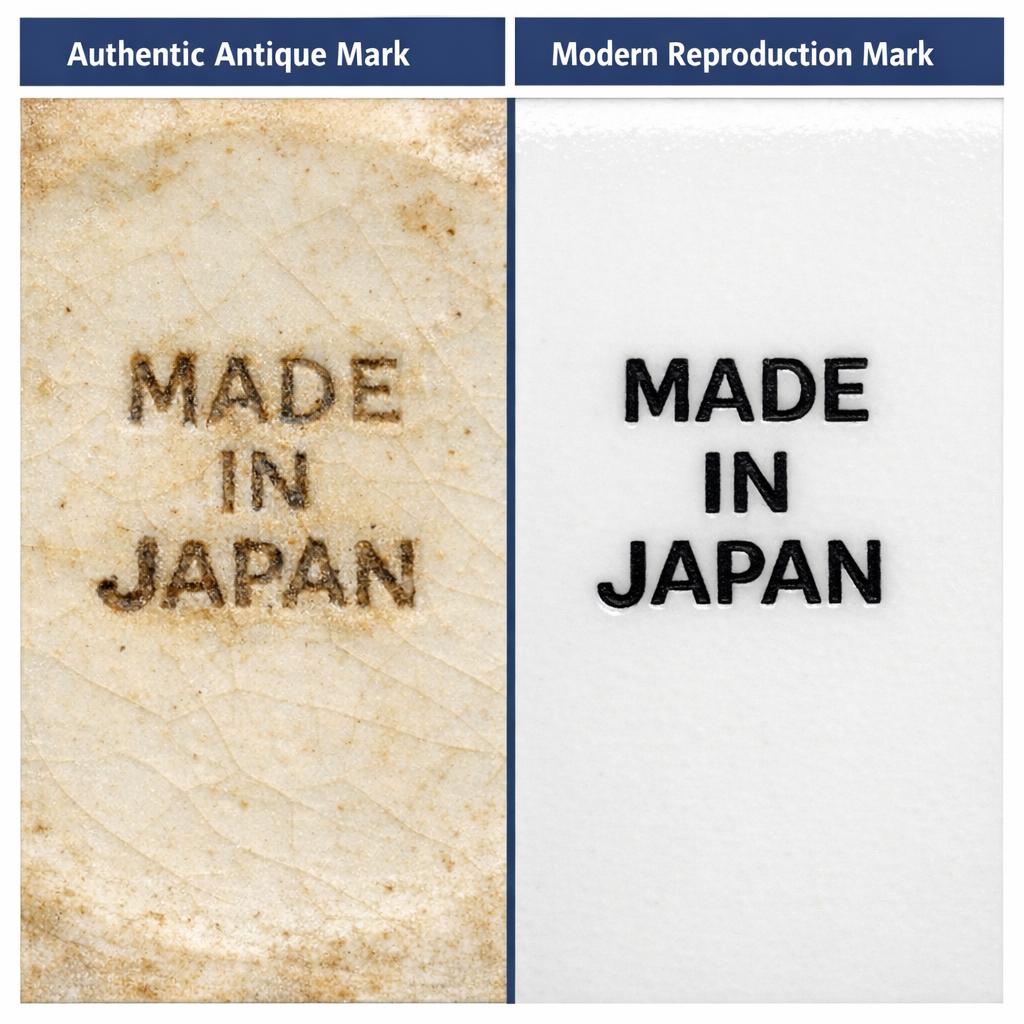
Origin wording can narrow range and geography. Evidence from this run emphasizes the practical utility of these marks, especially when maker marks are absent or partial.
4) Pattern numbers and shape codes
Pattern numbers are not dates. They often describe production runs, model families, or decorative sets. Treat them as a classification aid, not a direct authenticity proof.
5) Backstamps and date marks
Some manufacturers use date-like letters or letters with period-specific typefaces. Confirm whether the style matches known mark chronology for that factory.
6) Decorator marks
Hand-painted initials and ciphers can appear on genuine pieces, but signatures can also be copied. Confirm continuity across style, pigment age, and craquelure around the mark.
7) Firing and kiln clues
Spur marks, saggar marks, and kiln support marks are often technical hints that indicate firing method and workshop process. They are typically less specific than maker evidence but useful in confirming material lineage.
Material ID: Earthenware, Stoneware, Porcelain, and Bone China
Material class determines most of your next steps. Before finalizing any valuation hypothesis, classify the body correctly.
Earthenware
Earthenware is typically lower-fired, often thicker, and can feel denser to the touch. It is often more porous and less translucent at the edge. It can still be very collectible, but value depends heavily on mark clarity, maker documentation, and condition.
Stoneware
Stoneware is harder and denser than earthenware and often has a muted body tone. Production methods can include hand-throwing and casting, so base symmetry and tool marks are useful for process-level clues.
Porcelain
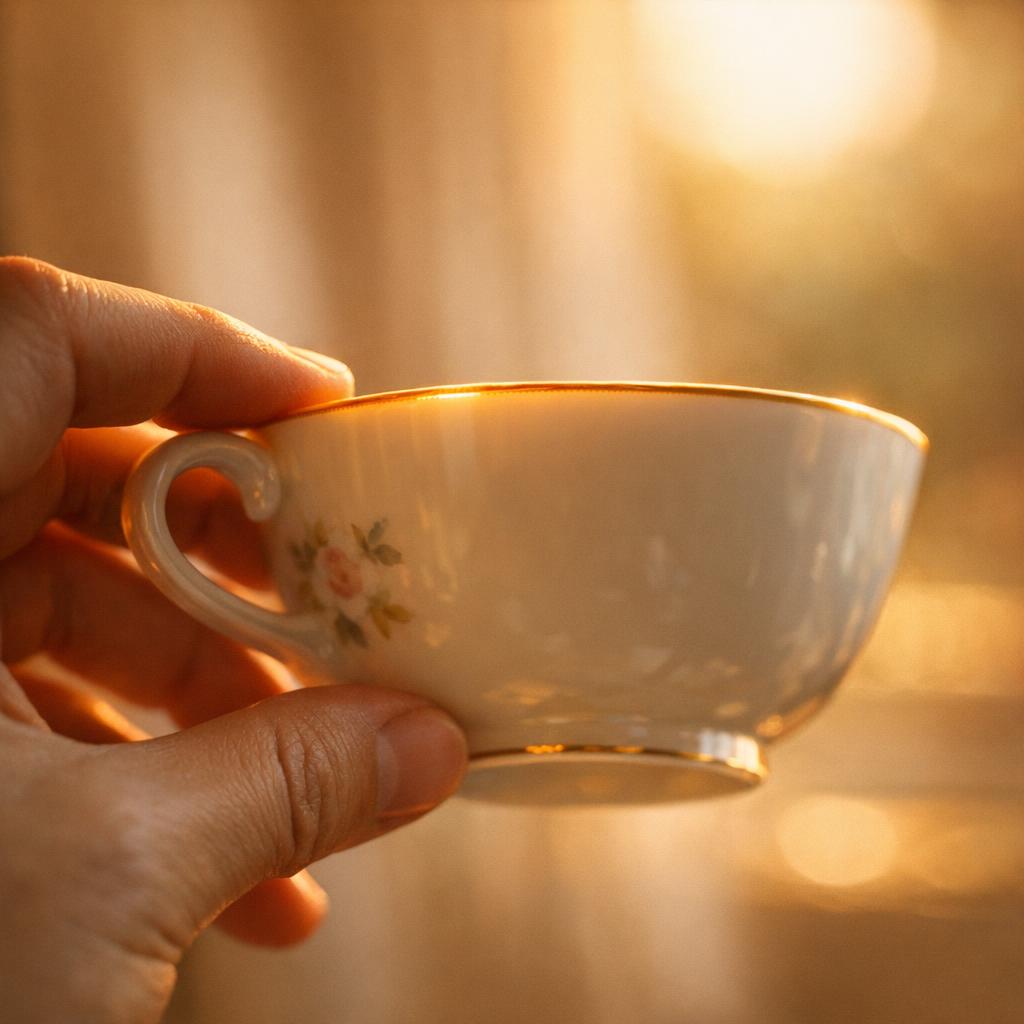
Porcelain usually feels lighter and shows stronger vitrification and translucency at thin edges when backlit. Historical auction context consistently shows porcelain pieces with clear marks and low visible restoration often command stronger demand than non-marked alternatives in similar condition.
Bone china
Bone china adds bone ash to the body and body chemistry, producing a brighter translucence and cleaner fracture pattern in some cases. In market context, origin and maker documentation generally matter more than color alone.
Age Clues Without a Lab
Age is not proved by one clue. Treat each sign as a probability signal.
Glaze behavior
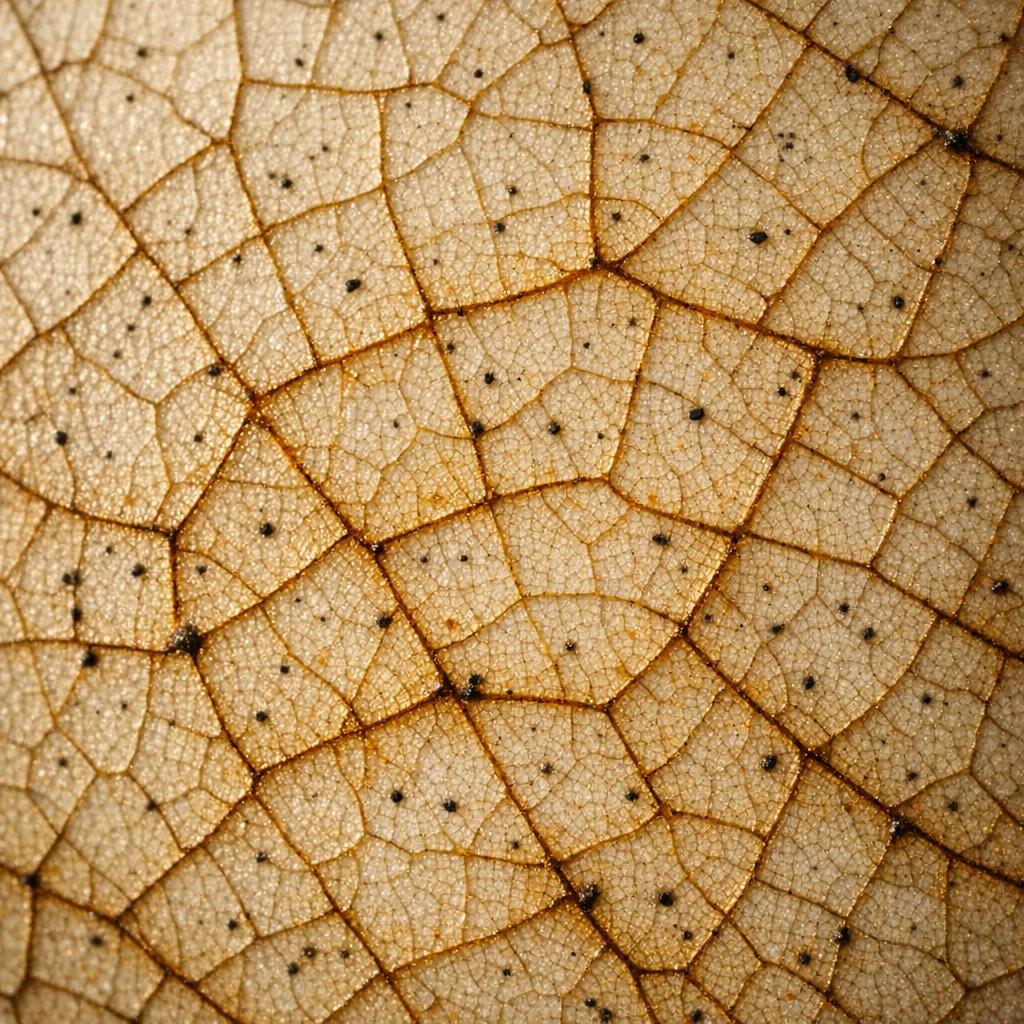
Authentic older glaze often shows wear patterns with micro-patina and uneven micro-fracture development. Modern faux effects are often uniform and lack historic grime distribution.
Surface impurities and kiln dust
Traditional firing contexts can leave mineral residues and subtle particulate inclusions. A dense, flawless, fully consistent finish may still be authentic, but it deserves additional verification if other evidence is weak.
Wear geometry
Real wear is directional: high-touch points smooth over time while untouched zones remain relatively intact. Artificial distress often looks uniform or staged.
Restoration traces
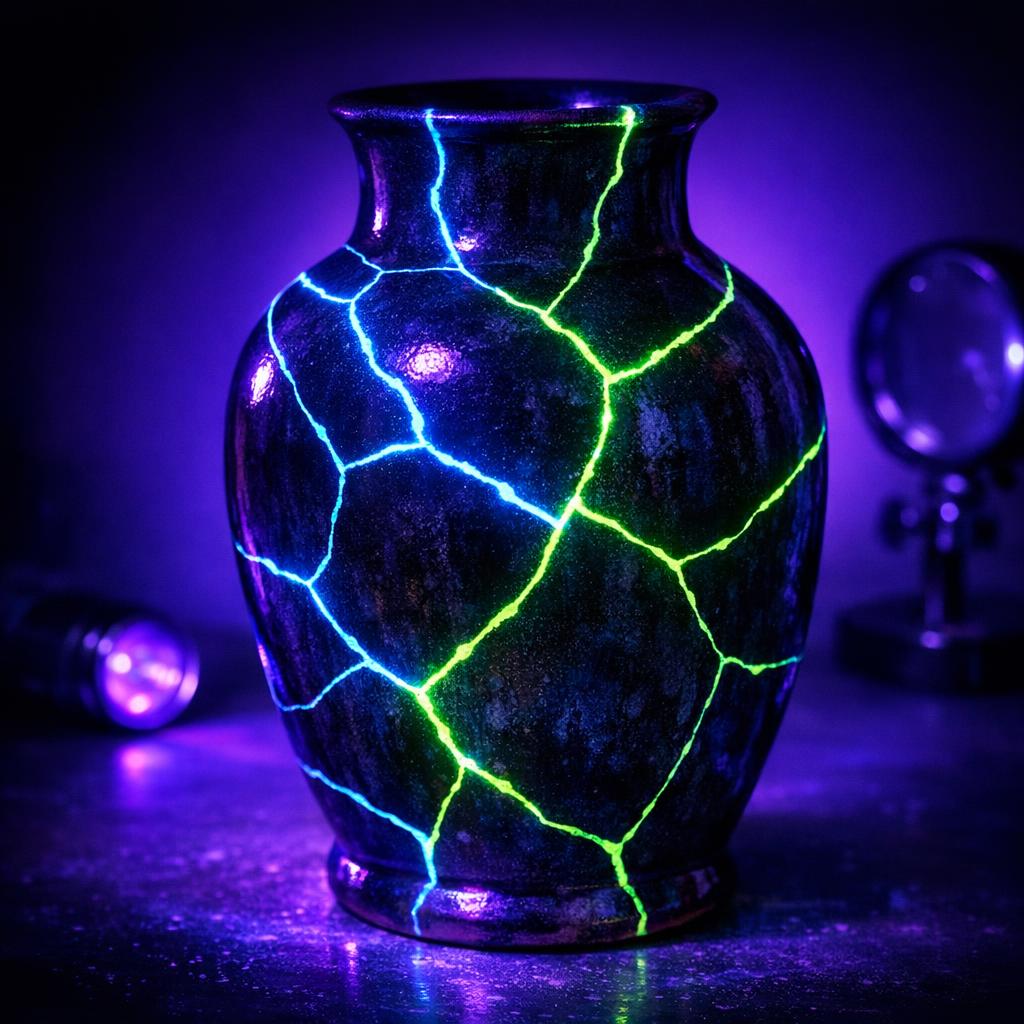
Look for fill seams, glaze pooling around patched fractures, and edge behavior. Repaired chips, if done well, can still leave faint telltale transitions visible under raking light.
Authentication Workflow You Can Run Today
This section is a practical protocol for identifying pottery and porcelain before you decide whether to pay for expert valuation.
- Visual capture: photograph six angles, base, foot, glaze, marks, and known damage points.
- Context capture: note provenance, where found, and any shipping packaging or labels.
- Mark reading: isolate each mark and build a mark list (maker / factory / country / pattern).
- Material check: confirm body and glaze behavior with ring, weight, and translucency checks.
- Condition grading: map wear, chips, repairs, and glaze lifting by location.
- Valuation hypothesis: only after steps 1–5, compare against auction and market references.
For this article family, internal comps indicate active references for porcelain coffee wares, export patterns, and mixed porcelain lots with reported values ranging from lower three-hundreds to several hundred pounds or dollars depending on maker context and lot quality. For example, internal sourcing surfaced items like a Kakiemon-style small coffee-pot/cover lot and a Chinese export armorial charger lot with different realized prices, showing condition and profile differences can shift outcomes significantly.
Common Mistakes Collectors Make
- Chasing one mark only: a mark with poor condition context can mislead quickly.
- Ignoring reverse photography: underside details are often decisive.
- Using color as a proxy for rarity: age, condition, and maker evidence still matter more.
- Assuming old = expensive: many fine reproductions are excellent-looking but market response stays modest.
- Underestimating repairs: modern glue lines and edge fill can reduce trust and liquidity.
- Skipping group context: matching one object against known lines lowers error.
- Overfitting anecdotes: avoid assigning a lot value from one matching photo on a search result page.
When There is No Mark
If a piece is unmarked, identify it by design language, glaze behavior, vessel profile, and construction history. That path is slower, but often more robust than forcing a questionable mark match.
In these cases, treat provenance and photos as your primary evidence. Unmarked ceramics can still be valuable when makers are strongly documented through family collections, archive references, or matching sets.
When to Call a Specialist
Escalate to a specialist if any of these appear:
- Conflicting mark sequences that cannot be reconciled with production chronology.
- High-value claims, especially with incomplete provenance.
- Visible internal structural damage or suspicious repairs.
- Competing market evidence from credible sources with large value spread.
Market Context Snapshot
Use auction comps as market context only. In this publishing run, the imported comp set included porcelain and pottery lots with widely varying outcomes, including under $1,000, around low hundreds, and premium lines with materially higher asking and realized values.
The practical lesson is simple: specificity beats broad category labels. Two visually similar pieces can differ greatly in value when marks, condition, and form are interpreted differently.
Free instant estimate
Not sure if your item is worth appraising? Let us take a look.
Upload a photo, tell us what you know, and get a free first read. If a full appraisal makes sense, we will say so.
Free. No card needed. Takes about two minutes.
Search variations collectors ask
Readers often ask questions like these during the first stage of authentication:
- how to tell if pottery is antique or a reproduction
- what does a pottery country-of-origin mark mean
- how to identify porcelain vs bone china at home
- how to test whether a pottery chip is old repair
- what marks indicate factory versus artist pottery
- how to read backmarks on old porcelain plates
- why does pottery glaze look different at the edge
- pottery valuation clues before contacting an appraiser
- common authentication mistakes for antique porcelain
If your item still defies classification, send photos to our specialist team with material details and provenance notes.
References & Sources
- Westland London — Identifying Antique Pottery Marks: an in-depth guide.
- Lakeside Pottery — Marks and Symbols on Ceramic, China and Pottery.
- The Spruce Crafts — Pottery and Porcelain Marks.
- UN Treasury/industry notes on historical country-of-origin practices.
- Guides and valuation references from Appraisily internal auction dataset.
- Internal auction and valuation context collected for this topic run.
This guide is educational and meant to support initial identification. It is not a formal valuation. For high-confidence conclusions, use a certified appraiser and the documented checkout workflow. See our editorial policy.
Need pottery or porcelain identified before you sell?
Upload the full piece, base mark, clay body, glaze, rim, foot, damage, and any provenance notes so maker and age clues can be reviewed together.
- Specialist review by material class and maker context
- Clear next steps if further testing is needed
- Audit-friendly notes for insurance, estate, and sale decisions
From £75 · Under 24 hours · Fully documented
Note: We couldn’t find enough auction records that directly match How to Identify Pottery and Porcelain: Marks, Materials and Age Clues to publish a defensible price table. If you are valuing a specific item, include its maker, model, material, photos, and condition so the search can be narrowed.
What similar items actually sold for
The current auction search does not contain at least three clean, directly matched sales for How to Identify Pottery and Porcelain: Marks, Materials and Age Clues yet. If you’re valuing a specific item, use the free estimate flow so the search can be narrowed by maker, material, photos, and condition.
Disclosure: prices are shown as reported by auction houses and are provided for appraisal context. Learn more in our editorial policy.