Unlocking the Worth of Yesteryear a Guide to the Value of Old Glass Medicine Bottles: appraisal and value basics
Unlocking the Worth of Yesteryear a Guide to the Value of Old Glass Medicine Bottles research should start with identification, condition, provenance, and item-specific market evidence. Use this guide to compare the signals that matter before paying for a formal appraisal or deciding whether to sell.
Old glass medicine bottle appraisal checklist
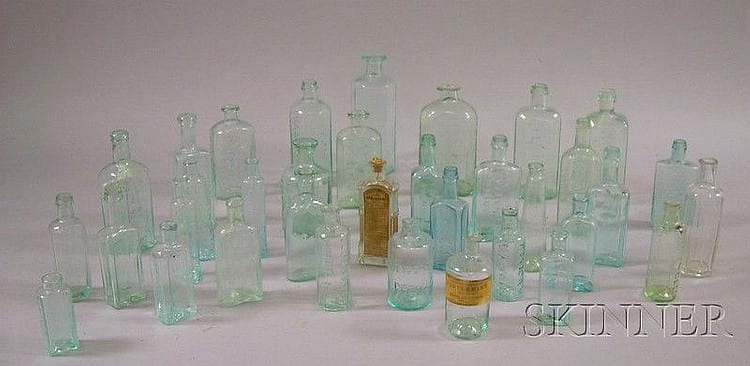
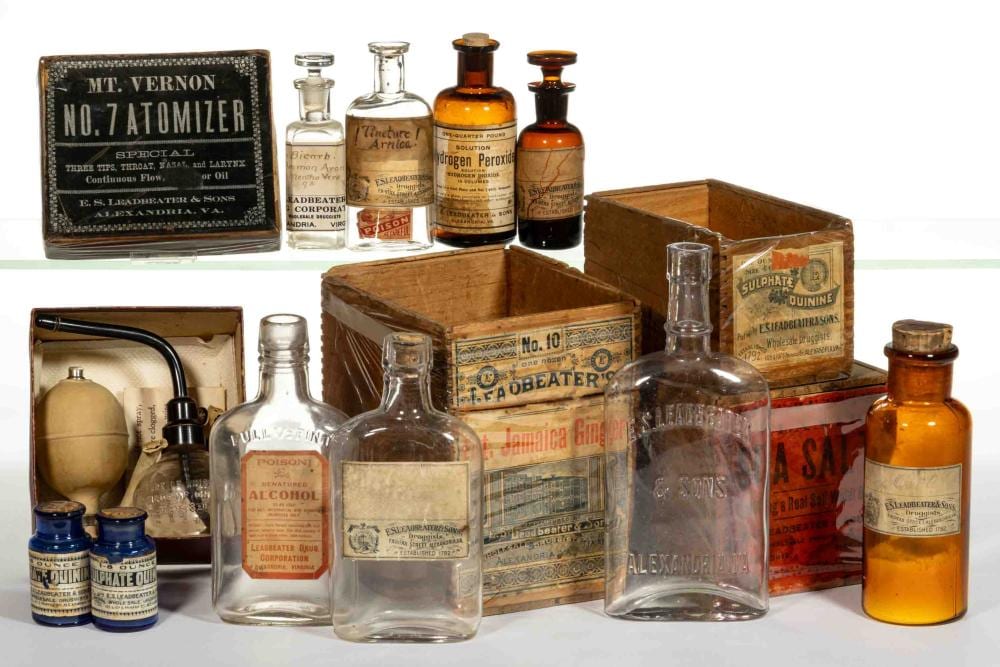
From humble patent cures to sculptural figural bitters, old glass medicine bottles are a window into 19th- and early 20th-century health culture—and a vibrant collecting field. For appraisers and enthusiasts, their value hinges on a mix of glassmaking technology, marketing history, and condition nuances that can add zeros to a price tag. This guide distills the essential cues that determine worth, how to spot period manufacturing, what categories command premiums, and how to care for and sell bottles without diminishing their value.
What Drives Value: The Big Five Factors
- Age and manufacturing method
- Earlier generally equals scarcer. Open pontil scars and applied lips point to mid-19th century hand manufacture. Machine-made examples are later and usually more common.
- Form and category desirability
- High-demand types include figural bitters, ribbed poisons, skull-and-crossbones bottles, unusual dose glasses, and embossed local druggists from smaller towns.
- Color and glass chemistry
- Aqua is common; intense cobalt blue, deep emerald, true amber, and unusual shades (strawberry puce, teal, citron) boost value. Sun-purpled amethyst can be natural (manganese decolorizer) or artificially irradiated—buyers pay more for naturally aged color.
- Embossing, labels, and packaging
- Strong, crisp embossing, bold pictorials (e.g., log cabins, fish, hands), and full original labels and boxes can double or triple value. Embossed city and druggist names attract local collectors.
- Condition, size, and originality
- Chips, cracks, starbursts, and heavy interior “sickness” reduce prices sharply. Clean attic condition is prized. Original stoppers, corks, dose cups, and correct closures are a plus. Unusually large or miniature sizes are often more desirable.
Dating Medicine Bottles: Quick Field Methods
You can narrow a date range in minutes by reading the bottle’s “anatomy.” Focus on the lip, seams, base, and glass character.
- Lips and finishes
- Applied lip: A separate ring of glass added and tooled while hot. Often uneven; seen on c. 1840s–1870s bottles.
- Tooled lip: Neck blown, then rim tooled to shape. Common c. 1870s–1900s.
- Screw-thread finish: Appears mid-19th century but becomes far more common with machine production after c. 1900.
- Ground-glass stopper on apothecary jars: 19th to early 20th century; look for matching ground surfaces on stopper and neck.
- Mold seams
- No visible mold seam and a rough pontil: free-blown or early dip-mold, usually pre-1860.
- Seams to the base of the lip (but not over it): mouth-blown in mold, finish hand-tooled, c. 1860s–1900s.
- Seams run through the lip and over the rim: machine-made, typically after c. 1903–1905 (Owens and later machines).
- Bases and pontils
- Open pontil scar: jagged, pushed-in circle; common pre-1860.
- Iron pontil: gray/black residue or circular scar; c. 1840s–1860s.
- Smooth base with mold marks: later hand-made or machine-made.
- Makers’ marks and codes
- W.T. & Co (Whitall Tatum), H over A (Hazel-Atlas), an I in an O (Owens-Illinois, post-1929), and similar marks help frame dates. Drugstore-embossed bases may include city/state.
- Glass character
- Heavy bubbles, waviness, and “whittle marks” (textured undulations from cooling) are typical of earlier hand work.
- Uniform clarity and light weight suggest later machine manufacture.
Combine clues: an applied lip with a pontil scar and aqua glass likely places a bottle around the 1840s–1860s; tooled lip with strong embossing and no pontil points to 1870s–1890s; full-length seam through the lip signals 20th century.
Notable Categories and Typical Price Ranges
Rarity, locale, and condition can swing prices widely, but these ranges help frame expectations. Values assume undamaged to near-mint condition with good color and strong embossing.
- Patent and proprietary medicines (mouth-blown, embossed)
- Common aqua cures: a value that must be established from current, topic-matched sales
- Scarce embossing or odd forms/colors: a value that must be established from current, topic-matched sales
- Early pontiled cures, Civil War era: a value that must be established from current, topic-matched sales+, exceptional examples a value that must be established from current, topic-matched sales
- Figural bitters and cures (log cabins, fish, barrels, people)
- Common figural in amber: a value that must be established from current, topic-matched sales
- Scarcer colors or dramatic forms: a value that must be established from current, topic-matched sales+
- Top-tier rarities at major auctions can exceed a value that must be established from current, topic-matched sales
- Poisons and chemical bottles (ribbed, paneled, skulls, “Not To Be Taken”)
- Cobalt or emerald ribbed, medium size: a value that must be established from current, topic-matched sales
- Embossed skull-and-crossbones or unusual shapes: a value that must be established from current, topic-matched sales+
- Miniature or miniature skulls in top color: often a value that must be established from current, topic-matched sales
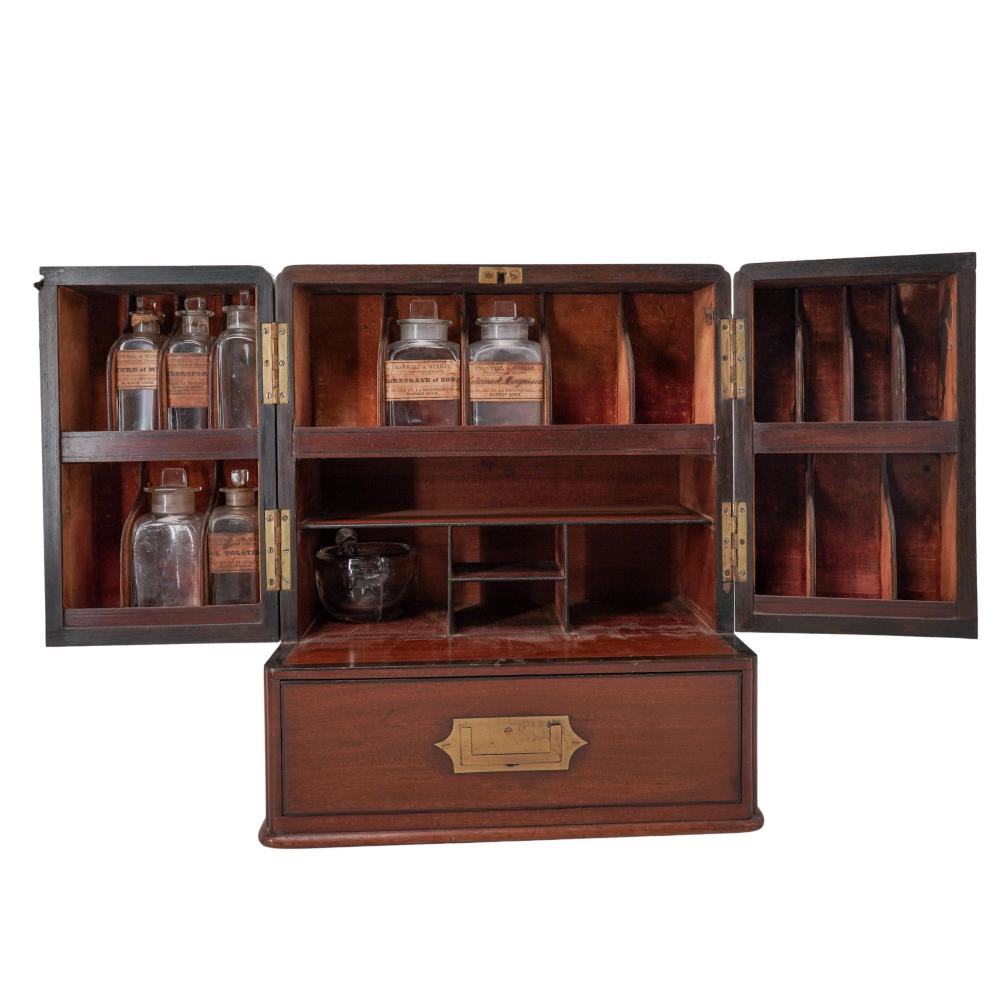
- Apothecary/pharmacy shop bottles (labels-under-glass, ground stoppers)
- Clear with intact label-under-glass (LUG): a value that must be established from current, topic-matched sales
- Colored glass, larger sizes, or ornate fonts: a value that must be established from current, topic-matched sales+
- Full matching sets: multiples of single-bottle prices
- Local druggist bottles (embossed with store name and city)
- Common towns, machine-made: a value that must be established from current, topic-matched sales
- Mouth-blown, small-town scarcity, unusual color: a value that must be established from current, topic-matched sales+
- Western, frontier, or gold-rush era towns: a value that must be established from current, topic-matched sales+
- Ointment pots, milk glass, and dose cups
- Labeled milk glass pots: a value that must be established from current, topic-matched sales
- Embossed dose glasses with apothecary marks: a value that must be established from current, topic-matched sales
- Labeled and boxed examples
- Paper label adds a category-dependent amount–a category-dependent amount depending on completeness and graphics; original boxes can double value on desirable medicines.
Always adjust for condition. A hairline crack can cut value by half or more; heavy interior stain (“sickness”) can similarly depress prices unless extremely rare.
Identifying Originals vs Reproductions and Alterations
Modern replicas and color manipulations exist—especially for popular categories like poisons and figural bitters. Knowing the tells protects both buyers and sellers.
- Artificial color changes (irradiated “amethyst”)
- Manganese-decolorized glass from c. 1880–1915 naturally turns light amethyst after sun exposure. Artificial irradiation can produce deep, uniform purple or brownish tones quickly.
- Red flags: unusually intense, consistent purple on otherwise common forms; purple hue present on post-1920 machine-made bottles; interior protected areas (under labels, inside lips) matching exterior color exactly.
- Value impact: artificially colored bottles trade at a discount; disclose any suspected treatment.
- Reproduction poisons and figural forms
- Mold seams that don’t match period production (e.g., machine seams on a form originally mouth-blown), overly crisp modern embossing with no wear, glossy lightweight glass, or incorrect bases are common signs.
- Embossing that mimics period wording but lacks known maker or town attribution; skull-and-crossbones rendered in a modern style.
- Ground vs. molded stoppers
- Original ground stoppers fit precisely with matching numbers or hand-scribed marks. Loose, ill-fitting, or smooth-molded stoppers may be replacements.
- Over-polishing and tumble work
- Professional tumbling can remove stain but also rounds embossing edges and softens mold detail. Over-tumbled surfaces look uniformly “satin” and lack sharpness.
- Value impact: light, well-documented cleaning is acceptable; heavy tumble reduces collector appeal, especially for embossed examples.
When in doubt, compare to documented original examples and weigh all period-consistency clues: form, seams, base, embossing style, and glass character.
Cleaning, Conservation, and Storage
Thoughtful care preserves value. Overzealous cleaning can do permanent harm.
- First, do no harm
- Never chip away accretions or pry at stoppers; avoid dishwashers and abrasive pads.
- Keep paper labels dry. Do not apply water, solvents, or oils to labels; encapsulate with Mylar sleeves or leave as-is.
- Safe cleaning basics (for unlabeled bottles)
- Soak in lukewarm distilled water with a mild, unscented detergent; use a soft bottle brush.
- For mineral haze, an extended soak in distilled water and gentle mechanical cleaning is safer than acids. If using any cleaner, test an inconspicuous area first.
- Avoid household bleach on colored glass; it can etch surfaces and harm patina.
- Advanced cleaning
- Bottle tumbling is a last resort; use reputable services that respect embossing and disclose work if selling.
- Rust stains may respond to chelating agents applied sparingly, but always weigh the risk to surface and patina.
- Stoppers and contents
- If a cork or glass stopper is stuck, do not force it. Gentle, prolonged humidity from a sealed container with damp paper (not touching the bottle) can help. Freezing or heating can crack glass.
- Old contents can be hazardous. Seal, label, and consult local hazardous waste guidelines for disposal. Do not pour unknown liquids down drains.
- Storage and display
- Avoid direct sunlight (especially for manganese-decolorized glass that will deepen in color). Keep in stable, moderate humidity; avoid extreme heat.
- Use padded shelving; keep bottles upright; don’t stack stoppers under load.
- For labeled specimens, acid-free supports and UV-filtered cases prolong life.
Researching and Selling: Where Value Becomes Cash
Accurate identification and market positioning make a measurable difference.
- Build the bottle’s identity
- Record measurements (height, diameter), color, form, seam and lip type, base mark, and all embossing (spelling matters). Note town/state, patent dates, and any maker’s marks.
- Photograph straight-on, base, lip, and embossing under raking light. Include a neutral scale reference.
- Compare to known examples
- Use specialized bottle literature, past auction catalogs, and club resources to find exact or near matches. Note realized prices for comparable condition and color.
- Choose the right venue
- Common pieces: local marketplace or general online venues.
- Scarcer or high-end bottles: specialty auctions, bottle shows, and established dealers who reach targeted collectors.
- Local druggist bottles often do best within their region due to hometown interest.
- Timing and lotting
- Offer rare pieces individually; consider grouping common bottles by town or category. Market cycles favor figural and poison forms consistently; local druggists may spike when regional collectors are active.
- Ethics and disclosure
- Disclose cleaning, repairs, replaced stoppers, irradiated color, and provenance. Clear disclosure increases buyer trust and reduces returns.
A Practical Checklist For Fast, Credible Valuation
- Identify manufacturing traits: pontil or smooth base? Seam through lip? Applied or tooled finish?
- Document the bottle: measurements, color, form, embossing text, maker’s/town marks, base codes.
- Assess condition honestly: chips, cracks, bruises, stain, case wear, label completeness, stopper fit.
- Classify category: patent cure, poison, figural bitters, apothecary jar, local druggist, ointment pot, dose glass.
- Evaluate color: common aqua vs. premium cobalt/emerald/amber; watch for unnatural deep amethyst in later machine-made glass.
- Note extras: labels, original box, contents, dose cup, unique closures.
- Research market evidence: sold prices for similar examples in similar condition and color.
- Decide on cleaning: minimal, reversible methods only; avoid altering surfaces or labels.
- Pick a selling venue: local/regional for druggist bottles; specialty auction for rare forms/colors.
- Record provenance: previous owners, dig site (if known and appropriate), and collection history.
FAQ
Q: How can I quickly tell if a bottle is machine-made or mouth-blown? A: Check the mold seam. If it runs cleanly through the lip and over the rim, it’s likely machine-made (commonly post-1903). If the seam stops below the lip and the rim looks hand-tooled, it’s likely mouth-blown (c. 1860s–1900s). A pontil scar points earlier, typically pre-1860.
Q: Are sun-purple (amethyst) bottles valuable? A: Sometimes. Light amethyst from manganese aging can add interest, especially on earlier mouth-blown bottles. Deep, uniform purple is often from artificial irradiation and usually lowers value. Color is only one factor; rarity, embossing, and condition still dominate.
Q: Should I clean an old label or try to remove dirt from it? A: No. Keep labels dry and avoid solvents or oils. Surface dust can be gently lifted with a soft, dry brush. For preservation, use acid-free enclosures and avoid UV light. Cleaning attempts commonly cause irreversible loss.
Q: What should I do with a bottle that still contains medicine? A: Treat unknown contents as hazardous. Do not open or pour down drains. Seal the bottle in a secondary container, label it, and consult local hazardous waste disposal guidelines. If selling, disclose contents and do not ship prohibited substances.
Q: Are “dug” bottles worth less than attic-found examples? A: Usually, yes. Burial can cause etching and interior stain (“sickness”). That said, scarce forms found in the ground can still be valuable, especially if they retain strong embossing and color. Professionally cleaned dug bottles can be collectible if not over-polished.
Old medicine bottles reward careful observation. By reading their seams, lips, bases, and stories—then documenting condition and provenance—you can separate everyday survivors from true prizes and represent value credibly to buyers and collectors.