
Silver punch or soup ladle: appraisal and value basics
Silver punch or soup ladle research should start with marks, handle metal, bowl plating, condition, pattern, provenance, and item-specific market evidence. Use this guide to compare the signals that matter before paying for a formal appraisal or deciding whether to sell.
A very common (and confusing) silverware format is the sterling-handled, silver-plated bowl ladle: the handle is solid sterling silver (a 92.5%), while the working end (“cup” or bowl) is silverplate over base metal. This construction was popular because it looked and felt like fine silver without the cost and weight of a fully sterling bowl.
The original owner note in the legacy post mentioned provenance to Gustave Drach, a Cincinnati architect active from the late 19th century into the early 20th century. Provenance like this can add interest (especially for local history collectors), but the big value driver is still usually: how much sterling silver is actually present and who made it.
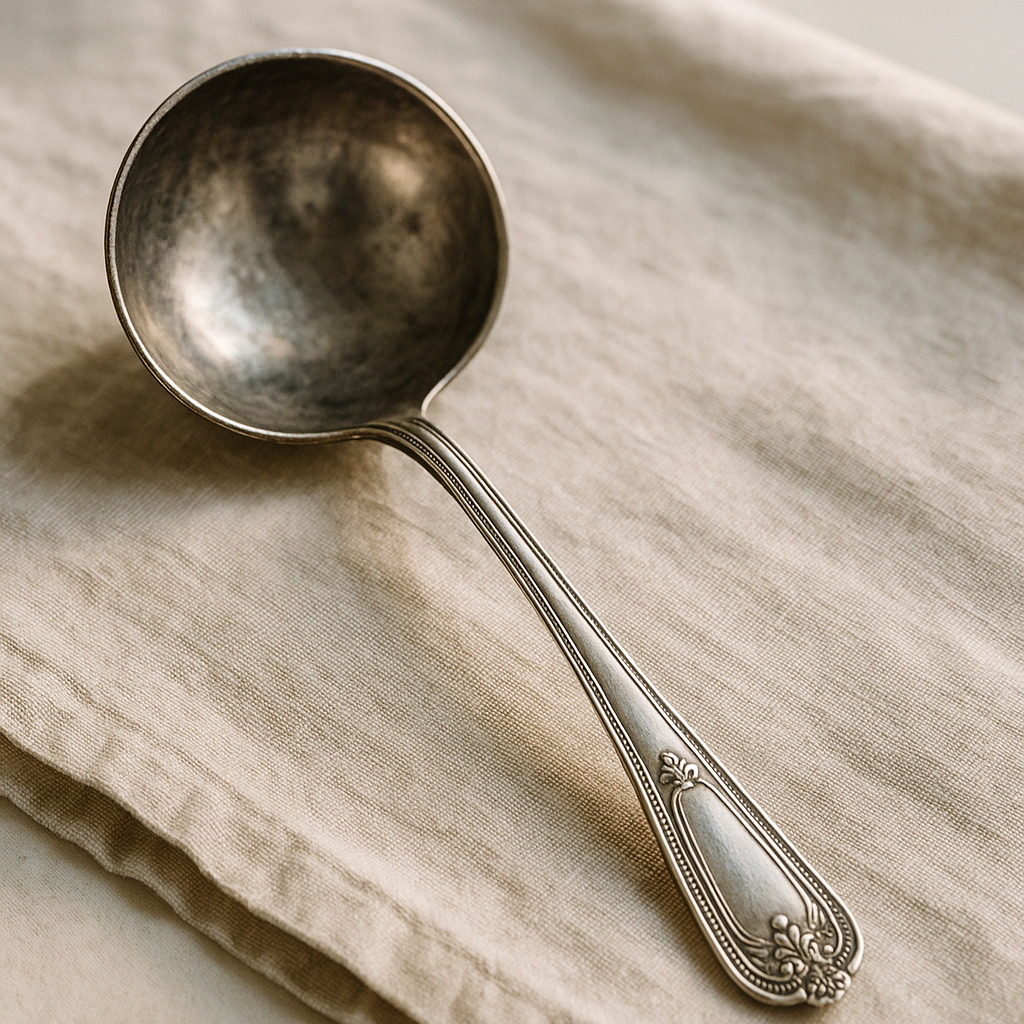
Below is a practical checklist to help you verify the materials, understand the Pat. 1899 mark, and decide whether you’re in
“scrap silver” territory or “maker/pattern” territory.
Free first read
Check whether your ladle is worth a full appraisal
Upload sharp close-ups of every stamp (Pat. 1899, Sterling, symbols/initials), plus a full-length photo and the weight. Start with a free first read before paying for a written report.
Free first read · Private upload · No checkout required to start
How We Research Valuation Data
Our appraisal guides are based on auction results, dealer pricing data, and professional appraiser insights. We may earn a commission when you use our free professional appraisal service. Learn about our editorial standards.
What to photograph first (so you can identify it accurately)
Before cleaning, polishing, or trying to sell, take a quick set of documentation photos. These photos let a specialist identify the maker, confirm sterling vs plate, and advise on a realistic value range.
- Full ladle, both sides: handle design and bowl shape can tie to a known pattern.
- All stamps: close-ups of
Pat. 1899,Sterling, and any symbol/initials. - Join between handle and bowl: many mixed-metal ladles show a seam or collar where parts meet.
- Weight: total weight in grams plus, if possible, handle weight alone (more on this below).
Sterling handle vs silverplate bowl: what the marks usually mean
If your ladle is stamped Sterling on the handle, that stamp almost always refers to the handle itself — not necessarily the entire ladle. A plated bowl is still normal and honest construction, as long as it’s represented correctly.
Quick reality check: why the bowl is often plated
A fully sterling ladle bowl is more expensive to make and can dent more easily. In the late 19th/early 20th century, many reputable makers produced mixed-construction flatware: a sterling handle for “luxury feel” and a plated bowl for durability and cost control.
How to confirm if the bowl is plated (non-destructive checks)
- Look for base-metal “peek-through”: thin plate can wear at the rim or high spots, revealing yellowish/brassy tones.
- Check the underside: the underside of the bowl sometimes shows the clearest wear pattern.
- Listen to the ring: solid sterling often “rings” differently than plated base metals (not definitive, but a clue).
- Avoid aggressive tests: acid tests and heavy polishing can damage plate and reduce value. If you need confirmation, a jeweler can test with minimal risk.
What “Pat. 1899” typically indicates
A mark like Pat. 1899 is usually a patent reference tied to a manufacturing method, joint, or pattern feature.
It is not automatically the exact production year, but it often places the piece in the broader early 20th century timeframe.
The legacy post suggested Gorham as a common user of an 1899 patent mark. That can be plausible, but many manufacturers used patent marks. For a confident maker attribution, you typically need:
- a maker’s hallmark (symbols or initials in a cartouche)
- pattern name/number, or pattern-matching via handle design
- consistent stamp style and placement across a matched set
Value range: what a sterling-handled silverplate ladle is usually worth
These ladles live in two different markets at once:
- Metal value (sterling handle only): the “floor” value.
- Decorative/maker value: pattern desirability, brand (e.g., Gorham), and condition.
1) The metal floor: estimate sterling content
Sterling is a 92.5% silver. Buyers who pay “scrap” will base their offer on sterling weight (minus their margin). The key is that your total ladle weight is not the same as sterling weight if the bowl is plated.
Practical approach:
- Weigh the ladle in grams.
- If possible, estimate handle-only weight: some handles are hollow; some have fillers; some can be removed by a professional. Don’t disassemble at home if you’re unsure.
- Use current spot silver to estimate melt (then expect offers below melt).
Example math (illustrative): if a handle were 45 g sterling, pure silver content is 45 × 0.925 = 41.6 g. Multiply by current
spot silver price per gram to estimate melt.
2) Decorative/maker premium: when it sells above scrap
A single mixed-metal ladle can sell above scrap when it checks one or more of these boxes:
- Identifiable maker + pattern (collectors and replacement services search by pattern).
- Great condition (no plate loss on the bowl, minimal dents, crisp monograms).
- Matched set context (part of a service can be more desirable than a single piece).
- Provenance with documentation (letters, estate inventory, labeled box).
Reasonable ballpark range (without maker/pattern confirmation)
For many unpatterned, single-piece examples, a practical retail resale range is often around $75-$250 depending on handle weight, plate wear, maker, and local demand. If the handle is hollow, weighted, or the bowl shows plate loss, the value can fall closer to melt value. If the maker/pattern is desirable or provenance is documented, values can exceed that range.
Note: We couldn’t find enough auction records that directly match Sterling Handle Silverplate Ladle: Marks, Pattern, Metal, Condition and Use to publish a defensible price table. If you are valuing a specific item, include its maker, model, material, photos, and condition so the search can be narrowed.
What similar items actually sold for
To help ground this guide in real market activity, here are recent example auction comps from Appraisily’s internal database. These matched sales are market context only, not an object estimate or identification, and they do not guarantee a price for your specific silver ladle.
Shown USD range: USD 30-USD 250. Median of these 6 USD examples: USD 62.50.
| Comparable | What sold | Auction house | Date | Lot | Source-reported amount |
|---|---|---|---|---|---|
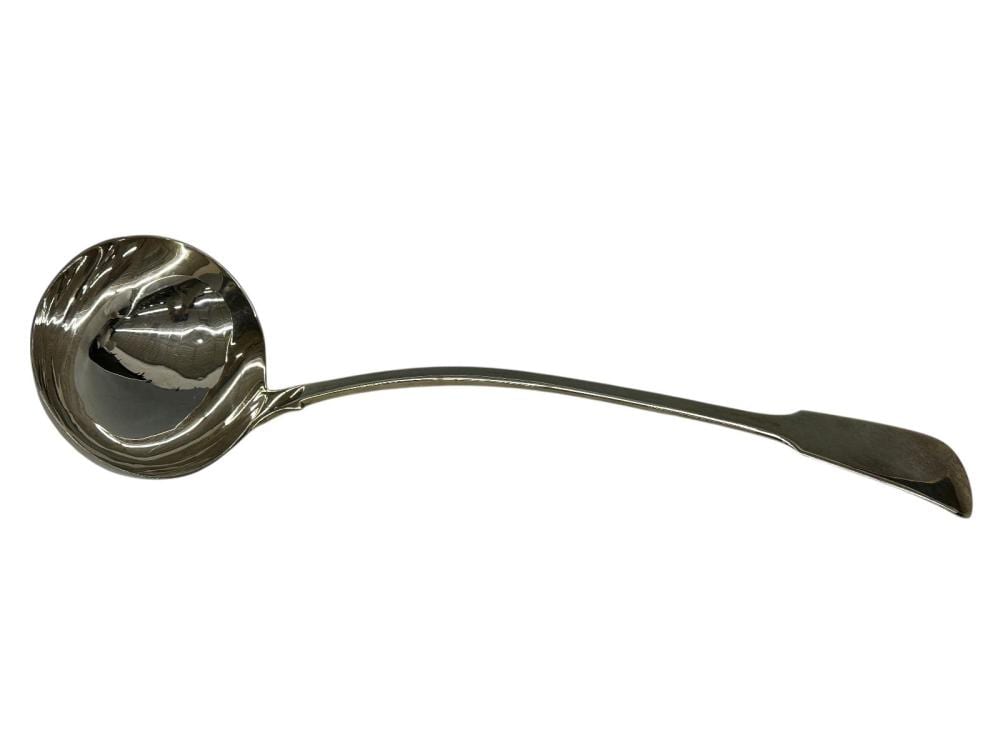 |
Sterling Silver Punch Bowl Ladle Thomas Dicks London 1825Source blocked; provenance matched | Dana J. Tharp Auctions | 2025-12-06 | 215 | USD 250 (buyer’s-premium treatment unknown) |
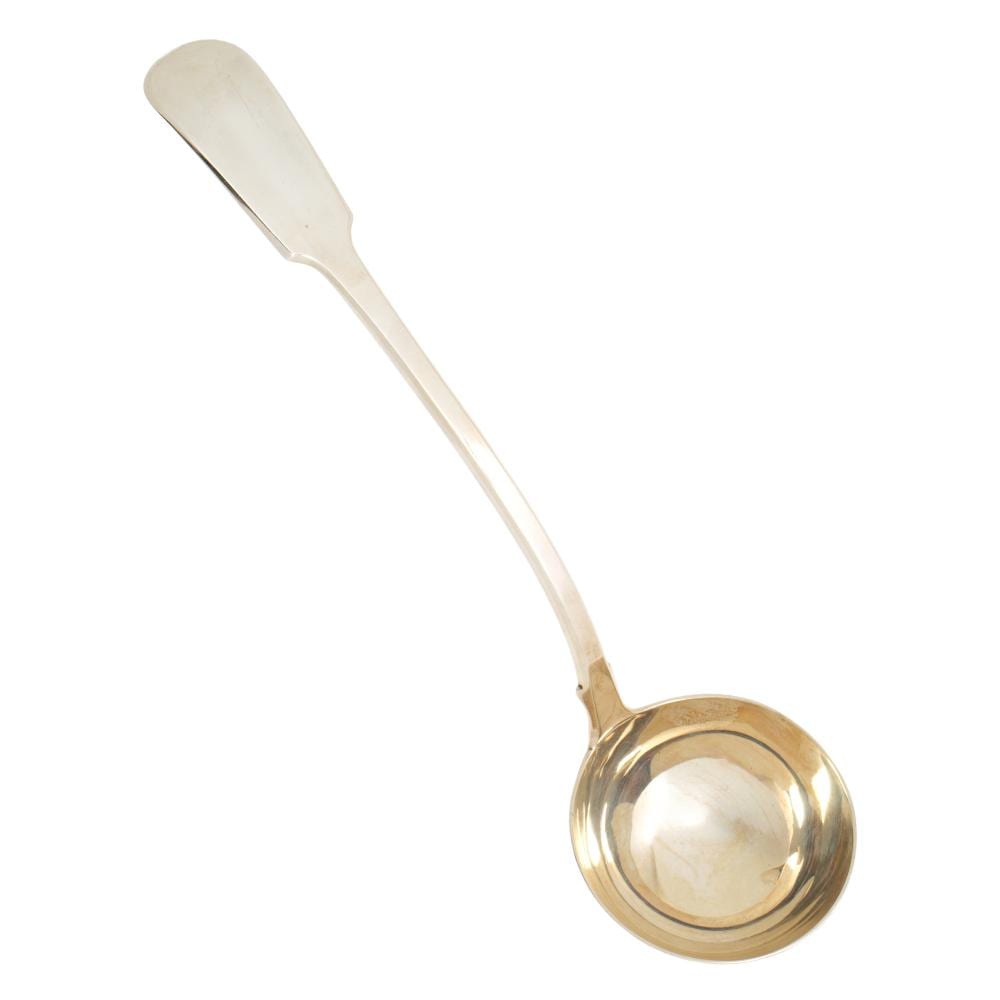 |
English Sterling Silver Soup LadleSource blocked; provenance matched | Amero Auctions | 2024-11-17 | 338 | USD 200 (buyer’s-premium treatment unknown) |
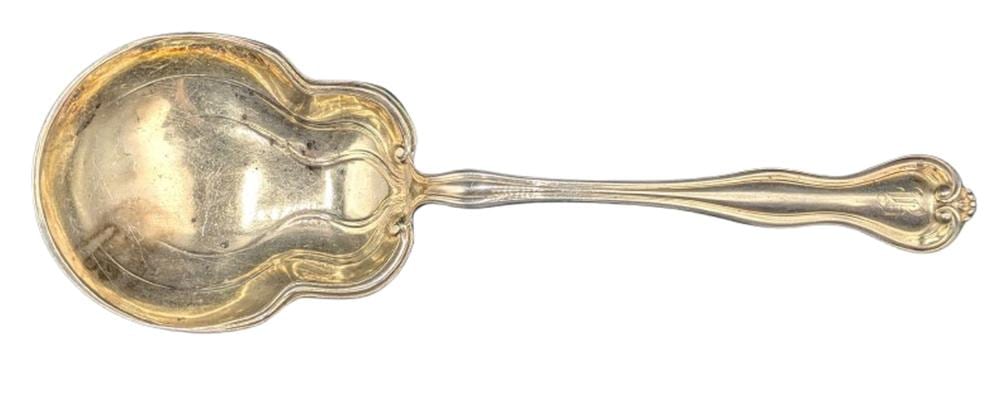 |
American Mechanic Sterling Silver Gilt Wash Ladle 2.93 OztSource blocked; provenance matched | Sarasota Estate Auction | 2024-11-03 | 1507 | USD 50 (buyer’s-premium treatment unknown) |
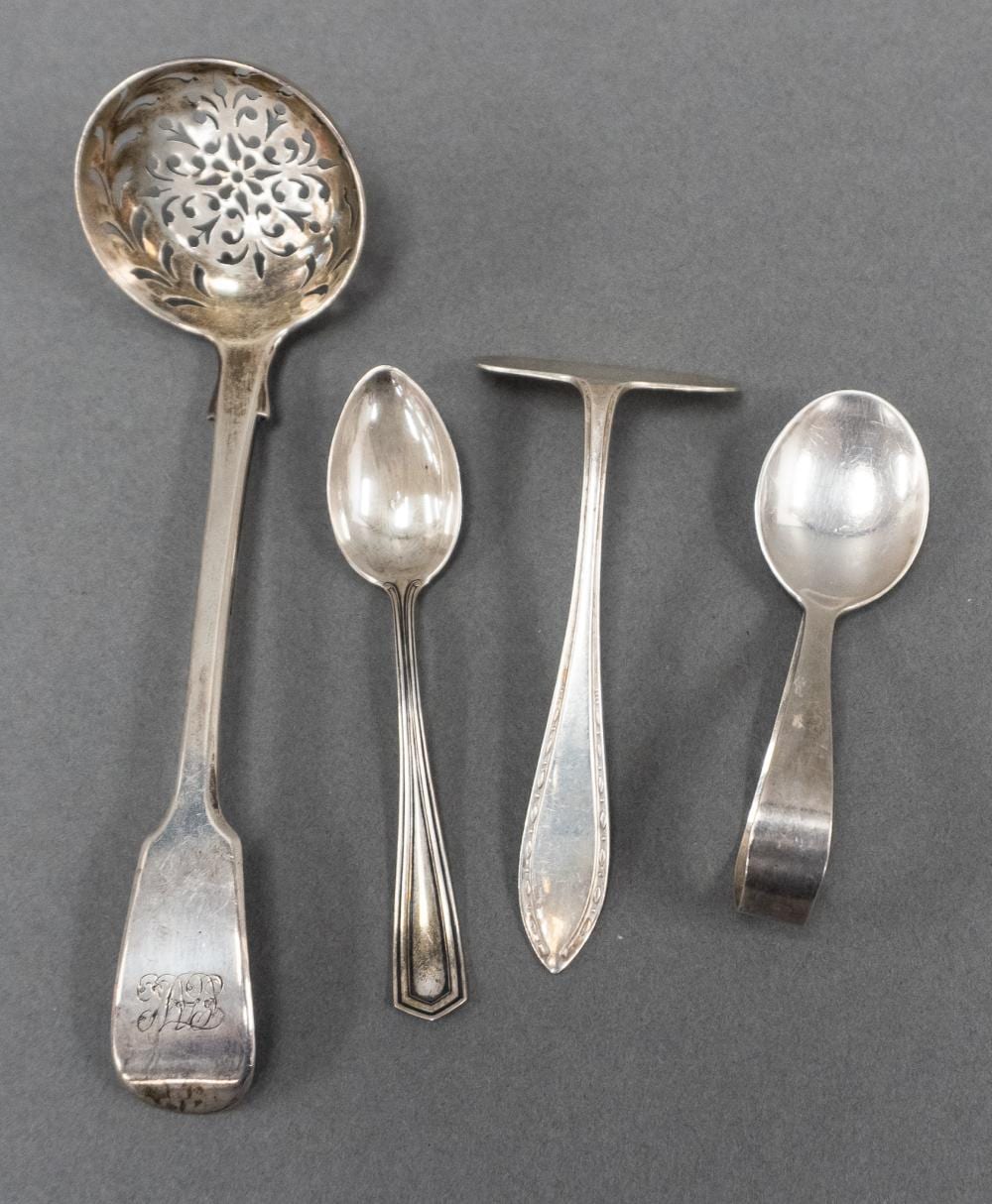 |
Four Assorted Silver Serving Articles, Including a Georgian English Sterling Silver Slotted Ladle, 2.74 ozt | Weschler's | 2025-09-09 | 44 | USD 75 (buyer’s-premium treatment unknown) |
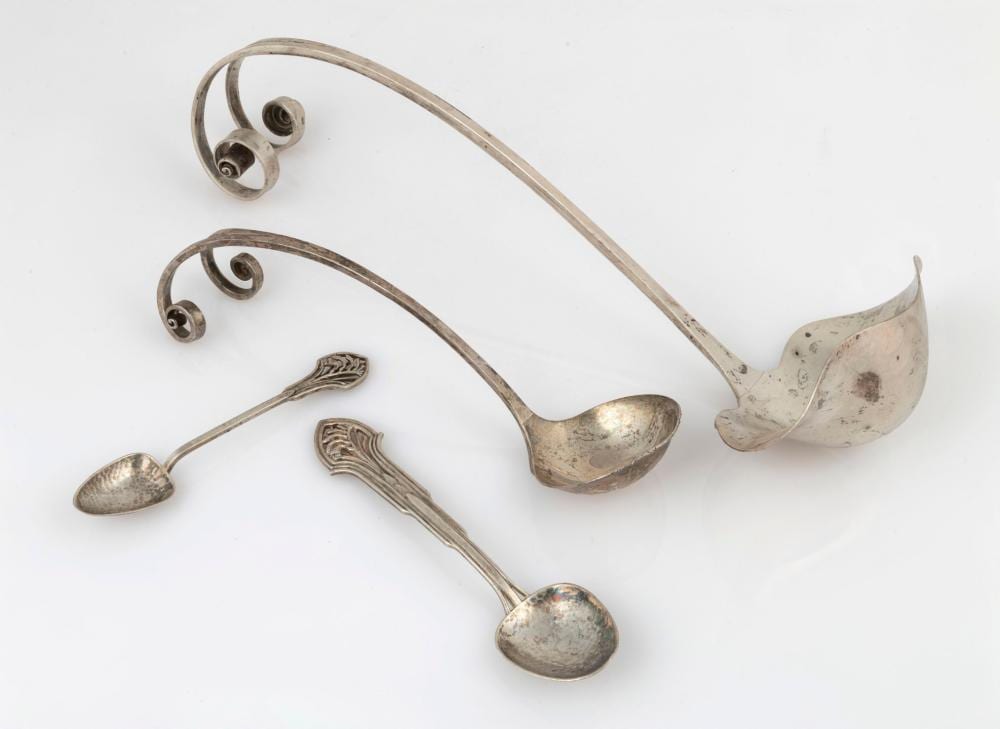 |
Australian sterling silver soup ladel, ERIC CARR Australian sterling silver soup ladle and sauce ladle, together with two West Australian sterling silver spoons, 20th century, (4 items), the largest 27cm long, 284 grams total.ladel, and two West AusSource blocked; provenance matched | Leski Auctions Pty Ltd | 2025-11-29 | 482 | AUD 750 (buyer’s-premium treatment unknown) |
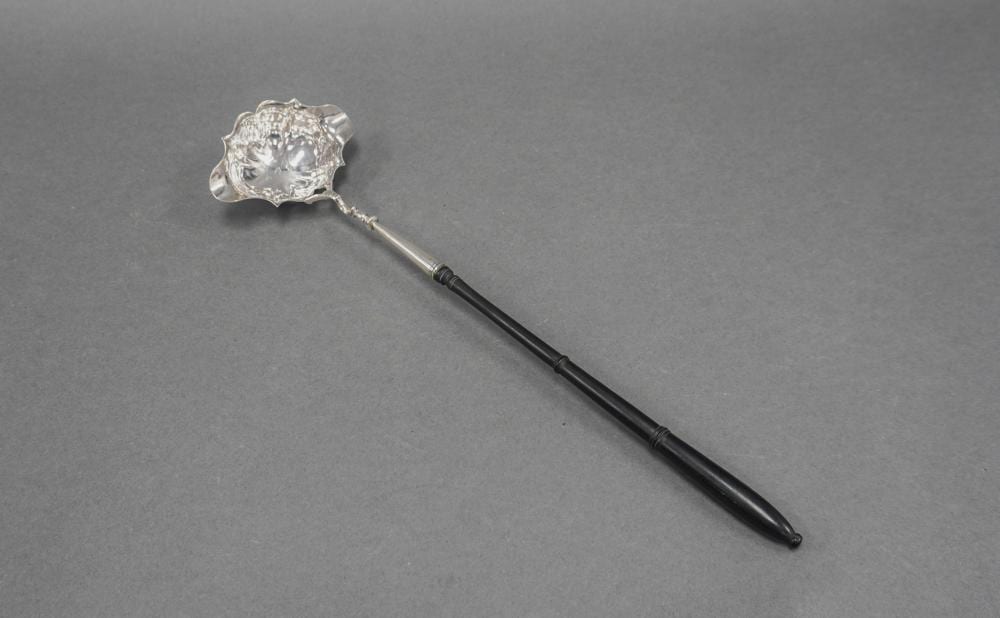 |
Georgian English Sterling Silver Ebony Handled Toddy Ladle, Gross: 2.7 ozt, L 15 1/4 in. (38.7 cm.)Source blocked; provenance matched | Weschler's | 2025-12-02 | 71 | USD 50 (buyer’s-premium treatment unknown) |
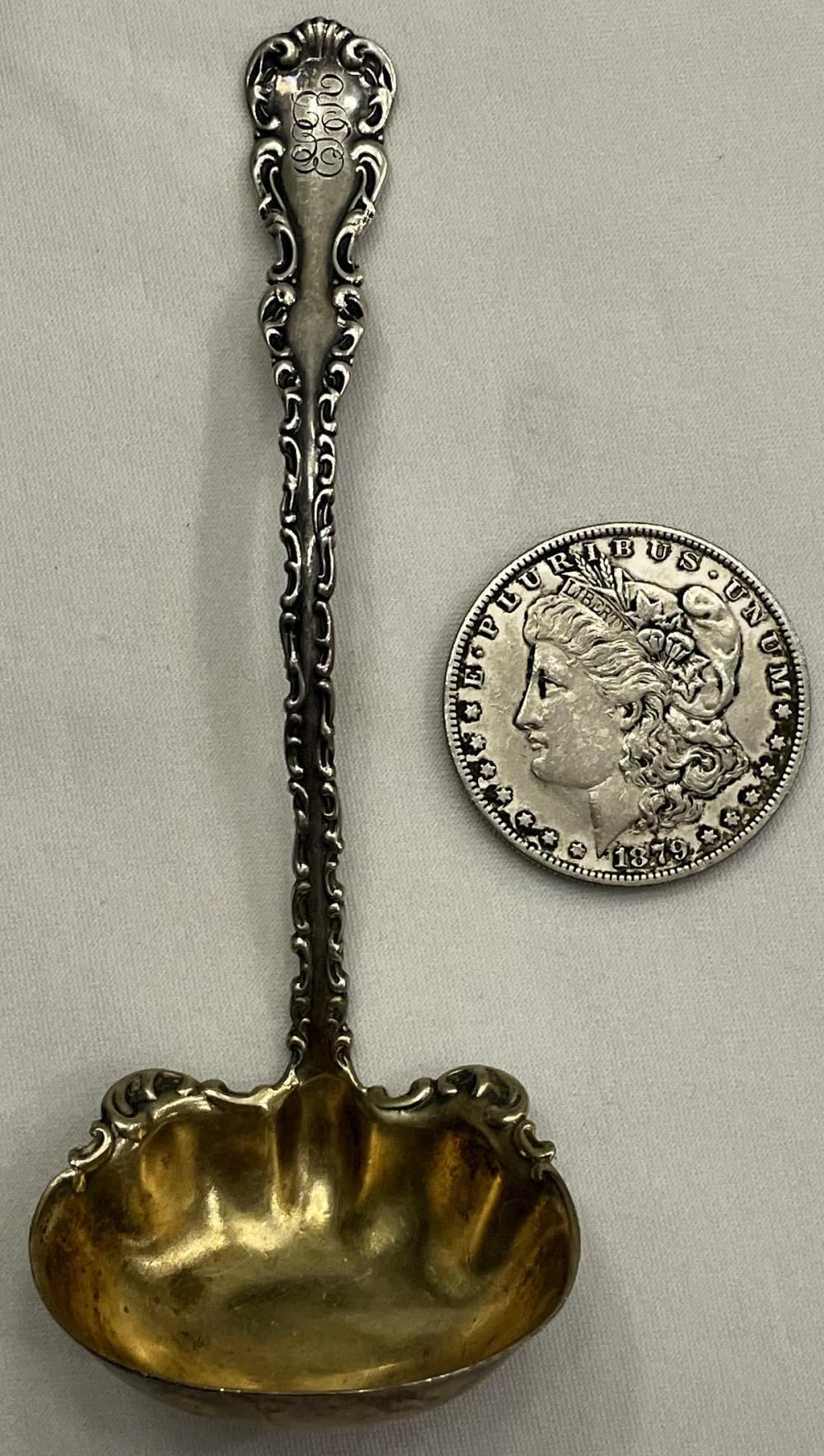 |
Antique c. 1891 Whiting Mfg. Co. Sterling Silver w/ Gold Wash Louis XV Oyster LadleSource blocked; provenance matched | One Source Auctions | 2024-10-28 | 119 | USD 30 (buyer’s-premium treatment unknown) |
How these auction records were verified
Each row retains its exact source URL, lot identity, retrieval time, access result, and immutable record hash. Live source access was blocked; the exact record matched Appraisily's immutable pipeline provenance. Inspect the public comparable provenance record.
Disclosure: prices are shown as reported by auction houses and are provided for appraisal context. Learn more in our editorial policy.
Need to separate handle value from bowl value?
Upload the handle stamp, bowl underside, full length, weight, and plate-wear close-ups. The free screener can tell you whether the piece looks like scrap-value sterling, replacement flatware, or something worth a signed report.
How to sell it (and avoid being underpaid)
Option A: Sell for metal value
- Get two quotes from reputable precious-metal buyers.
- Ask what share of spot they pay for sterling and what they assume for “weighted” or mixed-construction pieces.
- Don’t accept a quote based only on total weight if the bowl is plated.
Option B: Sell as a collectible or replacement piece
If you can identify the maker/pattern (or the ladle has a striking design), selling as a decorative piece often performs better than scrap. Good venues include:
- eBay / Etsy: strong demand for replacement flatware pieces (use excellent hallmark photos).
- Replacements and silverware dealers: often buy patterns they actively stock.
- Local estate dealers: if you have multiple related items from the same service.
Safety basics still apply: meet in public places for local sales, verify cleared funds for high-value transactions, and ship only with full declared-value insurance.
Care and cleaning (protect the silverplate bowl)
Silverplate is thinner than solid silver. Avoid abrasive polishes, buffing wheels, or repeated aggressive cleaning. A soft cloth and gentle silver cleaner are safer. If you see base metal showing through, stop polishing — you can’t “polish plate back on.”
Search variations collectors ask
Readers often search these when they inherit a marked ladle:
- what does Pat 1899 mean on a sterling ladle
- is a sterling handle ladle solid silver or plated
- how to tell if a ladle bowl is silverplate
- how much is a sterling handled soup ladle worth
- Gorham Pat 1899 sterling handle silverplate ladle value
- best place to sell sterling handled silverplate flatware
- does provenance increase value for sterling silver flatware
- how to calculate scrap value of sterling silver handle
Each question is addressed above (marks, construction, value math, and selling channels).
References
- 925-1000.com: silver marks and hallmarks reference
- Gorham (brand history and product context)
- The Silver Institute: spot silver price reference
Wrap-up
A ladle marked Pat. 1899 and Sterling is often a mixed-construction piece: sterling handle + silverplate bowl.
That’s normal — but it changes how you value it. Start by photographing all stamps, confirm what parts are sterling, and estimate the metal
floor from the handle (not the whole ladle). Then look for maker/pattern clues that can lift the price above scrap.