
Start with a defensible value record
A porcelain plate can be modestly priced or genuinely collectible; the useful answer begins with the exact plate, not an age guess. Record the maker or factory, pattern, diameter, decoration, condition, and whether it is one piece or part of a matching service. Then compare sales that share those details.
- Turn it over: photograph every mark, number, and impressed symbol.
- Measure it: note the diameter and whether it is a dinner plate, cabinet plate, charger, or saucer.
- Record the whole condition: include rim chips, hairlines, glaze wear, gilding loss, and restoration.
- Keep the group together: count matching pieces and identify substitutions before pricing a set.
Upload a photo for a free photo check if the base mark or pattern is unclear. It can identify the visible evidence still needed for a closer match.
Start with the plate’s identity, not its age
A backstamp is a lead, not a value conclusion. Pair it with the plate’s form, diameter, pattern name, decorative technique, and any retailer or decorator wording. A plate marked by a factory can have been decorated later by another workshop, so photograph the complete underside rather than a cropped symbol.
The quickest comparison record reads like a catalog line: maker or factory, pattern, form, size, dominant colors, border treatment, and mark. That record makes it far easier to separate one dinner plate from a cabinet plate or charger that only looks similar online. For a broader framework, see our pottery and porcelain value guides.

Grade condition and completeness before comparing prices
A comparable sale is only useful if it shares the physical facts that a buyer would see. Examine the rim in side light, then the center, foot ring, and back. Note a hairline, staple repair, restored break, rubbing to gilding, scratches, staining, crazing, and any chipped foot. A clean photograph that hides a repair is not a condition match.
For a service or series, count only pieces that truly match in pattern and size. One replacement, a missing plate, or a mixed run changes what the lot represents. This is why a box of assorted china and a documented complete service should not be treated as the same price evidence.
Photographs that make comparison possible
One clear photo of the front is all we need to start. Optional, but helpful: back, signature or label close-up, size, and anything you know about the item. Include a close view of any chip or repair rather than trying to describe it from memory.
Free first look
Not sure whether this item needs an appraisal?
Upload one clear photo before deciding whether you need a signed report. Results usually appear within a few minutes; complex items can take longer.
Upload a photo for a free first lookFree. No card needed. The photo upload usually takes about two minutes.
Decide whether it is a collector plate, decorative plate, or older porcelain
“Porcelain plate” covers different markets. Numbered collector plates often need their series title, issuing company, artist credit, certificate, and box recorded before they can be compared. The number is a lookup tool; it does not establish rarity on its own. That is especially useful for readers asking about Norman Rockwell and other collector plates.
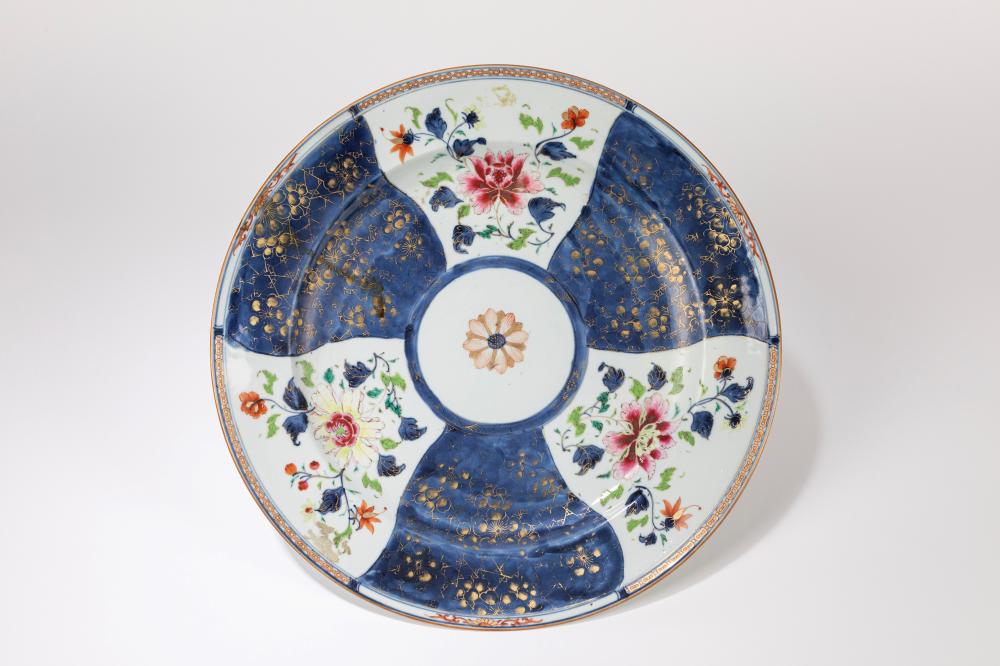
Older porcelain, hand-decorated work, and plates associated with a recognized factory are evaluated differently. Their provenance, decoration, form, and period can matter more than the fact that they are plates. If yours appears older, this Yung Cheng ceramic plate guide illustrates why period and decoration need a precise comparison.
What similar items actually sold for
Real auction sales of items like your item. Open a sale to see our record of that lot.
| Comparable | What sold | Auction house | Date | Lot | Source-reported amount |
|---|---|---|---|---|---|
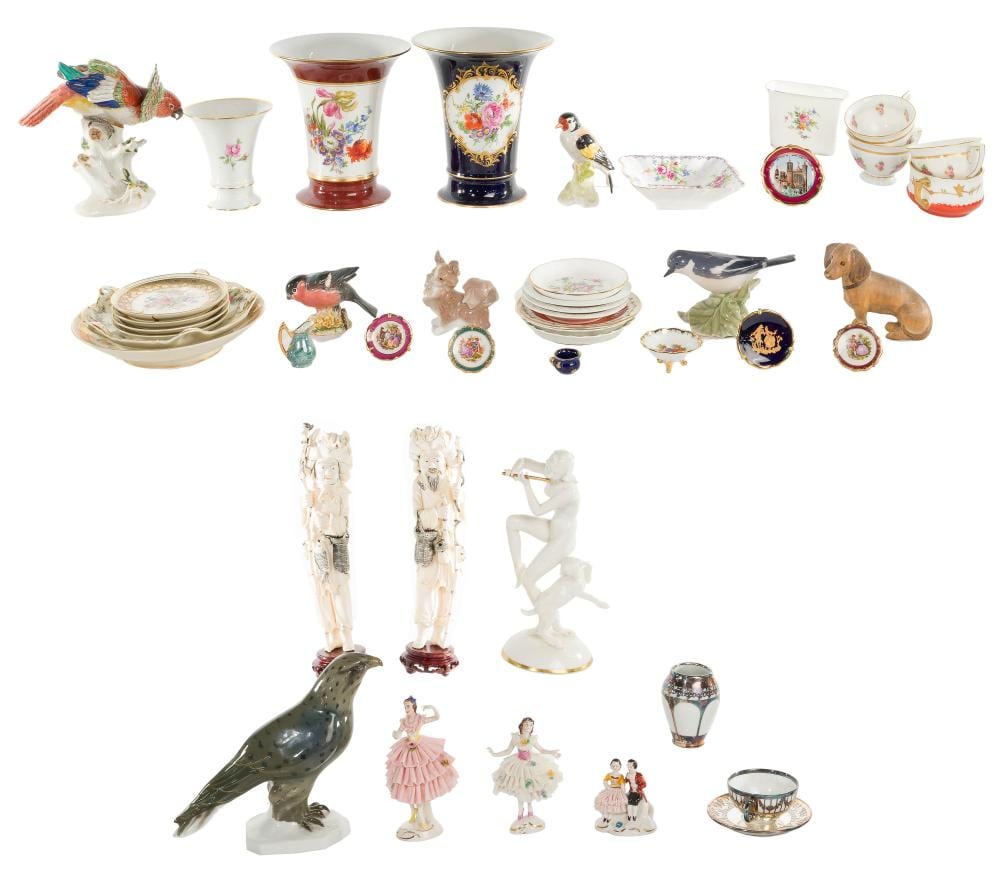 |
Porcelain and China Figurine and Plate Assortment | Leonard Auction | 2021-05-16 | 232 | USD 125 |
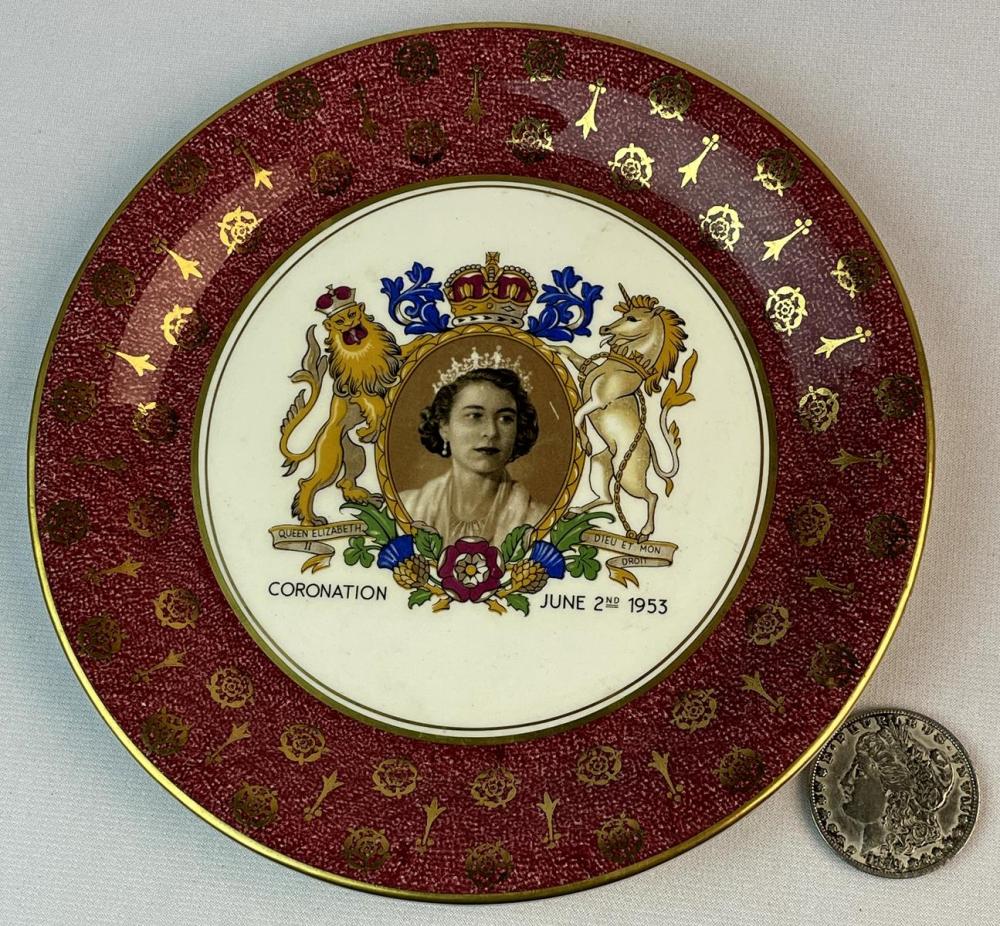 |
Vintage June 2, 1953 Queen Elizabeth II Coronation Royal Staffordshire Pottery Porcelain Plate | One Source Auctions | 2024-05-06 | 3 | USD 20 |
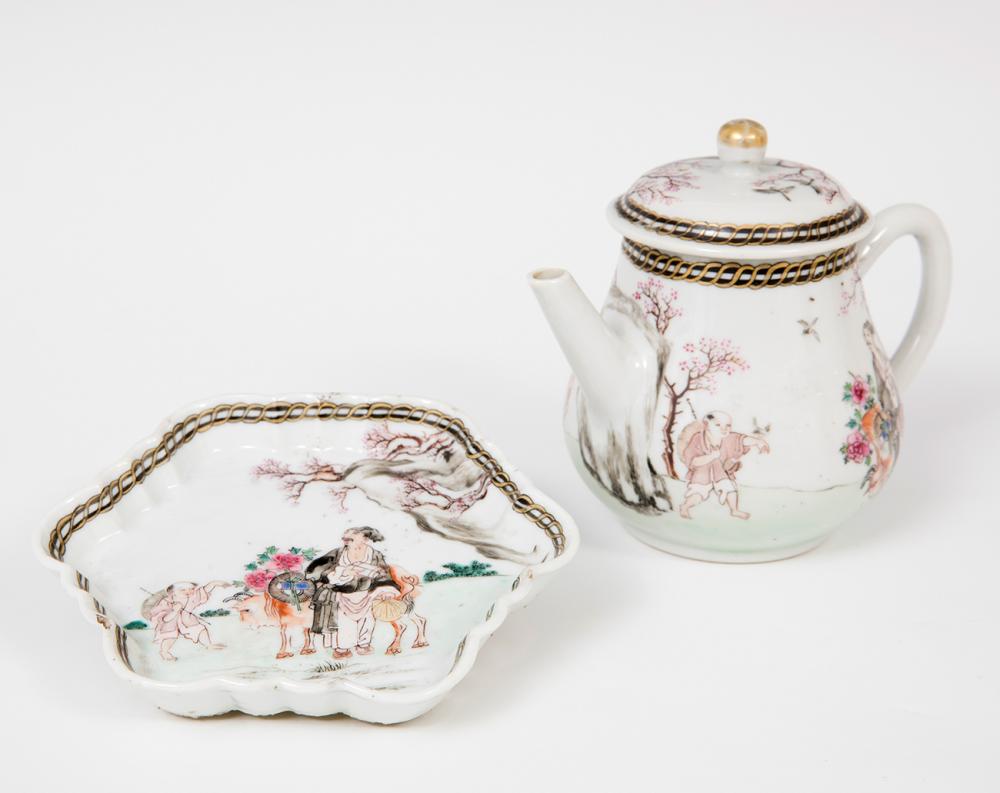 |
Teapot and saucer; China, Yongzheng Period (1722 – 1735). Porcelain. pink family. It presents slight pitting on the lip of the plate. | Setdart Auction House | 2022-04-19 | 25 | EUR 2,600 |
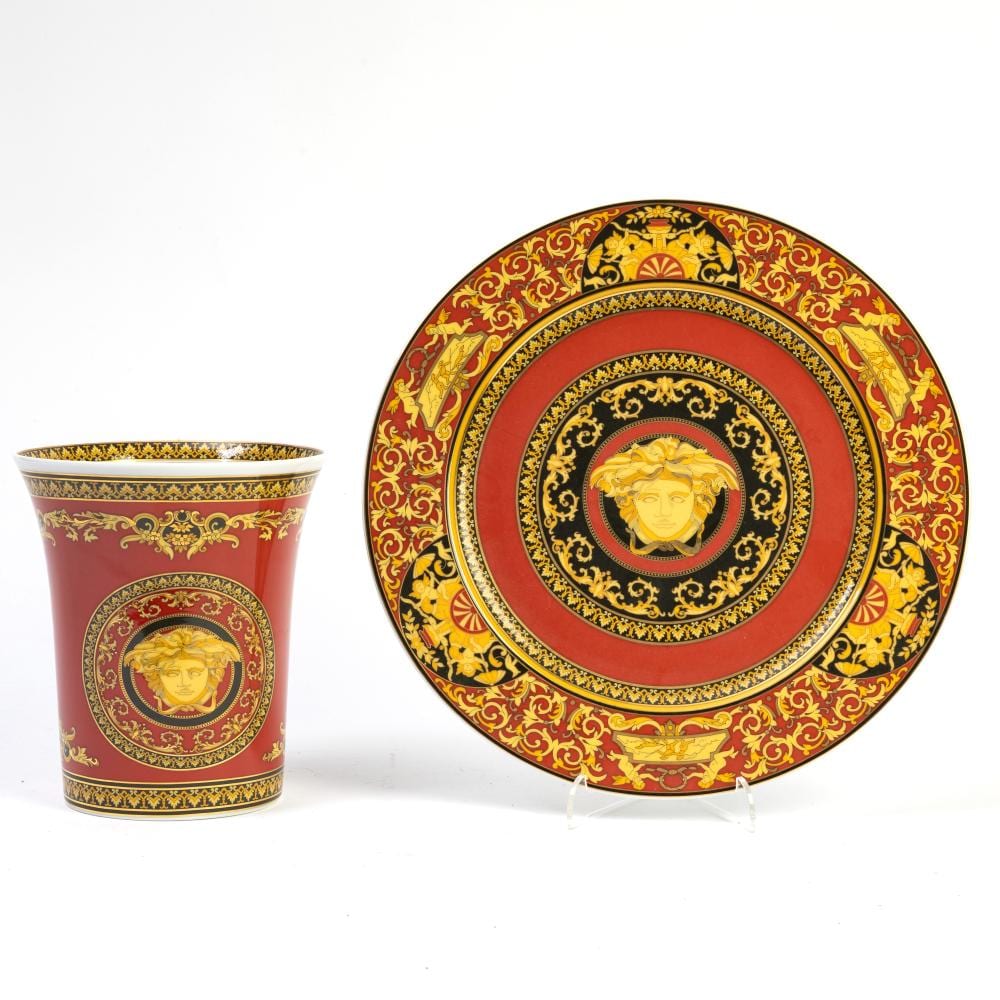 |
Versace, 'Medusa' red charger porcelain plate and vase by Rosenthal | Gibson's | 2026-04-29 | 145 | AUD 260 |
 |
"Powder Blue" porcelain plate, China, 18th century | Finarte | 2025-02-20 | 513 | EUR 280 |
How these auction records were verified
These sales are market context, not an object estimate.
Each row is tied to its lot identity, retrieval time, access result, and immutable record hash. Inspect the public comparable provenance record.
When a photo check is the right next step
Get another look when the mark is incomplete, the plate may be part of a valuable service, or a repair is difficult to photograph. A free photo check can identify visible evidence gaps and help decide whether a written appraisal is useful. If you need a formal written appraisal, a standard report starts at $59. Delivered within 24 hours of receiving your photos.
Answers to common plate questions
How can I tell if a porcelain plate is valuable?
Start with the maker or factory, pattern, dimensions, decoration, condition, and whether it belongs to a matching set. Then compare recent sold records with the same combination of traits.
Are Norman Rockwell collector plates worth anything?
A plate number or certificate is useful identification information, but it does not by itself prove rarity or demand. Check the exact series, title, condition, box, and recent completed sales.
Do chips and repairs affect porcelain plate value?
Yes. Photograph rim chips, hairlines, restoration, gilding loss, and glaze wear before comparing prices; condition differences can make a superficially similar sale a poor match.
Is a complete plate set worth more than one plate?
Often, but only when the pieces are matching and buyers want the pattern. Record the exact count and any substitutions or damage, then compare with sales of the same form of lot.
Porcelain plate questions to take to your search
Use these phrases only after you have the mark, pattern, and condition details in hand.
- How much is my porcelain plate worth?
- How do I identify a porcelain plate maker?
- Are Norman Rockwell plates worth anything?
- How do I look up a collector plate number?
- Does a porcelain plate chip lower value?
- How do I value a complete porcelain plate set?
- What sold prices match my porcelain plate?
- Is an old decorative porcelain plate valuable?