How to Tell If a Vinyl Record Is a First Pressing Deadwax Matrix: appraisal and value basics
How to Tell If a Vinyl Record Is a First Pressing Deadwax Matrix research should start with identification, condition, provenance, and recent comparable sales. Use this guide to compare the signals that matter before paying for a formal appraisal or deciding whether to sell.
Listings love the phrase “first pressing”, but in vinyl collecting it only means something specific when you also know the country, label variation, catalog number, and the deadwax/matrix information.
The good news: you can usually verify (or rule out) a first pressing in about 10 minutes with a desk lamp and a phone camera. The better news: the deadwax is harder to fake than hype-y listing copy.
This guide focuses on the most reliable workflow collectors use: match jacket + label, then read the runout (deadwax), and only then decide whether to pay a first-press premium.
10-minute first pressing checklist (start here):
- Confirm the exact release: artist, album, format, and whether you're hunting mono/stereo, promo, etc.
- Photograph the jacket spine + back: catalog number, barcodes, price codes, and print credits.
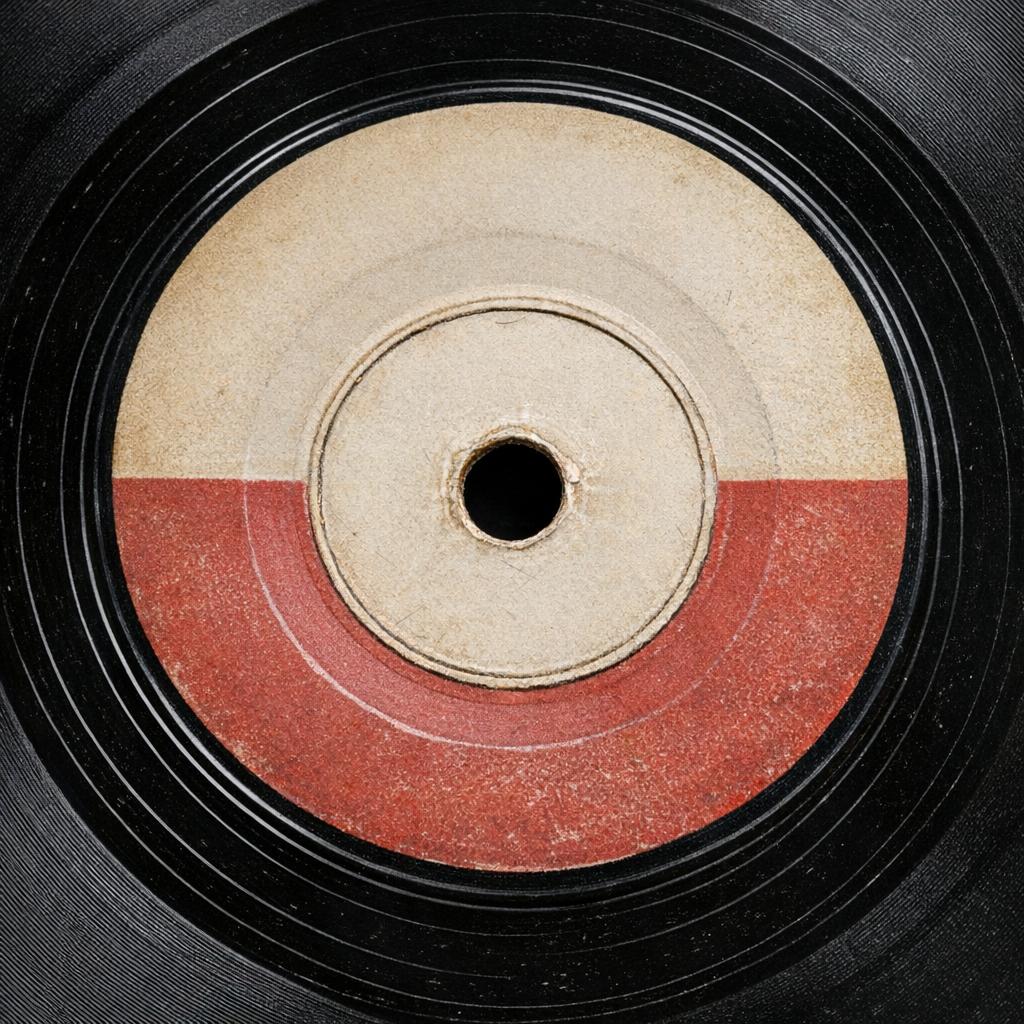
- Inspect the labels: address/typography changes, rim text, and any pressing rings (including “deep groove” cues).
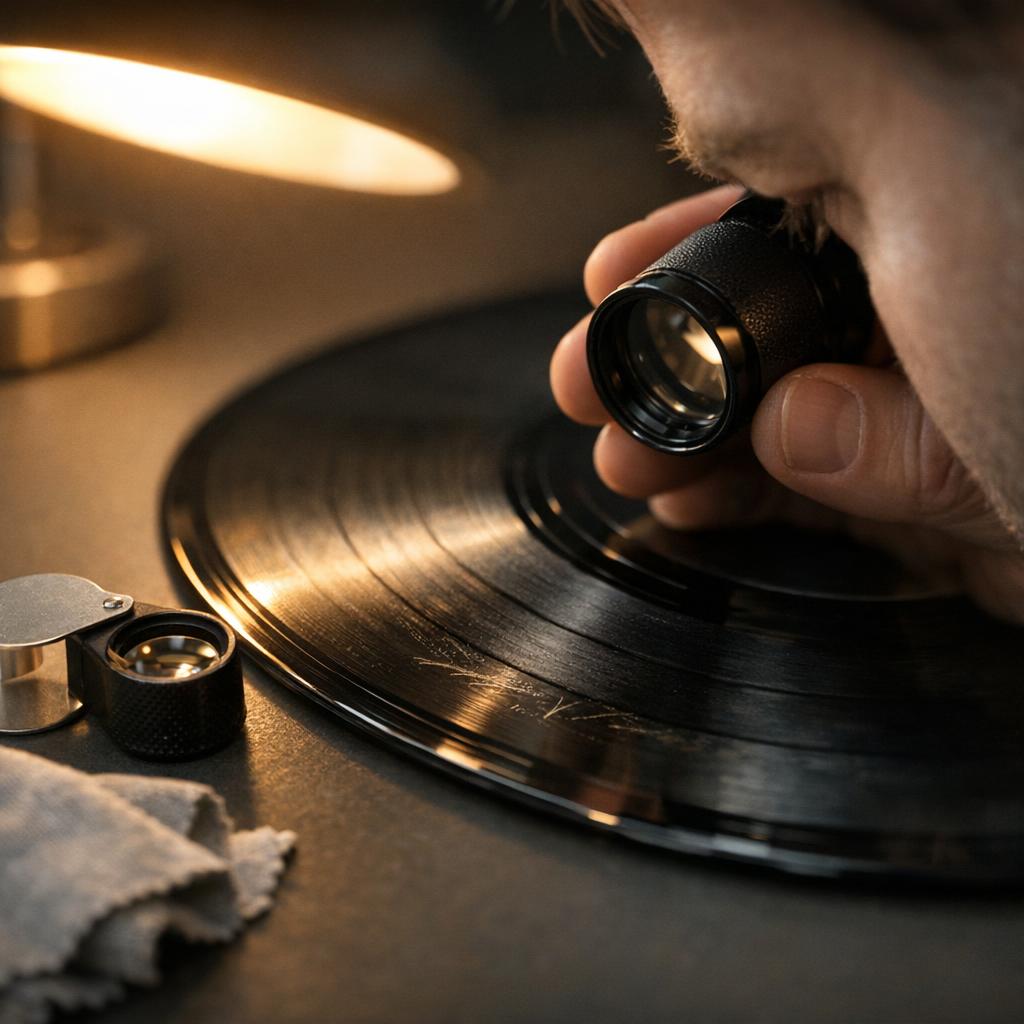
- Read the deadwax under raking light: rotate the record and use a lamp from the side.
- Write down every mark: matrix, side ID, lacquer cut, plant symbols, and any tiny initials.
- Compare to a discography: your matrix must match the documented first press for that country/label variant.
- Watch for mixed parts: early disc + later jacket (or vice versa) is common in used collections.
- Grade condition honestly: NM first press can be worth less than a VG+ early reissue buyers can actually play.
Common false positives (don't overpay for these):
- “Early pressing” vs first pressing: same era, but later lacquer/stamper runs.
- Reissue with similar labels: label art can look identical while the deadwax changes.
- Cover swaps: a collectible jacket paired with a later disc (or the reverse).
- Counterfeits/bootlegs: often have sloppy deadwax, wrong fonts, or suspiciously clean labels.
Free instant estimate
Not sure if your item is worth appraising? Let us take a look.
Upload a photo, tell us what you know, and get a free first read. If a full appraisal makes sense, we will say so.
Free. No card needed. Takes about two minutes.
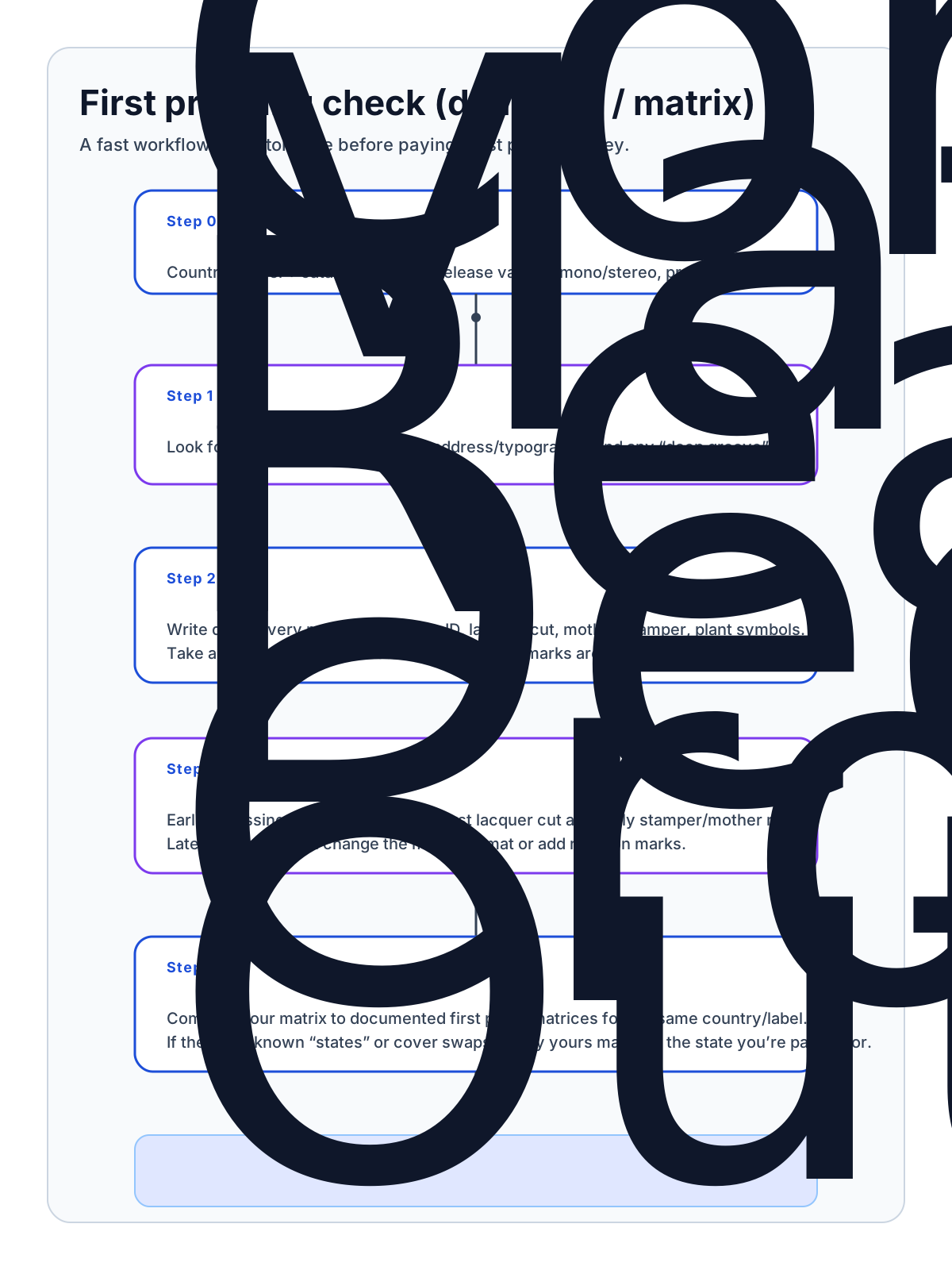
A short decision tree you can follow
This flow keeps you from chasing one clue (like a label) while missing the deadwax evidence.
Deadwax (runout) and matrix numbers: what you're actually reading
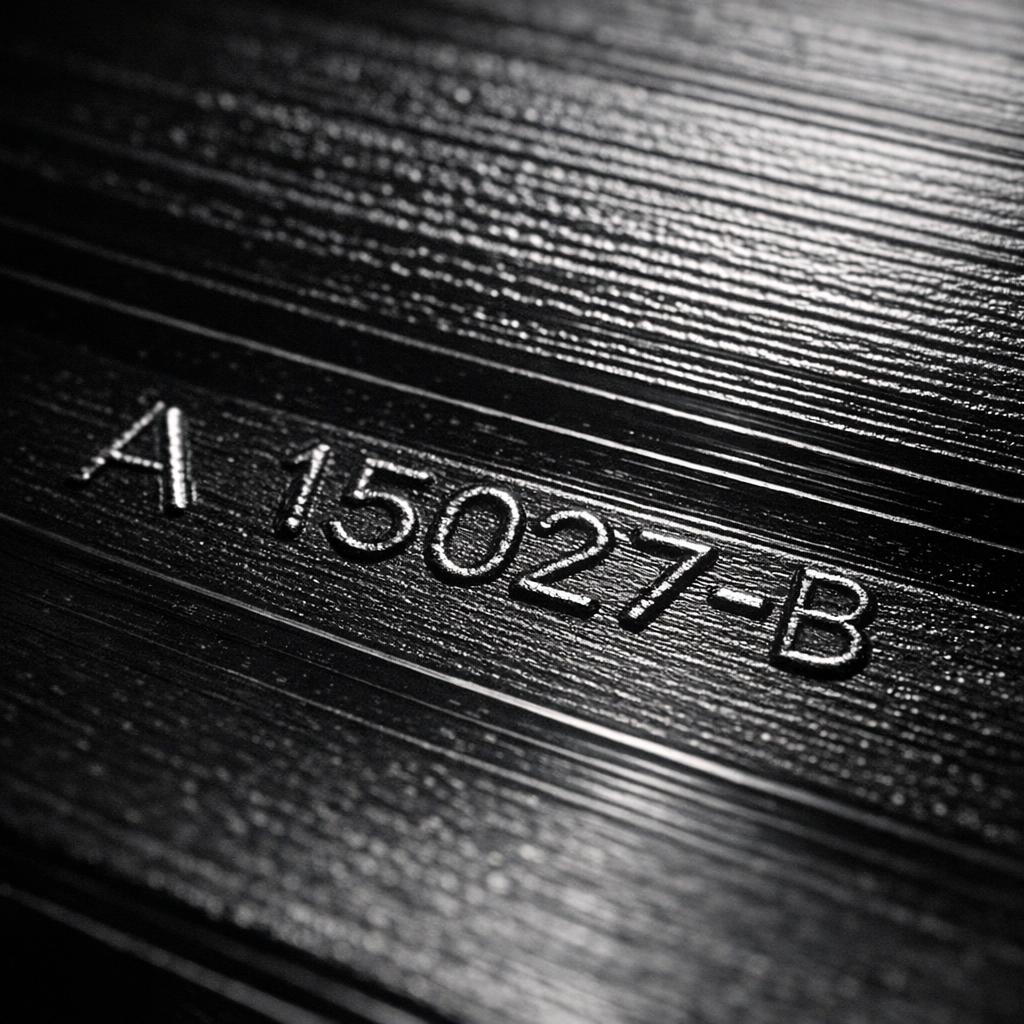
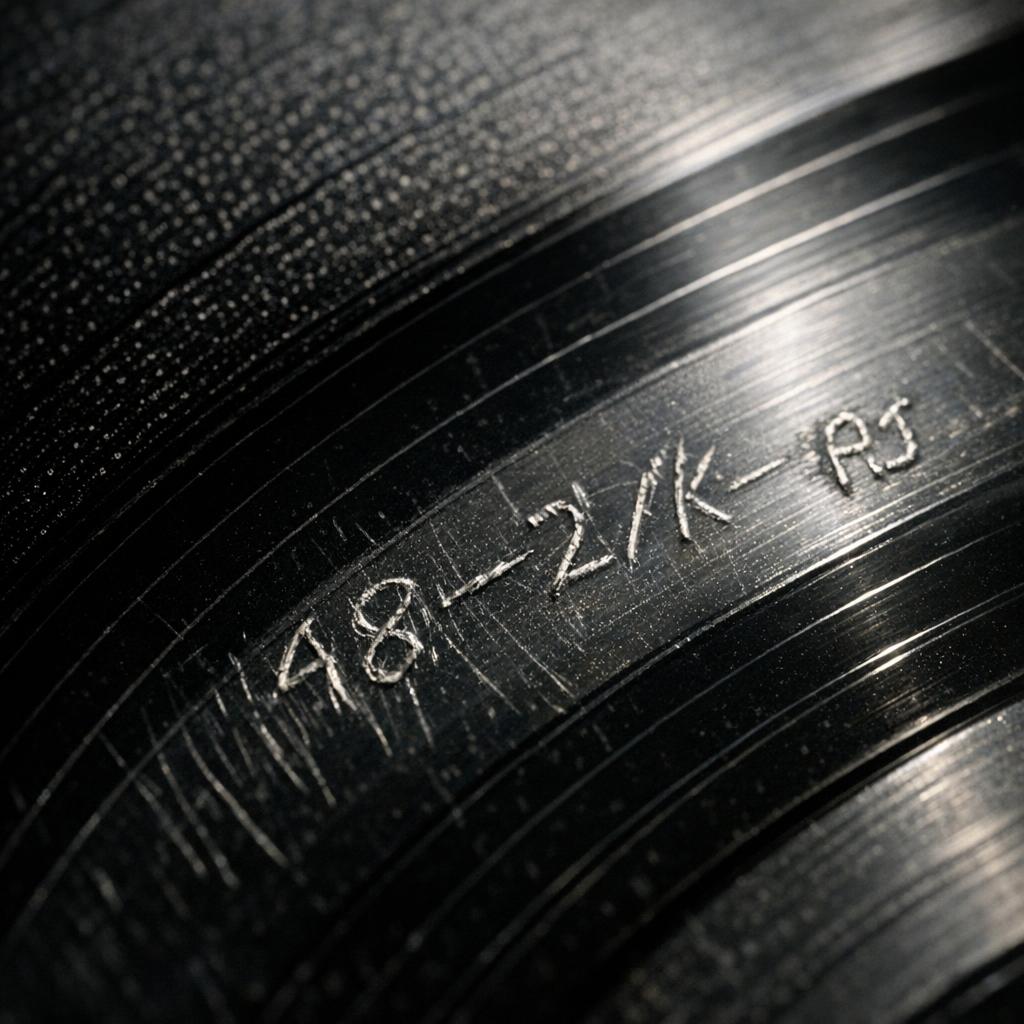
The deadwax (also called the runout) is the smooth area between the last track and the label. This is where pressing plants and mastering engineers leave the production breadcrumbs: stamped catalog/matrix info, hand-etched notes, and tiny symbols.
A true first pressing usually shares the earliest documented deadwax pattern for that release and country. Later pressings and reissues often introduce recuts, suffixes, different stamp styles, or different plant marks.
| Clue | What it can indicate | Why it matters |
|---|---|---|
| Stamped matrix characters | Plant-applied identifiers, sometimes tied to a specific run | Helps confirm the exact pressing “family” used for the first release |
| Hand-etched matrix / initials | Cutting engineer, mastering house, or lacquer notes | Recuts often add or change these details |
| Mother/stamper codes | Where in the pressing chain your copy sits | Early stampers are more likely to align with first press runs |
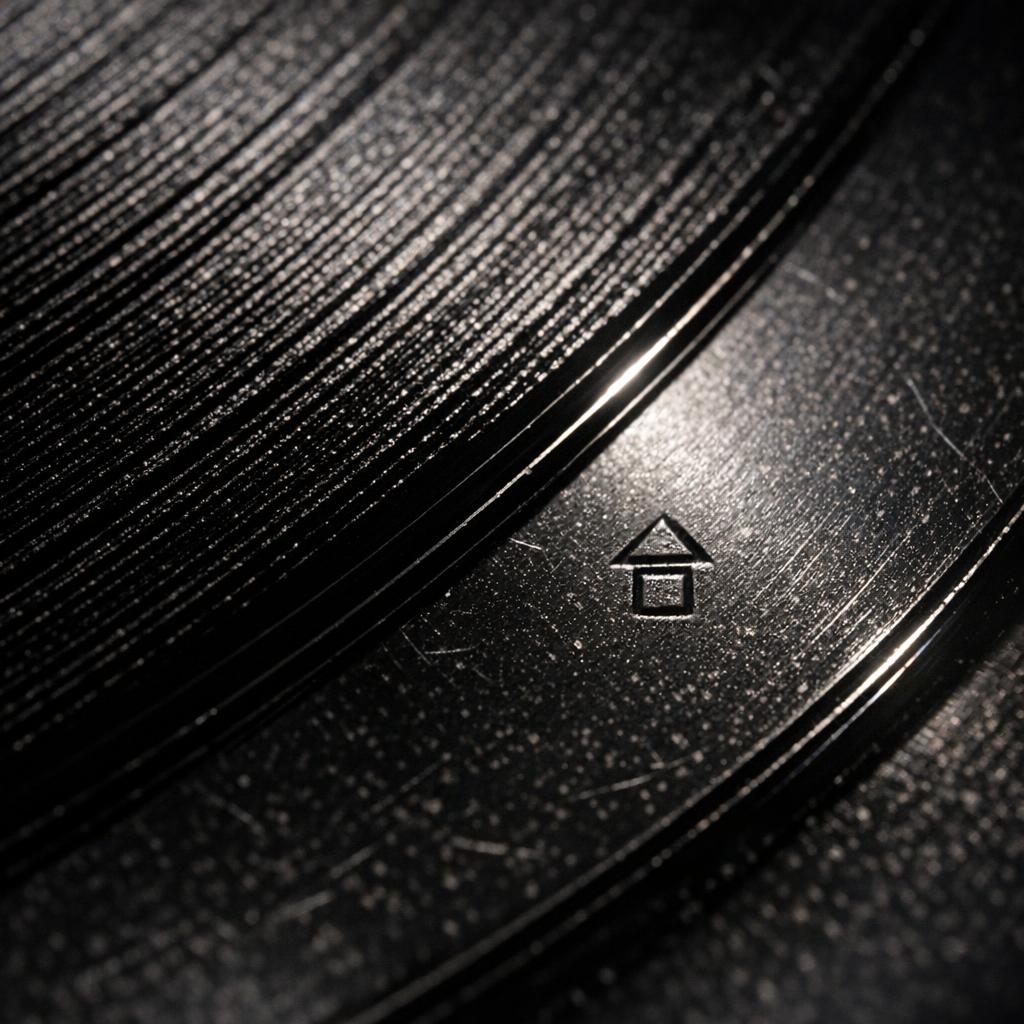
| Plant symbols | Manufacturing plant or subcontractor | Some first presses are plant-specific; later runs move plants |
Label + jacket checks: the deadwax isn't the only evidence
Even when deadwax matches, collectors expect the label and packaging to make sense for the claimed era. It's common for used records to be “Frankenstein” copies: an early disc slipped into a later cover, a swapped inner sleeve, or a replacement label misread by sellers.
- Catalog number alignment: jacket spine, back cover, and label should agree.
- Rim text and addresses: label address/typography changes are often dateable.
- Barcode presence: if the jacket has a barcode, it's rarely a true first press for older titles.
- Printed credits: small-print manufacturing lines can change across issues.
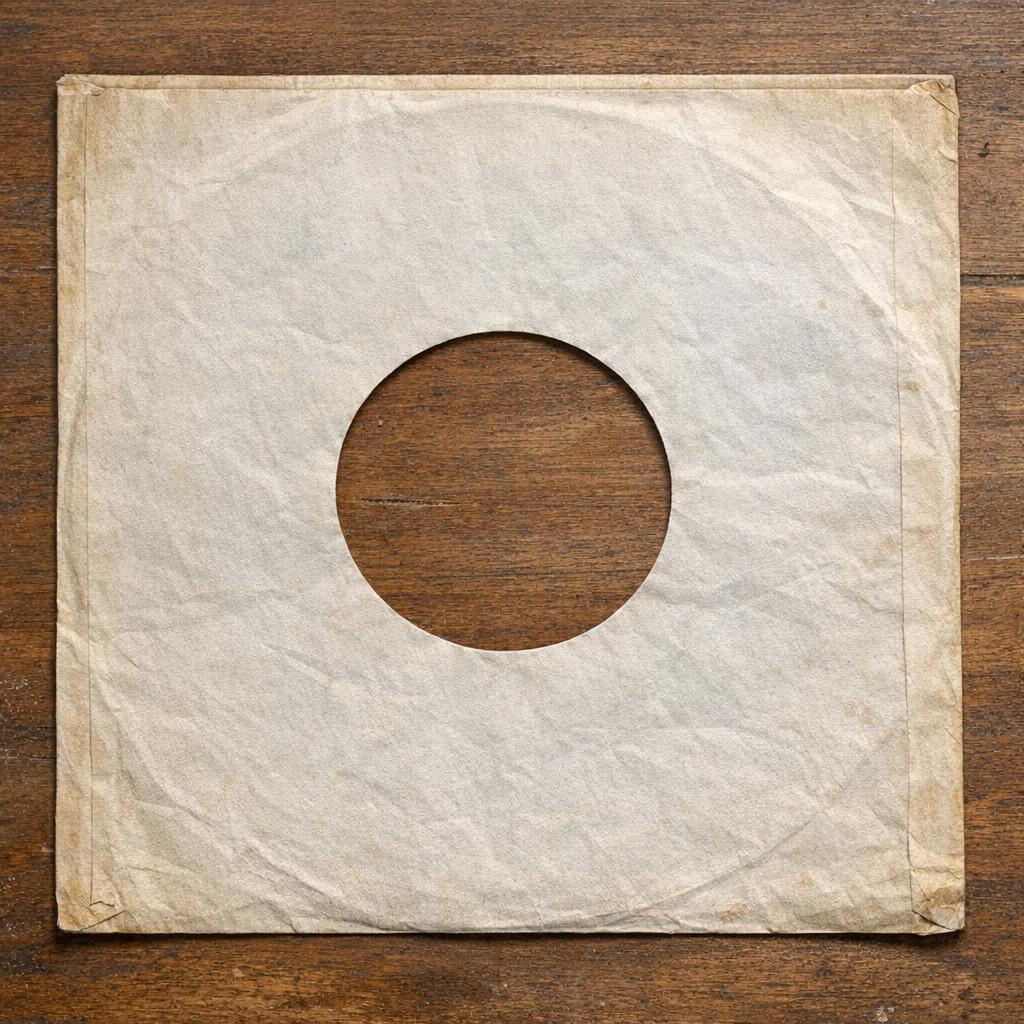
- Inner sleeve: construction and printing style can be another consistency check.

Pressing plant marks: how they help (and how they mislead)
Plant marks can narrow down a record's origin when multiple factories pressed the same title. They're especially helpful for releases where the first pressing was restricted to one plant or one region.
The caution: plants can press both first and later runs, and some marks appear for years. Use plant marks as a supporting clue, not a final verdict.
Condition and grading: why a “true first press” can still be a bad buy
First pressings attract premiums, but grading (both the disc and the sleeve) often matters more to buyers than the story. A noisy VG copy may be less liquid than a clean VG+ early pressing.
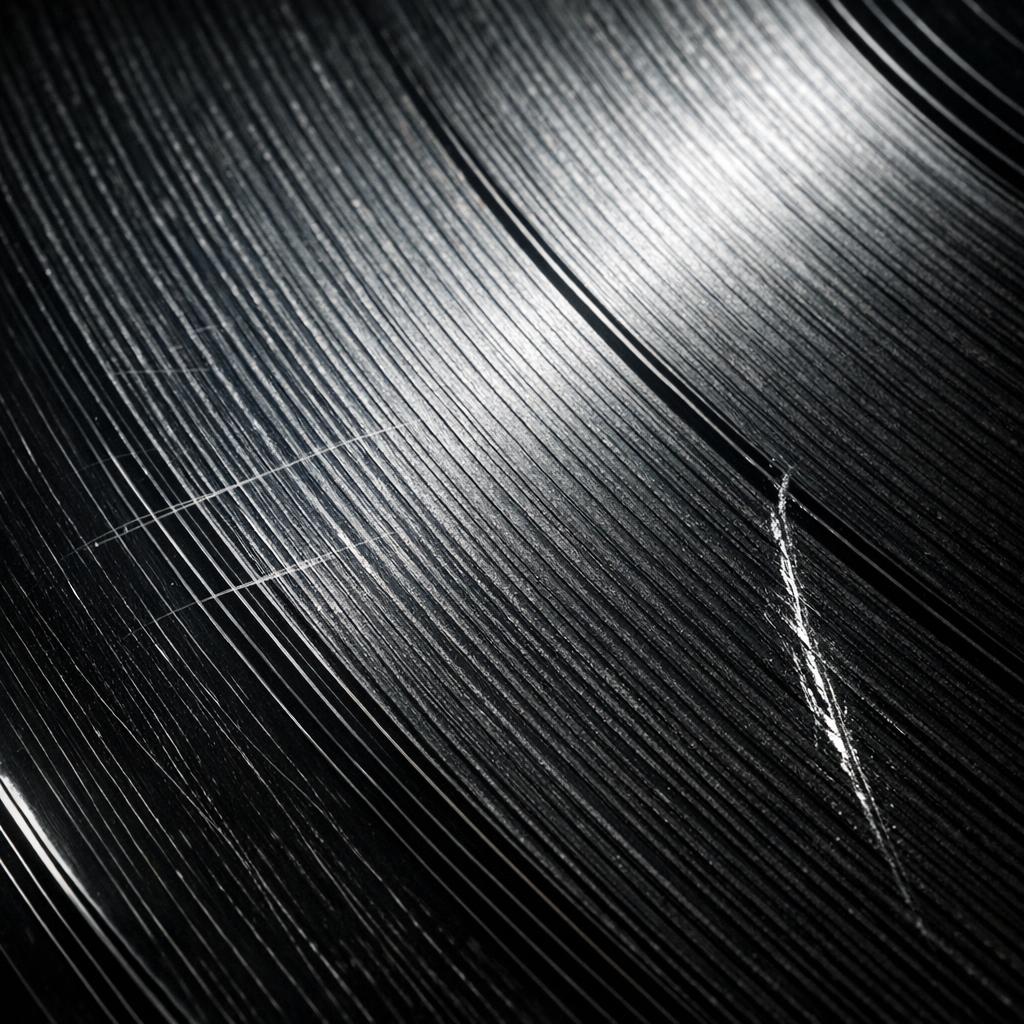
Use raking light on the playing surface and be realistic about wear. If you're buying online, ask for deadwax photos and close-ups of any marks.
What similar items actually sold for
To help ground this guide in real market activity, here are recent example auction comps from Appraisily’s internal database. These matched sales are market context only, not an object estimate or identification, and they do not guarantee a price for your specific vinyl record first.
| Comparable | What sold | Auction house | Date | Lot | Source-reported amount |
|---|---|---|---|---|---|
 |
George Harrison All Things Must Pass 3-LP Vinyl Record Album Apple STCH-639 UK First Pressing 1970 | Ace Of Estates | 2025-09-14 | 959324 | USD 50 (buyer’s-premium treatment unknown) |
 |
Bob Dylan: ‘The Times They Are A-Changin’ (1964), Autographed album cover – Signed by Bob Dylan in black ink on reverse of the cover, ‘To Ray Best wishes Bob Dylan’, LP vinyl record present within paper sleeve, UK first press, CBS orange labels,... | Dawsons Auctioneers | 2025-05-07 | 156 | GBP 1,600 (buyer’s-premium treatment unknown) |
 |
Black Sabbath; Three early and first pressing Vertigo label vinyl record al | Gildings Auctioneers | 2018-07-17 | 9 | GBP 200 (buyer’s-premium treatment unknown) |
 |
[NIRVANA] Bleach, white vinyl long playing record and cover, 1989 first pressing (SP 34). | Swann Auction Galleries | 2025-04-10 | 260 | USD 3,250 (buyer’s-premium treatment unknown) |
How these auction records were verified
Each row retains its exact source URL, lot identity, retrieval time, access result, and immutable record hash. Inspect the public comparable provenance record.
Disclosure: prices are shown as reported by auction houses and are provided for appraisal context. Learn more in our editorial policy.
What to photograph for a confident identification (or appraisal)
- Front + back of the jacket (straight-on), plus spine close-up.
- Label close-ups for both sides (center hole and rim text).
- Deadwax photos for both sides at an angle (so the marks catch light).
- Any inserts, hype stickers, or unusual inner sleeves.
- Surface condition under raking light (especially any scratches).
Visual checklist gallery (inspection cues)
Use these reference close-ups to compare with what you see under your own lamp and camera.
Search variations collectors ask
Readers often Google:
- how to read deadwax matrix numbers on a vinyl record
- how to tell if an LP is a first pressing vs reissue
- stamped vs etched matrix what does it mean
- how to identify pressing plant marks in the runout groove
- does deep groove mean first pressing
- how to spot a counterfeit vinyl record by deadwax
- what photos to take for a vinyl pressing identification
- vinyl record grading VG+ vs NM what's the difference
- how to verify a butcher cover state and pressing
Each question is answered in the guide above.
Key takeaways
- Don't buy “first press” claims without deadwax photos.
- Match country/label/jacket first, then confirm with deadwax/matrix.
- Use plant marks and label cues as supporting evidence, not a final verdict.
- Condition and documentation can matter as much as pressing status.
References & data sources
- Discogs (matrix/runout field + release variants): https://support.discogs.com/hc/en-us/articles/360005055453-Release-Notes
- Goldmine grading (basic reference): https://www.goldminemag.com/collector-resources/record-grading-101
- Auction comps cited in-text (Appraisily internal auction results database): Archives International Auctions (Lot 280, 2024-04-18), Hill Auction Gallery (Lot 157, 2024-05-29), Christie's (Lot 198, 2023-09-28), Lawsons (Lot 2059, 2024-05-02).