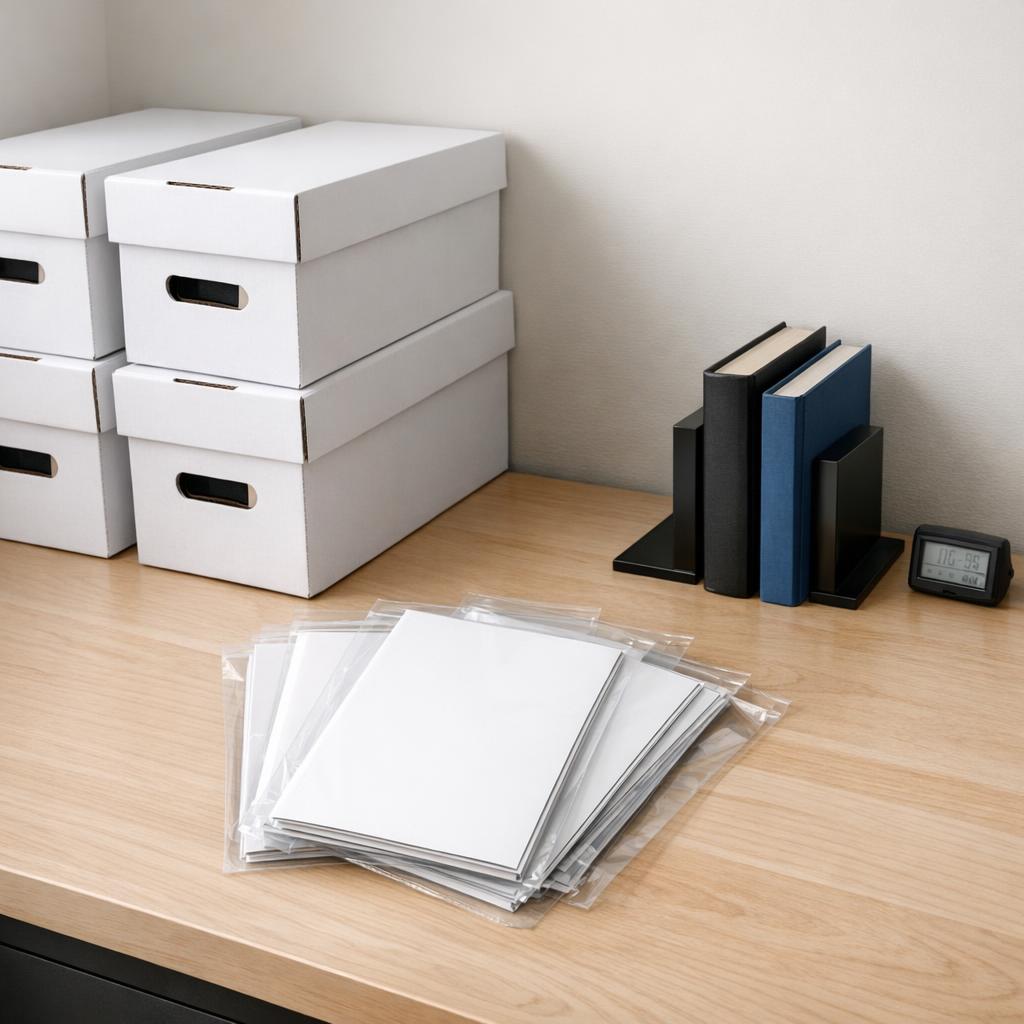
How to Store Comics: appraisal and value basics
How to Store Comics research should start with identification, condition, provenance, and recent comparable sales. Use this guide to compare the signals that matter before paying for a formal appraisal or deciding whether to sell.
If you collect comics or books, you’re really collecting condition. Small storage flaws—waves, odors, rust, and mold—can change market value quickly.
This guide is a practical storage workflow you can set up in a weekend: the humidity targets that prevent mold and staple rust, the bags / boards / boxes that won’t off-gas or turn acidic, and the “what not to do” mistakes that quietly destroy value.
If you only do five things:
- Measure humidity: place a hygrometer where the collection lives (not across the room).
- Stabilize RH: aim for ~40–50% and avoid long periods above ~60% (mold + rust risk).
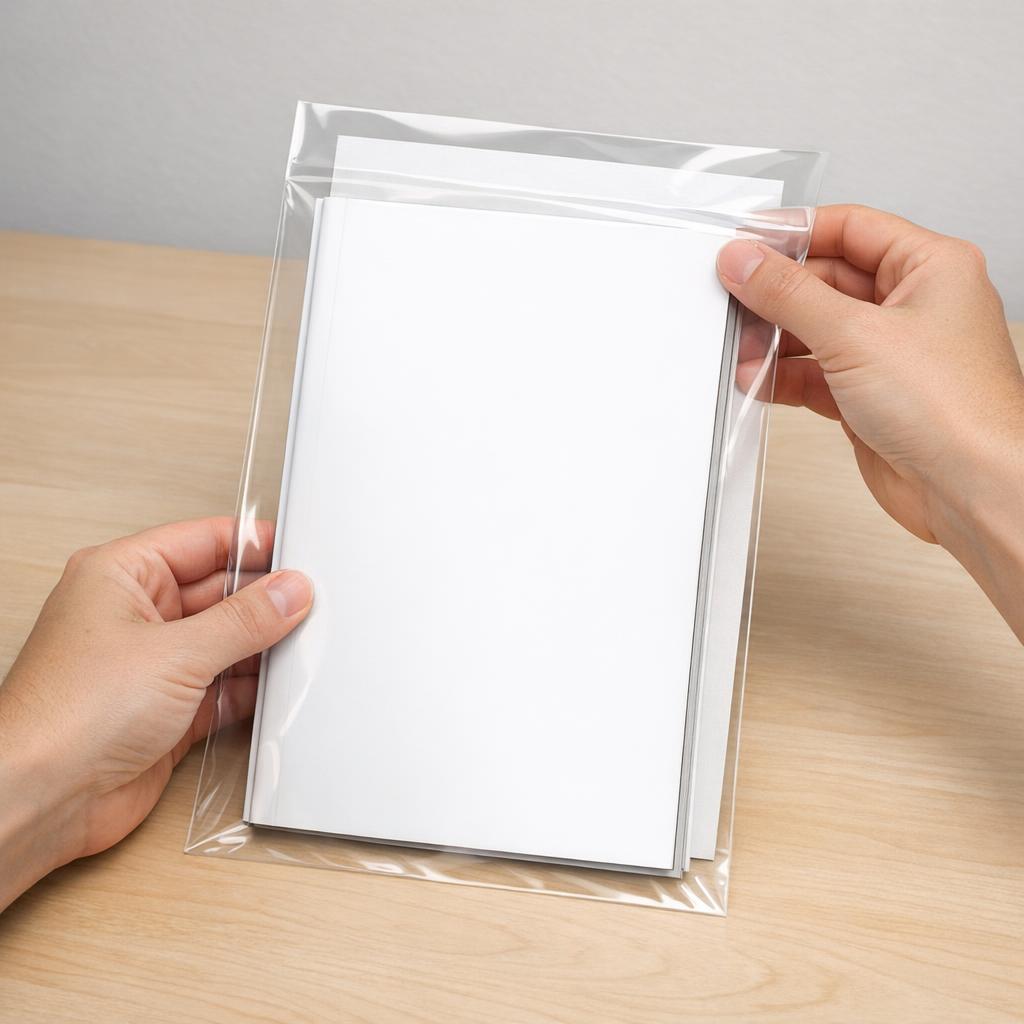
- Use safe plastics: avoid PVC; choose archival polypropylene or Mylar (polyester).
- Support the shape: store comics upright with dividers; store books upright with bookends (no slumping, no pressure dents).
- Keep it off the floor: basements + cardboard + concrete = moisture risk.
Free instant estimate
Want a market-backed value range for your comics or books?
Tell us what you have and what you need (sell/insure/estate). We’ll help you prioritize what to preserve first and provide a range based on comparable sales.
Free. No card needed. Takes about two minutes.
10-minute storage checklist (comics + books)
Think of preservation as a chain: environment → enclosures → handling. Fix the environment first, then upgrade supplies.
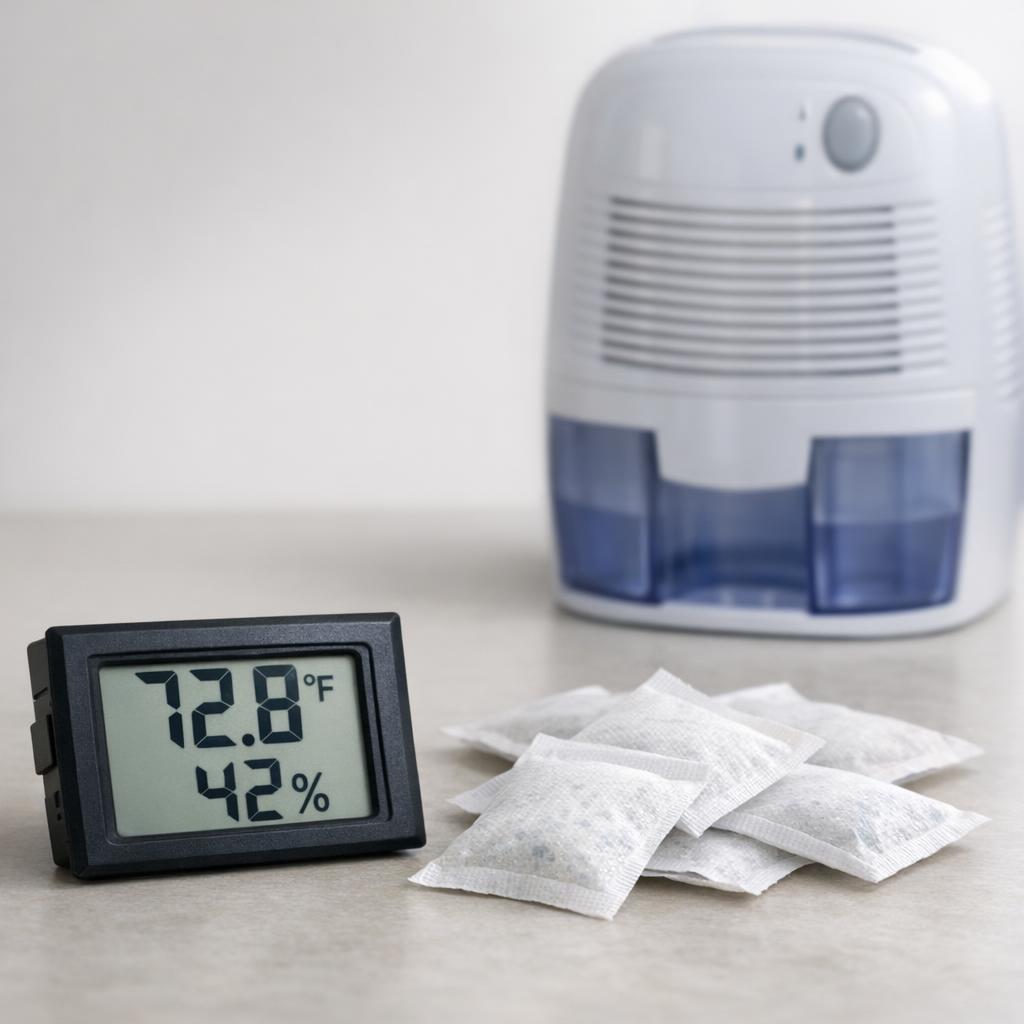
- Measure: put a hygrometer near the collection for a full week (watch daily swings).
- Stabilize: keep RH near 40–50% with a dehumidifier (or humidifier in very dry homes).
- Enclose: comics get bags + acid-free boards; books get jacket covers or slipcases.
- Support: store upright and supported (dividers for comics; bookends for books).
- Shield: avoid sunlight/UV; keep items away from exterior walls and concrete floors.
Humidity and temperature: the value killers you can control
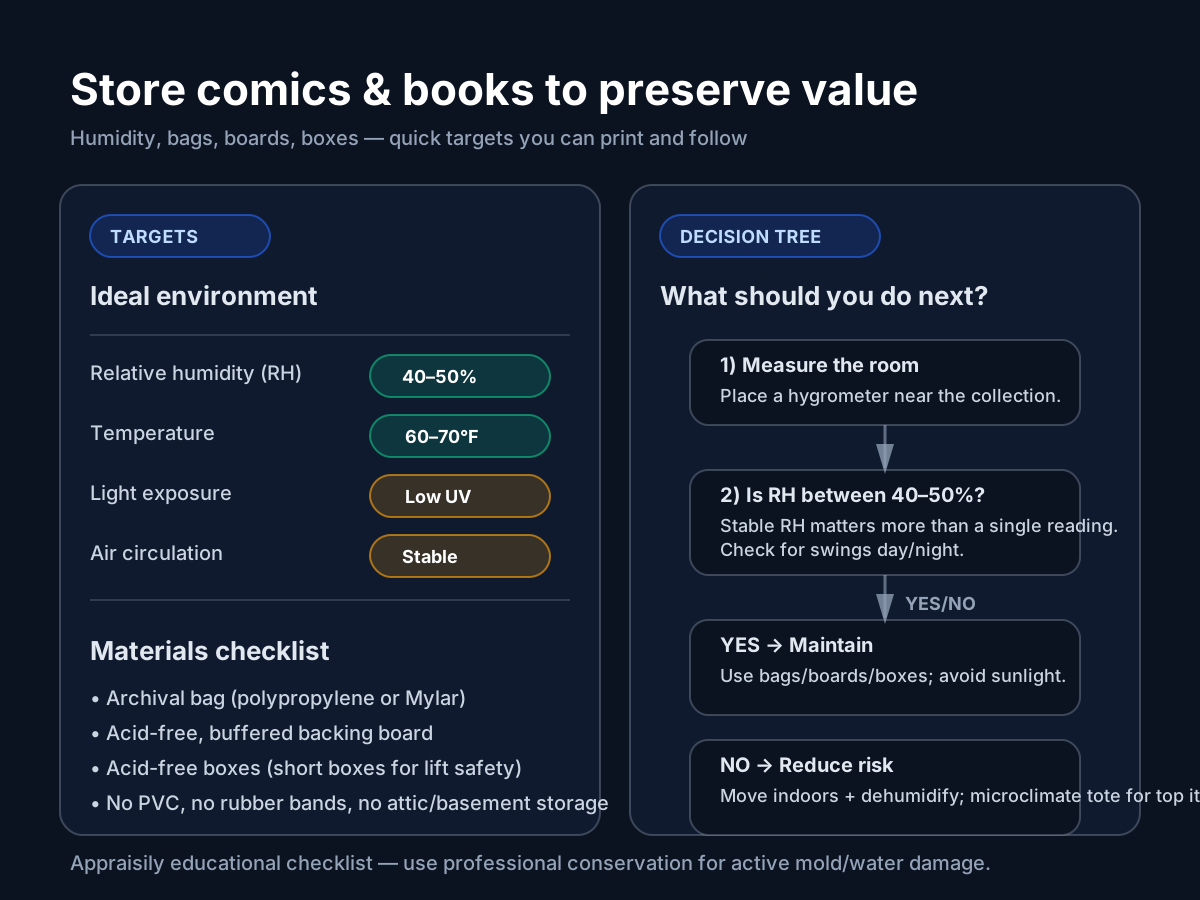
Humidity drives most “mysterious” paper problems: waviness, musty odors, mold, and in comics, staple rust and rust migration. Temperature matters too, but collectors usually win faster by controlling RH.
- Target: ~40–50% RH, stable day-to-day.
- High risk: >60% RH for extended periods (mold + rust).
- Dry risk: <30% RH long-term (paper + leather can become brittle).
- Stability beats perfection: a steady 50% is often better than 35% one day and 65% the next.
Light is the other silent problem. Sunlight fades inks and jackets and can embrittle paper. Store away from windows and use UV-filtering film or curtains if you can’t.
Bags, boards, boxes: what’s safe (and what to avoid)
For comics, your goal is to keep the book clean and flat without trapping moisture. For books, your goal is to keep jackets from scuffing and keep boards from warping.
| Category | Preferred | Avoid |
|---|---|---|
| Comic bags | Archival polypropylene or Mylar (polyester) | PVC “vinyl” bags (plasticizer residue, odor) |
| Backing boards | Acid-free, buffered, sized correctly | Regular cardboard; old cereal-box DIY boards |
| Book jackets | Archival jacket covers (Mylar/polyester) | Tape on jackets; adhesive contact paper |
| Fasteners | None (let the enclosure do the work) | Rubber bands, pressure clips, metal paper clips |
One nuance: “archival” does not mean “airtight.” If you put a damp item into any enclosure, you can lock in the problem. Always make sure the item and the room are dry first.
How to handle and shelve without creating new defects
- Clean hands & surfaces: grit creates rub and fingerprints over time.
- Lift, don’t slide: sliding items in/out of tight shelves and boxes scuffs edges.
- Support spines: use bookends for books and dividers for comics to prevent slow pressure damage.
Microclimate storage for your top items (when the room can’t be perfect)
If you can’t control a room year-round, reserve “microclimate” storage for your top pieces: a sealed tote with controlled desiccant and a hygrometer.
- Only seal items when they are already dry and clean.
- Use a hygrometer inside the tote so you can confirm RH stays stable.
What not to do (the fastest ways to lose value)
- Attic storage: heat swings accelerate aging and warp boards/jackets.
- Basement floors: flooding and condensation happen fast—use shelves and keep airflow space.
- Sealing damp items: a closed bin + moisture = mold incubator.
- Pressure stacking: stacks create corner dents, spine roll, and cover impressions.
If you see active mold or water damage on a valuable book, pause and consult a conservator rather than “trying a trick.”
Visual guide gallery: humidity, bags, boxes, and damage cues
Use the images below as a quick visual checklist of what “good storage” looks like (and what defects to avoid).
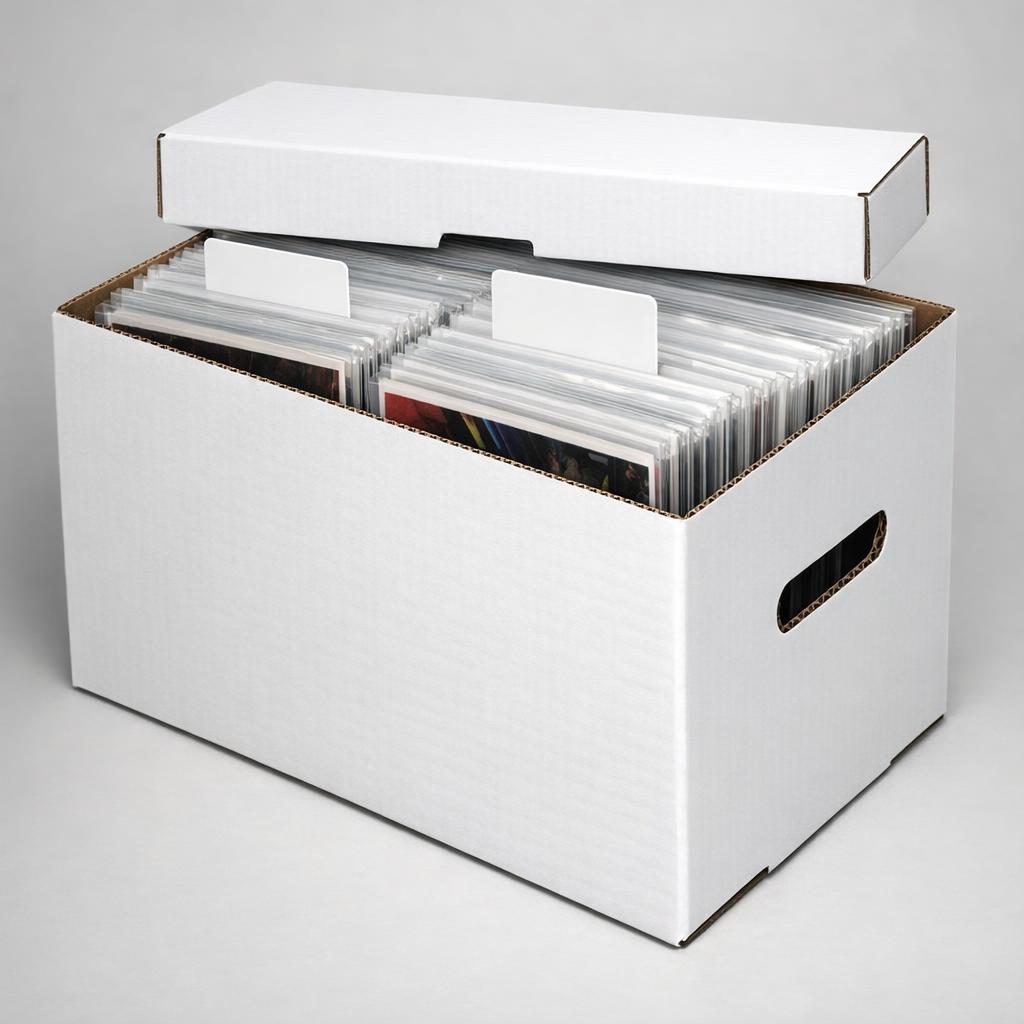

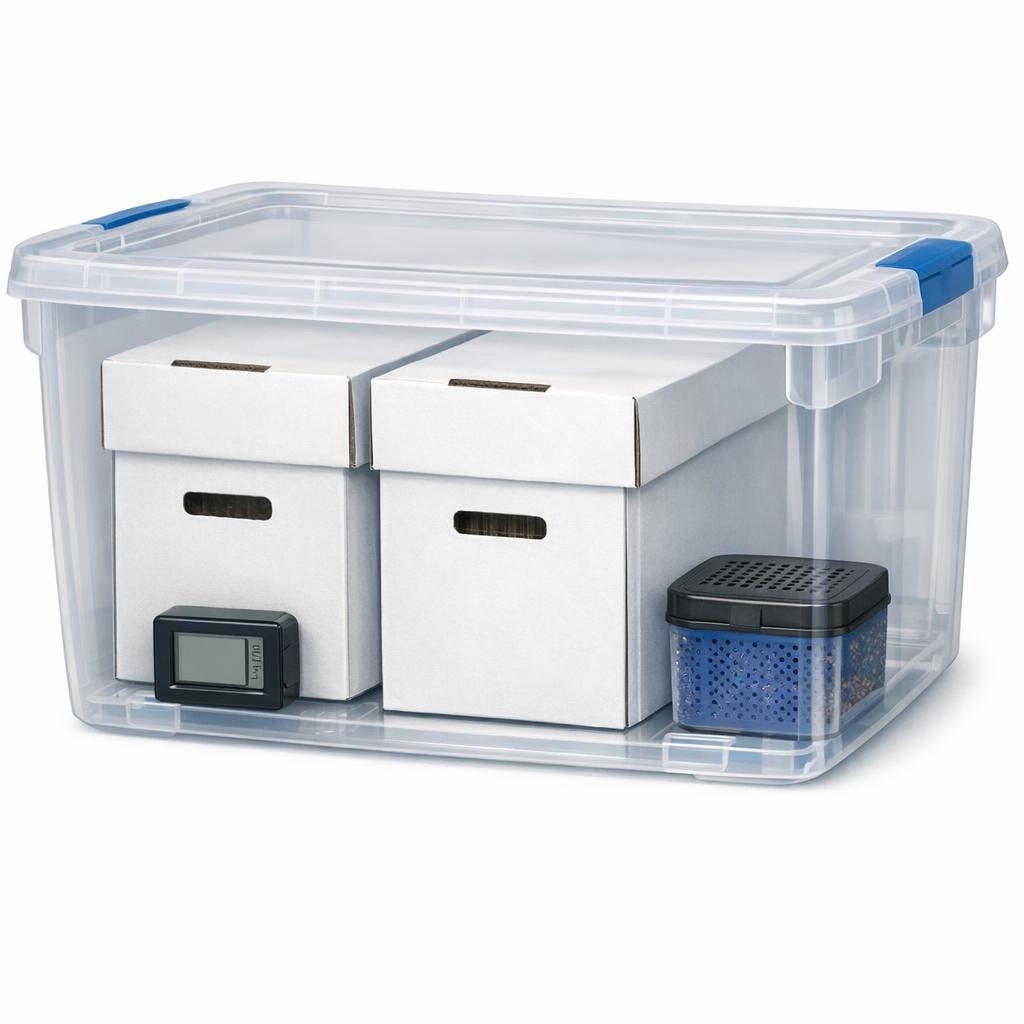
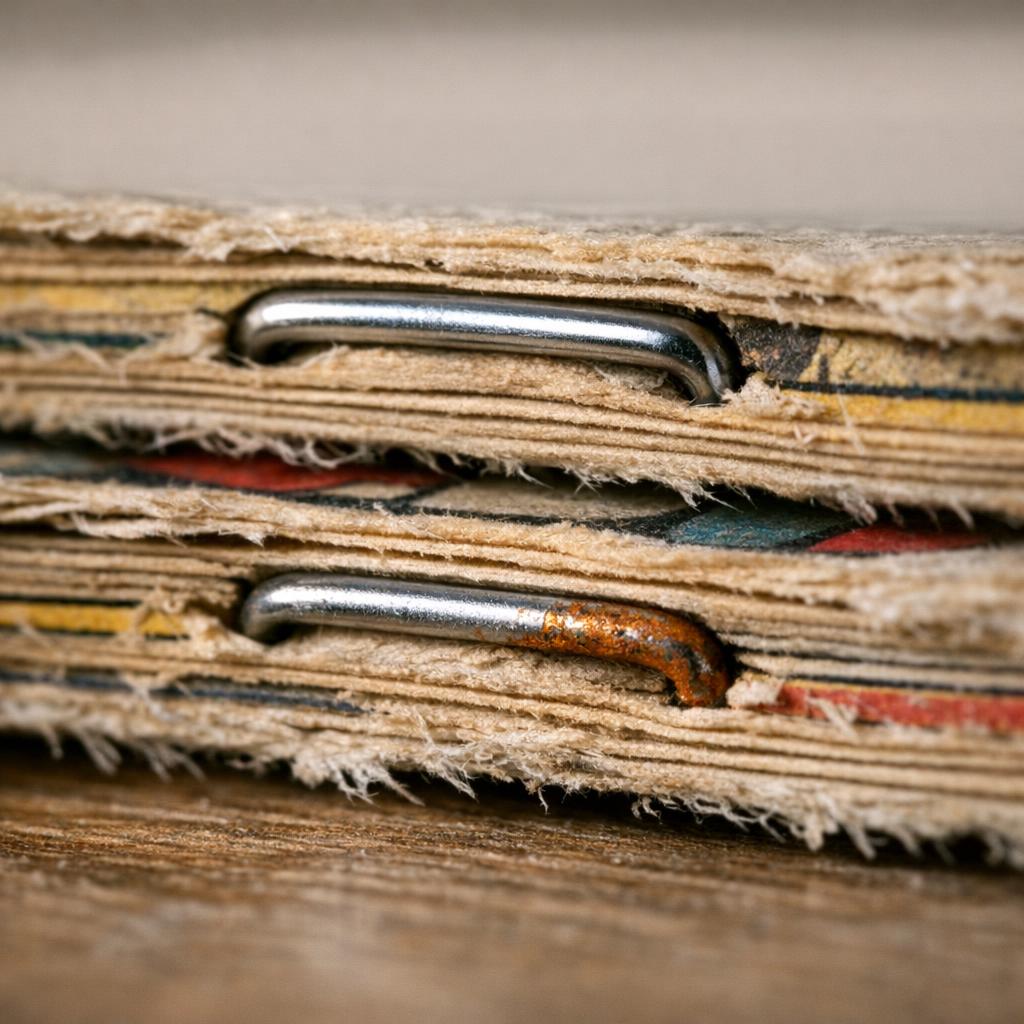
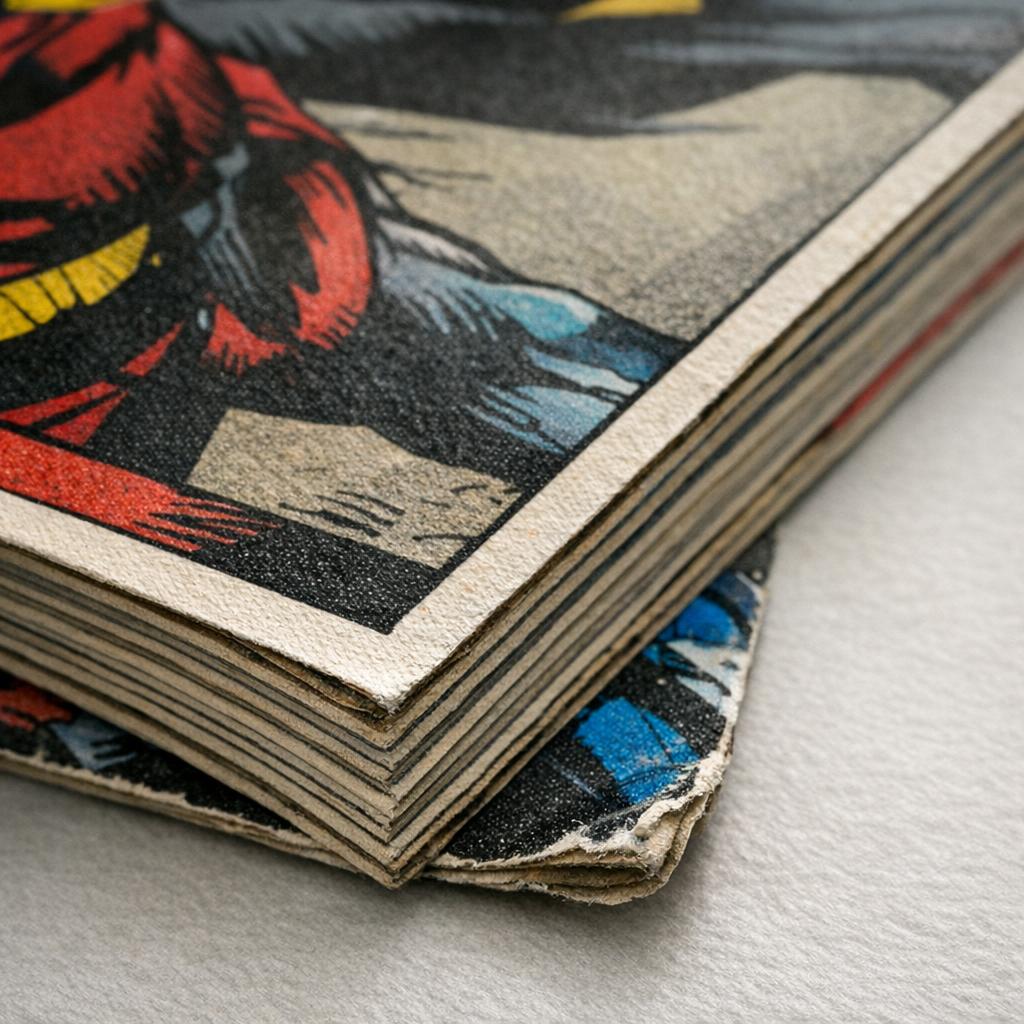
Note: We couldn’t find enough auction records that directly match How to Store Comics and Books: Humidity, Bags, Boxes and Shelves to publish a defensible price table. If you are valuing a specific item, include its maker, model, material, photos, and condition so the search can be narrowed.
What similar items actually sold for
The current auction search does not contain at least three clean, directly matched sales for How to Store Comics and Books: Humidity, Bags, Boxes and Shelves yet. If you’re valuing a specific item, use the free estimate flow so the search can be narrowed by maker, material, photos, and condition.
Disclosure: prices are shown as reported by auction houses and are provided for appraisal context. Learn more in our editorial policy.
FAQ
What humidity is best for storing comics and books?
Aim for stable RH around 40–50%. Regularly sitting above ~60% increases mold and metal oxidation risk; consistently below ~30% can dry and embrittle paper and some bindings.
Are Mylar bags worth it?
For high-value comics, Mylar (polyester) is a good long-term choice because it’s inert and stays clear. For most collections, archival polypropylene is fine if you avoid PVC and keep RH stable.
Should I use long boxes or short boxes?
Short boxes are safer to lift and reduce the temptation to overpack. Long boxes can work, but they’re heavier and underfilling can cause slumping and spine/corner wear.
Can I store books/comics in plastic bins?
Yes—if everything is dry and you’re not trapping humidity. For high-value items, a tote can act as a microclimate when paired with a hygrometer and properly managed desiccant.
What if I see mold or smell mildew?
Isolate the item and prioritize safety. Avoid brushing mold indoors or using household cleaners on paper. For valuable items or active mold, consult a paper conservator.
Key takeaways
- Stable humidity is the #1 lever: measure first, then stabilize (40–50% RH is a solid target for most homes).
- Avoid PVC and acidic cardboard; use archival bags/boards and sturdy boxes or shelving support.
- Prevent slow pressure damage: no slumping comics, no leaning books, no heavy stacks.
- Store off the floor and away from sunlight/exterior walls to reduce moisture and UV risk.
References & data sources
- Library of Congress (care and handling of books): https://www.loc.gov/preservation/care/books.html
- Northeast Document Conservation Center (collection environment basics): https://www.nedcc.org/free-resources/preservation-leaflets
- Auction datasets cited in-text (Appraisily internal results DB): Landry Pop Auctions (Lots 146, 199 on 2025-02-18), Weiss Auctions (Lot 314 on 2023-04-26), Early American History Auctions (Lot 195 on 2024-12-14), Forum Auctions (Lot 306 on 2024-11-21).
Search variations collectors ask
Readers often Google:
- best humidity for comic book storage
- how to store comic books in a humid climate
- mylar vs polypropylene comic bags for long term storage
- are PVC comic bags bad for comics
- how to store books to prevent mold in basement
- how to store first edition books with dust jackets
- long box vs short box comic storage which is better
- how to store comics without bending corners
- how to stop staple rust on comic books
Each question is answered in the storage checklist and preservation sections above.