Collectibles Value Guides: Toys, Dolls, Comics, Cards, Bottles, Magazines, Glass and Sports Memorabilia
Browse Appraisily collectibles guides for vintage toys, dolls, comics, cards, bottles, magazines, glass, sports memorabilia, rarity, and condition.
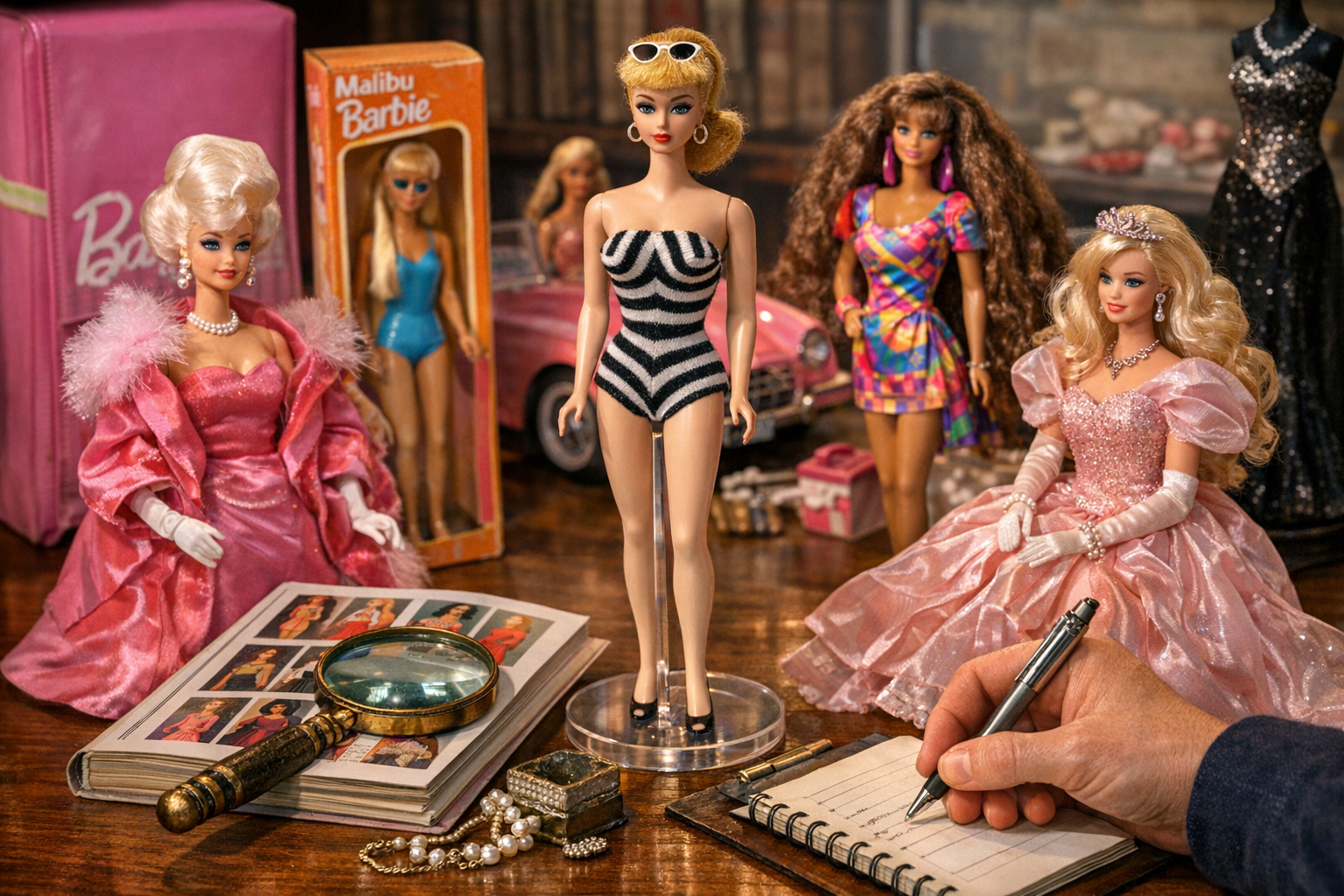
Collectibles value guide reference with vintage toys, dolls, comics, cards, bottles, magazines, glass, sports memorabilia, rarity, and condition. Reference image; item-specific appraisal depends on submitted photos and documentation.
How to triage a collectible before appraisal
Collectibles gain value from originality, condition, scarcity, brand recognition, and proof that buyers are active in the category. A toy, bottle, comic, card, doll, or magazine should be checked for maker marks, dates, edition details, restoration, replacement parts, packaging, and visible defects before comparing prices.
Condition is usually the first price filter
Small flaws can matter. Creases, fading, chips, missing accessories, repainting, trimmed pages, water damage, odors, and incomplete boxes can separate a display object from a collector-grade example. Photograph defects honestly so a valuation is useful rather than optimistic.
Build a clean research packet
Group similar items together, photograph front and back, capture maker marks and measurements, and keep receipts or inherited notes with the object. For large collections, shortlist the strongest pieces first so research time goes toward items most likely to justify sale, insurance, or estate documentation.
Need a value for your item?
Upload clear photos and notes so Appraisily can route the item to the right appraisal workflow.
These guides already have current search demand. Start with the closest guide, then use the free first look or a signed report when documentation is needed.
Note: We couldn’t find enough auction records that directly match Collectibles Value Guides: Toys, Dolls, Comics, Cards, Bottles, Magazines, Glass and Sports Memorabilia to publish a defensible price table. If you are valuing a specific item, include its maker, model, material, photos, and condition so the search can be narrowed.
What similar items actually sold for
To help ground this guide in real market activity, here are recent example auction comps from Appraisily’s internal database. These matched sales are market context only, not an object estimate or identification, and they do not guarantee a price for your specific collectibles guides.
Shown USD range: USD 425-USD 1,100. Median of these 3 USD examples: USD 500.
Source-reported amounts. Buyer’s-premium treatment is stated in each row when known; otherwise it is unknown. Native currencies are not normalized.
Each row retains its exact source URL, lot identity, retrieval time, access result, and immutable record hash. Inspect the public comparable provenance record.
Disclosure: prices are shown as reported by auction houses and are provided for appraisal context. Learn more in our editorial policy.
Free instant estimate
Not sure if your vintage toy is worth appraising? Let us take a look.
Upload a photo, tell us what you know, and get a free first read. If a full appraisal makes sense, we will say so.
Free. No card needed. Takes about two minutes.
Choose your next step
Use the path that matches the decision you need to make about the item.
Not sure it is worth appraising?
Start with a lower-friction screen to understand the likely category, evidence, and next step.

![[MICHELIN] Guides Michelin. sold by Artcurial, lot 76 — auction record photograph](https://assets.appraisily.com/auction-lots/152769622/thumb/h1118-l219658842.jpg)

![[Gardening] Group of 20 British Gardening Guides sold by Freeman’s | Hindman, lot 124 — auction record photograph](https://assets.appraisily.com/auction-lots/199321269/thumb/h0587-l415770887.jpg)
![[Gardening] Group of 32 American Gardening Guides sold by Freeman’s | Hindman, lot 123 — auction record photograph](https://assets.appraisily.com/auction-lots/199321268/thumb/h0587-l415770884.jpg)
