Vintage Pulsar watch value quick checks
Start with the exact model, LED/LCD/analog type, case material, caseback code, bracelet and clasp, module function, display segments, originality, service history, box, papers, and condition. Compare nearby guides for old Pulsar watches value, old watches value, and free watch appraisal app before pricing or appraising the watch.
Vintage Pulsar watch identification and value checkpoints
Pulsar sits at a fascinating crossroads of watch history. Launched in the early 1970s as the world’s first commercially successful digital LED wristwatch, it later became a Seiko sub-brand spanning LCD digitals, quartz analogs, chronographs, and capable divers. If you’ve found an old Pulsar in a drawer or inherited one, you may be sitting on a piece of tech and style history—and potentially a valuable collectible.
This guide will help you identify what you have, understand the factors that drive value, and estimate a realistic price range in today’s market.
Free instant estimate
Not sure if your item is worth appraising? Let us take a look.
Upload a photo, tell us what you know, and get a free first read. If a full appraisal makes sense, we will say so.
Free. No card needed. Takes about two minutes.
A quick history: what “vintage Pulsar” means
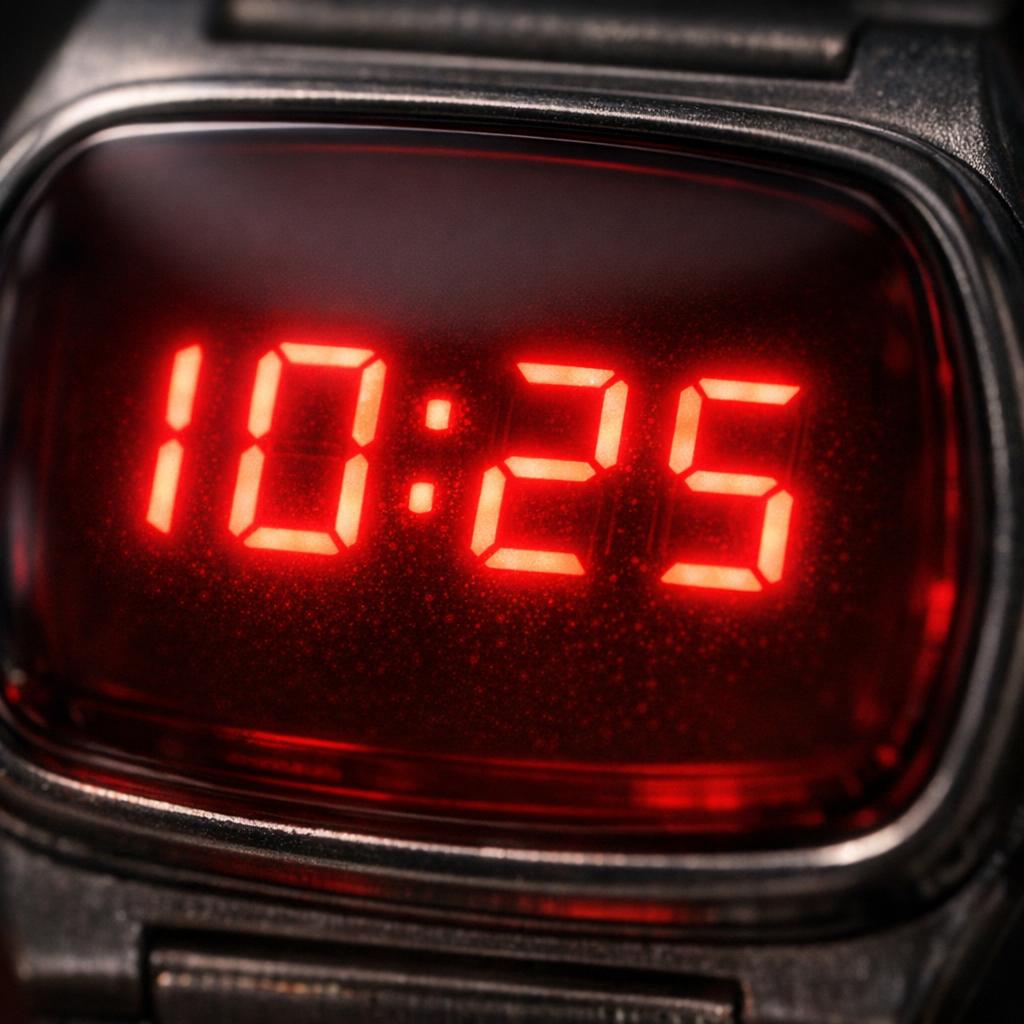
The Hamilton era (1972–1976): The original Pulsar was introduced by the Hamilton Watch Company through its Time Computer division. These first-generation LED watches—pressed to light up brilliant red numerals—defined the early digital craze. Models such as P1, P2, P3, P4, Executive, Date Command, Driver’s, and the Calculator are the core collectible Pulsars. Roger Moore famously wore a Pulsar P2 in the 1973 Bond film Live and Let Die, cementing the brand’s pop-culture stature.
Seiko era (late 1970s onward): Seiko acquired rights to the Pulsar name and expanded it into a broad line of quartz watches—LCD digital, analog, and later robust sport and diver models—often sharing Seiko movements (you’ll see familiar caliber codes like V657, V743, Y513, 7T32, etc.). These watches are generally more affordable than the early LEDs but certain models (especially divers and chronographs) have strong followings.
When collectors talk about “vintage Pulsar,” they often mean the Hamilton/Time Computer LED models from 1972–1976, with Seiko-era pieces from the 1980s–1990s also gaining attention as neo-vintage.
Identify your Pulsar model and reference
Pinning down the exact model and variant is the first step to valuation. Here’s what to look for:
Display type
- LED (1972–76): Red numerals that light up when you press a button. Typically two buttons on the case flank. The lens is a red “time-screen” (often described as ruby-red) over the module.
- LCD (late 1970s–1980s): Constant-on digital numerals in black/grey on a light background; often with alarm/chrono functions.
- Analog quartz (1980s–2000s): Hands, sometimes with subdials (chronograph) or day/date, occasionally analog-digital hybrids.
Branding and inscriptions
- Early LED dials and casebacks read “PULSAR” and often “Time Computer Inc.” with module numbers (e.g., 2900 series for P2).
- Seiko-era casebacks typically say “PULSAR” and include a Seiko-style movement code (letters + digits like V657, V743, Y513, 7T32) and a serial number.
- Gold and gold-filled cases should be clearly stamped “14K,” “18K,” or “10K GF/Gold Filled.” Stainless may read “Stainless Steel.”
Case and bracelet style cues
- P1 (1972): The first Pulsar, 18k gold only, no seconds display, minimal production—very rare. Setting magnet usually integrated in the bracelet clasp.
- P2 (1973–): Classic rounded rectangular case, stainless steel, gold-filled, or 14k solid gold. The model most commonly associated with Bond.
- P3/P4: Successors with varied case shapes; P4 “Executive,” “Dress,” and “Date Command” variants are seen.
- Driver’s (side-view) LED: Designed for car drivers, the display is angled to the side.
- Calculator LED: Tiny recessed buttons used with a stylus; large rectangular case.
- Early LED bracelets were often made by JB Champion; clasps are typically signed “PULSAR,” sometimes with a small setting magnet discreetly housed inside.
Measurements and features
- Note case width, lug width, and bracelet type. Original integrated bracelets, clasp engravings, correct end links, and even the setting magnet add value.
- Check whether the LED lights, whether both digits and segments are bright and complete, and whether the buttons function crisply.
Inside markings
- If opened by a professional, early modules are stamped with reference numbers (e.g., 2900, 3013, 4013). Do not open an LED watch yourself; the modules are fragile.
Photograph front, sides, back, and clasp; include any boxes, warranty papers, manuals, tags, or receipts. Completeness can meaningfully improve your valuation.
What drives value in old Pulsar watches
Rarity and historical significance
- First-generation LEDs are tech milestones. P1 is the pinnacle for rarity; P2 and certain specialty models (Driver’s, Calculator) rank highly.
Case material and originality
- Solid gold vs. gold-filled vs. stainless steel. Solid gold commands a major premium and creates a “scrap floor” that supports value.
- Originality matters: correct module, case, bracelet, red time-screen, and clasp. Aftermarket lenses, swapped modules, re-plated cases, or incorrect bracelets reduce value.
Condition and functionality
- LED segments should be bright, even, and fully operational. Weak segments, dead modules, or battery corrosion drag value down sharply.
- Case edges, brushing/polish, and crisp engraving are important. Over-polishing softens edges and reduces sharpness—collectors notice.
- For Seiko-era Pulsars, running accuracy, clean dial/hands, intact lume, bezel function (on divers), and pushers are key.
Completeness and provenance
- Box, papers, tags, sales receipts, service documentation, original stylus (Calculator), and even the tiny clasp magnet add value.
- Celebrity associations or documented purchase stories may help, but need credible proof.
Size and wearability
- The P2’s proportions and classic bracelet give it broad appeal. Some 1970s designs wear small by modern standards; divers and chronographs from the 1980s–90s often appeal to everyday wearers.
Market momentum
- LED enthusiasm is cyclical but has remained strong. Blue-chip pieces (P1, top P2, Calculator) see resilient demand; more common variants follow broader vintage tech trends.
Price ranges and recent market sentiment (2025 snapshot)
Prices fluctuate with condition, completeness, and venue, but the following ballparks are useful when estimating value:
P1 (1972, 18k gold, very limited)
- Wide range: approximately $25,000–$50,000+ depending on originality, working condition, and provenance. Exceptional sets can exceed that.
P2 (circa 1973–1975)
- Stainless steel on original bracelet, running and presentable: roughly $600–$1,200.
- Gold-filled: roughly $900–$1,600.
- Solid 14k: often $2,500–$6,000+, with strong examples higher.
- Add 20–40% for top condition with box/papers; subtract for non-running or heavy wear.
P3/P4 family (Executive, Dress, Date Command, etc.)
- Stainless/gold-tone examples generally $300–$900 depending on condition and completeness.
- Scarcer variants and pristine sets can cross $1,000.
Driver’s LED (side-view)
- Typically $1,200–$2,500; originality and running modules are crucial.
Calculator LED
- Commonly $1,500–$3,500; top examples with original stylus, bracelet, and packaging can bring more.
Ladies’ LED models
- Often $300–$700; gold-filled or solid gold pieces can be higher.
1970s–80s Pulsar LCD digitals (Seiko era)
- Many trade between $60–$250; rare features or mint/NOS sets can reach $300–$600.
1980s–2000s Seiko-era Pulsar analogs (chronographs, divers)
- Everyday quartz models: $50–$200.
- Popular divers and multi-register chronographs: $150–$500; limited or titanium examples sometimes $200–$700.
- Professional-grade or uncommon references (with strong Seiko-shared calibers) can exceed those ranges when mint and complete.
Gold value “floor”
- Solid gold Pulsars (e.g., certain P2) have a scrap floor tied to case weight and gold price. While collectors rarely want to melt historically significant watches, knowing the intrinsic gold value helps anchor downside risk.
Non-running watches are not necessarily worthless, especially LEDs; specialized technicians can repair modules. But the cost and risk of repair must be considered when pricing.
Caseback & markings cheat sheet (fast ID)
If you only take one set of photos for valuation, make it the caseback and the bracelet/clasp. For Seiko-era Pulsars, the movement code + serial format usually pins down the family. For Hamilton-era LED models, module/caseback markings and period-correct bracelets help confirm originality.
| Era | Where to look | What it tells you |
|---|---|---|
| Hamilton/Time Computer (LED) | Caseback + module markings | Model family + originality clues (module series, case style, metal stamps). |
| Hamilton/Time Computer (LED) | Bracelet/clasp (often special hardware) | Completeness and period-correct parts (often a value premium). |
| Seiko-era Pulsar (LCD/quartz) | Caseback movement code + serial | Movement family, approximate production era, and parts/service expectations. |
| Any era | Metal stamps (14K, 18K, GF, steel) | Material sets the “floor” (especially for solid gold cases). |
Inspection gallery: photos that move the price
Collectors pay up for clear evidence of originality and honest wear. These reference images show the types of close-ups that help the most when valuing vintage Pulsar watches.
Quick valuation checklist
Identify model and era
- LED P1/P2/P3/P4 vs. LCD vs. analog Seiko-era
- Note module or movement code, case metal, and bracelet type
Test function (carefully)
- For LEDs, use the correct batteries (commonly two 357/SR44 cells in many models) and check display clarity and button response
- For analog/LCD, verify timekeeping, complications, and backlight/alarm if present
Confirm originality
- Red time-screen lens, module, bracelet/clasp, and clasp magnet for early LEDs
- Look for signs of re-plating, aftermarket crystals, or swapped parts
Assess condition
- Case edges, brushing, dings, corrosion; bracelet stretch
- LED segment brightness/consistency; LCD bleed; dial/hands/lume on analogs
Gather completeness
- Box, papers, tags, stylus (Calculator), spare links, receipts, service records
Research comparable sales
- Focus on the same model/material and similar condition/completeness
- Adjust for non-running status or restoration needs
Decide venue
- Specialist auction, reputable dealer, private sale, or online marketplace depending on value and risk tolerance
Protect the watch
- Remove old batteries; avoid moisture; store padded and away from magnetic fields (except the tiny setting magnet on period bracelets)
Authentication, care, and smart selling
Common authenticity cues
- Early LED Pulsars should have correct caseback and module markings (e.g., Time Computer Inc., 29xx/30xx/40xx module series).
- JB Champion or period-correct bracelets with signed PULSAR clasps are a plus.
- Seiko-era Pulsars should carry a movement code and serial consistent with Seiko’s format.
Frequent pitfalls
- Swapped modules: A working module in a mismatched case reduces originality premium.
- Aftermarket red lenses: Color, thickness, and fit can betray replacements; collectors prefer original or period-correct parts.
- Over-polishing: Loss of crisp edges and shallow engravings diminishes collectibility.
- Battery damage: Leakage corrodes modules and contacts. If you’re unsure, do not attempt to run power through an unknown LED module.
- “NOS” claims: True New Old Stock is rare. Look for telltales like untouched caseback film, full-length bracelets, and spotless internals; otherwise treat “NOS” as “mint.”
Servicing guidance
- LED/Pulsar Time Computer modules are specialized. Use technicians with documented experience in LED restoration. Generic watch service centers may lack parts and know-how.
- Use the correct cell types (many early LEDs take two 357/SR44 cells; some special models differ). Wrong battery height or chemistry can cause poor contact or damage.
- Never pressure-test vintage cases for water resistance; gaskets are aged and crystals/lenses aren’t designed for modern dunking.
Selling and insuring
- Present clear, well-lit photos (front, sides, back, bracelet/clasp, running display).
- Disclose issues honestly: missing segments, replaced parts, non-running status.
- For high-value pieces (P1, solid-gold P2, Calculator), consider a formal written appraisal and insurance coverage. Retail replacement values for insurance are typically higher than likely sale prices.
Packing and shipping
- Remove batteries before shipment to prevent leakage during transit.
- Wrap the watch to protect the red lens from scratches; immobilize it in a rigid box.
- Use tracked, insured shipping commensurate with value.
Note: We couldn’t find enough auction records that directly match Vintage Pulsar Watch Value: LED, Model, Case and Condition to publish a defensible price table. If you are valuing a specific item, include its maker, model, material, photos, and condition so the search can be narrowed.
What similar items actually sold for
The current auction search does not contain at least three clean, directly matched sales for Vintage Pulsar Watch Value: LED, Model, Case and Condition yet. If you’re valuing a specific item, use the free estimate flow so the search can be narrowed by maker, material, photos, and condition.
| Image | Description | Auction house | Date | Lot | Reported price realized |
|---|---|---|---|---|---|
| No relevant auction comps found for this topic right now. | |||||
Disclosure: prices are shown as reported by auction houses and are provided for appraisal context. Learn more in our editorial policy.
FAQ
Q: My Pulsar LED lights dimly or some segments don’t show. Is it still valuable? A: Yes. Non-perfect modules still have value, especially on rare models. The price will reflect the repair risk and cost, but many specialists can restore or replace modules.
Q: How do I set an early Pulsar LED without side-setting features? A: Many early models use a small magnet (often hidden in the bracelet clasp) to enter setting mode. The watch originally shipped with a magnet or magnetized setting piece; handle gently and consult a specialist if unsure.
Q: Are gold-filled Pulsars worth much? A: Gold-filled isn’t solid gold, but GF P2s and similar can still be quite collectible. A clean, running GF P2 with original bracelet commonly outperforms stainless steel equivalents.
Q: What’s the difference between P2 stainless and 14k? A: Material and scarcity. Solid 14k P2s command multiples of stainless prices, with a gold intrinsic value floor and strong collector demand when original and complete.
Q: Do Seiko-era Pulsars have collector value? A: Yes—particularly divers and chronographs in excellent condition. While most trade at accessible prices, mint examples, uncommon references, and complete sets can attract competitive buyers.
Search variations collectors ask
Readers often Google:
- how do I tell if my Pulsar is a Hamilton Time Computer
- what is a Pulsar P2 watch worth today
- how much is a non-working Pulsar LED watch worth
- does a gold-filled Pulsar watch have collector value
- how can I date a Seiko-era Pulsar by serial number
- what batteries does a vintage Pulsar LED take
- what is a Pulsar calculator watch worth with stylus
- where is the module number on an early Pulsar LED
- is a Pulsar diver worth more than regular quartz models
Each question is answered in the valuation guide above.
With careful identification and an honest assessment of originality and condition, you can place your vintage Pulsar in a realistic market range. Whether it’s a museum-grade P1, a Bond-era P2 on a JB Champion bracelet, or a rugged Seiko-era diver ready for the weekend, the brand’s unique arc—from digital pioneer to reliable everyday quartz—keeps Pulsar firmly on collectors’ radar.