Vintage Watch Dial Value: appraisal and value basics
Vintage Watch Dial Value research should start with identification, condition, provenance, and recent comparable sales. Use this guide to compare the signals that matter before paying for a formal appraisal or deciding whether to sell.
Dial originality is the fastest way to move vintage watch value up or down. Collectors will forgive case wear and bracelet stretch, but a redial, mismatched lume, or incorrect logo spacing can drop a watch into a lower price tier. The opposite is also true: a rare dial variant, honest patina, and matching components can push prices well above typical market averages.
Use this listicle as a screening tool before you sell, insure, or consign a vintage watch. Start with the comps to calibrate expectations, then walk through the 11 dial details below. Each point includes the specific visual cue to check and why it matters to value.
What similar items actually sold for
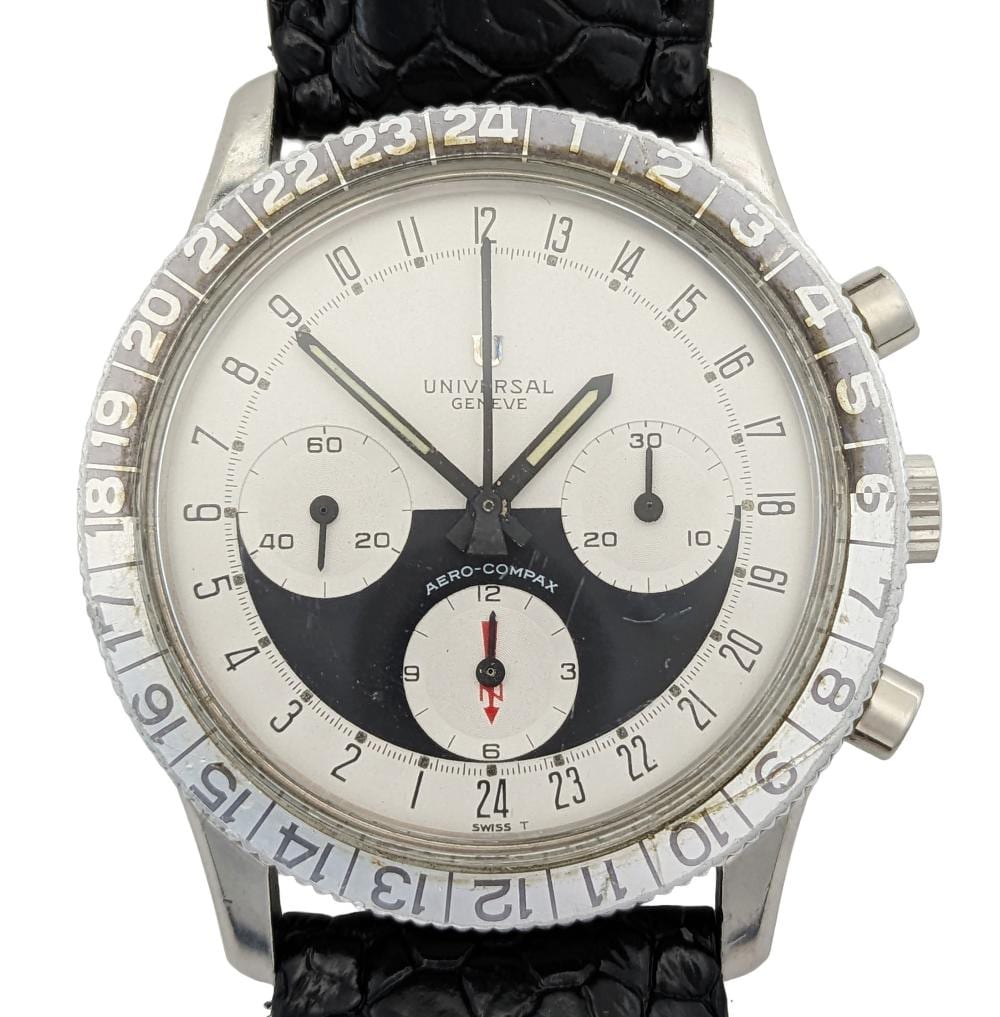
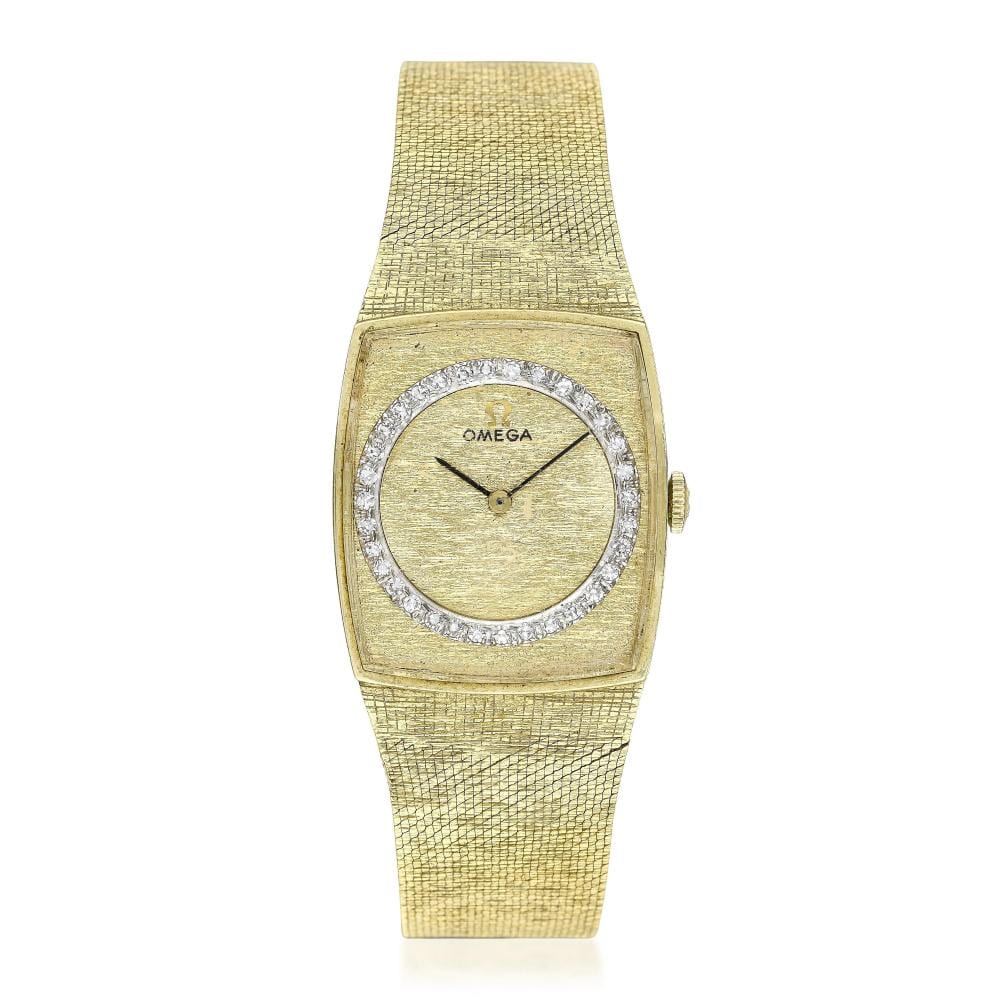
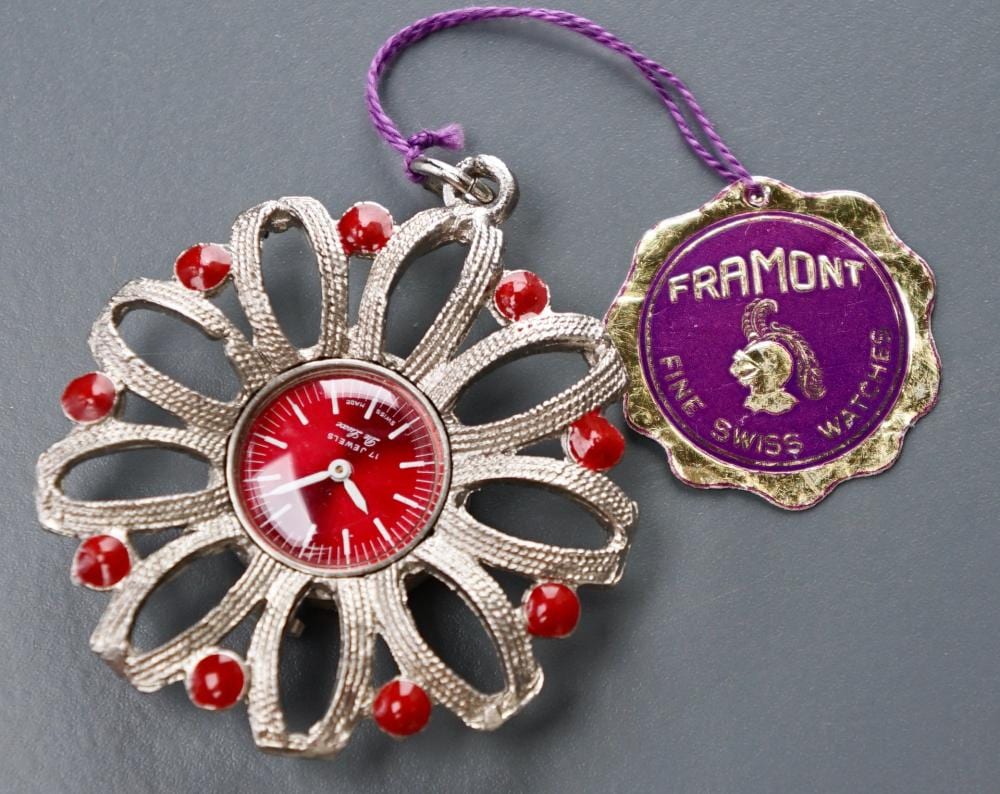
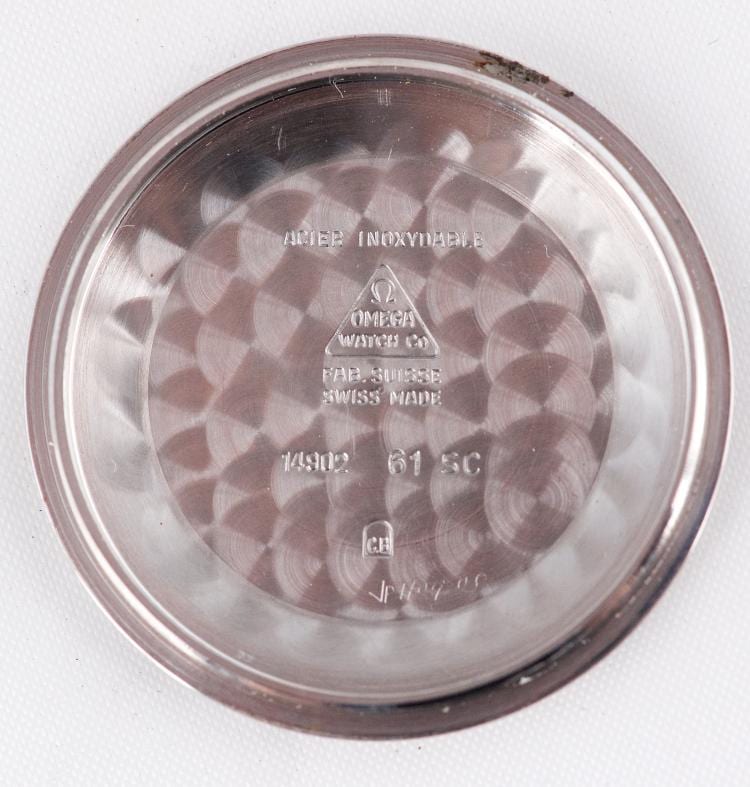
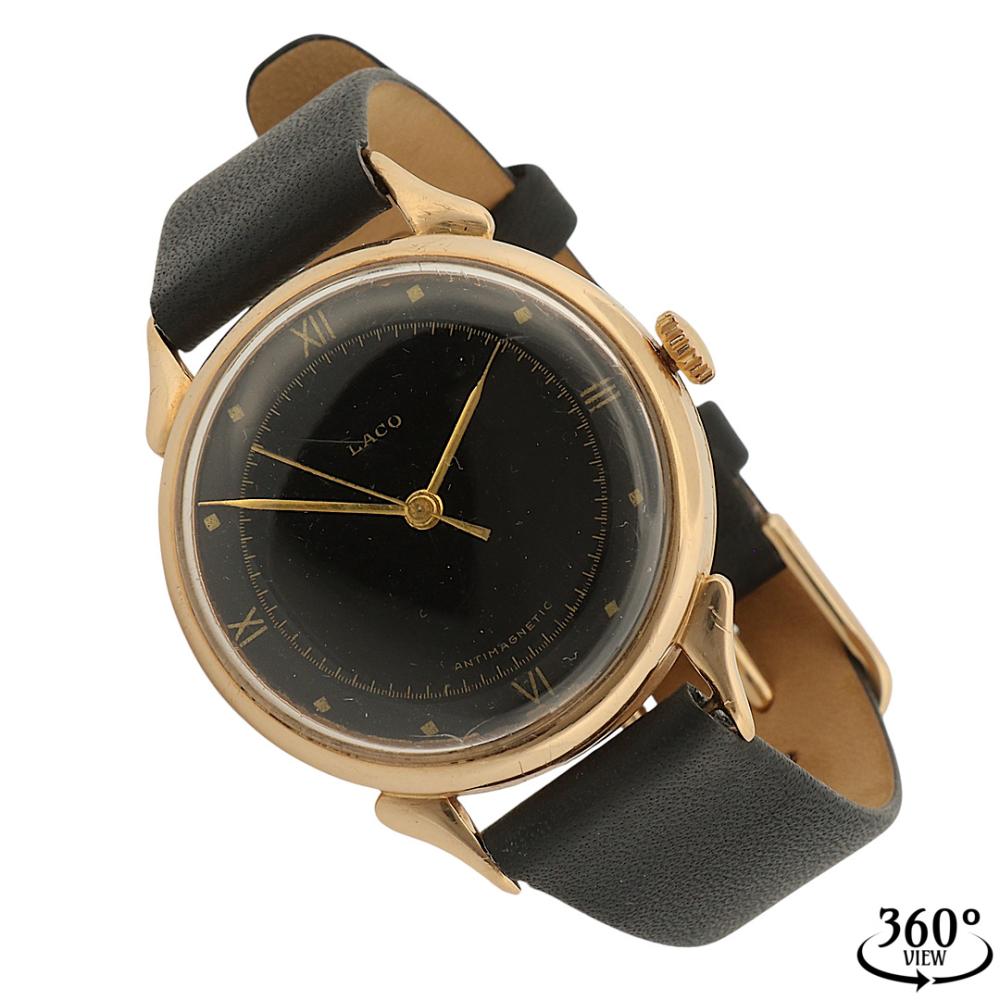
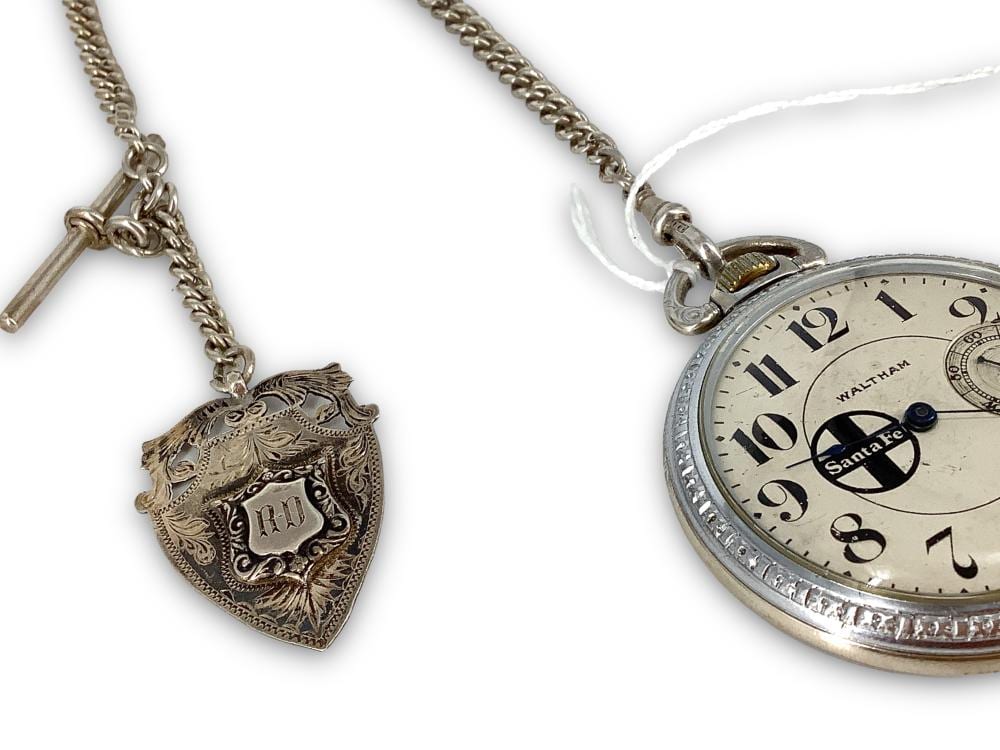
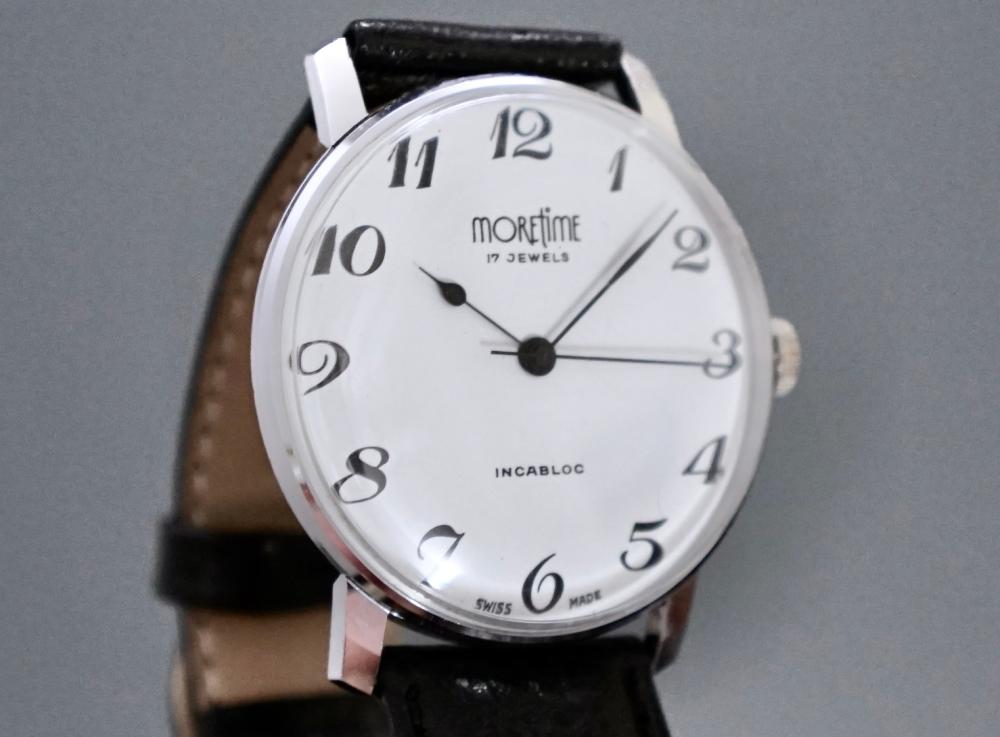
Real auction sales of items like your vintage watch dial. Open a sale to see the original listing.
Shown USD range: USD 10-USD 4,100. Median of these 7 USD examples: USD 100.
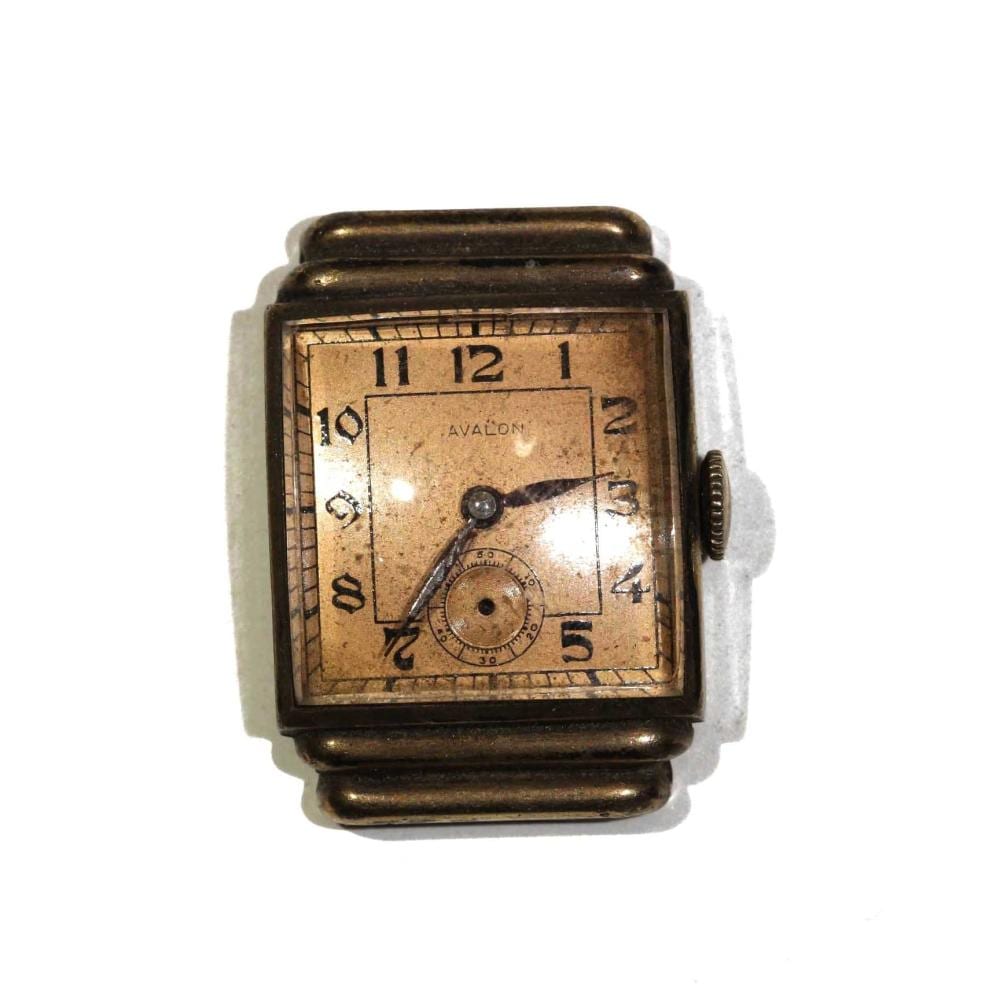
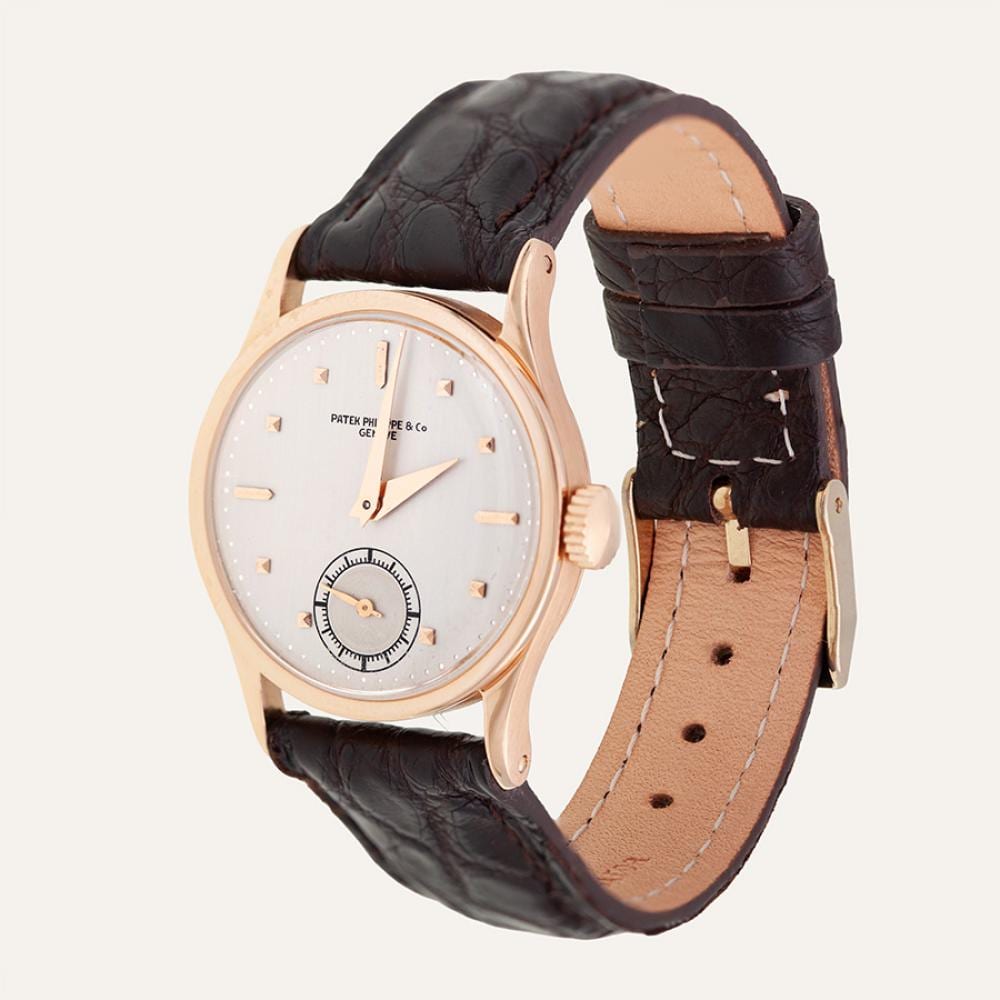
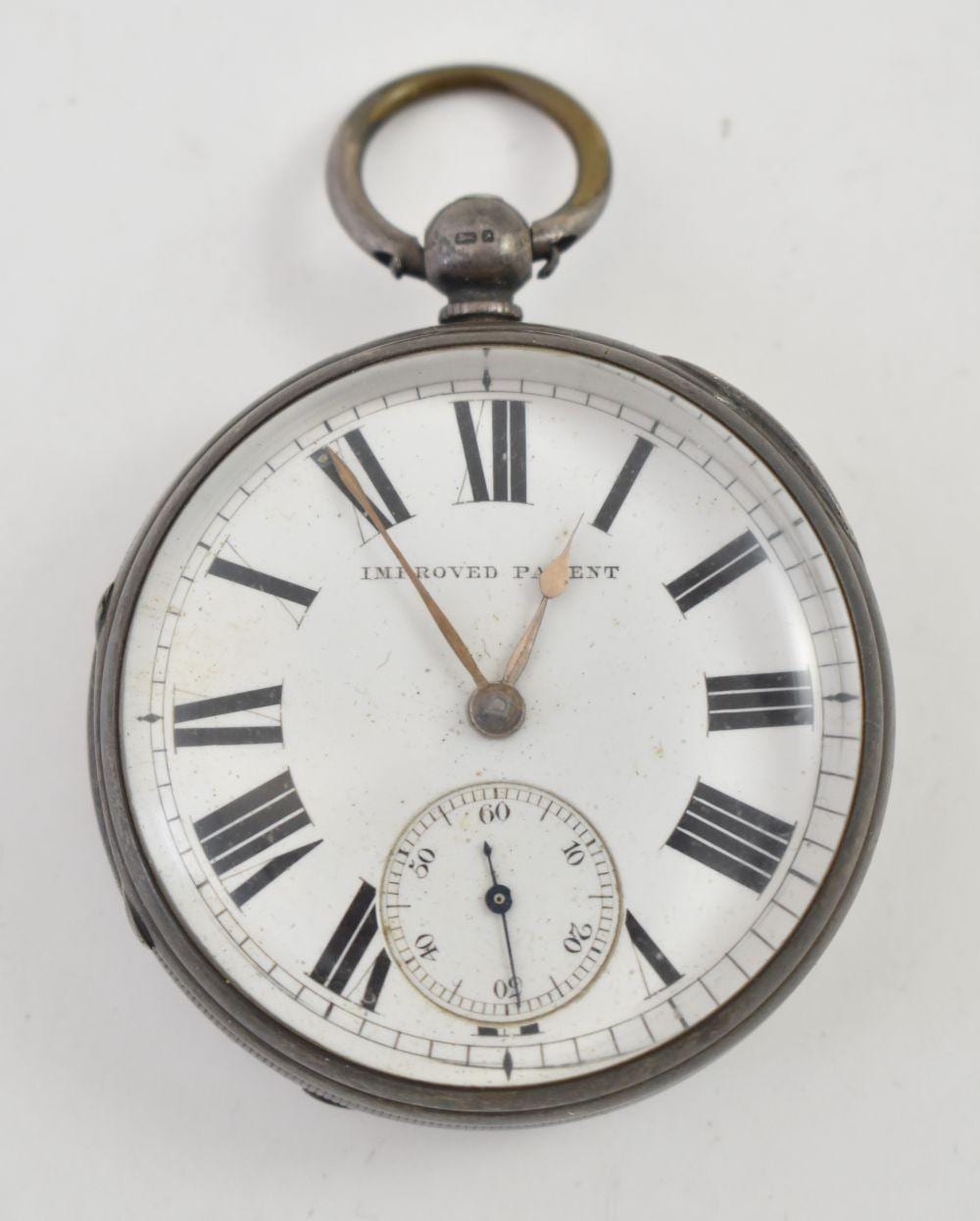
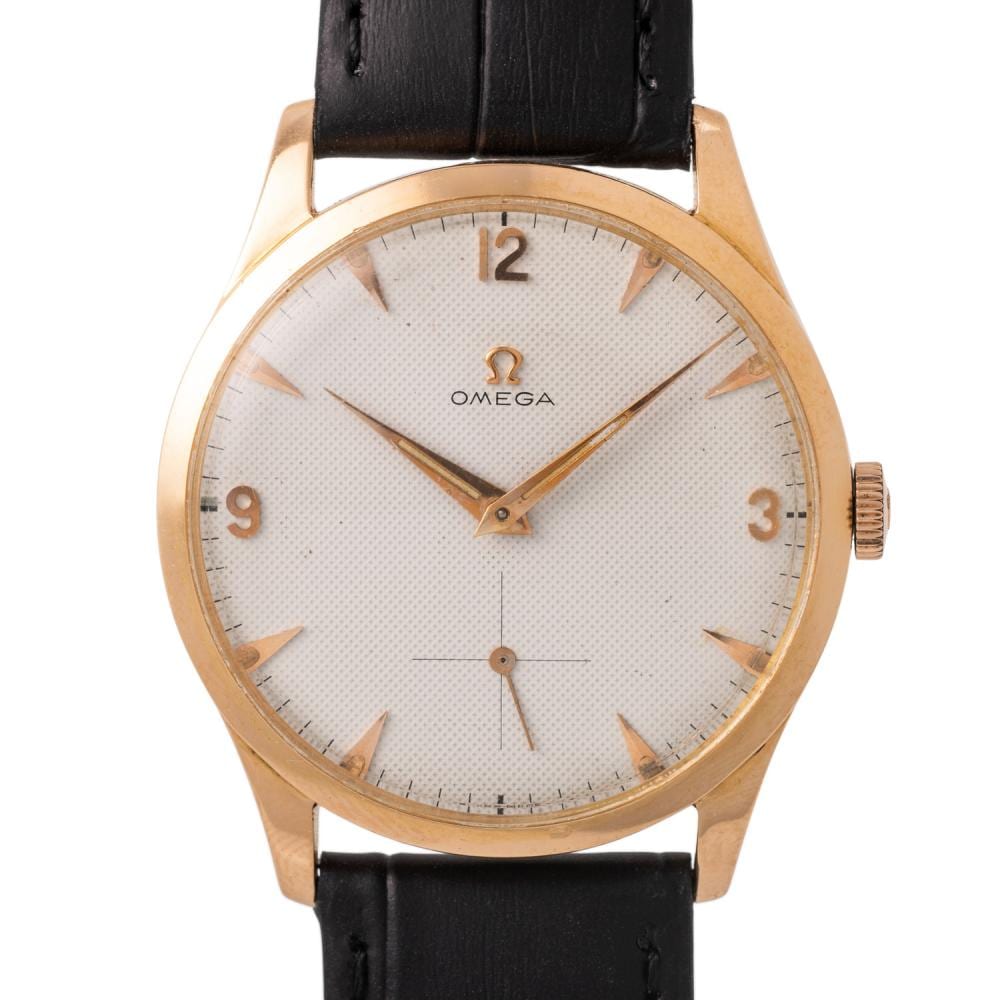
How these auction records were verified
These sales are market context, not an object estimate.
Each row is tied to its lot identity, retrieval time, access result, and immutable record hash. Live source access was blocked; the exact record matched Appraisily's immutable pipeline provenance. Inspect the public comparable provenance record.
Screen your dial before paying for a report
Share dial closeups, lume shots, caseback details, and your goal to get a free first read on whether a written appraisal makes sense.
Free photo check
Want us to review your vintage watch dial for originality?
Share dial close-ups, lume shots, and caseback details. We will compare the dial details against market comps and tell you if a formal appraisal makes sense before you sell or insure.
Private review. Free estimate first. Checkout only if you decide to proceed.
Quick answer: who this dial checklist is for
Use this guide if you are comparing a vintage watch against online listings, inheriting a family piece, or preparing a watch for insurance or resale. The fastest tells are dial originality, lume color, and print sharpness. The 11 details below move value more than case polish alone.
Dial detail grid: the four checks to start with

The 11 watch dial details that move vintage value
-
Originality of the dial surface
An untouched dial is the biggest value driver. Refinished or repainted dials often have softened text, incorrect lacquer depth, or missing surface texture. Original dials usually align with the strongest comps, like the Monaco Legend Auctions Daytona that cleared EUR 680,000.
-
Lume plots and aging consistency
Lume color should match hands and markers. Even tritium patina reads as honest aging, while bright green lume suggests a relume. Compare to the even, creamy tones collectors pay for in premium vintage Rolex and Omega lots.

Even lume aging usually supports originality and stronger pricing. -
Tropical patina versus water damage
Tropical dials can carry a premium when the fade is consistent and attractive. Spotty staining or tide lines often signal moisture damage and reduce value. The Akiba Galleries tropical green Day-Date hit USD 10,000 largely because the patina read as stable and desirable.

Collectors pay more for even tropical color shifts than for water-stained dials. -
Gilt or gloss printing sharpness
Gilt printing should look crisp with clean edges and consistent thickness. Blurry text or uneven gold suggests a refinish. Strong gloss dials with sharp printing tend to compete at the top of the market.

Sharp gilt printing is a premium marker on mid-century watches. -
Correct fonts and logo spacing
Mis-spaced logos or incorrect fonts are common redial tells. Compare with period-correct references or brand archives. A correct logo is also essential for retailer co-branded dials like the Tiffany example that realized USD 3,125 at Santa Fe Art Auction.
-
Minute track alignment and spacing
Minute hashes should align with markers and sub-dials. Crooked or uneven minute tracks hint at a repaint. Value drops quickly when the track is visually off or inconsistent with the case reference.

Uneven printing is a red flag for refinishing. -
Applied marker style and finish
Markers should match the era and metal finish of the case. Polished replacements or incorrect shapes shift value down, especially on iconic references where collectors expect the exact marker profile.
-
Hands that match the dial era
Hands should match the dial in color, lume type, and length. Mismatched hands are common service replacements and hurt originality. They can be enough to reclassify a watch even when the dial is correct.

Mismatch between hands and dial lume lowers collectibility. -
Date window shape and framing
The date aperture should be the correct shape and align with the date wheel. Rough edges or misalignment can indicate rework or replacement. This is a subtle but costly flaw on models with framed windows.

A centered date window with a clean frame reads as original. -
Signature or retailer co-branding
Co-branded dials (Tiffany, Serpico, etc.) can add significant value when verified. Mismatched signatures or incorrect font sizes are major red flags. Always verify the retailer signature against known examples.
-
Service history and documented restoration
A dial that has been stabilized or lightly restored can still carry value when the work is documented and reversible. Without records, even a good-looking dial can be treated as a redial, pushing the watch into a lower price tier.
Why stepped dials and construction details still matter
Beyond printing, construction details like stepped dials, applied markers, and chapter rings signal originality. Collectors expect these elements to be sharp and consistent, especially on mid-century references.

Decision tree: when to document or escalate

What actually changes value or risk
- Original dial + matching hands: strongest premiums and easier resale.
- Attractive patina: can move prices up when even and stable.
- Service replacements: typically reduce value unless documented by brand service.
- Verified co-branding: adds scarcity and demand, but only if proven.
- Damage or moisture: reduces buyer confidence and pushes price bands down.
Visual gallery: dial details to document

When to get a professional appraisal
Get a formal appraisal when the dial appears original, the watch exceeds your insurance coverage, or you are considering consignment. Documentation protects you from underpricing a rare dial variant and helps resolve authenticity questions before a sale.
Search variations collectors ask
Readers often Google:
- how to tell if a vintage watch dial is original
- does a redial lower vintage watch value
- what is a tropical dial worth
- how to spot relume on watch hands and dial
- vintage watch dial printing font differences
- are mismatched hands a deal breaker on vintage watches
- does a Tiffany dial add value
- best photos to submit for a watch appraisal
Each question is answered in the dial detail checklist above.
References & data sources
- Appraisily internal auction results database (valuer-agent).
- Invaluable public lot records for the sales referenced above.
- Appraisily editorial policy and appraisal standards.
Need a documented value for a vintage watch?
Get a Professional Watch Appraisal
Share dial photos, movement shots, and caseback details. Appraisily reviewers compare them against real comps and issue a signed valuation report.
- Written value opinion for insurance, estate, or resale
- Comps-based market context
- Category-matched human review; timing confirmed after intake
No obligation. Private upload.