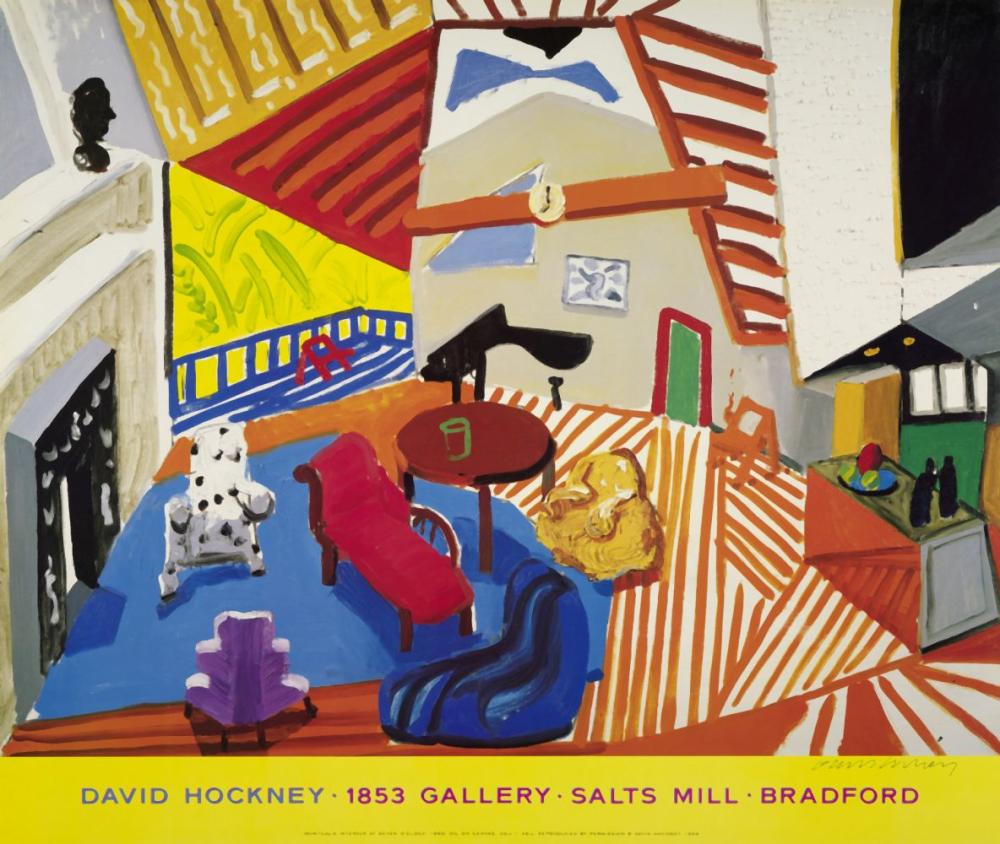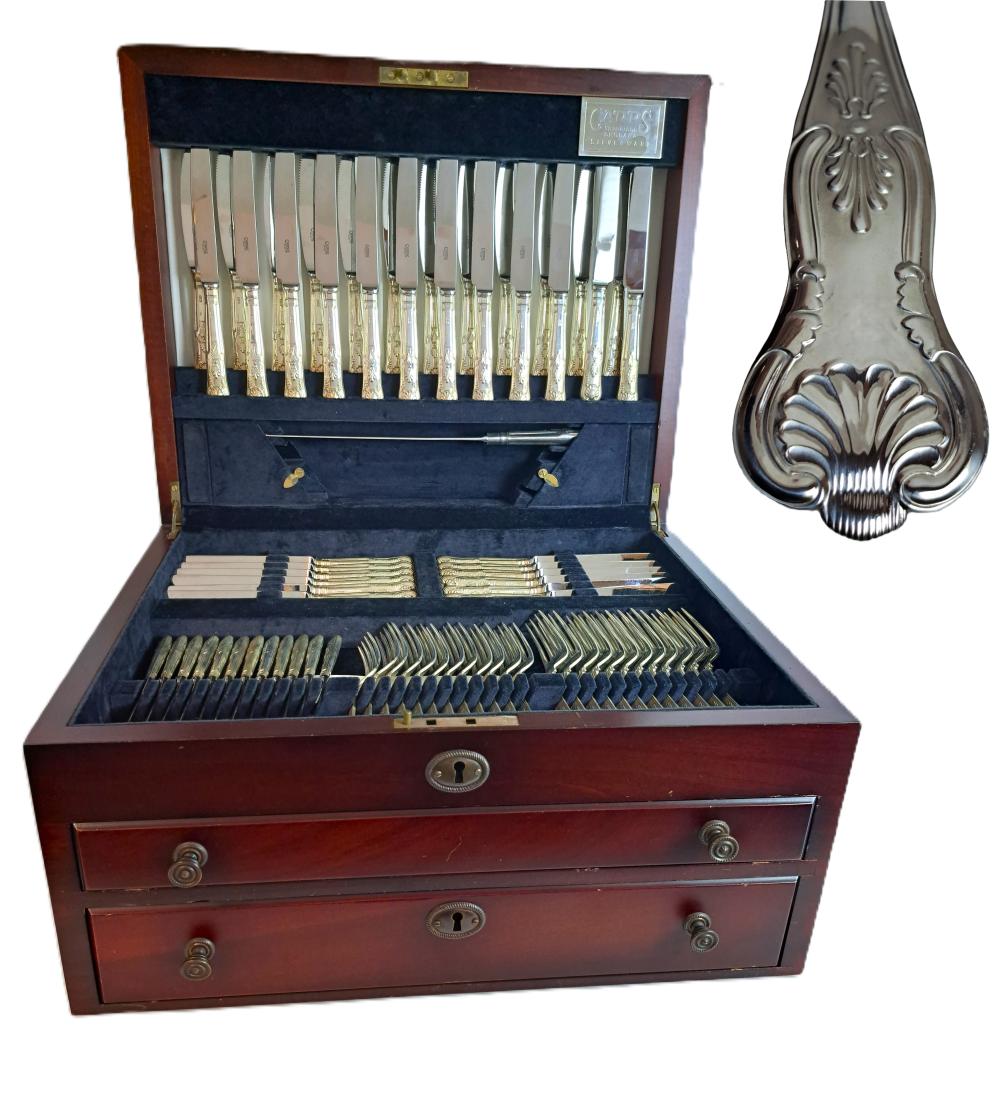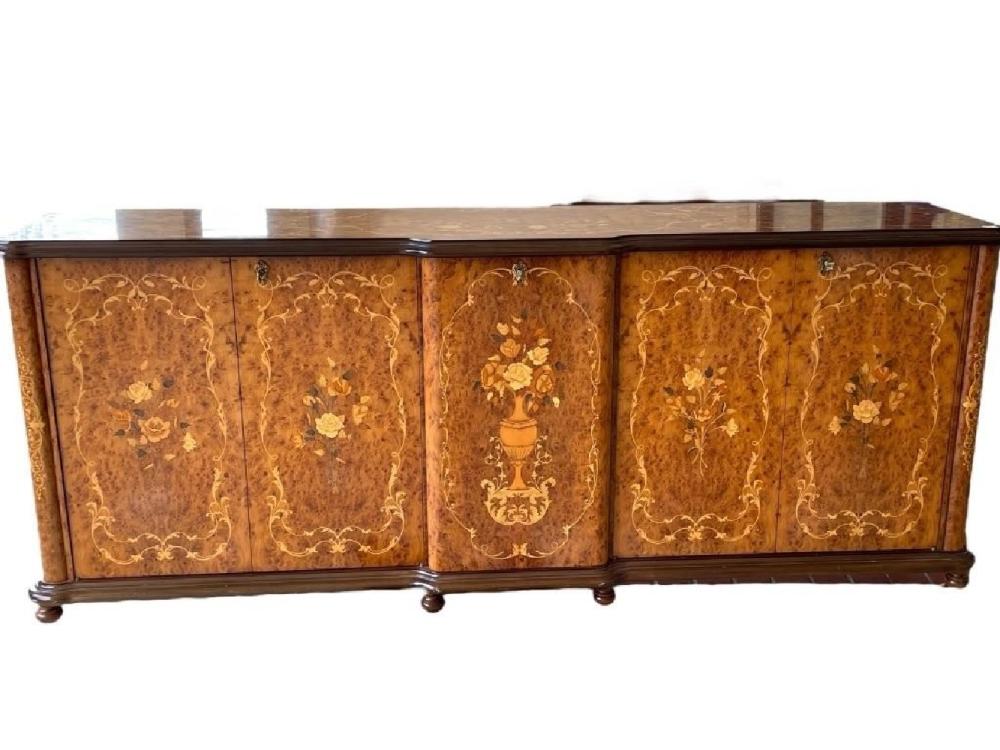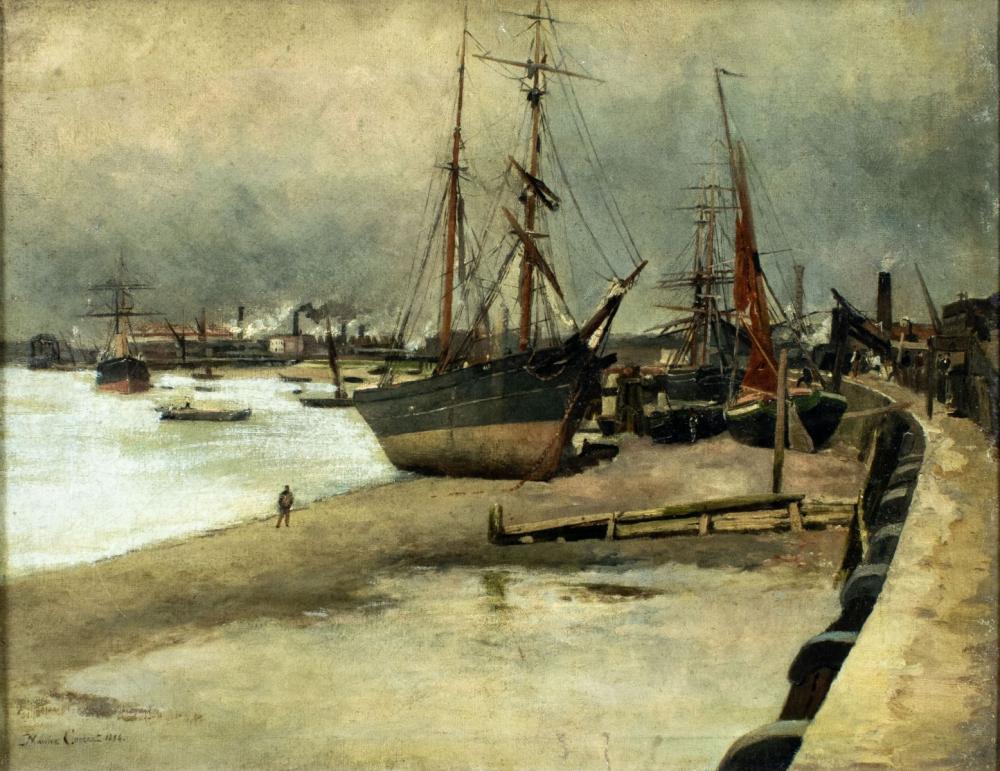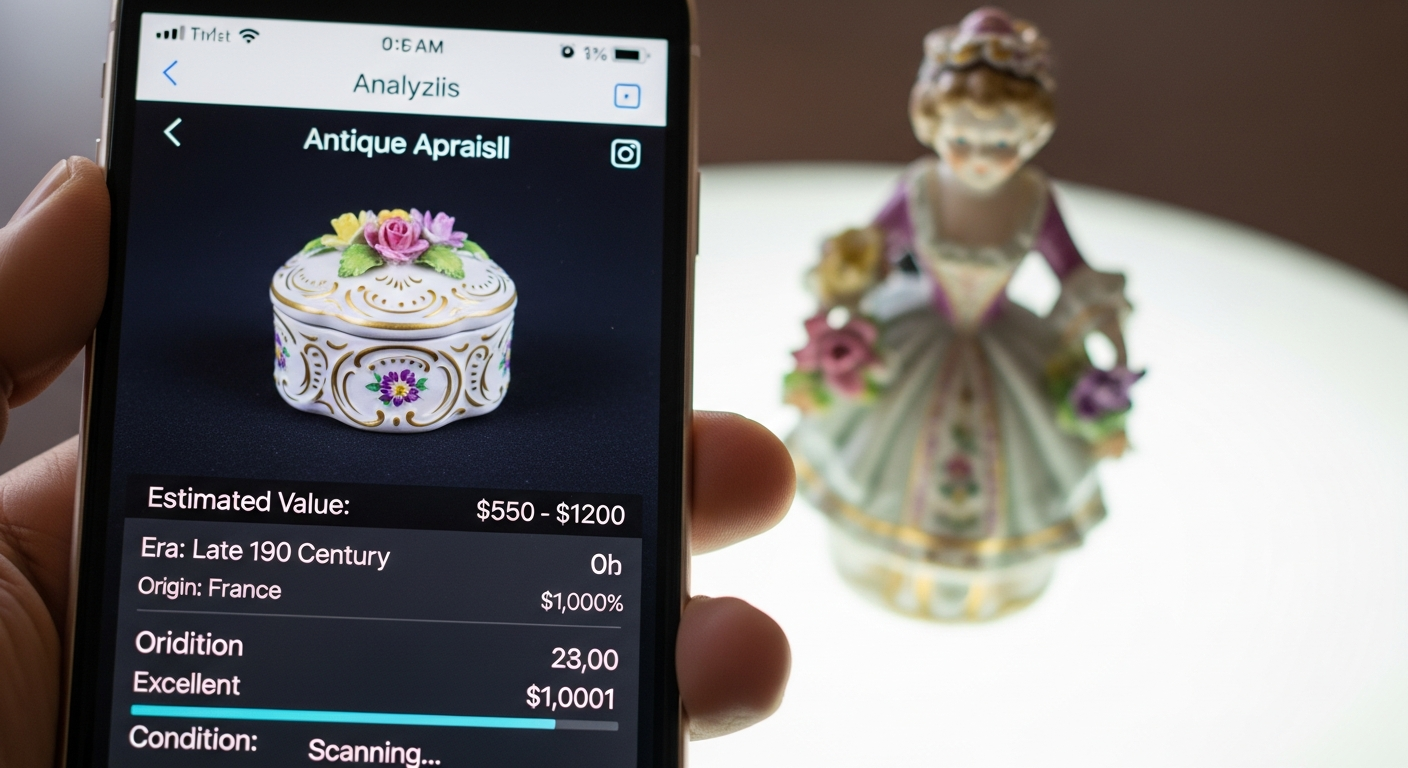
A search for free online antique appraisals usually means one of two things: you want a fast identification and a rough value range, or you are trying to avoid paying for something that might not be worth much.
Free resources can absolutely help, but only when you ask the right question and provide the right evidence. This guide explains what you can realistically get for free, how to run a simple DIY market evidence check, and when you should upgrade to a written appraisal.
If you only do five things, do these:
- Decide your goal: selling price, insurance documentation, estate inventory, or curiosity.
- Take clear photos of the whole piece and closeups of marks/signatures and damage.
- Measure accurately (height/width/depth; weight for some categories).
- Write down what you know (where it came from, receipts, family notes, restorations).
- Compare against sold market evidence (not asking prices) before trusting a number.
Free instant estimate
Not sure if your item is worth appraising? Let us take a look.
Upload a photo, tell us what you know, and get a free first read. If a full appraisal makes sense, we will say so.
Free. No card needed. Takes about two minutes.
What a "free online antique appraisal" can (and can't) deliver
A true appraisal is a documented opinion of value using a stated value definition and market evidence. Most "free online appraisals" are better described as free identification plus a rough range.
- Good for: identifying maker/pattern, spotting reproductions, suggesting a broad price bracket.
- Not good for: insurance schedules, estates, tax-related donations, originality disputes, high-end categories.
- Common limitation: without closeups of marks and condition, even experts are guessing.
Think of free advice as triage: it tells you whether an object is likely common, collectible, or worth deeper research.
Legit free places to start (and what you'll get back)
Here are common "free" routes. The key is to match the route to your goal.
- Collector communities: fast identification and dating clues; values are usually informal.
- Auction house estimate requests: sometimes free if you're a potential consignor; expect a range, not a report.
- Libraries and price guide references: helpful for pattern names, maker histories, and terminology.
- Museum ID days and local clubs: often free, but time-limited and not replacement-value documentation.
If you need a number you can defend (insurance or estate), you're usually outside the scope of free advice.
The ask that gets the best answer: what to include
Free online appraisals fail when the request is vague ("How much is this worth?") and succeed when you supply a complete evidence packet.
- Photos: front/back, underside, marks, any labels, and closeups of damage/repairs.
- Measurements: height/width/depth; include one photo with a ruler for scale.
- Materials: what it's made of (or what you think), including magnets for metal tests when relevant.
- Condition notes: chips, cracks, missing parts, replaced components, refinishing, repaints.
- Provenance: where it came from, maker paperwork, receipts, family notes.
Photo guide: detail shots that change value
Appraisers price specific objects. Clear evidence photos are the fastest way to turn a "maybe" into a confident identification and a narrower value range.
DIY free appraisal method: build your own market evidence in 20 minutes
You can often get within a reasonable bracket by running a market evidence check, especially for common categories (silver, pottery, rugs, tools, prints).
- Identify first: maker/brand, material, pattern/model, and an approximate date range.
- Search sold results: prioritize auction hammer prices and marketplace sold listings.
- Filter to true comparables: same maker + same category + similar size and condition.
- Adjust for condition: chips, cracks, missing lids, replaced parts, and refinishing matter.
- Use a range: aim for a defensible bracket (low/mid/high), not a single number.
A reliable free "value" answer is rarely a single number. It's a range with notes: what would push the item higher, and what would knock it down.
Red flags: when a "free appraisal" is a sales trap
- Instant high values with no questions: a classic hook to get you to pay fees later.
- Pressure to ship immediately: especially without written terms or a documented offer.
- Vague credentials: "certified" with no organization, methodology, or report sample.
- Pay-to-unlock your own photos: avoid services that don't let you keep your intake.
A good expert will ask for more evidence, explain uncertainty, and give you next steps (what photo or measurement would change the conclusion).
When it's worth paying for an appraisal
If the value affects money, taxes, or coverage, paid documentation is usually worth it. Common triggers:
- Insurance schedules: you need a written replacement value and supporting photos.
- Estates and divorce: you need defensible fair market values on a specific date.
- High-value categories: fine art, rare rugs, important silver, watches, signed designer pieces.
- Originality questions: attribution disputes require specialist review and evidence handling.
FAQ: free online antique appraisals
Can I get a free online antique appraisal for insurance?
Usually no. Insurers typically want written documentation. Free opinions are helpful for triage, but they rarely meet documentation standards.
Why does one person say a value that must be established from current, topic-matched sales and another says a value that must be established from current, topic-matched sales?
Most swing comes from misidentification or missing condition detail. Marks, measurements, and damage photos often resolve the gap.
What's the single most important photo?
The maker mark or signature photo (plus one clear full-view). Without identification evidence, market evidence are unreliable.
Should I clean my antique before sending photos?
Light dusting is fine, but avoid aggressive polishing or refinishing. Patina and surface evidence can be essential for dating and value.
Search variations collectors ask
Readers often Google:
- where to get free antique appraisals online with photos
- how to value antiques for free using comparable-sale records
- free online antique appraisal for estate items
- can I get a free antique appraisal for insurance replacement
- best photos to take for an online antique appraisal
- how to identify antique maker marks online for free
- how to spot fake online antique appraisers and scams
- free appraisal vs fair market value vs replacement value
Each question is answered in the checklist, photo guide, and market evidence sections above.
Key takeaways
- Free online appraisals work best as identification and triage, not formal documentation.
- Marks, measurements, and damage photos are the fastest path to better answers.
- DIY market evidence are doable when you focus on sold results and true comparables.
- Upgrade to a written appraisal for insurance, estates, and high-value categories.
References & data sources
- Appraisal Foundation (formal appraisal standards overview): https://appraisalfoundation.org/uspap
- IRS Publication 561 (fair market value guidance for donations): https://www.irs.gov/publications/p561
-
Auction datasets cited in-text:
/mnt/srv-storage/auctions-data/-tiffany-and-co-silver-/,/mnt/srv-storage/auctions-data/-tintypes-/,/mnt/srv-storage/auctions-data/-tools-/.