Elements of Art: Value, Light, Dark, Contrast, Shading and Visual Depth
Understand value in the elements of art by reviewing light, dark, contrast, shading, depth, composition, medium, condition, and appraisal context.
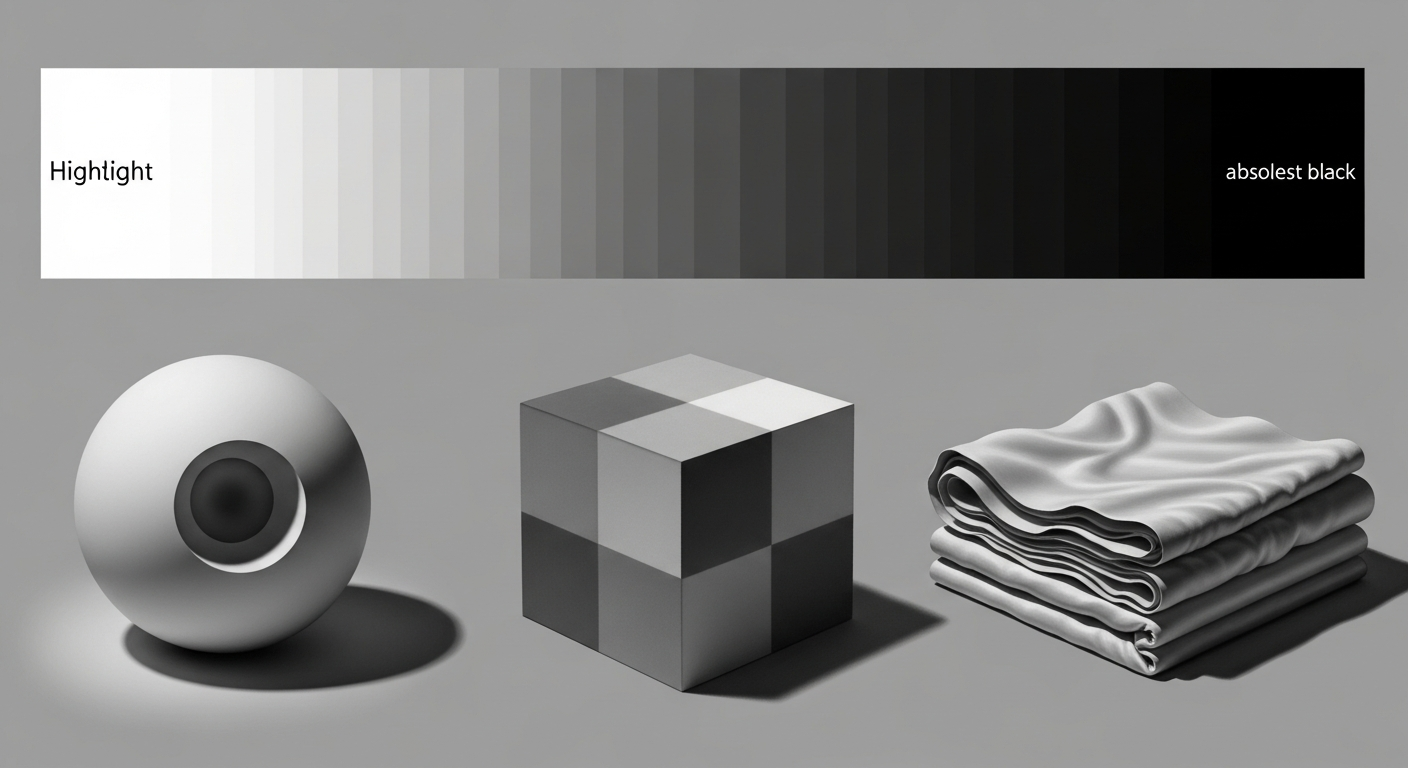
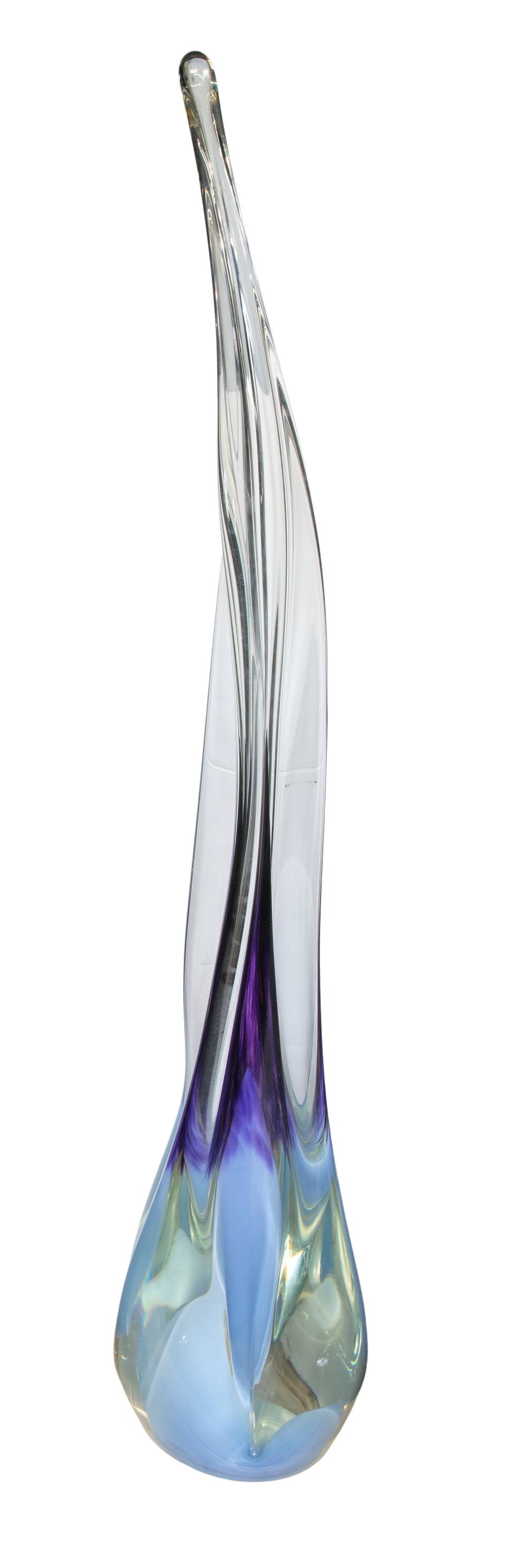
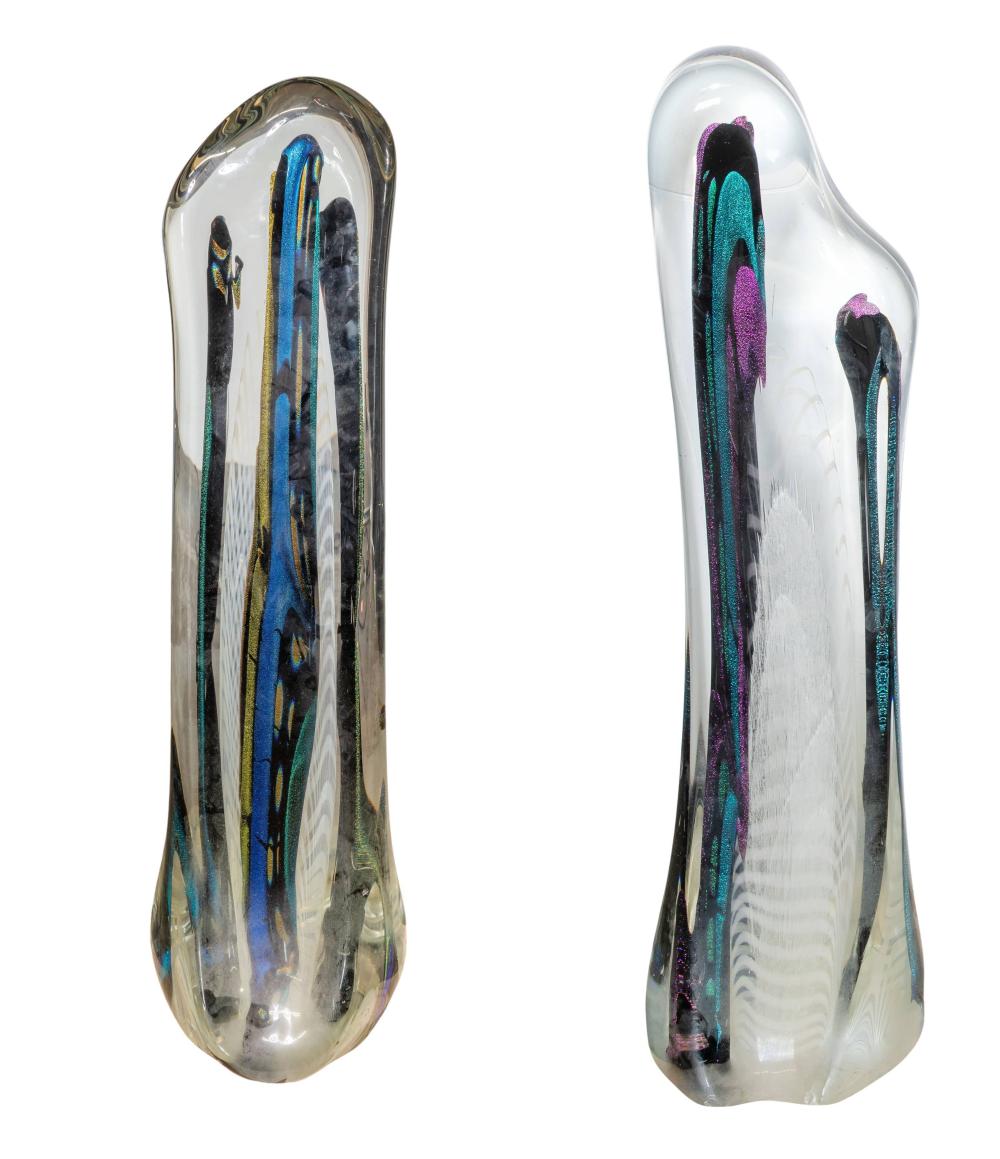
Elements of art value reference with light, dark, contrast, shading, depth, composition, medium, condition, and appraisal context. Reference image; item-specific appraisal depends on submitted photos and documentation.Value is one of the core elements of art: the planned use of light and dark to create form, emphasis, and depth.
Value is one of the elements of art because it controls light, dark, contrast, and perceived depth. Artists use value to create form, focus attention, and build mood across drawings, paintings, prints, and photography.
Value is tonal range
A full tonal range moves from deep darks to bright highlights. Narrow tonal ranges can be quiet and atmospheric, while wide ranges create stronger contrast.
Shading creates form
Gradual value shifts make flat surfaces appear three-dimensional. This is central to drawing, painting, and printmaking technique.
Condition can alter value relationships
Fading, yellowing varnish, stains, and poor lighting can change how tonal relationships appear. That matters when documenting art for review.
What a defensible value needs
Use daylight-balanced photos and close details when documenting art. Good images help separate intentional value choices from condition changes.
Need a documented value?
Upload photos and details. Appraisily checks identity, condition, and market evidence, then prepares a signed appraisal report you can share.
Note: We couldn’t find enough auction records that directly match Elements of Art: Value, Light, Dark, Contrast, Shading and Visual Depth to publish a defensible price table. If you are valuing a specific item, include its maker, model, material, photos, and condition so the search can be narrowed.
What similar items actually sold for
To help ground this guide in real market activity, here are recent example auction comps from Appraisily’s internal database. These matched sales are market context only, not an object estimate or identification, and they do not guarantee a price for your specific elements of art.
Shown USD range: USD 250-USD 500. Median of these 3 USD examples: USD 350.
Source-reported amounts. Buyer’s-premium treatment is stated in each row when known; otherwise it is unknown. Native currencies are not normalized.
Each row retains its exact source URL, lot identity, retrieval time, access result, and immutable record hash. Inspect the public comparable provenance record.
Disclosure: prices are shown as reported by auction houses and are provided for appraisal context. Learn more in our editorial policy.
Free instant estimate
Not sure if your item is worth appraising? Let us take a look.
Upload a photo, tell us what you know, and get a free first read. If a full appraisal makes sense, we will say so.
Free. No card needed. Takes about two minutes.
Choose your next step
Use the path that matches the decision you need to make about the item.
Not sure it is worth appraising?
Start with a lower-friction screen to understand the likely category, evidence, and next step.