Value as an Element of Art: Light, Dark, Contrast, Depth, Mood and Appraisal Context

Understand value as an element of art by looking at light, dark, contrast, depth, mood, composition, medium, condition, and appraisal context.

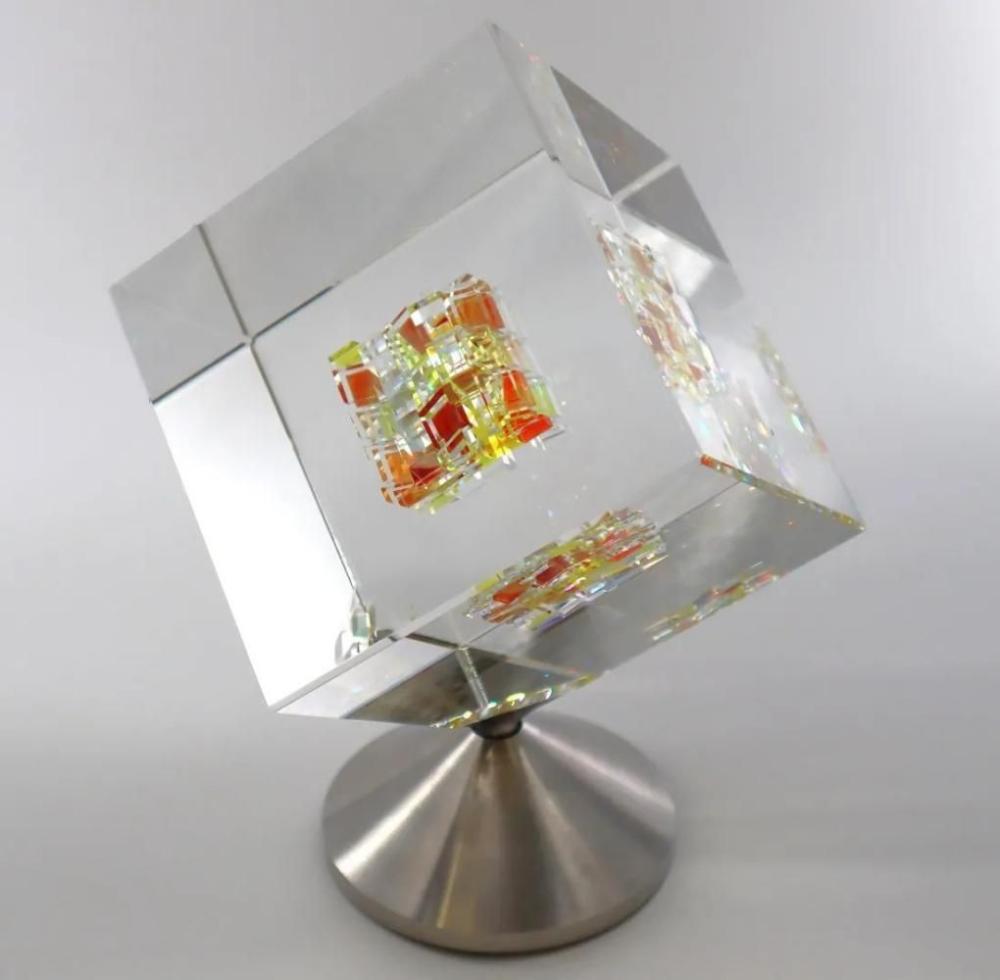
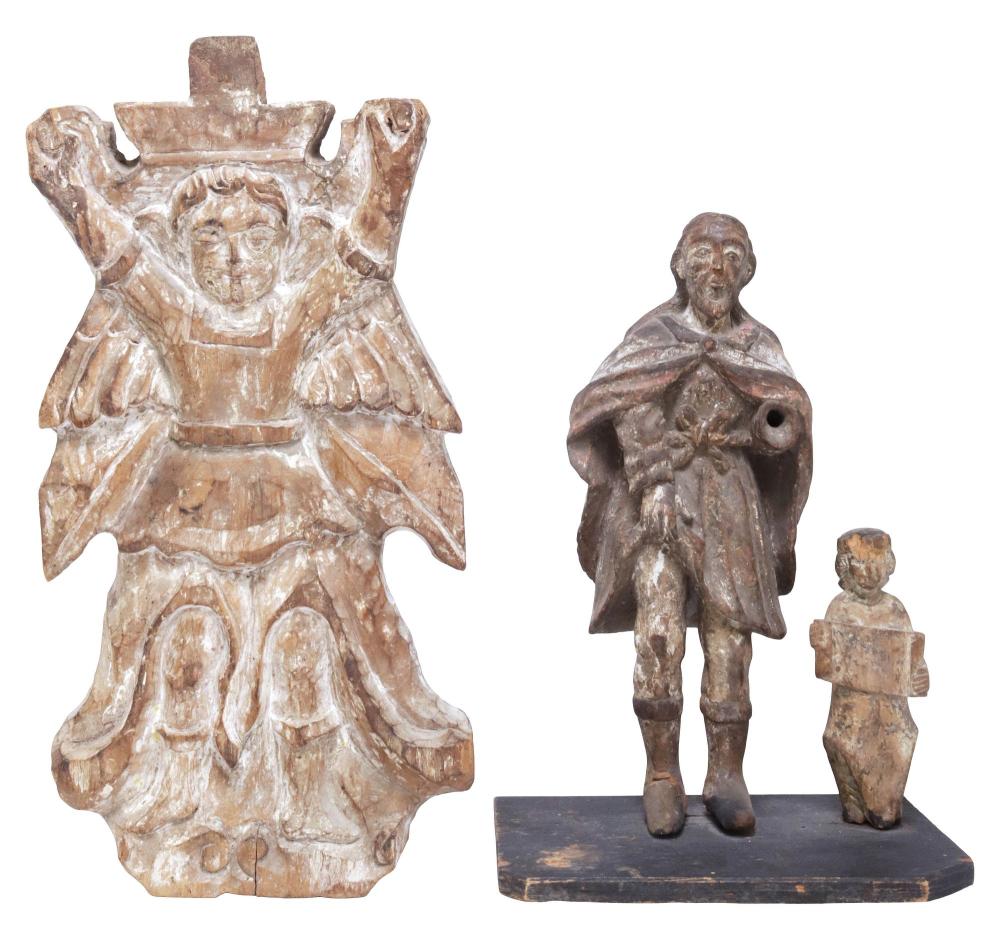
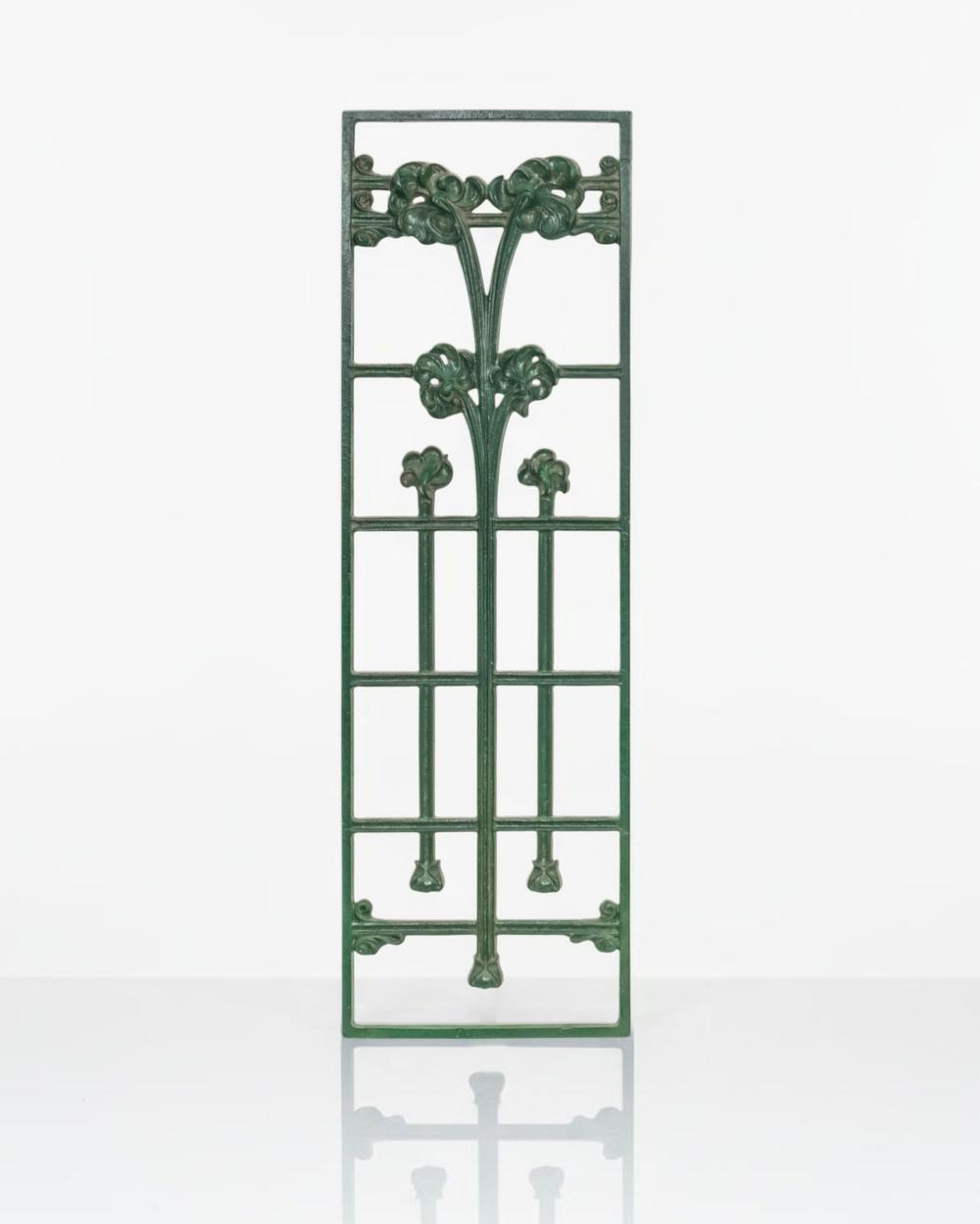
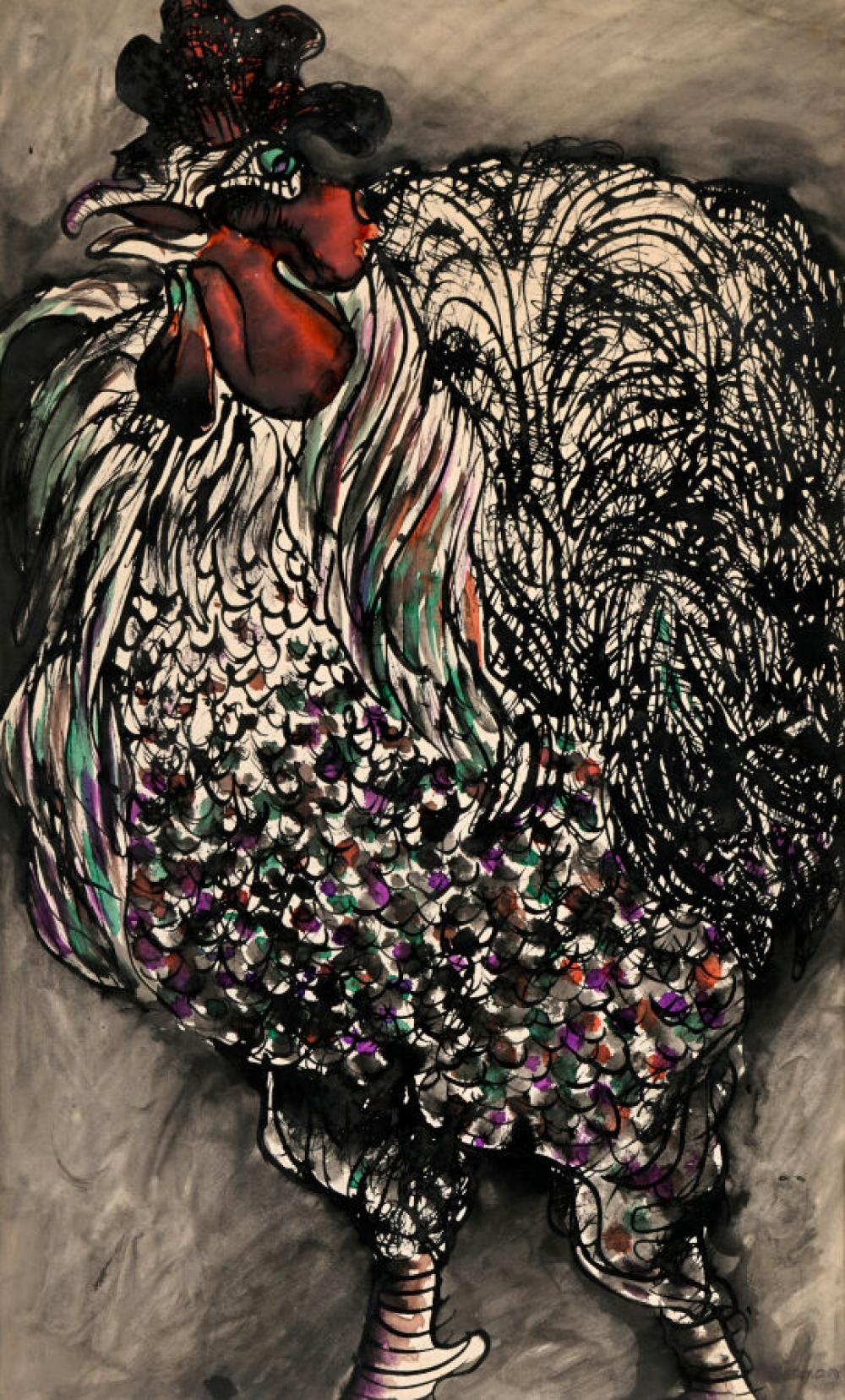
Value as an element of art reference with light, dark, contrast, depth, mood, composition, medium, condition, and appraisal context
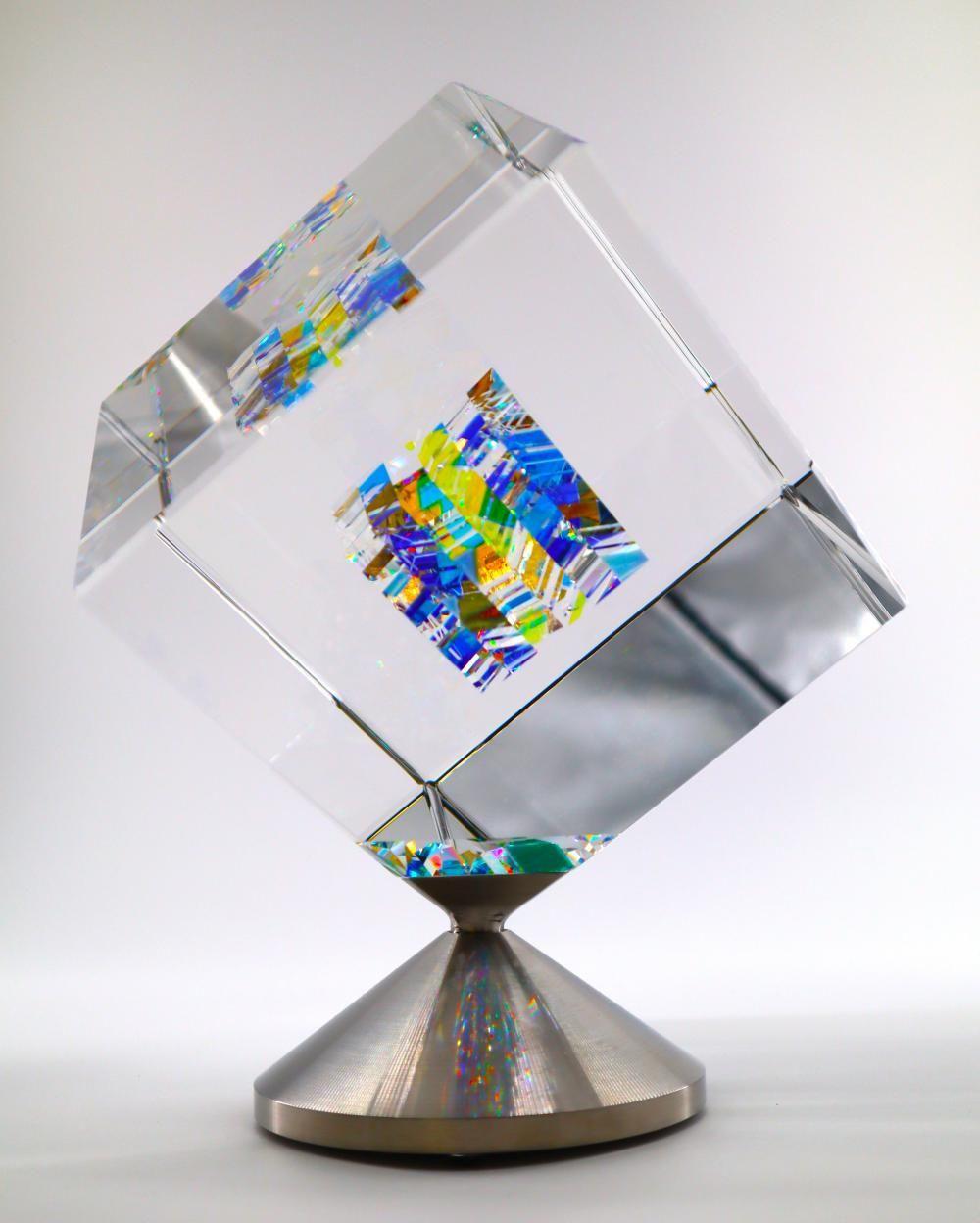
Value as an element of art reference with light, dark, contrast, depth, mood, composition, medium, condition, and appraisal context. Reference image; item-specific appraisal depends on submitted photos and documentation.
Value as an element of art reference with light, dark, contrast, depth, mood, composition, medium, condition, and appraisal context
Value in art describes light and dark relationships that shape depth, contrast, mood, and visual structure.

In art, value means the relative lightness or darkness of a color or tone. It is a formal design element, but it can also help appraisers and collectors discuss composition, technique, condition, and visual strength.

Value creates structure

Light and dark areas guide the eye, define form, and create depth. Strong value control can make a drawing, painting, or print read clearly even without color.

Contrast affects visual impact

High contrast can make a work dramatic, while close values can feel subtle or atmospheric. Understanding this helps describe why a composition succeeds.

Appraisal context is different

The art element called value is not the same as market value. Still, formal quality can support broader evaluation when paired with artist, medium, condition, provenance, and market evidence.

What a defensible value needs

When reviewing art, photograph the work in even light and note whether fading, staining, or surface damage has changed the intended tonal range.

Need a documented value?

Upload photos and details. Appraisily checks identity, condition, and market evidence, then prepares a signed appraisal report you can share.

Start an appraisal

Related reading

Elements of ART ValueOriginal OIL Painting vs Print What Appraisers Actually Look forFine ART Appraisal ServicesART Appraisal Near MEFree ART AppraisalUnlocking the Value of Your Collection the Ultimate Guide to Fine ART Appraisal

Choose your next step

Use the path that matches the decision you need to make about the item.

Need a signed report?

Use this for insurance, estate, donation, resale, or documented value decisions.

Start a signed report

Not sure it is worth appraising?

Start with a lower-friction screen to understand the likely category, evidence, and next step.

Use the free screener

Need local or specialist help?

Compare directory options when the work needs in-person review or a specialist near you.

Find art appraisers

See what the report looks like

Sample reports show how photos, comparable evidence, condition notes, and a value conclusion are documented.