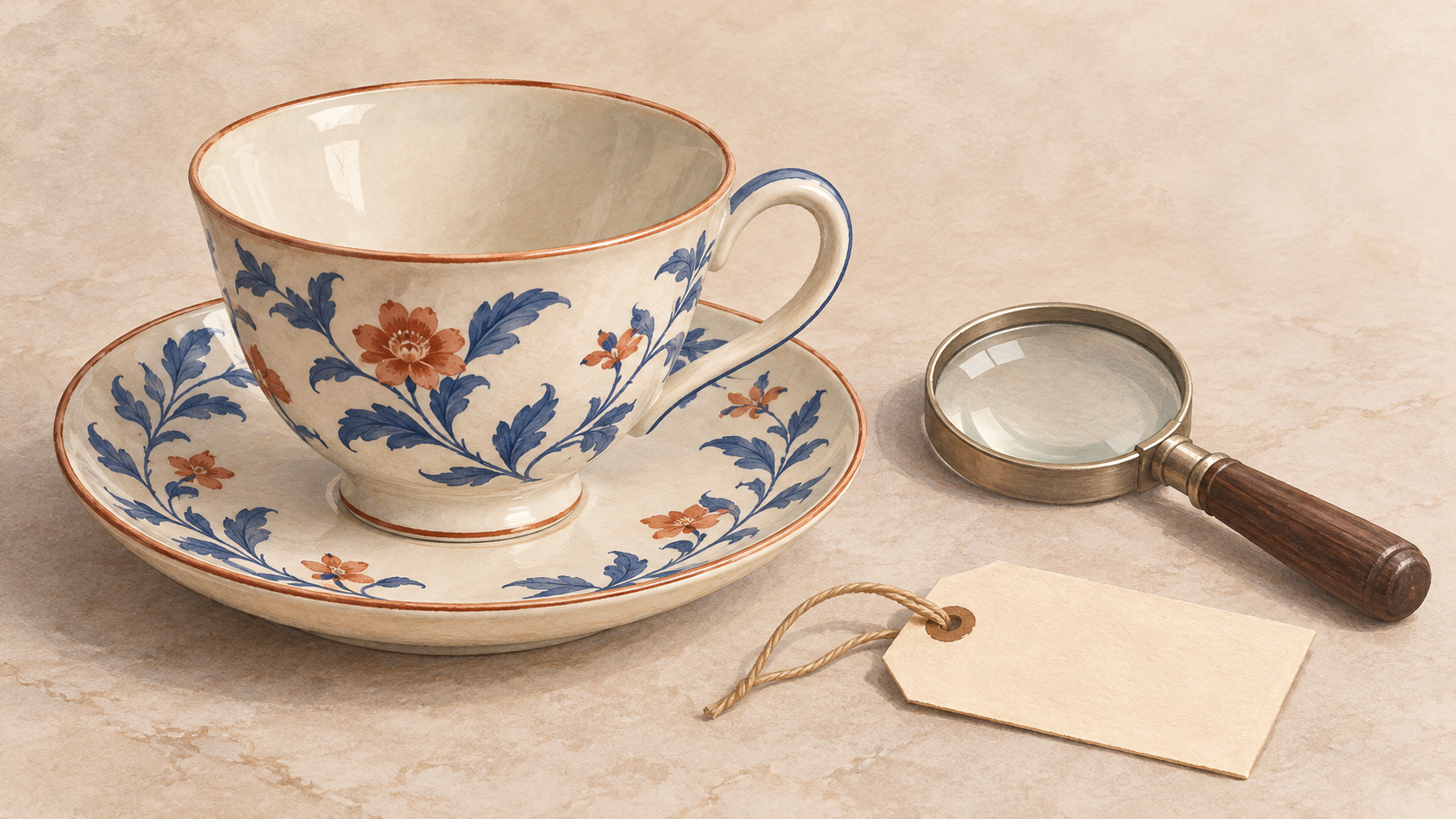
A quick answer on cup and saucer value
Start by treating the cup and saucer as one object. The most useful clues are whether they demonstrably belong together, who made them, how the decoration was made, and whether the rim, handle, glaze, or base shows damage or repair. A single price from a listing cannot answer the question; closely matched sold lots can provide better context.
- Keep the pair together. Photograph the cup seated on its saucer before separating the pieces.
- Capture the base. Take a sharp, straight-on photo of the underside of each piece.
- Check the vulnerable edges. Note chips, hairlines, rubbing, staining, and repaired areas.
Start with the pair, the base, and condition
A cup that sits neatly in a saucer with a compatible pattern, scale, and foot ring is more useful to research than two pieces simply displayed together. Photograph both from above, the profile of the cup, and the underside of each piece. That sequence preserves the relationship a buyer or specialist needs to see.
Condition is a separate question from age. Use raking light around the rim and handle; turn the saucer to view its edge and foot ring. A hairline, chip, restoration, or heavy wear should be documented, not hidden in a general “good condition” note. Those observations make later comparisons more honest.
Do not assume an ornate pattern makes a pair scarce. For a useful first pass, separate what is visible from what is inferred: shape, material, decoration, and condition are visible; maker, date, and market position need corroboration.
Build a useful identification record
Make a small record before searching: overall diameter, cup height, colors, decorative technique, and every letter, number, or symbol visible on the base. A base detail can be an important lead, but it does not by itself establish age, origin, or a price. Compare it with the form and decoration instead of treating one clue as a verdict.
Our tea-cup markings guide explains how base details can narrow research. For broader context on matching the physical pair to a market record, see our guide to antique tea-cup value.
One clear photo of the front is all we need to start. Optional, but helpful: the base, both pieces together, rim close-ups, and any visible damage or repair. This is enough to identify the strongest evidence gaps without turning a preliminary check into a promised valuation.
Free photo check
Not sure what the pair is telling you?
Upload one clear photo before deciding whether you need a signed report. Results usually appear within a few minutes; complex items can take longer.
Upload a photo for a free photo checkFree. No card needed. The photo upload usually takes about two minutes.
What similar cups and saucers actually sold for
These records are deliberately varied: they show why a cup and saucer needs a close match before a realized price becomes useful.
A W.H. Grindley “Gironde” flow-blue pair sold for USD 10 at One Source Auctions on September 15, 2025, lot 258.
A Qing Yongzheng rouge-red glazed cup and saucer with a landscape panel sold for USD 900 at Hotspot Auctions on January 4, 2026, lot 270.
What similar items actually sold for
Real auction sales of items like your item. Open a sale to see our record of that lot.
Shown USD range: USD 10-USD 14,000. Median of these 5 USD examples: USD 20.
| Comparable | What sold | Auction house | Date | Lot | Source-reported amount |
|---|---|---|---|---|---|
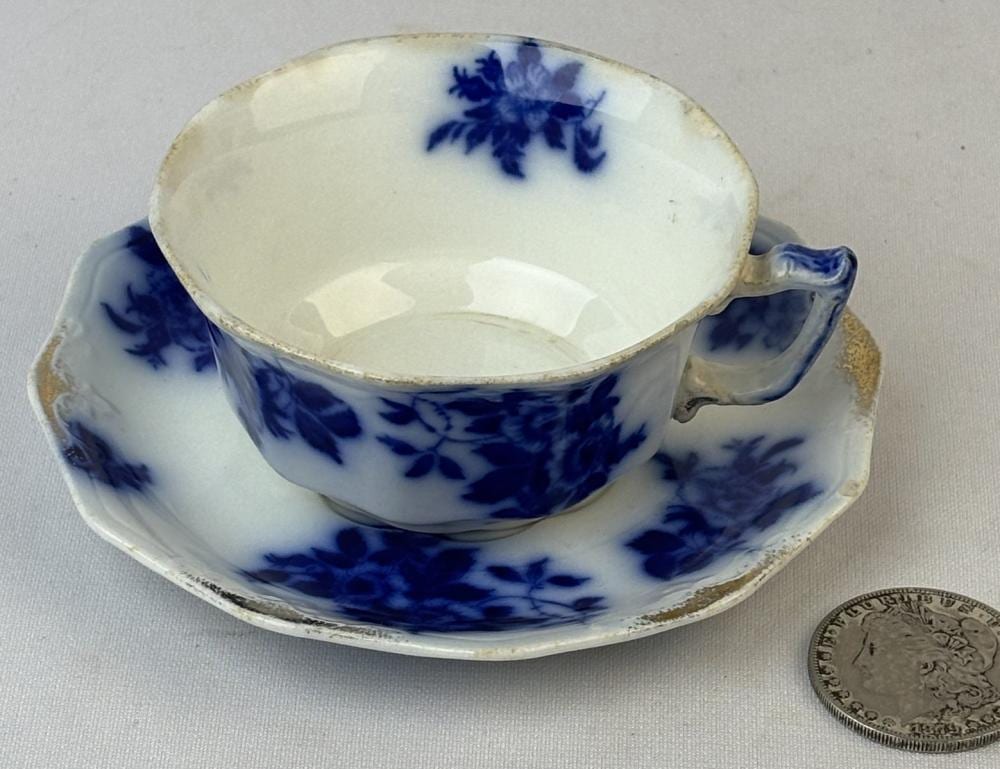 |
Antique W.H. Grindley "Gironde" Flow Blue Tea Cup & Saucer | One Source Auctions | 2025-09-15 | 258 | USD 10 |
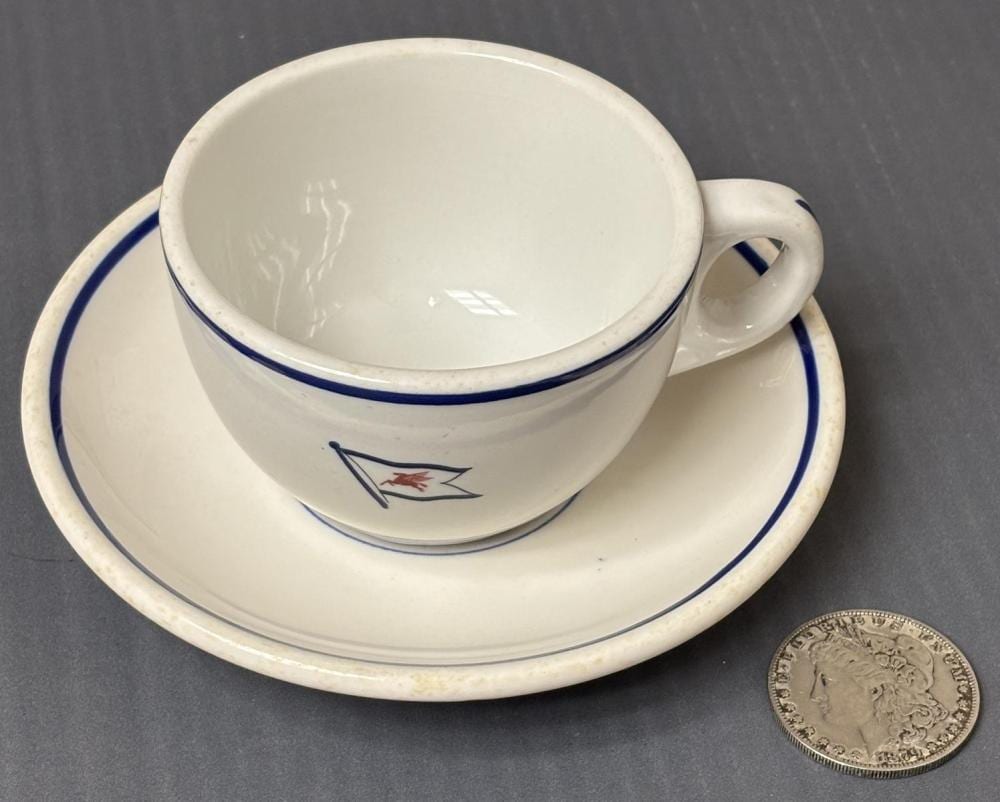 |
Vintage 1950's Mobil Oil Gas Red Flying Pegasus China Cup & Saucer | One Source Auctions | 2026-04-13 | 57 | USD 20 |
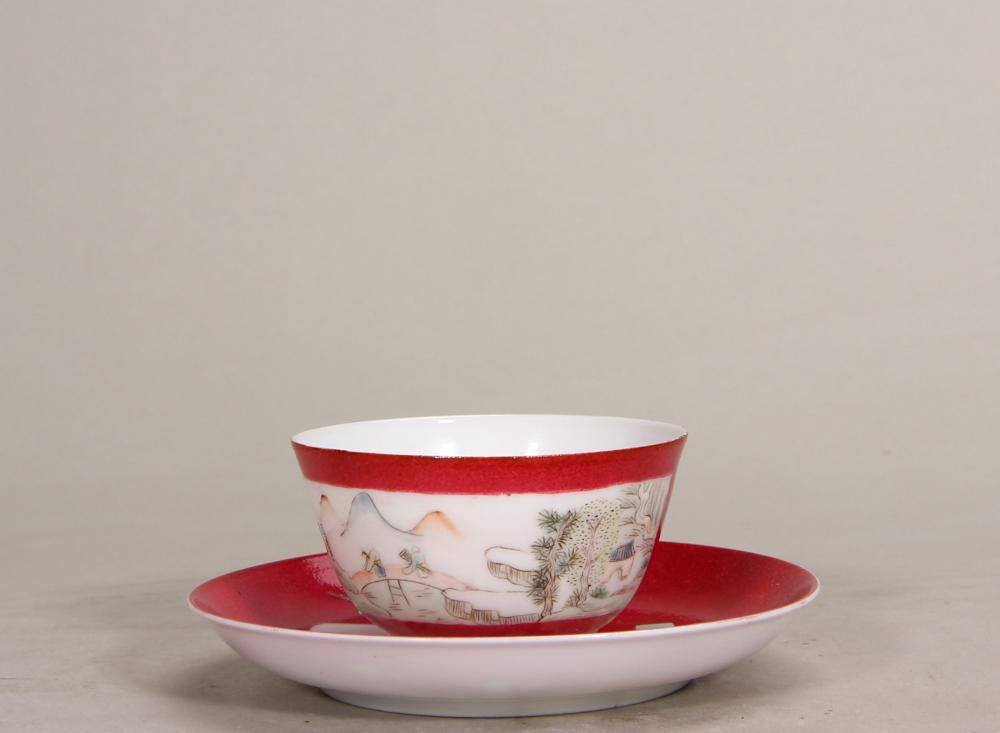 |
Qing Yongzheng: Rouge-Red Glazed Cup & Saucer with Landscape Panel | Hotspot Auctions | 2026-01-04 | 270 | USD 900 |
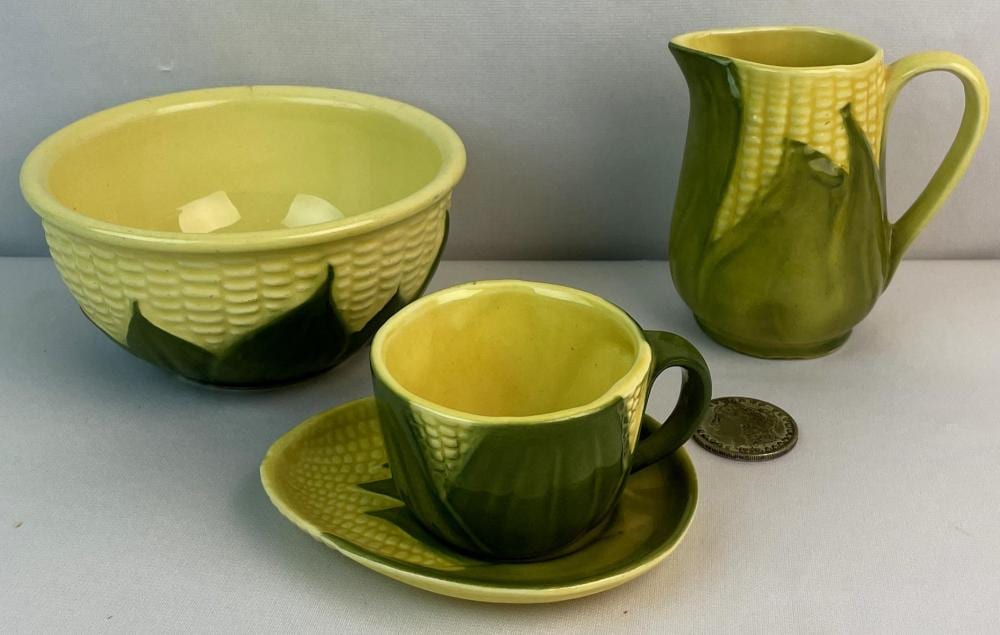 |
Vintage 1950's Shawnee Pottery Corn King Misc. Lot (Creamer, Cup and Saucer, Bowl) | One Source Auctions | 2024-06-24 | 275 | USD 15 |
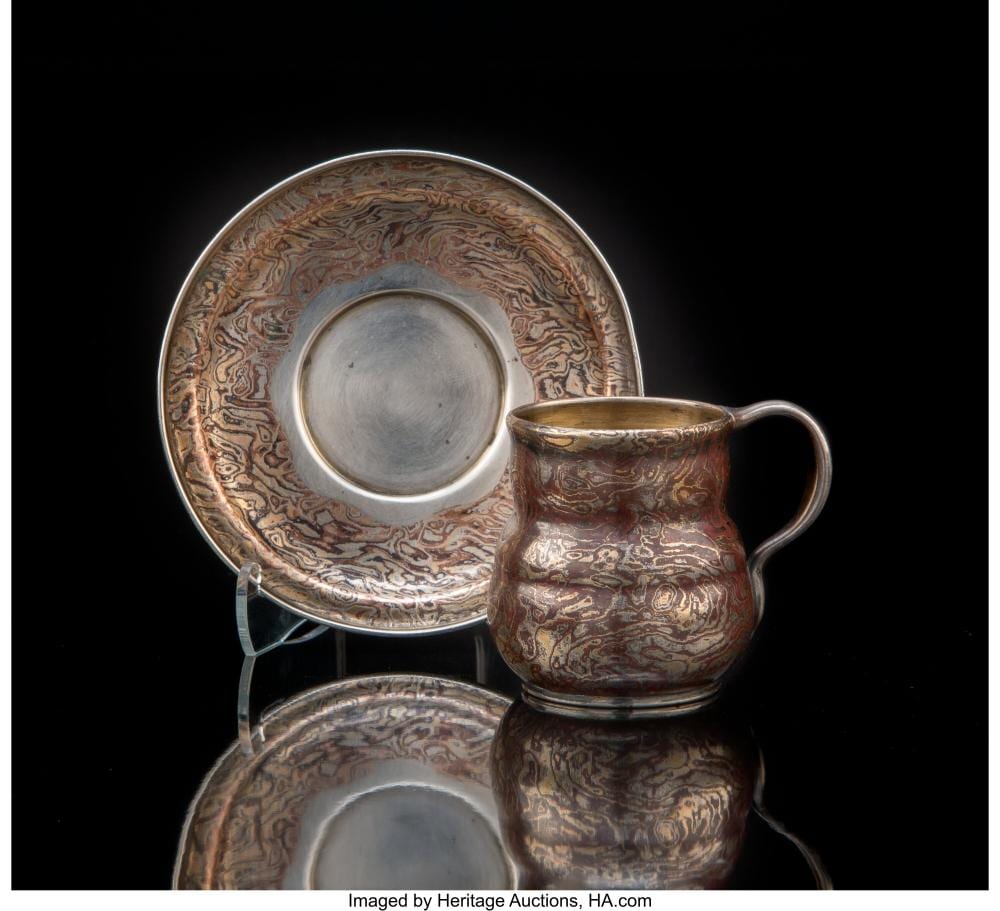 |
A Rare Tiffany & Co. Mokume and Partial Gilt Silver Demitasse Cup and Saucer fro | Heritage Auctions | 2022-05-17 | 74093 | USD 14,000 |
How these auction records were verified
These sales are market context, not an object estimate.
Each row is tied to its lot identity, retrieval time, access result, and immutable record hash. Inspect the public comparable provenance record.
Decide whether the item needs a closer appraisal
A closer review is most useful when the pair has unusually fine decoration, a difficult-to-place base detail, a strong family history, suspected restoration, or a potential match to a high-value result. It is also sensible before a sale if the difference between a decorative pair and a specific attributed example would change the selling method.
For a written opinion beyond a photo check, a standard appraisal can document the conclusion and its supporting evidence. Start a signed appraisal for $59. Delivered within 24 hours of receiving your photos.
Cup and saucer value questions
How do I find the value of a cup and saucer?
Document the cup and saucer together, photograph the base and all sides, note damage and repairs, then compare only closely matched sold examples.
Does a matching saucer matter?
Usually, yes. A demonstrably matched pair is easier to research and compare than a cup paired with an unrelated saucer.
Are old cups and saucers always valuable?
No. Age alone does not establish value. Attribution, decoration, condition, completeness, and demand shape the useful comparison set.
Why do similar cups and saucers sell for different amounts?
Small differences in attribution, form, decoration, condition, and whether the pieces demonstrably match can make a realized-price comparison misleading.
More cup and saucer value questions
- How much is an old cup and saucer worth?
- Does a matching saucer add value?
- How do I date a cup from the bottom?
- What makes a tea cup collectible?
- How do chips affect cup and saucer value?
- Where can I find sold cup and saucer prices?