John Brine abstract painting: appraisal and attribution basics
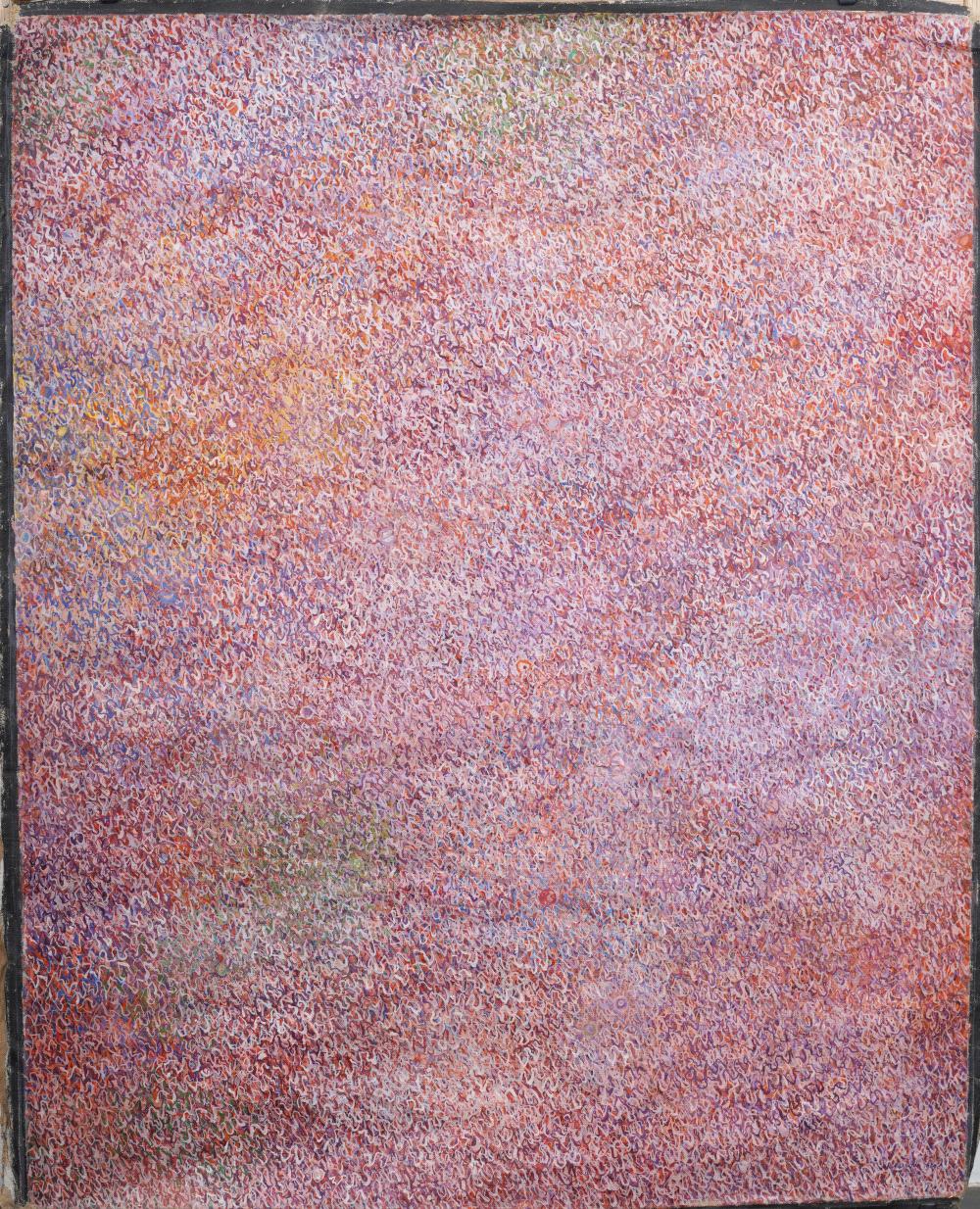
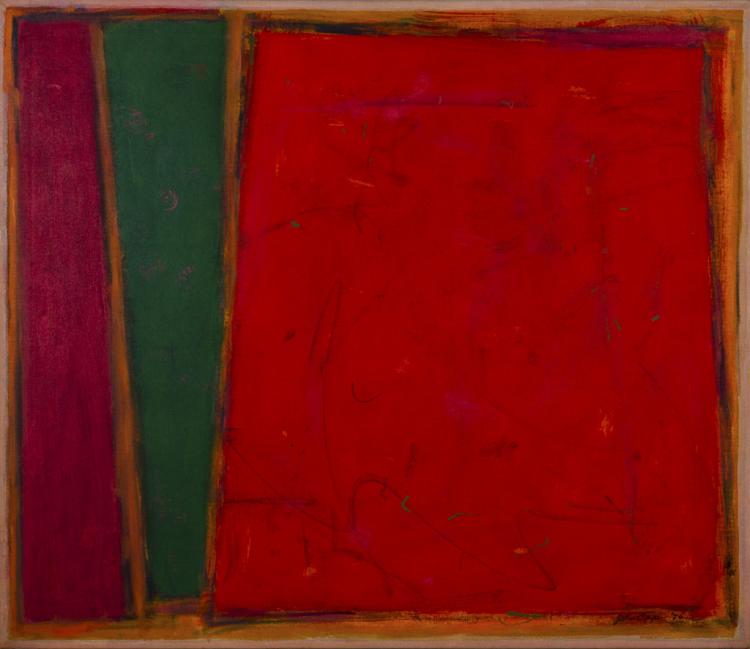
Start by treating John Brine as an identity and attribution question, not a confirmed market tier. Compare the signature, verso labels, medium, support, surface, construction, provenance, exhibition or gallery records, condition, and same-artist or adjacent abstract-painting sales before discussing value.
John Brine Abstract Painting Guide
Collectors often encounter a work labeled “John Brine Abstract Painting Appraisal Guide” and ask two immediate questions: Is it documented, and what is it worth? This guide offers a structured approach for enthusiasts and appraisers to identify, document, evaluate, and responsibly bring such a painting to market. It focuses on the practical steps required for lesser-documented or regionally known artists and helps you avoid common pitfalls that can erode value.
Understanding the Artist and Establishing Identity
Before any appraisal or valuation, confirm which John Brine is in question. Names are frequently shared, and market data can be mistakenly conflated.
- Establish the artist’s identity: Look for dates of activity (e.g., decade an artist was most active), geography (city/region where the artist studied, exhibited, or sold), and the mediums most associated with the artist (acrylic on canvas, oil on panel, mixed media). The goal is to determine whether your painting matches the documented practices of the correct John Brine.
- Build an artist profile: Seek evidence of exhibitions, gallery representation, collections, press, or inclusion in catalogues and monographs. Even a concise exhibition record helps substantiate the artist’s professional standing and the likelihood that the work is original rather than decorative or mass-produced.
- Map the market position: Is John Brine primarily traded in the primary market (direct studio or gallery sales) or active on the secondary market (auction records)? Mature secondary-market activity generally improves pricing transparency and liquidity. If market records are sparse, valuation will lean more on qualitative factors (quality, condition, provenance, and comparative analysis within the artist’s body of work).
Tip: If multiple artists share the name, verify matches via signatures, labels, and stylistic hallmarks taken from documented works. Avoid assumptions based solely on a matching name on the canvas.
Attribution review: Signatures, Materials, and Provenance
Attribution review is cumulative. No single signal—signature, label, or even a certificate—stands alone. Gather a body of evidence that adds up coherently.
- Signature and inscriptions:
- Compare signature style, placement, and medium with known examples attributed to John Brine. Signatures may vary over time; compile variations and ensure yours is plausible in stroke, rhythm, and paint or ink type.
- Examine the verso for titles, dates, series names, inventory numbers, barcodes, or gallery labels. Handwritten notes consistent with the artist’s known handwriting or inventory conventions can be persuasive.
- Materials and construction:
- Support: Identify whether the support is linen, cotton canvas, panel, or paper mounted to board. The type and weave of canvas can be period-indicative (e.g., mid-century staples on the sides; later works often have staples to the back with gallery-wrapped edges).
- Ground and paint: Acrylic gesso grounds became common in the late 20th century; oils over acrylic gesso are acceptable, but acrylic over oil grounds is unusual. In abstract painting, impasto, sgraffito, knife work, and gestural layering should be evaluated under raking light to confirm a genuine paint surface rather than a printed simulation.
- Edges and tacking margins: Documented works often show incidental marks, color wrap, or test strokes on the tacking margins. Mass-produced prints on canvas may display uniform borders or printed “crackle” textures without true dimensional paint.
- Distinguishing original from print:
- Use a loupe to check for dot patterns indicative of mechanical reproduction. A genuine painting shows discrete, irregular pigment application and three-dimensional brushwork.
- Under raking light, real impasto casts shadows; varnish “brushstroke” overlays on prints do not have layered structure.
- If it’s a “hand-embellished” print, note that it is not an original painting and should be appraised as a limited edition, not a unique work.
- Provenance and documentary trail:
- Seek original purchase receipts, invoices, consignment agreements, shipping notes, email correspondence, studio certificates, and exhibition checklists. A continuous chain of custody—at minimum seller-to-buyer documentation and dates—supports originality and title.
- Verify labels: Gallery, framer, shipping, and exhibition labels should be period-appropriate, with consistent typography and materials. Beware of newly affixed labels intended to convey age or importance.
- Technical examination (when warranted):
- Ultraviolet light can reveal varnishes, overpaint, and restoration. Infrared can sometimes show underdrawing or compositional changes. XRF (X-ray fluorescence) aids in pigment identification to rule out anachronisms.
- Reserve invasive testing for situations where the stakes justify the cost or when red flags appear.
Certificates of originality (COAs) are only as strong as their issuer. A COA from the artist, the estate, or a recognized expert carries weight; a generic shop certificate does not.
Stylistic Dating and Comparative Analysis
With abstract works, style is often the most revealing clue. To place a painting within an artist’s oeuvre:
- Compare palette and gesture: Does the color language align with documented periods for John Brine? Compare the density of paint, the presence or absence of hard edges, masking, pours, drips, or stains. Artists often evolve through phases; a close match in style and technique can support dating.
- Composition and format: Look at aspect ratio, canvas size conventions, and whether the artist favored series (e.g., “Untitled No. 5,” “Blue Field,” etc.). If your painting appears to fit within a recognizable series, seek corroborating evidence on the verso or in publications.
- Surface and layering: Abstract painters build surfaces with distinct sequences—glazes, scumbles, knife work, or matte vs gloss juxtapositions. A consistent sequence across known works and your example increases confidence.
- Hardware and construction clues: Stretcher type (keyed vs fixed), corner joints, staple placement, and stretcher-bar stamps can narrow date windows. Changes in priming materials and frame shop practices over decades can also help.
Comparative analysis is most reliable when using documented works—pieces illustrated in exhibition catalogues, gallery archives, or auction catalogues—with high-resolution images for close comparison.
Condition and Conservation Risks
Condition strongly influences market value, especially for abstract works where surface quality is integral.
- Common issues:
- Paint layer: Abrasion, scuffs, scratches, cupping, tenting, or flaking. Acrylics may exhibit surfactant leaching or adhesion issues; oils may show age-related craquelure or blanching under compromised varnish.
- Support: Canvas slackness, warping of panels, dents from handling, or edge wear. Restretching can leave new staple holes or distort the paint layer.
- Stains and residues: Nicotine discoloration, surface grime, or residues from improper cleaning. Avoid household cleaners; they can irreversibly damage paint.
- Varnish: Non-original varnish on acrylic works is a frequent mistake; many acrylic paintings are unvarnished. Overly glossy varnish on a surface intended to be matte can be a condition defect.
- Identifying prior restoration:
- Under UV, retouches often appear darker or differently fluorescent than surrounding paint. Overpaint that bridges craquelure or covers original passages can affect value.
- Relining or strip-lining indicates structural issues. Note all interventions in a condition report.
- Conservation approach:
- Consult a qualified conservator for treatment plans. Ethical conservation favors reversibility and minimal intervention.
- Environment: Aim for stable museum-appropriate temperature and relative humidity. Keep out of direct sunlight and away from heat sources. For shipping, use corner protectors, soft wraps, and rigid crating; consider a professional art shipper for high-value works.
Document condition with raking light and macro photographs. In appraisals, clearly separate condition observations from valuation conclusions, noting how defects influence marketability and price.
Valuation Methods and Sale Strategies
Valuation blends objective data with connoisseurship. For an original abstract painting by John Brine, proceed methodically.
- Gather comparables:
- Prefer works by the same artist with similar size, medium, date, and series. Note whether a painting is on linen vs cotton, panel vs canvas, and whether it is signed and dated.
- Record sale venue, date, hammer price, buyer’s premium, and currency. Adjust for inflation and fees when comparing.
- If same-artist sales are scarce, consider primary-market pricing from galleries or studio sales as a baseline, adjusting for resale realities.
- Pricing heuristics (use with caution):
- Price-per-square-inch (PPSI) can provide a rough starting point but must be adjusted for quality, period desirability, subject appeal (even in abstraction, certain palettes and compositions are more sought-after), and provenance strength.
- Hedonic adjustment: Apply upward or downward modifiers for notable exhibition history, inclusion in a publication, exceptional condition, or unique features within the artist’s body of work.
- Market context and liquidity:
- Strong provenance, exhibition history, and well-documented originality increase buyer confidence and reduce time-to-sale.
- For emerging or regionally traded artists, pricing may be more volatile. Avoid flooding the market with multiple similar works; scarcity supports stronger outcomes.
- Choosing a sale channel:
- Gallery consignment: Best for artists with active primary markets or strong gallery relationships. Expect consignment periods and a commission that can be material.
- Auction: Transparent, time-bound sale with buyer’s premium. Consider estimate ranges, reserves, seller’s commission, photography and illustration fees, and shipping. Regional vs major houses can produce different results.
- Private sale: More control and discretion, but requires outreach and negotiation. Ensure robust documentation and condition reports to support asking prices.
- Legal and ethical considerations:
- Confirm clear title and any export restrictions or cultural property considerations. Use written agreements for consignment or sale, specifying condition, originality representations, and responsibilities.
A formal appraisal for insurance, equitable distribution, or donation should be prepared by a qualified appraiser using recognized standards and clearly stated scope, purpose, and value definition (fair market value vs retail replacement value).
Practical Checklist for Owners and Appraisers
- Identify the correct John Brine; confirm career details and mediums used.
- Photograph the work: full front, back, all edges, signature, inscriptions, labels; include raking light and macro details.
- Record dimensions (image and overall), medium, support, and framing details.
- Examine the signature and compare to documented examples; note placement and medium.
- Inspect the verso for titles, dates, series names, inventory numbers, and labels.
- Confirm the work is a true painting, not a print; use a loupe and raking light.
- Assemble provenance: receipts, invoices, correspondence, exhibition records, and ownership chain.
- Draft a condition report, noting paint layer, support, varnish, and any restorations.
- If red flags arise, consider UV/IR/XRF or consult a conservator or attribution review expert.
- Compile comparables with similar medium, size, date, and series; note prices and venues.
- Determine an appropriate value range, adjusting for condition and market context.
- Choose a sale channel and understand fees, timelines, and documentation requirements.
- Store and display correctly: stable temperature/RH, no direct sunlight, careful handling.
- Maintain a dossier: printed and digital copies of all documents and images.
Q: Does a certificate or opinion confirm value? A: A COA helps only if issued by the artist, estate, or recognized authority. Generic certificates add little. Provenance, stylistic consistency, and material analysis often carry more weight.
Q: What affects value the most for an abstract painting? A: Originality, quality within the artist’s oeuvre, condition, provenance, and market demand. Exhibition history and literature references can significantly enhance value.
Q: Should I clean the painting myself? A: No. Surface cleaning risks damage, especially on unvarnished acrylics. Consult a professional conservator for assessment and treatment.
Q: Is it better to sell at auction or through a gallery? A: It depends on the artist’s market. Galleries can achieve strong retail prices with the right client base; auctions provide transparent, time-bound sales but involve fees and variable outcomes. Compare net proceeds, not just headline prices.
This structured approach will help you document, evaluate, and care for an original abstract painting by John Brine, protect its value, and navigate the most suitable path to sale when the time is right.