Joel Greene abstract painting: appraisal and value basics
A Joel Greene abstract painting review should start with attribution evidence, signature, medium, surface, provenance, condition, and closely matched abstract-painting market context. Use this guide before paying for a formal appraisal or deciding whether to sell.
If you’ve inherited or purchased an abstract painting attributed to Joel Greene (American, b. 1953), the two questions that matter most are: (1) is the attribution solid? and (2) where does it sit in the market?
For many mid-career or regionally collected artists, value is driven less by “abstract vs. not” and more by documentation (signature, labels, provenance), materials (oil vs acrylic, canvas vs paper), size, and condition. The same artist can have works that trade as decorative art and others that bring serious money — depending on the evidence and the venue.
Free instant estimate
Not sure if your painting is worth appraising? Let us take a look.
Upload a photo, tell us what you know, and get a free first read. If a full appraisal makes sense, we will say so.
Free. No card needed. Takes about two minutes.
Start with attribution: what you can (and can’t) prove from photos
When a painting is labeled “Joel Greene,” the goal is to confirm whether the name is supported by physical evidence and documentation — not just a handwritten note or a family story. You can often make meaningful progress with good photos, especially of the back.
What photos can usually confirm: the medium/support, overall craftsmanship, whether a signature is painted or marker/pen, and whether there are gallery/exhibition labels that can be traced.
What photos rarely prove alone: a definitive artist ID when the signature is common, stylized, or partially hidden under varnish; this is where provenance and comparative examples matter.
What to document before you talk price
Before anyone can give a defensible value range, they need the work’s “identity card.” Here’s the minimum set:
- Artist name as signed: full signature photo, plus a wide shot showing where it sits on the canvas.
- Medium and support: oil/acrylic/mixed media; canvas/panel/paper; any texture/build-up.
- Size: height × width in inches (unframed and framed if applicable).
- Date and inscriptions: front or back; dedication or title can help trace provenance.
- Back of the work: stretcher bars, staples/nails, canvas stamps, labels, hanging hardware.
- Provenance documents: gallery receipts, prior auction listings, exhibition tags, estate paperwork.
If you only take three photos, make them: (1) full front, (2) signature close-up, (3) full back including labels.
Condition issues that change value on abstract canvases
Abstract paintings are often about surface: impasto, glazing, scraping, and layered color. That means certain issues are punished more than collectors expect.
- Canvas deformation: sagging, rippling, or a dent that catches raking light.
- Paint loss on high points: small chips in raised texture can read as “damage” in photos.
- Cracking vs craquelure: stable age craquelure is different from active cleavage/flaking.
- Varnish problems: yellowed, cloudy, or uneven varnish can mute color and reduce appeal.
- Structural repairs: patching tears, re-stretching, or heavy overpainting should be disclosed.
If the work is otherwise strong, a conservator’s condition report can be a value multiplier because it reduces uncertainty for buyers.
How abstract paintings get priced (the short version)
When collectors compare abstract works, they typically rank them on a few repeatable axes:
- Artist market tier: institutional demand and consistent auction history beats “unknown but good.”
- Period and quality: an artist’s best, most representative period tends to lead pricing.
- Scale: very small works may cap out; very large works raise shipping/handling but can command more.
- Materials: oil on canvas usually trades higher than acrylic on paper; mixed media can go either way.
- Provenance/labels: traceable gallery or exhibition labels create confidence.
For Joel Greene specifically, the value range can be wide because the name is less standardized in public databases than blue-chip contemporaries. That makes the documentation around your specific work the main driver.
What similar items actually sold for
To help ground this guide in real market activity, here are recent example auction comps from Appraisily’s internal database. These matched sales are market context only, not an object estimate or identification, and they do not guarantee a price for your specific joel greene.
Shown USD range: USD 100-USD 3,000. Median of these 15 USD examples: USD 800.
| Comparable | What sold | Auction house | Date | Lot | Source-reported amount |
|---|---|---|---|---|---|
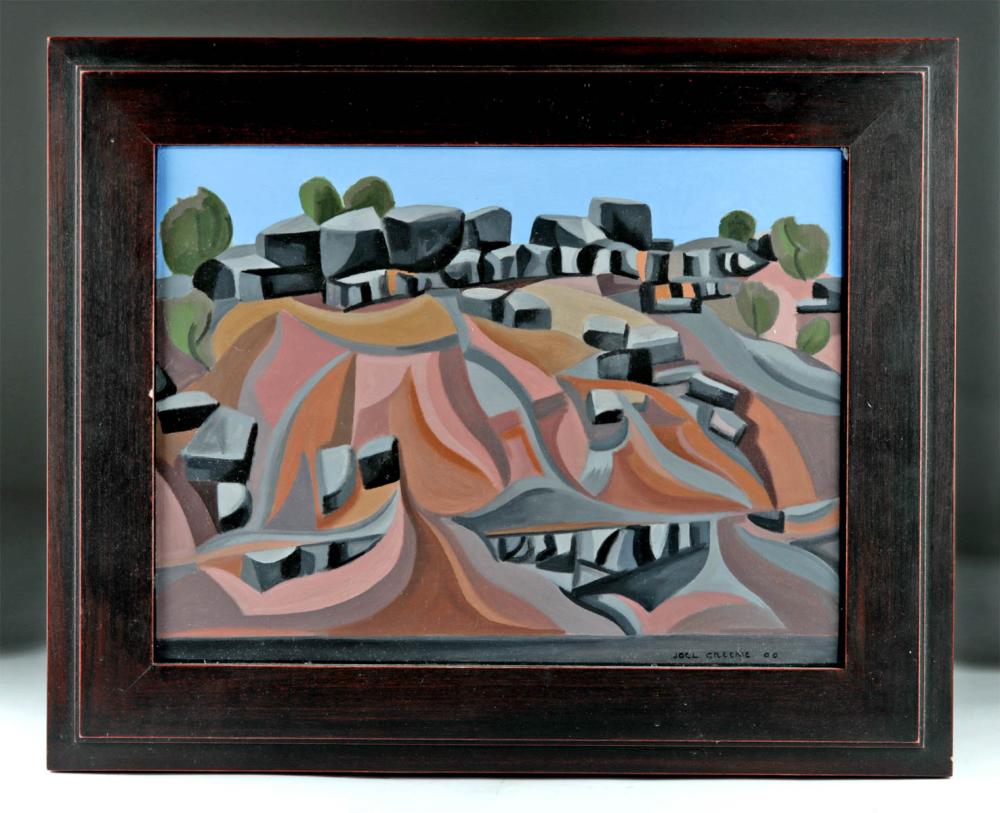 |
Framed Joel Greene Painting of New Mexico - 2000 | Artemis Gallery | 2019-09-05 | 189B | USD 1,500 (buyer’s-premium treatment unknown) |
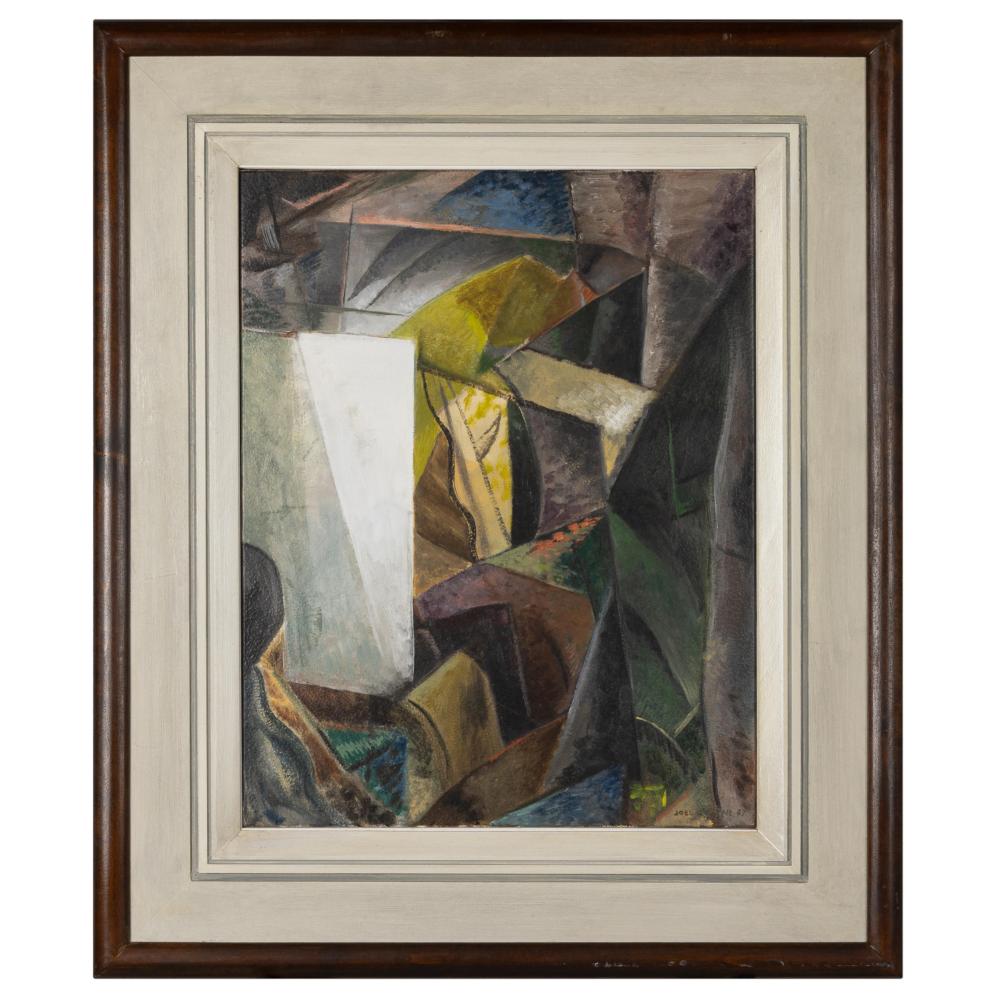 |
Joel Greene (American b. 1953)Source blocked; provenance matched | Fine Estate Inc. | 2024-08-25 | 129 | USD 325 (buyer’s-premium treatment unknown) |
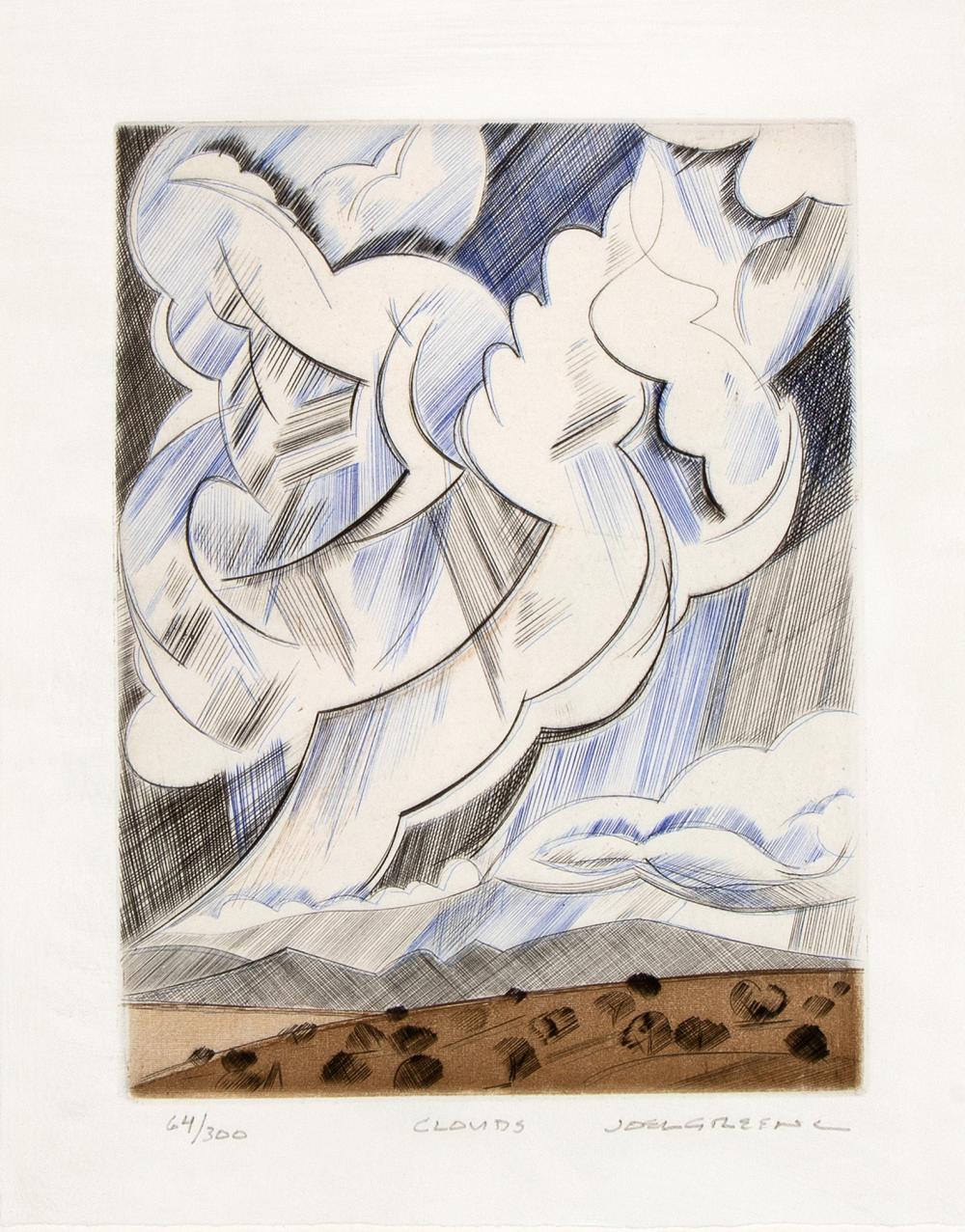 |
Joel Greene, Clouds, 2004Source blocked; provenance matched | Santa Fe Art Auction | 2022-05-27 | 120 | USD 512 (buyer’s-premium treatment unknown) |
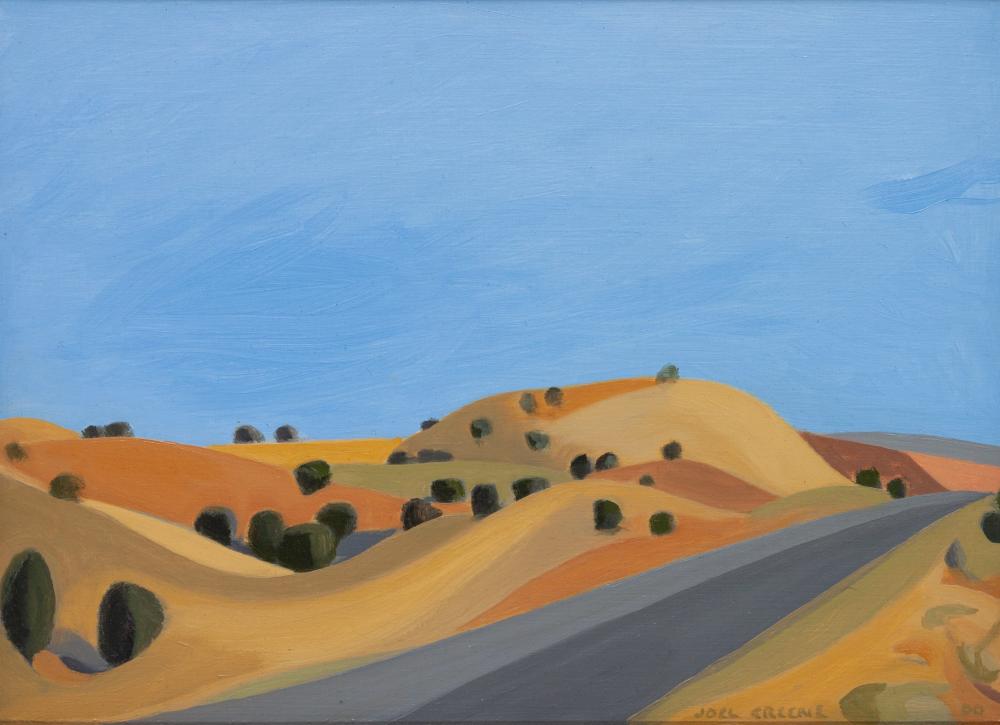 |
Joel Greene (American, b. 1953) LandscapeSource blocked; provenance matched | Hindman | 2021-05-06 | 24 | USD 800 (buyer’s-premium treatment unknown) |
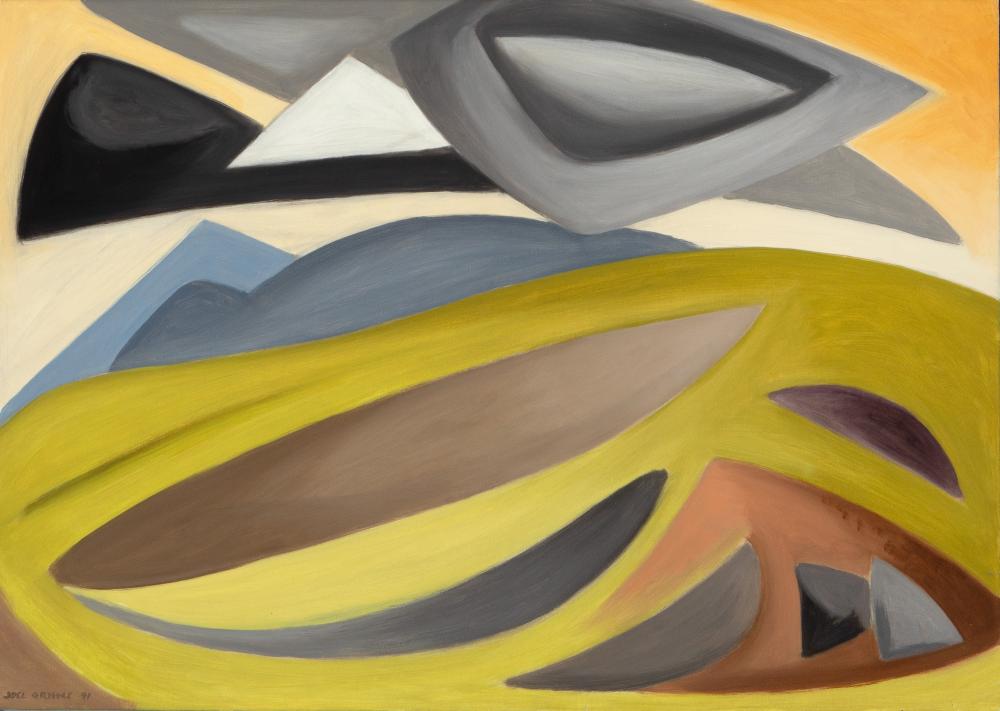 |
Joel Greene, Gash, 1991Source blocked; provenance matched | Santa Fe Art Auction | 2021-11-06 | 415 | USD 3,000 (buyer’s-premium treatment unknown) |
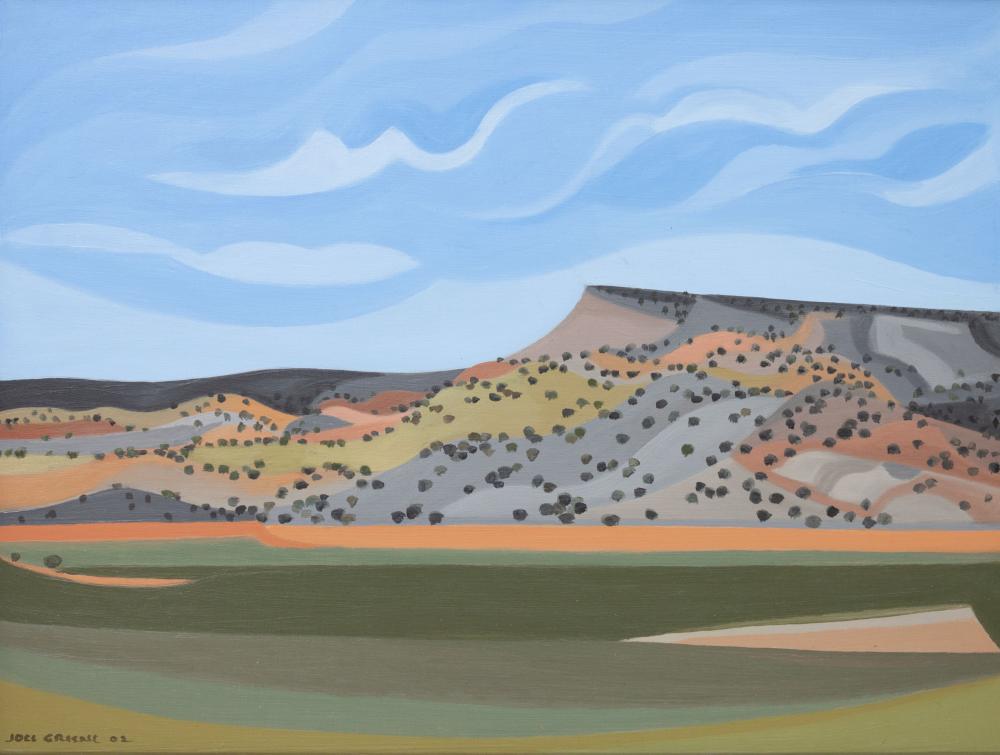 |
Joel Greene (American, b. 1953) La Bahada Hill, 2002Source blocked; provenance matched | Hindman | 2021-05-06 | 23 | USD 800 (buyer’s-premium treatment unknown) |
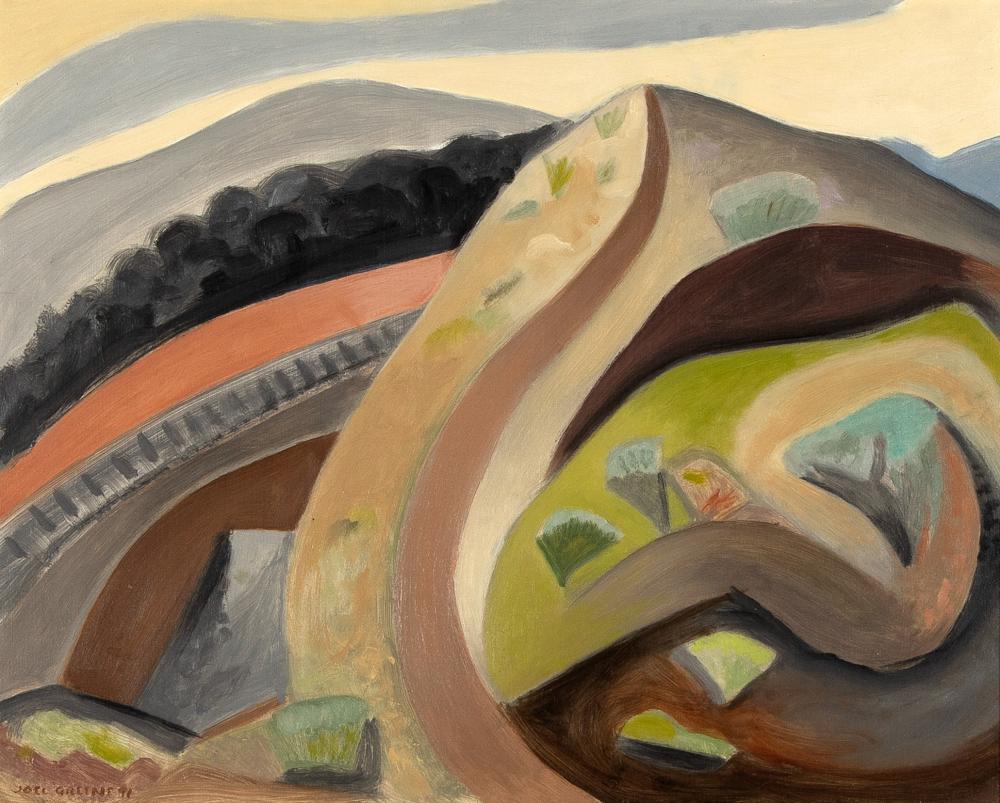 |
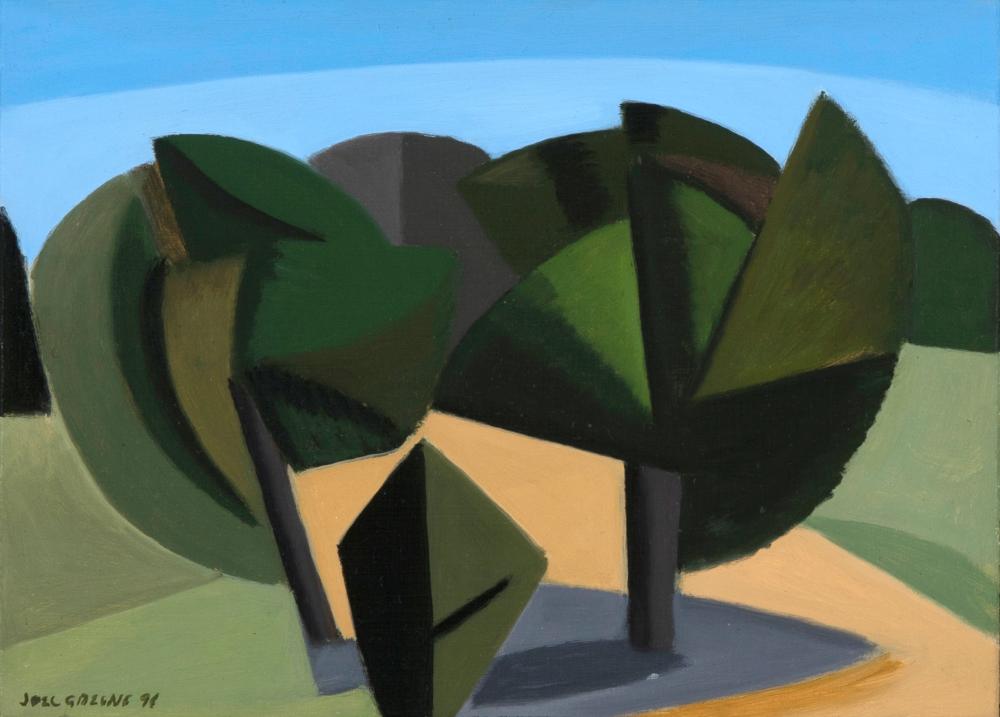
Joel Greene, Road Up The Hill, 1991Source blocked; provenance matched | Santa Fe Art Auction | 2022-06-24 | 64 | USD 2,440 (buyer’s-premium treatment unknown) |
 |
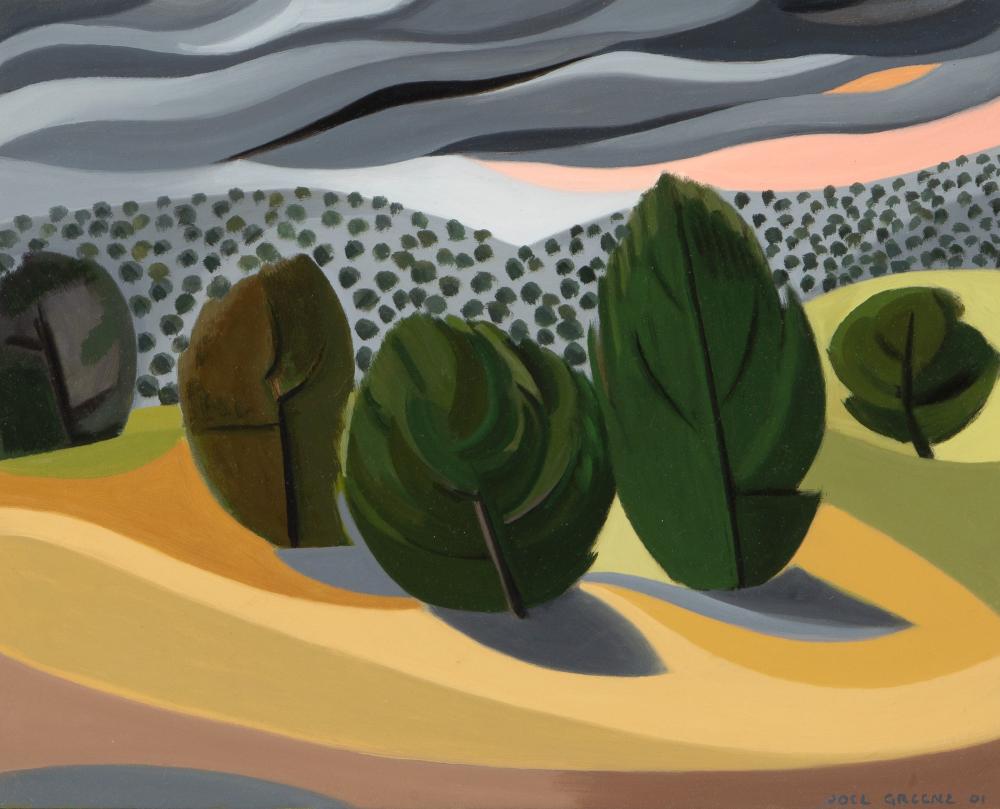
Joel Greene, Piñon Tree, Oil #236, 1997Source blocked; provenance matched | Santa Fe Art Auction | 2023-11-11 | 204 | USD 1,342 (buyer’s-premium treatment unknown) |
 |
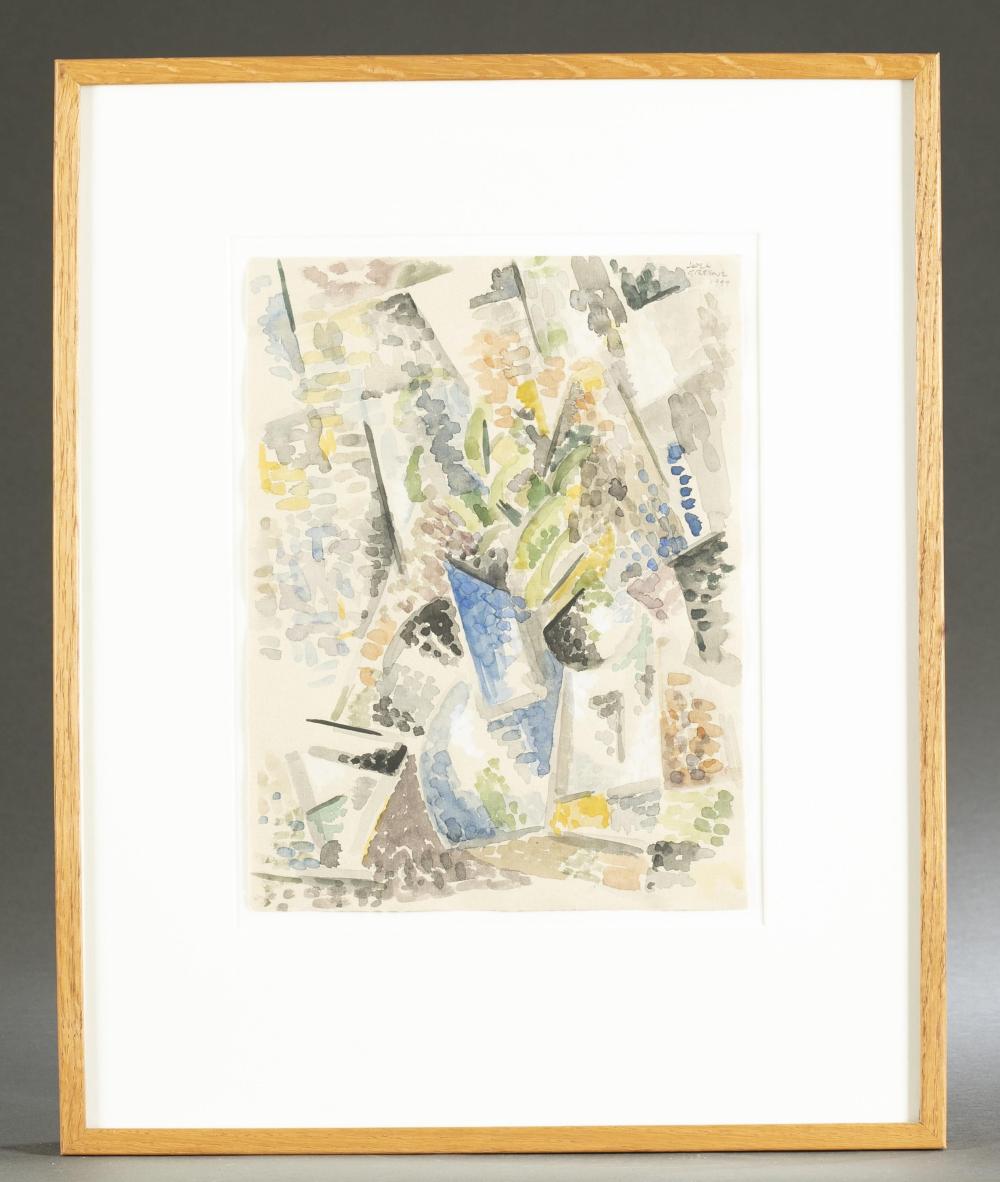
Joel Greene, Pinons and Heavy Sky, 2001Source blocked; provenance matched | Santa Fe Art Auction | 2021-11-06 | 416 | USD 3,000 (buyer’s-premium treatment unknown) |
 |
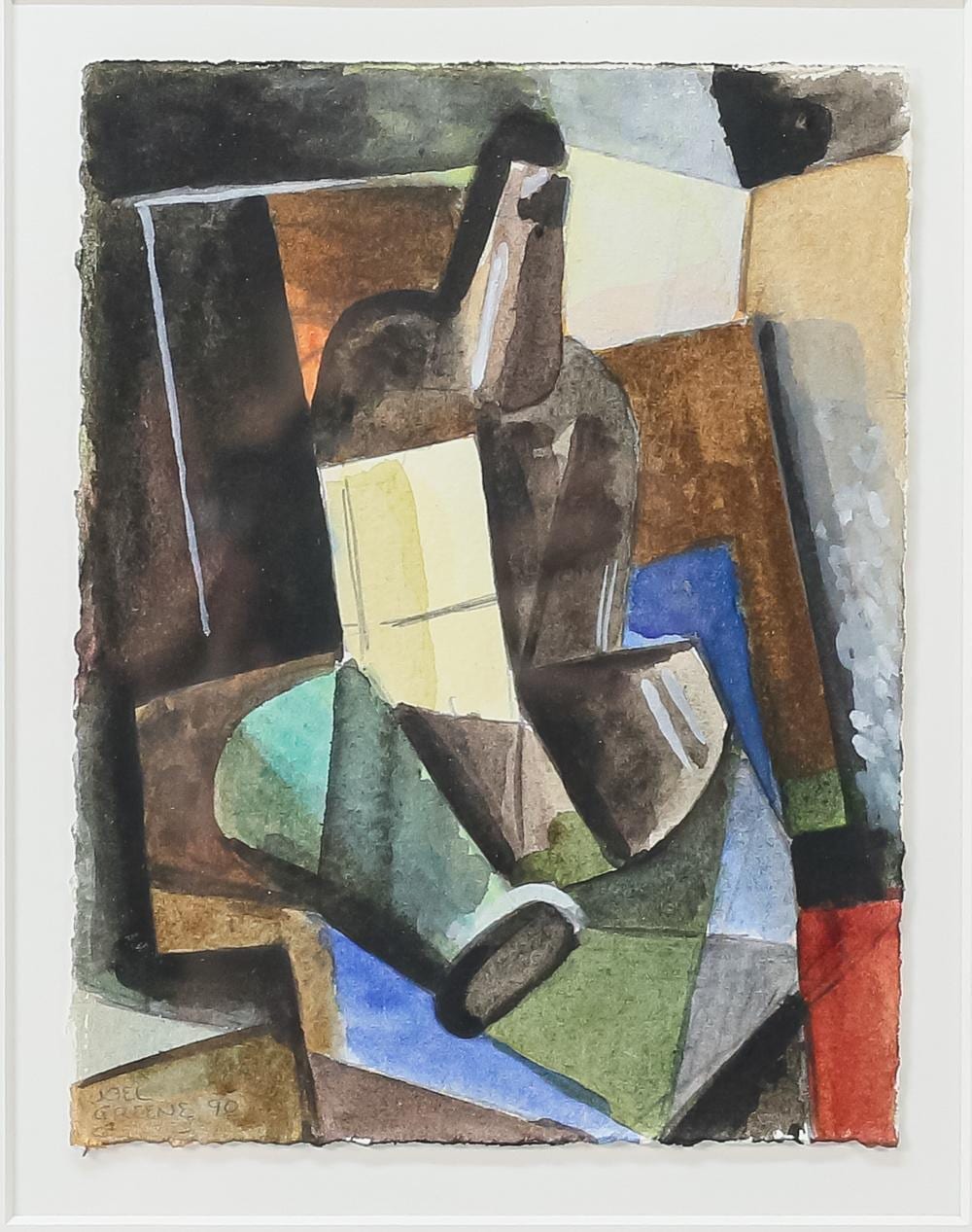
Joel Greene, "Blue Vase," WC/P 1994.Source blocked; provenance matched | Quinn's Auction Galleries | 2023-01-14 | 191 | USD 400 (buyer’s-premium treatment unknown) |
 |
Joel Greene Watercolor Cubist Still LifeSource blocked; provenance matched | Willow Auction House | 2022-09-22 | 244 | USD 100 (buyer’s-premium treatment unknown) |
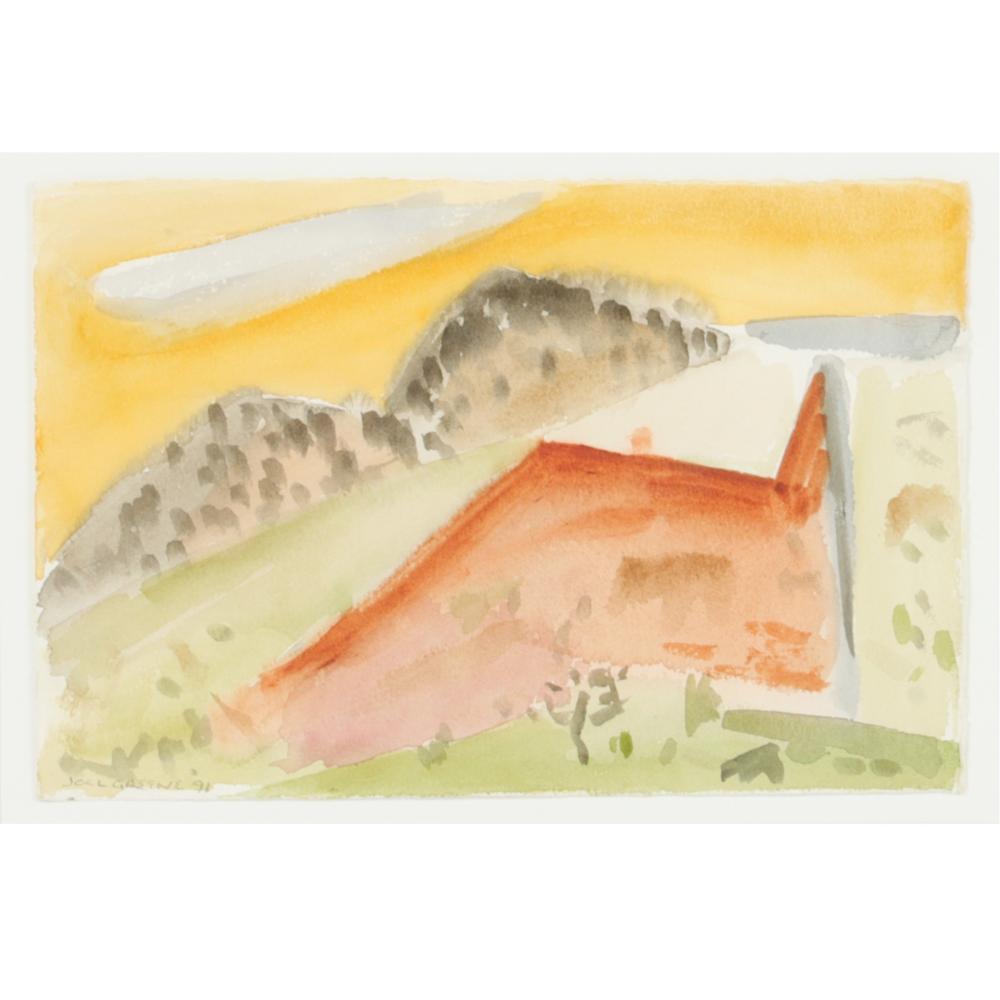 |
Joel F. Greene, New Mexico (b. 1959), untitled desert landscape, 1991, 7 3/4"H x 11 1/2"W (sight), 15"H x 19"W (frame)Source blocked; provenance matched | Ripley Auctions | 2022-02-19 | 65 | USD 500 (buyer’s-premium treatment unknown) |
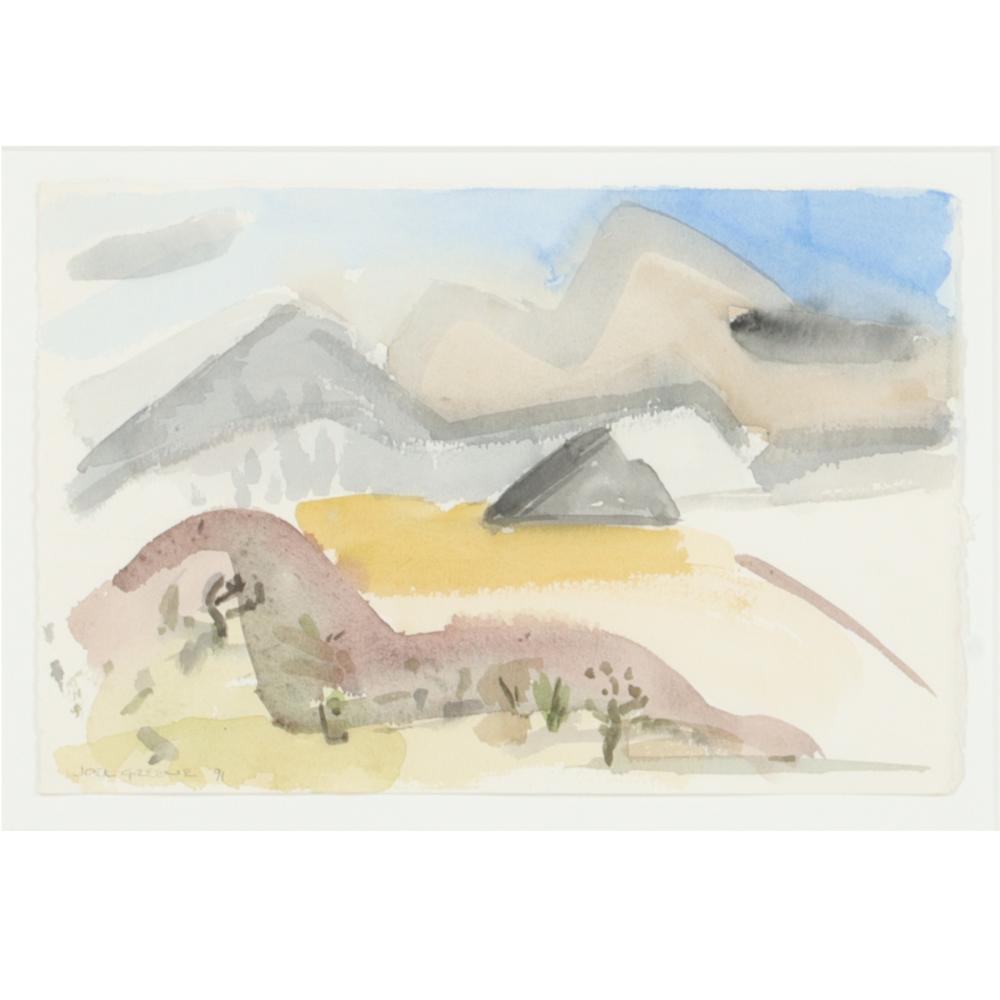 |
Joel F. Greene, New Mexico (b. 1953), untitled landscape, 1991, watercolor on paper, 7 3/4"H x 11 1/2"W (sight), 15"H x 19"W (frame)Source blocked; provenance matched | Ripley Auctions | 2022-02-19 | 66 | USD 500 (buyer’s-premium treatment unknown) |
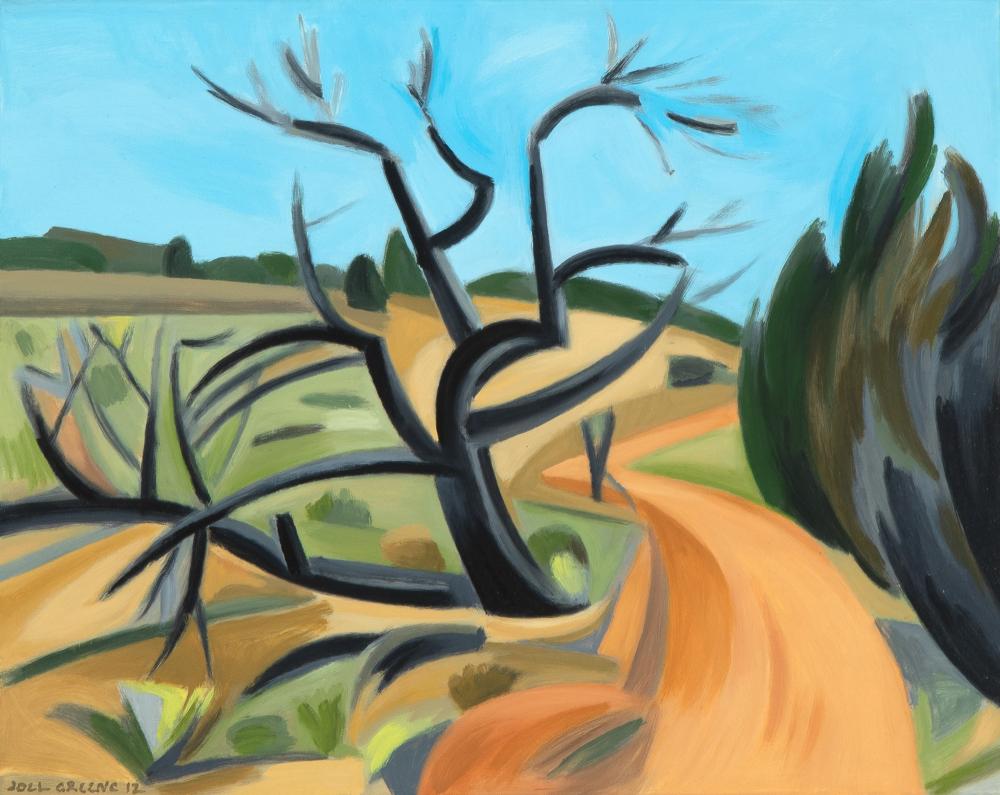 |
Joel Greene, Untitled (Tree Out Back of Artist's Studio), 2012Source blocked; provenance matched | Santa Fe Art Auction | 2022-05-28 | 366 | USD 2,074 (buyer’s-premium treatment unknown) |
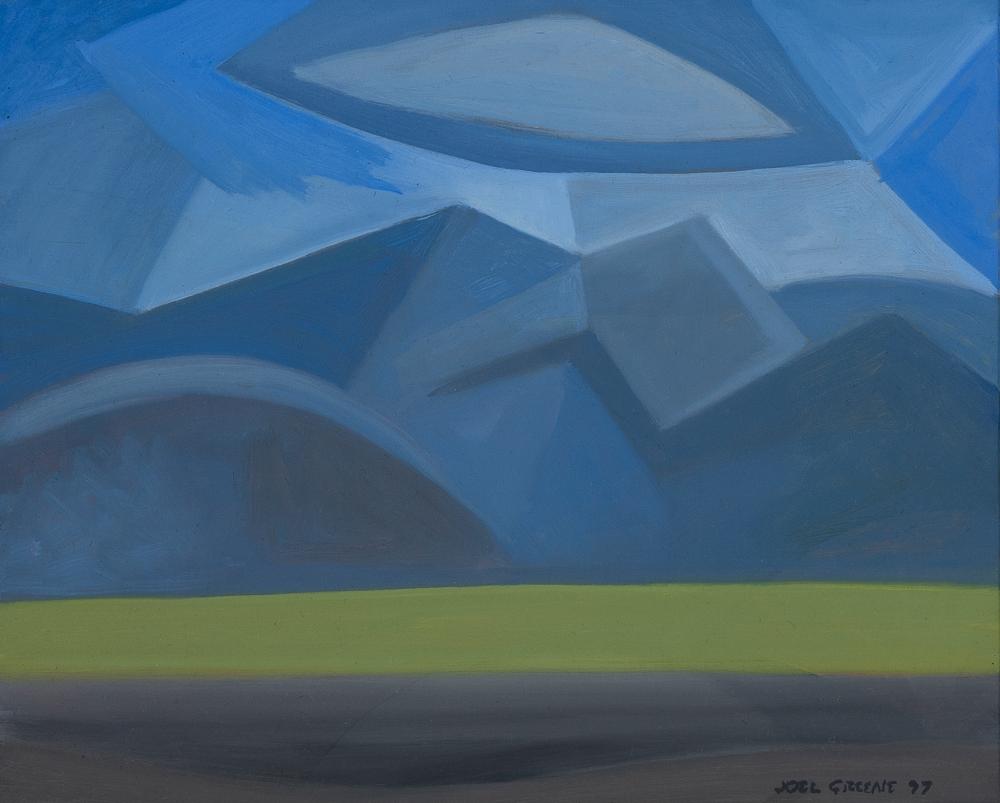 |
Joel Greene, Taos Mountain Landscape (Sangre de Cristos), Oil #259, 1997Source blocked; provenance matched | Santa Fe Art Auction | 2023-11-11 | 203 | USD 1,464 (buyer’s-premium treatment unknown) |
How these auction records were verified
Each row retains its exact source URL, lot identity, retrieval time, access result, and immutable record hash. Live source access was blocked; the exact record matched Appraisily's immutable pipeline provenance. Inspect the public comparable provenance record.
Disclosure: prices are shown as reported by auction houses and are provided for appraisal context. Learn more in our editorial policy.