5 Expert Tips on How to Identify Antiques Uncover the Value of Your Vintage Finds: appraisal and value basics
5 Expert Tips on How to Identify Antiques Uncover the Value of Your Vintage Finds research should start with identification, condition, provenance, and recent comparable sales. Use this guide to compare the signals that matter before paying for a formal appraisal or deciding whether to sell.
Note: We couldn’t find enough auction records that directly match 5 Expert Tips On How To Identify Antiques Uncover The Value Of Your Vintage Finds to publish a defensible price table. If you are valuing a specific item, include its maker, model, material, photos, and condition so the search can be narrowed.
What similar items actually sold for
To help ground this guide in real market activity, here are recent example auction comps from Appraisily’s internal database. These matched sales are market context only, not an object estimate or identification, and they do not guarantee a price for your specific 5 expert tips on how to identify antiques.
Shown EUR range: EUR 1,500-EUR 8,000. Median of these 3 EUR examples: EUR 1,800.
| Comparable | What sold | Auction house | Date | Lot | Source-reported amount |
|---|---|---|---|---|---|
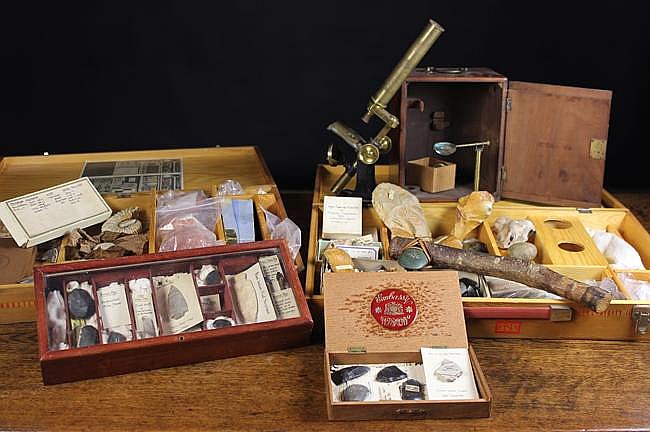 |
A Large Collection of Archaeological Finds from an amateur Collector: mostlSource blocked; provenance matched | Wilkinson's Auctioneers | 2015-06-21 | 232 | GBP 440 (buyer’s-premium treatment unknown) |
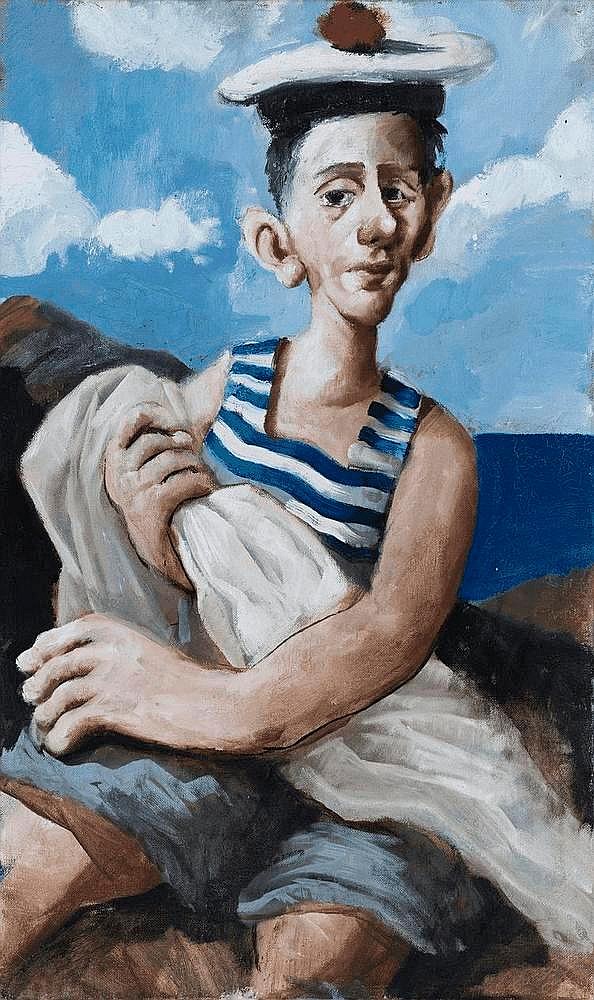 |
McLean Edwards 1972, PYGMALION FINDS THE WEDDING DRESS, 1996 oil on canvasSource blocked; provenance matched | Deutscher and Hackett | 2013-11-27 | 69 | AUD 7,500 (buyer’s-premium treatment unknown) |
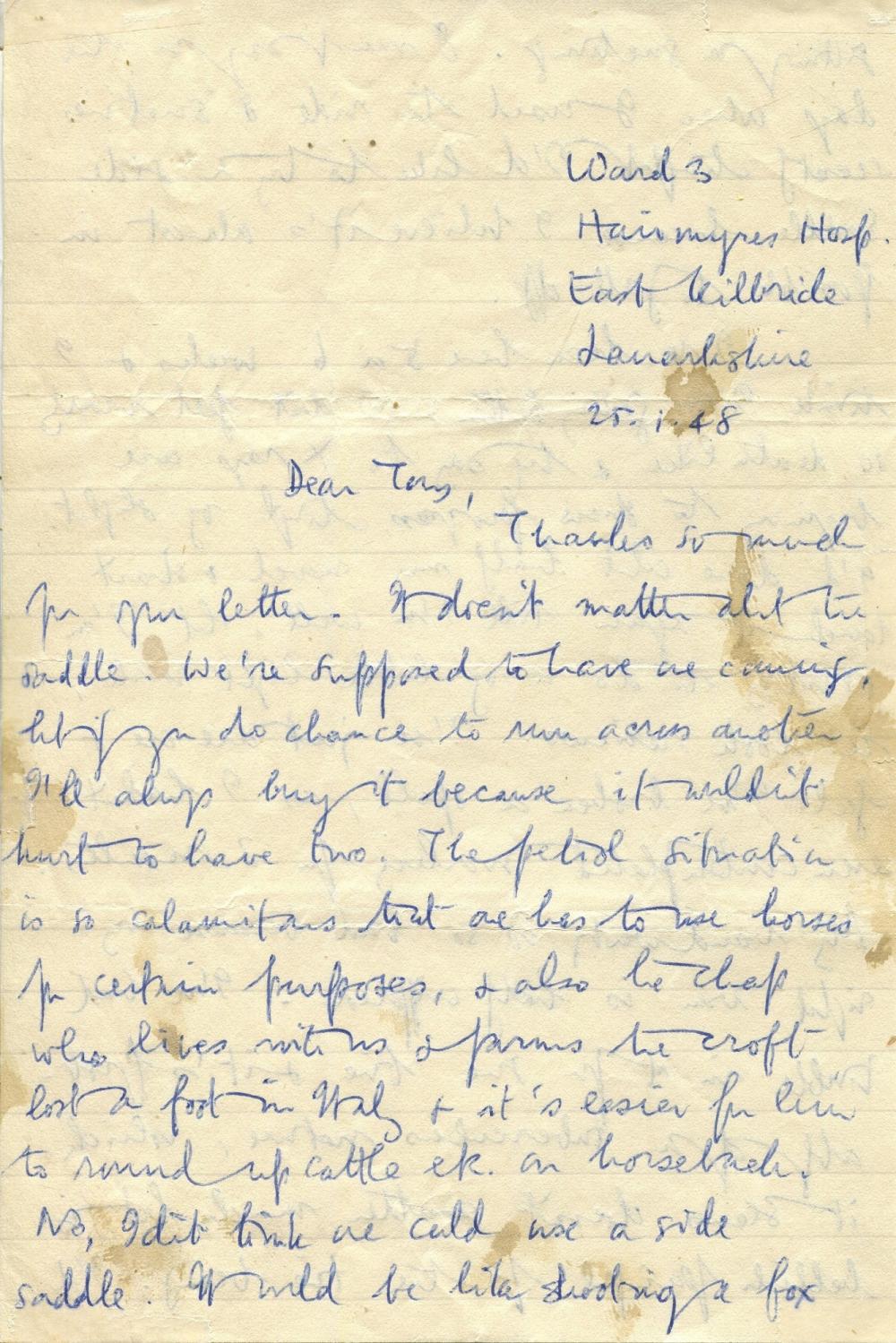 |
ORWELL GEORGE: (1903-1950) Orwell finds himself critically ill in hospital during the writing of Nineteen Eighty-Four - ´ I´ d done about half my novel & shan´t touch it again till I´m well´´ | International Autograph Auctions Europe, S.L. | 2024-12-05 | 1510 | EUR 8,000 (buyer’s-premium treatment unknown) |
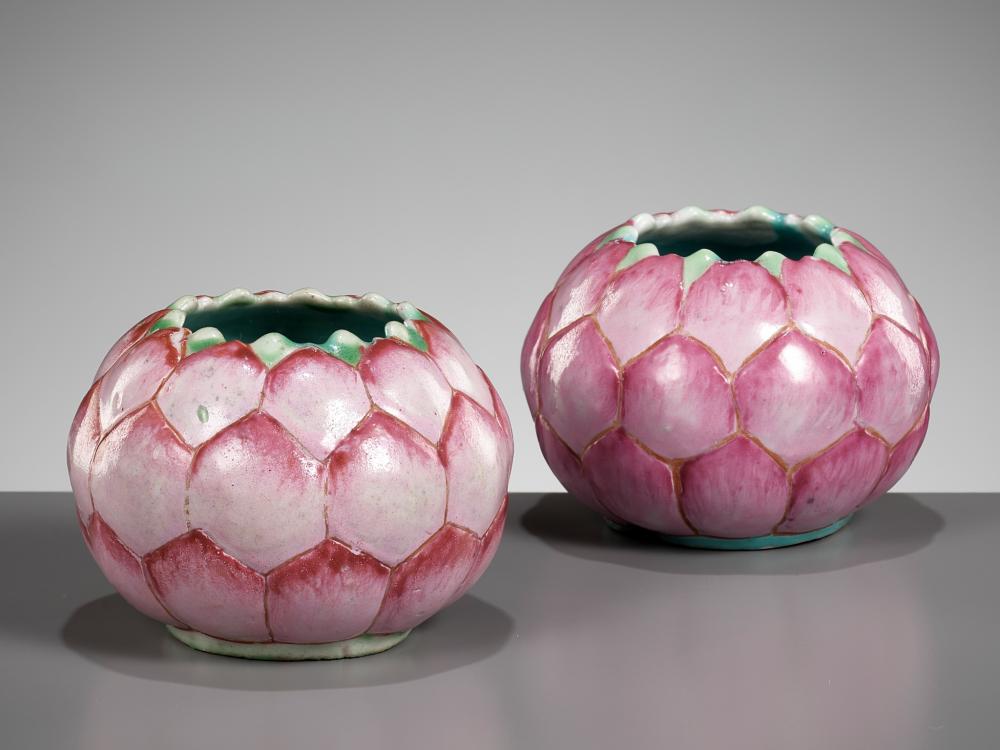 |
A PAIR OF LOTUS-SHAPED WATER POTS, CHINA, EARLY 19TH CENTURY 十九世紀初一對蓮花形水丞 | Galerie Zacke | 2024-03-01 | 250 | EUR 1,500 (buyer’s-premium treatment unknown) |
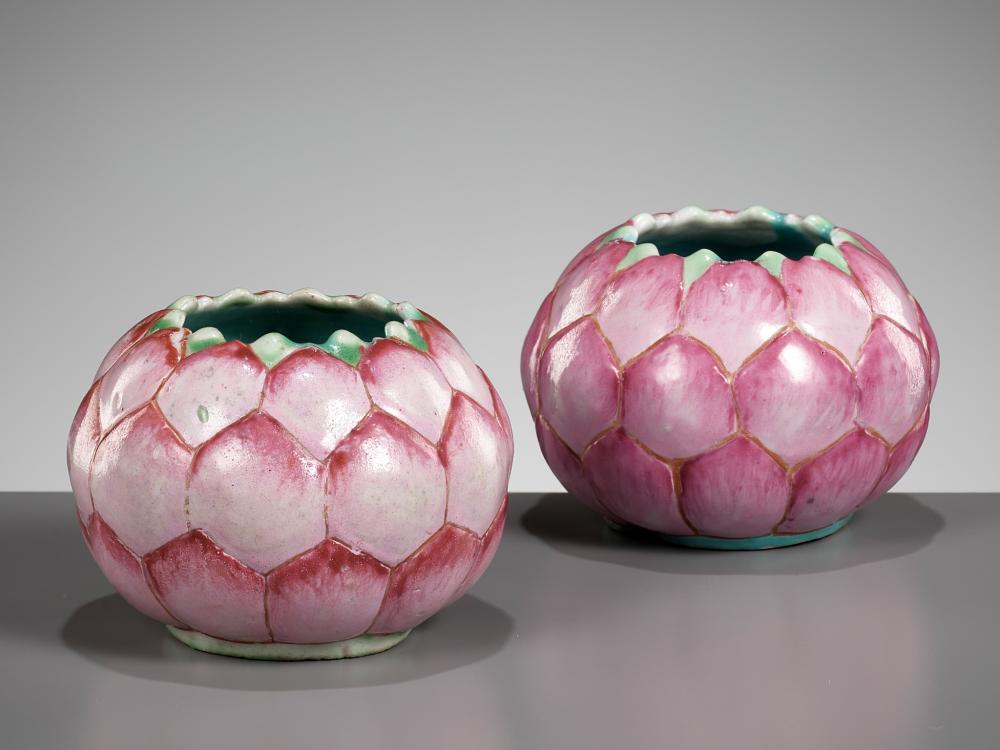 |
A PAIR OF LOTUS-SHAPED WATER POTS, CHINA, EARLY 19TH CENTURY | Galerie Zacke | 2023-06-02 | 110 | EUR 1,800 (buyer’s-premium treatment unknown) |
How these auction records were verified
Each row retains its exact source URL, lot identity, retrieval time, access result, and immutable record hash. Live source access was blocked; the exact record matched Appraisily's immutable pipeline provenance. Inspect the public comparable provenance record.
Disclosure: prices are shown as reported by auction houses and are provided for appraisal context. Learn more in our editorial policy.
Need a second look?
Check your antique before paying for a full appraisal
Upload photos of marks, construction details, wear, and any paperwork. The free screener helps identify the category, evidence gaps, and likely next step.
Start free screener5 Expert Tips On How To Identify Antiques Uncover The Value Of Your Vintage Finds
Knowing how to identify antiques—and to tell a great period piece from a convincing reproduction—can transform a casual find into a confident purchase or a smart sale. These expert tips focus on physical evidence, maker’s clues, and market factors so you can date, authenticate, and value your vintage and antique objects with clarity.
Tip 1: Examine Construction and Materials to Date the Object
Authenticity often lives in the details of how an object was made. Construction techniques changed over time; reading them can narrow age ranges and separate period pieces from later reproductions.
-
Wood joinery
- Hand-cut dovetails: Irregular pins/tails, tool marks, and slight variation often indicate pre-1860 work.
- Machine-cut dovetails: Uniform, tight, and regularly spaced, widely used from the 1860s onward.
- Mortise-and-tenon: Common in 18th–19th century chairs and tables; look for hand-tool tear-out.
-
Nails and screws
- Wrought nails (hand-forged, irregular heads): Common before c. 1790.
- Cut nails (rectangular cross-section): c. 1790–1890.
- Wire nails (round, uniform): c. 1890 onward.
- Hand-cut screws (off-center slots, uneven threads): 18th to early 19th century.
- Machine-made screws with consistent threads: Mid-19th century onward; pointed tips more common after 1850s.
-
Saw and tool marks
- Pit-sawn or hand-sawn marks: Irregular, often diagonal striations, generally pre-1840.
- Circular saw marks: Arc-shaped striations, mid-19th century onward.
- Planer marks: Uniform chatter evidence aligns with machine finishing.
-
Woods and veneers
- Secondary woods (drawer bottoms, backs): Poplar, pine, or oak can help regional identification.
- Thick, hand-cut veneer and crossbanding suggest older construction; paper-thin veneer might indicate later manufacturing.
- Quarter-sawn oak rays are prominent in late-19th to early-20th century Arts & Crafts furniture.
-
Finishes
- Shellac was prevalent in the 18th–19th centuries; it softens with alcohol.
- Nitrocellulose lacquer gained popularity in the 1920s–30s.
- Polyurethane is modern; a thick plastic-like finish is rarely period.
-
Ceramics and glass
- Porcelain translucency: True porcelain lets light pass; bone china shows warmth due to bone ash.
- Crazing (fine crackle in glaze) can indicate age, but beware artificial crazing as a fake.
- Bottle mold seams: No seams (free-blown) pre-industrial; three-piece molds 19th century; automatic bottle machine seams to lip from c. 1903 onward.
- Pontil marks (scar on base of hand-blown glass) can suggest early manufacture; ground/polished pontils on finer glass.
-
Metals
- Sterling silver: Often .925 or national hallmarks; heavy, crisp details.
- Electroplate: Marked EPNS, EP, or plate; softer details and base metal showing through at high-wear points.
- Bronze vs. spelter: Bronze is heavier and rings; spelter (zinc alloy) is lighter and chips to a grayish core.
Reading these clues in combination—never in isolation—builds a reliable date window and screens out many modern reproductions.
Tip 2: Decode Maker’s Marks, Hallmarks, and Signatures
Marks are the object’s ID card. Learning to read them can pinpoint origin, authenticity, and sometimes exact year.
-
Silver and gold hallmarks
- Sterling markings (.925), country symbols, and assay office marks (e.g., lion passant for sterling in England) help authenticate and date.
- Karat marks (10K, 14K, 18K) on jewelry are typical; European gold purity may appear as 585, 750, etc.
- Beware: “925” stamped on costume jewelry can be added fraudulently; corroborate with weight and wear.
-
Ceramic backstamps and registration marks
- Underglaze factory backstamps tend to be durable; overglaze marks may wear.
- British design registration: Diamond mark (1842–1883) or “Rd” numbers (1884 onward) date design protection.
- Transfer-printed vs. hand-painted: A uniform dot matrix or regular pattern often indicates transfer; slight brushstroke variation suggests hand decoration.
-
Printed works and art
- Pencil signatures and edition numbers in the margin typically indicate limited editions; plate signatures are printed and not a hand signature.
- Watermarks in paper can support dating for prints and maps.
-
Furniture labels and stamps
- Cabinetmaker’s labels, inventory tags, exhibition labels, and retailer tags (inside drawers, under tops) can be telling.
- Chalk or paint shop marks on underside may reflect workshop practices; compare to known examples.
-
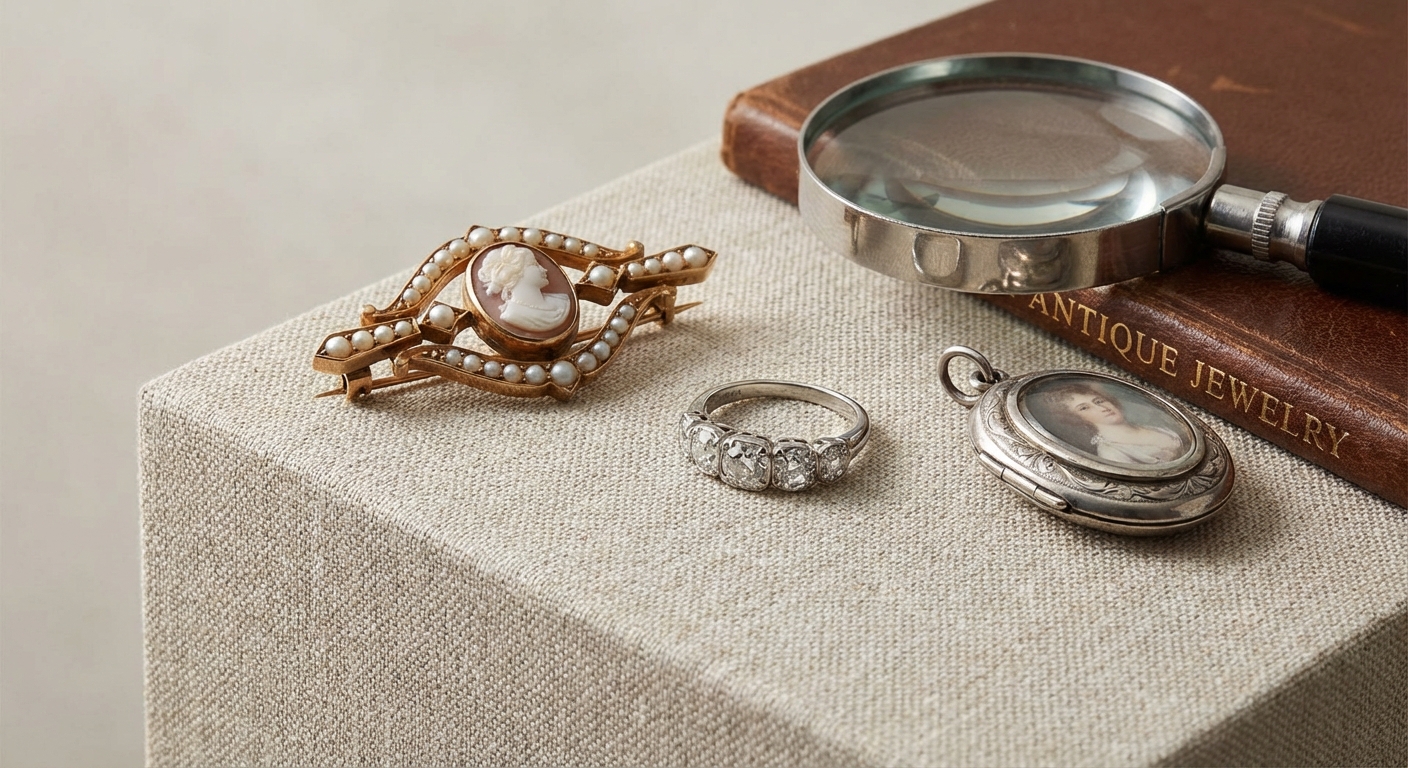
Costume jewelry signatures
- Designer signatures (e.g., stamped cartouches) can date to specific production periods; look for font and placement consistency with known authentic marks.
Document every mark with clear, close photos and note orientation, position, and any partial impressions. Cross-referencing multiple marks strengthens your findings.
Tip 3: Assess Patina, Wear, and Repairs—Age Tells a Story
Authentic age reveals itself in how materials oxidize, wear, and were maintained.
-
Genuine wear patterns
- Furniture: Wear at handles, drawer runners, foot rails, and edges where hands and feet naturally contact.
- Metals: High points lose plating first; crevices retain grime and oxidation.
- Rugs and textiles: Fade on exposed sides; even, saturated color on protected areas like under furniture.
-
Patina and oxidation
- Wood: Oxidation darkens with age, especially where air reaches; under hardware or inside joints may be lighter.
- Bronze: Natural, layered patina adheres to surface; bright, uniform “patina” can be artificial.
- Silver: Tarnish concentrates in recesses; cleaned areas shouldn’t be mirror-bright in crevices.
-
Repairs and alterations
- Fluorescence: Blacklight can reveal overpainting on paintings and repairs on porcelain (unnatural glow).
- Furniture “marriages”: Non-matching woods or finishes (e.g., top and base) can indicate assembled pieces.
- Replaced hardware: New screws in old holes, different thread patterns, over-large holes, or fresh chip-out are clues.
-
Red flags for fakery
- Uniform surface sanding to emulate wear; “rounded” edges everywhere.
- Drill-made wormholes: Uniform size and suspiciously clean edges.
- Chemical patina: Strong smell, color sitting on the surface, and inconsistent with expected oxidation patterns.
Aim to preserve honest patina—over-cleaning can erase value. Many collectors prefer original finishes and historically sympathetic conservation to full restorations.
Tip 4: Build Provenance and Context to Support Value
Provenance—the documented chain of ownership—adds confidence and can increase value, especially for notable makers or artworks.
-
Sources of provenance
- Family records: Receipts, letters, photographs, wills, and estate inventories.
- Labels and inscriptions: Exhibition tags, retailer labels, auction lot stickers, shipping labels, or chalk marks with stock numbers.
- Institutional references: Mentions in catalogues raisonnés, design registries, or period trade publications.
-
How to document
- Create a timeline noting when, where, and from whom the piece was acquired.
- Photograph labels, marks, and any inscriptions in situ before removal.
- Keep scans of paperwork and store originals safely; note any gaps honestly.
-
Interpreting provenance
- Consistency matters: Names, dates, and locations should align with the object’s style and maker’s active period.
- Gaps aren’t fatal, but unbroken provenance can support higher estimates.
- Beware forged labels or added inscriptions; compare typography and paper aging with period examples.
Provenance cannot make a fake real, but it can elevate a genuine object, differentiate a rare variant, and justify a stronger valuation.
Tip 5: Judge Form, Style, and Proportions Against Known Periods
Style analysis ties materials and marks to broader design trends and influences. Even without a maker’s mark, form and detail can suggest period and region.
-
Furniture periods and cues
- Queen Anne (early 18th c.): Cabriole legs, pad feet, restrained ornamentation.
- Chippendale (mid-18th c.): Ball-and-claw feet, pierced splats, heavier proportions.
- Federal/Hepplewhite/Sheraton (late 18th–early 19th c.): Inlay, tapered legs, lighter silhouettes.
- Victorian (mid–late 19th c.): Revival styles, exuberant carving, turned elements.
- Arts & Crafts (late 19th–early 20th c.): Exposed joinery, quarter-sawn oak, rectilinear forms.
- Art Deco (1920s–30s): Geometric veneers, chrome accents, stepped forms.
- Mid-century modern (1940s–60s): Clean lines, engineered plywood, teak and walnut.
-
Hardware evolution
- Hand-forged “snipe” hinges and cotter pins are early; machine-stamped hardware becomes common in the 19th century.
- Keyholes and escutcheons change shape with fashion; later replacements often look too crisp.
-
Decorative arts and design
- Glass: Cut patterns vary by era; wheel-cut vs. pressed patterns can hint at age and quality.
- Ceramics: Transfer printing evolves; later color palettes and border patterns reflect changing taste.
- Textiles: Natural dyes vs. synthetic anilines (post-1850s) show color differences; weave structures and selvages aid dating.
Study proportions: Early chairs may have narrower seats or higher stretchers; later versions often broaden or simplify. Style should align with your earlier findings from construction, marks, and patina.
Valuation Fundamentals: From Identification to Market Reality
Identification is half the story; value is where authenticity meets demand.
-
The four C’s of value
- Condition: Original finish and minimal restoration often bring premiums; structural stability matters.
- Completeness: Matching pairs, original hardware, lids, shades, and accessories increase value.
- Comparables: Look at similar items sold in comparable venues and regions.
- Current demand: Trends shift; certain makers and categories cycle in and out of favor.
-
Rarity vs. desirability
- Rare does not always mean valuable; practical use, decorator appeal, and brand recognition drive prices.
- Early iterations, limited editions, and documented prototypes can command premiums.
-
Impact of restoration
- Professional conservation that’s reversible is preferred; over-restoration or stripping can depress value.
- Replace missing elements only when necessary and document changes.
-
Choosing a selling venue
- Auction: Transparent, potentially strong prices for sought-after items; fees apply; results can vary.
- Dealer/retail: Slower but can yield higher asking prices for curated pieces.
- Private sale: Lower fees, requires networking and buyer trust.
- Insurance vs. fair market value: Replacement value (for insurance) is typically higher than fair market value (for sale/donation).
Keep detailed notes, photographs, and measurements. A well-documented object is easier to appraise and sell.
Quick Identification & Valuation Checklist
- Photograph the object from all sides; include close-ups of joinery, marks, and wear.
- Record dimensions, weight, and materials; note any odors (smoke, mold) or fluorescence under blacklight.
- Date the construction using joinery, nails/screws, tool marks, and finishes.
- Log all marks: maker’s, hallmarks, backstamps, registration numbers, labels, and inscriptions.
- Evaluate patina and wear for authenticity; identify any repairs, replacements, or “marriages.”
- Place the piece within a stylistic period; check that style matches the construction timeline.
- Gather provenance: receipts, photos, labels; build a simple ownership timeline.
- Assess the four C’s: condition, completeness, comparables, current demand.
- Decide on conservation needs; avoid aggressive cleaning prior to appraisal.
- If significant, consult a qualified specialist for a written appraisal appropriate to your purpose.
FAQ
Q: What’s the difference between “antique” and “vintage”? A: In many markets, “antique” means 100 years old or more. “Vintage” typically refers to items 20–99 years old. Some categories (e.g., cars, wine) use different thresholds, but for decorative arts, 100 years is a common standard.
Q: Should I clean an antique before selling or appraising? A: Generally, no major cleaning or polishing before evaluation. Light dusting is fine. Over-cleaning can remove desirable patina, erase tool marks, or harm finishes—actions that can reduce value.
Q: How can nails and screws help date furniture? A: Wrought nails suggest pre-1790, cut nails 1790–1890, and wire nails from c. 1890 onward. Hand-cut screws with uneven threads are 18th–early 19th century; uniform machine screws and pointed tips are later. Use these clues alongside other evidence.
Q: Can patina be faked? A: Yes. Artificial wear and chemical patination are common. Look for uniform sanding, drill-made wormholes, and surface-only color that doesn’t penetrate pores or recesses. Genuine patina is irregular and aligns with natural touch points.
Q: What if I suspect a forged signature or added label? A: Compare ink or paint aging to the rest of the piece, check placement conventions, and look for inconsistent fonts or paper. Corroborate with construction, style, and independent marks. When in doubt, seek expert authentication before buying or selling.
By combining construction evidence, marks, authentic wear, documented provenance, and stylistic analysis—and by evaluating condition and demand—you can confidently identify antiques and uncover the true value of your vintage finds.