Appraisily

Antique Mirror Values Guide

Understand antique mirror values by frame material, glass aging, silvering, style, carving, gilding, provenance, condition, and scale.

Ornate antique mirror with gilded carved frame and aged mirror glass
Mirror values depend on frame quality, glass aging, silvering, style, carving, scale, provenance, and condition.

Auction comps in this guide are for appraisal context, not guaranteed prices. See our editorial policy.

Signed appraisal from photos

Get a price-ready appraisal for your item

Answer three quick questions and we match your submission with a reviewer familiar with the relevant category. Delivered within 24 hours of receiving your photos.

Secure Stripe checkout · $59 for one item · No appointment

Skip questions — start appraisal now

How We Research Valuation Data

Our appraisal guides are based on auction results, dealer pricing data, and professional appraiser insights. Our professional appraisal service provides paid signed reports. The Screener offers a free first look. Learn about our editorial standards.

Get a Professional Appraisal

Unsure about your item’s value? Appraisily provides a signed report with documented market evidence and stated limits.

  • Signed report with photos and market evidence
  • Delivered within 24 hours of receiving your photos
  • Fixed, upfront pricing
Start Your Appraisal

No obligation. Secure upload.

Antique Mirrors Value: appraisal and value basics

Antique Mirrors Value research should start with identification, condition, provenance, and recent comparable sales. Use this guide to compare the signals that matter before paying for a formal appraisal or deciding whether to sell.

Introduction to Antique Mirror Valuation

Antique mirrors are more than just reflective surfaces—they’re historical artifacts that combine artistry, craftsmanship, and technological innovation of their era. Whether you’ve inherited a family heirloom, discovered a potential treasure at an estate sale, or are simply curious about the value of older mirrors, understanding what makes antique mirrors valuable is essential.

In this comprehensive guide, we’ll explore the key factors that determine antique mirror values, how to authenticate genuine pieces, and provide current market price ranges. From ornate gilded frames to the distinctive characteristics of mercury glass, you’ll learn to recognize valuable mirrors and understand what collectors and dealers look for when appraising these timeless pieces.

What Makes a Mirror Antique?

Before diving into valuation, it’s important to understand what qualifies a mirror as truly “antique” and how this affects its market value.

While there’s no universally agreed definition, most collectors and dealers consider mirrors made more than 100 years ago to be antique. Those made between approximately 50-100 years ago are typically classified as “vintage.” This distinction is important, as genuine antique mirrors generally command higher prices due to their rarity, historical significance, and craftsmanship.

The age of a mirror significantly impacts its value. Mirrors from the 18th and early 19th centuries are particularly prized by collectors and can fetch premium prices when in good condition. These older mirrors represent early developments in mirror-making technology and often feature distinctive craftsmanship that was later replaced by machine production.

How to Identify Genuine Antique Mirrors

Learning to distinguish authentic antique mirrors from reproductions requires attention to several key details that reveal a mirror’s true age and origin.

Examining the Glass

The mirror glass itself offers important clues about age:

  1. Thickness and waviness: Antique mirror glass is typically thinner than modern glass and often has slight imperfections, waviness, or distortions when viewed at an angle. These irregularities are a result of hand-pouring techniques used before the invention of float glass in the 1950s.

  2. Spotting and silvering: Look for signs of aging in the reflective surface. Antique mirrors frequently develop small dark spots, known as “desilvering” or “foxing,” where the silvering has degraded over time. While this affects the mirror’s reflective quality, it’s often considered evidence of authenticity.

  3. Mercury vs. silver nitrate backing: Mirrors made before approximately 1835 used mercury amalgam for the reflective backing, while later mirrors used silver nitrate. Mercury mirrors often have a slightly warmer, sometimes subtly bluish tone compared to the cooler look of silver nitrate.

Antique Mirror Glass Authentication Checklist

Check applicable characteristics that may indicate an authentic antique mirror

  • Glass has visible waviness or distortion when viewed at an angle
  • Glass is noticeably thinner than modern mirrors
  • Reflective surface shows spotting or 'foxing' patterns
  • Mirror has a warmer or slightly bluish tone (may indicate mercury backing)
  • When placing a pen against the glass, there's a gap between pen and its reflection (may indicate mercury mirror)

Analyzing the Frame

The frame often provides the most telling evidence of a mirror’s age and authenticity:

  1. Material and construction: Examine how the frame is constructed. Antique mirrors typically have wooden backings and frames made from wood, gesso, composition material, or metal. Look for joinery methods like mortise and tenon joints, hand-cut dovetails, or wooden pegs rather than modern screws or nails.

  2. Wear patterns: Authentic antique frames show patterns of wear that are difficult to fake. Look for genuine patina, consistent aging across the piece, and wear patterns that correspond with how the mirror would have been used.

  3. Style characteristics: Different periods had distinctive frame styles:

    • Georgian/Federal (1714-1837): Often featured neoclassical motifs like columns, wreaths, and eagles
    • Victorian (1837-1901): Typically ornate with gothic influences, heavy carving, and asymmetrical designs
    • Art Nouveau (1890-1910): Characterized by flowing, organic lines and nature-inspired motifs
    • Art Deco (1920s-1930s): Featured bold, geometric patterns and streamlined forms

Evolution of Mirror Styles Through History

  1. 17th Century

    Early Framed Mirrors

    Extremely rare today. Small sizes due to glass-making limitations. Often featured ebonized or tortoiseshell frames. Highly valued by collectors when authentic.

  2. 18th Century

    Georgian & Federal Period

    Neoclassical influences with gilded wood frames. Often incorporated architectural elements like columns and pediments. Convex "bull's eye" mirrors became popular.

  3. 19th Century

    Victorian Era

    Highly ornate frames with intricate carving. Gothic revival and rococo styles prominent. Introduction of silver nitrate backing replacing mercury. Mass production begins.

  4. Early 20th Century

    Art Nouveau & Art Deco

    Art Nouveau: flowing, organic designs. Art Deco: bold geometric patterns and streamlined forms. Machine-made production becomes standard.

Key Value Factors for Antique Mirrors

Beyond authenticity and age, several other factors significantly impact the market value of antique mirrors. Understanding these elements will help you better evaluate potential purchases or determine the value of mirrors in your possession.

Condition

Condition is perhaps the most critical factor affecting an antique mirror’s value:

  1. Original components: Mirrors that retain all their original elements—including glass, frame, and backing—are more valuable than those with replacements or repairs.

  2. Glass condition: The state of the reflective surface greatly impacts value. While some spotting or foxing is expected and even desirable as evidence of age, excessive deterioration reduces value. Cracks or significant damage to the
More frame and mirror value guides

Readers comparing this topic often check adjacent identification and value guides before deciding whether to upload photos for a free screen.

Get a Professional Appraisal

Unsure about your item’s value? Appraisily provides a signed report with documented market evidence and stated limits.

  • Signed report with photos and market evidence
  • Delivered within 24 hours of receiving your photos
  • Fixed, upfront pricing
Start Your Appraisal

No obligation. Secure upload.

2026 appraisal checklist update

We refreshed this guide with a tighter valuation workflow so readers can move from rough estimates to defensible numbers faster. Start by defining the appraisal purpose (insurance replacement, fair market value, estate reporting, or pre-sale pricing), because each purpose can change the final range and supporting evidence requirements.

Before requesting opinions, prepare a clean evidence pack: overall photos, detail photos, dimensions, material notes, signatures/marks, condition issues, and provenance records (receipts, family history, prior appraisals). Then compare at least three recent sold comps with similar maker, period, condition, and size. If comps vary widely, note why (restoration, attribution confidence, venue quality, buyer demand).

If you need local in-person support, compare experts in the Art Appraisers Directory and Antique Appraisers Directory. For faster remote turnaround, you can start an online appraisal with Appraisily.

Related guides

Need a local expert? Browse our Art Appraisers Directory or Antique Appraisers Directory.

Continue your valuation journey

Choose the next best step after reading this guide

Our directories list independent appraisal providers for readers to compare. Pick the experience that fits your item.

Antique specialists

What similar items actually sold for

Real auction sales of items like your antique mirror. Open a sale to see the original listing.

Shown USD range: USD 20-USD 300. Median of these 7 USD examples: USD 50.

Comparable What sold Auction house Date Lot Source-reported amount
No auction photo supplied Antique Mirror Dovetail Auctions, LLC 2024-12-07 1151 USD 30
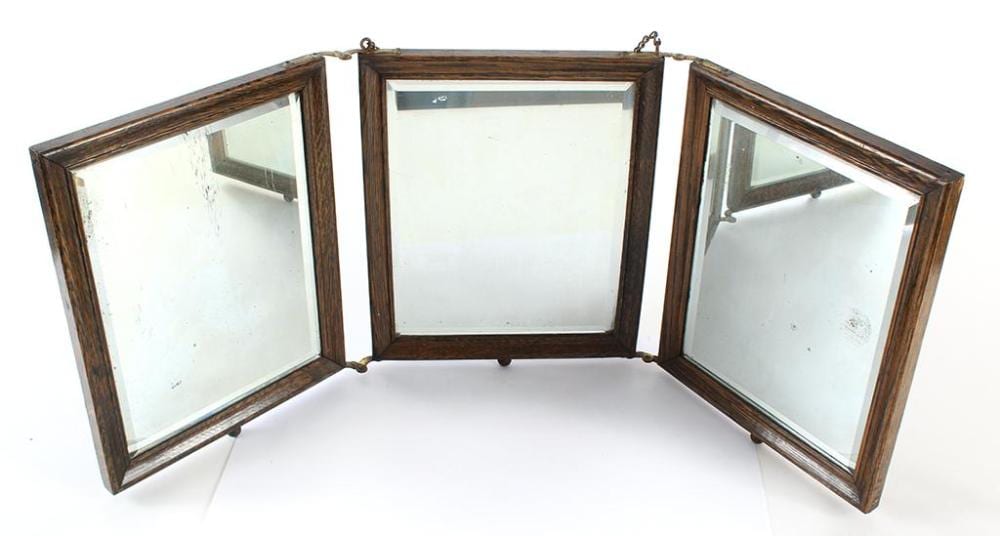
ANTIQUE OAK TRI FOLD VANITY MIRROR - Stands alone on a dressing table or can hang on a wall; three beveled mirrors.; brass folding h... sold by Pacific Galleries, lot 66 — auction record photograph ANTIQUE OAK TRI FOLD VANITY MIRROR - Stands alone on a dressing table or can hang on a wall; three beveled mirrors.; brass folding h... Pacific Galleries 2018-12-15 66 USD 25
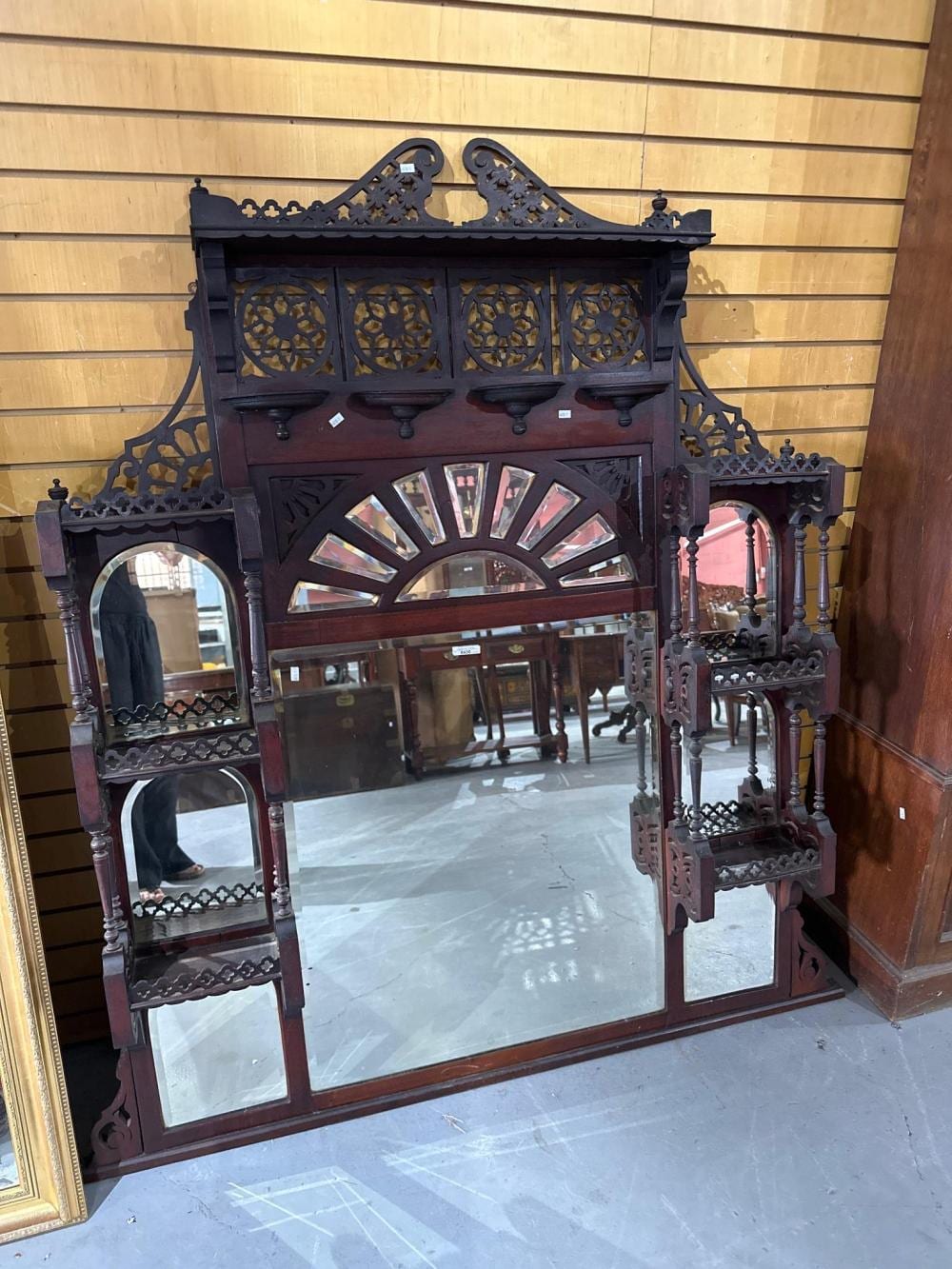
Antique mahogany overmantel mirror, various trinket shelves with multiple small mirrors inset to frame, all with bevelled edge, extensive fretwork detail. 142 cm wide, 154 cm high. sold by Bargain Hunt Auctions, lot 8400 — auction record photograph Antique mahogany overmantel mirror, various trinket shelves with multiple small mirrors inset to frame, all with bevelled edge, extensive fretwork detail. 142 cm wide, 154 cm high. Bargain Hunt Auctions 2023-04-02 8400 AUD 130
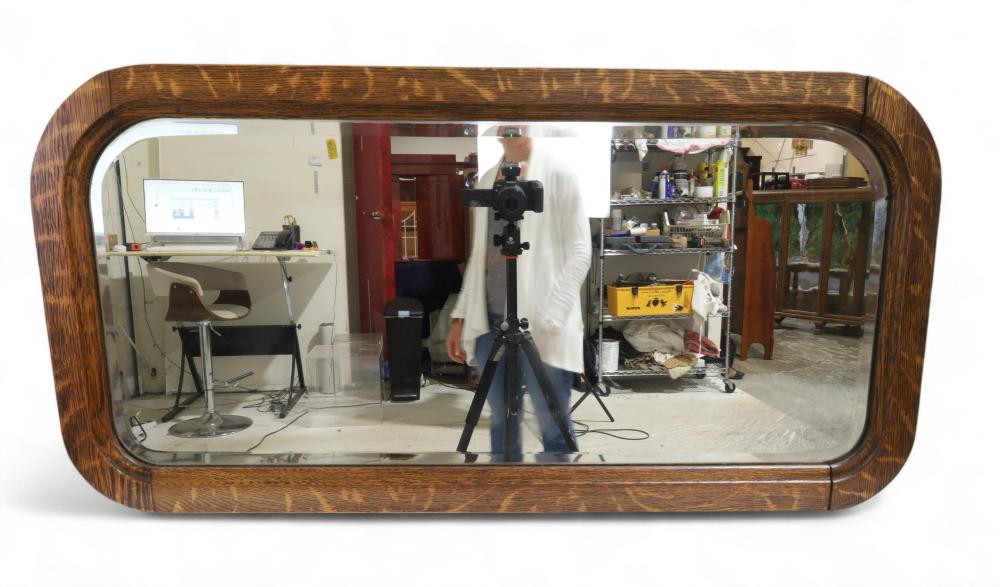
Oak Beveled Antique Mirror sold by Regency Auction House, lot 205 — auction record photograph Oak Beveled Antique Mirror Regency Auction House 2024-09-12 205 USD 60
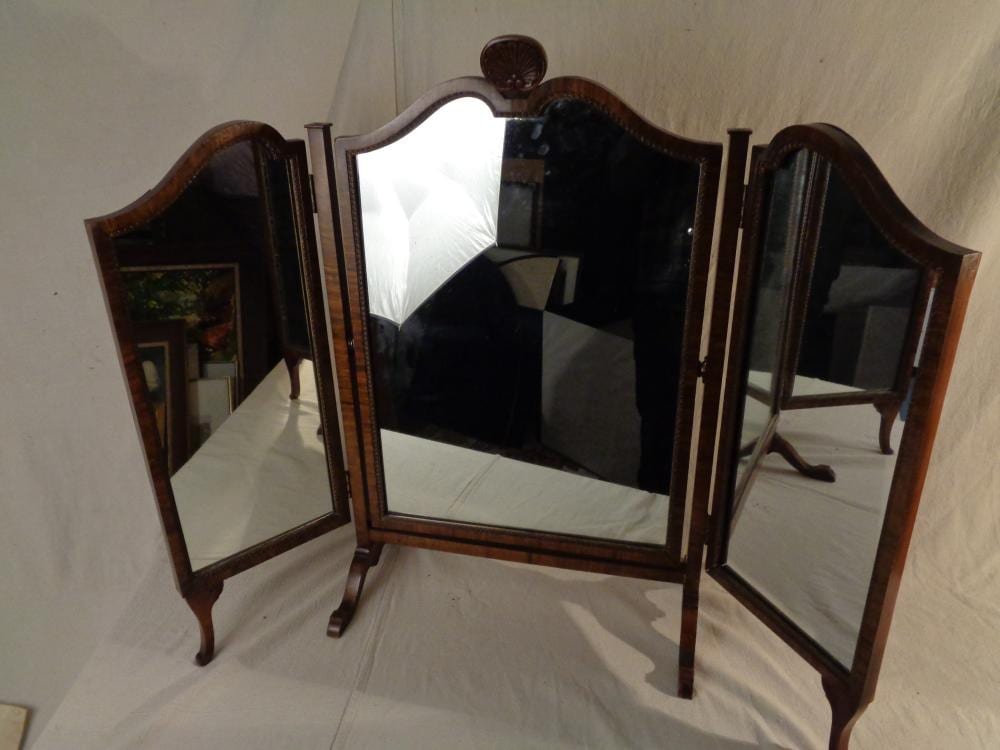
Antique Tri-Fold Vanity / Table Mirror sold by District Auction, lot 58 — auction record photograph Antique Tri-Fold Vanity / Table Mirror District Auction 2019-01-13 58 USD 50
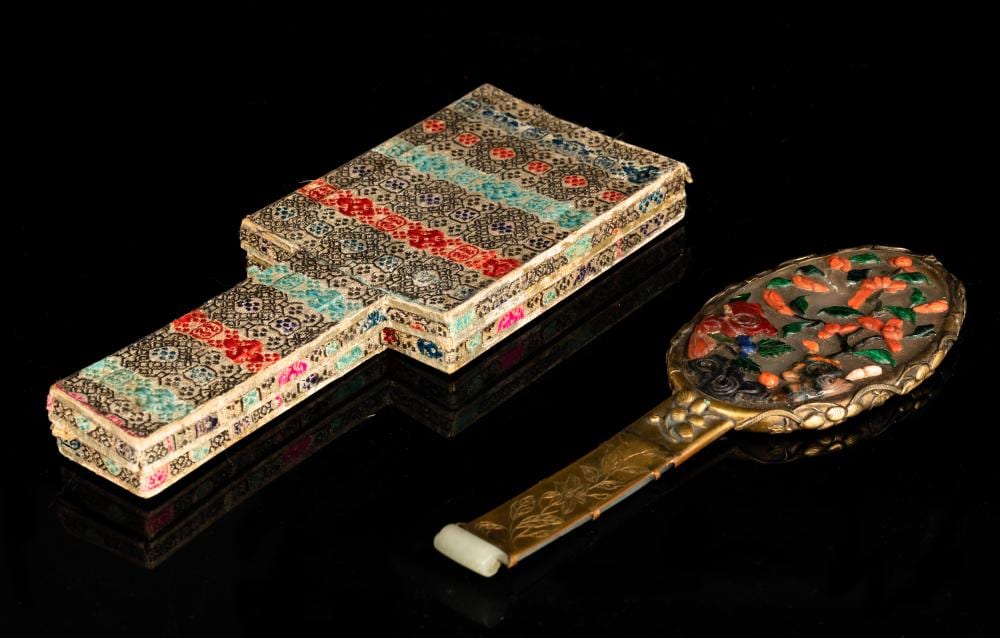
19th Antique Mirror With Case sold by Wealthier Art & Auction, lot 255 — auction record photograph 19th Antique Mirror With Case Wealthier Art & Auction 2018-08-10 255 USD 300
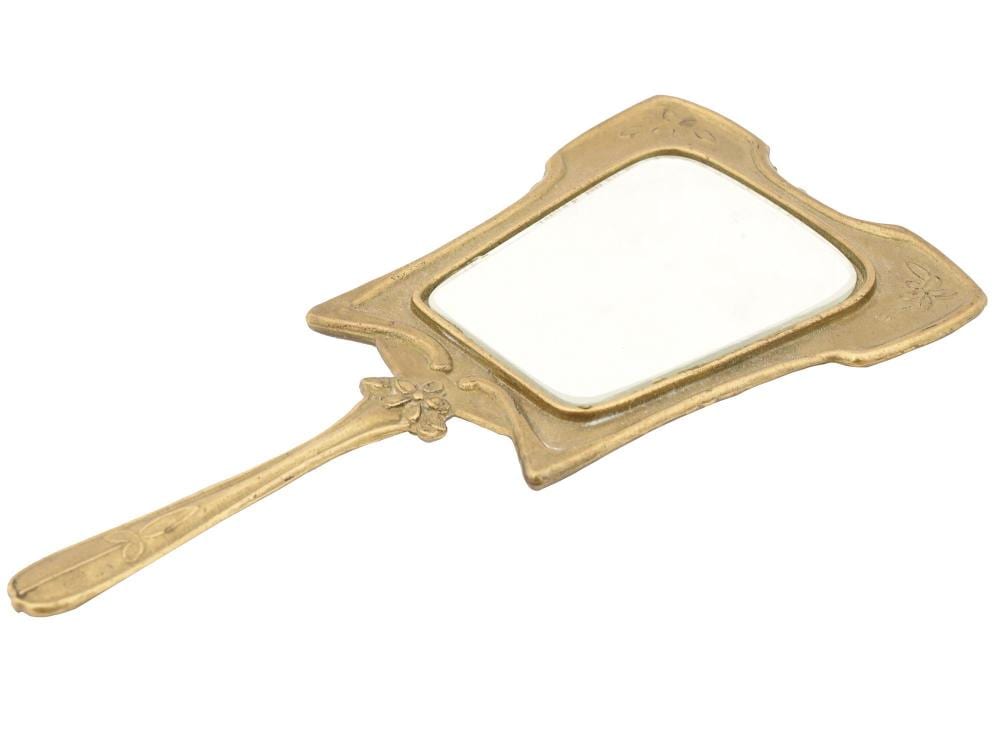
ANTIQUE ART NOUVEAU GILT BRONZE HAND MIRROR sold by Antique Arena Inc, lot 330 — auction record photograph ANTIQUE ART NOUVEAU GILT BRONZE HAND MIRROR Antique Arena Inc 2023-01-28 330 USD 50
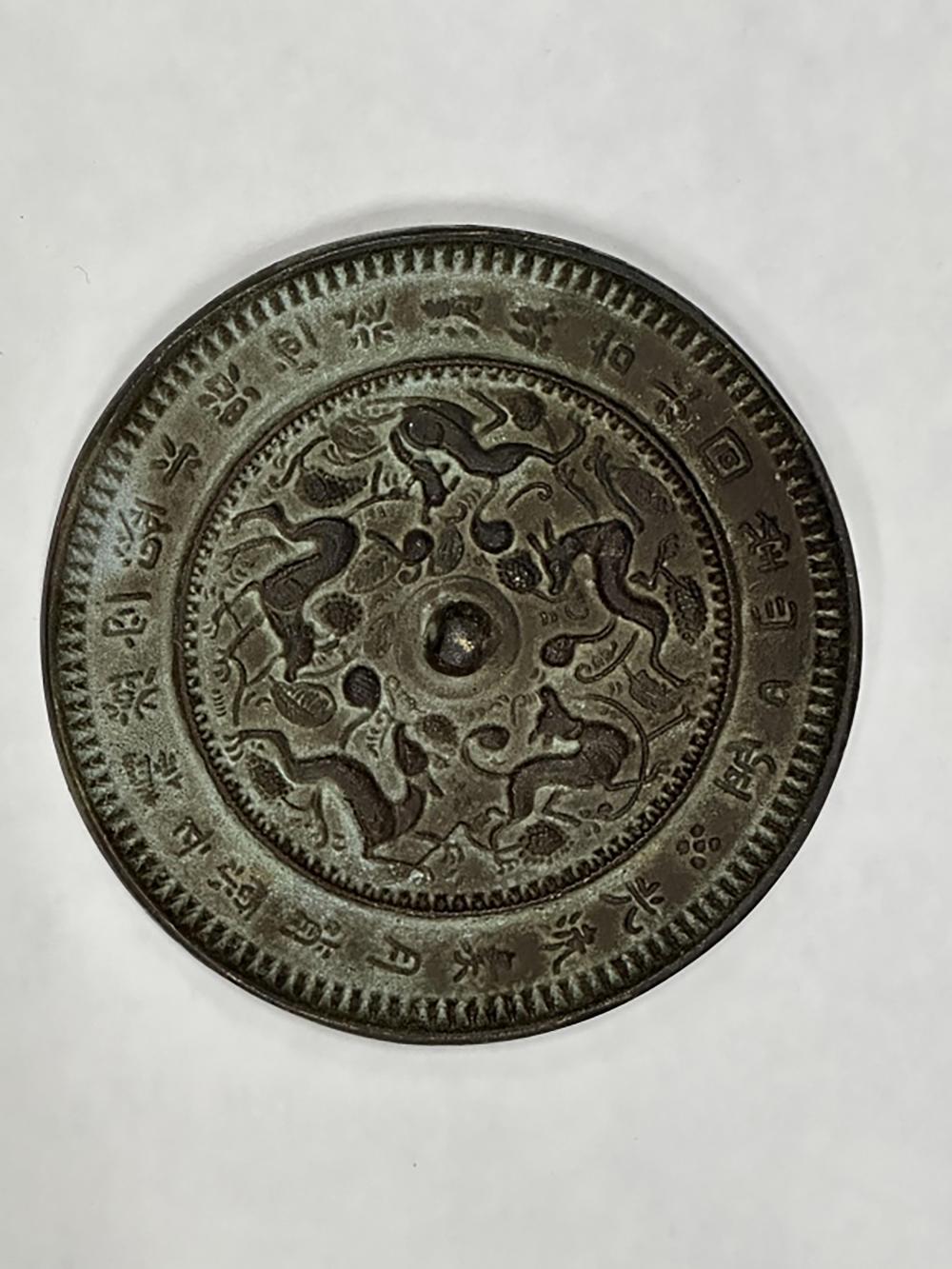
Antique Bronze Mirror sold by Houston Antique Auction LLC, lot 517 — auction record photograph Antique Bronze Mirror Houston Antique Auction LLC 2024-08-08 517 USD 20
How these auction records were verified

These sales are market context, not an object estimate.

Each row is tied to its lot identity, retrieval time, access result, and immutable record hash. Live source access was blocked; the exact record matched Appraisily's immutable pipeline provenance. Inspect the public comparable provenance record.

Free photo check

Not sure if your item is worth appraising? Let us take a look.

Upload a photo, tell us what you know, and get a free photo check. If a full appraisal makes sense, we will say so.

Step 1 of 2

Free. No card needed. Takes about two minutes.

Modern & fine art

Browse the Art Appraisers Directory

Compare fine art, contemporary, and design appraisers by city and specialty in our public directory.

Browse local art specialists

Ready for pricing guidance?

Start a secure online appraisal

Upload images and details. Delivered within 24 hours of receiving your photos.

Upload photos for a free first look View signed report sample