
Antique Wood Mirrors Value: appraisal and value basics
Antique Wood Mirrors Value research should start with identification, condition, provenance, and recent comparable sales. Use this guide to compare the signals that matter before paying for a formal appraisal or deciding whether to sell.
Antique wooden mirrors represent not just functional items but windows into the past, reflecting both their owners and the artistic sensibilities of their era. Whether you’ve inherited a family heirloom, discovered a potential treasure at an estate sale, or are building a collection, understanding the value of these ornate pieces requires knowledge of their history, craftsmanship, and market dynamics.
What Makes Antique Wooden Mirrors Valuable?
Antique wooden mirrors typically range in value from $500 to $5,000, though exceptional examples can fetch significantly more at auction. This wide price range reflects the diverse factors that influence valuation:
Key Value Factors for Antique Mirrors
Age: Generally, older mirrors (pre-1850) command higher prices
Provenance: Mirrors with documented history to notable owners or locations
Rarity: Unusual designs, limited production periods, or mirrors from smaller workshops
Condition: Original glass, intact frame, and authentic finish increase value
Craftsmanship: Intricately carved frames with skilled artisanship
Materials: Quality of wood, gilding techniques, and mirror glass composition
The period of origin heavily influences an antique mirror’s value. Mirrors from the Georgian, Regency, and Victorian eras each have distinctive characteristics that collectors seek.
Identifying Different Styles of Antique Wooden Mirrors
Historical Evolution of Wooden Mirror Styles
- 18th Century
Georgian Period (1714-1837)
Georgian mirrors feature symmetrical designs, often with broken pediments, gilt finishes, and mythological motifs. Mahogany and walnut were common woods. Values typically range from $1,000-$5,000 for authentic pieces.
- Early 19th Century
Regency Period (1811-1820)
Regency mirrors show classical influence with columns, rosettes, and laurel wreaths. Black and gold contrasts were popular. These mirrors often sell for $800-$2,500.
- Mid-19th Century
Victorian Period (1837-1901)
Victorian mirrors display ornate carvings, gothic revival elements, and heavier proportions. Woods like oak, mahogany, and rosewood were common. Values range from $500-$3,000.
- Late 19th Century
Arts & Crafts Period (1880-1910)
Arts & Crafts mirrors feature simpler designs with visible joinery, nature-inspired motifs, and often oak construction. These typically sell for $400-$1,200.
Common Types of Antique Wooden Mirrors
The shape and function of antique mirrors also affects their value and collectibility:
- Cheval mirrors: Full-length standing mirrors on swivel frames, often made of mahogany
- Pier mirrors: Tall, narrow mirrors designed to hang between windows
- Overmantel mirrors: Horizontal mirrors designed to hang above fireplaces
- Toilet mirrors: Small, adjustable dressing table mirrors on stands
- Trumeau mirrors: French-style mirrors with painted panels above the glass
- Girandole mirrors: Circular mirrors with convex glass and decorative frames, often with candle arms
Authentication and Condition Assessment
Antique Mirror Authentication Checklist
Use these criteria to assess whether a wooden mirror is genuinely antique
- Glass exhibits waviness or imperfections
- Mirror shows appropriate oxidation or spotting
- Wood shows age-appropriate patina and wear
- Frame construction uses period-appropriate techniques
- Evidence of hand carving rather than machine work
- Original hardware or mounting fixtures
- Frame back shows appropriate aging
How to Identify Authentic Antique Mirror Glass
The glass itself provides important clues to a mirror’s age:
- Pre-1835 mirrors often used mercury-tin amalgam for the reflective backing, which shows distinctive oxidation patterns and dark spotting
- Mid-19th century mirrors began using silver nitrate processes, which age differently than modern mirrors
- Waviness and imperfections in the glass suggest hand-blown production methods
- Glass thickness in antique mirrors is typically uneven compared to modern production
According to experts at the Decorative Collective, you can test for an antique mirror by placing a rod against the glass — if the point appears separated from its reflection, it likely indicates older mercury glass production methods.
Condition Factors Affecting Value
The condition of an antique wooden mirror significantly impacts its value:
Condition Impact on Antique Mirror Value
How condition affects market pricing

Current Market Values for Antique Wooden Mirrors
According to recent sales data from auction houses, online marketplaces, and antique dealers, here are the current price ranges for different types of antique wooden mirrors:
Antique Wooden Mirror Market Values
Current price ranges based on recent sales (2024)
| Category | Price | Notes |
|---|---|---|
| Excellent condition | 100% of base value | Original glass, minimal wear, authentic finish |
| Good condition | 70-85% of base value | Original glass, minor repairs, some wear to frame |
| Fair condition | 40-60% of base value | Original glass with significant spotting, frame damage |
| Poor condition | 20-30% of base value | Replacement glass, major repairs, significant damage |
Recent Auction Results
Recent auction sales demonstrate the high-end market for exceptional antique wooden mirrors:
| Category | Price | Notes |
|---|---|---|
| Georgian Gilt Wood Mirror (18th century) | $1,500-$6,000 | Higher for rare examples with provenance |
| Victorian Mahogany Mirror | $400-$1,200 | Overmantel versions command premium prices |
| French Trumeau Mirror (18th-19th century) | $1,200-$5,000 | Original painted panels increase value |
| Federal Style American Mirror | $800-$3,000 | Eagle motifs particularly desirable |
| Arts & Crafts Oak Mirror | $400-$1,000 | Premium for known designers like Liberty & Co. |
| Chippendale Style Mirror | $700-$2,500 | Original gilt finish commands premium |
While auction houses often handle higher-value pieces, online marketplaces like eBay and Etsy offer more accessible options, with prices typically ranging from $200-$1,500 depending on quality, condition, and style.

Where to Buy and Sell Antique Wooden Mirrors
Best Places to Purchase Authentic Antique Mirrors
- Specialized antique dealers - Offer expertise and authentication, though typically at premium prices
- Auction houses - Christie’s, Sotheby’s, and Bonhams for high-end pieces; regional auctions for mid-range items
- Online marketplaces - 1stDibs, Chairish, and Boston Consignment for curated selections
- Antique shows and fairs - Allow in-person inspection and negotiation
- Estate sales - Potential for discoveries at reasonable prices
- Online auctions - eBay and specialty auction sites
Selling Antique Wooden Mirrors
If you’re looking to sell:
- Get a professional appraisal - a signed appraisal from Appraisily costs $59 per item: an appraiser reviews your photos against comparable sales and signs a PDF report with the documented value
- Consider consignment - Antique dealers and auction houses can reach targeted buyers
- Research comparable sales - Use completed listings on eBay and auction results to set realistic expectations
- Provide provenance documentation - History adds value and credibility
- Quality photographs - Showcase condition, details, and any maker’s marks
- Consider restoration carefully - Minor conservation may improve value, but over-restoration can diminish authenticity
Gold-gilded frame antique mirrors from the early 20th century currently hold market values of $200-250, while exceptional 18th-century examples can reach several thousand dollars.
Care and Preservation of Antique Wooden Mirrors
Caring for Antique Mirror Glass
- Clean gently - Use a soft, lint-free cloth with minimal moisture
- Avoid commercial glass cleaners - These can damage antique mirror backings
- Clean infrequently - Over-cleaning can accelerate deterioration
- Handle with care - Support the frame when moving, never lift by decorative elements
- Mercury awareness - Very old mirrors may contain mercury; handle with care and keep away from heat
Wooden Frame Maintenance
- Dust regularly - Use a soft brush or cloth
- Maintain humidity levels - Avoid extreme fluctuations that can crack wood
- Keep away from direct sunlight - UV rays can fade finishes and damage wood
- Gentle waxing - Apply appropriate wax polish 1-2 times yearly
- Professional restoration - Seek expert help for significant repairs
Display Considerations
- Wall mounting - Ensure proper weight support and use period-appropriate hardware
- Avoid heat sources - Keep away from fireplaces, heaters, and radiators
- Consider security - Valuable mirrors should be securely mounted
- Insurance documentation - Keep appraisals and photographs for insurance purposes
Common Questions About Antique Wooden Mirrors
How do I know if my antique mirror is valuable?
- Age: Mirrors from the 18th and early 19th centuries typically command higher prices
- Condition: Original glass with authentic aging patterns and intact frames are more valuable
- Craftsmanship: Look for hand-carved details, quality gilding, and skilled joinery
- Style: Certain periods (Georgian, Federal, Regency) are particularly desirable
- Provenance: Documented history can significantly increase value
How can I tell how old a mirror is?
- Glass quality: Older mirrors have uneven thickness and waviness in the glass
- Reflection characteristics: The older a mirror is, the more inconsistency you’ll see in its reflection
- Spotting patterns: Antique mirrors often develop dark spots or silvering patterns from oxidation
- Frame construction: Look for hand-cut dovetail joints, old nails, or wooden pegs
- Back examination: The back of genuine antique mirrors often shows age-appropriate darkening and patina
What does the back of an antique mirror look like?
- The mirror coating on genuine antiques typically oxidizes or tarnishes over time
- Dark or blotchy spots visible through the glass are common in antique mirrors
- The backing material may be darker around the edges where air has penetrated
- Pre-1835 mirrors using mercury amalgam will have a different pattern than later silver nitrate mirrors
- The wood backing or frame should show appropriate aging and patina
- Look for original hanging hardware, paper labels, or maker’s marks
- Frame construction should use period-appropriate techniques like hand-cut joinery
How do you tell if you have a mercury mirror?
-
Reflection test: Place a pen or toothpick on the mirror surface. If the point appears separated from its reflection (with visible space between), it likely indicates thicker glass used with mercury backing.
-
Spotting pattern: Mercury mirrors develop distinctive dark spots that differ from silver nitrate mirrors. These spots often appear as dark islands scattered across the reflective surface.
-
Weight: Mercury mirrors are typically heavier than later examples.
-
Edge examination: Looking at the edge of the glass may reveal the thick layer of mercury amalgam.
What is the most valuable type of antique wooden mirror?
-
18th century gilded mirrors: Particularly those from the Georgian period (1714-1830) with original gilt finish and glass
-
French Trumeau mirrors: Especially 18th-century examples with original painted panels and gilt work
-
American Federal period mirrors (1780-1830): Particularly those with documented provenance to important makers
-
Chippendale mirrors: With elaborate carved details and original finishes
-
Royal or aristocratic provenance: Mirrors with documented history to notable owners can command exceptional prices
Can I restore an antique mirror without reducing its value?
Generally acceptable practices:
- Gentle cleaning of the frame with appropriate materials
- Minor stabilization of loose joints or elements
- Conservation treatments by qualified professionals
- Repair of minor frame damage with period-appropriate materials
Practices that may reduce value:
- Replacing original mirror glass
- Regilding or completely refinishing frames
- Using modern materials in repairs
- Over-cleaning that removes original patina
External Resources for Antique Mirror Valuation
Westland London: Antique Mirror Valuation Guide
Comprehensive guide to identifying and valuing antique mirrors with expert insights into factors that determine worth.
1stDibs: 1880s Wall Mirrors Marketplace
Curated online marketplace featuring high-quality antique mirrors with authenticated provenance and detailed descriptions.
Reperch: Antique Mirrors Value Guide
Comprehensive guide to identifying the key aspects that determine an antique mirror's value.
HobbyLark: Determining Old Mirror Value
Collector-focused resource with practical tips for evaluating antique mirrors yourself.
Pioneer Glass: Introduction to Antique Mirrors
Educational resource on the history and technical aspects of antique mirror production.
Conclusion: Investing in Antique Wooden Mirrors
Antique wooden mirrors combine artistic merit, historical significance, and functional beauty, making them desirable collectibles. Whether you’re a serious collector, decorator, or simply appreciate these elegant pieces of history, understanding their value involves considering age, style, condition, and provenance.
As with all antiques, the market for wooden mirrors fluctuates with collecting trends, but the finest examples consistently maintain their value due to their craftsmanship and historical importance. For significant purchases or sales, consulting with reputable dealers or professional appraisers remains the best approach to ensuring fair value.
Remember that beyond monetary worth, these mirrors connect us to the craftsmanship and aesthetic sensibilities of previous generations—a value that transcends market prices and continues to make them cherished additions to contemporary homes and collections.
More frame and mirror value guides
Readers comparing this topic often check adjacent identification and value guides before deciding whether to upload photos for a free screen.
Get a Professional Appraisal
Unsure about your item’s value? Appraisily provides a signed report with documented market evidence and stated limits.
- Signed report with photos and market evidence
- Delivered within 24 hours of receiving your photos
- Fixed, upfront pricing
No obligation. Secure upload.
What similar items actually sold for
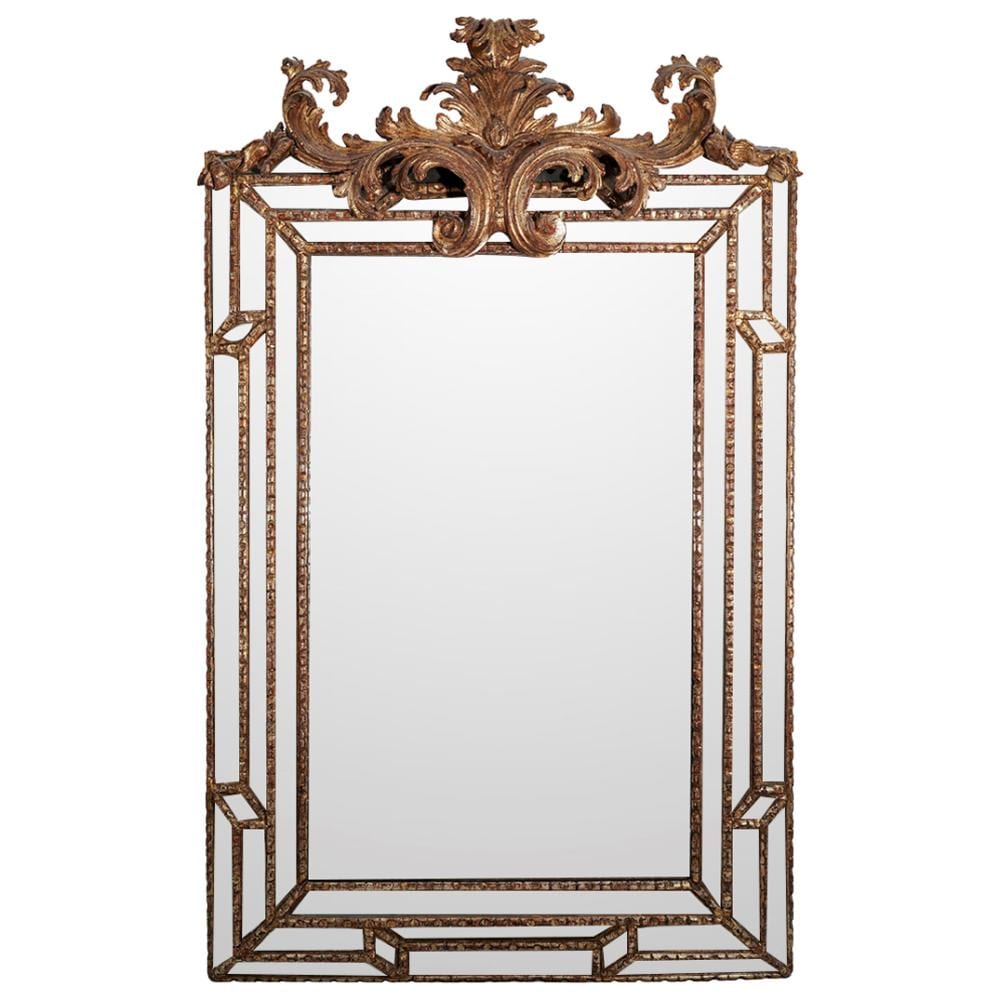
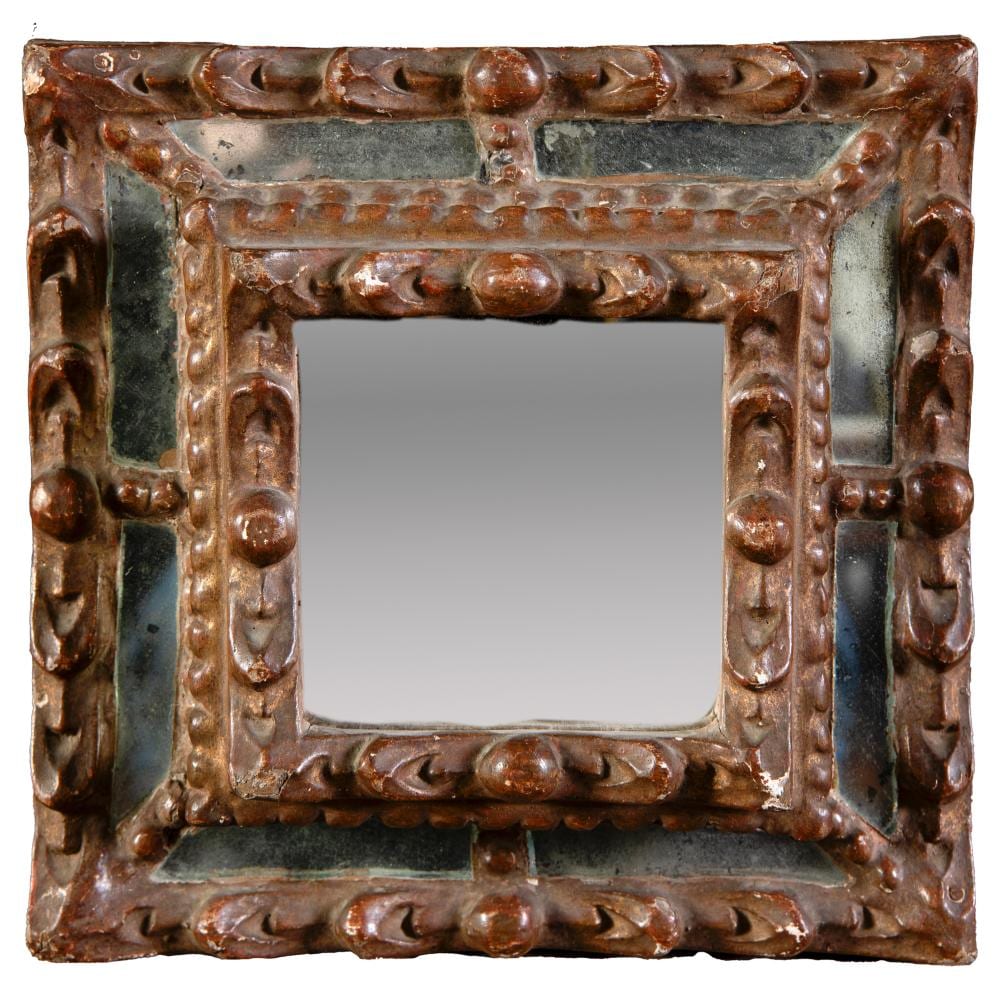
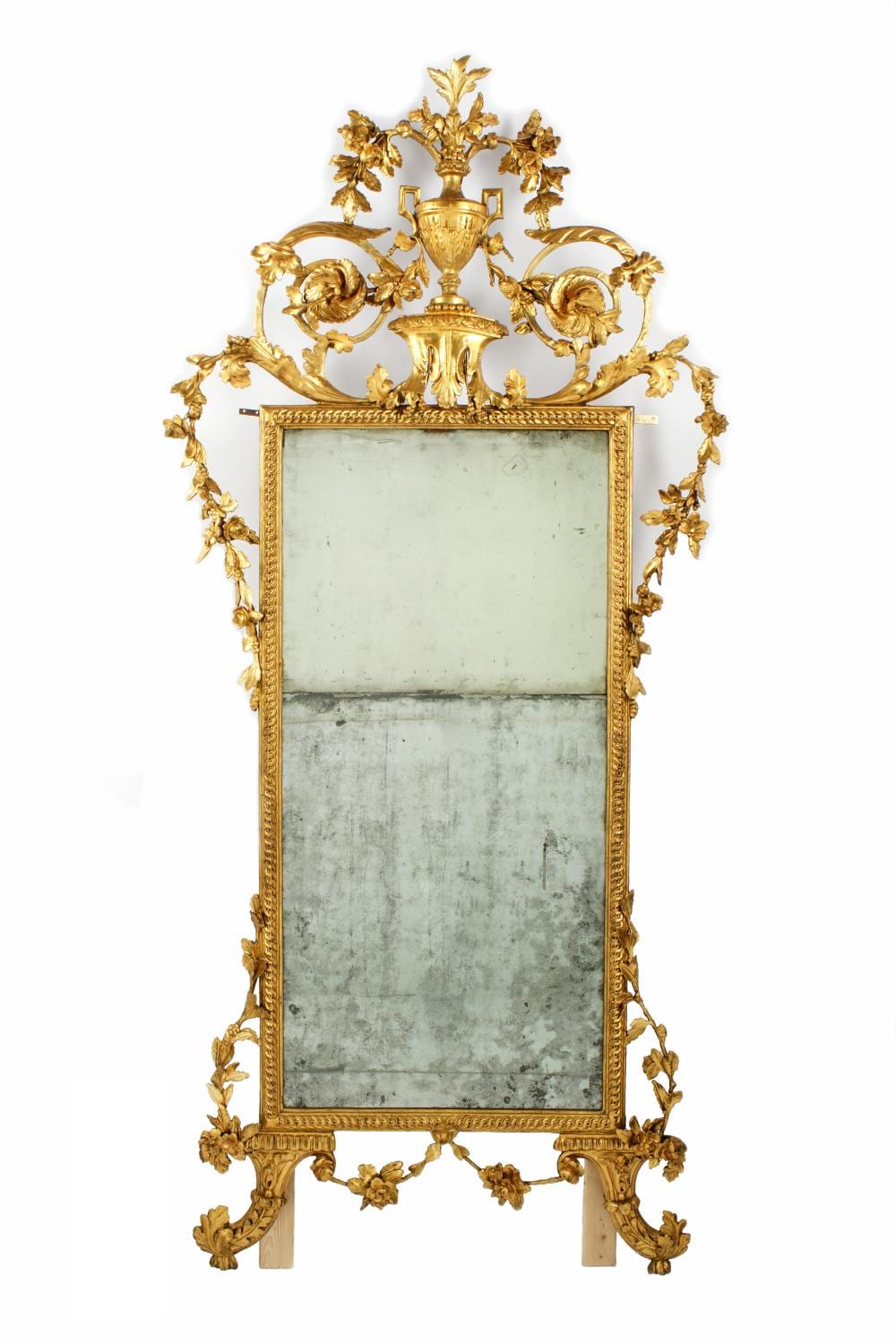
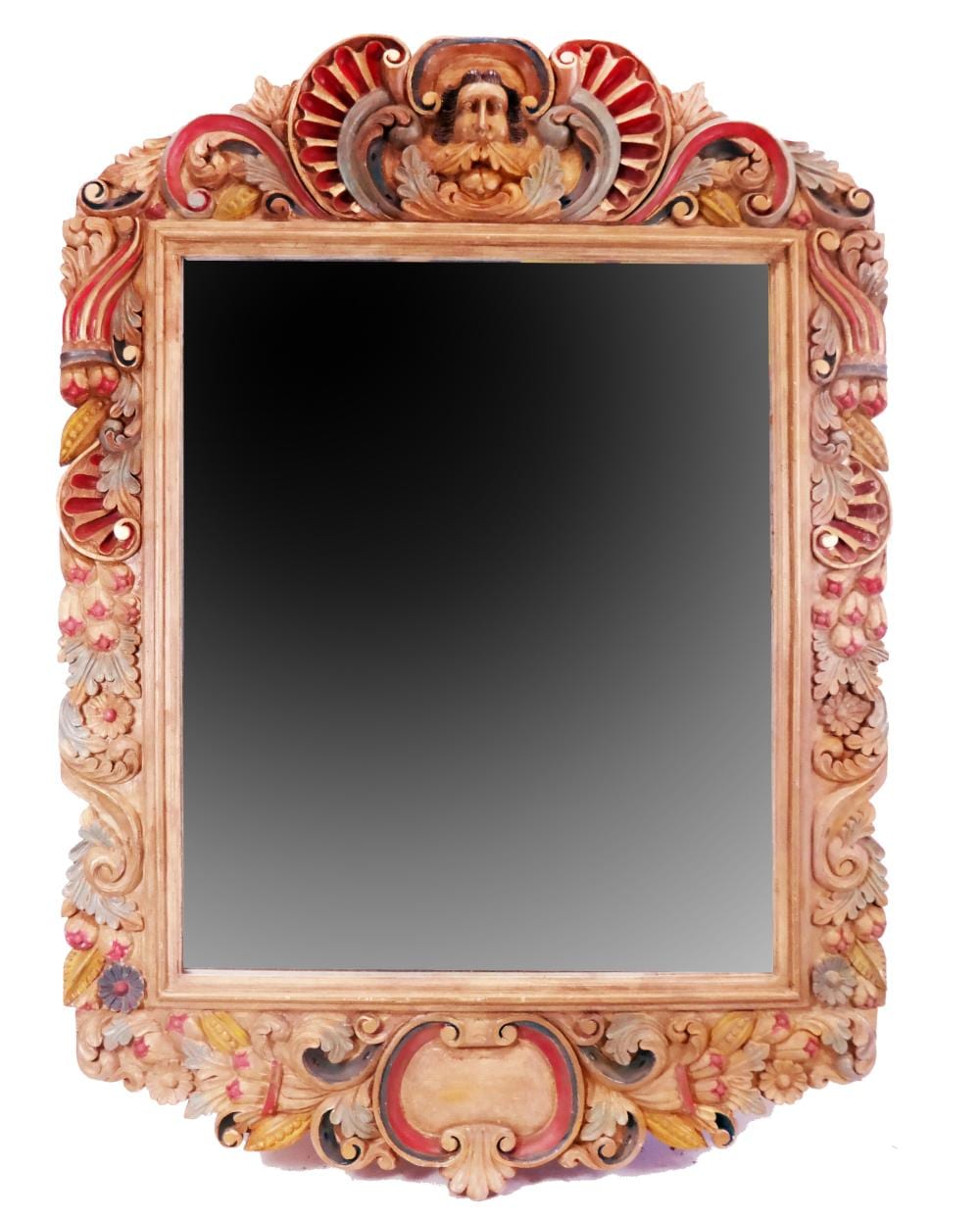
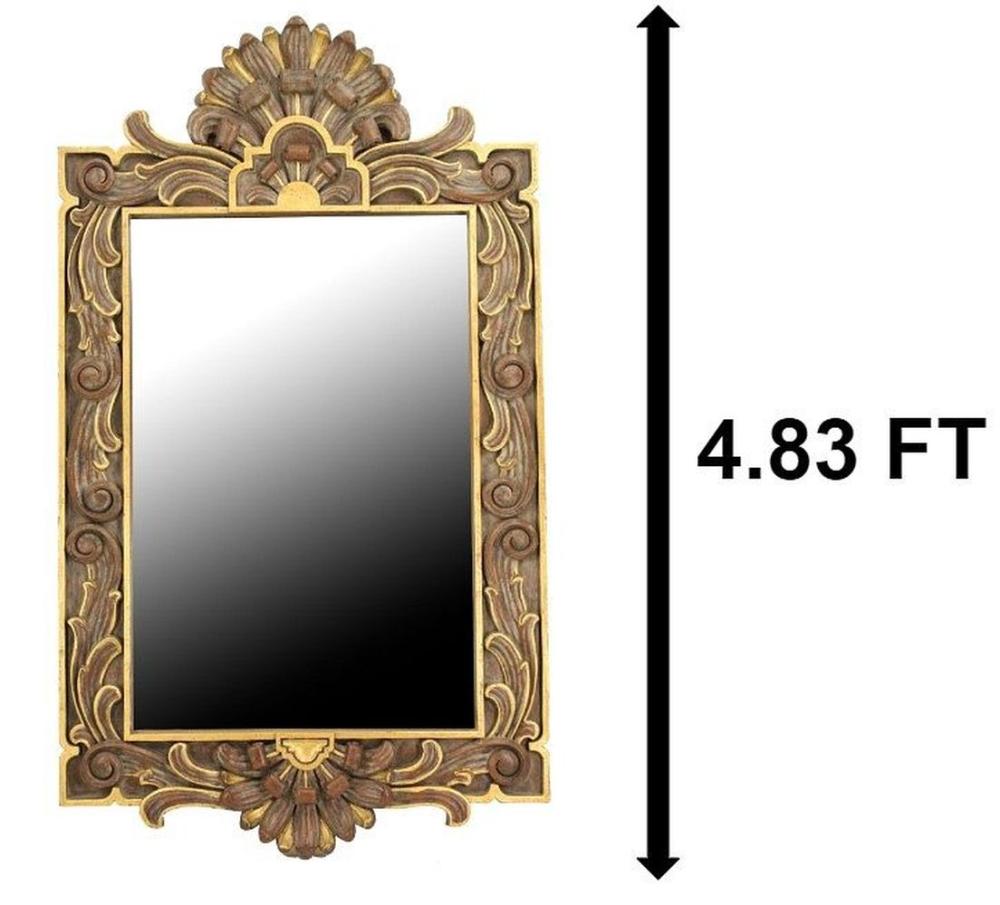
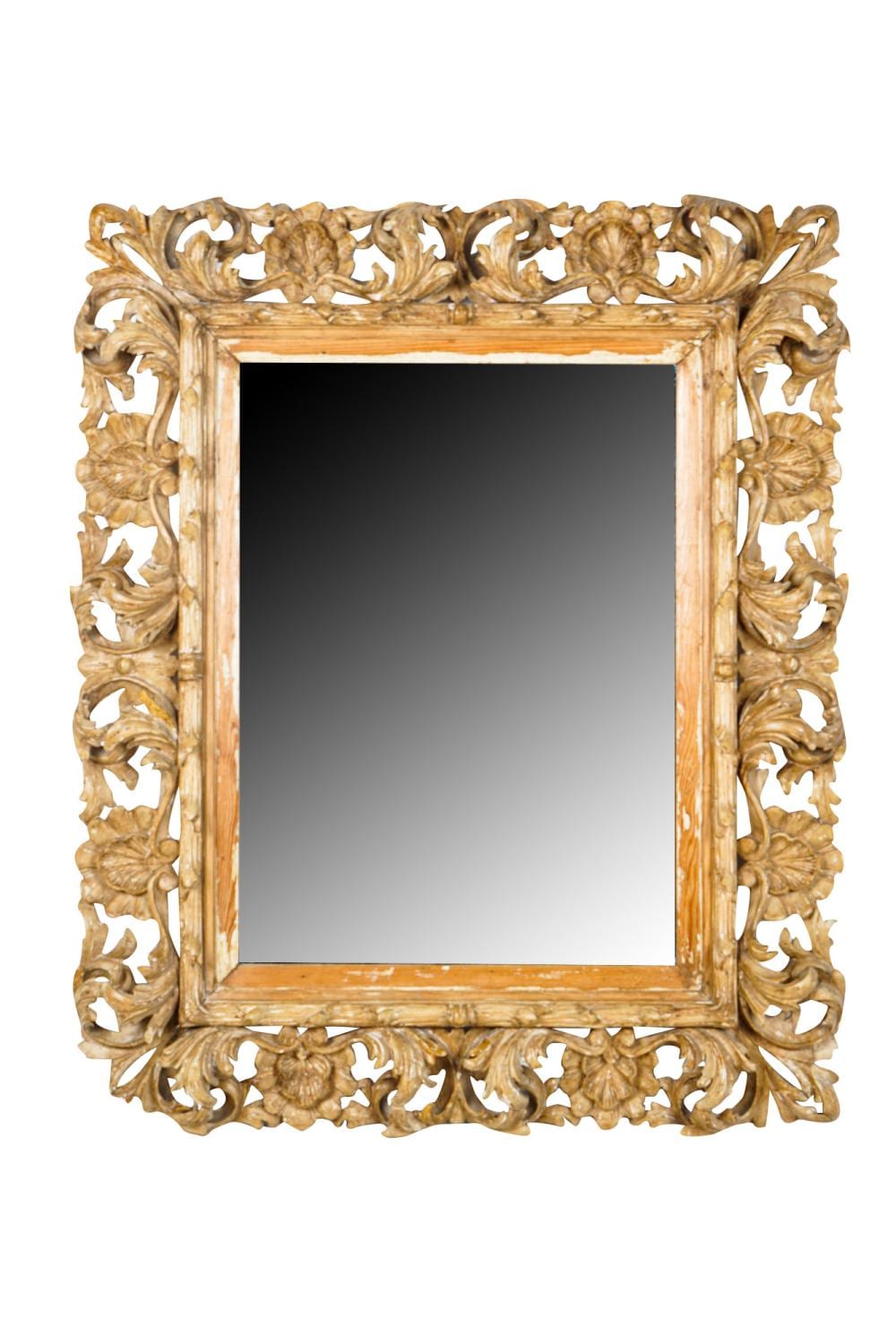
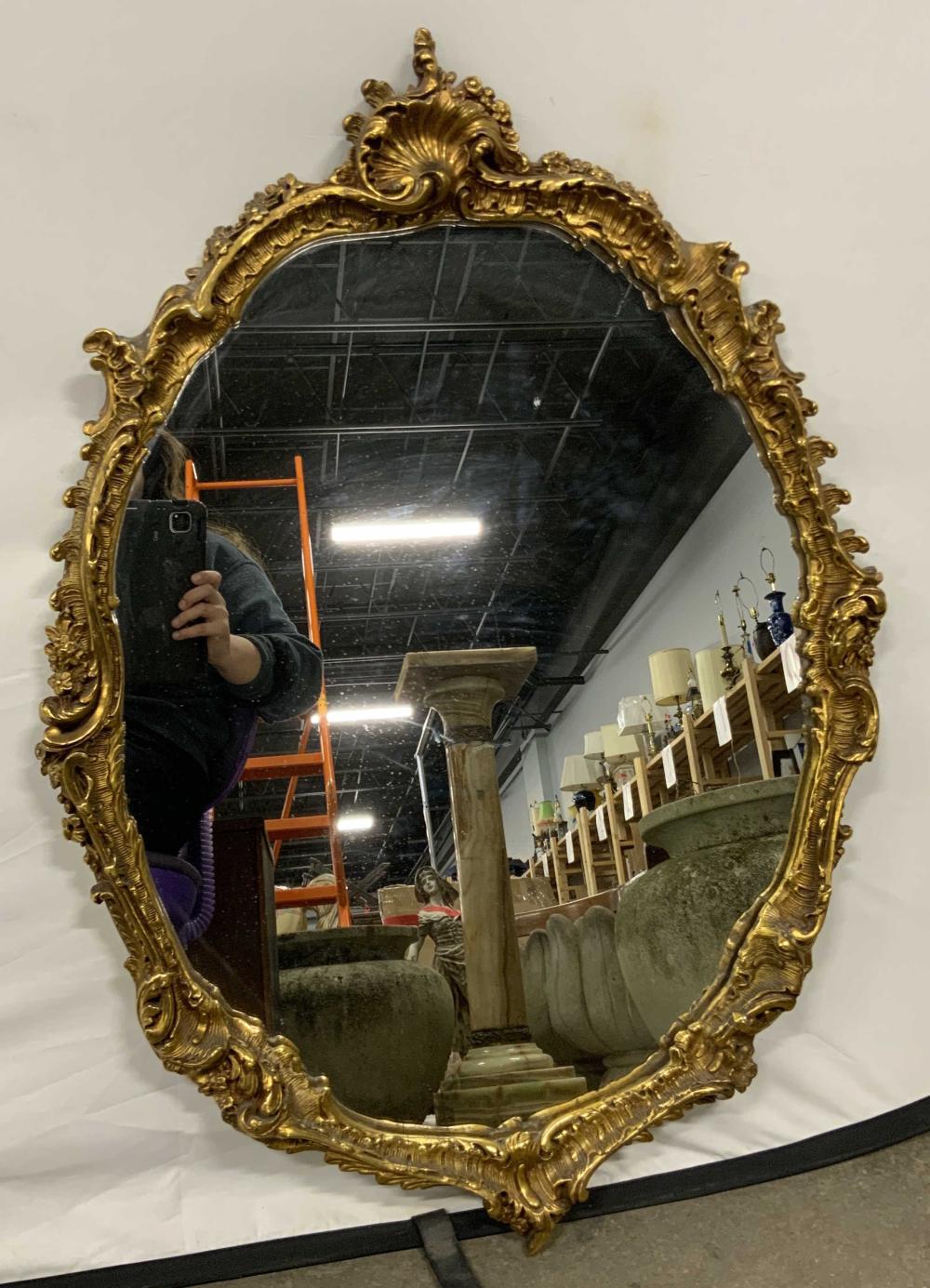
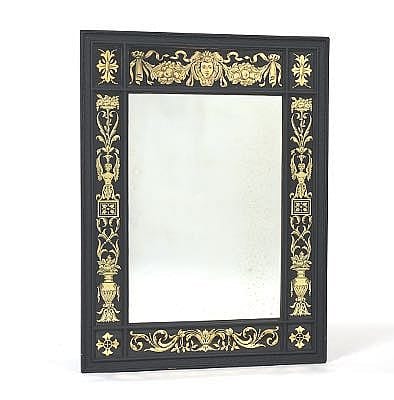
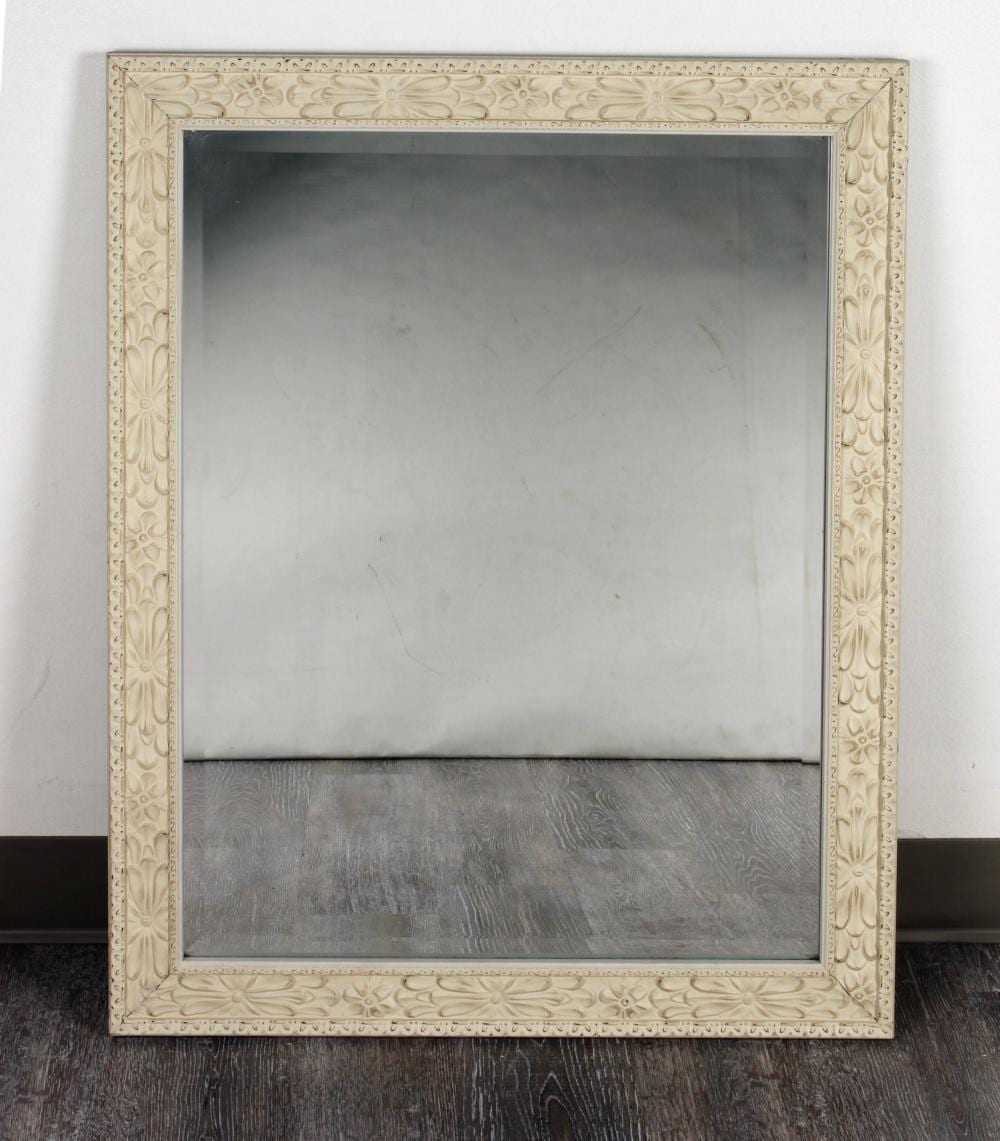
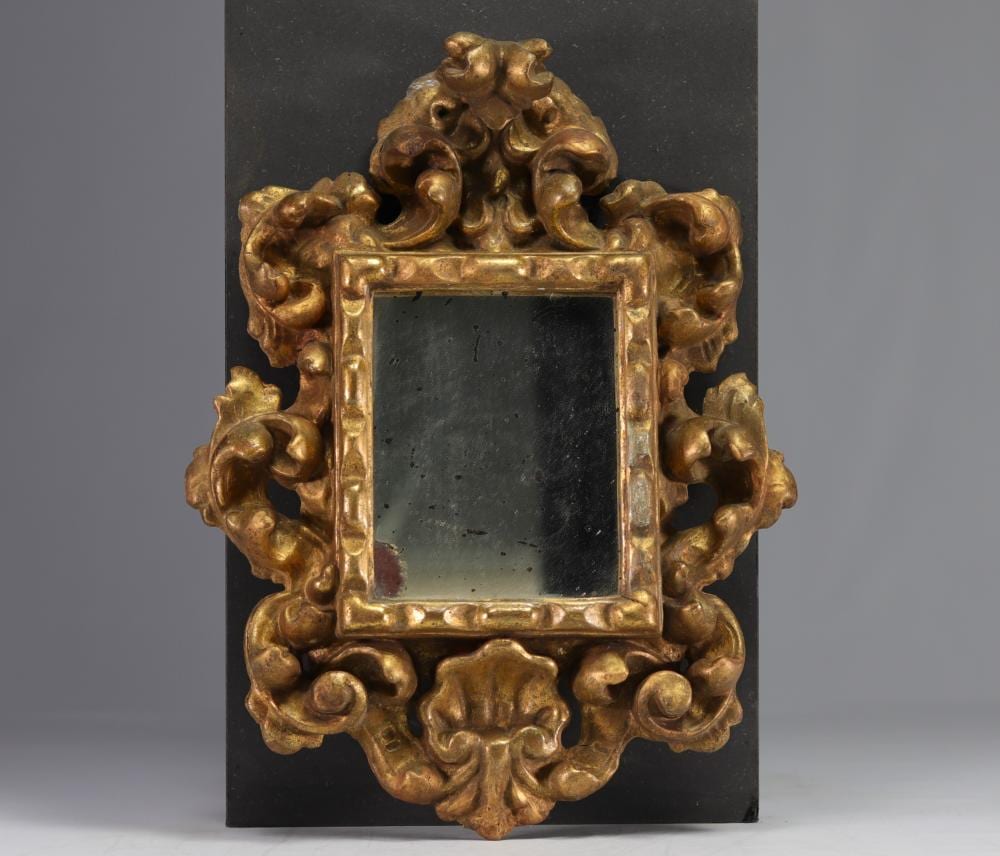
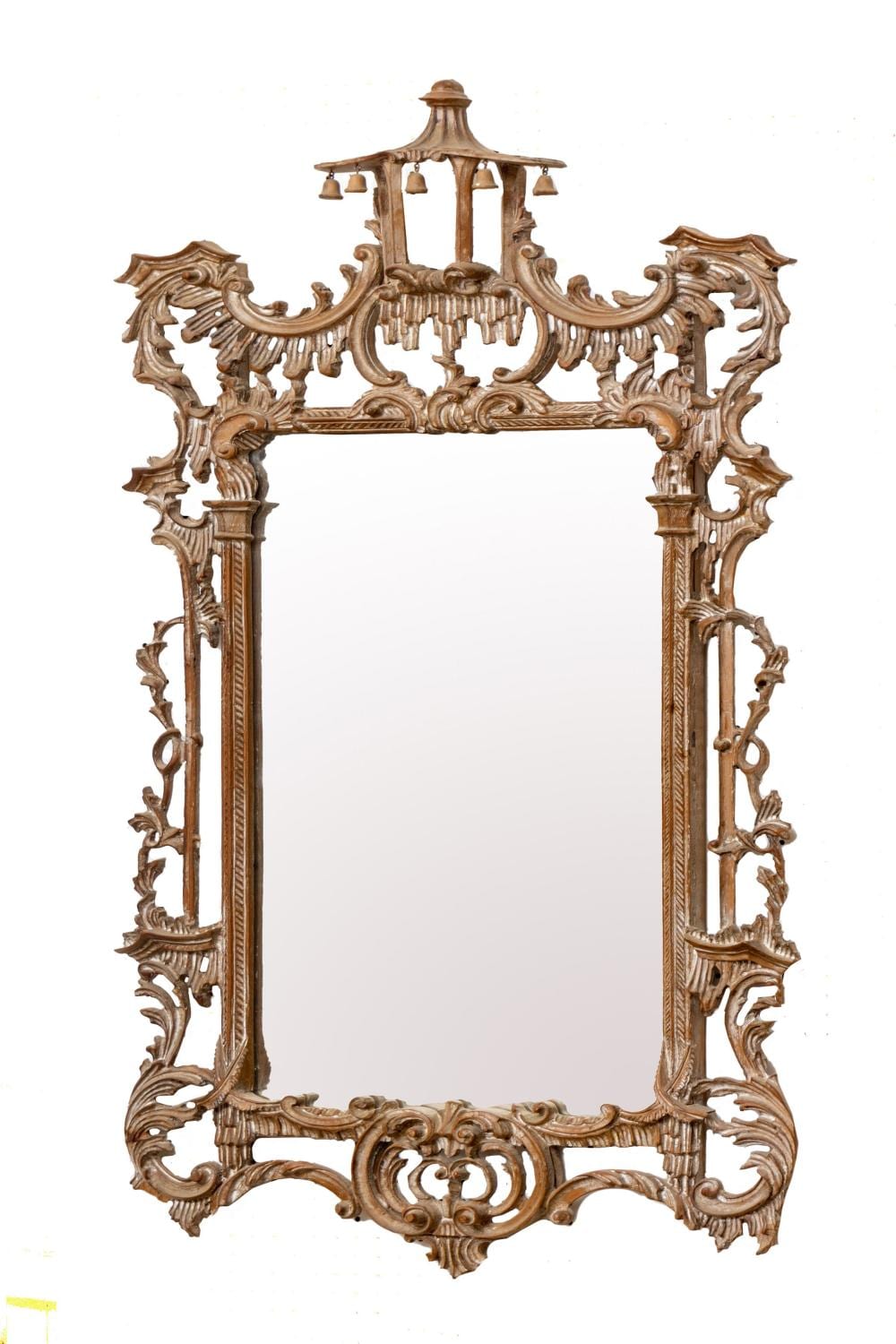
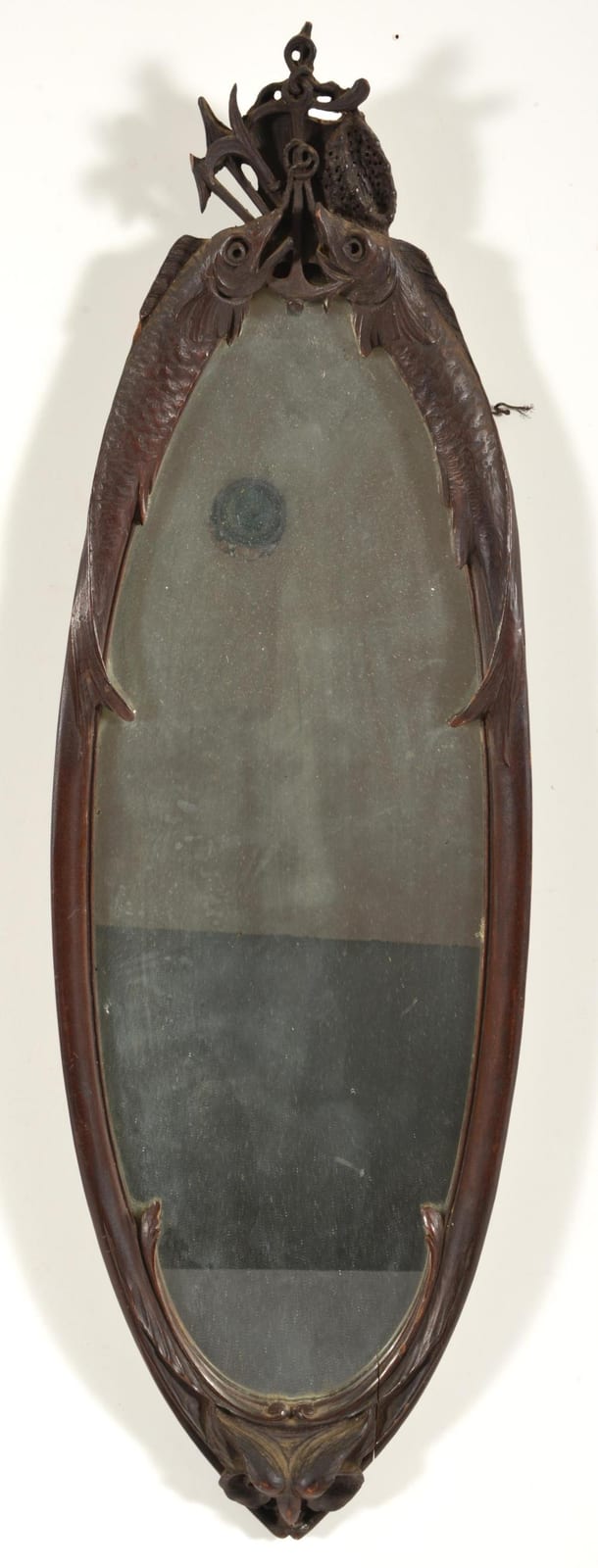
Real auction sales of items like your carved wood mirror. Open a sale to see the original listing.
Shown USD range: USD 10-USD 2,500. Median of these 10 USD examples: USD 375.
How these auction records were verified
These sales are market context, not an object estimate.
Each row is tied to its lot identity, retrieval time, access result, and immutable record hash. Live source access was blocked; the exact record matched Appraisily's immutable pipeline provenance. Inspect the public comparable provenance record.
Free photo check
Not sure if your item is worth appraising? Let us take a look.
Upload a photo, tell us what you know, and get a free photo check. If a full appraisal makes sense, we will say so.
Free. No card needed. Takes about two minutes.
Find a local antique or art appraiser
Ready for pricing guidance?
Start a secure online appraisal
Upload images and details. Delivered within 24 hours of receiving your photos.
Upload photos for a free first look View signed report sample