Antique dolls can be treasured family heirlooms, valuable collectibles, or both. Whether you’ve inherited a collection, discovered vintage dolls at an estate sale, or have been collecting for years, understanding their value is crucial for insurance, selling, or simply appreciating their historical significance.
In this comprehensive guide, we’ll explore how to identify antique dolls, determine their value, and understand the key factors that make some dolls worth significantly more than others. From porcelain beauties of the Victorian era to mid-century character dolls, we’ll cover the essential knowledge every doll collector should have.
Key Factors Affecting Antique Doll Values
Rarity: Dolls produced in limited quantities or from manufacturers that went out of business quickly command higher prices. For example, rare French fashion dolls from the 1800s can sell for thousands of dollars.
Condition: A doll in original, excellent condition with minimal wear will always be worth more than damaged examples. Collectors look for intact original clothing, shoes, wigs, and accessories.
Provenance: Documented history increases value, especially for dolls with notable previous owners or those featured in museum exhibitions or important collections.
Manufacturer: Dolls from renowned makers like Jumeau, Kestner, Steiner, Bru, and Kammer & Reinhardt typically command premium prices. The manufacturer’s mark is a crucial identifier.
Age: Generally, dolls from the 19th century through the early 20th century (1800-1930) are considered truly “antique” and often more valuable than more recent “vintage” dolls.
How to Identify Antique Dolls
Look for Maker’s Marks
Most quality antique dolls have a manufacturer’s mark somewhere on the body, typically on the back of the head, neck, or shoulder blades. Sometimes these marks are on the body beneath clothing. Maker’s marks can include:
- Company name or initials
- Country of origin
- Size or model numbers
- Mold numbers
- Patent dates
The Doll Reference website provides an extensive database of antique doll marks to help with identification.
Identify the Materials
The materials used can help date and identify a doll:
Bisque/Porcelain: Popular from 1860-1930, these ceramic dolls have unglazed porcelain heads with a matte finish. High-quality bisque dolls from German or French manufacturers are among the most valuable.
Composition: Made from sawdust and glue, these dolls were common from the 1920s through the 1950s. They’re often more affordable than bisque dolls but still collectible.
Celluloid: A plastic-like material used from the 1860s to 1950s. Due to flammability issues, these dolls can be rare and valuable in good condition.
Cloth/Rag Dolls: Handmade cloth dolls date back centuries, with mass-produced examples becoming popular in the early 1900s. Rare examples from well-known makers like Lenci can be valuable.
Hard Plastic: Used extensively for dolls in the 1940s-1960s. Brands like Madame Alexander and early Barbie dolls can be quite valuable.
Antique Doll Condition Assessment
Check all applicable conditions to help determine your doll's overall state and potential value
- Original wig in good condition (no significant hair loss)
- Original clothing and accessories present
- No chips, cracks, or repairs to porcelain/bisque
- Eyes function properly (sleep eyes work if applicable)
- Original body in good condition (no repairs or replaced limbs)
- No significant paint wear on face or body
- Joints move properly and are tight
- Has original box or documentation
Most Valuable Antique Doll Types
French Fashion Dolls (1860-1890)
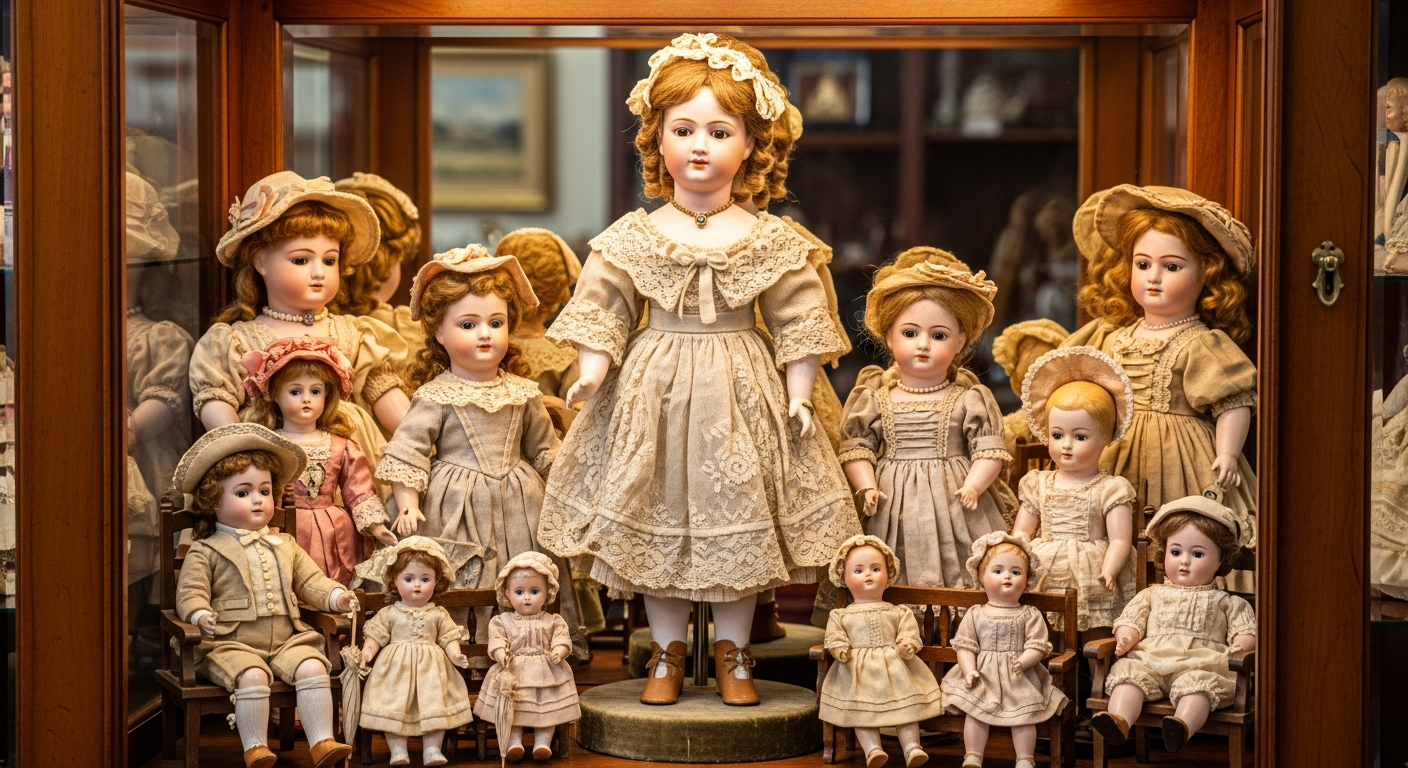
These exquisite dolls were created to display the latest Parisian fashions in miniature. With bisque heads, kid leather bodies, and elaborately detailed wardrobes, French fashion dolls from makers like Jumeau, Bru, and Huret represent the pinnacle of doll artistry.
Value: among the most valuable antique dolls; price depends on maker, condition, and completeness of original wardrobe
German Bisque Character Dolls (1909-1930)
In the early 20th century, German doll makers like Kammer & Reinhardt, Heubach, and Simon & Halbig created incredibly lifelike character dolls with expressive faces modeled after real children. These dolls revolutionized the industry by moving away from idealized beauty to realistic portraiture.
Value: rare character models in excellent condition sell for the most
Automaton Dolls
These mechanical dolls that perform actions (playing instruments, writing, or other movements) when wound with a key are exceptionally valuable. French makers like Lambert, Roullet & Decamps, and Vichy created the finest examples.
Value: high, due to their mechanical complexity and rarity
All-Bisque Miniature Dolls
Tiny dolls (typically 3-8 inches) made entirely of bisque with jointed limbs, popular from 1880-1915. Often referred to as “mignonettes” or “pocket dolls,” these charming miniatures were made primarily in Germany and France.
Value: depends on size, maker, and condition
Antique Dolls Value Guide
Current market values for common antique doll types in good to excellent condition
The Evolution of Doll Materials and Values
Antique Doll Materials Timeline
- 1800-1860
Early Materials
China head dolls with glazed porcelain heads, papier-mâché bodies, and wooden limbs. Wax-over-composition dolls also popular during this period. Many early dolls feature black painted hair rather than wigs.
- 1860-1900
The Golden Age of Bisque
French and German manufacturers perfected bisque (unglazed porcelain) doll heads with detailed features. Bodies evolved from leather to jointed wood or composition. This era produced many of today's most valuable dolls.
- 1900-1930
Character Dolls & Innovation
Realistic character faces became popular. Ball-jointed bodies improved. Companies like Kestner, Kammer & Reinhardt, and Heubach created dolls with expressive, childlike features that remain highly sought after today.
- 1930-1950
Composition & Plastic Era
Composition (sawdust and glue) dolls dominated during the Depression and WWII years. Early plastics like celluloid and later hard plastic began to replace more fragile materials, making dolls more durable and affordable.
- 1950-1970
Modern Vinyl & Fashion Dolls
Vinyl became the dominant material. Fashion dolls like Barbie (1959) revolutionized the industry. Early Barbie dolls from 1959-1966 can now command significant prices from collectors.
How to Research Your Doll's Value
Online Resources
Several reputable websites can help determine a doll’s value:
Doll Reference: The Doll Reference website offers identification guides, marks databases, and value information.
Auction Results: Auction houses like Christie’s and Sotheby’s publish results from doll auctions, helping establish market values for rare pieces.
Online Marketplaces: Searching completed sales on eBay can give you an idea of what similar dolls have sold for recently.
Collector Forums: Communities like Reddit’s Antique Doll Collecting provide places to share photos and get feedback from experienced collectors.
Printed Resources
Several essential reference books can help with identification and valuation:
- Coleman’s Encyclopedia of Dolls by Dorothy S., Elizabeth A., and Evelyn J. Coleman
- Blue Book of Dolls & Values by Jan Foulke
- Doll Values: Antique to Modern by Linda Edward
- The Complete and Illustrated Guide to the Collector Doll by Jan Foulke
Professional Appraisals
For valuable dolls, consider getting a professional appraisal from:
- Doll dealers and appraisers who specialize in antique dolls
- Auction houses with dedicated doll departments
- Certified appraisers with experience in dolls and toys
Appraisal fees vary by appraiser and report type, but a professional appraisal provides documentation for insurance or sale purposes.
Common Reproduction and Value Confusion
Reproduction vs. Antique
Reproduction dolls have been produced throughout the 20th century, with many companies creating dolls that mimic the style of earlier periods. Here’s how to spot reproductions:
- Material differences: Modern porcelain has a different look and feel than antique bisque
- Manufacturing details: Modern dolls often have more perfectly formed features
- Markings: Reproductions often have copyright dates or “Made in China” markings
- Construction techniques: Modern dolls use different assembly techniques and materials
The 1980s-1990s Porcelain Doll Boom
During the 1980s and 1990s, collectible porcelain dolls became hugely popular, with companies like Ashton-Drake, Franklin Mint, and others producing limited edition dolls. Despite their “collectible” designation, most of these dolls have not retained their original purchase price and typically sell for a fraction of it today.
These are not considered antique and should not be confused with genuine antique bisque dolls from the 19th and early 20th centuries.
| Category | What drives value |
|---|---|
| French Fashion Dolls (Jumeau, Bru) | Higher for dolls with original wardrobes and accessories |
| German Character Dolls (K&R, Heubach) | Rarer expressions and models command higher prices |
| Automaton Dolls | Fully functioning mechanism crucial for top value |
| Bisque Dolls (Armand Marseille, S&H) | Common models sell for less, rare models for more |
| Cloth/Rag Dolls (Lenci, Kathe Kruse) | Condition and rarity of design impact value |
| Composition Dolls (1920s-1940s) | Condition critical as material prone to crazing |
| Hard Plastic Dolls (1940s-1960s) | Brand names and rarity determine value |
| Porcelain Reproduction Dolls (1980s-1990s) | Limited collector market for mass-produced items |
Where to Sell Antique Dolls
Specialized Doll Auctions
For rare or valuable dolls, specialized doll auctions offer the best opportunity to reach serious collectors:
- Theriault’s: America’s leading doll auction house, specializing in high-end antique dolls
- Morphy Auctions: Regular toy and doll specialty auctions
- Bertoia Auctions: Known for quality antique toy and doll auctions
Online Marketplaces
For mid-range dolls, online platforms can connect you with collectors worldwide:
- eBay: The largest marketplace, but requires careful research for pricing
- Ruby Lane: Specializes in antiques and vintage items with knowledgeable buyers
- Etsy: Good for vintage (50+ years) and antique dolls with collector appeal
Specialty Dealers
Established doll dealers offer convenience but typically pay wholesale prices:
- Local doll shops: May purchase outright or sell on consignment
- Doll shows: Events where dealers buy and sell dolls
- Estate buyers: May purchase entire collections but often at lower prices
For valuable dolls, obtaining multiple offers or estimates before selling is always advisable.
Antique Doll Valuation Resources
Doll Reference: Identification & Values
Comprehensive database for identifying antique and vintage dolls, including marks, manufacturers, and current market values.
Theriault's Doll Auctions
America's premier doll auction house with archives of past sales and resources for collectors.
How to Identify Antique Dolls
Detailed guide on identifying various types of antique dolls and determining their market value.
Westland London: Antique Doll Valuation
Expert advice on identifying antique dolls and determining their market value from a respected antiques dealer.
Reddit: Antique Doll Collecting Community
Active community of collectors discussing identification, valuation, and restoration of antique dolls.
eBay Antique Dolls Category
Marketplace with thousands of antique dolls for sale and sold listings to reference for valuation.
Caring for Valuable Antique Dolls
Display and Storage Guidelines
- Avoid direct sunlight: UV rays fade clothing and damage composition and celluloid materials
- Control humidity: Keep relative humidity moderate and steady to prevent warping and mold
- Use acid-free materials: Store dolls with acid-free tissue paper, never in regular plastic
- Support joints: Properly support limbs to prevent stress on fragile joints
- Gentle cleaning: Use only methods appropriate for specific materials
Restoration Considerations
Professional restoration can sometimes enhance value, but improper restoration can destroy it. Consider these guidelines:
- Minor cleaning is generally acceptable for most dolls
- Restringing loose joints may be necessary for playability and display
- Rewigging should only be done with period-appropriate materials by professionals
- Clothing repairs should be minimal and use matching period fabrics
- Structural repairs (fixing cracks or breaks) should only be attempted by professionals
For valuable dolls, consult with a professional conservator rather than attempting repairs yourself.
Common Questions About Antique Doll Values
How do I find the value of an antique doll?
- Identify the manufacturer by looking for marks on the head, body, or neck
- Research the maker, period, and model using doll reference books or websites like dollreference.com
- Assess the condition, noting any damage, repairs, or missing parts
- Check recent auction results for similar dolls
- For valuable dolls, consider a professional appraisal from a specialist in antique dolls
Which dolls are worth a lot of money?
- French fashion dolls by makers like Jumeau, Bru, and Huret
- German character dolls by Kammer & Reinhardt
- Automaton dolls with working mechanisms
- Original 1959 Barbie dolls in mint condition
- Rare Lenci felt dolls in excellent condition
- Early American cloth dolls with provenance
Are porcelain dolls from the 90s worth anything?
Exceptions may include:
- Rare artist dolls by renowned creators
- Discontinued pieces from very limited production runs
- Dolls with celebrity connections or special provenance
Is there a market for antique dolls?
- Specialized doll auctions like Theriault’s for high-value pieces
- Online marketplaces like Ruby Lane and eBay for mid-range dolls
- Doll shows and conventions held throughout the year
- Direct sales to established dealers who specialize in antique dolls
- Private collector networks and clubs
What do doll collectors look for?
- Originality: Genuine antique dolls versus reproductions
- Condition: Original finish, minimal damage, no significant repairs
- Originality: Original wigs, clothing, shoes, and accessories
- Rarity: Unusual models, expressions, or sizes
- Maker: Prestigious manufacturers command higher interest
- Provenance: Documented history of ownership
- Artistic Quality: Fine facial painting, detailed features
- Historical Significance: Dolls that represent important innovations
How can I tell if my doll is antique or vintage?
- Examine the materials: Bisque, china, early composition, and certain types of wood bodies indicate older dolls
- Look for maker’s marks: Research the manufacturer’s mark to date the doll
- Study construction techniques: Antique dolls have distinctive jointing methods, stringing, and assembly
- Evaluate the clothing: Fabric types, stitching methods, and fasteners can indicate age
- Research the doll type: Learn when certain styles were popular (fashion dolls, baby dolls, character dolls)
Conclusion
Determining the value of antique dolls involves careful research, identification, and condition assessment. While some dolls can command impressive prices at auction, others may be more sentimental than monetarily valuable. The key is understanding what makes certain dolls desirable to collectors and recognizing the distinctive characteristics of truly valuable antique pieces.
Whether you’re a seasoned collector, an inheritor of family treasures, or someone who’s discovered old dolls at an estate sale, taking the time to properly identify and evaluate your dolls can lead to surprising discoveries and potentially significant value.
Remember that condition is paramount, provenance adds value, and proper preservation ensures your dolls will continue to be treasured for generations to come. When in doubt about a potentially valuable doll, consulting with a professional appraiser or specialist dealer is always the wisest course of action.
What similar items actually sold for
Real auction sales of items like your bisque head doll. Open a sale to see the original listing.
Shown USD range: USD 30-USD 550. Median of these 4 USD examples: USD 87.50.
| Comparable | What sold | Auction house | Date | Lot | Source-reported amount |
|---|---|---|---|---|---|
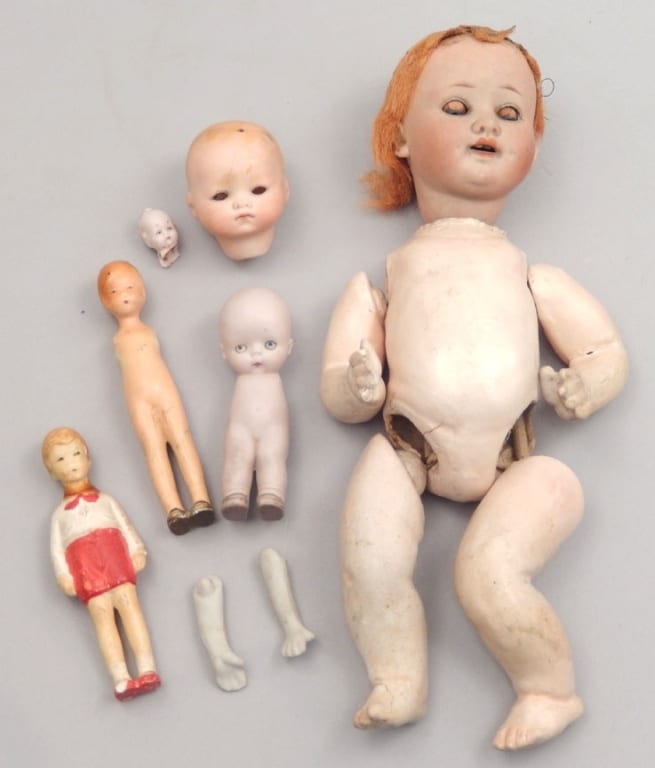 |
Hermann Steiner bisque head doll | Stephenson's Auction | 2015-11-27 | 61 | USD 30 |
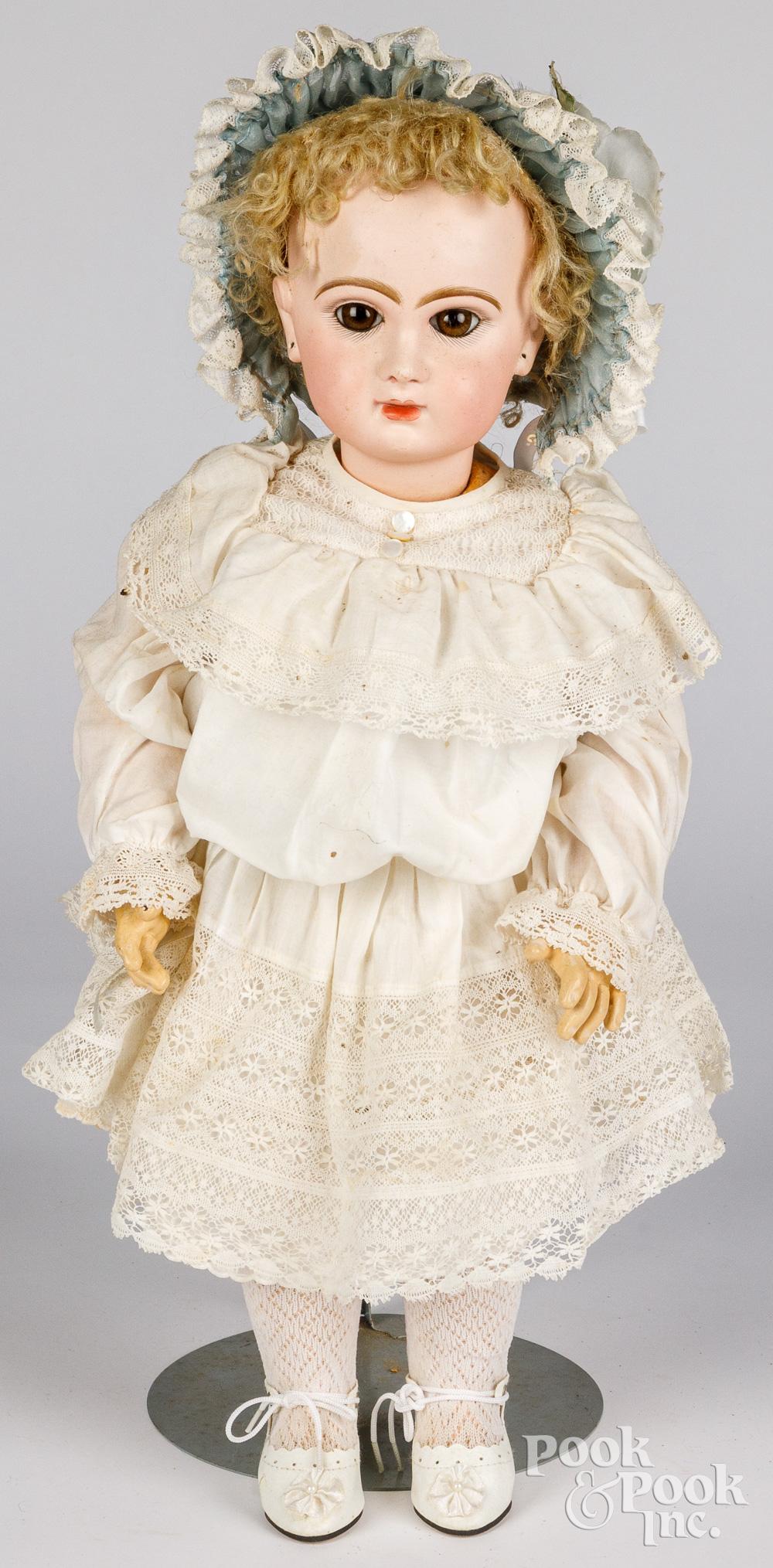 |
French Jumeau bisque head doll | Pook & Pook Inc. | 2023-03-17 | 2297 | USD 550 |
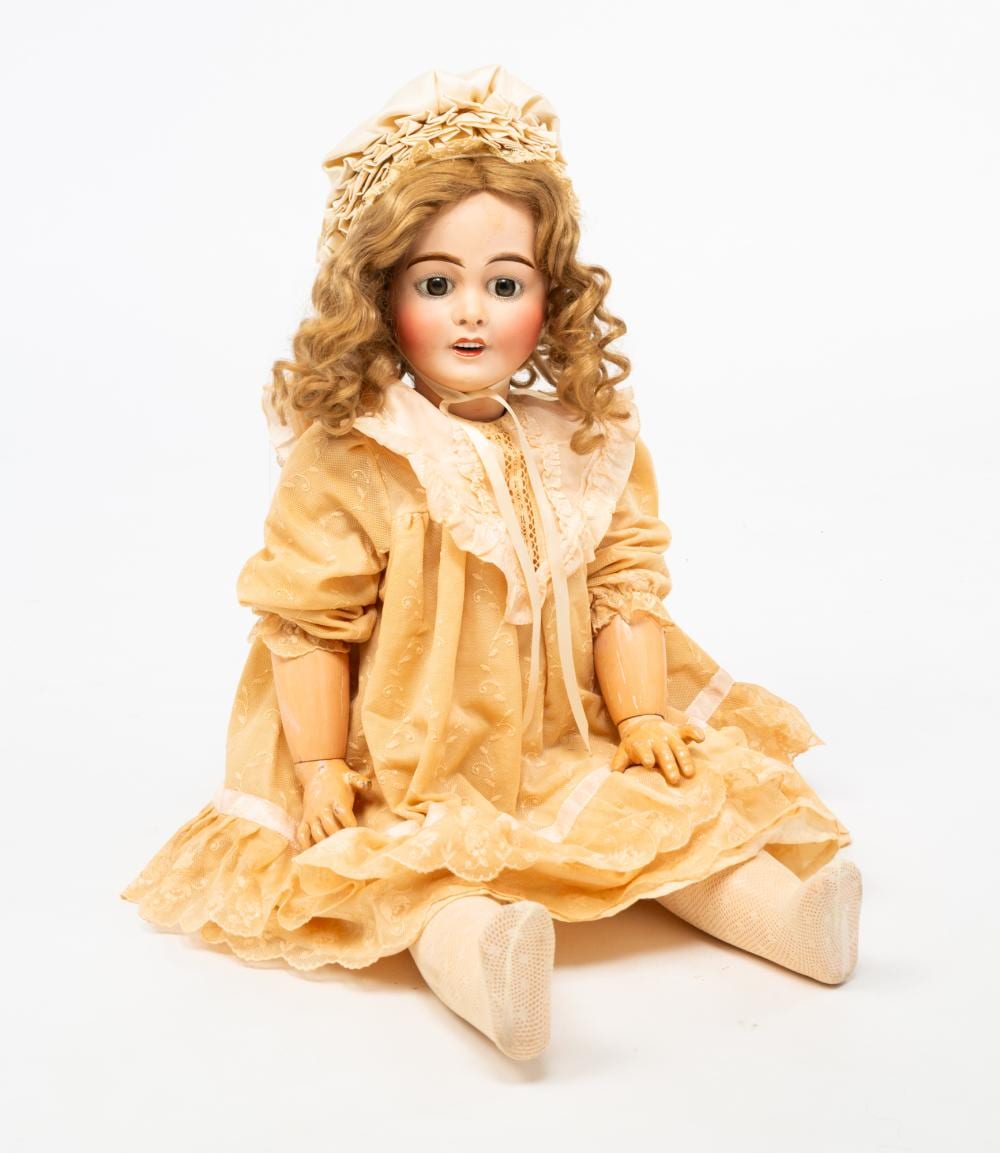 |
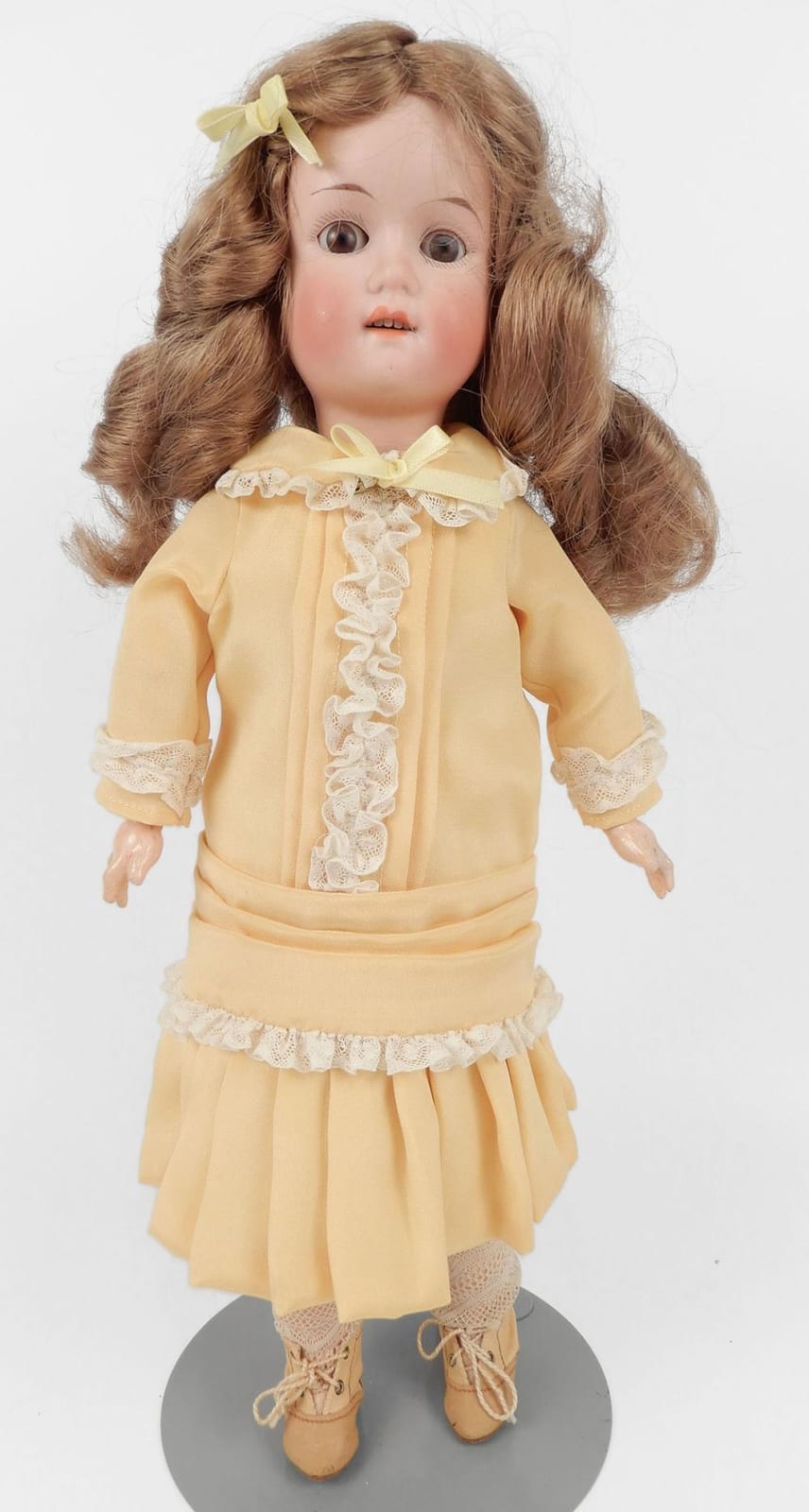
LARGE SIGNED FRENCH BISQUE HEAD DOLL. | Amelia Jeffers | 2025-04-25 | 235 | USD 125 |
 |
William Goebel bisque head doll | Stephenson's Auction | 2018-11-18 | 179 | USD 50 |
How these auction records were verified
These sales are market context, not an object estimate.
Each row is tied to its lot identity, retrieval time, access result, and immutable record hash. Live source access was blocked; the exact record matched Appraisily's immutable pipeline provenance. Inspect the public comparable provenance record.
Free photo check
Not sure if your item is worth appraising? Let us take a look.
Upload a photo, tell us what you know, and get a free photo check. If a full appraisal makes sense, we will say so.
Free. No card needed. Takes about two minutes.
Get antique dolls appraised
Upload doll photos, maker marks, head and body details, clothing, measurements, condition notes, provenance, and the report purpose.
- Signed report with photos and market context
- Delivered within 24 hours of receiving your photos
- Fixed, upfront pricing
No obligation. Secure upload.
Find a local antique or art appraiser
Ready for pricing guidance?
Start a secure online appraisal
Upload images and details. Delivered within 24 hours of receiving your photos.
Upload photos for a free first look View signed report sample