Antique Doll Mark Identification: Head and Mold Numbers

Identify antique doll marks by checking the head, neck socket, shoulder plate, torso, feet, mold numbers, country stamps, materials, and construction.

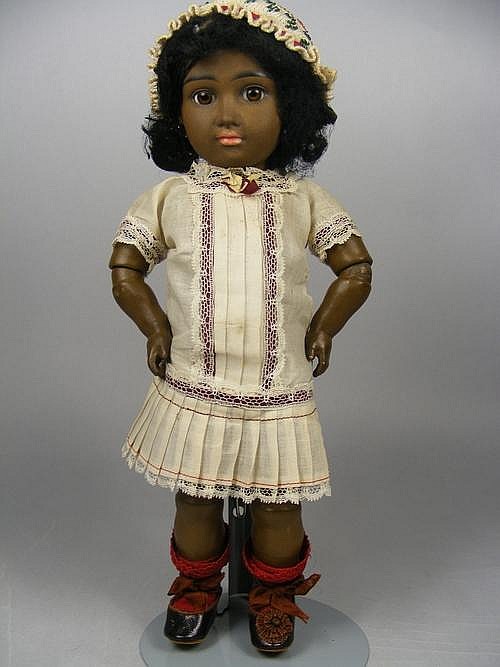
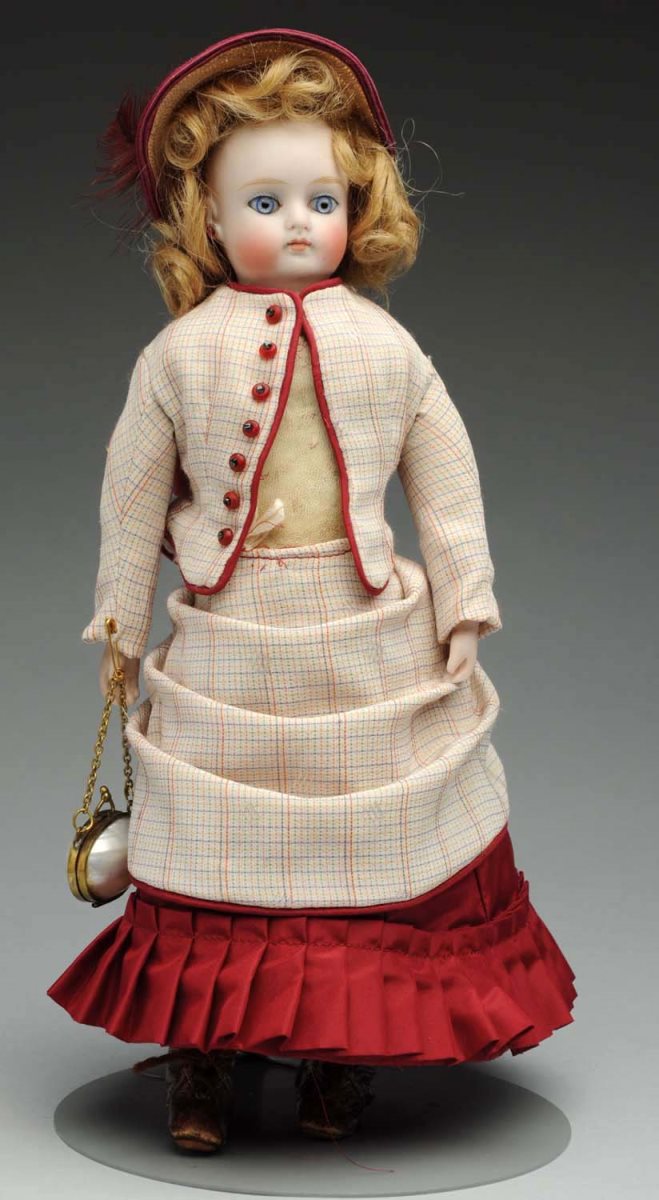
Antique doll mark identification reference with head, neck socket, shoulder plate, torso, feet, mold numbers, country stamps, materials, and construction
Antique doll mark identification reference with head, neck socket, shoulder plate, torso, feet, mold numbers, country stamps, materials, and construction. Reference image; item-specific appraisal depends on submitted photos and documentation.

Find Appraisers in Your Area

Browse all cities

class="article-inline-cta article-inline-cta--lead" data-enhancement="article-inline-cta-top" data-lead-surface="article-inline" data-analytics-impression="article_cta_view" data-analytics-location="inline-top" >

Turn research into a price-ready appraisal

Get a professional valuation for antique dolls

Answer three quick questions and we route you to the right specialist. Certified reports delivered in 24 hours on average.

  • 15k+collectors served
  • 24havg delivery
  • A+BBB rating

Secure checkout · Full refund if we can’t help

Upload doll mark photos for expert ID

Antique doll mark identification: head, mold and country basics

Antique doll mark identification should start with clear photos of the back of the head, neck socket, shoulder plate, torso, feet, mold numbers, country stamps, body material, eyes, wig, costume, and repairs. Use this guide with our antique bisque doll identification guide, antique doll markings guide, and antique dolls value guide before pricing or restoring a doll.

Doll marks (numbers, letters, symbols, and labels) are one of the fastest ways to move from “old doll” to a confident identification. But they work best when you treat them like evidence—paired with material, construction, and condition.

This guide shows you where to find marks, how to read them correctly, and how to use them to estimate age and market value. It also includes removed comparison tables pulled from Appraisily’s datasets.

Handling note: Avoid scrubbing marks; use raking light and photos.
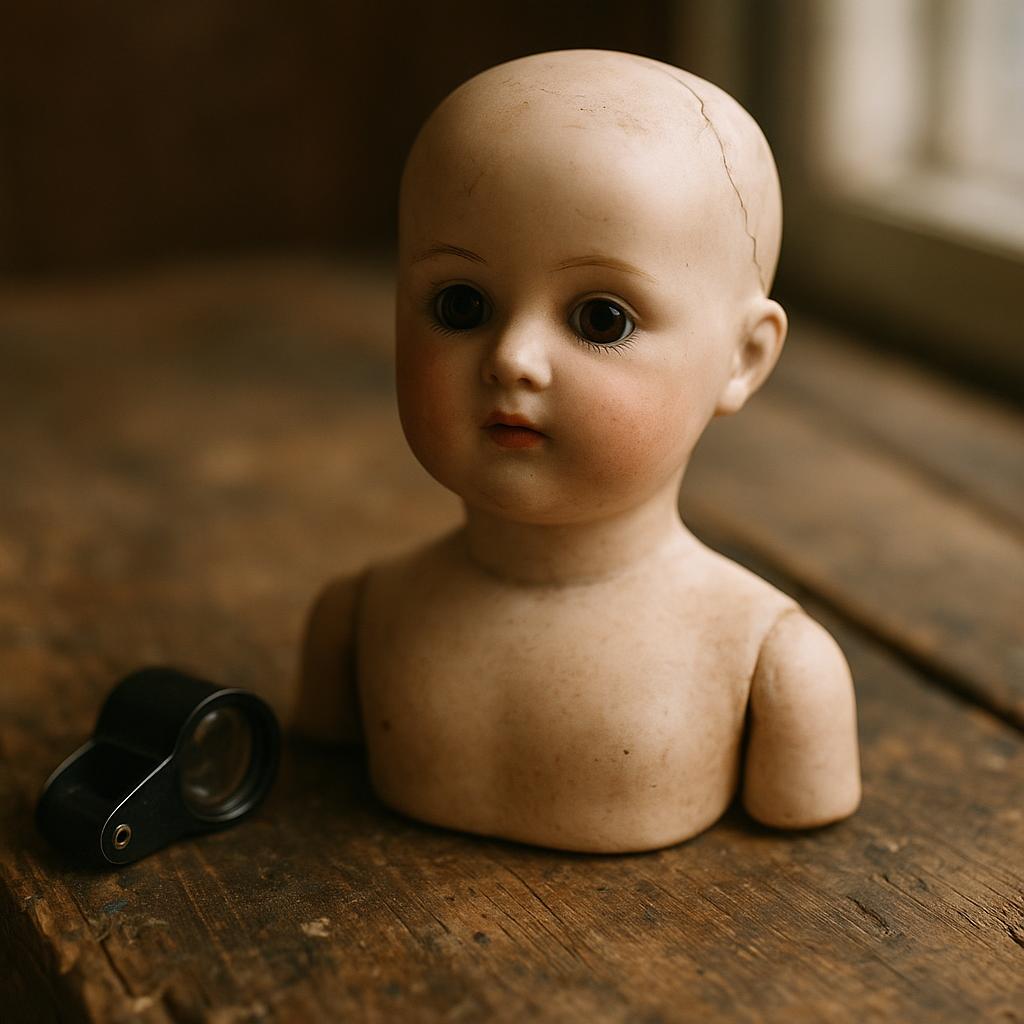
Antique doll mark identification reference with head, neck socket, shoulder plate, torso, feet, mold numbers, country stamps, materials, and construction
Quick map: the five most common places to check for antique doll marks.

Two-step intake

Get the right appraisal for your situation

Upload photos (head marks, body material, hands/feet, clothing labels) and we’ll confirm what you have, approximate age, and current market value — with a written quote and next steps.

Step 1 of 2

Secure intake. Routed to the right specialist. Checkout only if you decide to proceed.

How We Research Valuation Data

Our appraisal guides are based on auction results, dealer pricing data, and professional appraiser insights. We may earn a commission when you use our free professional appraisal service. Learn about our editorial standards.

Quick answer: what doll marks can (and can’t) tell you

Most antique and vintage dolls include one or more of the following: a mold number, a country mark, a company name/initials, a registered/patent mark, or a paper label.

  • Marks can help identify maker, country, mold series, and sometimes approximate era.
  • Marks rarely tell you value by themselves. Condition, size, outfit, and rarity usually matter more.
  • Marks can be copied. High-demand French and German names are frequently reproduced.

Step 1: Identify what kind of doll you have (it changes where marks appear)

Before you chase down a number on the back of the head, identify the doll’s materials. It will narrow where to look and how to interpret the mark.

  • Bisque/porcelain head: matte (bisque) or glazed (porcelain/china); marks are often on the head or shoulder plate.
  • Composition: wood pulp/resin body; may have a stamped marking on the torso/back.
  • All-bisque: head and limbs are bisque; soles or the back of the head may be marked.
  • Cloth/stockinette: stitched body; look for ink stamps, tag remnants, or later retailer labels.
Antique doll mark identification reference with head, neck socket, shoulder plate, torso, feet, mold numbers, country stamps, materials, and construction
Start with materials and construction. A “Germany” mark means more when the doll is clearly bisque and period-correct.

Step 2: Find the mark (most are hidden)

Many doll marks are intentionally placed where they don’t distract from the face—so they’re on the back, underside, or inside the neck opening.

  1. Back of head: most common for bisque socket heads (letters + mold number + country).
  2. Neck socket: often repeats mold number; may include “DEP” or a country stamp.
  3. Shoulder plate underside: common for shoulder head/china head dolls; may include symbols and numbers.
  4. Torso/back/hip: composition and later bodies sometimes have molded or stamped branding.
  5. Soles/feet: some all-bisque dolls and fashion dolls mark the sole.

Use a flashlight at a low angle (raking light) and a phone camera zoom to make faint stamps readable.

Antique doll mark identification reference with head, neck socket, shoulder plate, torso, feet, mold numbers, country stamps, materials, and construction
Photograph marks with raking light. Keep the camera square to the stamp so the characters don’t distort.

Step 3: Read the mark correctly (letters, numbers, and symbols)

Write the mark down exactly as it appears, including punctuation or slashes (for example: “12/0” or “2 1/2”). Avoid guessing what faint letters “should” be—misreading one character can send you to the wrong maker.

Mold numbers are usually not years

Many famous German and French dolls use mold numbers that identify a head model (or a head size). A number like 214 or 390 is often a mold reference, not the year 214 or 390. Pair the number with the material, eyes, body type, and any country stamp.

Antique doll mark identification reference with head, neck socket, shoulder plate, torso, feet, mold numbers, country stamps, materials, and construction
Bisque backstamps are often a stack of clues: initials/name, mold number, and sometimes a country mark.

Country marks can narrow era (with context)

Country-of-origin stamps like Germany, France, Japan, or USA help, but only when the rest of the doll looks period-correct. A crisp “Germany” mark on modern vinyl is a mismatch.

“DEP” and registered marks

On French dolls you may see “DEP” (short for “déposé”) or similar registered/patent-style markings. These can indicate a protected design, not necessarily a single maker name.

Antique doll mark identification reference with head, neck socket, shoulder plate, torso, feet, mold numbers, country stamps, materials, and construction
Neck socket marks are often more readable than the back of the head—photograph both.

Symbols and crowns

Some makers use symbols (crowns, shields, monograms). A symbol by itself rarely proves a high-end attribution—use it as a search clue and verify against the doll’s build.

Antique doll mark identification reference with head, neck socket, shoulder plate, torso, feet, mold numbers, country stamps, materials, and construction
Shoulder plates sometimes carry symbols and mold numbers that don’t appear on the head.

Step 4: Match the mark to construction (to avoid false IDs)

A correct identification is a “stack” of clues. Marks are part of the stack, but so are eyes, body material, jointing, and finish. Here are a few practical cross-checks:

  • Eyes: glass sleep eyes and paperweight eyes show different construction eras and price tiers.
  • Body: a bisque head paired with a later plastic body may indicate a replacement or marriage.
  • Paint and lashes: original painting often shows depth and handwork; overly uniform “new” paint can be a red flag.
Antique doll mark identification reference with head, neck socket, shoulder plate, torso, feet, mold numbers, country stamps, materials, and construction
Sleep-eye mechanisms and interior hardware can help verify whether a head is period-correct.
Antique doll mark identification reference with head, neck socket, shoulder plate, torso, feet, mold numbers, country stamps, materials, and construction
Composition bodies sometimes carry their own markings—use them to confirm the head attribution.
Antique doll mark identification reference with head, neck socket, shoulder plate, torso, feet, mold numbers, country stamps, materials, and construction
Cloth body stamps and labels are fragile—photograph them rather than cleaning.

Step 5: Red flags that often show up on reproductions

The collector market is full of honest reproductions and also misleading “aged” pieces. These red flags don’t prove a doll is fake, but they should slow you down:

  • Perfectly crisp marks paired with artificially “dirty” surface aging.
  • Modern hardware (new screws, plastic zip ties, modern elastic) on a doll claimed to be 1800s–early 1900s.
  • Mismatched materials (modern vinyl head with a “Germany” bisque-style stamp).
  • Overly uniform paint that lacks depth in blush, brows, and lip modeling.

Step 6: Value drivers (beyond the name)

Even when you correctly identify a maker, pricing swings widely. Appraisers typically weigh these factors together:

  • Maker desirability: certain French and German makers are consistently collected and compete at auction.
  • Size: larger examples (especially 20"+) often sell higher, all else equal.
  • Condition: hairline cracks, repainting, eye issues, and replaced body parts can materially reduce value.
  • Rarity: uncommon molds, character faces, or limited production variants typically outperform common models.
Antique doll mark identification reference with head, neck socket, shoulder plate, torso, feet, mold numbers, country stamps, materials, and construction
Small details matter: molded/painted feet, jointing, and finish help separate higher-end dolls from common examples.

Real-world removed comparison tables (what buyers actually paid)

These market evidence illustrate why correct identification changes pricing. All prices below are hammer results from the Appraisily auction dataset for /mnt/srv-storage/auctions-data/antique-dolls/.

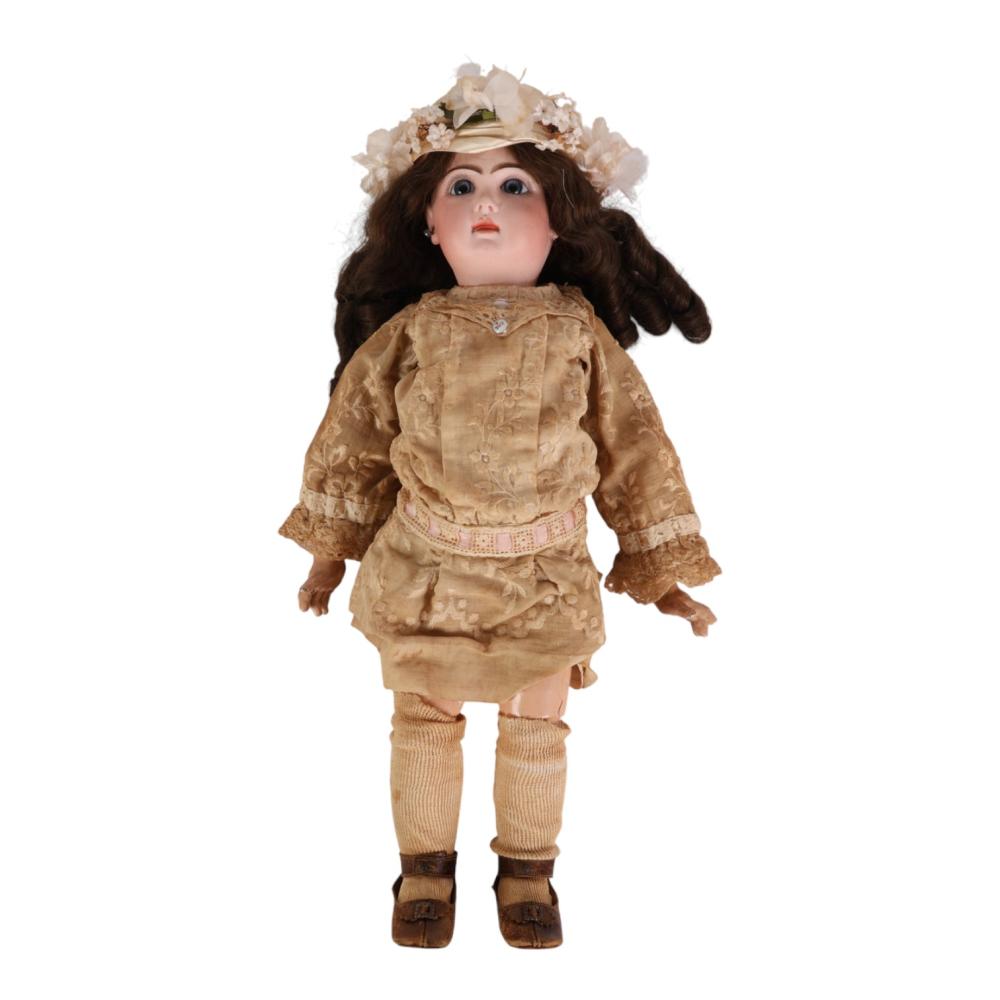
Comparison #1: French bisque bébé doll attributed to Jumeau

French maker attributions tend to bring a premium when the mark and build match: quality bisque, period-correct body, strong face painting, and original clothing.

Antique doll mark identification reference with head, neck socket, shoulder plate, torso, feet, mold numbers, country stamps, materials, and construction
Removed comparison table: Thomaston Place Auction Galleries (2024-02-23), lot 1165 — “French Bisque Bebe Doll by Jumeau” — hammer market-dependent values.

Comparison #2: J.D. Kestner no. 214 bisque head doll

German bisque dolls often pair a maker name/initials with a mold number—use both when you research.

Antique doll mark identification reference with head, neck socket, shoulder plate, torso, feet, mold numbers, country stamps, materials, and construction
Removed comparison table: Dirk Soulis Auctions (2023-05-16), lot 6258 — “A 31-inch J.D. Kestner number 214 bisque head doll” — hammer market-dependent values.

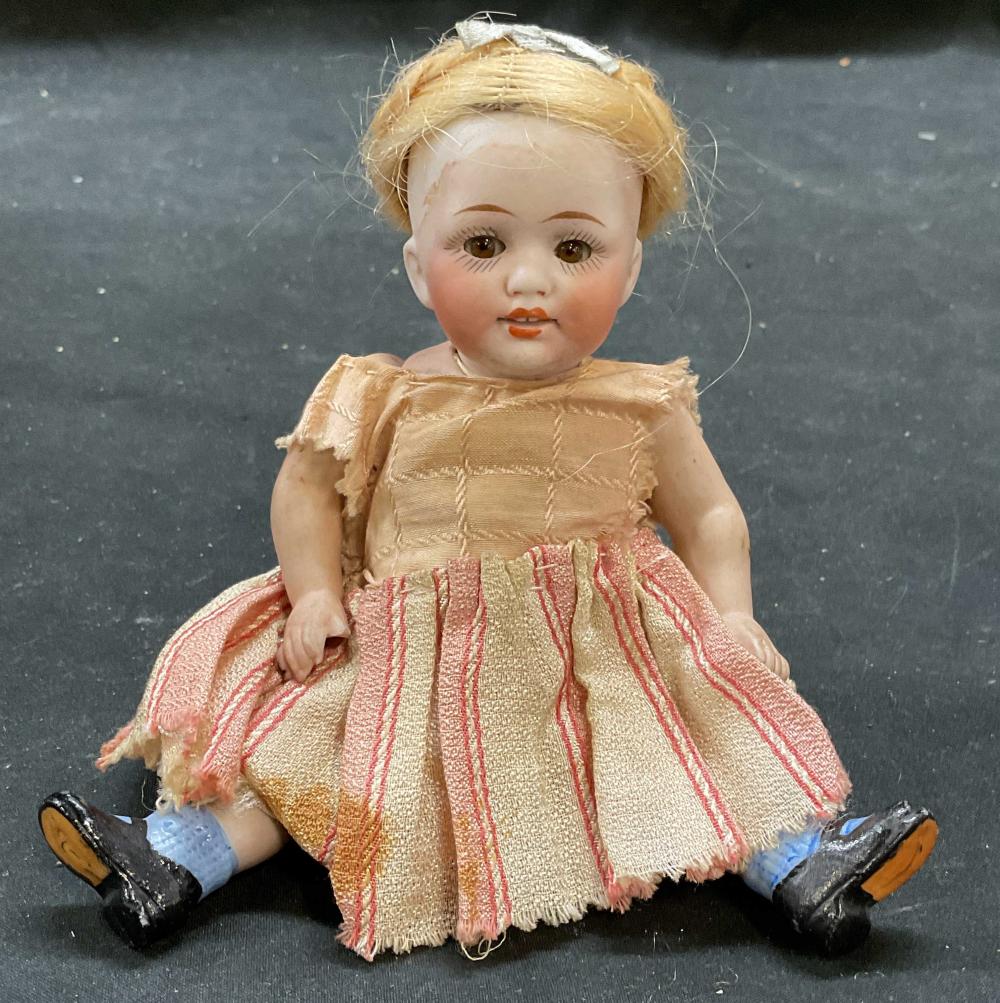
Comparison #3: Armand Marseille A1210M miniature dolls under a dome

Miniature sets often sell as presentation objects—document accessories and completeness.

Antique doll mark identification reference with head, neck socket, shoulder plate, torso, feet, mold numbers, country stamps, materials, and construction
Removed comparison table: Ostantix Auctions (2025-02-27), lot 216 — “Matching pair of antique miniature dolls marked Armand Marseille A1210M under a glass dome” — hammer €130.

Use this gallery as a checklist when photographing your doll for collector forums, sale listings, or a professional appraisal.

Antique doll mark identification reference with head, neck socket, shoulder plate, torso, feet, mold numbers, country stamps, materials, and construction
Back of head: capture initials/name + mold number + any country stamp.
Antique doll mark identification reference with head, neck socket, shoulder plate, torso, feet, mold numbers, country stamps, materials, and construction
Neck socket: often clearer than the head backstamp.
Antique doll mark identification reference with head, neck socket, shoulder plate, torso, feet, mold numbers, country stamps, materials, and construction
Shoulder plate: symbols and numbers can appear here even when the head is unmarked.
Antique doll mark identification reference with head, neck socket, shoulder plate, torso, feet, mold numbers, country stamps, materials, and construction
Torso stamp: document composition body marks and overall crazing.
Antique doll mark identification reference with head, neck socket, shoulder plate, torso, feet, mold numbers, country stamps, materials, and construction
Cloth bodies: look for ink stamps and tag remnants (don’t scrub).
Antique doll mark identification reference with head, neck socket, shoulder plate, torso, feet, mold numbers, country stamps, materials, and construction
Eyes/mechanism: interior hardware can help validate era and quality.
Antique doll mark identification reference with head, neck socket, shoulder plate, torso, feet, mold numbers, country stamps, materials, and construction
Hands/feet: molded details and paint quality matter for value.
Antique doll mark identification reference with head, neck socket, shoulder plate, torso, feet, mold numbers, country stamps, materials, and construction
Documentation: a clear mark photo is often the difference between “maybe” and a correct attribution.

When to get an expert appraisal

Consider a professional appraisal when you have a doll with a desirable maker attribution, unusual size, rare character face, or any signs of high craftsmanship (quality bisque, strong painting, period-correct body). An appraisal is also useful when you suspect the doll has restoration or replacement parts and you want a defensible value for insurance, sale, or estate distribution.

For faster identification, include full-length photos plus close-ups of marks, hands/feet, and eyes.

Search variations collectors ask

Readers often Google:

  • where are marks located on antique dolls
  • how to read numbers on the back of a bisque doll head
  • what does DEP mean on a doll mark
  • how to identify Armand Marseille doll markings
  • how to identify J.D. Kestner mold numbers
  • how to tell if a doll is reproduction by the mark
  • are antique dolls with Germany marks valuable
  • best way to photograph doll marks for identification
  • where to get antique doll appraisal online

Each question is answered in the identification guide above.
Choose your next step

Use the path that matches the decision you need to make about the item.

Need a signed report?

Use this for insurance, estate, donation, resale, or documented value decisions.

Start a signed report

Not sure it is worth appraising?

Start with a lower-friction screen to understand the likely category, evidence, and next step.

Use the free screener

Need local or specialist help?

Compare directory options when the work needs in-person review or a specialist near you.

Find local specialists

See what the report looks like

Sample reports show how photos, comparable evidence, condition notes, and a value conclusion are documented.

Get antique dolls appraised

Upload doll photos, maker marks, head and body details, clothing, measurements, condition notes, provenance, and the report purpose.

  • Expert report with photos and market context
  • Fast turnaround
  • Fixed, upfront pricing
Start doll appraisal

No obligation. Secure upload.

Continue your valuation journey

Choose the next best step after reading this guide

Our directories connect thousands of readers with the right appraiser every month. Pick the experience that fits your item.

Specialist directory

Browse vetted appraisers

Find specialists for dolls, toys, and collectibles.

Browse experts →

Get a report fast

Start an online appraisal

Upload photos and details. Certified specialists respond with written pricing guidance.

Start appraisal →

Sell with confidence

Get help choosing a sales path

We’ll suggest the best channel (dealer, consignment, auction) based on your collection.

Get selling guidance →

Ready for pricing guidance?

Start a secure online appraisal

Upload images and details. Certified specialists respond within 24 hours.

Start doll appraisal

Machine-readable summaries

Use these machine-friendly references for AI and crawler discovery of Appraisily content.