
That figurine might be a late revival piece with a confident-looking mark, or it might be a 20th-century factory piece made to look older. The practical question is not whether it is old; the practical question is whether enough independent evidence stacks together. Marks are useful, but in isolation they are only one opinion.
For Chinese figurines, you do better when you read three layers together: what the mark says, how it was made, and what the material and glaze reveal about aging. A proper diagnosis follows that order. It helps you decide whether to proceed confidently, whether a close-up photo review is enough, or whether a full appraisal is warranted.
In the used-art market, most costly mistakes come from reversing this order. If the mark is clear, people assume proof. If a glaze looks modern, everyone hesitates. The real skill is linking both clues, including what is absent: blank stamp locations, mismatched patina, and inconsistencies in repair pattern.
If your search today is broad, this guide gives a practical method to narrow things quickly and avoids spending money and time on wrong assumptions.
Start here: a real-world identification scenario
Imagine an estate seller asks, “The figurine looks Ming-style, and there is a hard-to-read impression near the base. Could it be earlier?” The first photo shows a floral motif and a red-brown glaze. The mark is not obvious, and no provenance is listed.
Your next move should be to treat this as a data-collection task, not a verdict task. Confirm whether the figurine has a coherent mark family, whether glaze and body match the claimed period, and whether the condition reflects realistic aging. If these three lines agree, the item moves from “possible” to “likely category.” If not, the item may still be sellable, but with a broader caution note.
The item is often worth more when the marks, materials, and finish are consistent. It is worth less—or harder to market—when any one layer contradicts the others.
Read marks as a hierarchy, not a single stamp
The mark is a clue map with three jobs: it identifies maker context, indicates potential period, and sometimes tells us intended market tier. Start with location and depth:
- Location: check where the impression sits. Is it under glaze near the base, behind a foot ring, or on a seam? A relocated mark often signals later treatment.
- Impression quality: a deep, clean stamp with even pressure suggests different process discipline than a shallow, uneven, later-added mark.
- Stroke style: compare letter shape, line sharpness, and punctuation rhythm with period references.
- Context around the mark: glaze pooling, glaze drips, cleaning around edges, and micro-scratches can indicate handling and exposure history.
Do this first because one mark can be copied or reapplied. If the mark family and placement pass these checks, then move deeper. If not, the piece is not “likely fake” yet, but it is “inconclusive” until material tests are checked.
Reign markers and dynasty style
Reign or dynasty marks, when present, are often the strongest period clue but never the only one. Use recognized character structure, spacing, and stroke confidence as pattern checks. A plausible character string without period-appropriate glaze and body behavior is not reliable proof.
When weak marks appear on high-gloss modern clay or on a figurine with visibly recent joins, you have conflict in the evidence stack. That conflict matters. In those cases, avoid finalizing any value statement until you complete the factory-mark and material passes.
Use factory marks and maker marks to confirm intent
Factory marks are about production identity, not authenticity by themselves. A piece can carry an old-style production stamp on a later object, and a later owner can add a “heritage” label. Treat factory marks as intent indicators.
Look for these practical checks:
- Is there a consistent typographic style across marks on the piece (if multiple marks are present)?
- Does the mark location match known workshop practices for that object type?
- Are the mark edges under glaze or overpainted after glazing?
- Is there evidence of abrasion from repointing or cleaning around the mark area?
If multiple marks disagree, that is usually a sign to lower confidence. The object might still be genuine, but it may come from a later restoration ecosystem rather than a single continuous production story.
When your evidence points to mixed marks, your best next action is to move from certainty language to transparency language. Say “likely later workshop with legacy mark style” instead of “Qing court original.” That may sound cautious, but it is the accurate result of the data.
Let material and glaze decide the final confidence level
The mark tells you where to look; material tells you whether you can trust what you see. For figurines, material clues are often stronger than one isolated mark:
- Body feel: hard, heavy, and dense body vs. light, airy massing can separate a period category quickly.
- Glaze tone changes: color settling, pooling, and craquelure patterns usually reflect heat and age exposure.
- Join edges and seams: original joins show different wear chemistry than glued repairs.
- Base construction: foot wear, contact marks, and rim stress points indicate handling over time.
- Paint adhesion and pigment behavior: older pigment often integrates with micro-cracks; modern restoration pigments can look flat.
Condition is where value often changes fastest. A correct mark on fragile glaze and heavy restoration usually does not support high confidence in premium pricing. Condition cuts both ways: missing patina, old-looking fills, and over-restored surfaces often reduce liquidity while preserving historical interest.
That is why we say one mark is never the headline. The headline is the full evidence stack.
Use this 7-step check before any valuation claim
Don’t skip this. It saves second-guessing:
- Capture a straight image of all marks at 45 degrees.
- Capture one full figurine image and one base image.
- Map every mark location and note depth/abrasion.
- Identify mark family pattern: reign, maker, factory, or later handling.
- Cross-check body and glaze texture against same-family references.
- Document all obvious and non-obvious repairs.
- Separate two outcomes: “strong evidence stack” vs “inconclusive” before pricing language.
If you finish this list and still have uncertainty in two or more categories, the safe next step is a free evidence-first review before committing to a written market call.
What similar items actually sold for
To help ground this guide in real market activity, here are recent example auction comps from Appraisily’s internal database. These are educational comparables (not a guarantee of price for your specific item).
| Image | Description | Auction house | Date | Lot | Reported price realized |
|---|---|---|---|---|---|
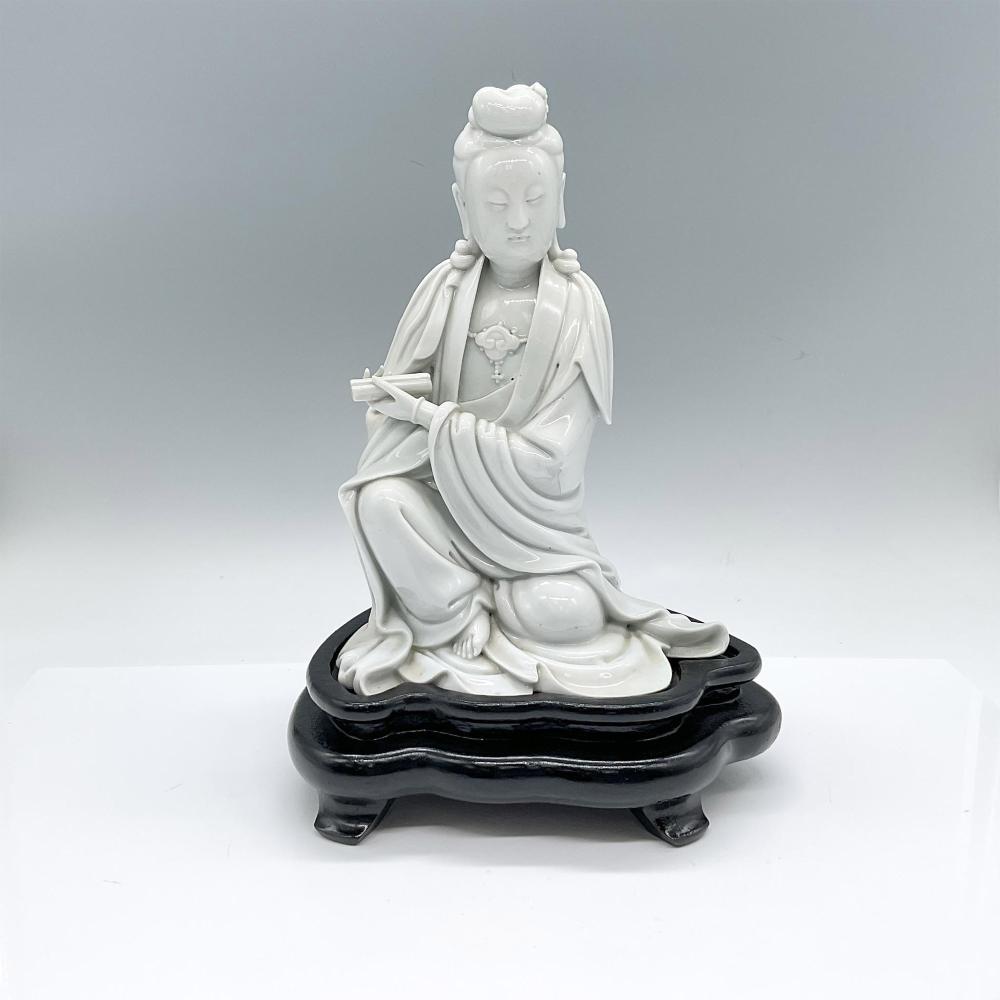 |
Chinese Dehua Porcelain Guanyin Figurine | Lion and Unicorn | 2024-03-24 | 20 | USD 2,200 |
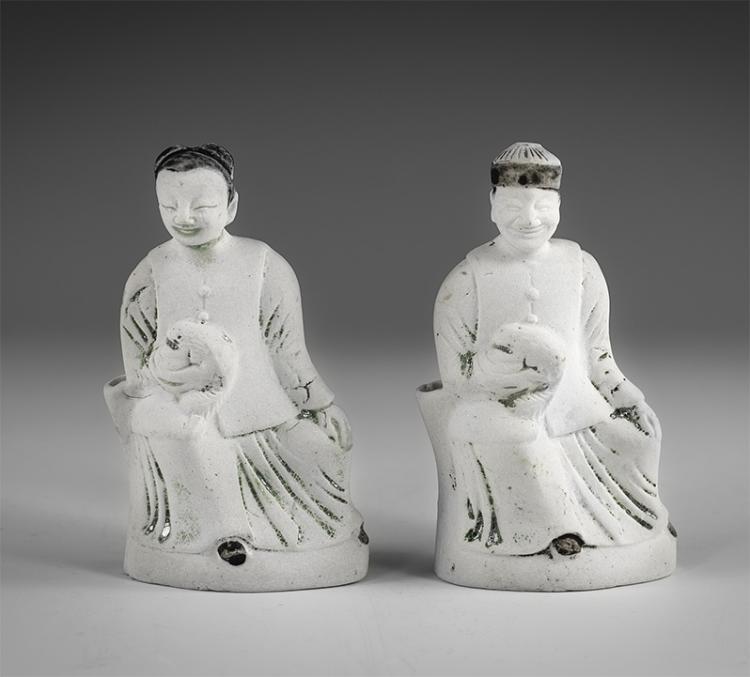 |
Chinese Porcelain Figurine Pair | TimeLine Auctions | 2016-02-25 | 661 | GBP 270 |
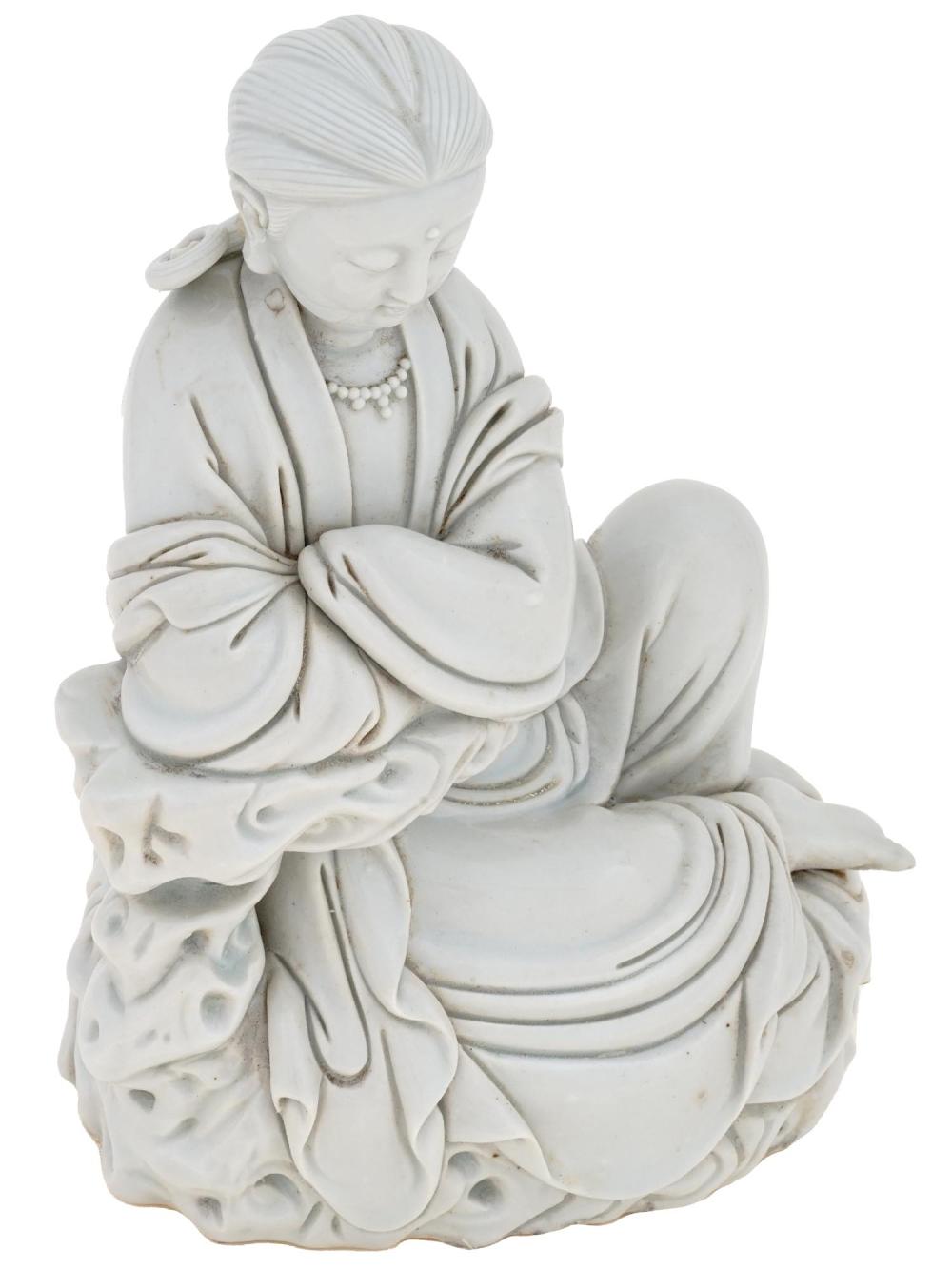 |
ANTIQUE CHINESE DEHUA PORCELAIN HE XIANGU FIGURINE | Antique Arena Inc | 2023-07-22 | 83 | USD 375 |
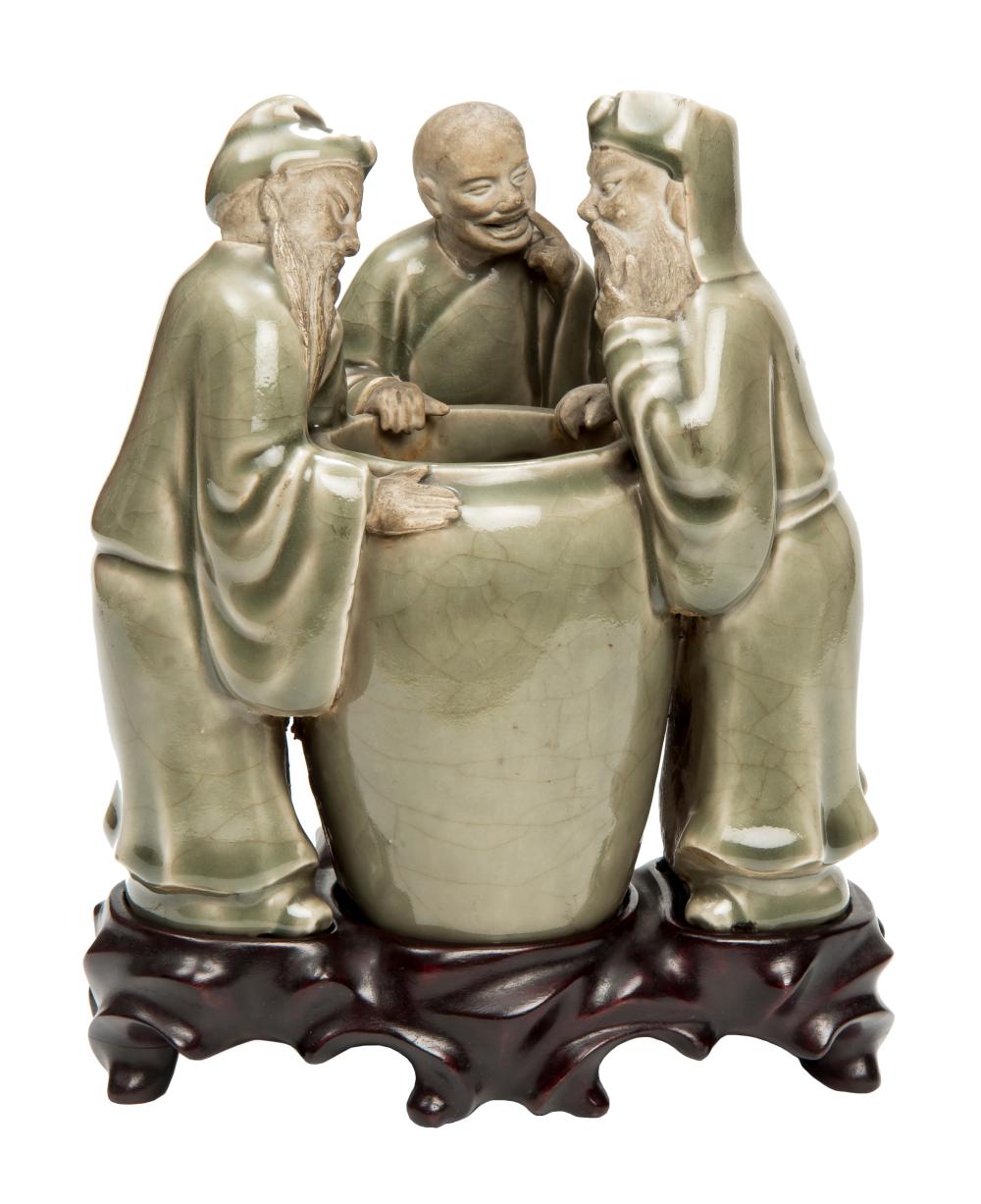 |
CHINESE CELADON PORCELAIN “GUAN”. THE THREE VINEGAR TASTERS. CHINESE MUDMAN HANDCRAFT SCULPTED FIGURINE. | Bado e Mart | 2020-10-15 | 17 | EUR 2,000 |
|
Chinese Celadon Porcelain “Guan”. The Three Vinegar Tasters. Chinese Mudman Handcraft Sculpted Figurine. | Bado e Mart | 2019-12-18 | 17 | EUR 900 |
Comparable images are shown at thumbnail scale with source links. Request image review or removal.
Disclosure: prices are shown as reported by auction houses and are provided for appraisal context. Learn more in our editorial policy.
Free instant estimate
Not sure if your item is worth appraising? Let us take a look.
Upload a photo, tell us what you know, and get a free first read. If a full appraisal makes sense, we will say so.
Free. No card needed. Takes about two minutes.
How to turn this into a decision, not a guess
The best outcome is one of three clear outcomes: strong, conditional, or inconclusive. Anything in between should remain explicit so buyers and sellers both understand next steps.
Strong: mark family is coherent, factory context aligns, body and glaze behavior are period-consistent, and condition does not force a large discount. This is usually the first category for a stronger free estimate.
Conditional: mark set is plausible, but material inconsistencies or restoration details reduce certainty. This is a legitimate “good but uncertain” status and often still supports valuation guidance, but with language that limits overstatement.
Inconclusive: conflicting marks and weak material behavior mean a final market position is premature. In this case the practical move is a deeper report with close-up imagery and provenance investigation before any pricing decisions.
One additional rule from market handling: always validate your conclusion against what recent comps say, not by reading one isolated example. Internal comps can show where confidence should tighten and where discount risk rises after repairs.
Send in photos now if you want the evidence sorted for a free first read. If needed, a specialist review follows only after the free read indicates a meaningful written report is warranted.
Upload photos and get a fast directional read.
Common identification questions
Can old-looking glaze mean it is expensive?
No. Good glaze depth helps, but repair gloss, overpaint, and hard cleaning can mimic age. Market value depends on condition, provenance, and demand too.
Do all figurines with factory marks require a paid appraisal?
No. A paid appraisal is useful when you already have a coherent signal stack and need formal documentation. Otherwise, a free identity read is often the efficient first step.
What should I photograph first?
Front view, side profile, base mark, and close-up of repaired seams. Those four shots cover 80% of the initial evidence gap.
Can modern reproductions carry older-style marks?
Yes. That is why mark-only conclusions are risky. Pairing mark data with glaze body chemistry and wear patterns lowers the error risk.
Search variations
- Chinese figurine factory mark meaning
- How to verify dynasty marks on figurines
- What does Qing figurine mark location tell us
- Factory stamp vs maker stamp on porcelain figurine
- Chinese figurine glaze signs of restoration
- How to spot re-stamped porcelain figurines
- Chinese figurine resale value by condition
- Best marks to authenticate a Chinese figure
- When to send figurine photos for free review
References and internal resources
- Ultimate Guide to Identifying Chinese Figurines
- Asian Art Appraisal Guide
- Asian Art Appraisal Near Me
- Editorial policy and sourcing standards
Read next
- Discover Asian appraisals in your area
- How experts authenticate and value Asian collectibles
- How to choose an appraiser for Asian art