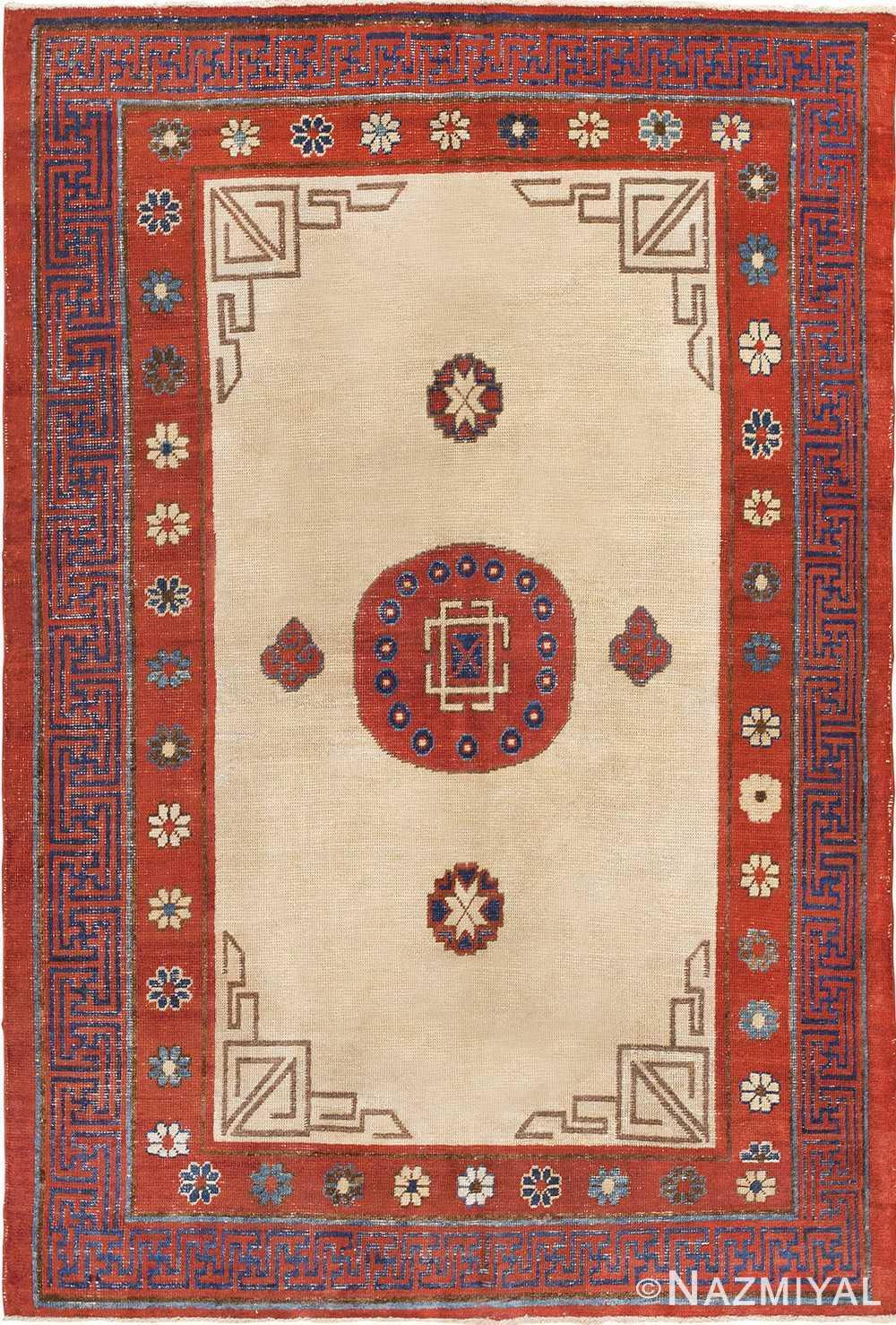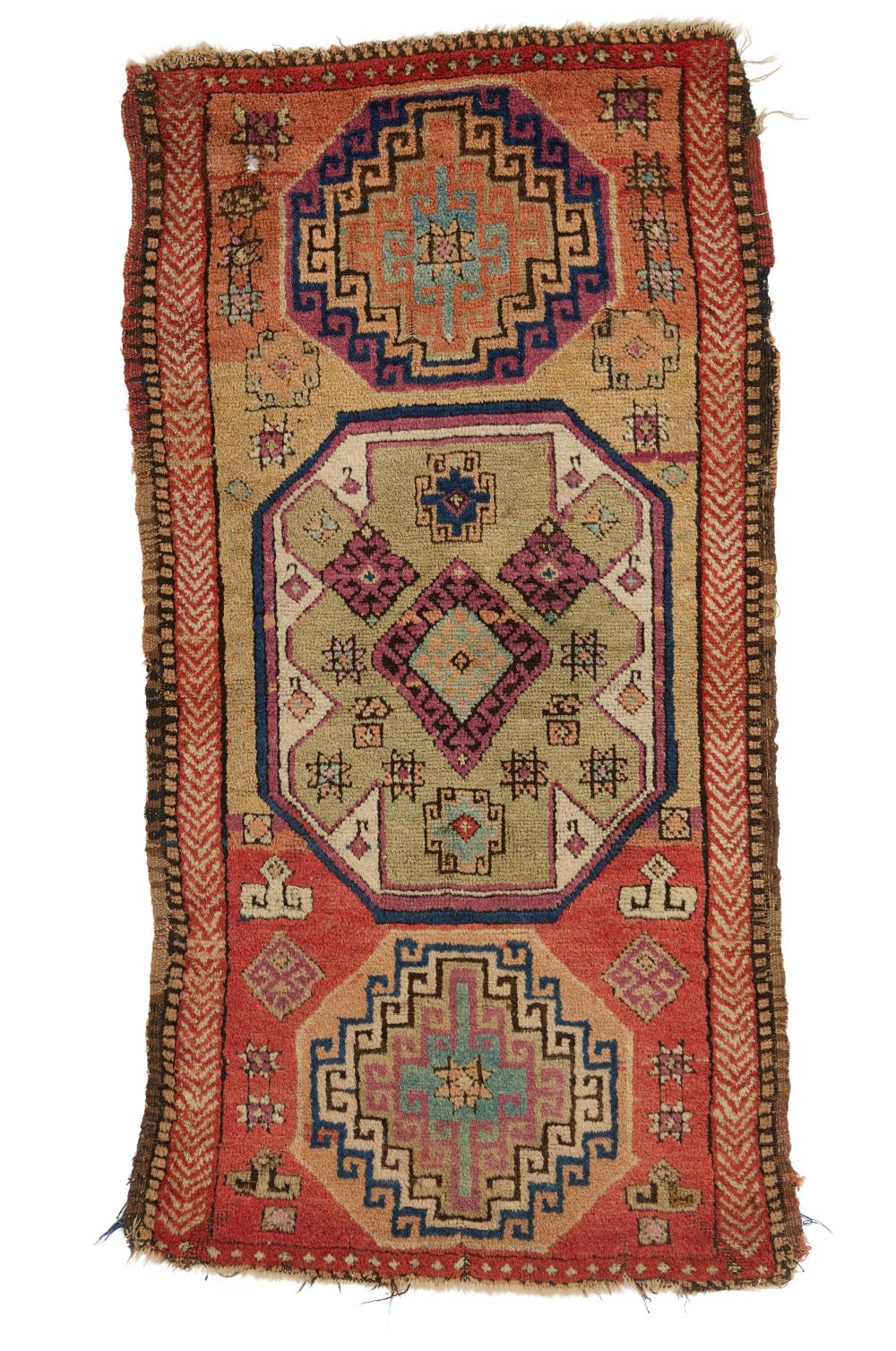
Asian art appraisal can involve ceramics, paintings, bronzes, jade, textiles, screens, prints, and religious objects. The right appraiser should understand both object category and market context, not just general antique pricing.
Prepare evidence before outreach
Photograph the front, back, base, signatures, seals, marks, labels, damage, and any documents. Measurements and provenance notes help the appraiser decide whether the object needs specialist review.
Ask category-specific questions
Ask whether the appraiser has handled similar Asian ceramics, paintings, jade, bronzes, or textiles. For higher-value pieces, condition, period, originality, and export history can require deeper review.
Remote review can be useful
High-quality photos can support an initial market appraisal or triage. In-person inspection may still be needed for material testing, condition confirmation, or complex originality questions.
What a defensible value needs
Choose the appraiser around the object type and intended use of the valuation. A clear photo set and scope usually produce a more defensible result.
Need a documented value?
Upload photos and details. Appraisily checks identity, condition, and market evidence, then prepares a signed appraisal report you can share.