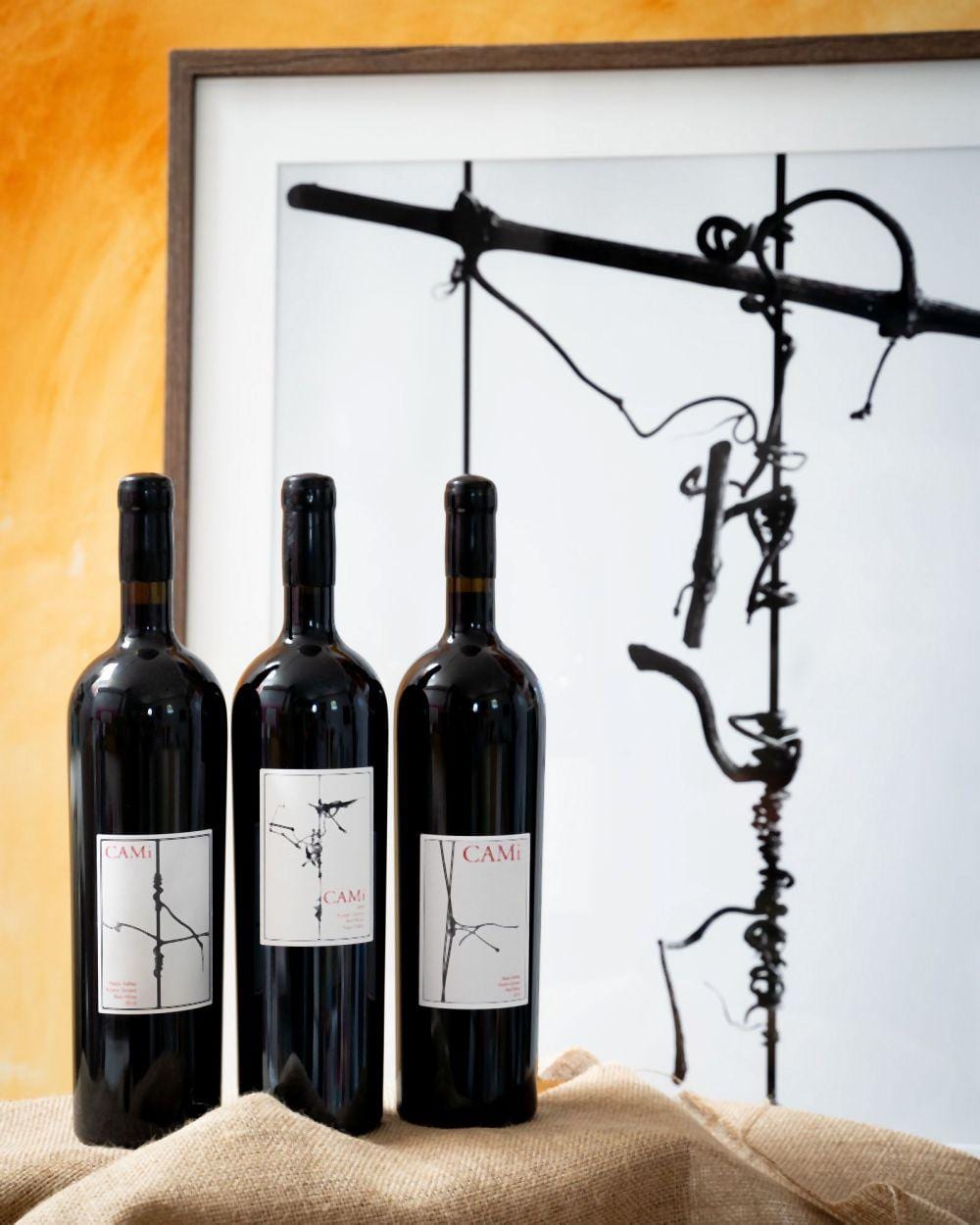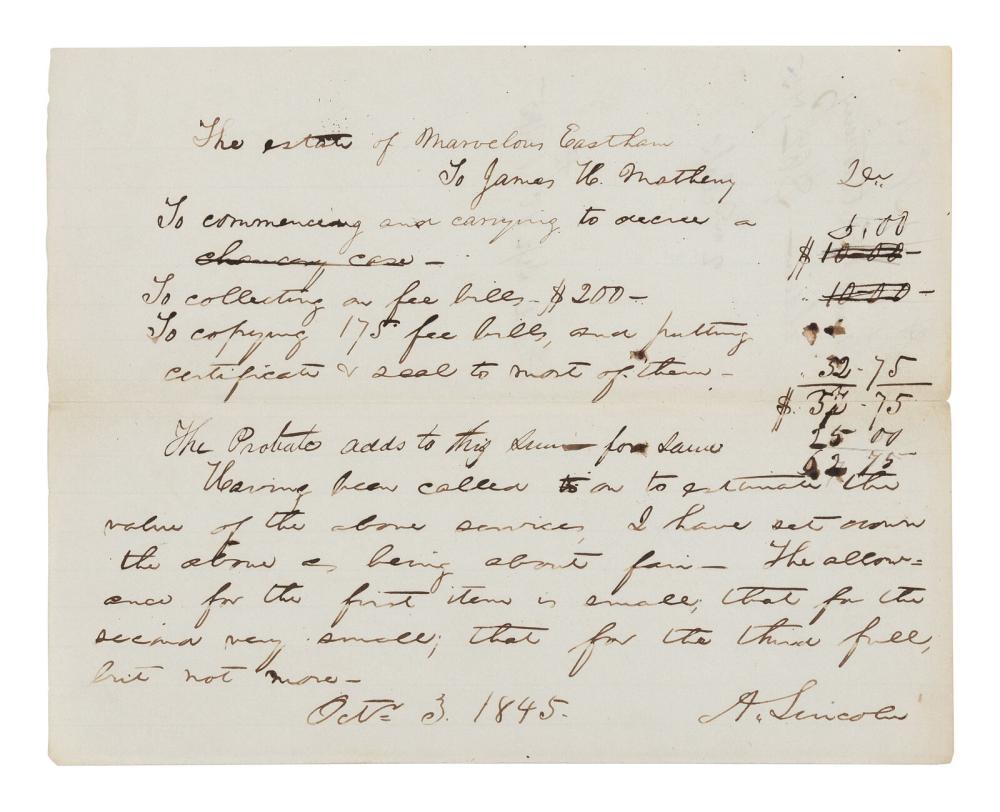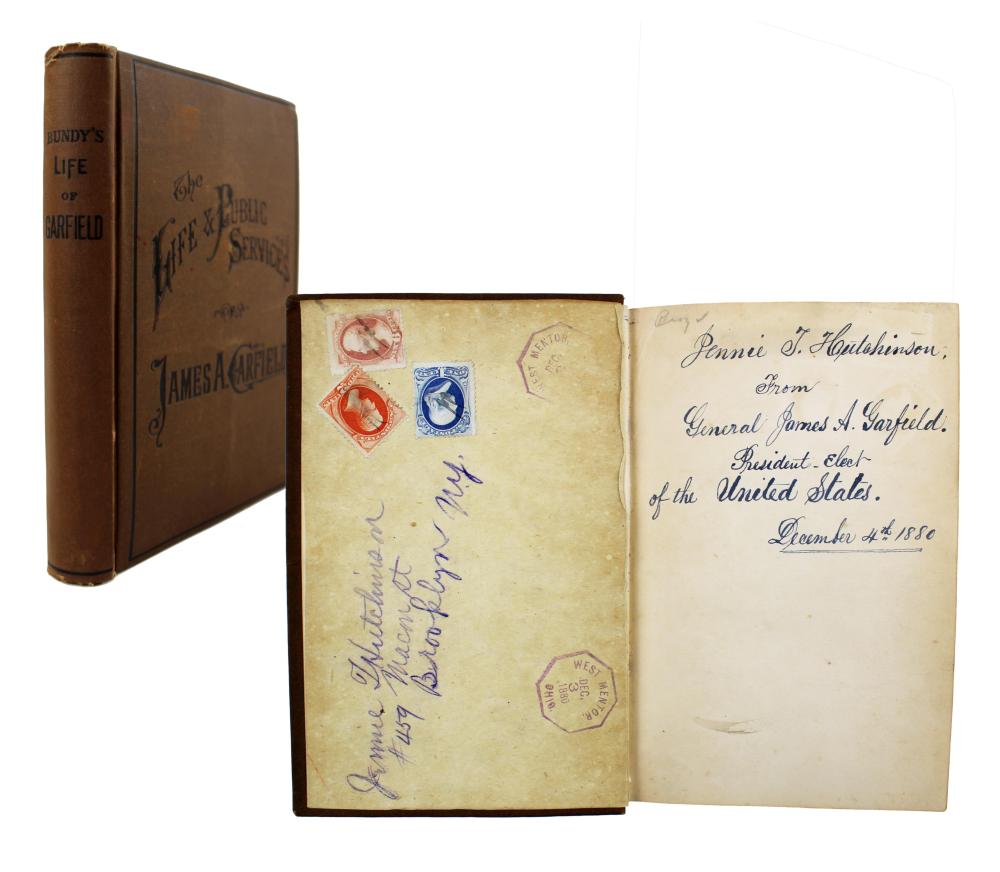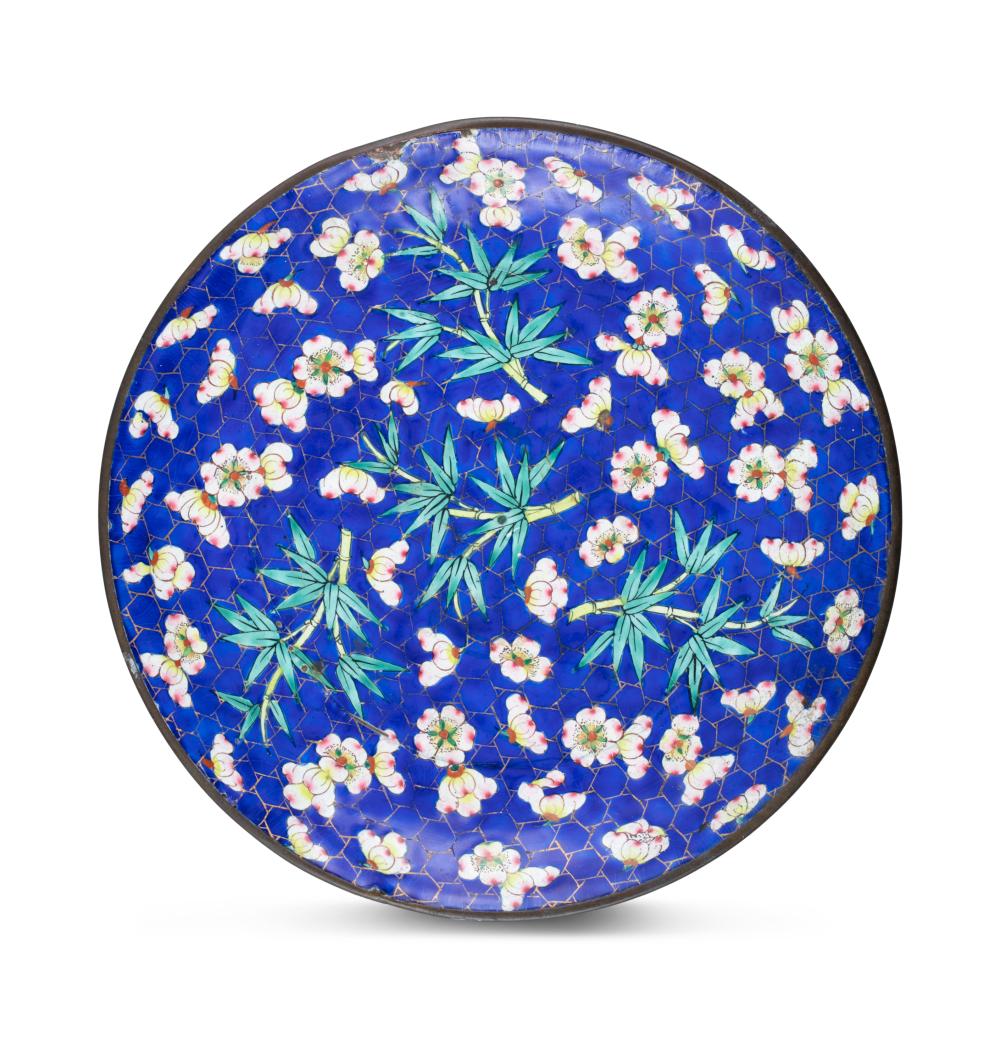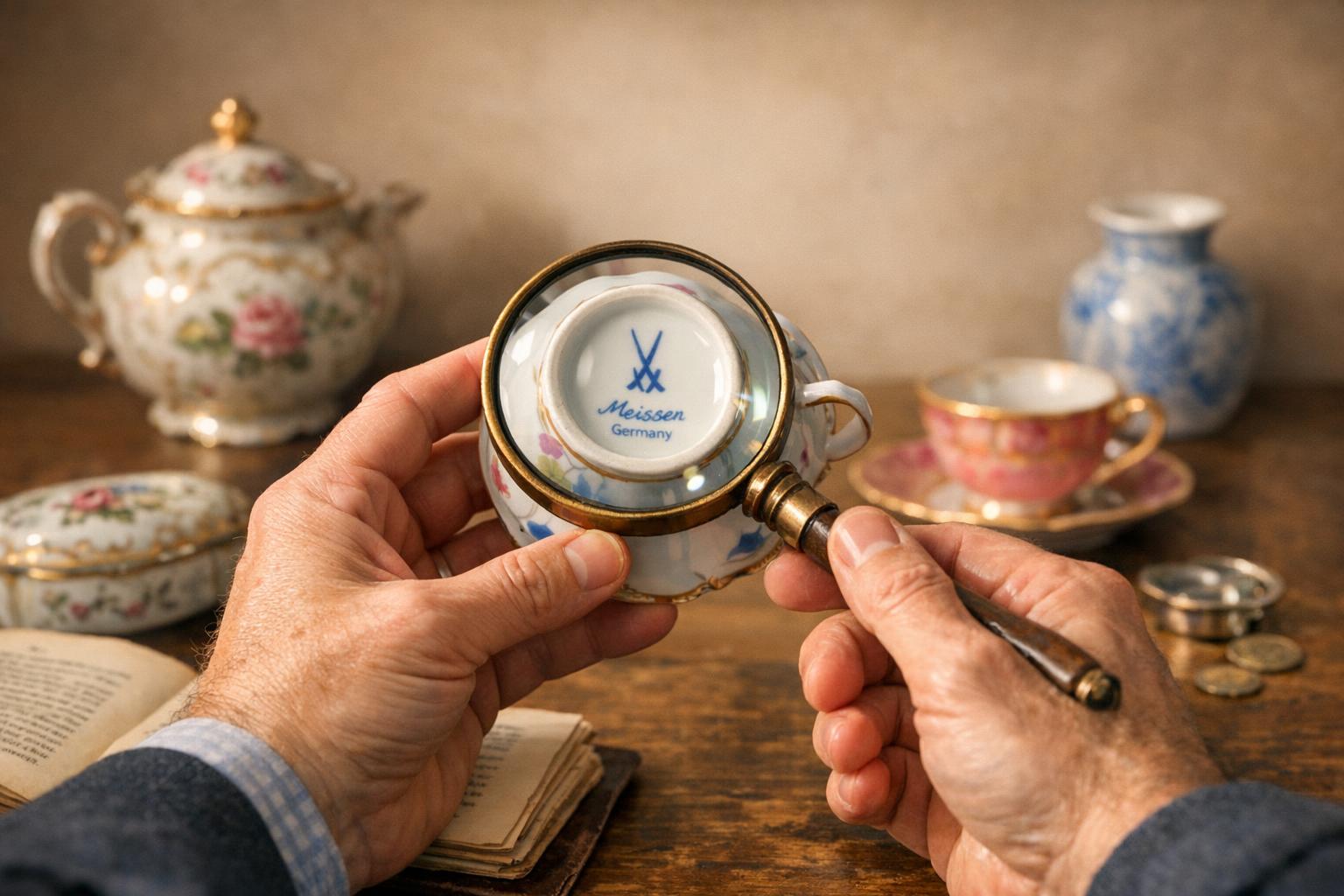
Document the object before interpreting it
Photograph the whole object, base, marks, inscriptions, handles, rims, feet, backs, frames, damage, repairs, and scale. Include dimensions and material notes.
Do not assume a reign mark, signature, or family story proves period, maker, or originality. Treat those as evidence to examine.
Watch protected materials and export issues
Ivory, rhinoceros horn, coral, tortoiseshell, certain woods, and archaeological materials can have legal restrictions. Photograph them clearly and ask for specialist guidance before shipping or selling.
For high-value or sensitive objects, provenance and import history can be as important as condition.
Use a category specialist
Chinese paintings, jade, porcelain, furniture, bronzes, textiles, and decorative export ware require different expertise. Ask whether the appraiser handles your object type regularly.
A strong report should explain attribution limits and comparable evidence rather than relying on unsupported claims.
Need a credible value opinion?
Upload clear photos, marks, dimensions, and condition notes. Appraisily can review the item remotely and explain which details affect value.
Start Chinese art appraisal