
What antique 5-gallon crocks actually sell for
A stamped “5” is not a price. Maker, cobalt decoration, and whether it is a plain utility crock or a regional decorated piece are what the sold lots below split on.
Free. No card needed. Photo upload takes about two minutes.
Plain 19th-century utility. A Miller Pottery five-gallon stoneware crock sold for $10.
Marked Greensboro stoneware. A 5-gallon James Hamilton crock sold for $300.
Cobalt floral utility. A 5-gallon salt-glazed crock with a cobalt floral motif sold for $275.
19th-century American 5-gallon. An unmarked 5-gallon stoneware crock sold for $375.
High-value outlier. A scarce, heavily decorated A.V. Boughner Greensboro five-gallon crock sold for $3,500.
Read the capacity stamp, maker mark, and cobalt work before treating any one sale as your crock.
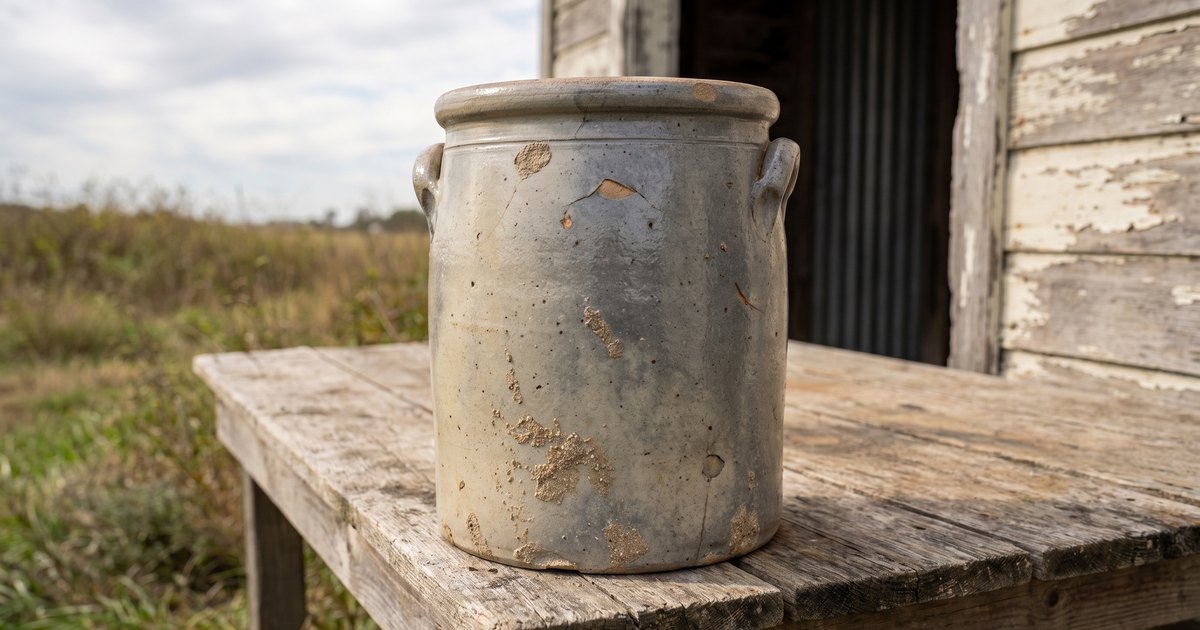
What similar items actually sold for
To help ground this guide in real market activity, here are recent example auction comps from Appraisily’s internal database. These matched sales are market context only, not an object estimate or identification, and they do not guarantee a price for your specific antique 5 gallon crock.
Shown USD range: USD 30-USD 812. Median of these 15 USD examples: USD 90.
| Comparable | What sold | Auction house | Date | Lot | Source-reported amount |
|---|---|---|---|---|---|
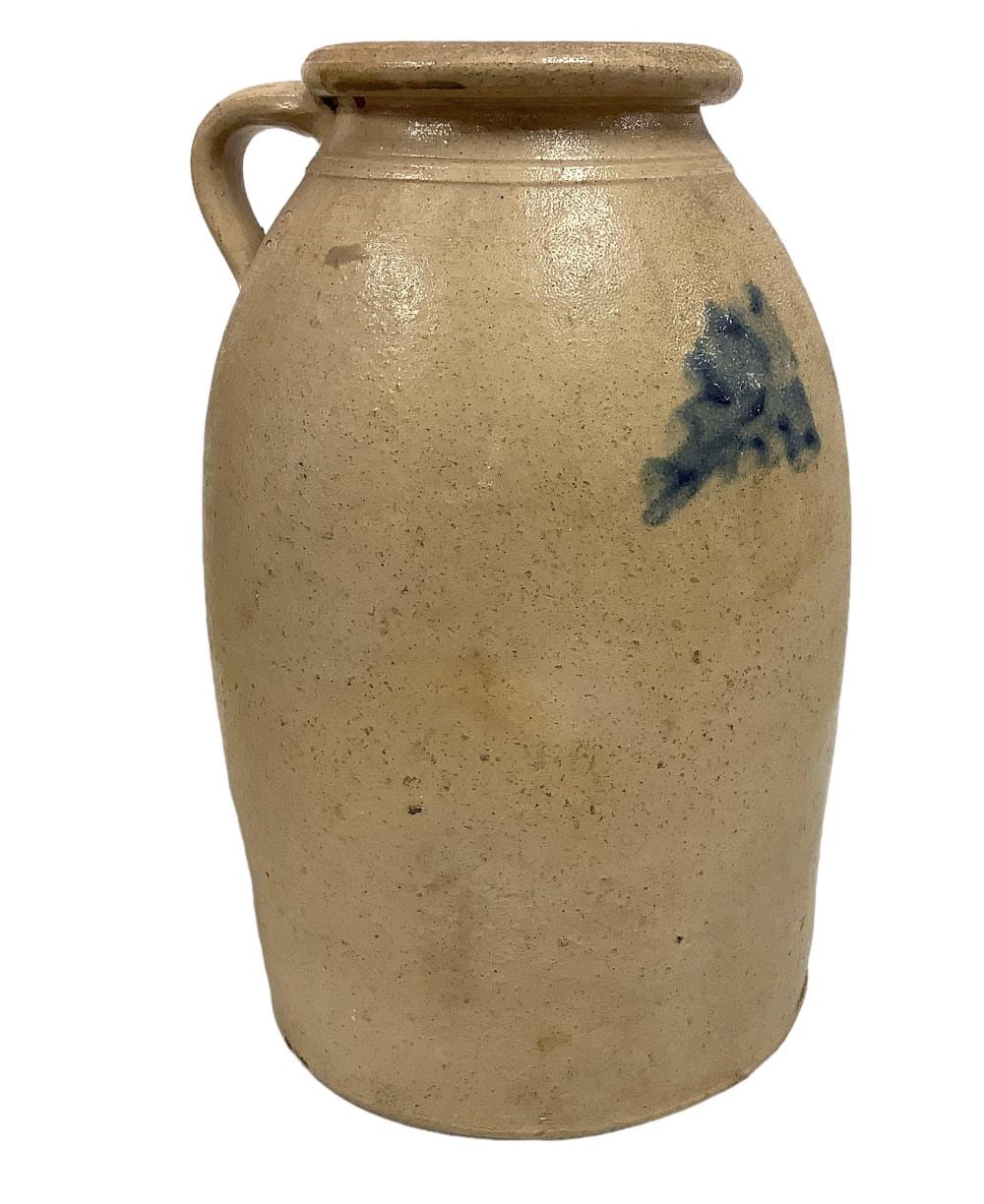 |
Antique Stoneware Three Gallon Jug Crock | Apple Tree Auction Center | 2023-10-18 | 3050 | USD 350 (buyer’s-premium treatment unknown) |
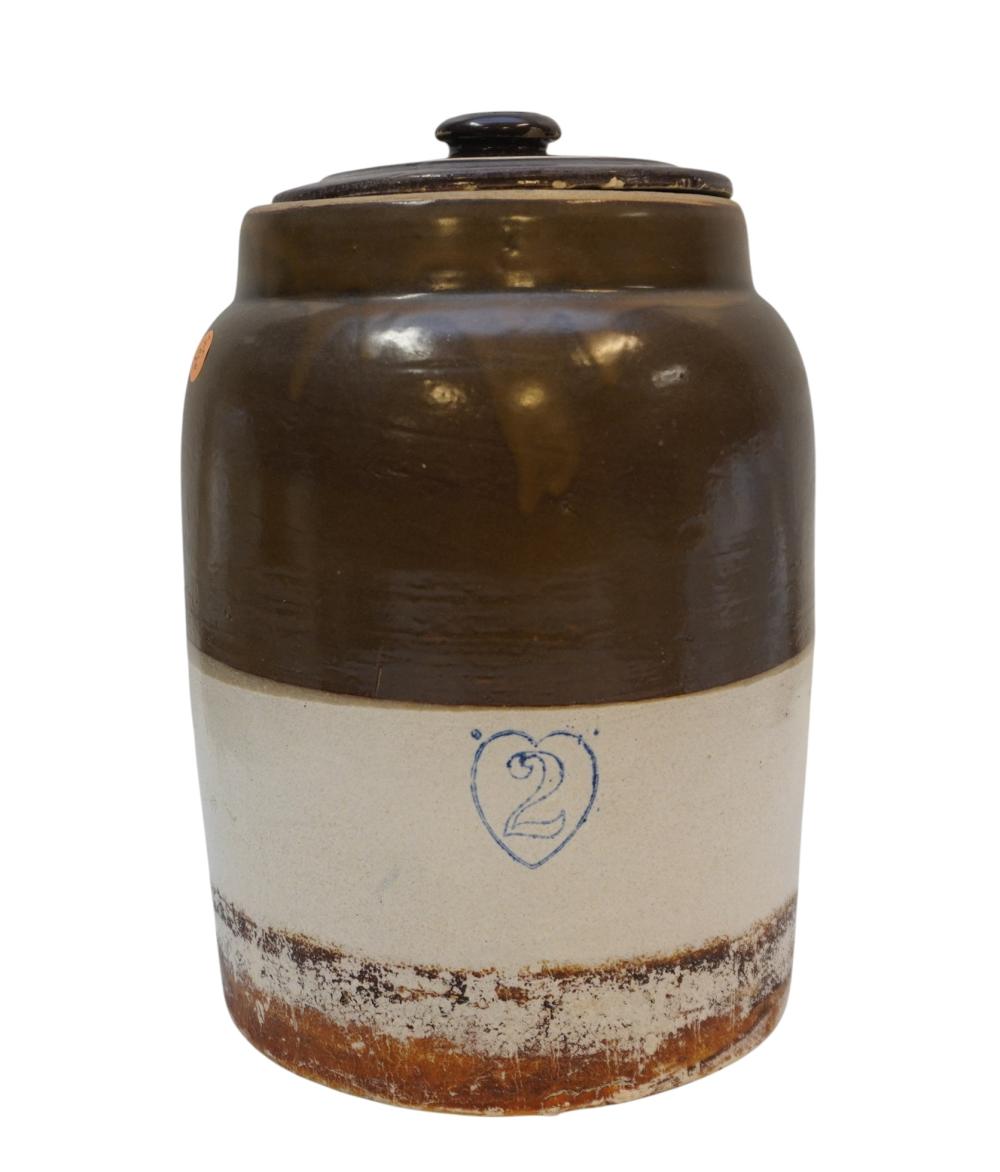 |
ANTIQUE 2 GALLON SALT GLAZED CROCK | Charleston Estate Services Auctions & Appraisals | 2026-01-04 | 56 | USD 70 (buyer’s-premium treatment unknown) |
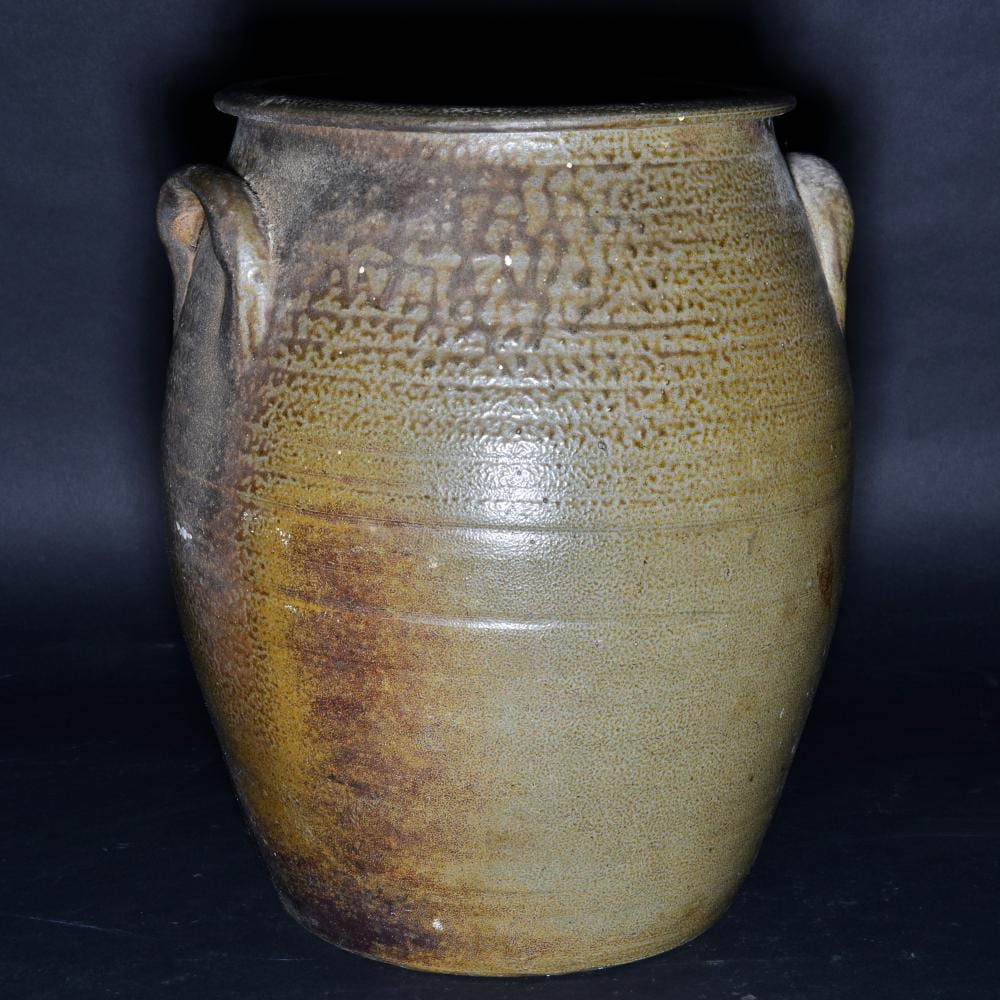 |
Alamance County 5 Gallon Crock (att. to Loy) | Ledbetter Auctions | 2023-03-04 | 184 | USD 225 (buyer’s-premium treatment unknown) |
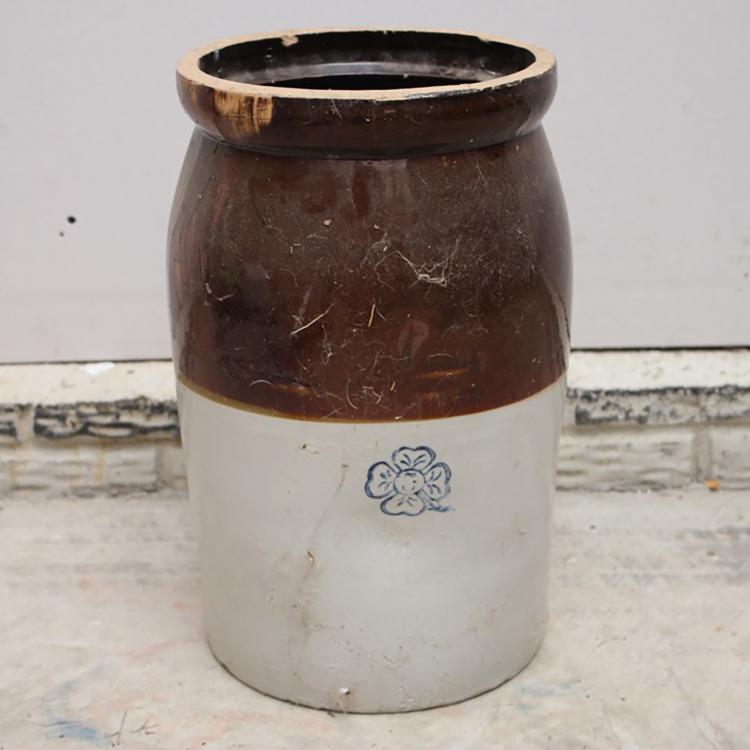 |
Antique 19th Century Miller Pottery Stoneware Five Gallon Crock | Worthington Galleries | 2017-10-21 | 58 | USD 60 (buyer’s-premium treatment unknown) |
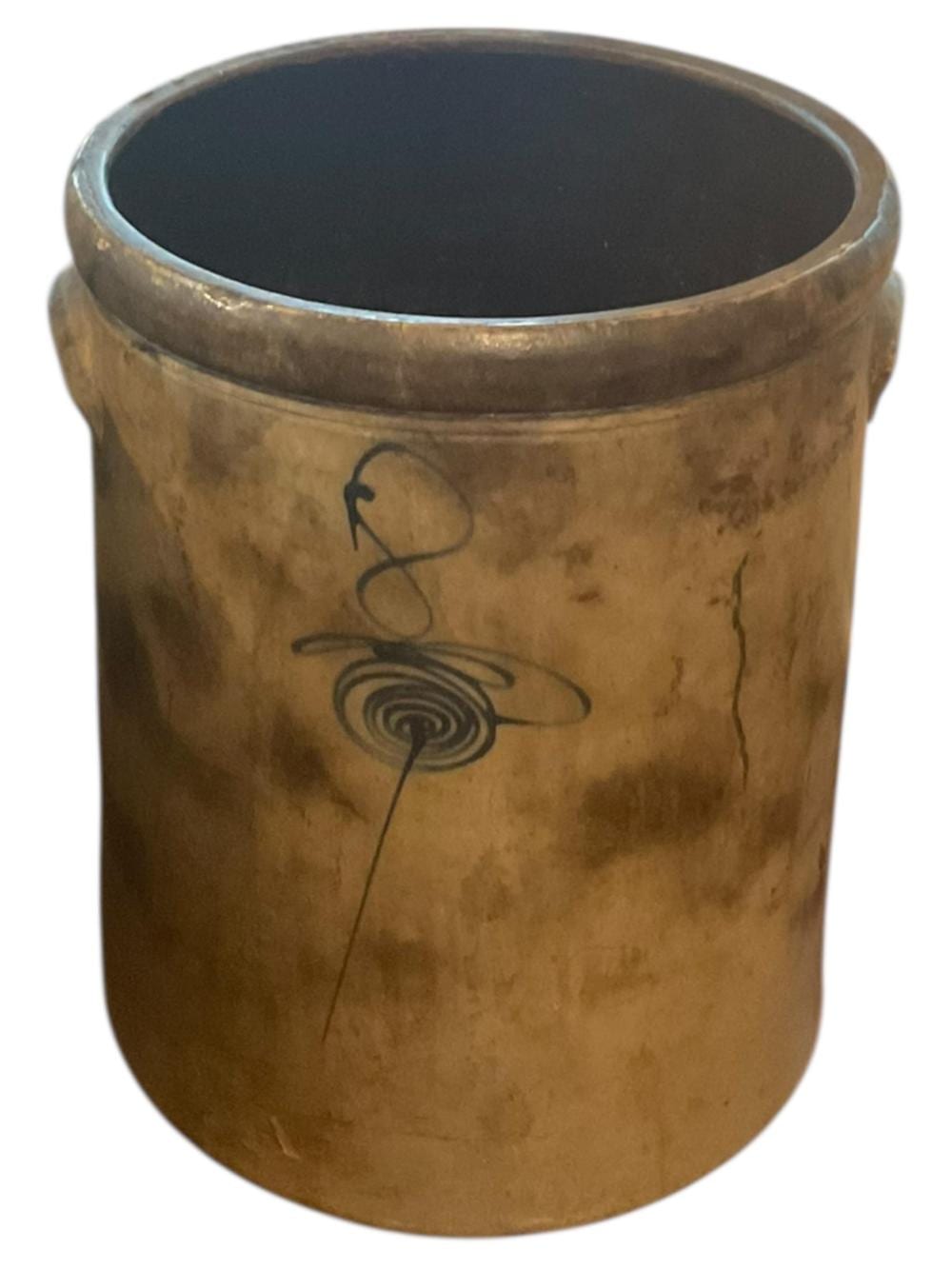 |
Antique Bee Sting 8 Gallon Stoneware Crock | Caswell Prewitt Realty, INC | 2026-04-12 | 173 | USD 525 (buyer’s-premium treatment unknown) |
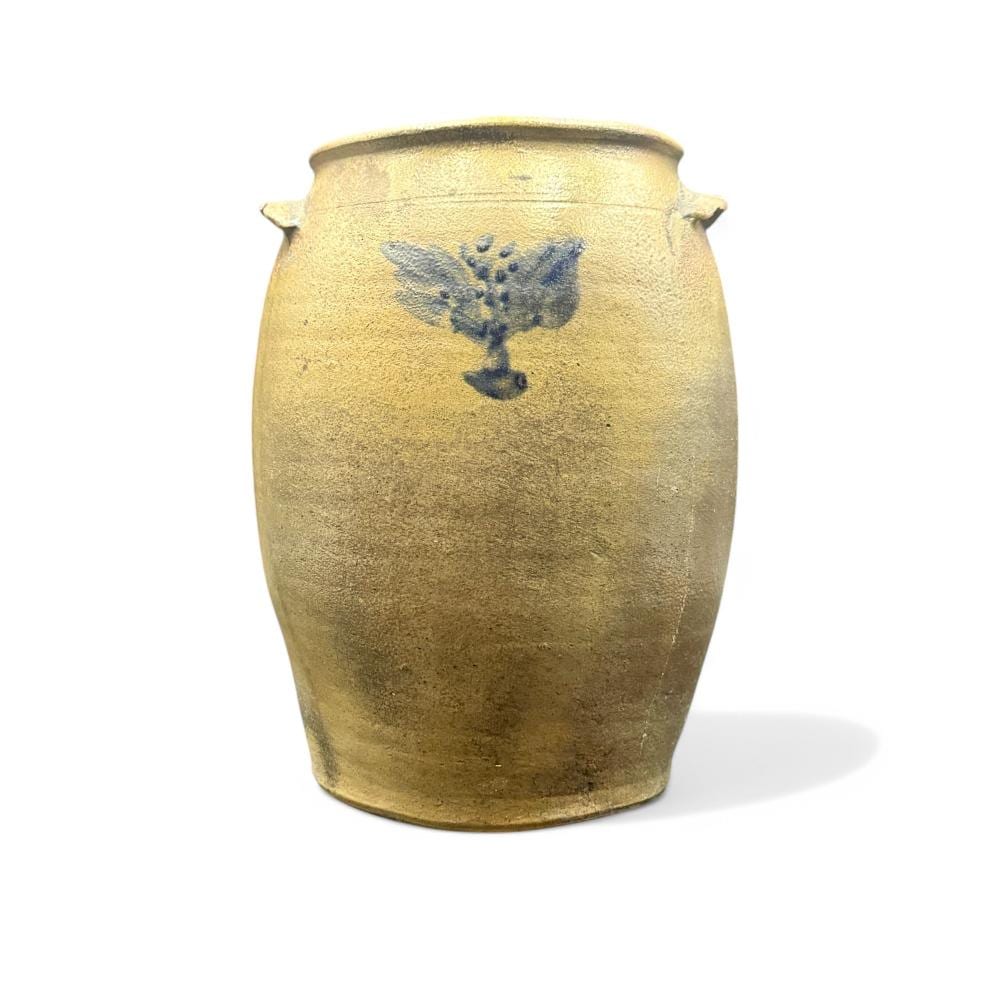 |
2 Gallon Stoneware Crock, Cobalt Star | Caza Sikes | 2025-02-19 | 37 | USD 812 (buyer’s-premium treatment unknown) |
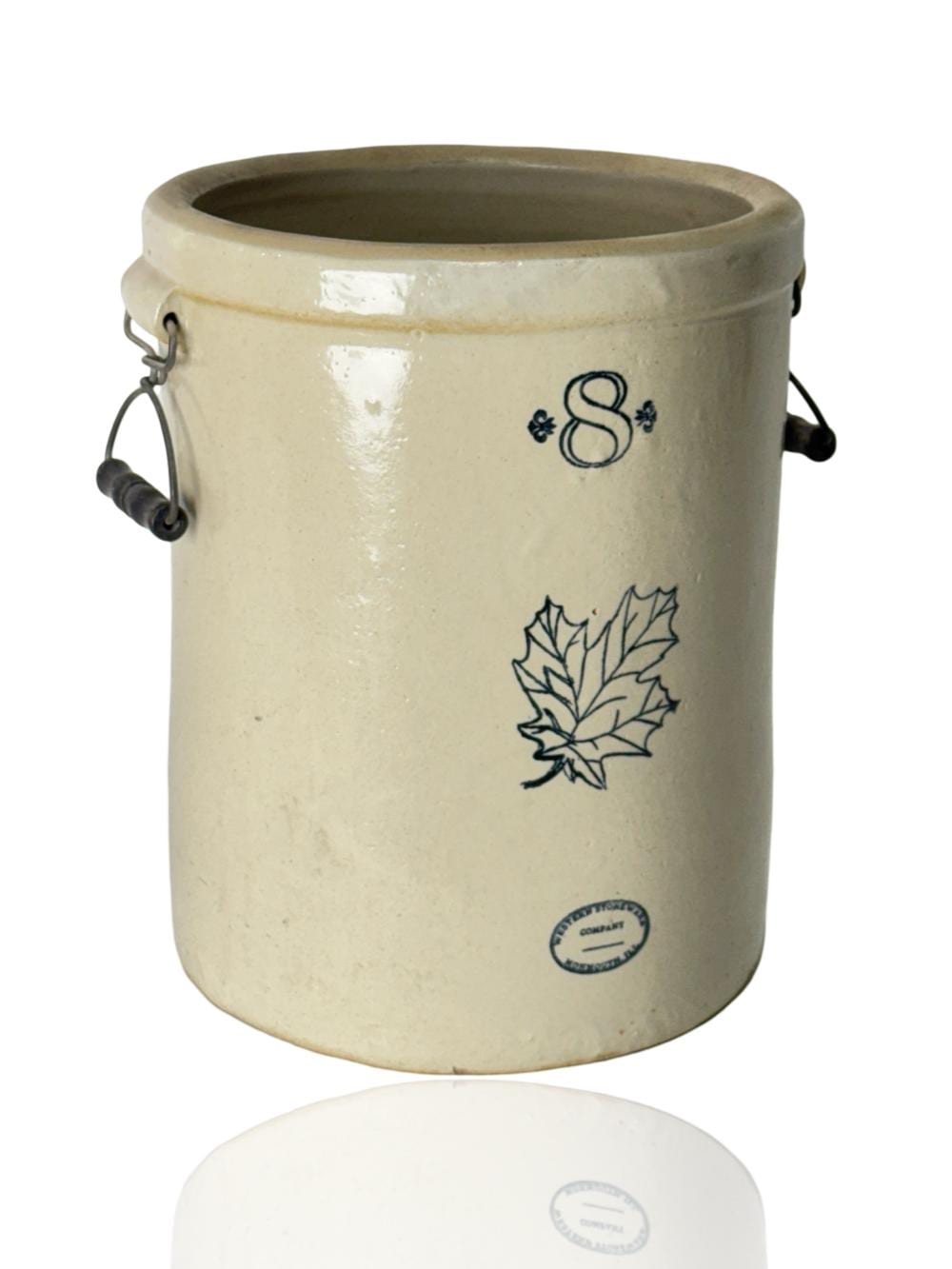 |
Antique Western Stoneware Company 8 Gallon Crock Maple Leaf | Ace Of Estates | 2025-03-23 | 155291 | USD 90 (buyer’s-premium treatment unknown) |
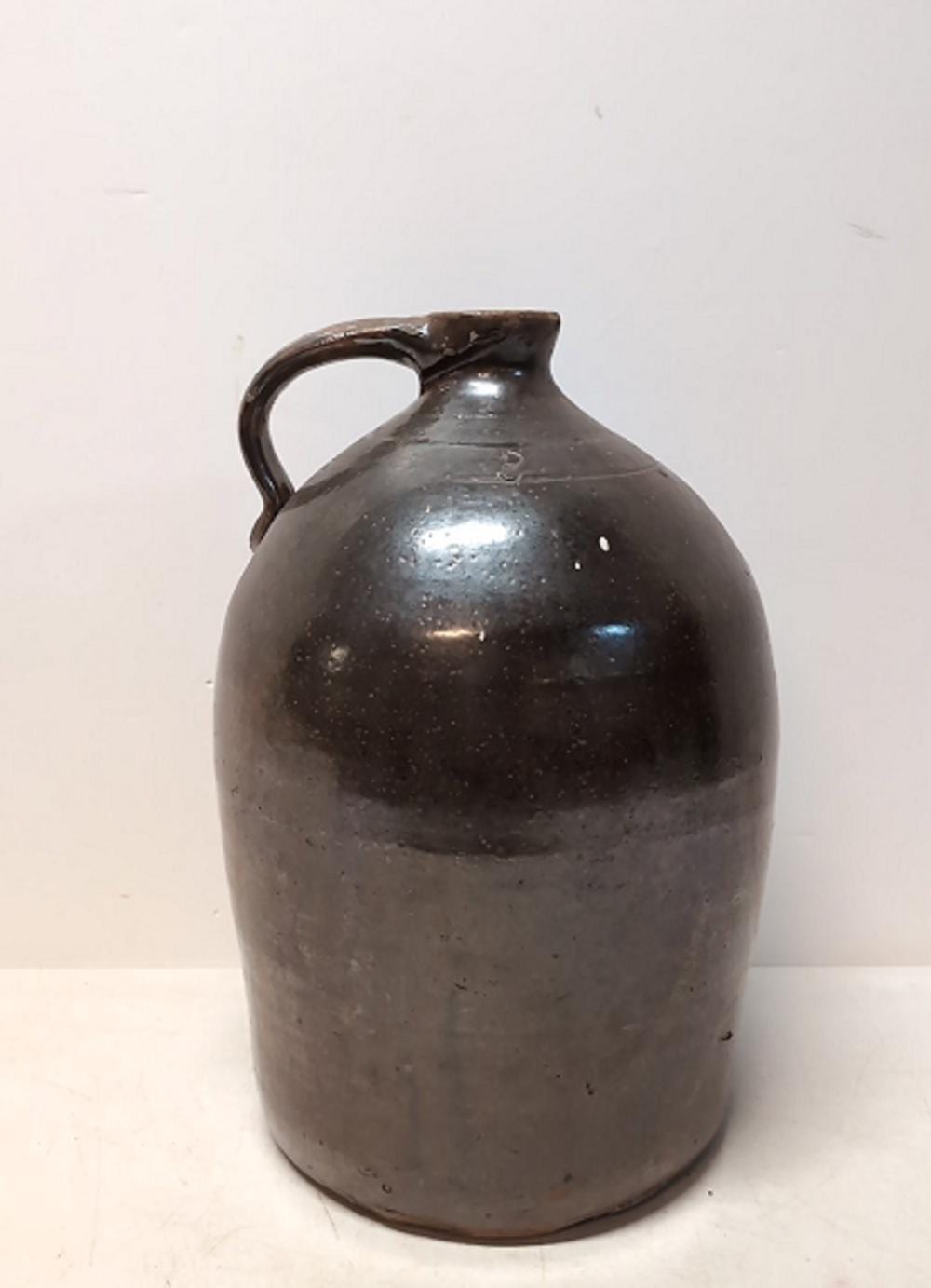 |
Antique 3 gallon stoneware crock jug | Heritage Antiques & Auction | 2025-02-13 | 154 | USD 55 (buyer’s-premium treatment unknown) |
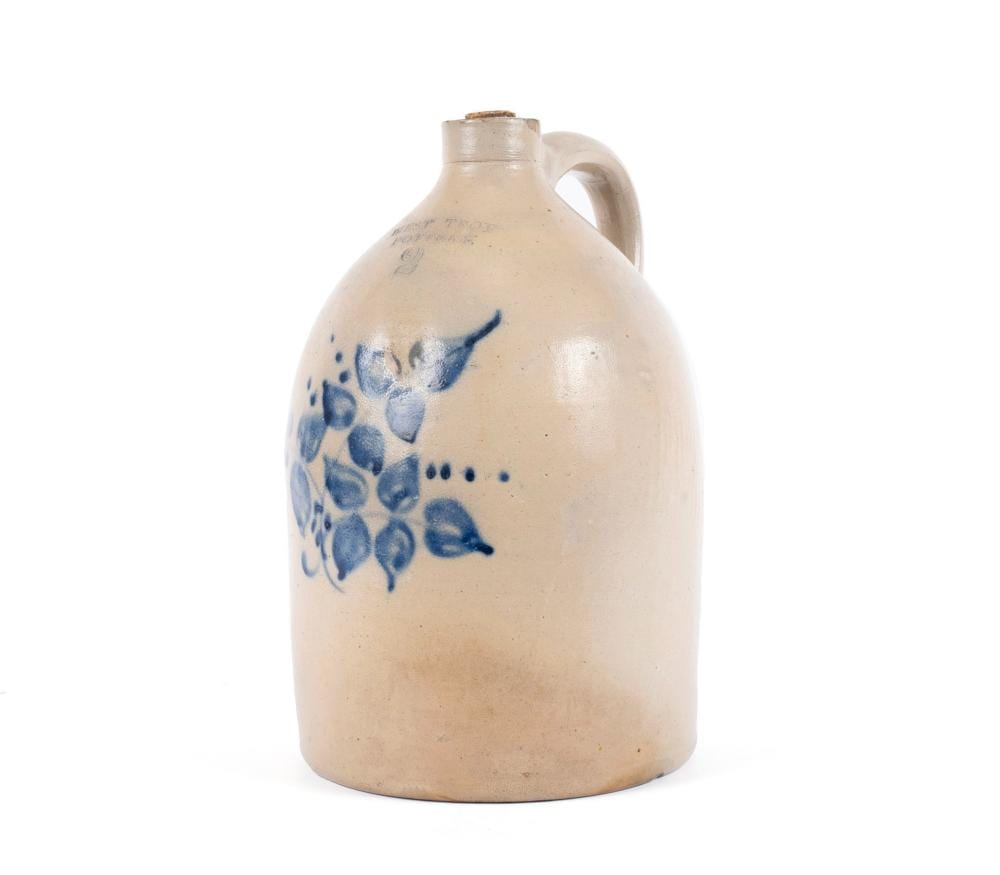 |
TWO GALLON WEST TROY CROCK JUG | Selkirk Auctioneers & Appraisers | 2023-03-03 | 344 | USD 275 (buyer’s-premium treatment unknown) |
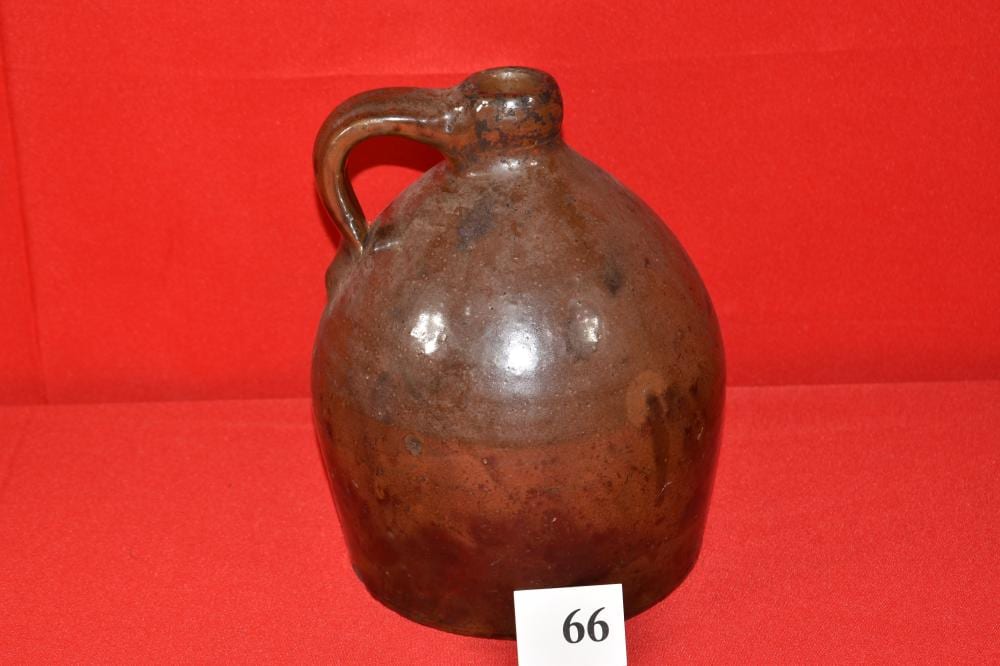 |
Antique 1 Gallon Stoneware Jug Crock Brown | Old Barn Auction | 2024-10-19 | 66 | USD 30 (buyer’s-premium treatment unknown) |
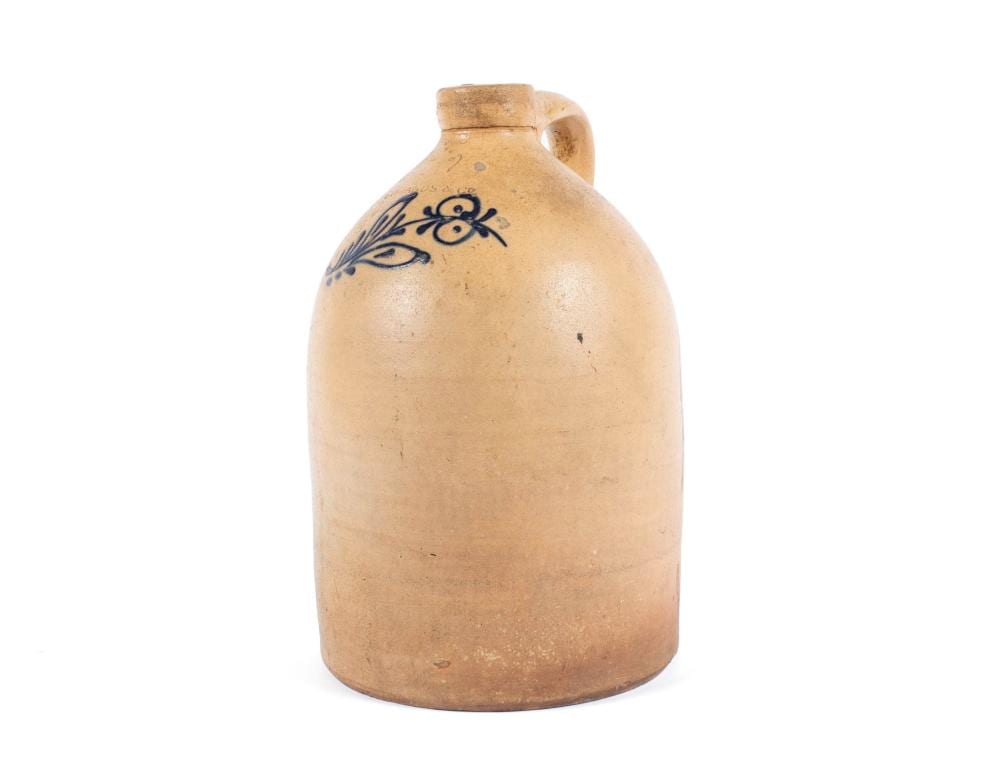 |
TWO GALLON EDMANDS & CO. CROCK JUG | Selkirk Auctioneers & Appraisers | 2023-03-03 | 345 | USD 200 (buyer’s-premium treatment unknown) |
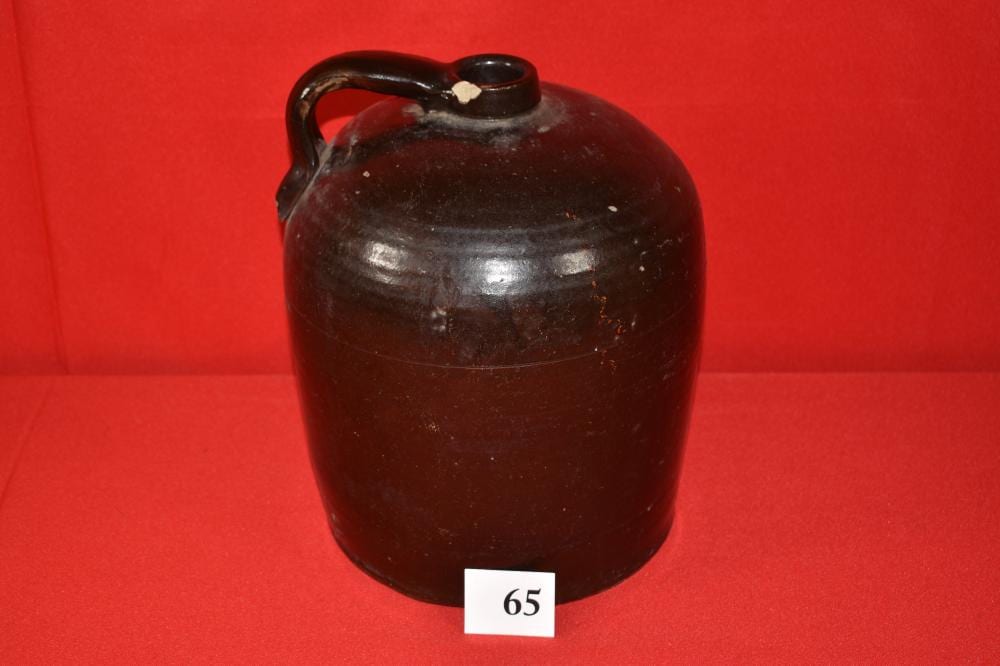 |
Antique 2 Gallon Stoneware Jug Crock Brown | Old Barn Auction | 2024-10-19 | 65 | USD 50 (buyer’s-premium treatment unknown) |
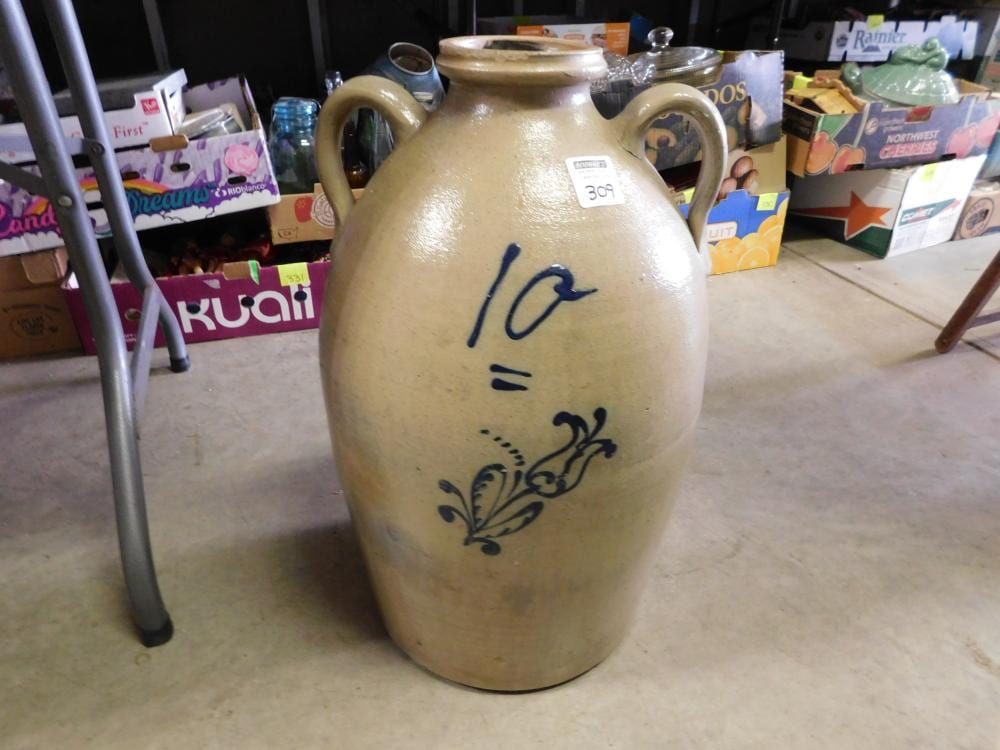 |
10 Gallon Stoneware Double Handled Crock | Bodnar's Auction Sales | 2020-09-17 | 309 | USD 300 (buyer’s-premium treatment unknown) |
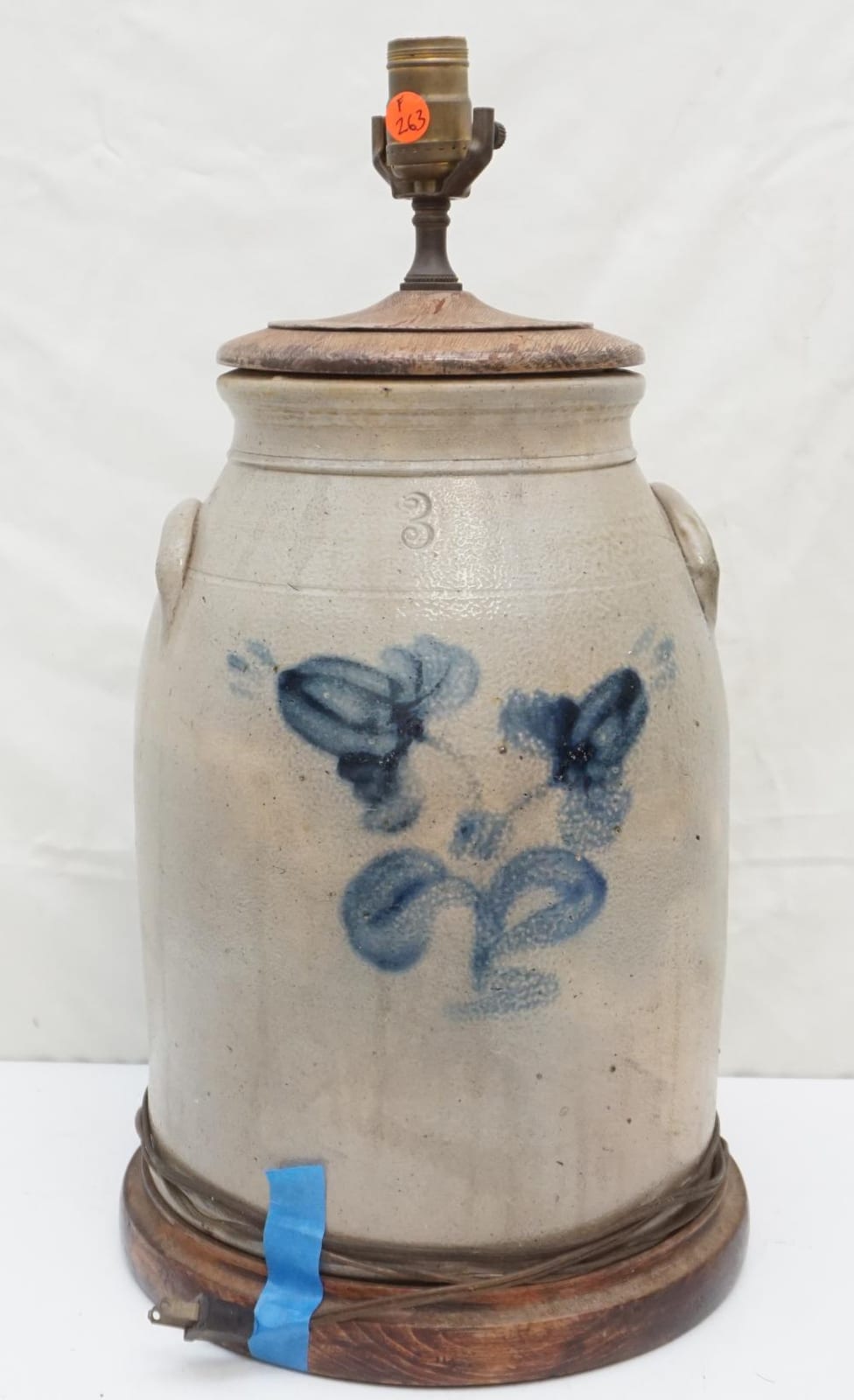 |
ANTIQUE STONEWARE 3 GALLON CROCK LAMP | Charleston Estate Auctions | 2024-04-07 | 263 | USD 80 (buyer’s-premium treatment unknown) |
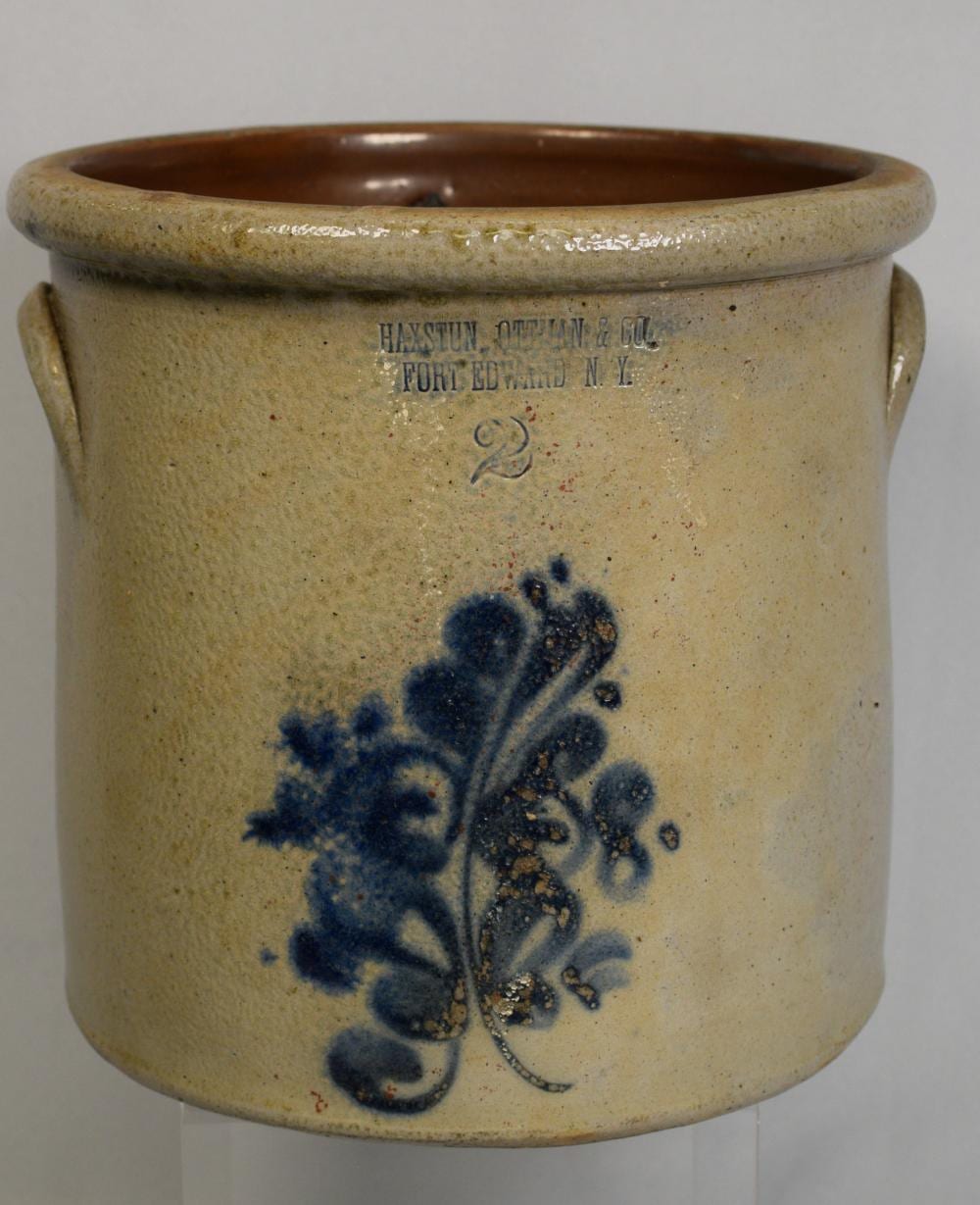 |
FORT EDWARD 2 GALLON STONEWARE CROCK | White's Auctions | 2024-11-17 | 178A | USD 80 (buyer’s-premium treatment unknown) |
How these auction records were verified
Each row retains its exact source URL, lot identity, retrieval time, access result, and immutable record hash. Inspect the public comparable provenance record.
Disclosure: prices are shown as reported by auction houses and are provided for appraisal context. Learn more in our editorial policy.
5 gallon crock value checks before appraisal
Antique 5 gallon crock value changes with the maker mark, capacity stamp, decoration style, glaze, regional pottery, chips, cracks, repairs, staining, and overall condition. Before pricing a crock, document whether it is a common utility piece, a decorated example, or a better regional stoneware form.
- Photograph the full crock, capacity number, maker mark, decoration, rim, handles, base, cracks, chips, repairs, and staining.
- Separate decorated crocks from plain utility crocks and compare only similar maker, size, and condition examples.
- Use a written appraisal for estate, insurance, resale, donation, or higher-value regional pottery decisions.
Antique 5 Gallon Crock Value Guide
Antique 5-gallon crocks are a sweet spot for collectors: large enough to display, common enough to find, and varied enough in maker, decoration, and age to produce wide price swings. This guide explains how to identify what you have, what drives value, realistic price ranges, and how to evaluate condition and sell wisely.
What Is a 5-Gallon Crock?
A 5-gallon crock is a salt-glazed stoneware vessel with a nominal liquid capacity of five gallons. Typical features include:
- Gray or tan salt-glazed exterior with orange “rust” freckles from kiln firing.
- Brown Albany slip or similar glaze on the interior for impermeability.
- A cobalt-blue capacity mark “5,” often centered on the exterior.
- Ear handles or lug handles, sometimes with cobalt dabs at the terminals.
- Straight-sided “utility” form; 5-gallon churns in similar capacity are taller and narrower, sometimes with dashers and lids.
These were household workhorses from the mid-1800s into the early 20th century, used for pickling, fermenting, butter churning, and storage. Most were wheel-thrown in the Northeast and Mid-Atlantic during the 19th century; by the late 19th and early 20th centuries, large Midwestern potteries industrialized production.
Key Value Drivers
Five main factors determine value for 5-gallon crocks.
- Maker and Mark
- Clearly marked crocks from respected potteries bring more.
- Regional desirability matters: Red Wing (MN), Western Stoneware and Monmouth (IL), Robinson Ransbottom (OH), Uhl (IN), and various New York and Pennsylvania potteries (e.g., Whites Utica, Fort Edward, Cowden & Wilcox, Hamilton & Jones).
- Decoration
- Hand-painted cobalt decoration (birds, florals, deer, script) commands premiums.
- Stenciled advertising (merchant names, dairy, grocery, hardware) adds appeal and locality value.
- Plain stamped examples without decoration are more modest.
- Age and Region
- Early to mid-19th century Northeastern stoneware with bold cobalt is generally more valuable than later factory-made Midwestern utilitarian ware.
- Transitional pieces (late 1800s) can be mixed: sturdy and collectible, but prices hinge on decoration and condition.
- Condition
- Chips, cracks, hairlines, rim nicks, base “star” cracks, stains, and repairs all reduce value.
- Original lids and hardware raise value; mismatched or reproduction accessories do not.
- Form, Size, and Function
- Standard 5-gallon crocks are common, while 5-gallon churns with original lid and dasher, or unusual forms (coolers, ice water jars), can be stronger.
- Form plus maker and decoration can multiply value.
Identifying Makers and Marks
Many 5-gallon crocks include a maker’s mark or logo. Spotting and dating them correctly improves appraisal accuracy.
- Red Wing (Minnesota): Early pieces often show a birch leaf stamp; later examples feature the red wing logo with a “5” capacity mark. Birch leaf and early marks typically date to the late 19th–early 20th century; wing logos are common from the 1910s–1930s. Some also include zinc or patent references on certain forms.
- Western Stoneware (Illinois): Maple leaf device with Western Stoneware Co. text appears c. 1906 onward. Often stenciled. Quality is consistent; decoration varies.
- Monmouth (Illinois): Earlier Monmouth Pottery marks include wreaths or block lettering; later merged under Western Stoneware. Advertising examples can be desirable.
- Robinson Ransbottom, RRP (Ohio): The “Blue Crown” mark with the capacity number inside the crown is mid-20th century; these are durable and collectible but generally more modest in value unless advertising or exceptionally clean.
- Uhl (Indiana): Often incised or stamped oval marks; output includes utility crocks. Regional interest can boost prices.
- Northeastern Decorated Potteries (NY/PA): Whites Utica, Fort Edward, Remmey, Burger, Cowden & Wilcox, Hamilton & Jones, and others. Expect hand-applied cobalt designs, brushed numbers, and occasional merchant stamps. These command the strongest prices when decoration is crisp.
- Unmarked: Many utilitarian crocks are unmarked. Look at clay body, glaze character, handle style, and decoration style to infer region and period.
Tip: Maker marks can be faint or partially under the glaze. Examine in raking light. Cobalt numbers sometimes reflect a decorator’s hand rather than a factory stencil, which can indicate an earlier date.
Price Ranges You Can Expect
Values fluctuate by region and recent sales. The ranges below are typical retail or auction outcomes for 5-gallon examples in the U.S., assuming honest, disclosed condition.
- Common Midwestern utilitarian, plain (Western Stoneware/Monmouth/RRP), clean, no decoration: a value that must be established from current, topic-matched sales.
- Red Wing with wing logo, clean: a value that must be established from current, topic-matched sales. Stronger prices for excellent stamps and minimal wear.
- Early Red Wing birch leaf stamp, clean: a value that must be established from current, topic-matched sales; more if exceptional.
- Stenciled advertising (merchant names, dairies), clean: a value that must be established from current, topic-matched sales; rare towns or graphic stencils can exceed a value that must be established from current, topic-matched sales.
- Northeastern hand-decorated cobalt florals/birds from respected potteries, sound: a value that must be established from current, topic-matched sales+. Big, bold decoration and famous makers can achieve more.
- 5-gallon churns with original lid and iron or wooden dasher, utilitarian: a value that must be established from current, topic-matched sales; decorated churns: a value that must be established from current, topic-matched sales+.
- Severely damaged or heavily restored examples usually fall below the low ends above.
Condition adjustments are often decisive:
- Tight hairline: minus roughly a condition-specific range depending on visibility and length.
- Rim chip: minus roughly a condition-specific range (size and location matter).
- Base star crack or through crack: minus a condition-specific range.
- Professional restoration: for serious collectors, up to a condition-specific range reduction; for decorators, less of a penalty.
Original accessories add value:
- Fitted stoneware lids can add a condition-specific range.
- Correct wire-and-wood bail handles on churns add a condition-specific range.
- Provenance or documentation can help, especially for high-end decorated ware.
How to Evaluate and Date Your Crock
Follow a structured approach to avoid missing critical details.
- Confirm Capacity
- Check for a cobalt or stamped “5.” Some crocks lack a clear number; measure capacity by internal dimensions if needed. A typical 5-gallon straight-sided crock is about 12–13 inches tall and 12–13 inches in diameter, but forms vary.
- Identify the Maker
- Look for incised or stamped ovals, maple leaf or wing logos, crowned marks, merchant stencils, or brushed script.
- Cross-compare style: Blue Crown equals RRP; maple leaf equals Western; red wing equals Red Wing; bold hand-decorated cobalt suggests New York/Pennsylvania origins.
- Assess Decoration
- Hand-brushed cobalt (birds, tulips, vines, names) is earlier and prized.
- Stenciled cobalt (company names, towns) is later but collectible.
- A simple blue “5” and a stamp are more utilitarian.
- Examine Construction and Glaze
- Salt-glazed exterior should feel slightly orange-peeled.
- Albany slip interior is smooth, dark brown to black.
- Applied lug handles with cobalt dabs can indicate earlier hand-finishing.
- Grade Condition Methodically
- Run a fingertip around rim and base for chips.
- Inspect the interior walls and base for hairlines; use a light inside and outside.
- Tap test: a clear ring suggests integrity; a dull thud can indicate a crack.
- Under UV, modern overpaint often fluoresces; look for changed texture or sheen.
- Note Regional Clues
- Northeastern decorated stoneware often bears more exuberant cobalt and sometimes merchant names.
- Midwestern factory crocks tend to be cleaner, plainer, with standardized stamps and stencils.
- Compare to Recent Sales
- Use the ranges above to bracket value; adjust for condition and local demand.
- Unique decoration, rare towns, and crisp marks push higher.
Care, Cleaning, and Restoration
Do less rather than more. Many crocks lose value from aggressive cleaning.
- Dry clean first: soft brush and microfiber cloth to remove dust.
- For grime, use warm water with a drop of mild dish soap; avoid soaking.
- Do not use abrasive pads or harsh cleaners; they can scratch the glaze.
- Mineral deposits can sometimes be reduced with a diluted white vinegar wipe, quickly rinsed and dried. Test an inconspicuous area first.
- Avoid dishwasher use and extreme temperature changes.
- Food use is not recommended; old glazes and repairs can pose risks.
Restoration guidance:
- Professional stabilization of a tight hairline can preserve structural integrity for display.
- Color-matched rim chip fills and inpainting are common but must be disclosed on sale.
- Heavy repainting or full resurfacing harms value, especially for decorated examples.
Storage and display:
- Keep on sturdy shelving; cushion with felt pads.
- Avoid direct sunlight, which can highlight restored areas and fade stenciling.
- For transport, double-box with dense foam, not loose peanuts; protect handles and rims separately.
Market Trends and Selling Tips
- Decorated Northeastern pieces with strong birds, floral sprays, or figural motifs remain the top tier.
- Local advertising stencils have a steady audience, particularly when the town name resonates regionally.
- Red Wing continues to have a robust collector base; crisp marks and clean glaze matter.
- Later utility crocks without decoration see stable, modest prices. Clean examples in neutral decor colors sell well to home decorators.
Selling options:
- Local auction or estate sale: Faster, localized demand; lower shipping hassles for heavy items.
- Specialist auction: Best for decorated or rare-mark examples; fees apply but can reach national buyers.
- Direct private sale or consignment: Good for known collectors’ markets (e.g., Red Wing clubs, regional stoneware groups).
- Online marketplaces: Wide exposure, but shipping risk is significant; consider “local pickup only” for large, high-value crocks.
Pricing strategy:
- Start near the mid-range if condition is excellent and mark is crisp.
- If there is any crack or repair, price conservatively to account for buyer scrutiny.
- Provide clear photos: full front, both handles, base, interior, rim close-ups, and any marks/decoration.
Quick Appraisal Checklist
- Verify capacity: is it clearly marked “5” or measured to ~5 gallons?
- Identify maker: stamp, stencil, wing/leaf/crown, or incised oval present?
- Note decoration: plain, stenciled advertising, or hand-painted cobalt?
- Date estimate: early decorated (19th c.) vs. later factory (early-mid 20th c.).
- Condition inventory: chips, hairlines, cracks, base star, staining, repairs.
- Accessories: original lid/dasher/hardware present and correct?
- Regional context: is the town or maker locally desirable?
- Compare to ranges: place the piece within typical pricing bands.
- Decide venue: specialist auction for decorated/rare; local or online for utilitarian.
- Document thoroughly: measurements, weight, and clear photos from all angles.
FAQ
Q: Are unmarked 5-gallon crocks valuable?
A: They can be. Unmarked Midwestern utility crocks tend to be modest (a value that must be established from current, topic-matched sales in clean condition). Unmarked but strongly cobalt-decorated 19th-century examples can still bring several hundred dollars if the decoration, clay, and glaze point to desirable regions.
Q: How much does a hairline crack affect value?
A: Expect roughly a a condition-specific range reduction depending on length, placement, and visibility. A tight, short rim hairline is less damaging than a long base-to-wall crack.
Q: What’s worth more: a Red Wing wing logo or birch leaf?
A: Generally, birch leaf (earlier) examples bring more than standard wing logos in the same condition, though crisp, well-centered wings still sell well. Exceptional advertising or unusual forms can override the rule.
Q: How can I tell a reproduction?
A: Red flags include overly uniform glaze, artificially aged stenciling without proper kiln integration, modern fonts, suspiciously light weight, and mold seams that don’t fit hand-thrown production. Compare clay body and glaze texture to known documented pieces.
Q: Should I restore chips before selling?
A: For high-end decorated ware, professional, minimal, disclosed restoration can be acceptable but still reduces value. For utilitarian pieces, it’s often better to sell as-is and price accordingly; buyers appreciate originality and transparency.
With careful identification, honest condition reporting, and a smart sales venue, you can price an antique 5-gallon crock with confidence—whether it’s a modest utility piece or a standout decorated example.