Mid-20th-century landscape painting: appraisal and value basics
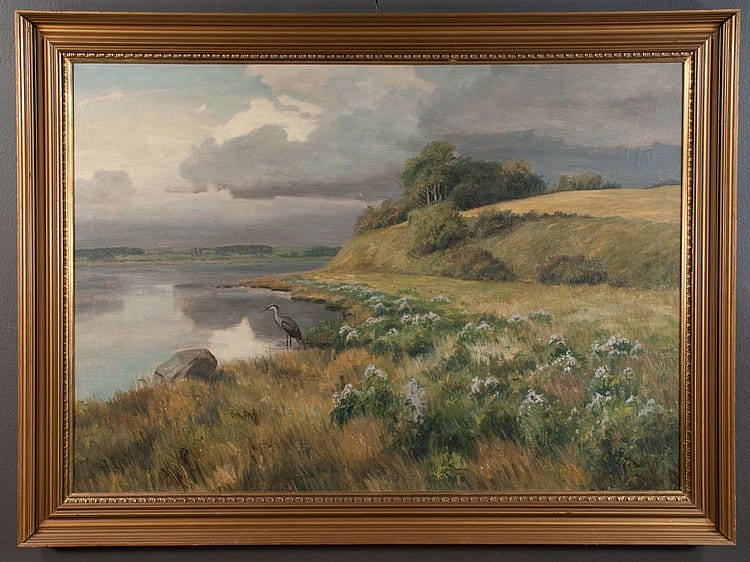
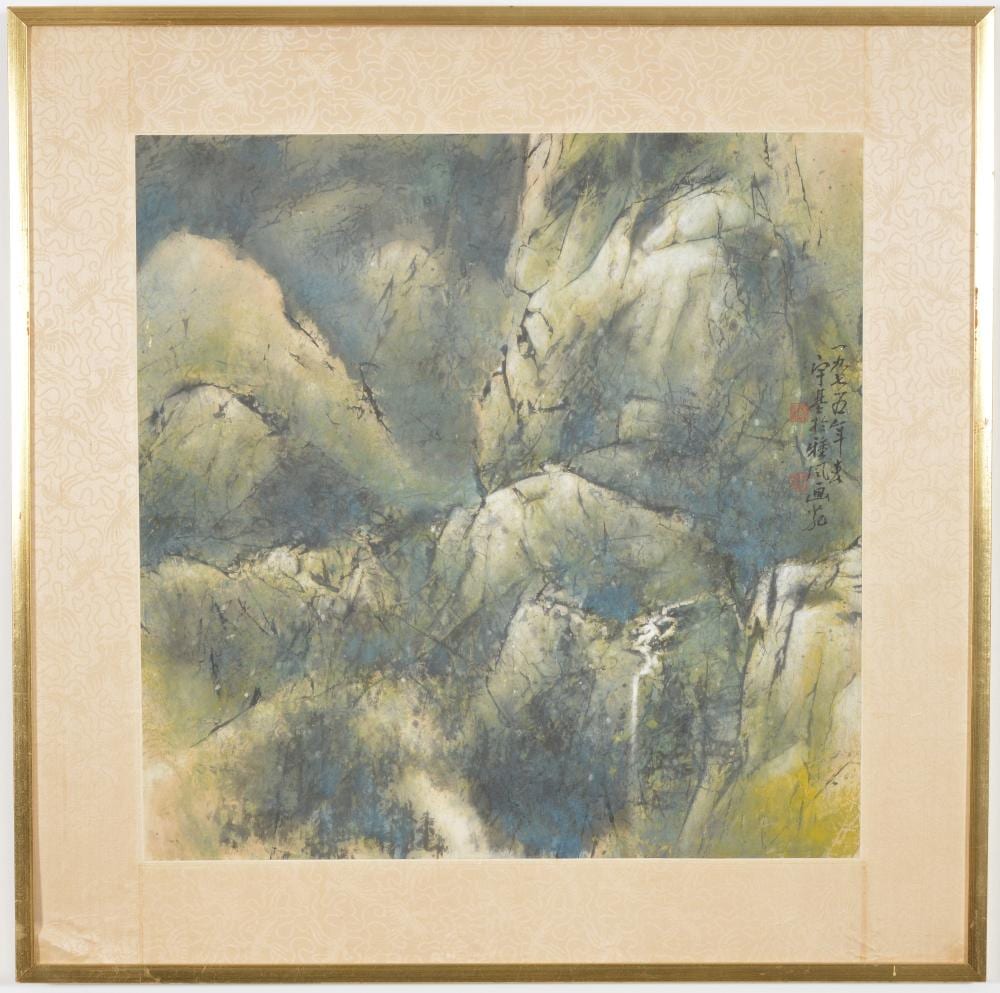
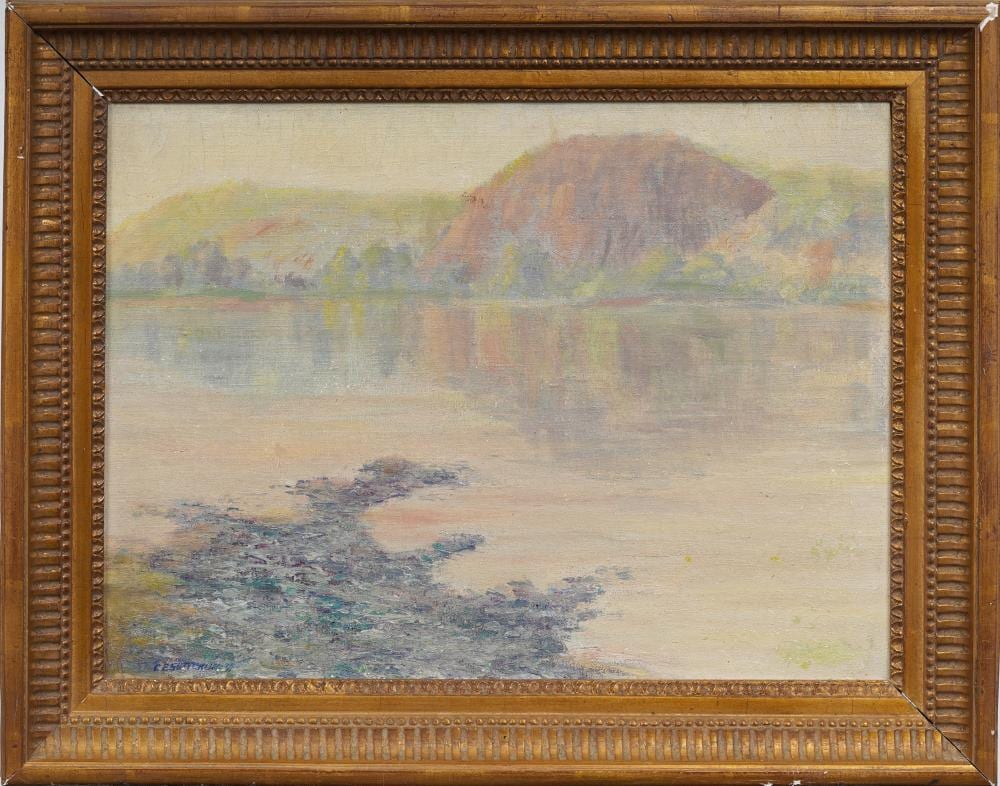
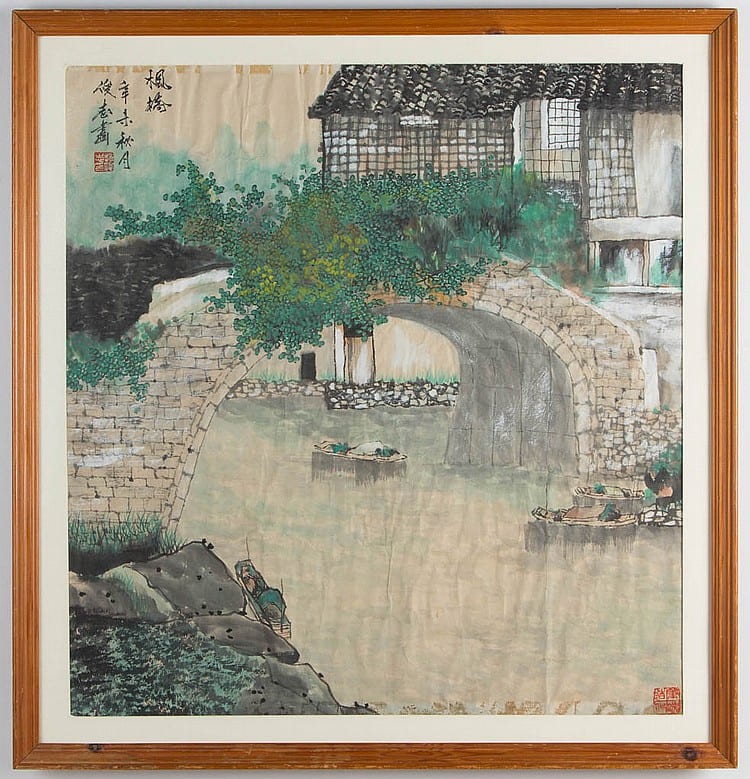
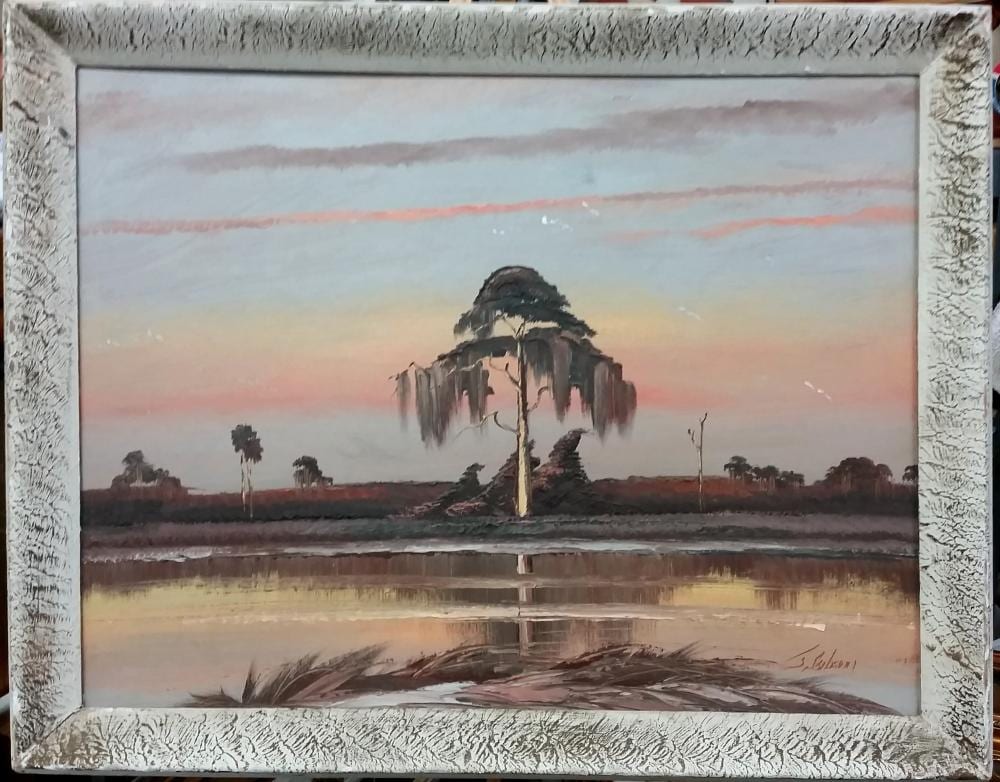
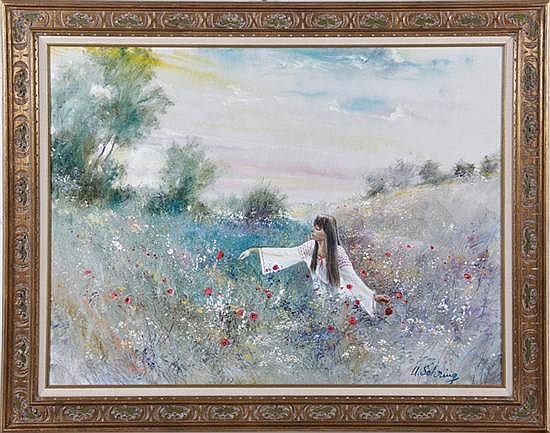
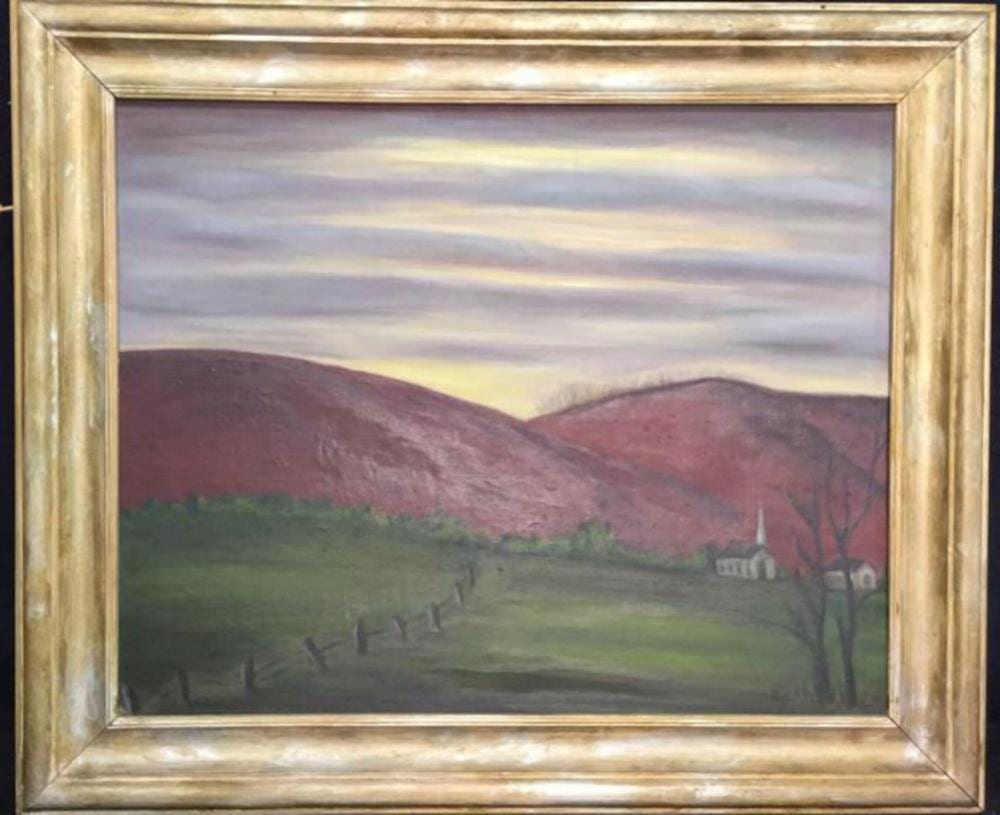
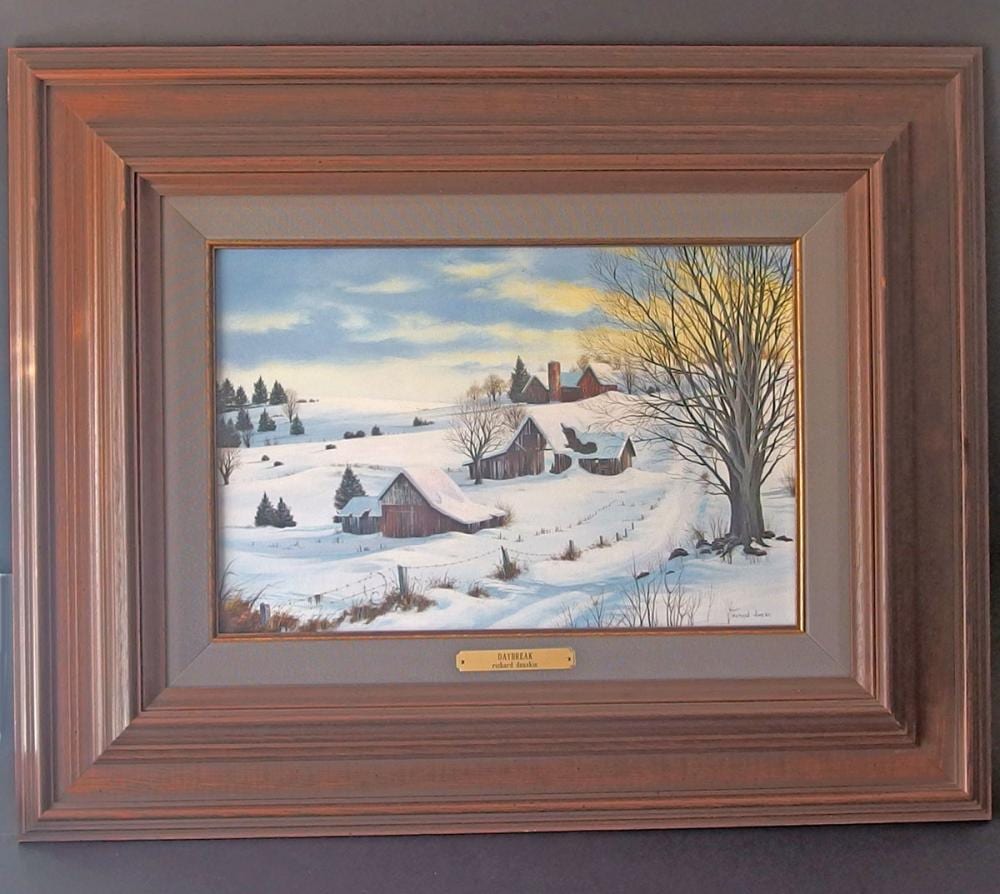
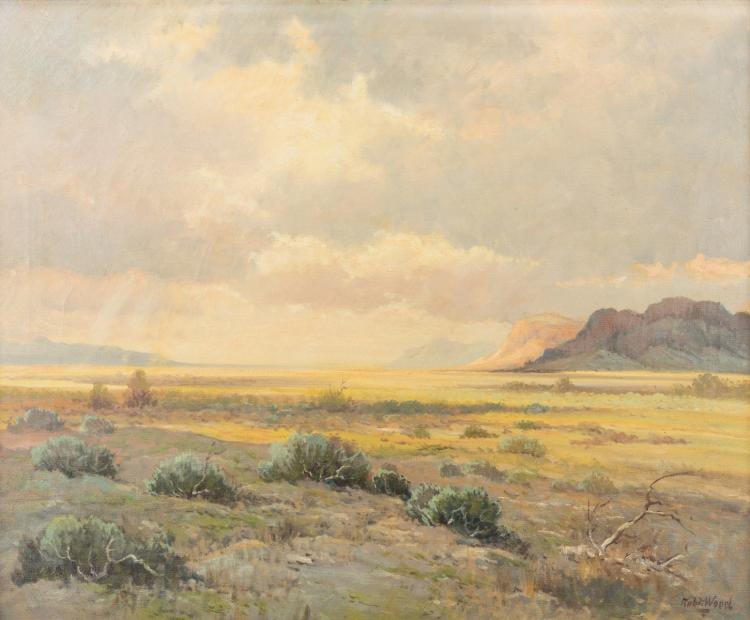
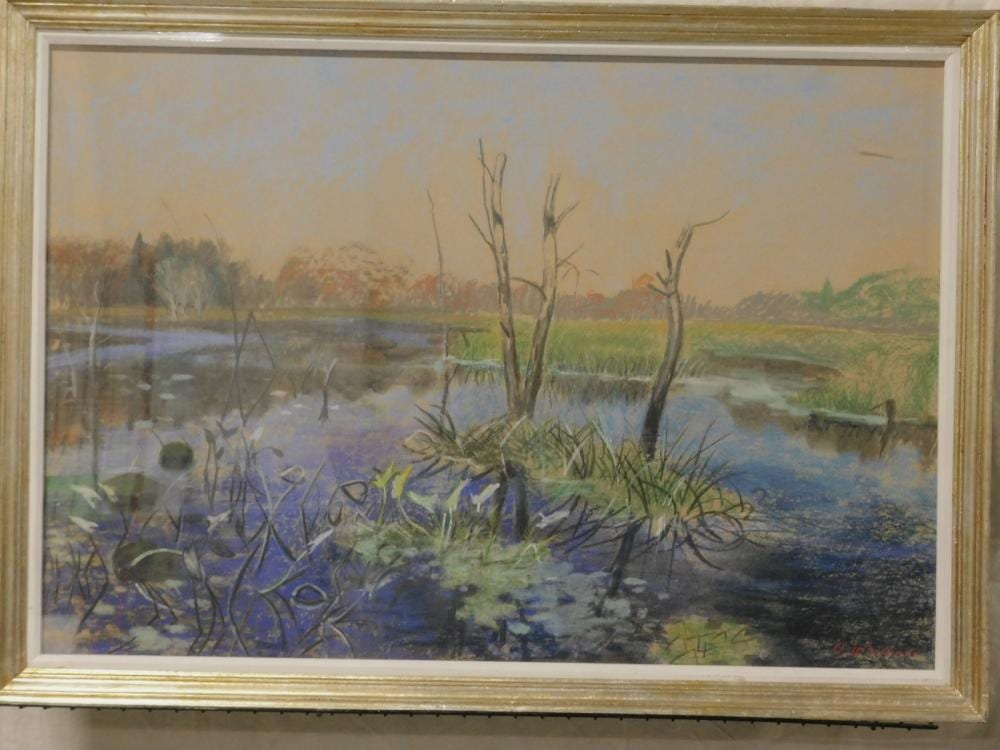
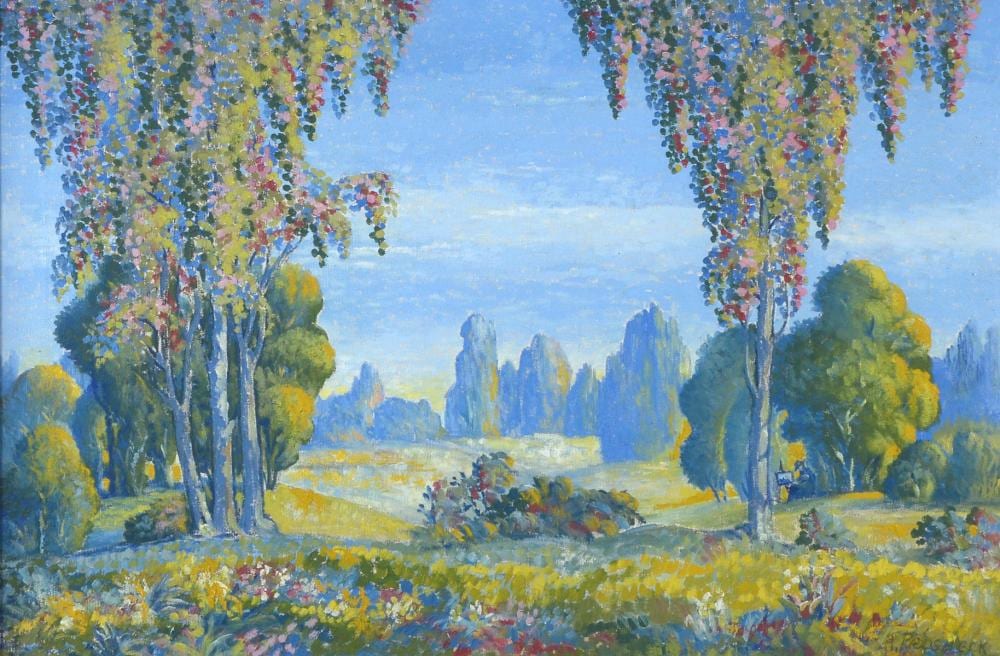
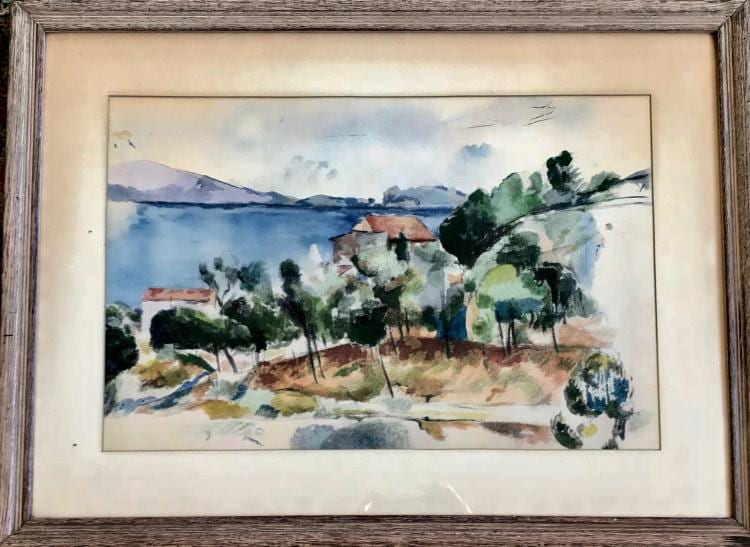
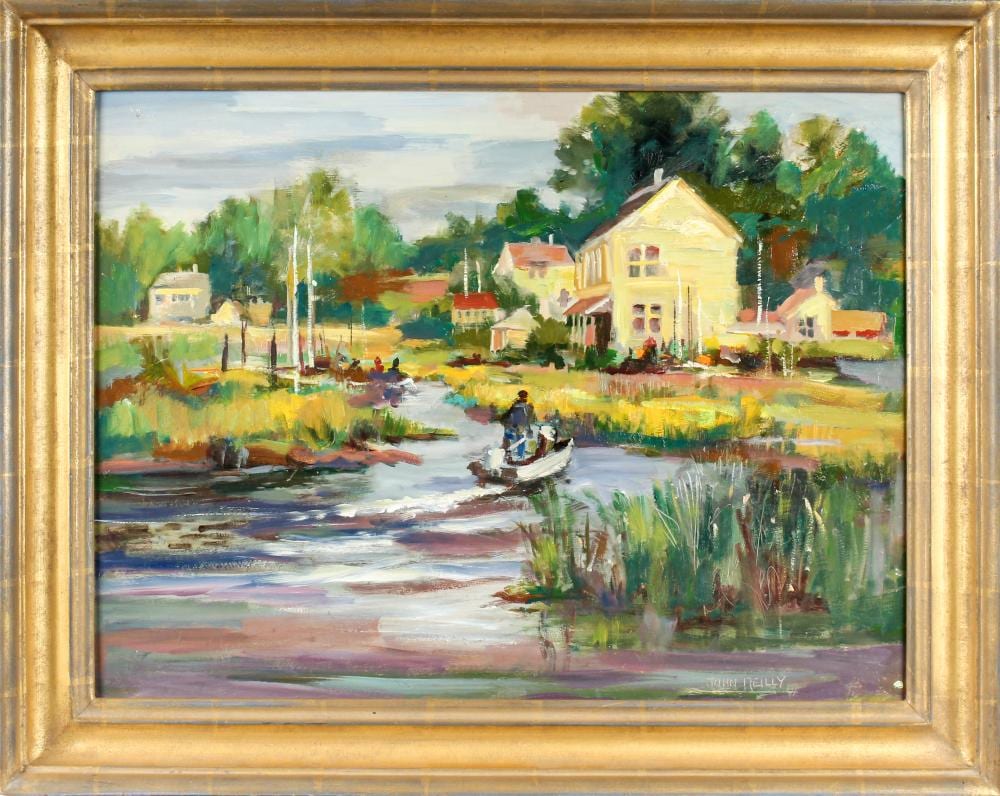
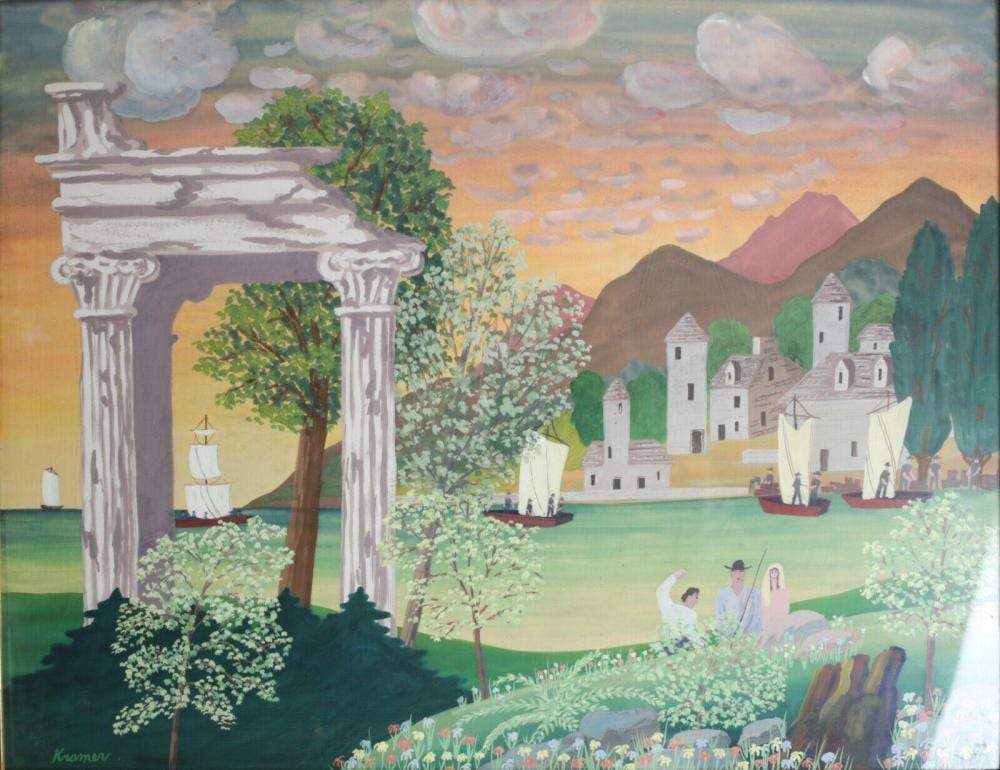
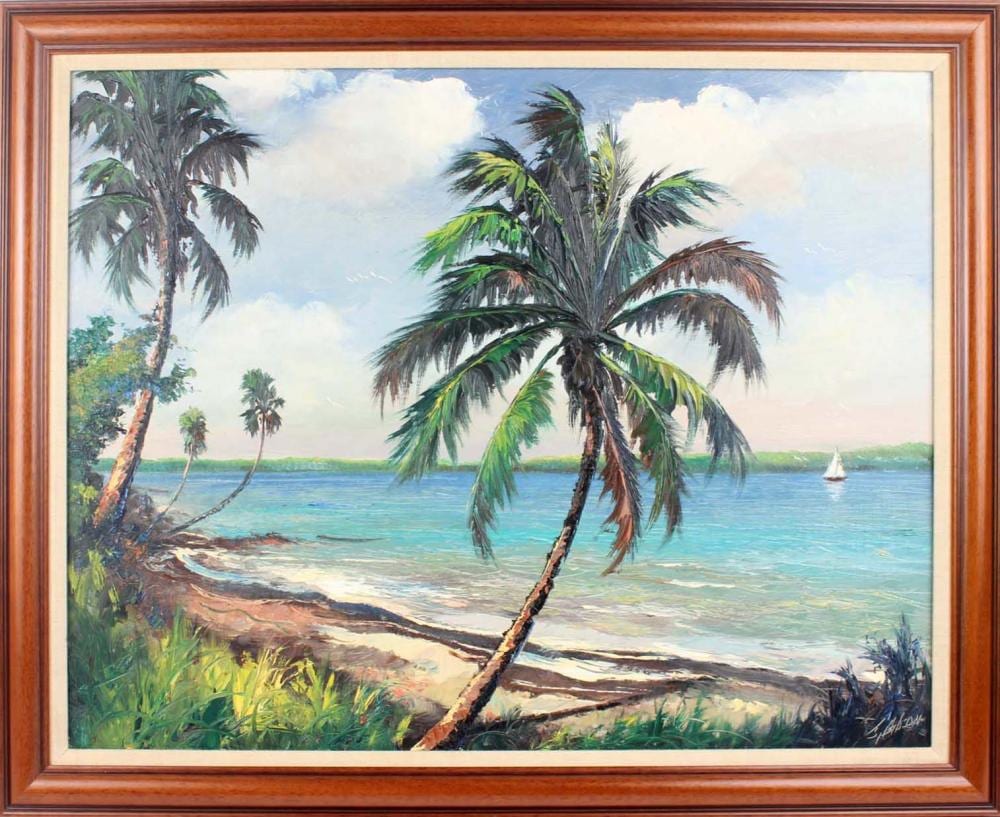
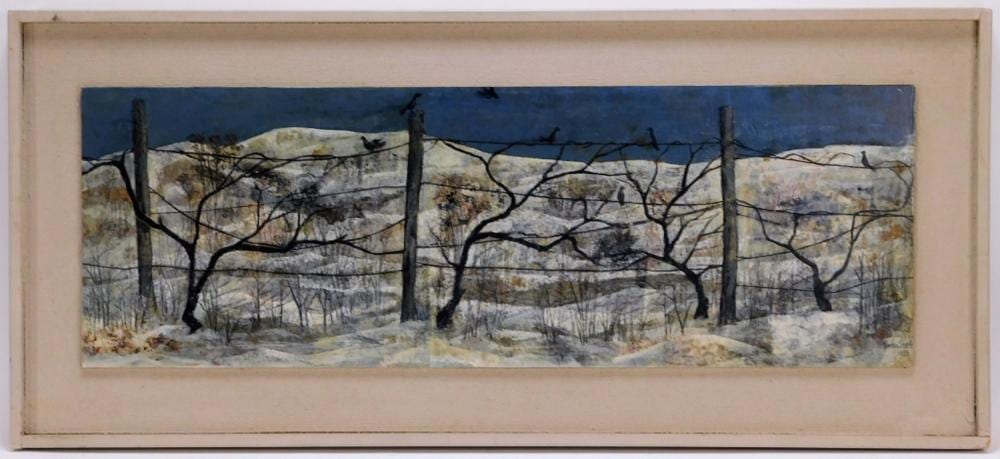
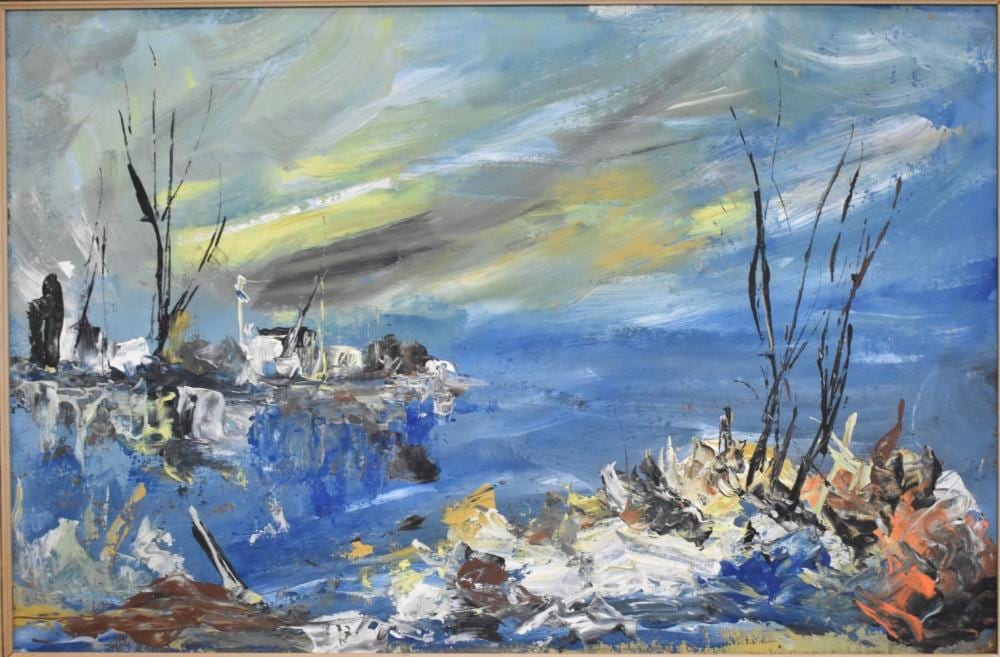
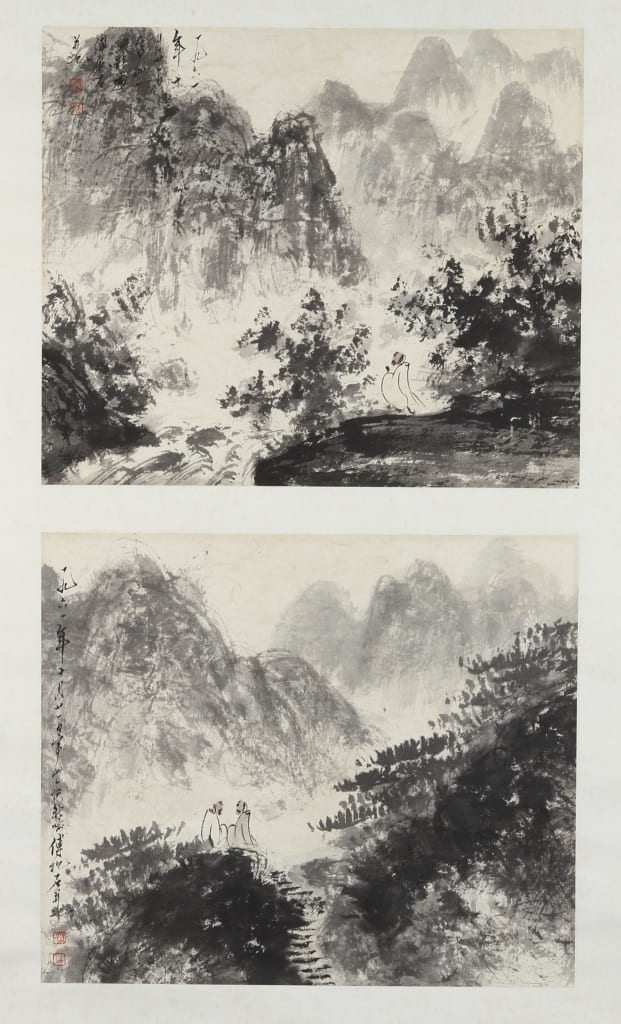
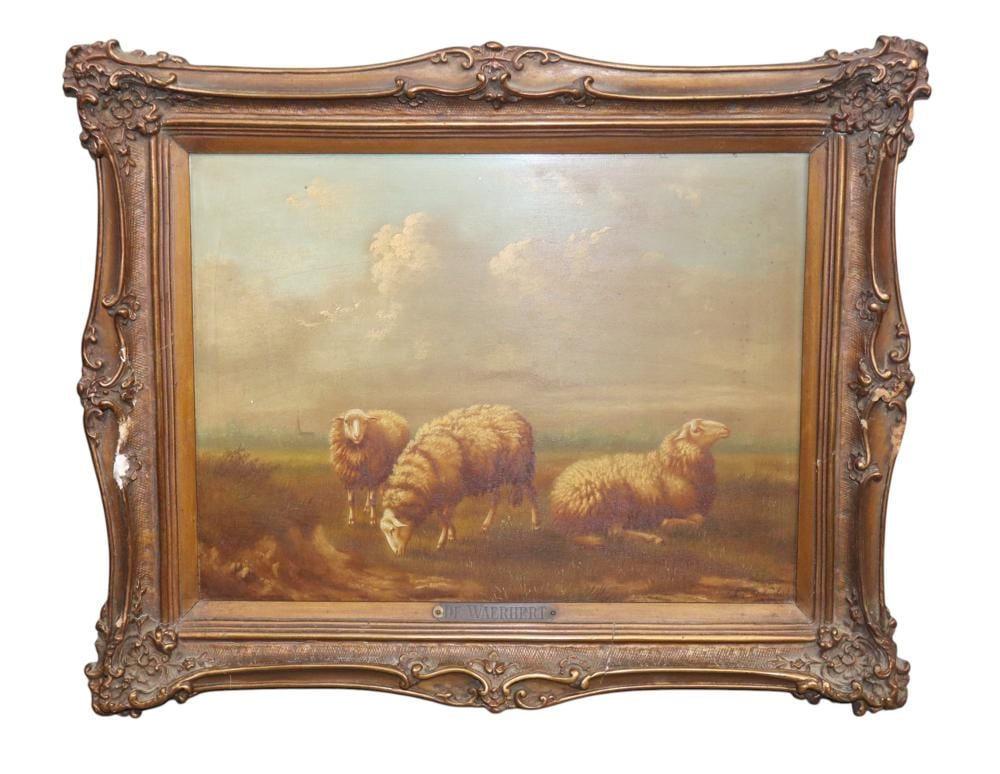
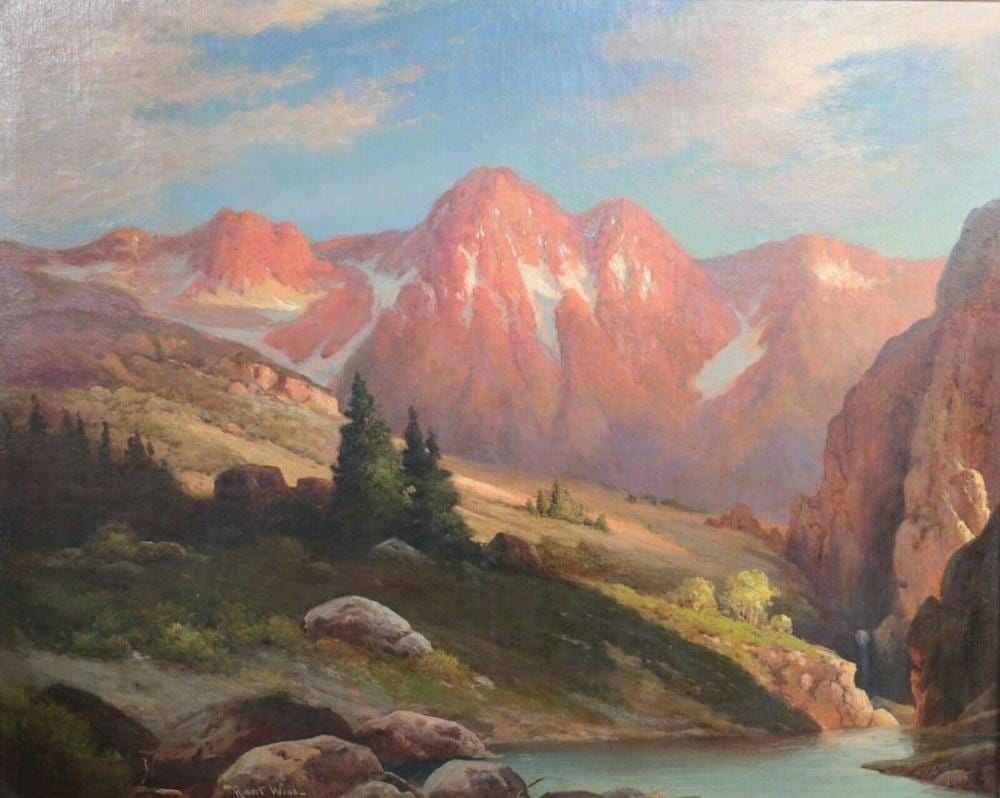
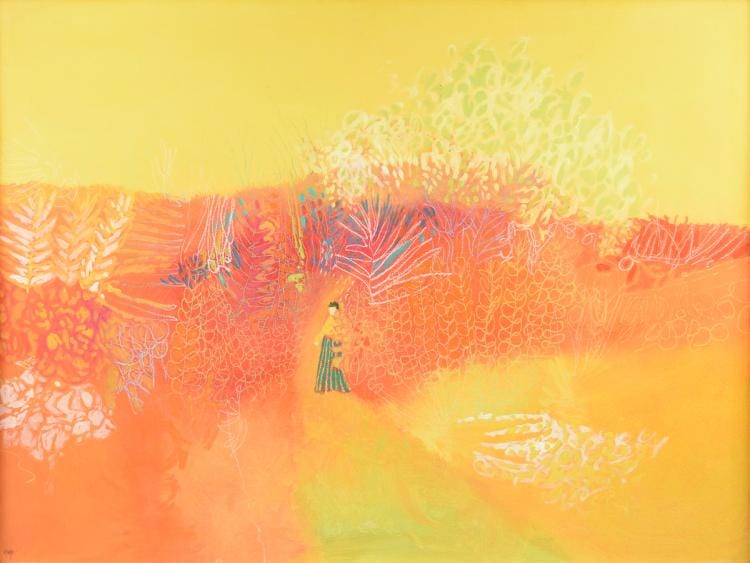
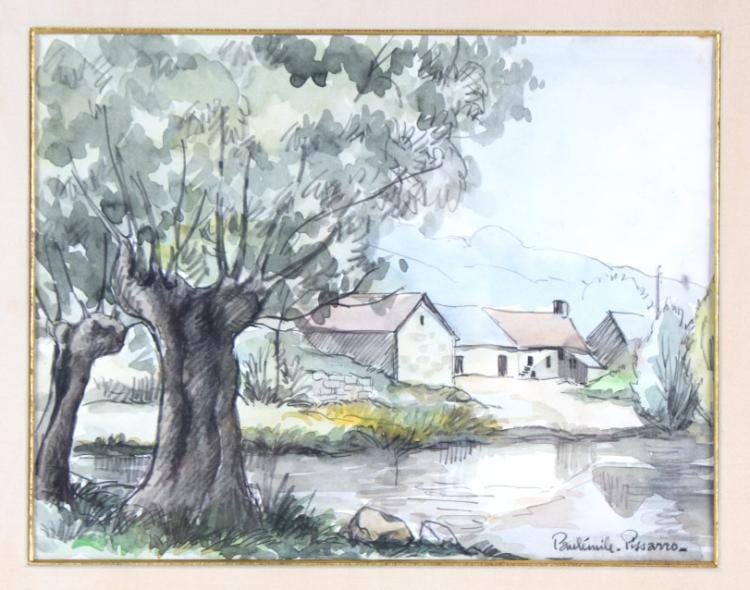
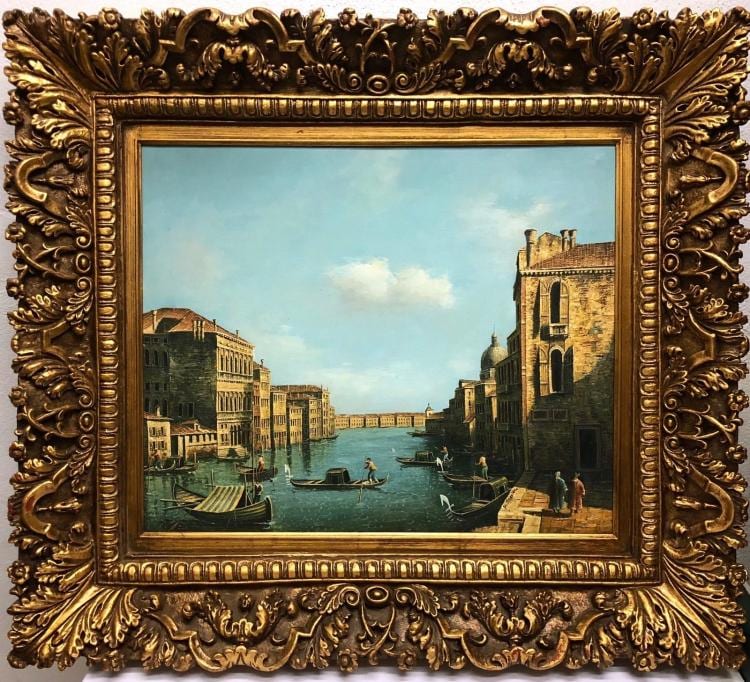
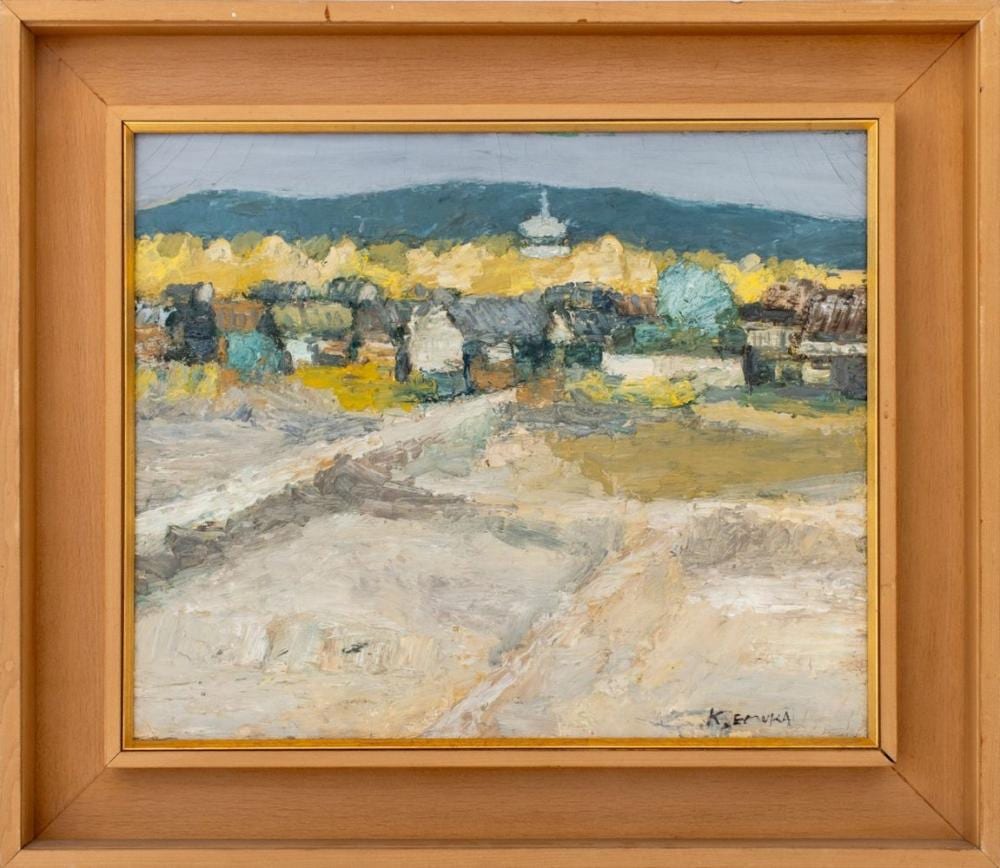
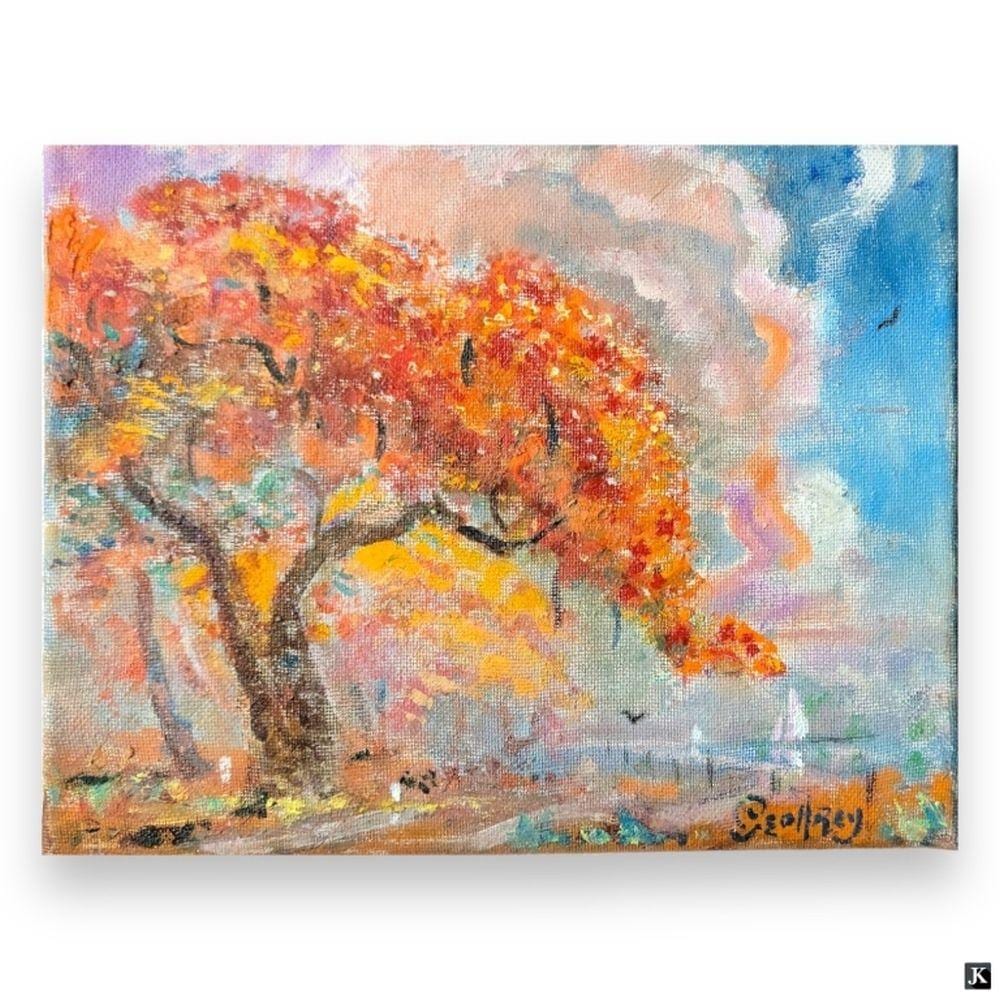
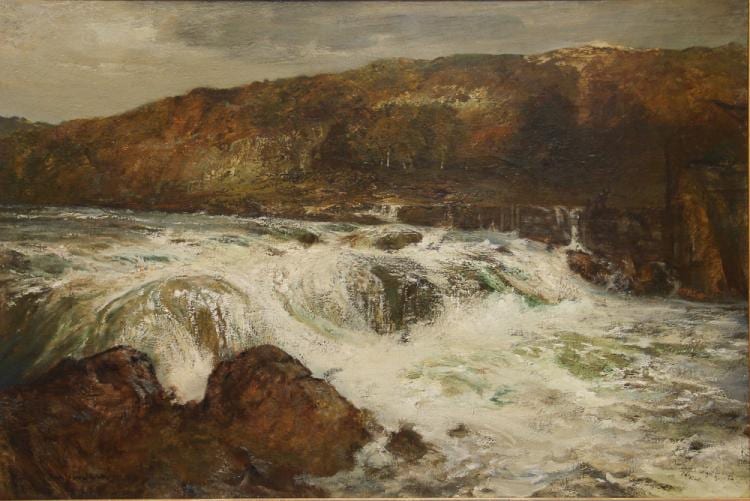
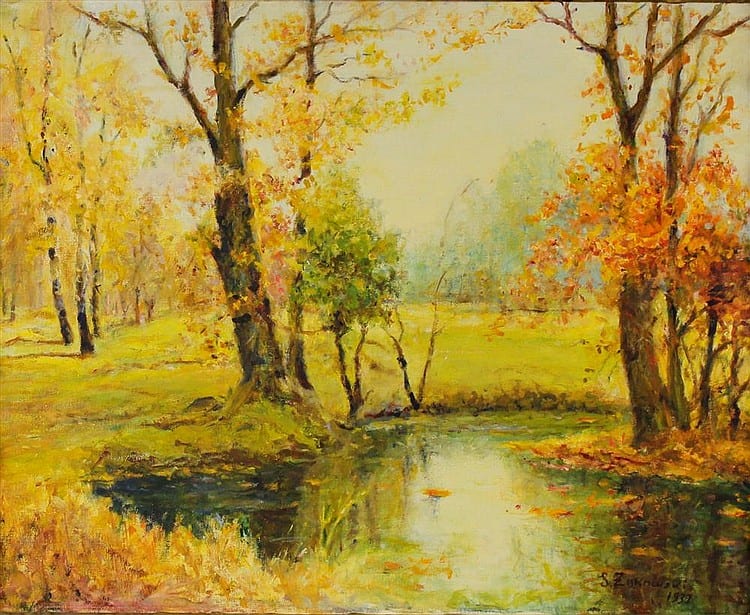
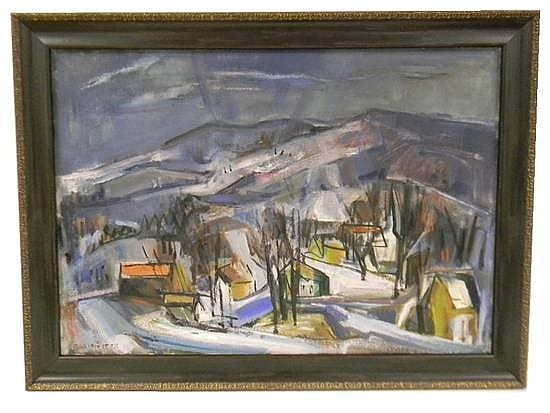
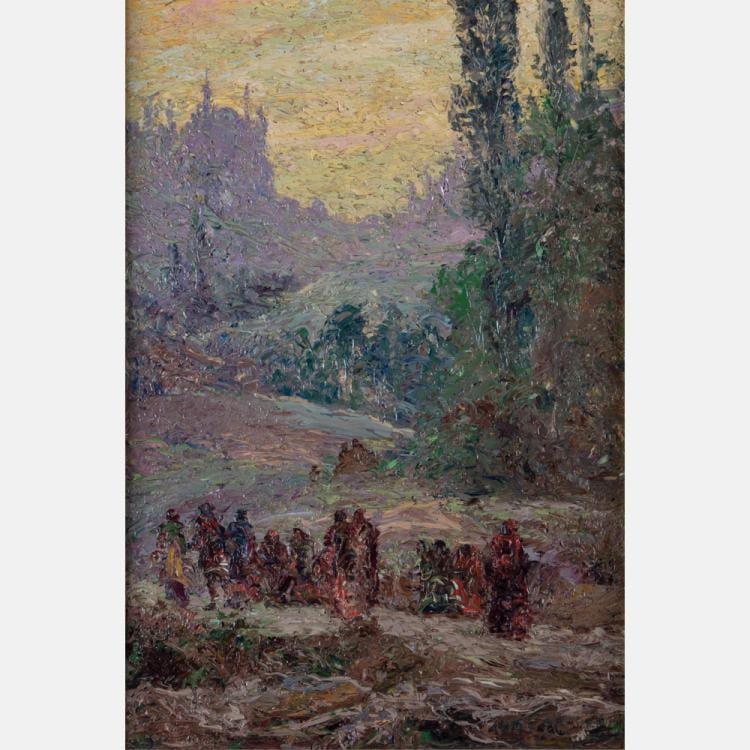
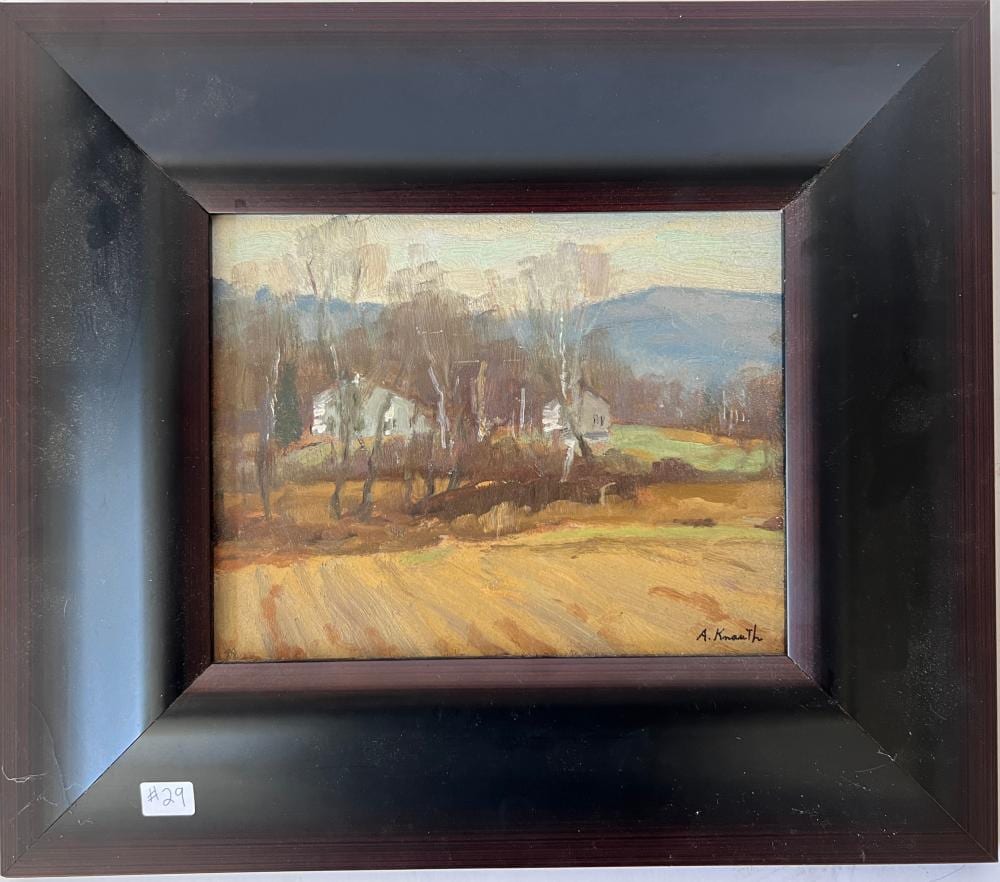
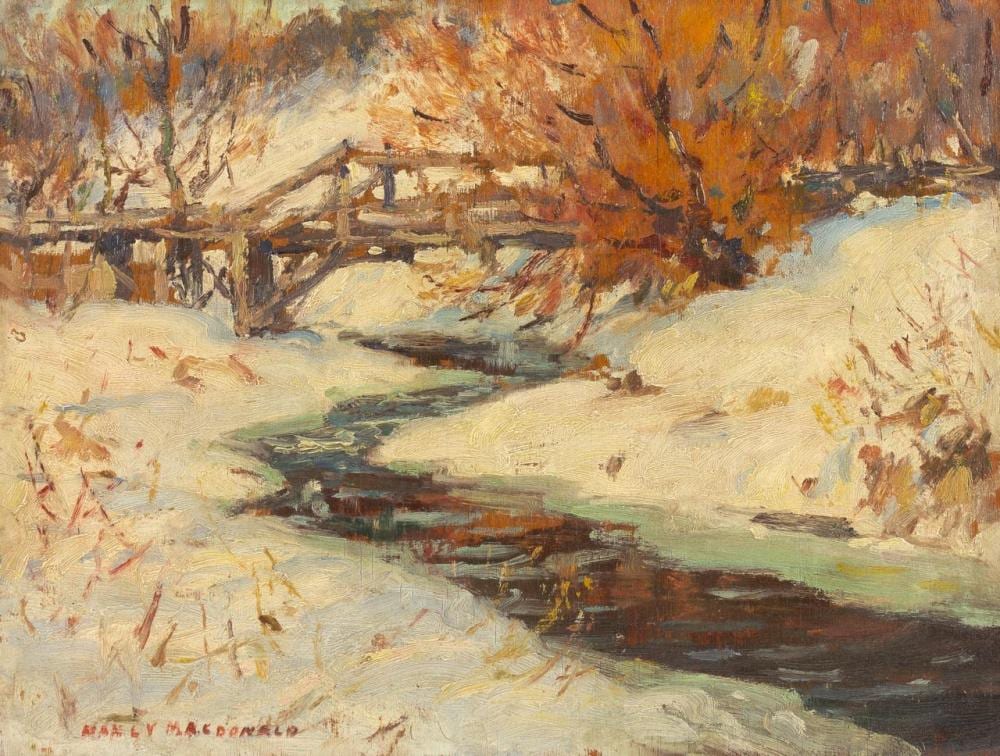
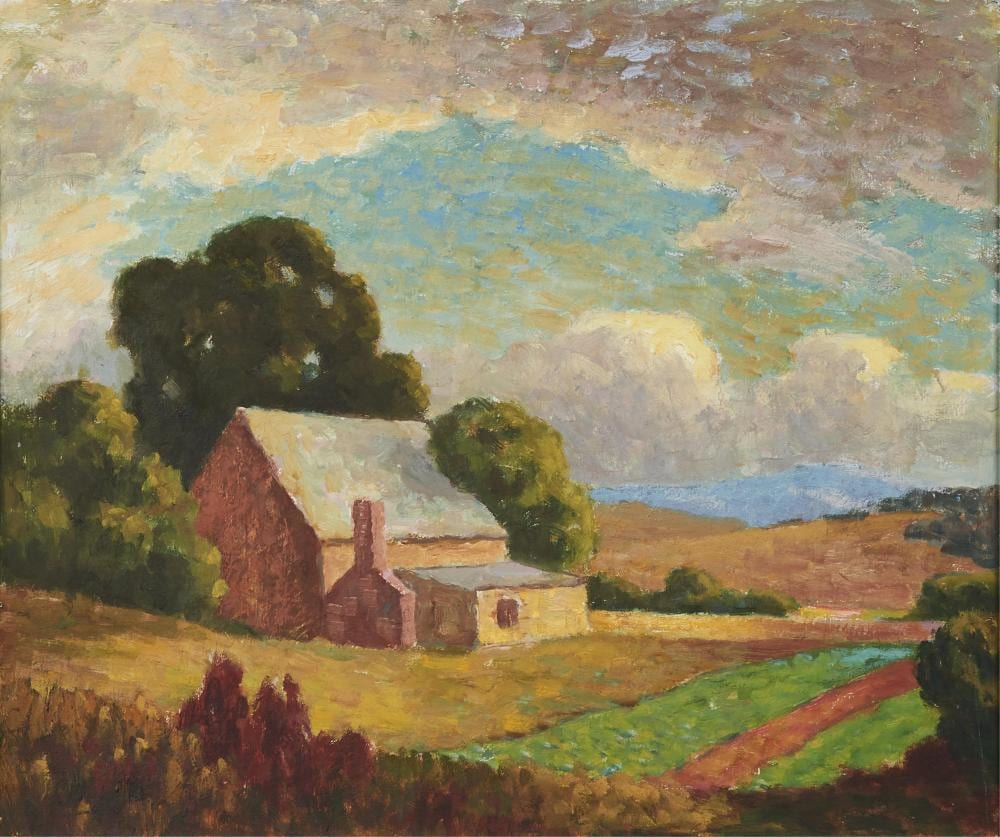
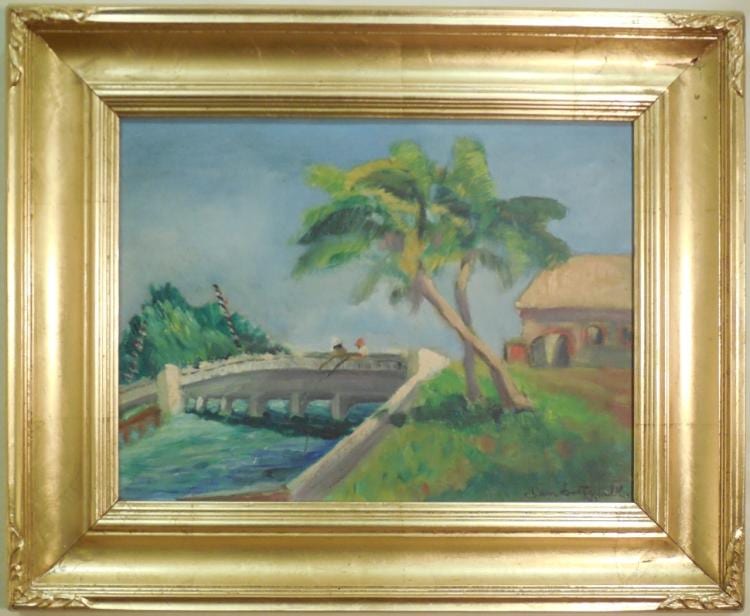
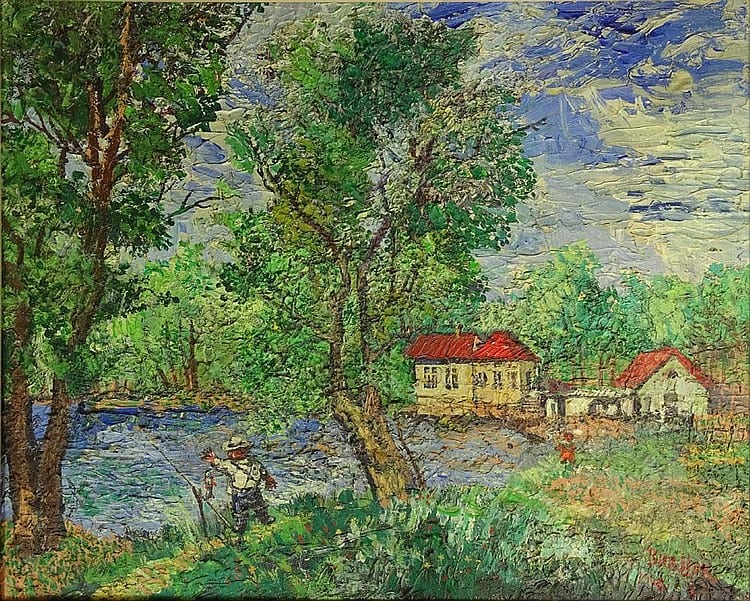
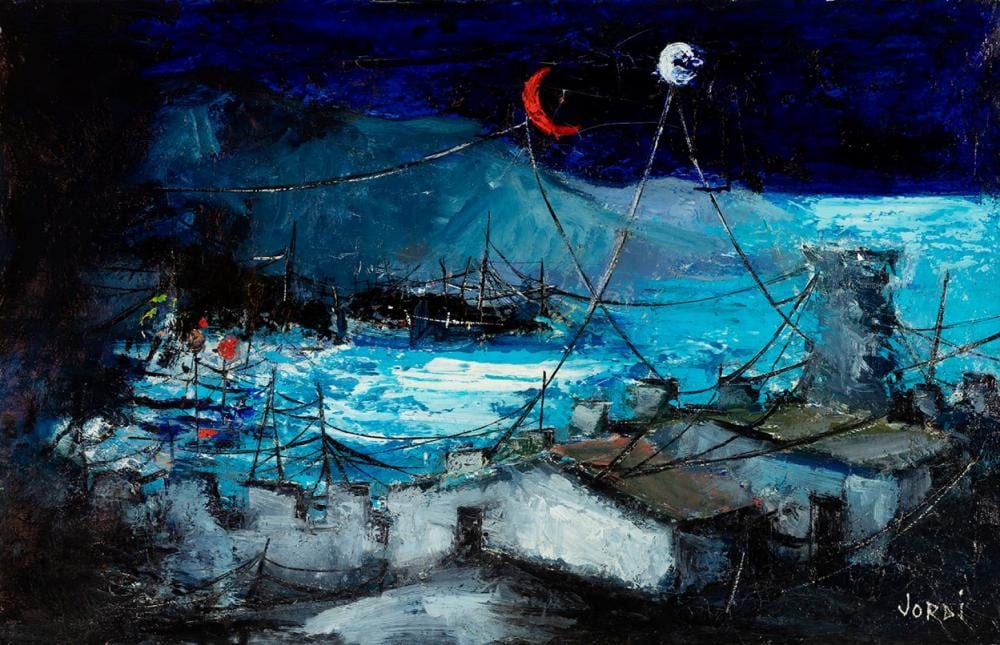
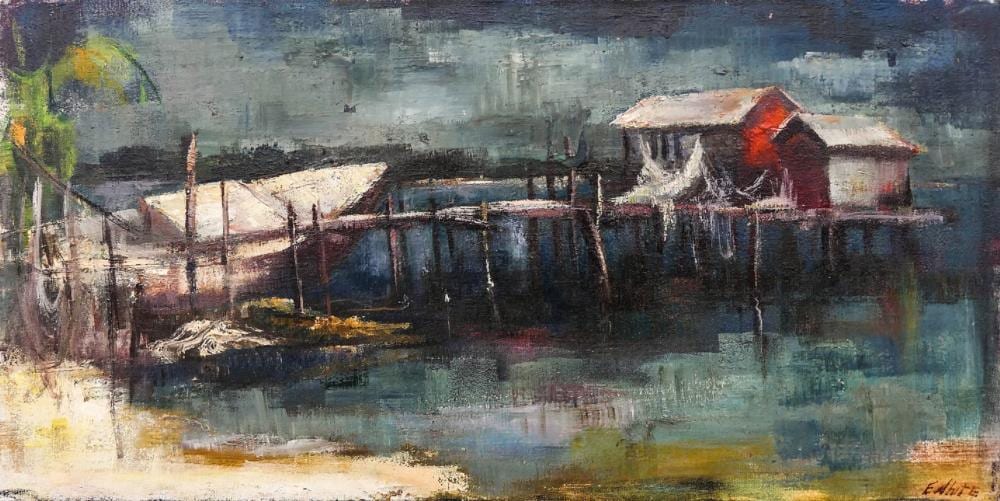
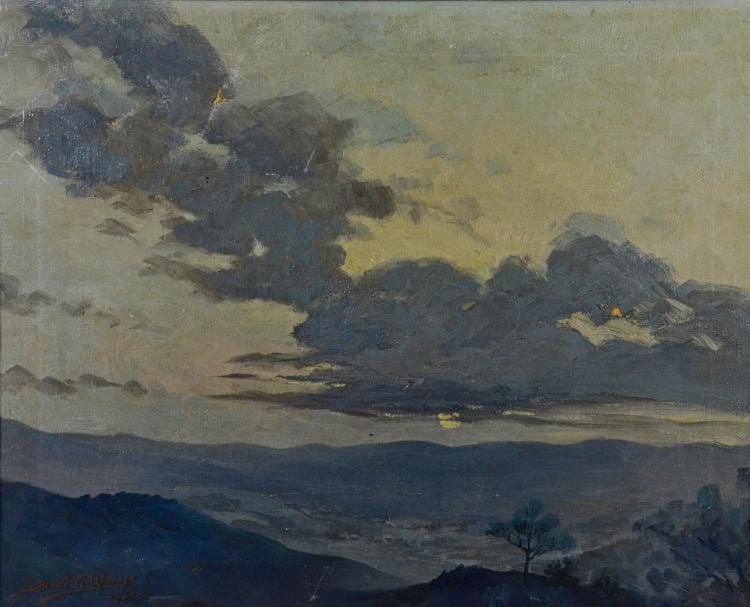
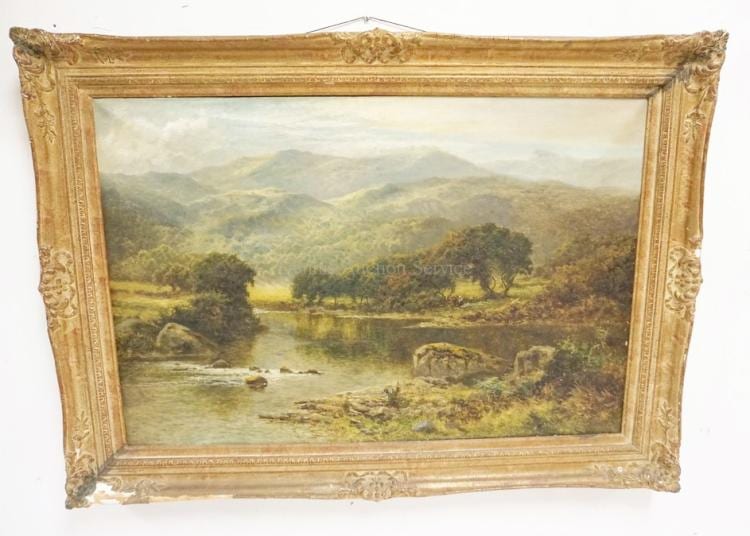
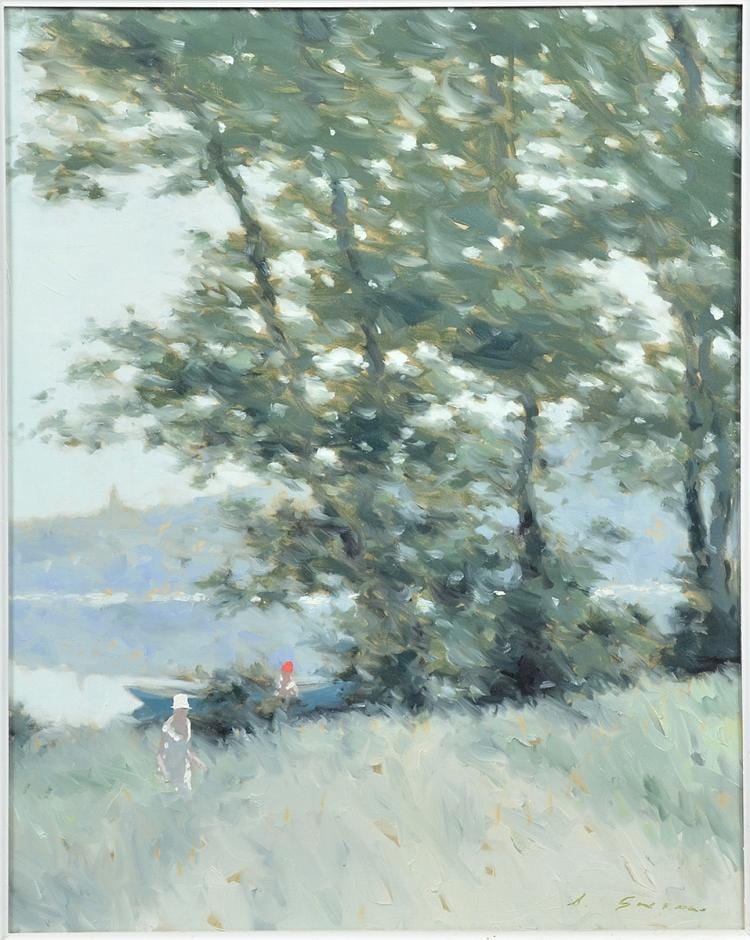
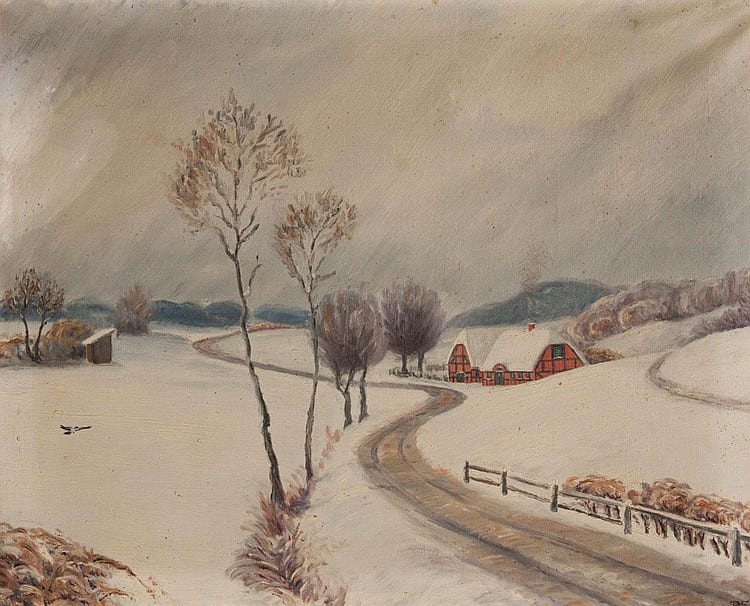
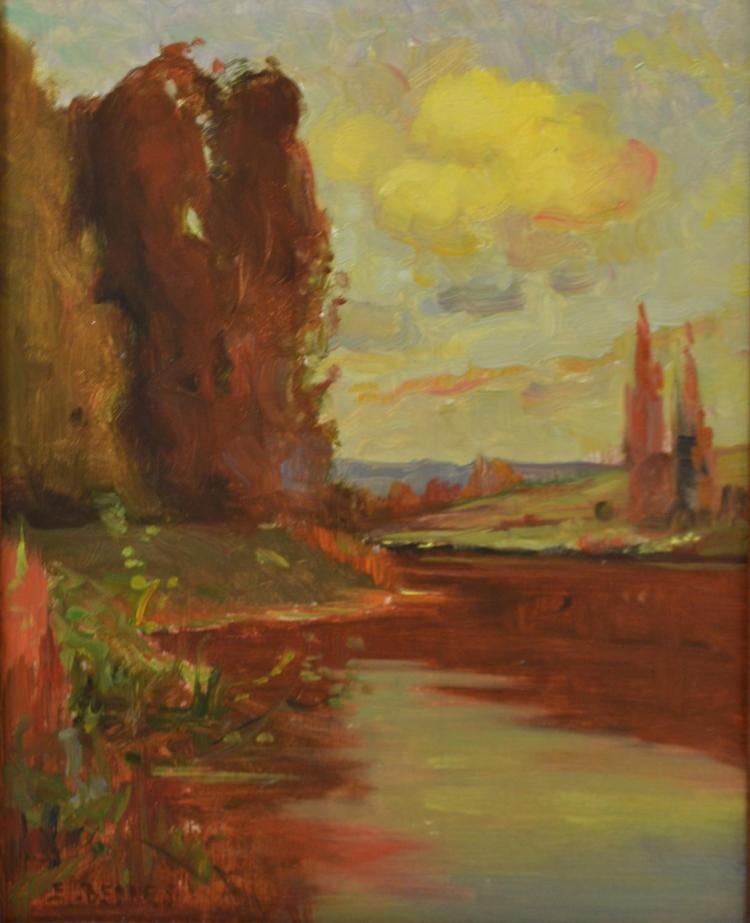
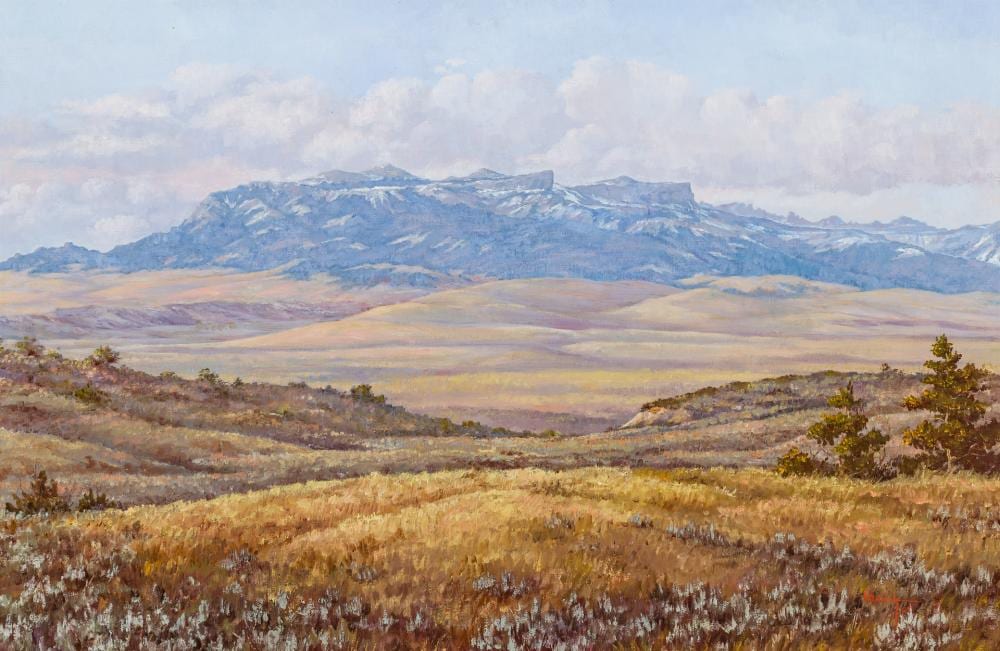
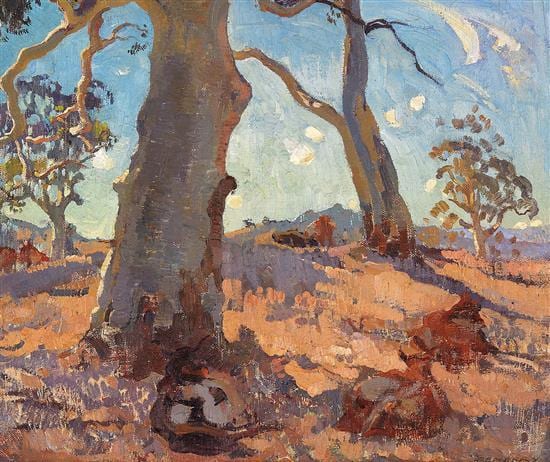
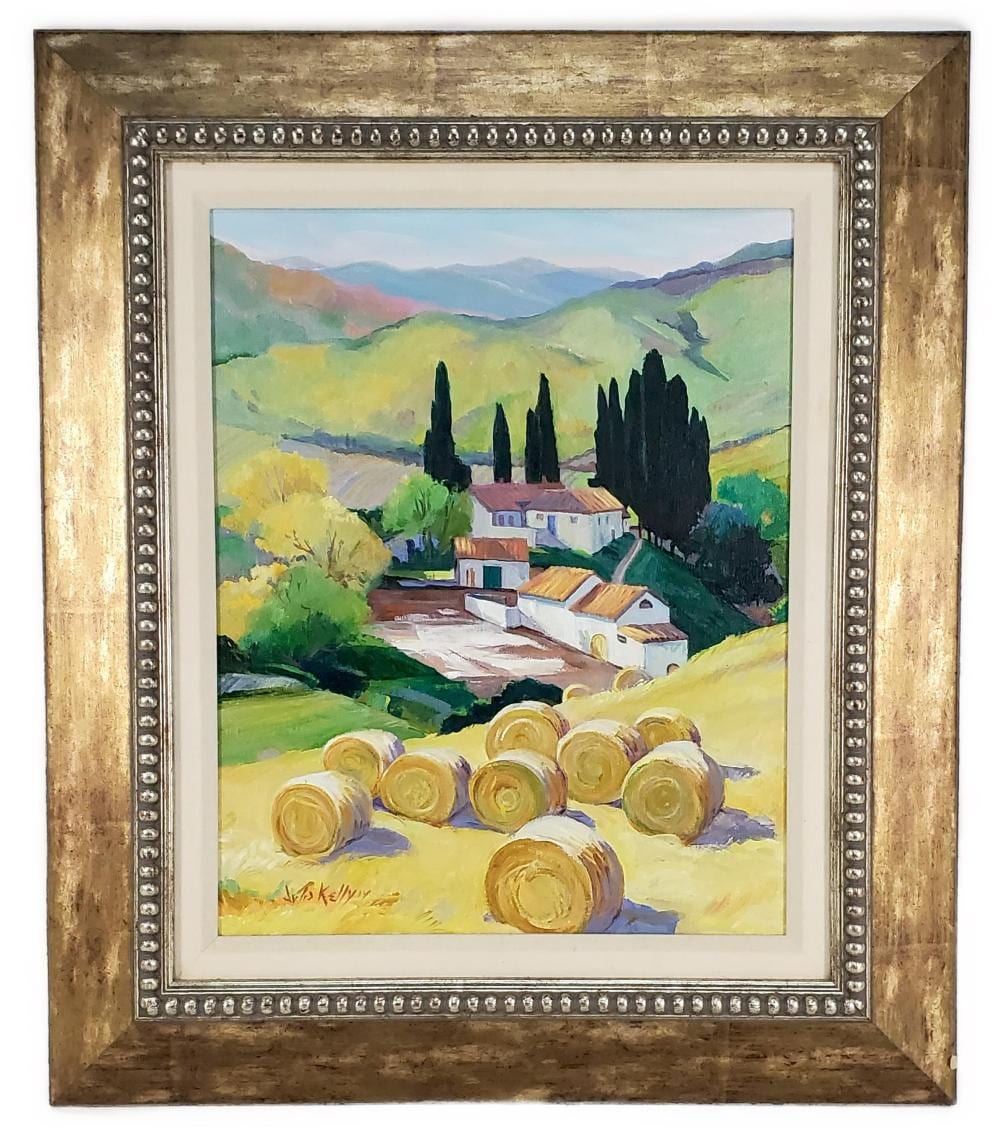
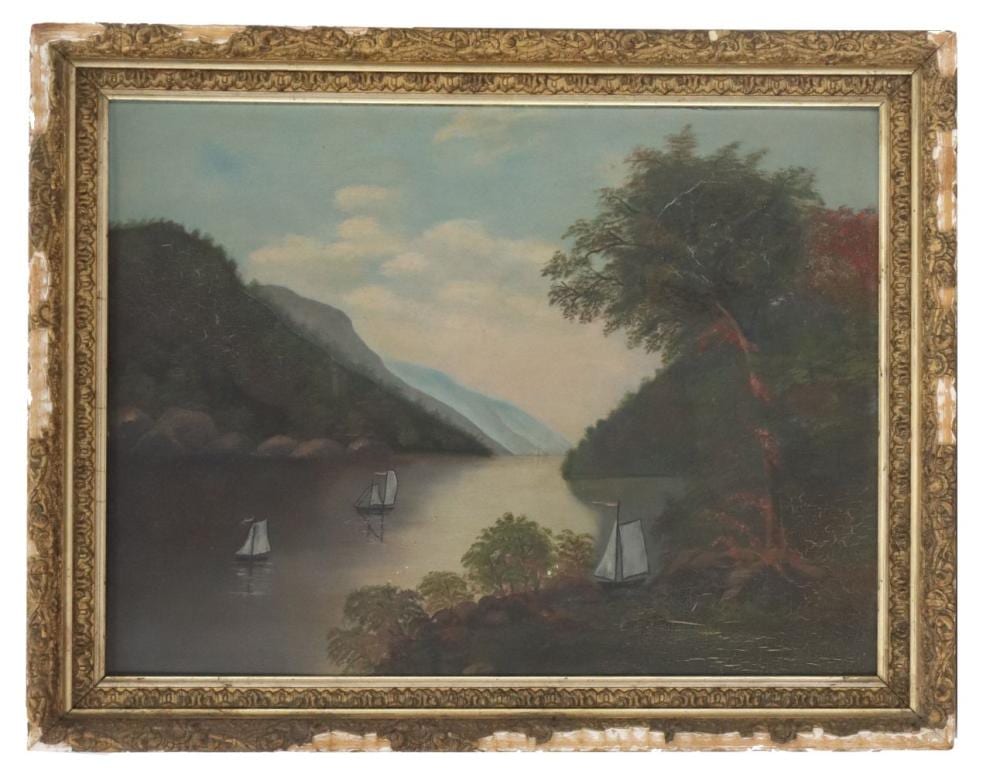
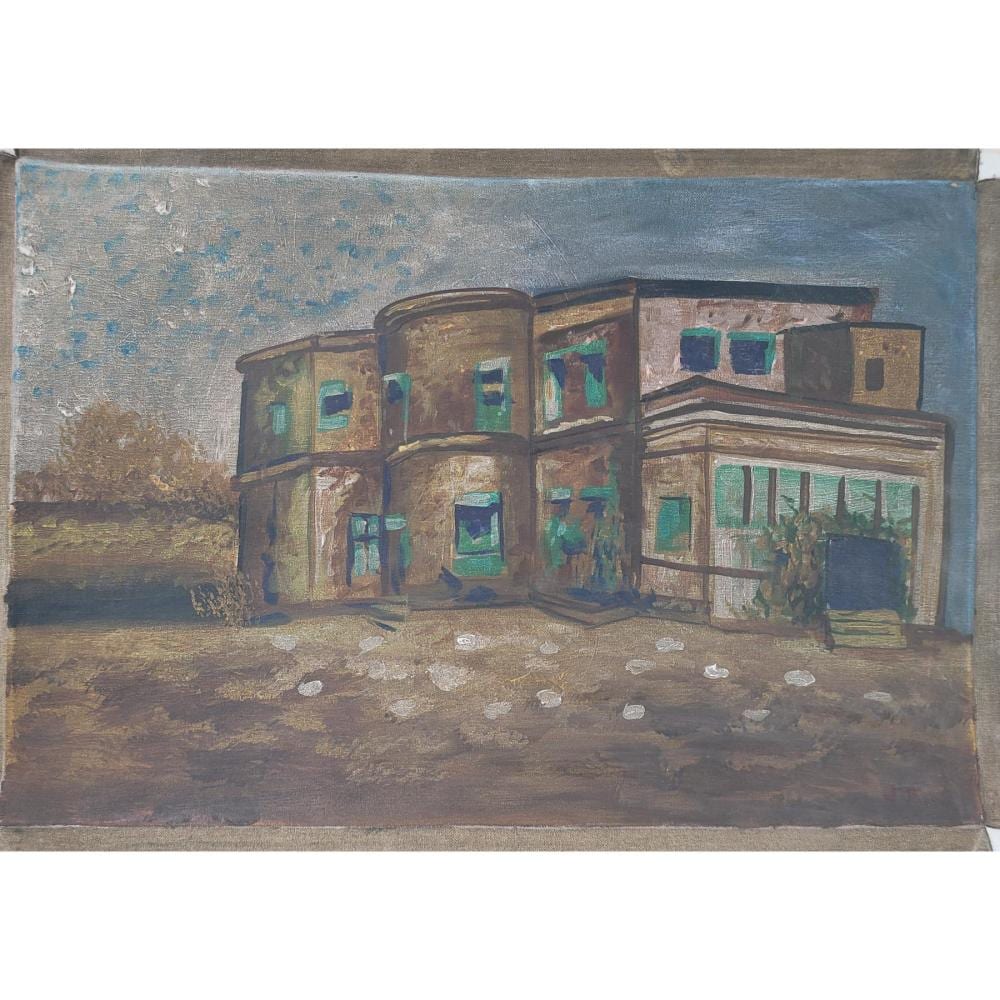
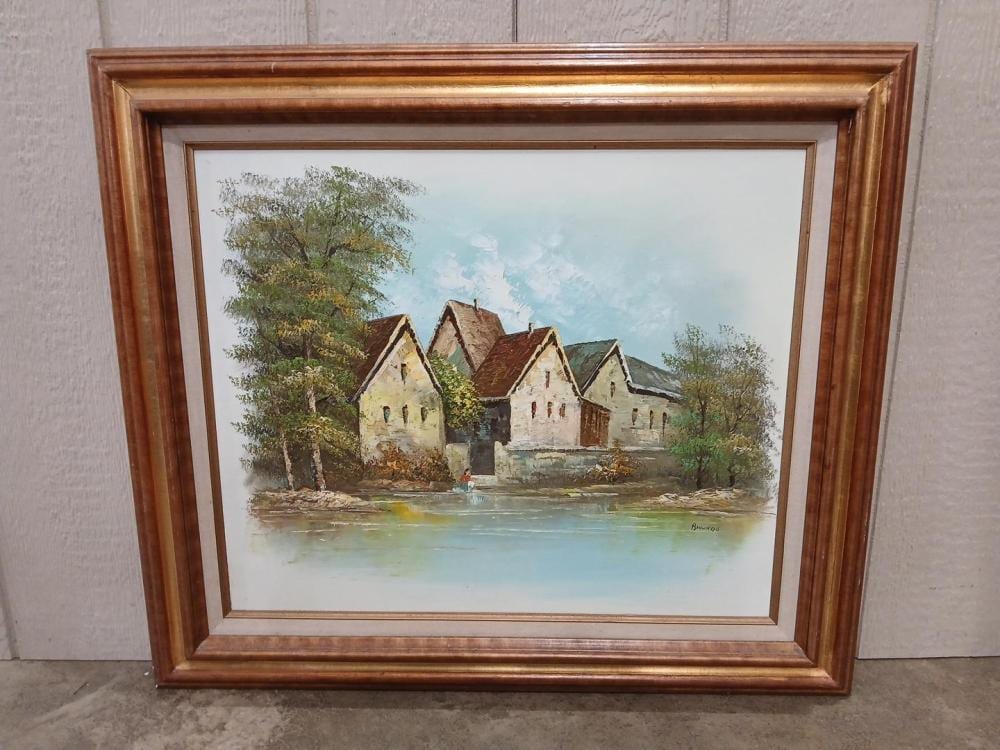
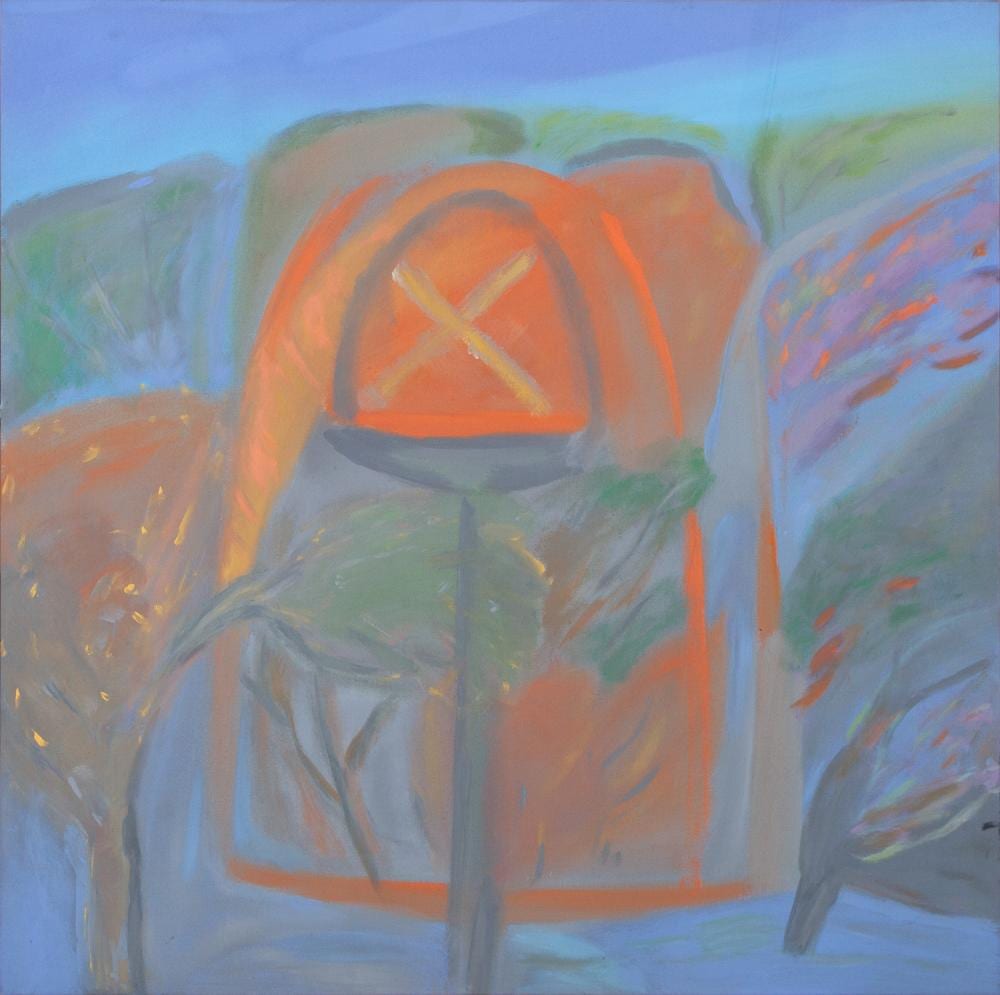
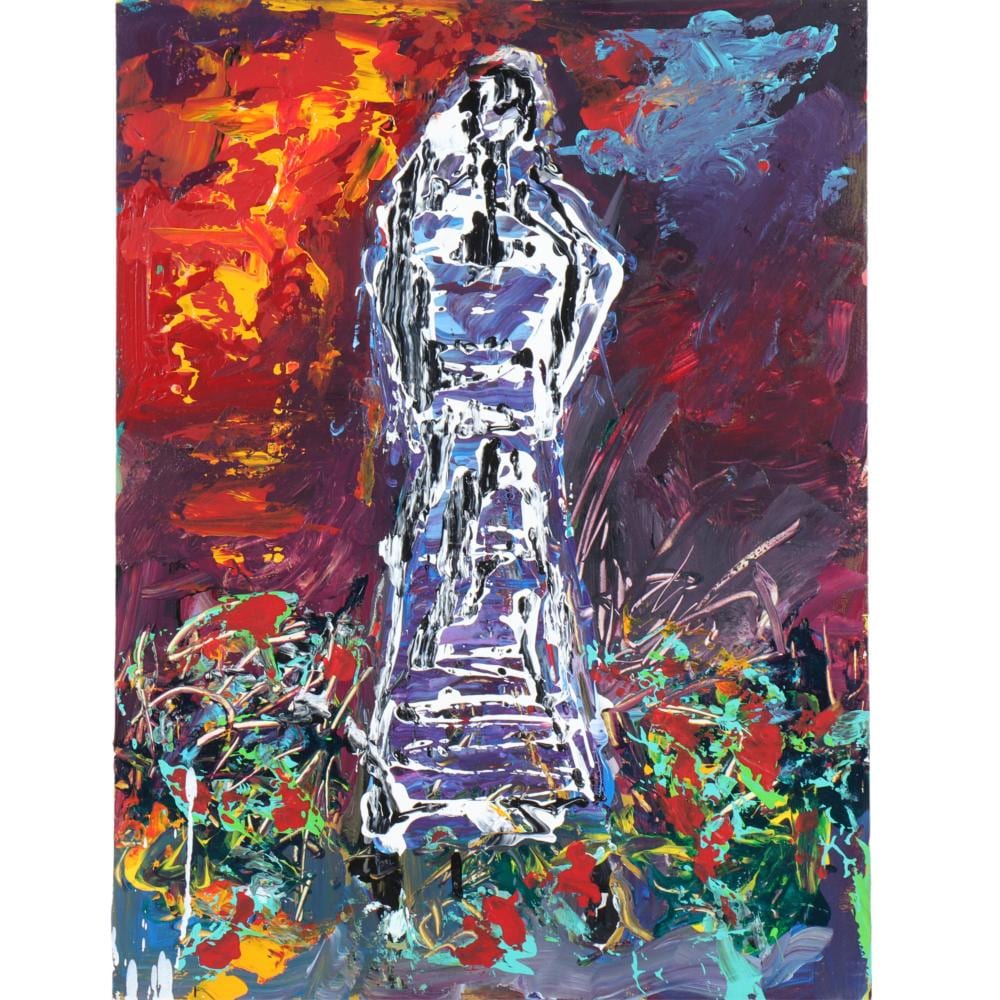
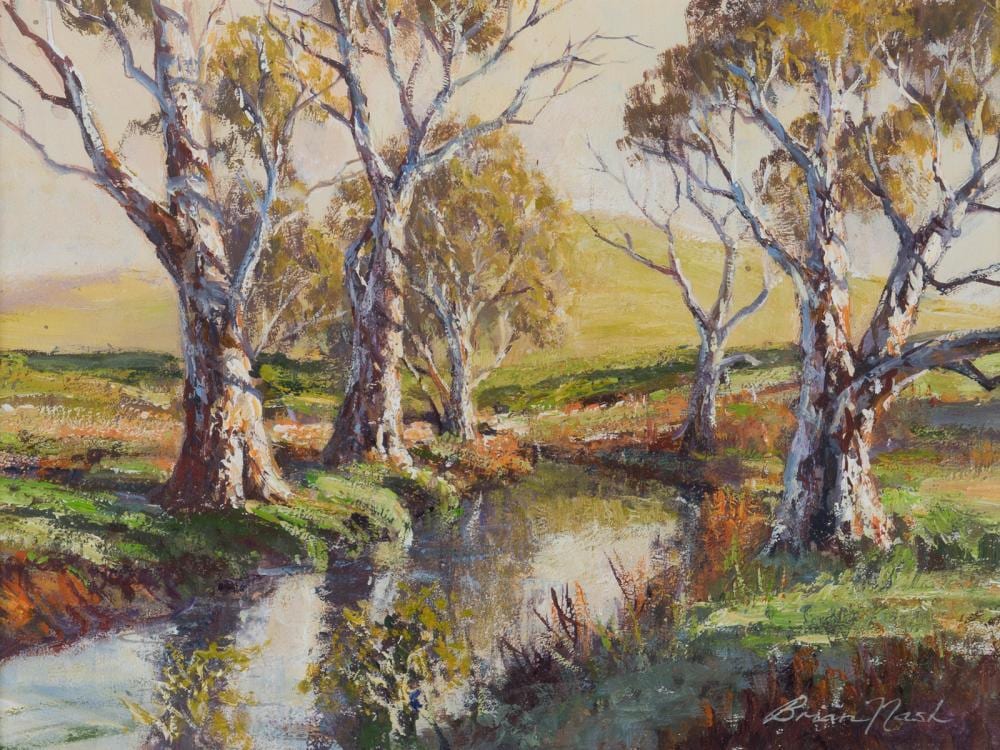
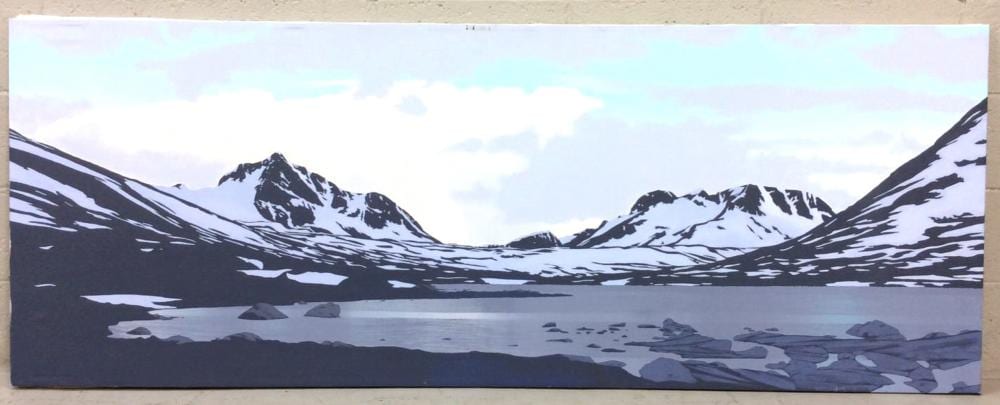
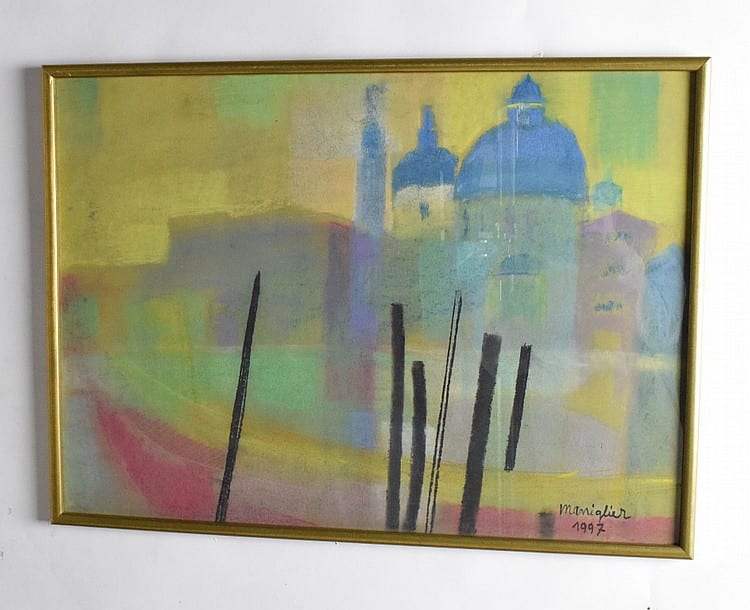
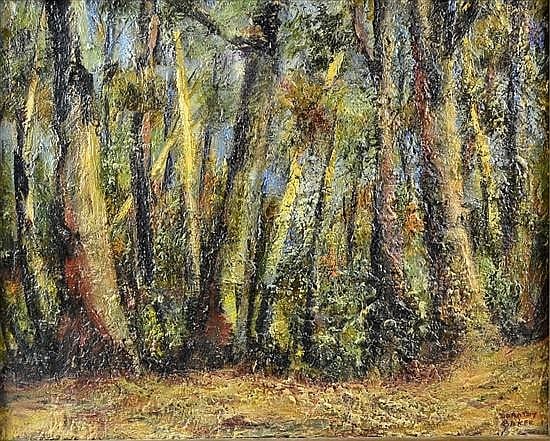
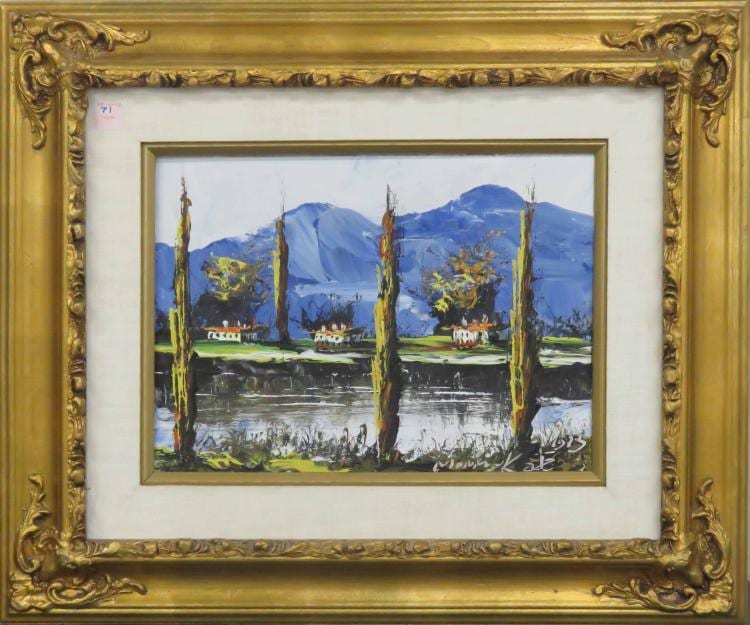
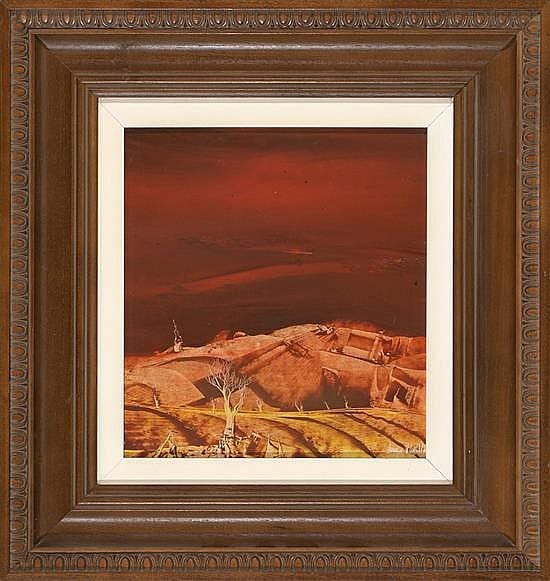
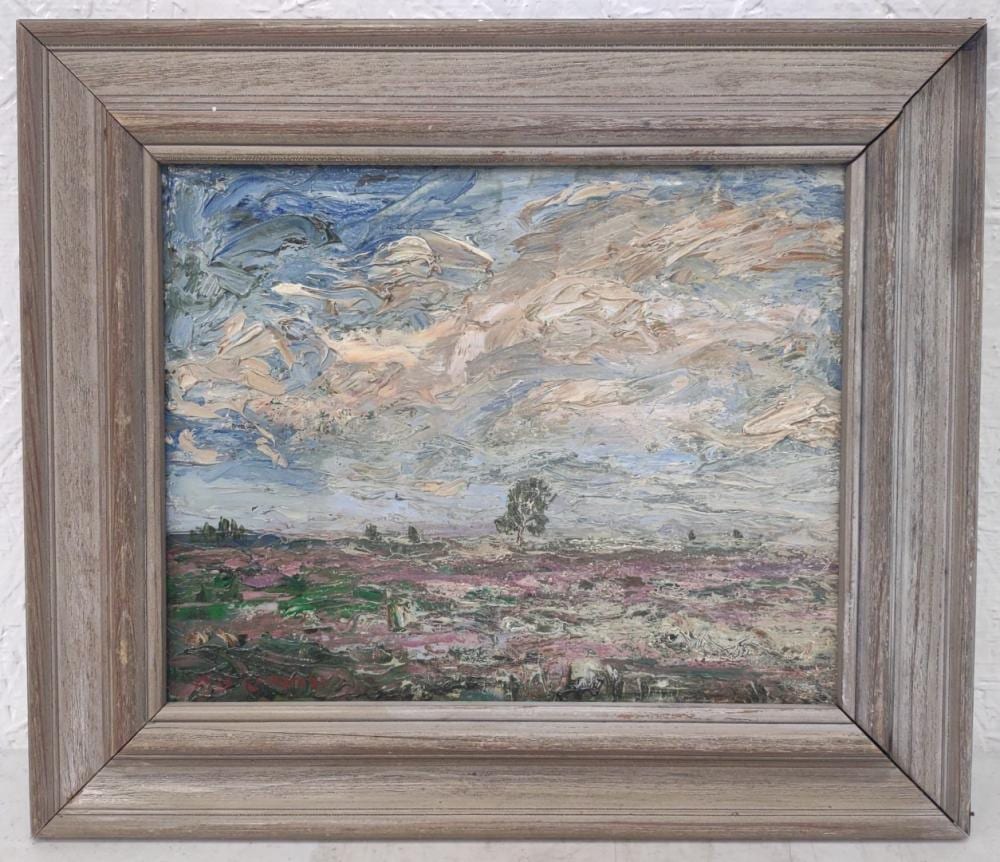
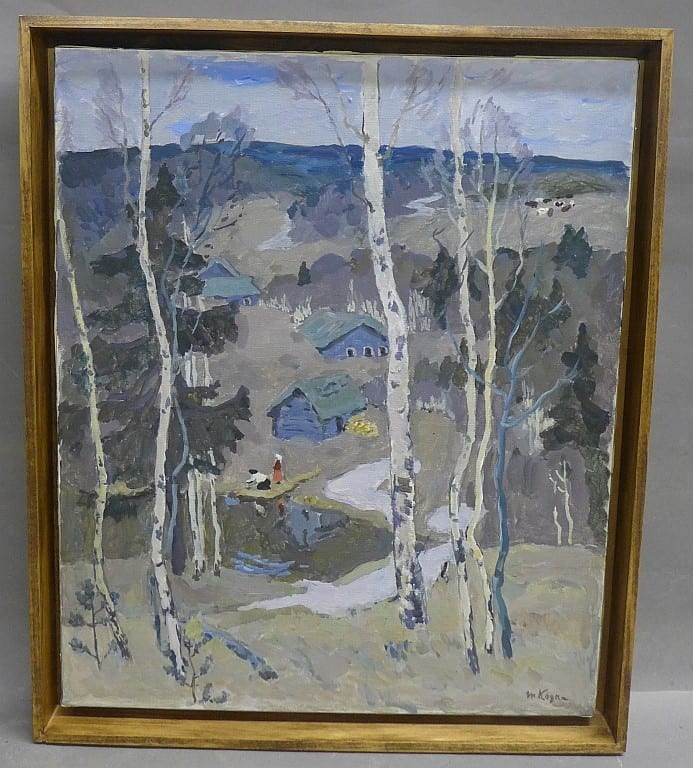
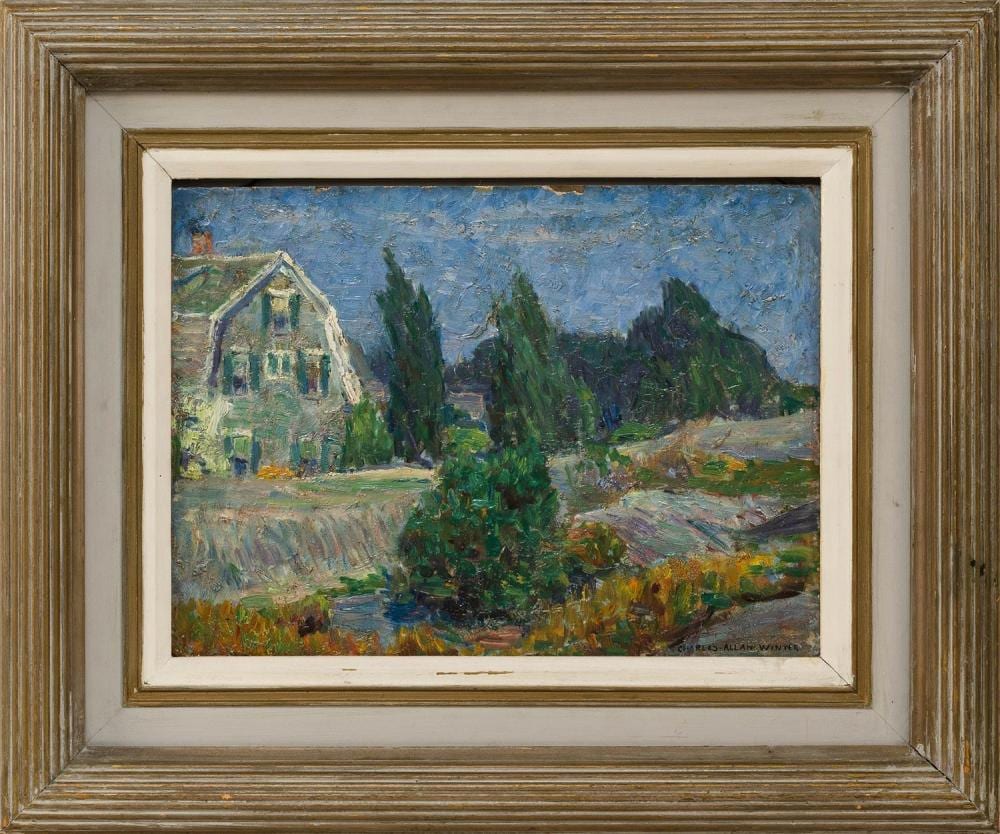
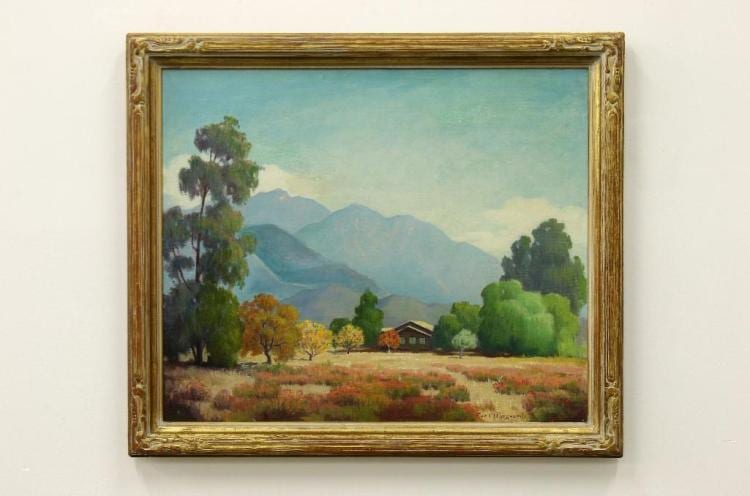
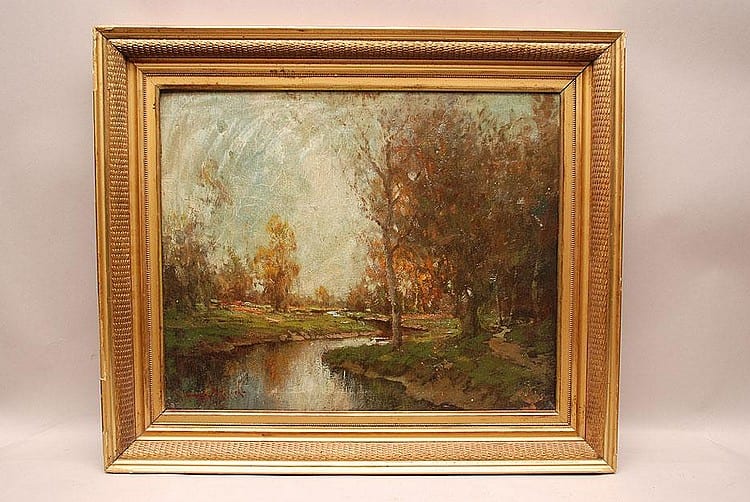
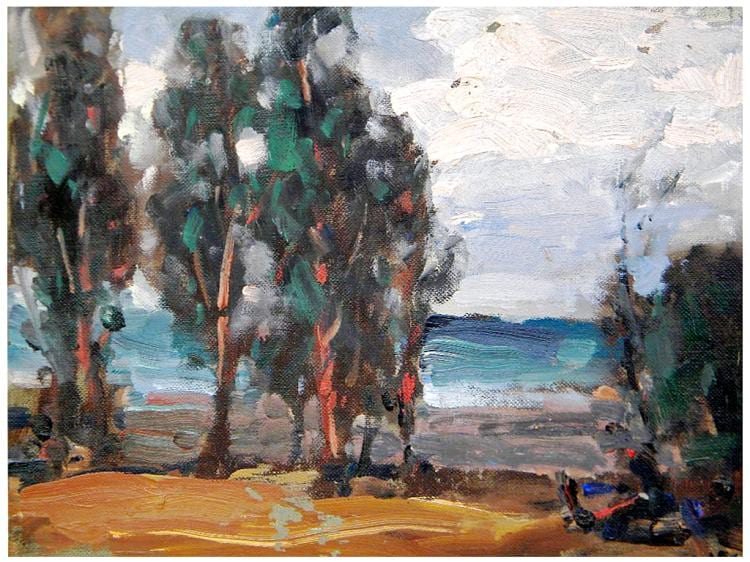
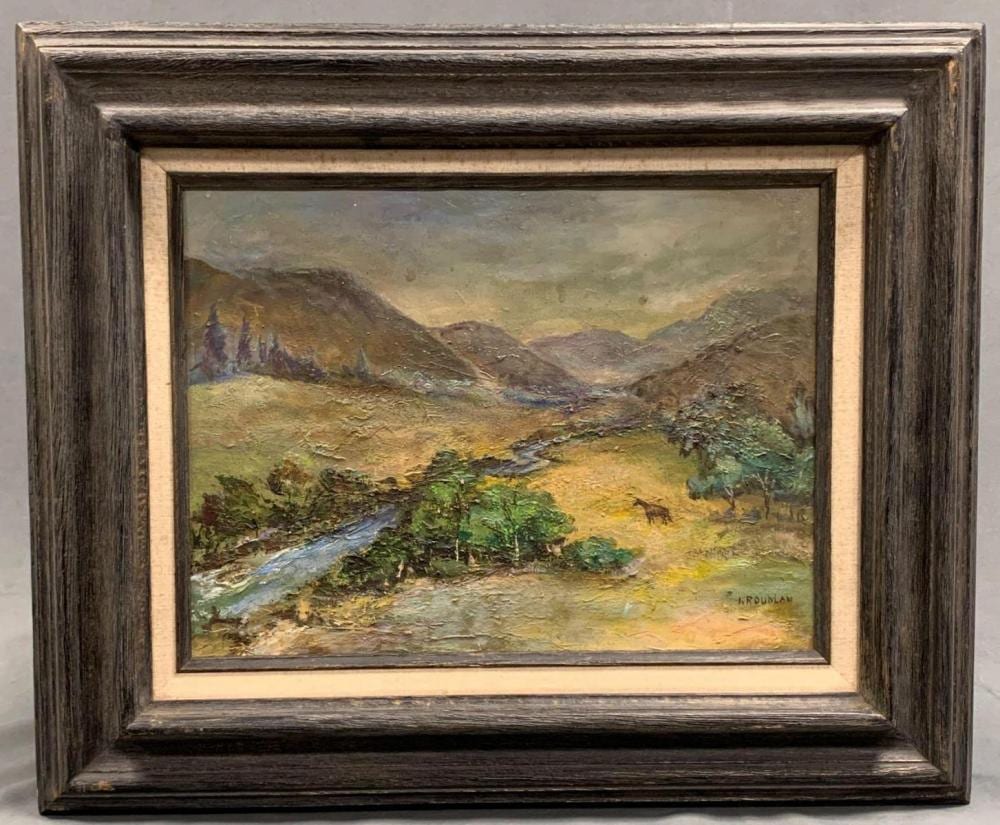
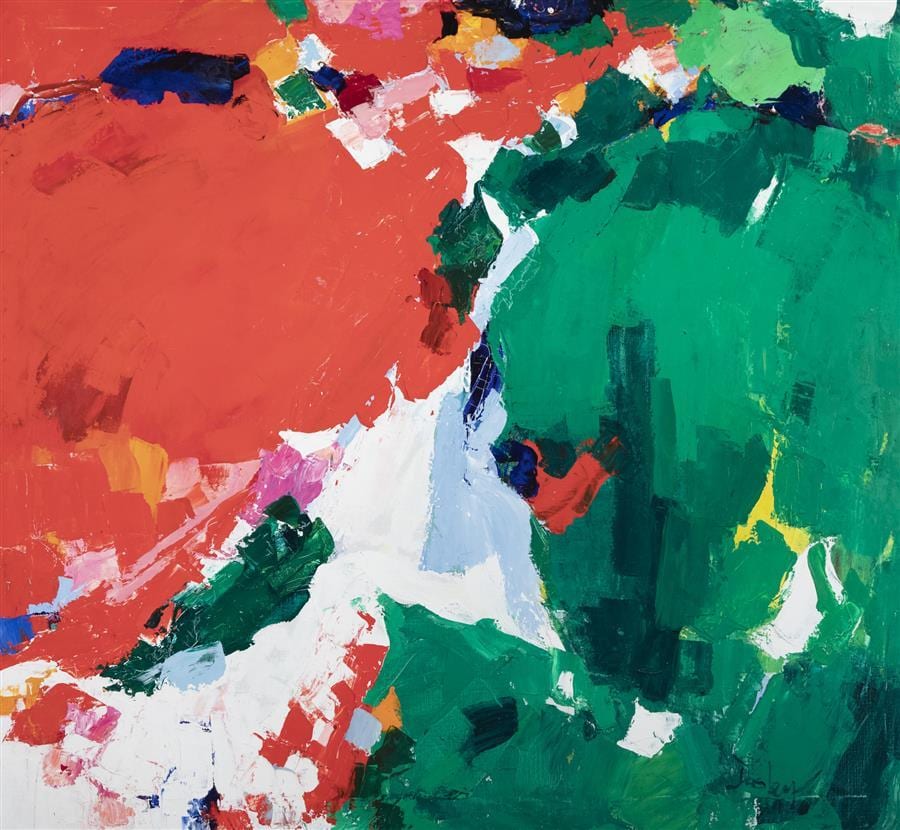
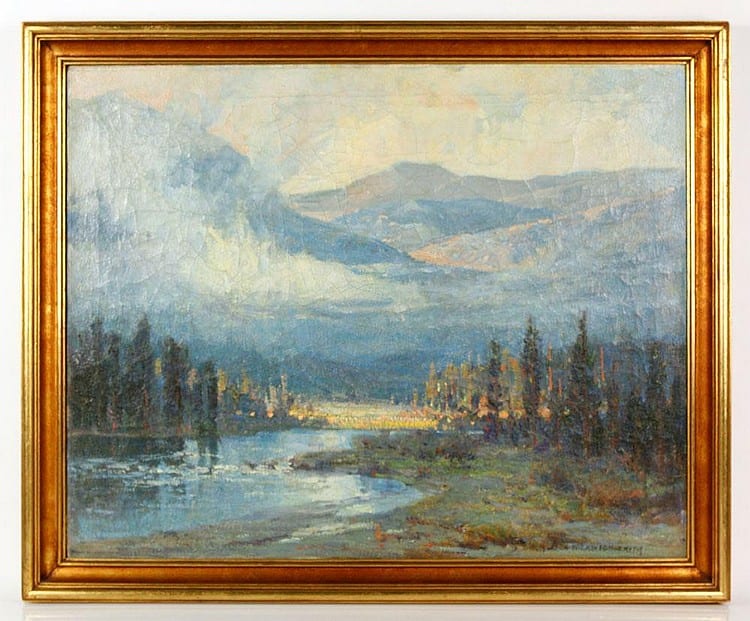
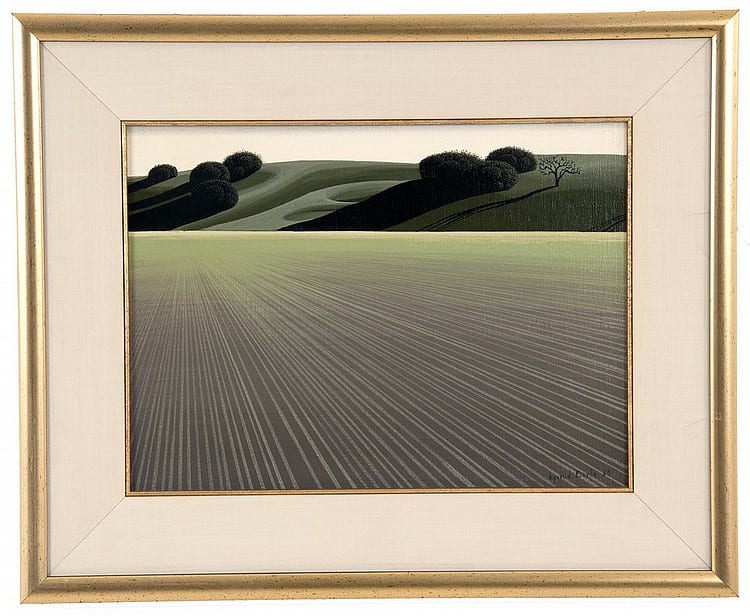
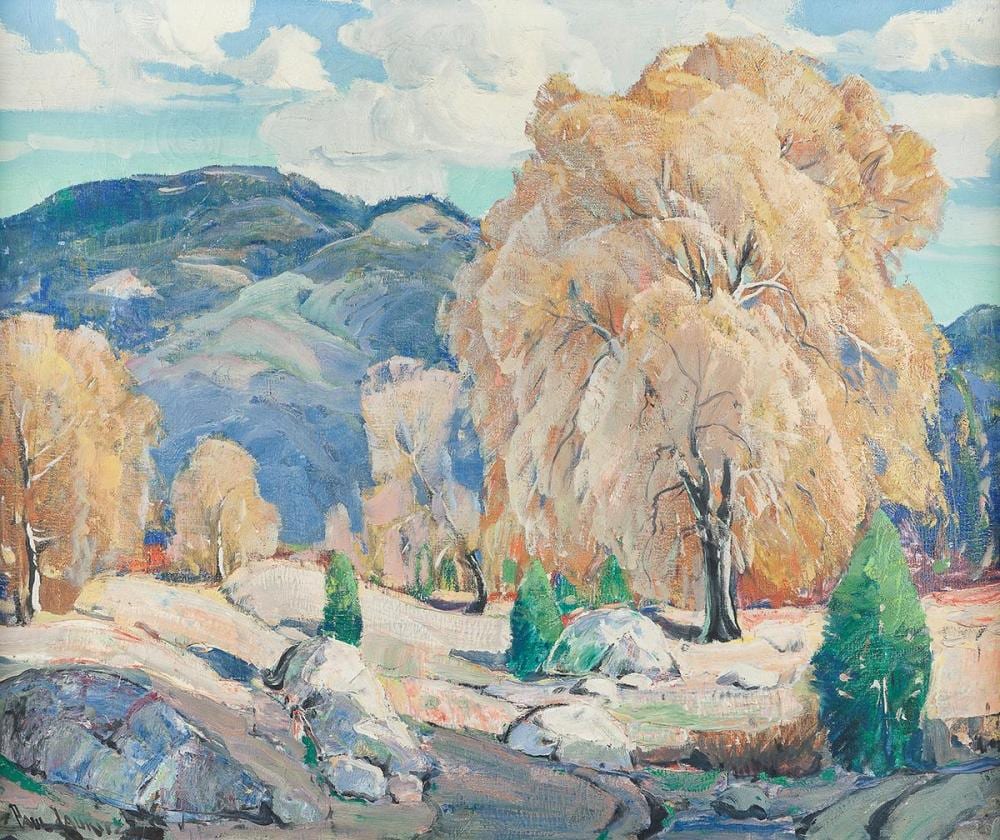
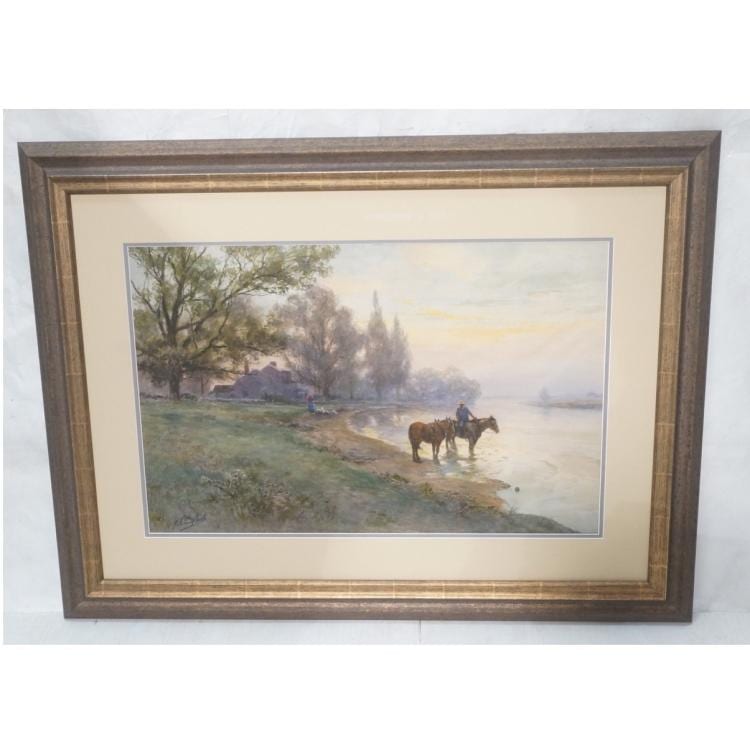
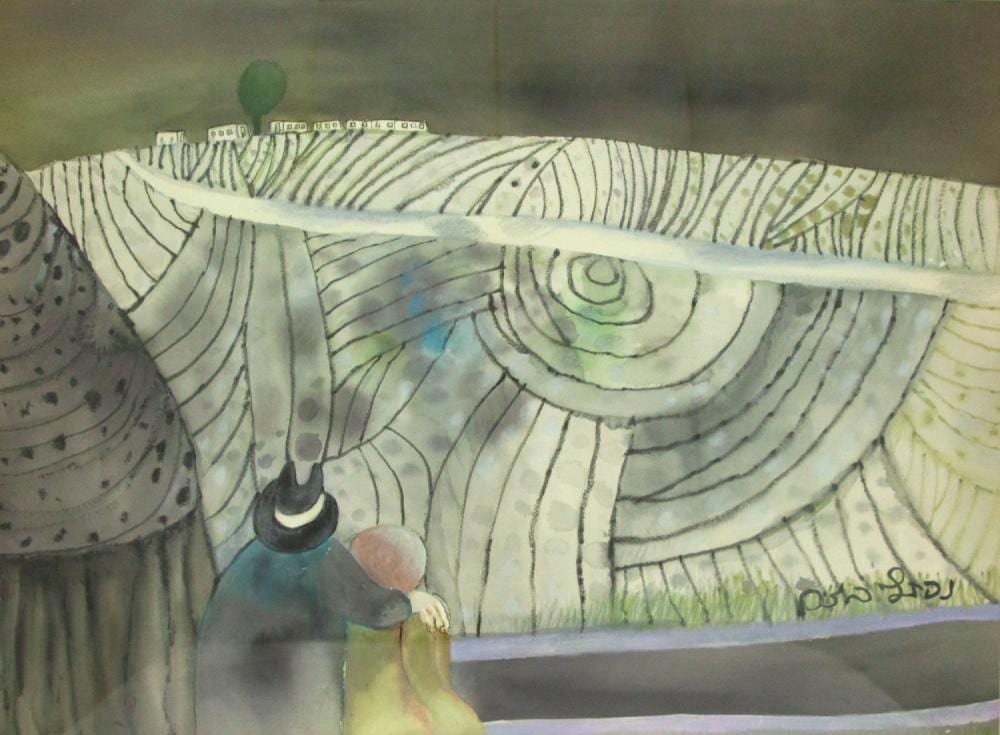
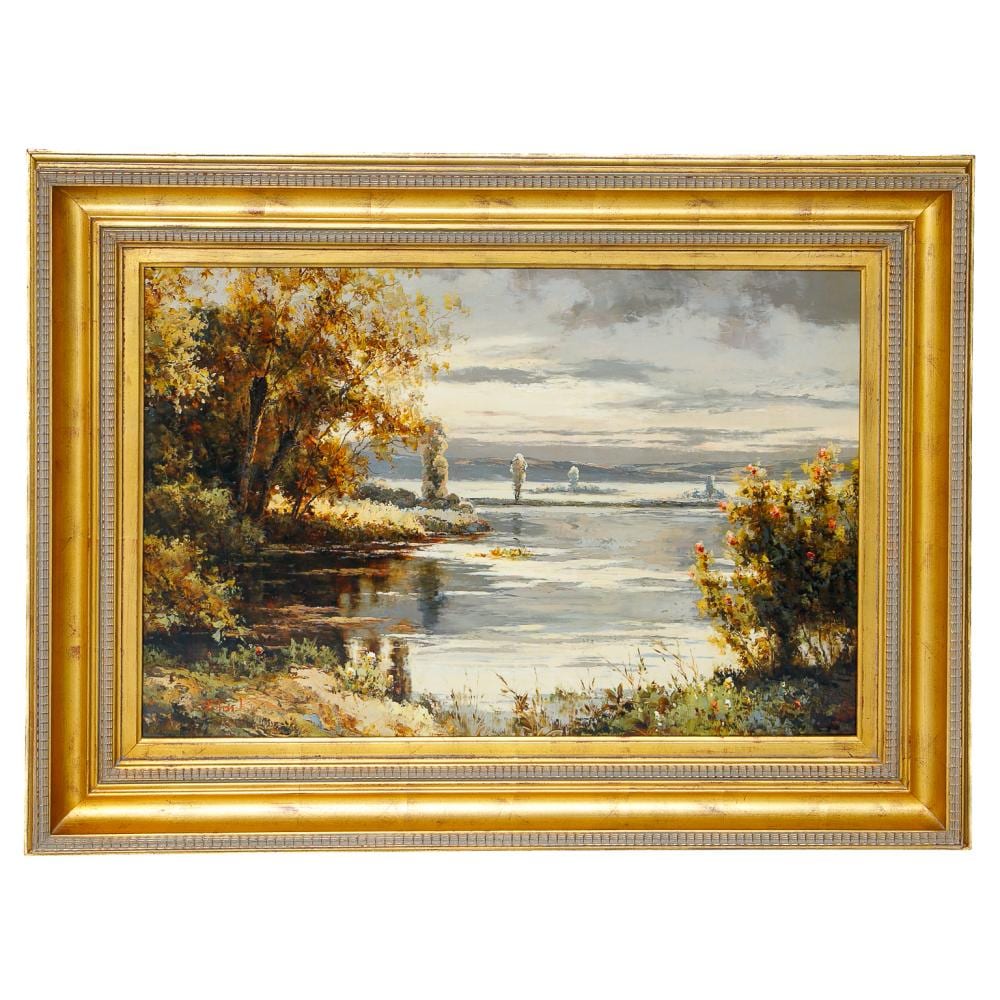
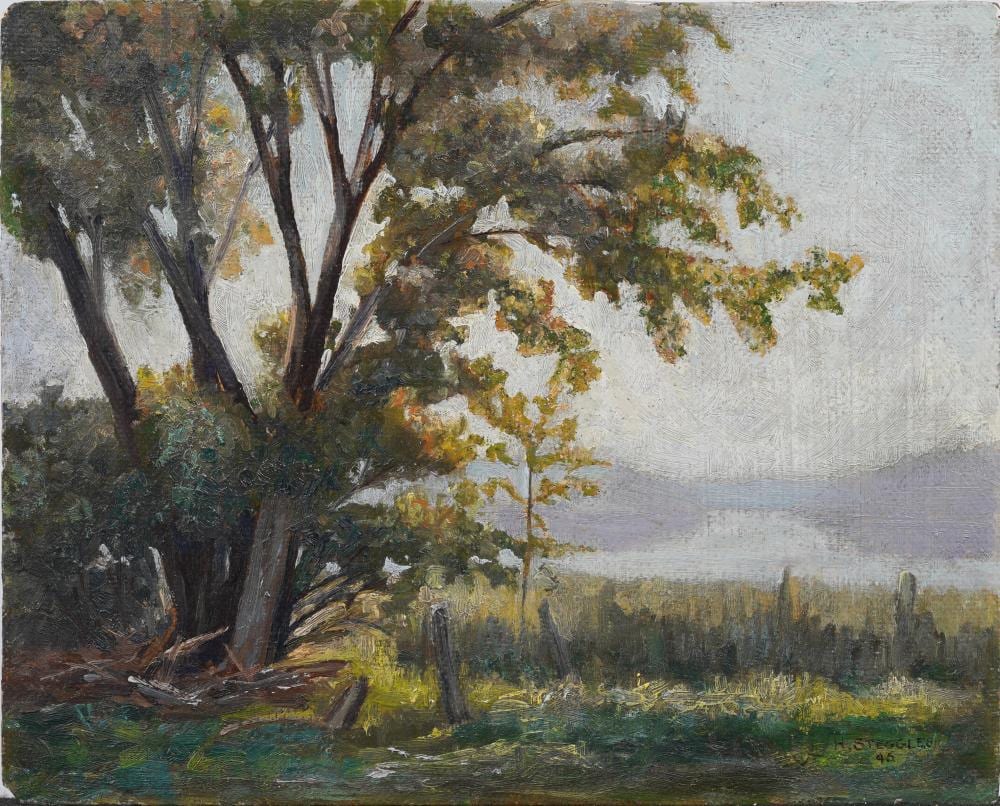
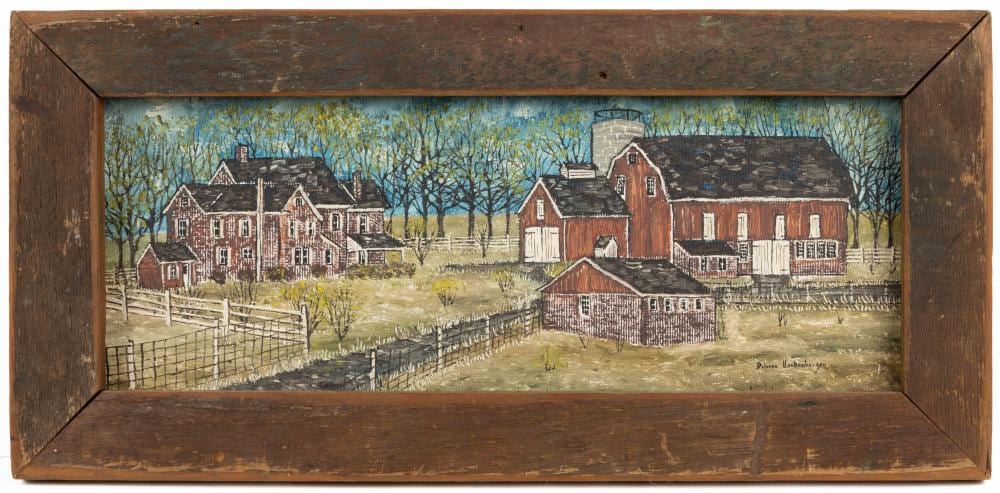
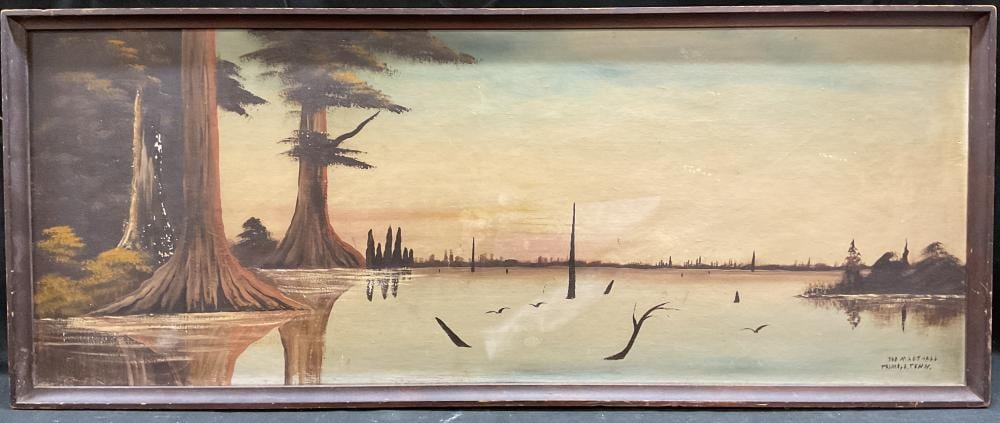
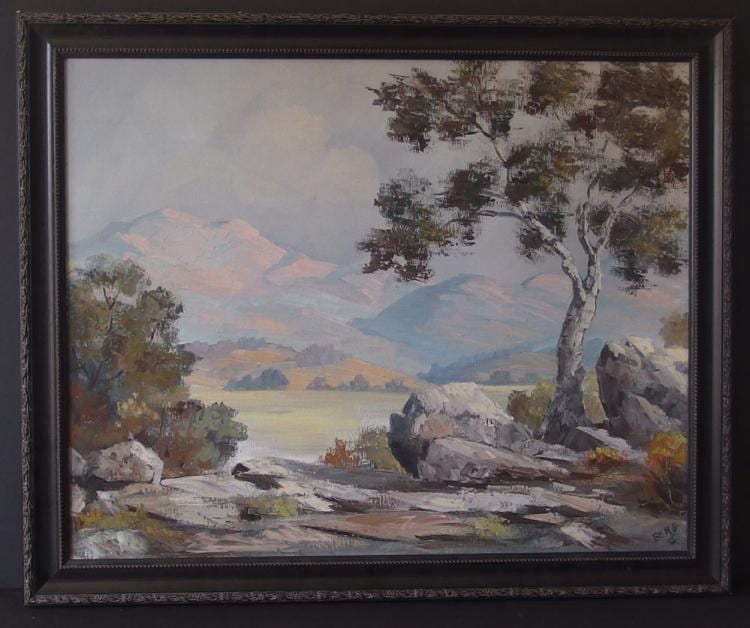
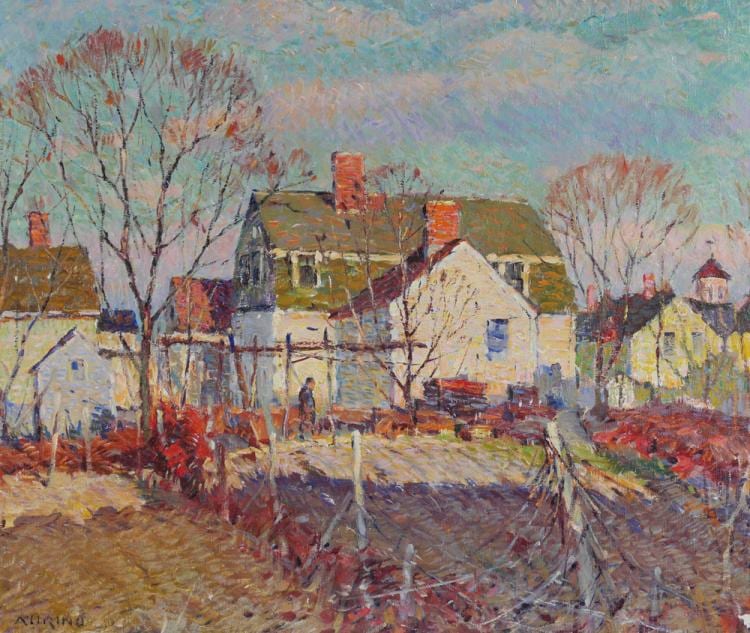
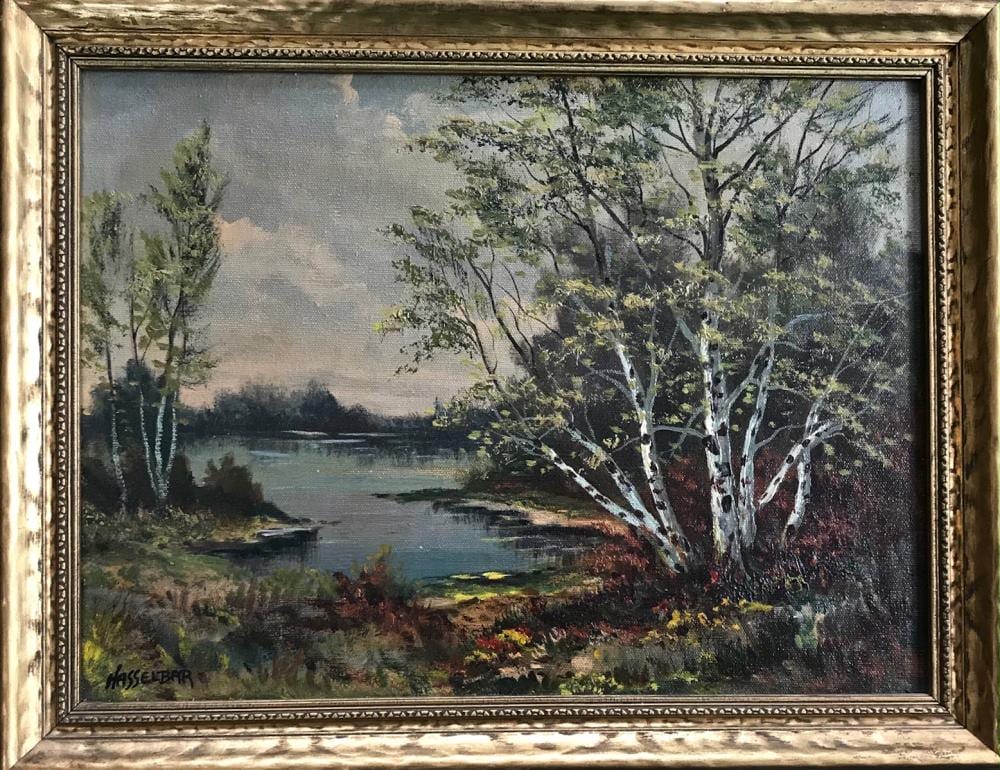
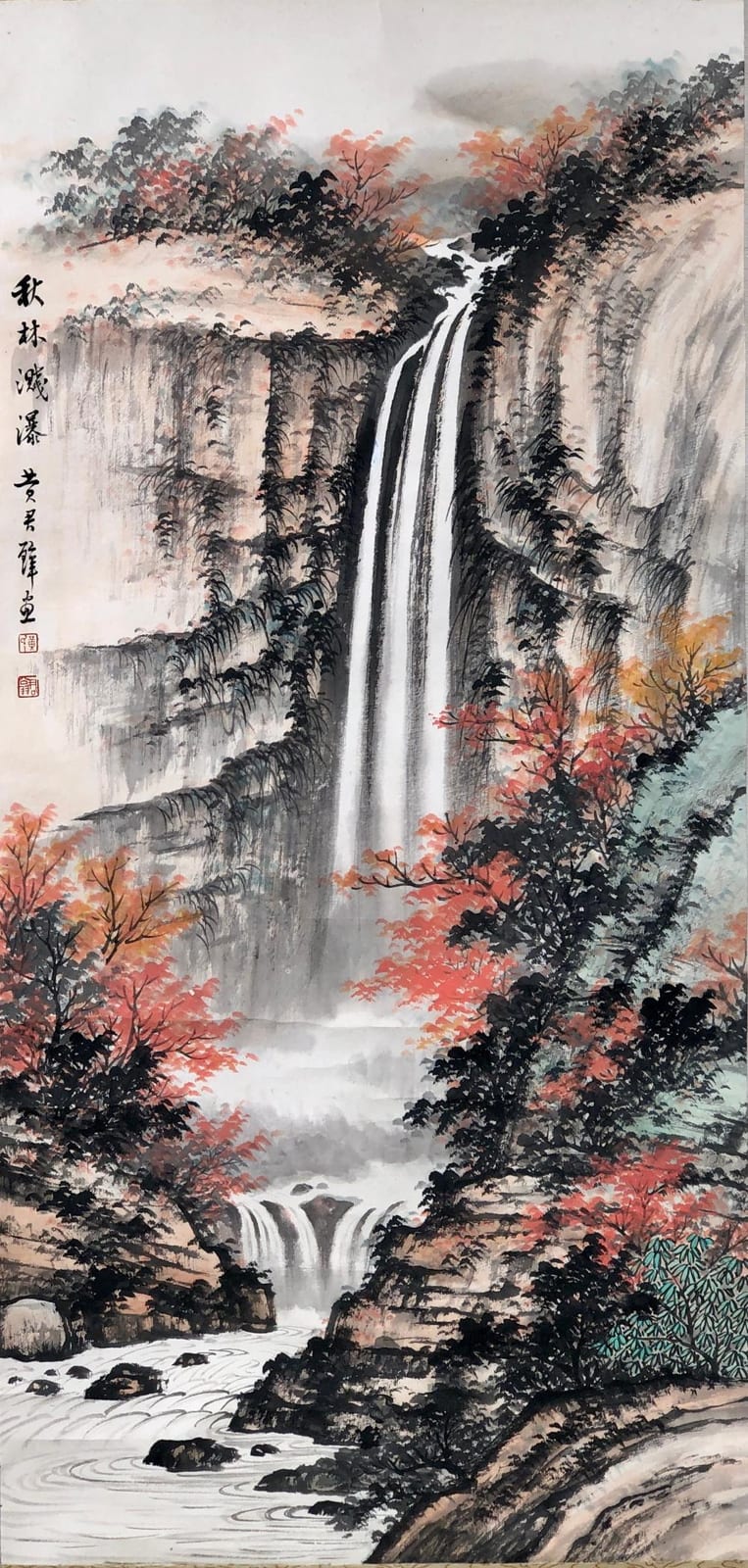
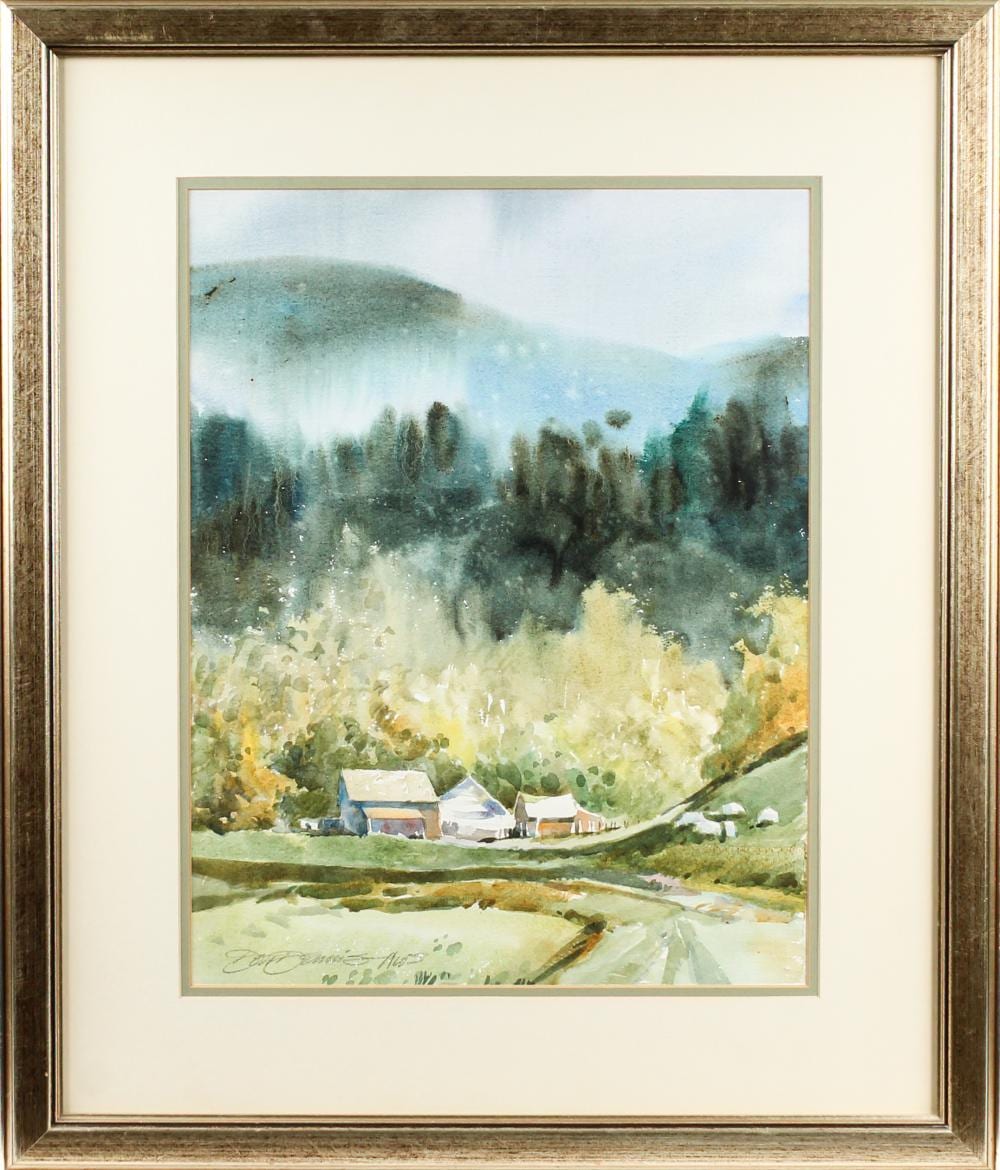
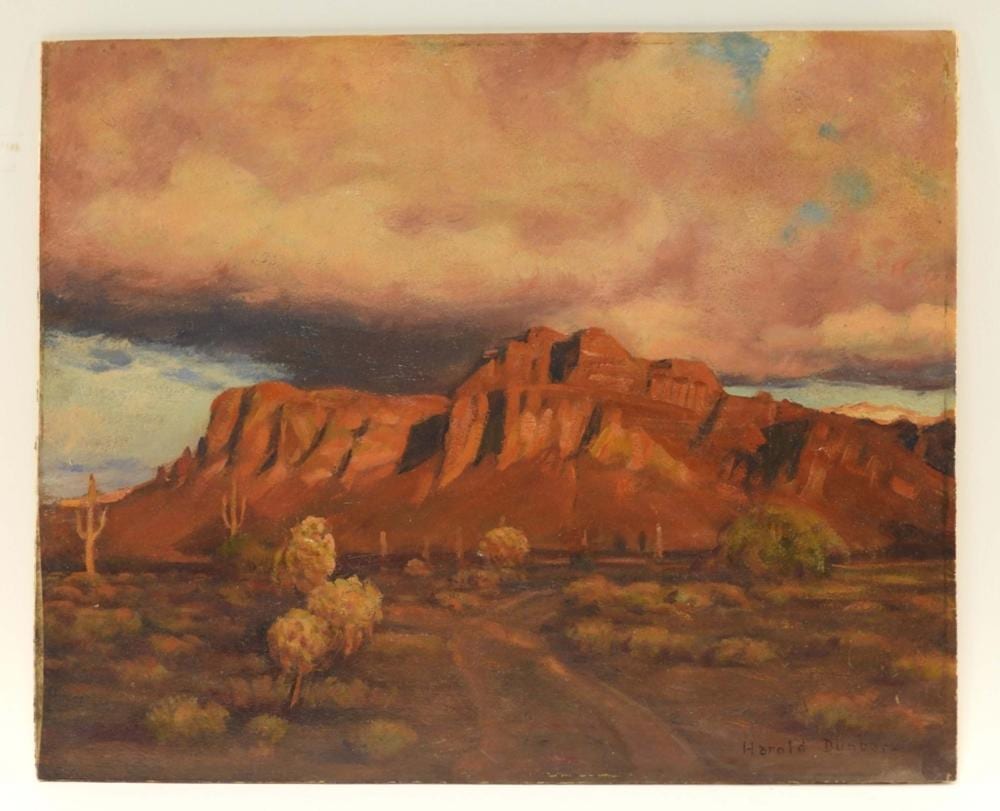
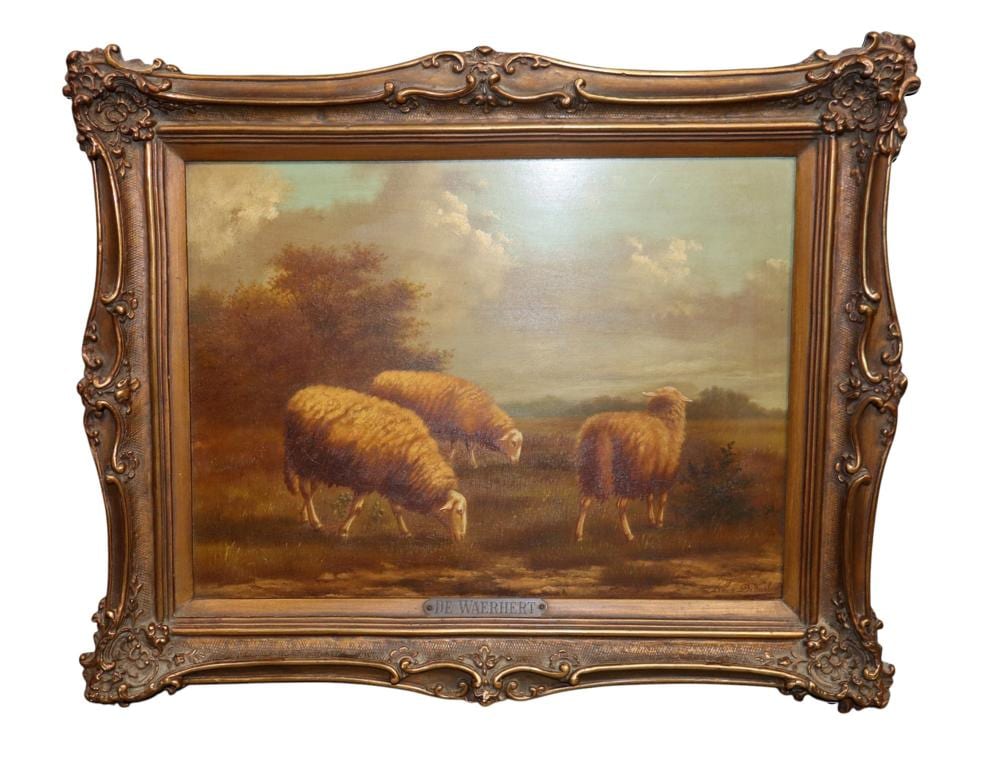
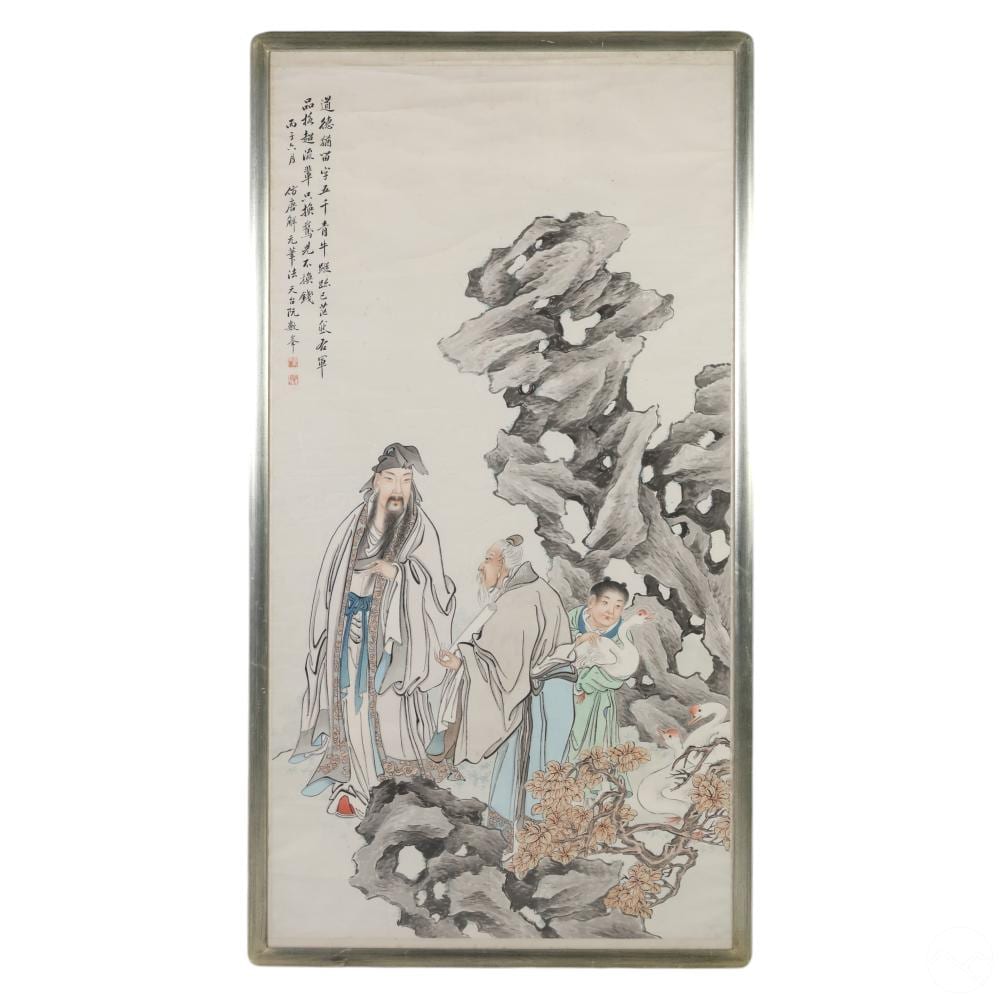
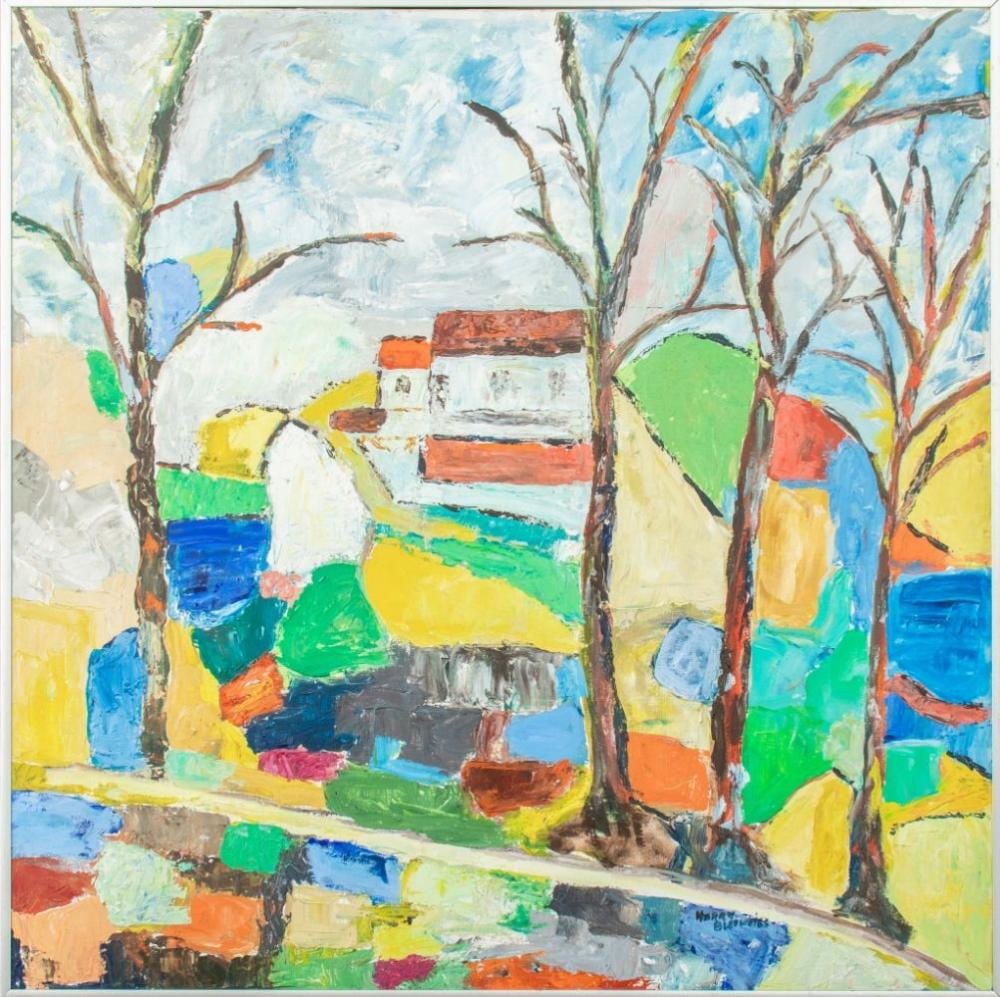
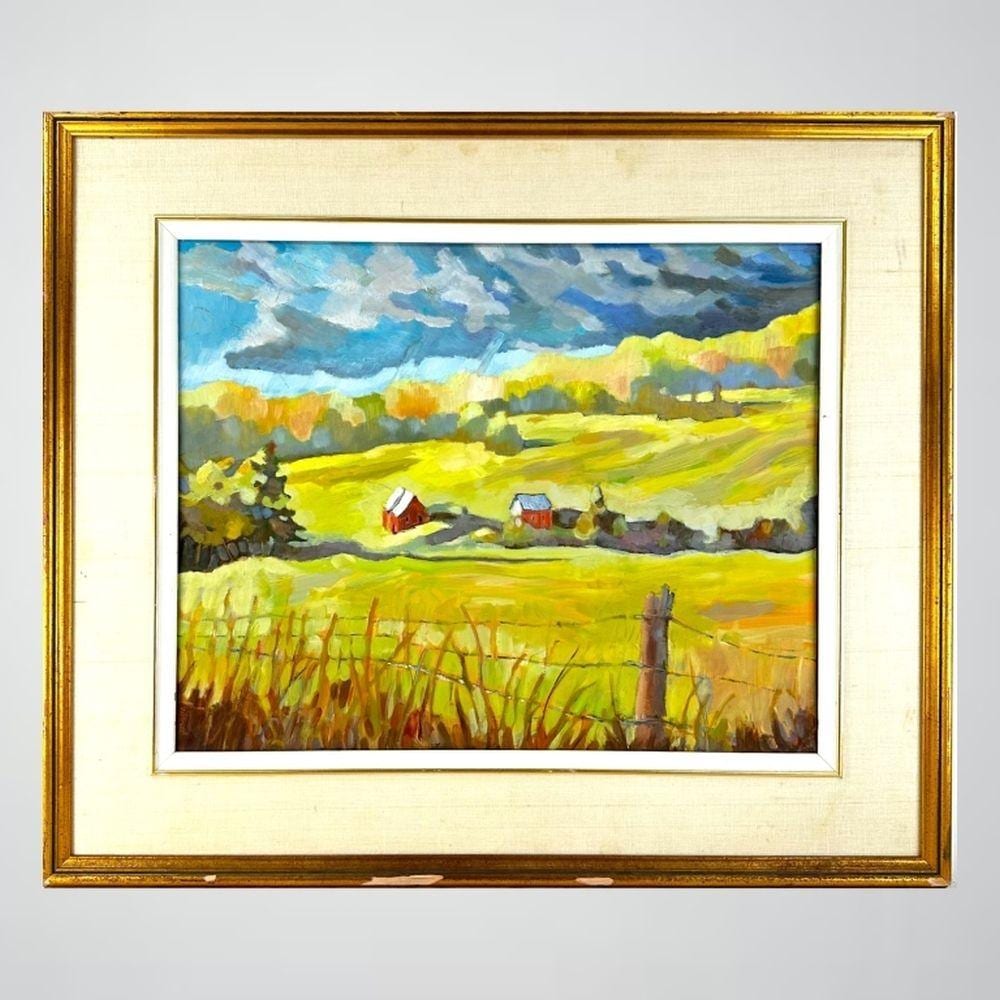
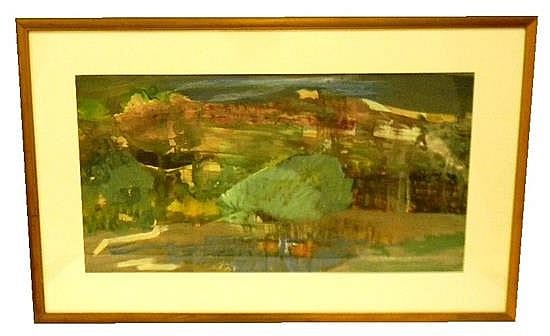
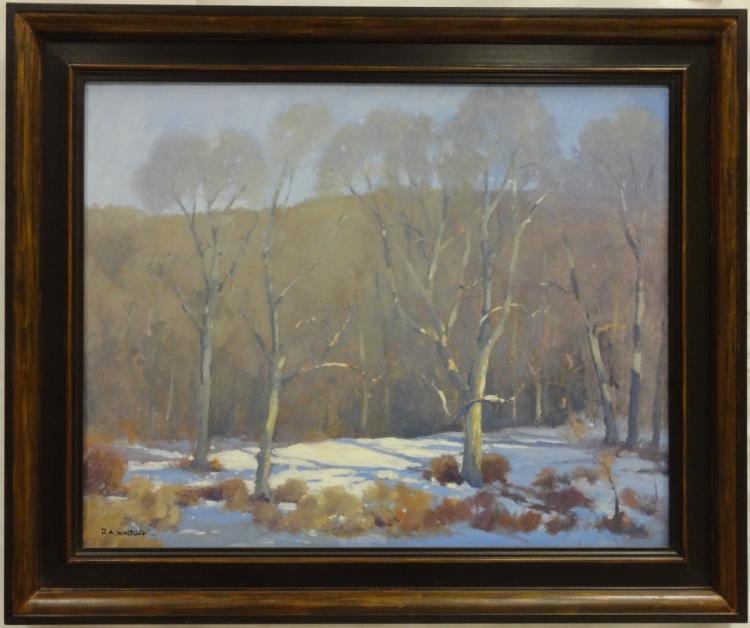
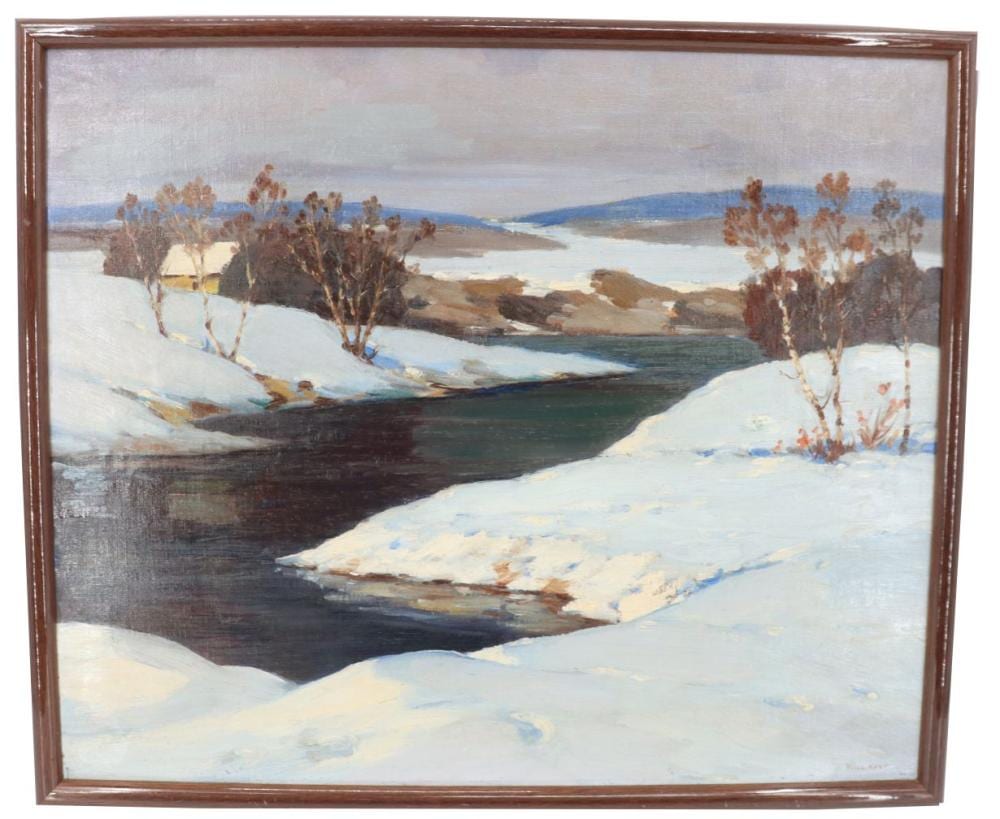
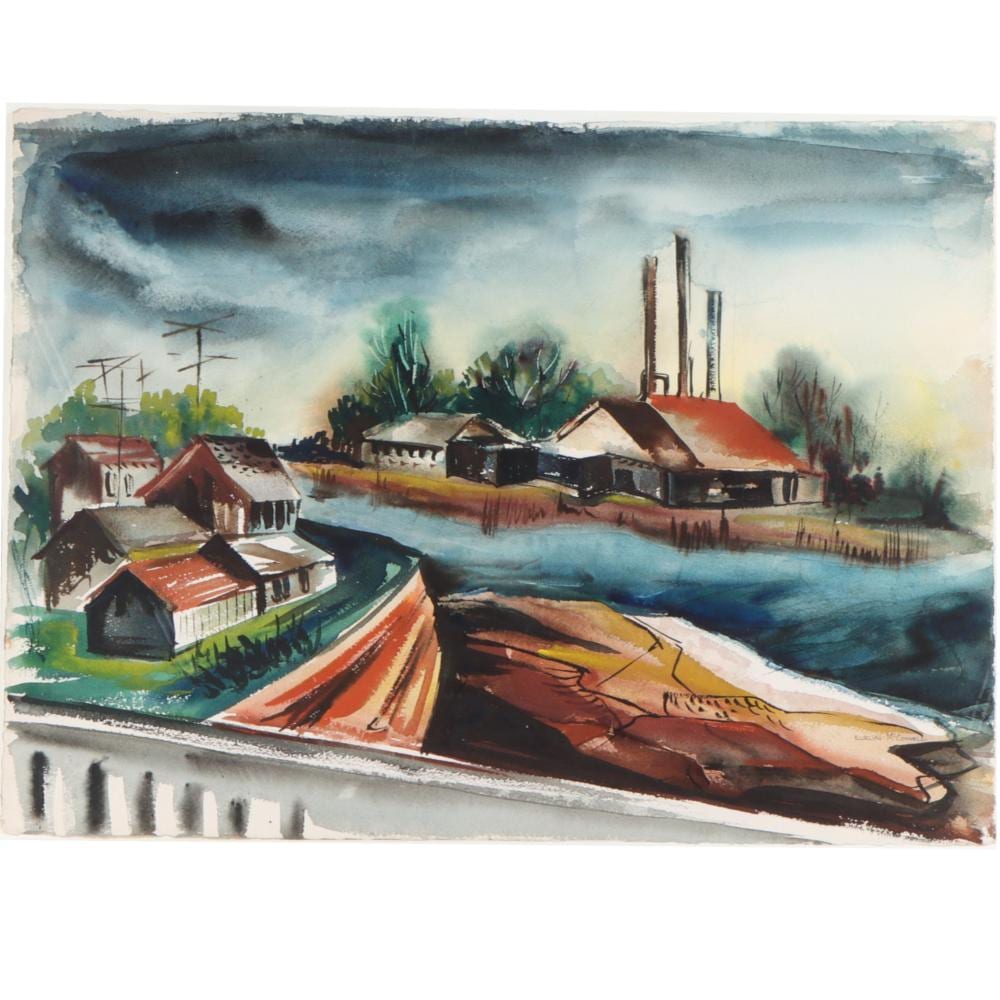
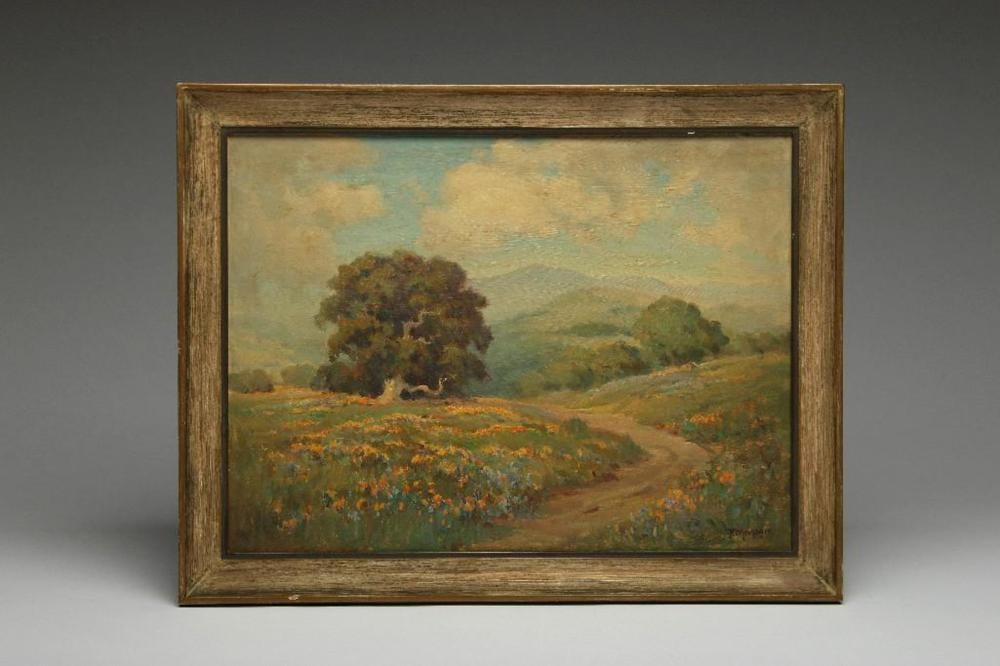
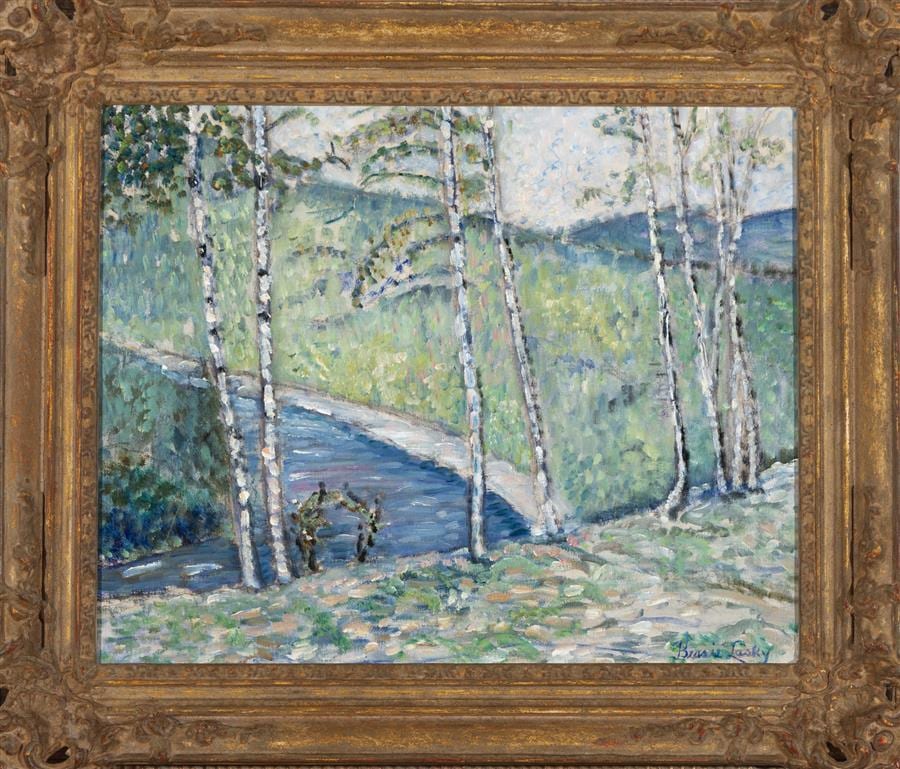
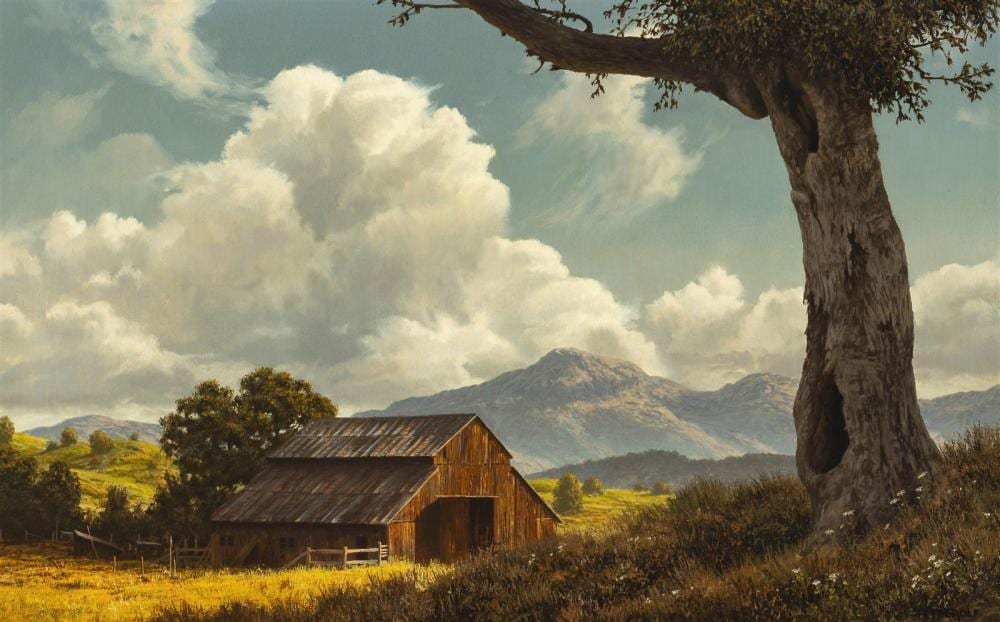
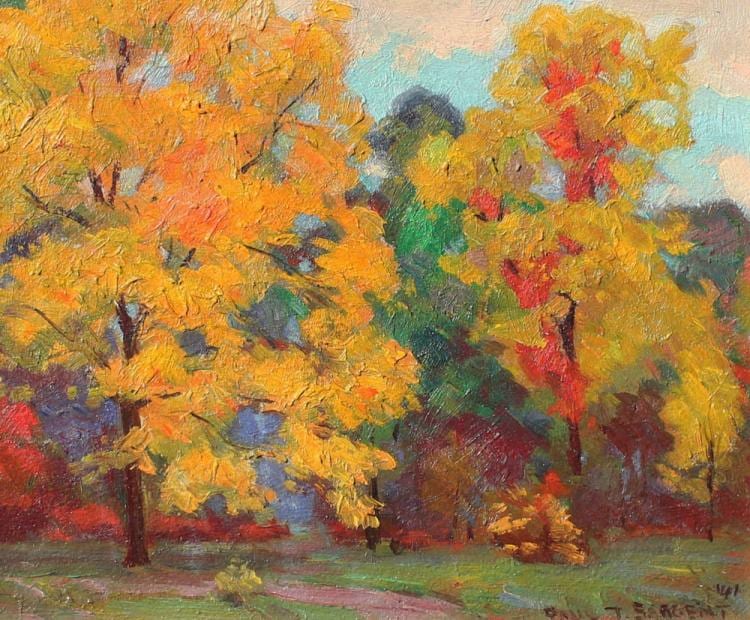
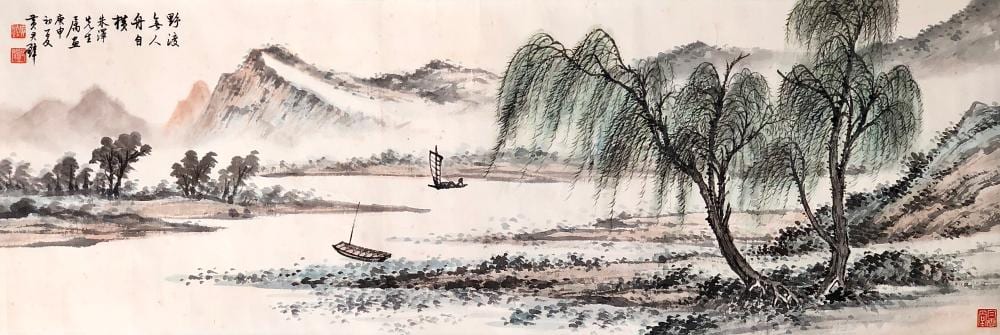
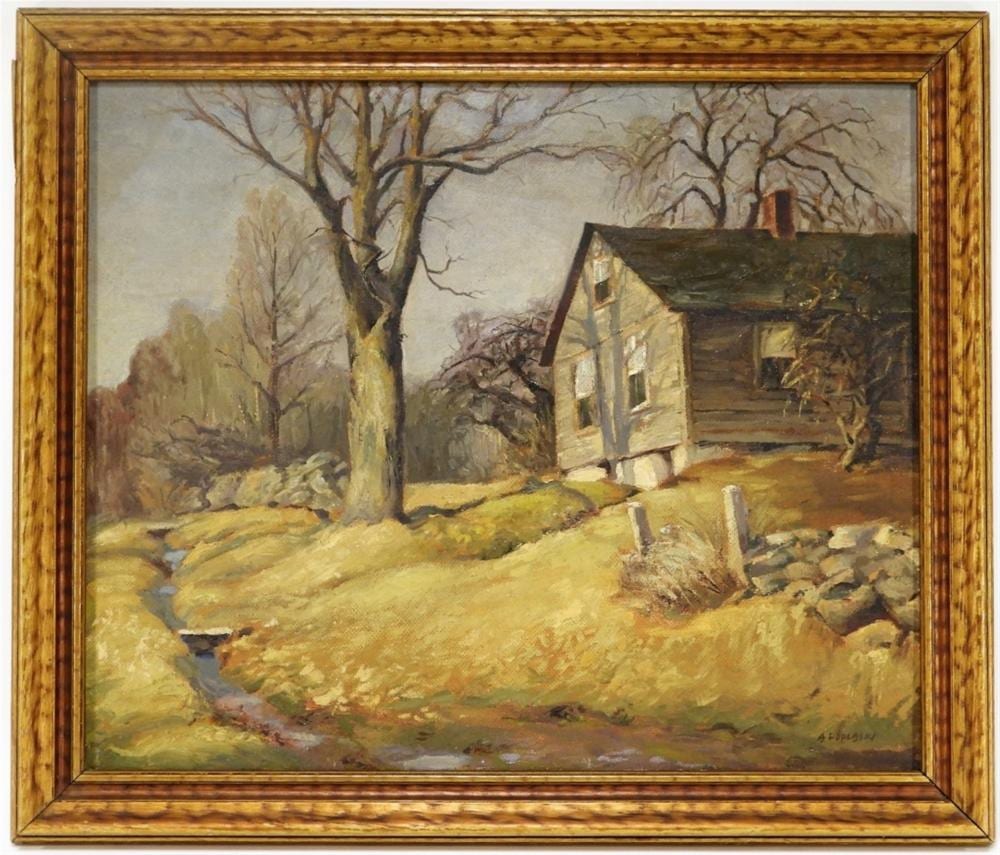
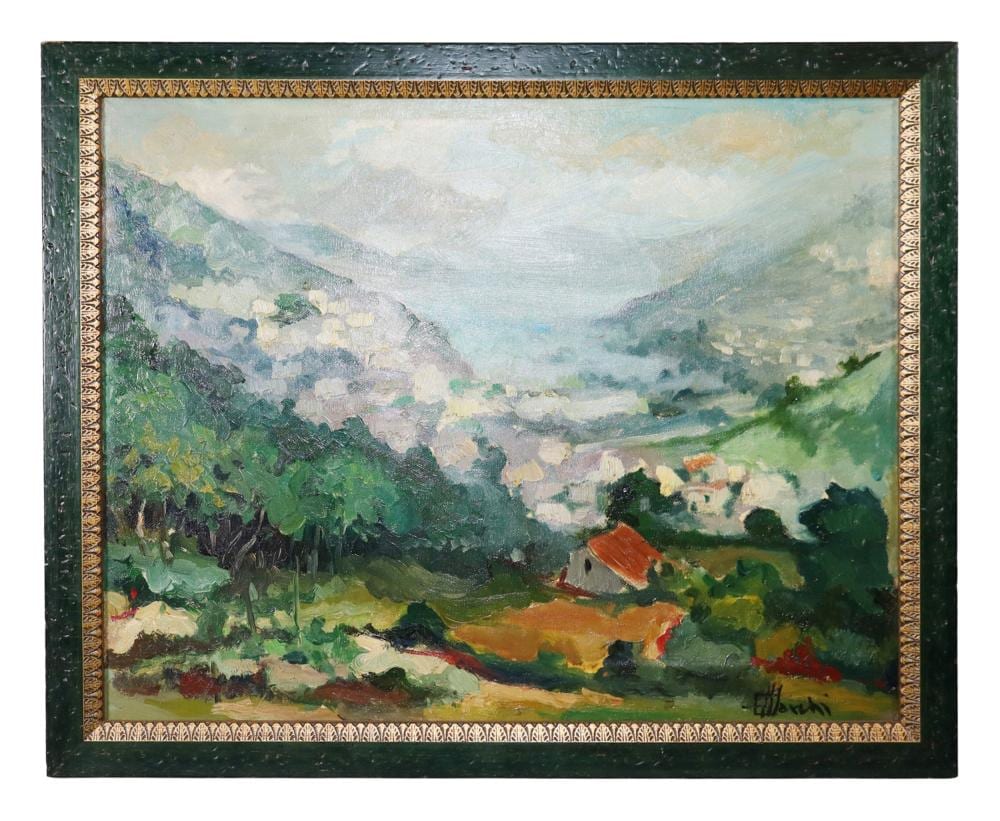
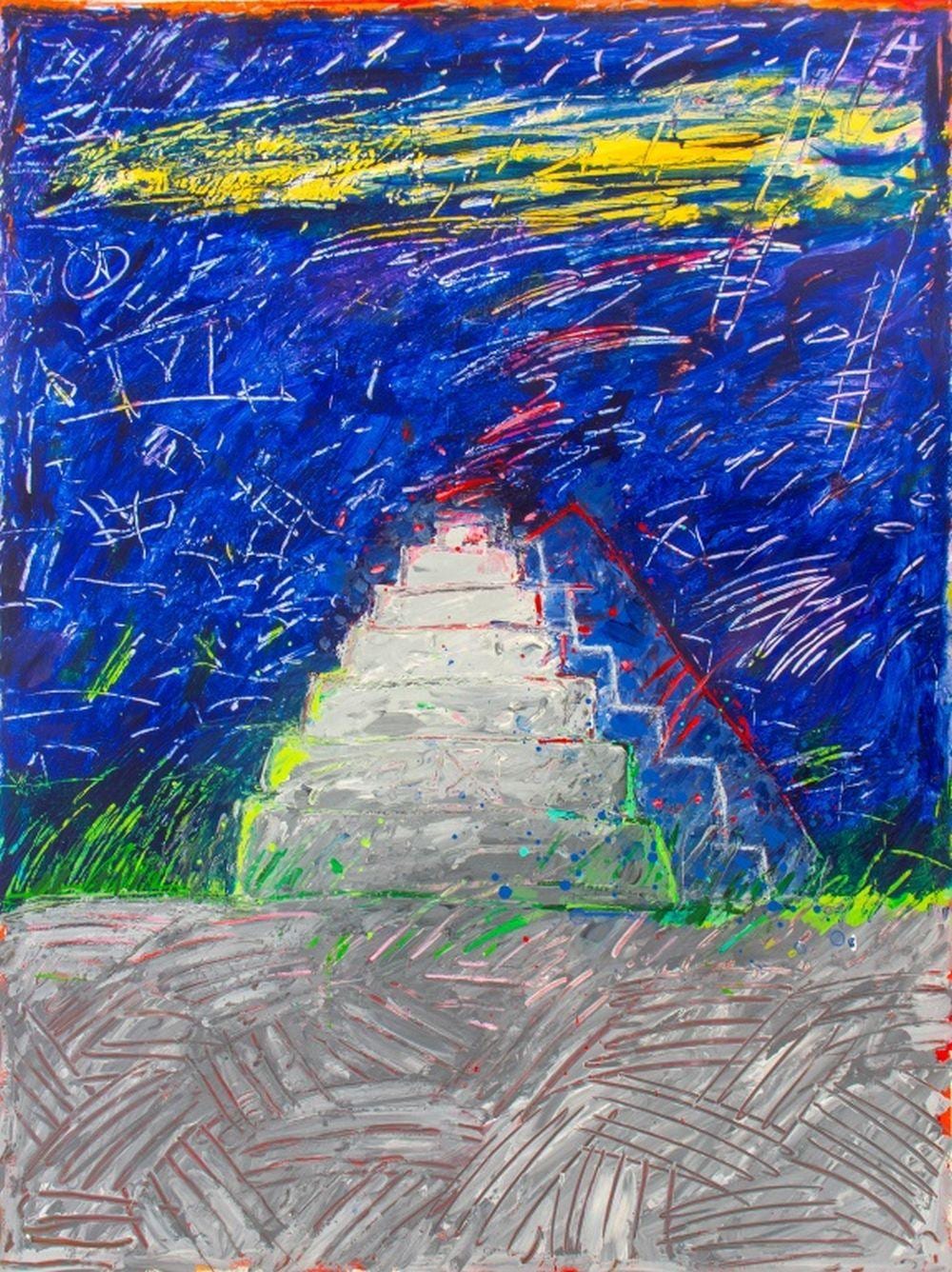
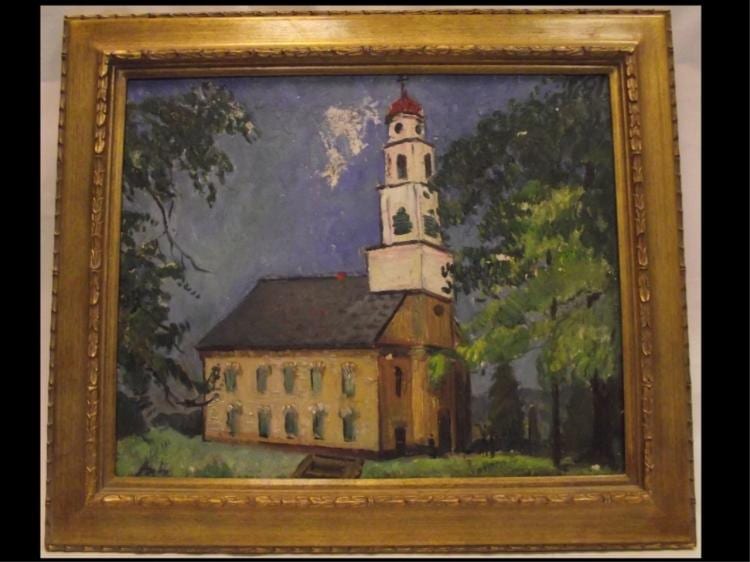
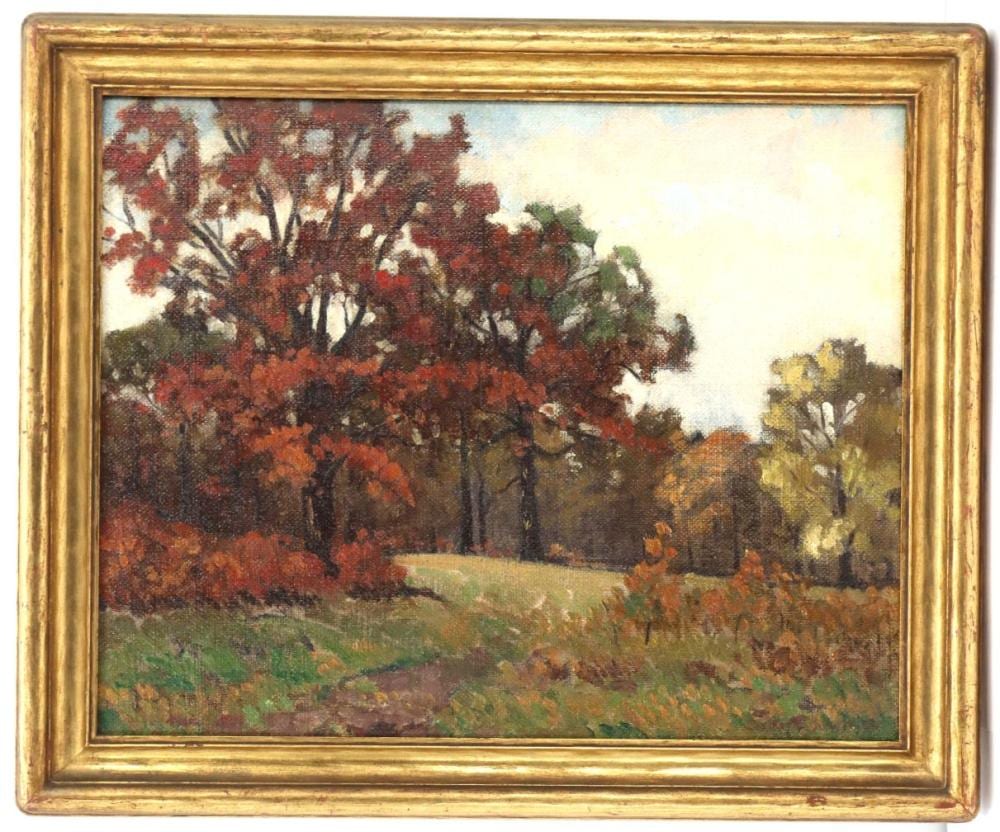
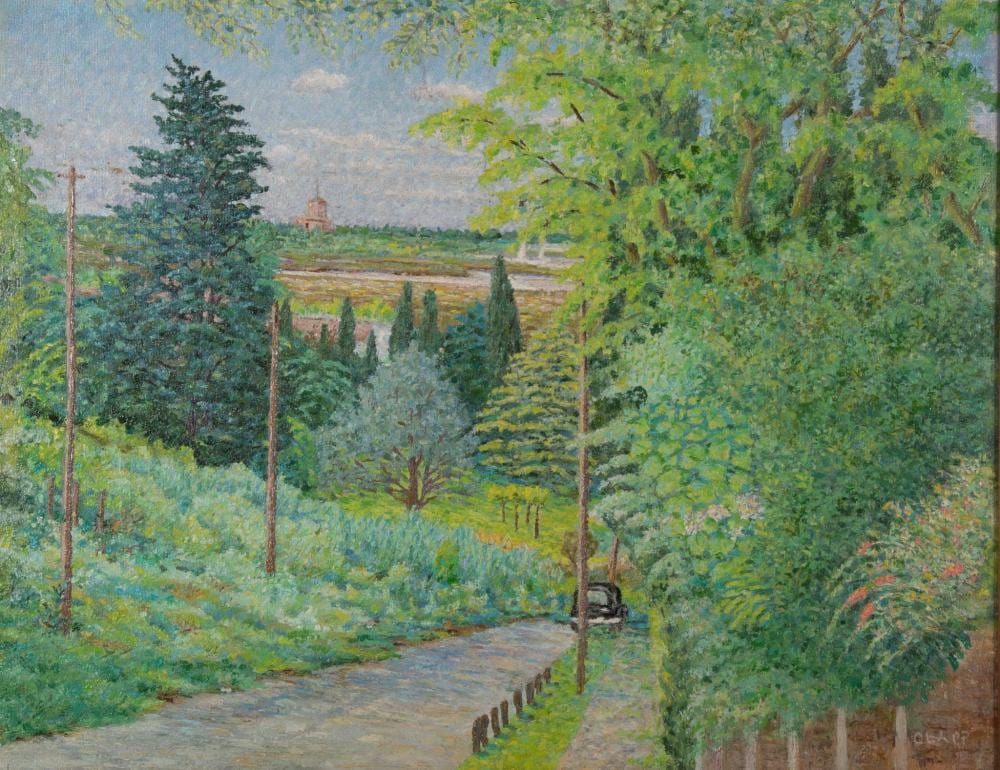
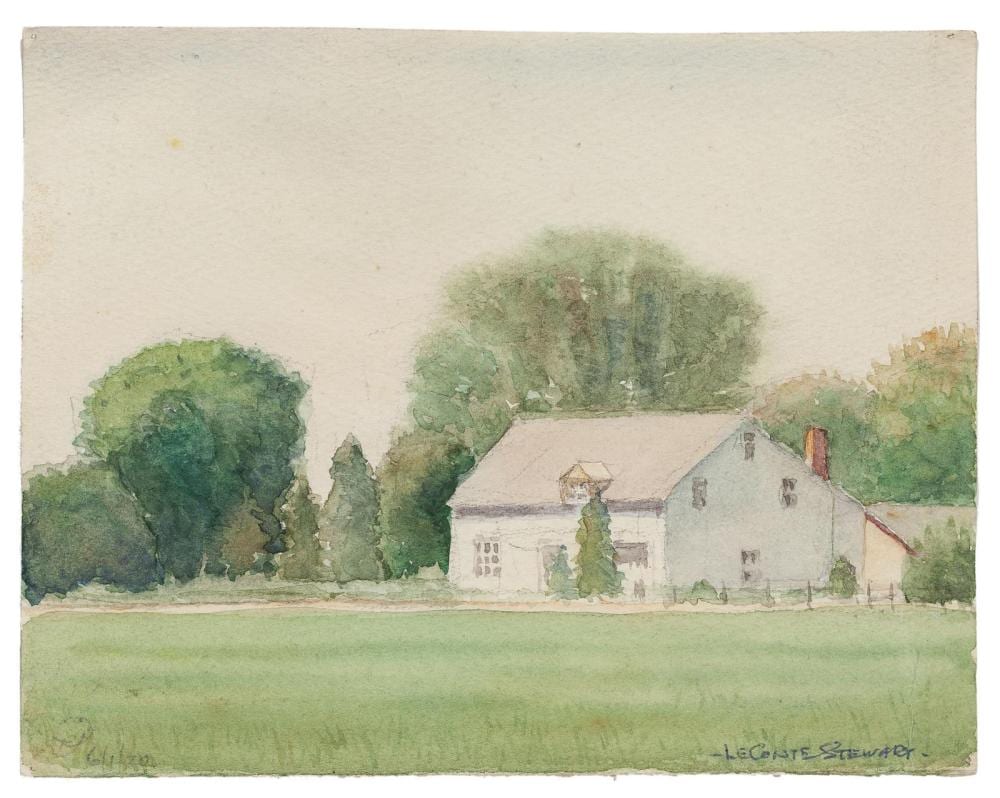
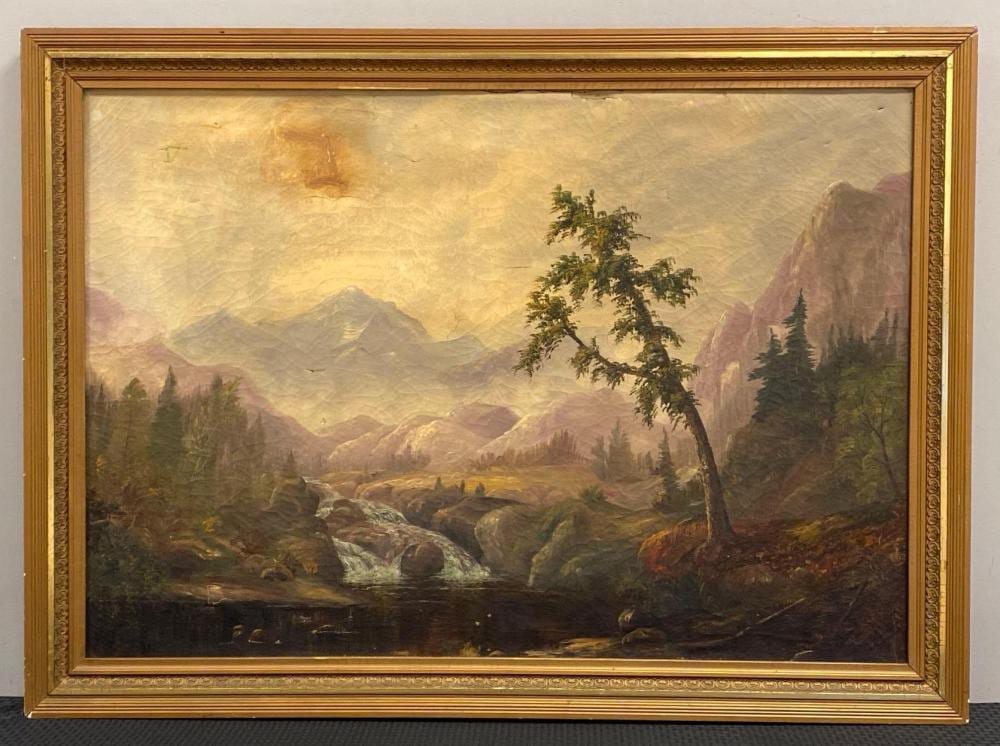
Comparable 20th-century landscape paintings in the auction sales listed on this page sold for $100 to $1,250.
Mid-20th-century landscape painting research should start with date clues, medium, support, signature, subject, size, frame, condition, provenance, and closely matched comparable sales. Compare oil, acrylic, watercolor, board, canvas, and regional-school examples separately rather than averaging every 20th-century landscape together.
Mid-20th Century Landscape Painting Value Guide
An “original painting circa mid 20th century” landscape is a broad but meaningful category for collectors and appraisers. Roughly spanning the late 1930s through the 1960s, this period bridges late regional realism and plein air traditions with emerging modernist simplification and new materials. Landscapes remained a steady, saleable subject, whether painted from life or studio sketches, and the period’s technical shifts leave fingerprints you can read. This guide explains how to identify, date, conserve, and value such works—especially those by lesser-known or regional artists who make up much of what appears at auction, estate sales, and galleries.
The comparable set below was refreshed to favor mid-century or broad 20th-century original landscape paintings, while excluding a mid-19th-century mismatch and early-20th-century rows that would distort the period read. Use the rows by matching artist recognition, medium, size, subject, support, and condition.
Defining the mid-20th-century landscape
- Timeframe: In the trade, “circa mid 20th century” typically means about 1935–1965. This captures wartime, immediate postwar, and early “mid-century modern” decades.
- Style spectrum: Expect everything from late-tonal and impressionist handling, to “California Scene” realism, to simplified, shape-driven modernism. Urban edges, harbors, bridges, highways, farms, and coastal dunes were all popular motifs.
- Regional anchors:
- United States: California Scene painters; New England harbors; Hudson and Catskill views in a post-Ashcan idiom; Southwest mesas influenced by Taos/Santa Fe; Midwest farmsteads.
- United Kingdom: St Ives School simplifications; East Anglian marshes; Scottish Highlands.
- Europe: Postwar French and Scandinavian light; Alpine and Italian hill town views. Socialist Realist landscapes appear in Eastern Europe and the USSR.
- Mediums: Oil remains dominant; watercolor and gouache strong in West Coast and British schools; casein and early acrylics appear by the late 1950s to 1960s.
Understanding where along this continuum a landscape sits helps you assess its market and the right comparables.
How to identify materials and make a date attribution
Accurate period attribution relies on converging clues: support, ground, paint, hardware, and inscriptions. Individual clues can mislead; together they triangulate a date.
Support and ground
- Canvas: Both linen and cotton duck appear; cotton is especially common mid-century. Machine-woven, even weave; selvedges often neatly finished. Staples on the reverse become common in the 1950s onward; prewar and early postwar work often uses tacks. Corner keys in stretchers are ubiquitous and not diagnostic on their own.
- Artist board: “Academy Board,” “Canvas Board,” or “Oil Painting Board” with printed brand labels (e.g., Fredrix, Grumbacher, Winsor & Newton, Daler). Many boards show a fine canvas texture imprint on paper-faced card. Edge wear exposes grey/buff card.
- Hardboard (Masonite): Invented 1920s, widely used by artists from the 1930s. Smooth one side, screened/meshed texture on the other. Untempered (lighter) is preferred; tempered (darker, oil-tempered) can leach oils. Look for saw cuts and chamfering on the verso edges; factory stampings are uncommon by mid-century but period industrial marks can appear.
- Panel prep: Factory-primed white grounds common on canvas board. Hand-primed panels may show brushy gesso/primer with streaks visible at the edges.
Paint and varnish
- Whites: Titanium white largely supplants lead white by the 1930s–40s in most commercial paints, though some artists continue lead for impasto.
- Modern pigments: Phthalocyanine blue (c. 1935) and green (c. 1938) are common mid-century; their intense, cool chroma can help exclude a pre-1930 date. Quinacridone pigments arrive late 1950s–60s.
- Acrylics: Mineral spirit acrylic (Magna) appears late 1940s (mostly studio use); waterborne acrylics reach artists in the mid-1950s and become common 1960s. Acrylic films are more plastic/continuous; edges sometimes show a dark rim and lack the matte “suction” you see in underbound oil.
- Alkyds: Introduced mid-century; faster drying oil-resin hybrids with slightly synthetic sheen.
- Varnish: Natural resins (damar, mastic) yellow and fluoresce greenish under UV; synthetic ketone/modern resins (mid-century onward) show weaker, different fluorescence. Many mid-century landscapes were left unvarnished for a matte modern look.
Fasteners and hardware
- Canvas attachment: Cut tacks predominate pre-1950; staples appear mid-1950s onward. Staples alone don’t prove a 1960s date but support it.
- Screws and hangers: Slotted screws remain standard; Phillips-head proliferate post-1930s. Sawtooth hangers and stamped “D” rings become common mid-century.
- Framing: Slim “strip frames” and early walnut floaters are highly characteristic of 1950s–60s work, as are simple gilt or metal-leaf profiles with minimal ornament. Deep, hand-carved cassetta or heavily ornamented compo frames are more typical of earlier tastes (though frames are replaceable).
Labels, stamps, and inscriptions
- Canvas and board brand stamps help date and locate. Fredrix and similar US brands point to domestic production; Winsor & Newton, Daler to the UK.
- Gallery/framer labels and addresses:
- ZIP codes were introduced in 1963; a five-digit ZIP suggests 1963 or later.
- Two-letter state abbreviations standardize in 1963 (e.g., “CA” vs earlier “Calif.”).
- Telephone formats evolve: named exchanges (e.g., “MUrray Hill”) pre-1960s; area codes appear from 1947; all-number calling standardizes in the 1960s.
- Inks: Ballpoint handwriting becomes commonplace after WWII; felt-tip markers mid-1960s onward. Grease pencil and graphite are common throughout.
Stylistic fingerprints
- Plein air brushwork with economy of detail, sunlit palette, and compositional diagonals are typical of West Coast realism.
- Postwar British and European pieces may simplify forms into interlocking planes, with restrained earth palettes and emphasis on structure rather than fine detail.
- Subject cues: New infrastructure—modern bridges, multi-lane highways, power lines—often signal a postwar scene.
Use a UV lamp, a loupe, and careful notes. One or two features rarely prove the date; a matrix of supports, pigments, hardware, and labels will.
Condition and conservation basics
Mid-20th-century landscapes tend to survive better than their 19th-century counterparts, but each support has its vulnerabilities.
Typical condition issues
- Oils on canvas: Stretcher bar marks (linear depressions), corner draw from slack canvas, cupping craquelure in thick lights (especially titanium white impasto). Nicotine haze and discolored natural resin varnish are extremely common.
- Oils on hardboard: Panel warp or “oil canning” if thin and uncradled; edge abrasion exposing fiber; paint cleavage if the surface was underprepared. Tempered board may exude discoloration.
- Boards and canvas boards: Delamination of paper facing; corner blunts; backing board acidity imprinting.
- Watercolor/gouache: Fading from light exposure; mat burn; cockling; fugitive dyes in some mid-century student-grade colors.
What UV can tell you
- Natural resin varnish fluoresces greenish; dirt appears dull. Retouching usually reads dark or dead under UV. Broad, even fluorescence that stops at the frame line suggests aged varnish rather than recent overpaint.
Cleaning and stabilization
- Dry surface clean with soft brush first. For oils with yellowed varnish, solvent testing is specialized work; improper cleaning can blanch or swell paint. Engage a conservator for varnish removal, consolidation, and structural repairs.
- Panel warp may be mitigated with proper humidity control and reversible backing boards; avoid clamping or heat.
- Works on paper: Keep pH-neutral mounts, hinged with Japanese tissue and wheat starch paste. Never use pressure-sensitive tapes.
Preventive care
- Relative humidity 40–55%, stable temperature; avoid direct sunlight and attic/basement storage.
- Backing boards and dust seals protect against grime and pests.
- Keep original frames and labels—these are part of the artifact’s history and value.
Valuation drivers and market context
Prices for mid-20th-century landscapes vary widely. The following factors consistently drive value:
Authorship and merit
- Recognized artists with auction track records and gallery representation command multiples over competent but unknown painters.
- Quality matters: confident drawing, disciplined color, and resolved compositions outperform mannered or derivative work even within the same name.
Medium, size, and subject
- Oil on canvas generally outruns oil on board; large, display-ready sizes outperform small studies.
- Universally appealing subjects—harbors, rivers, autumn foliage, snow scenes, twilight—tend to sell readily. Industrial or roadside scenes have a strong niche following.
Date and period relevance
- Works that embody mid-century modern sensibilities—simplified forms, modern frames, and period pigments—appeal to design-focused buyers.
- Early acrylics and alkyds can interest collectors of material innovation, though some prefer oil.
Provenance and exhibition history
- Named galleries, museum shows, or period exhibitions boost confidence and value. Framer or gallery labels from respected firms are positive, especially with dates.
Condition and originality
- Clean, original surfaces with minimal, well-executed conservation are preferred. Overcleaned, heavily overpainted, or re-lined works (for canvas) are discounted.
Typical ranges (very broad guidance)
- Unknown/regional painters: $150–$1,500 for small boards; $800–$3,500 for strong oils on canvas mid-size.
- Listed mid-century painters: $3,000–$25,000, with top examples higher.
- Blue-chip names: well into five or six figures, depending on artist and subject.
Comparables
- Develop comps by matching artist, medium, size, subject, period, and condition. Avoid extrapolating from prints or late/early periods that don’t align with your piece.
Remember, valuation is local and time-sensitive; fresh-to-market works with compelling provenance and presentation often exceed stale or poorly presented examples.
Practical Inspection Checklist
Use this concise list when you encounter an “original painting circa mid 20th century” landscape.
- Support: Canvas, board, or hardboard? Note weave/texture and thickness.
- Attachment: Tacks or staples? Corner keys present? Note stretcher/strainer type.
- Ground: Factory-primed vs hand-primed; exposed edges show brush-applied gesso?
- Paint: Signs of titanium white and modern pigments (phthalo hues)? Oil vs acrylic feel.
- Varnish: Present? Yellowed? Under UV, does it fluoresce like natural resin?
- Labels: Brand stamps, framer/gallery labels, addresses. Look for ZIP codes or exchange names.
- Inscriptions: Verso notes, titles, dates, prices; ink type (graphite, ballpoint, marker).
- Frame: Period strip frame or later replacement? Keep original if intact.
- Condition: Craquelure type, lifting, stretcher bar marks, panel warp, nicotine haze.
- Retouching: UV check for scattered dark patches or broad repaints.
- Size and orientation: Record exact dimensions (sight and framed).
- Provenance trail: Gather seller history, family accounts, bills of sale, exhibition lists.
- Photography: Natural light, straight-on, overall and details, including labels and edges.
- Conservation needs: Note priorities; avoid invasive cleaning until assessed.
Short FAQ
Q: How can I tell oil from acrylic in a mid-century landscape? A: Under magnification, oil often shows varied gloss, slight wrinkling in thick lights, and visible brush ridges; acrylic forms smoother, more plastic films with uniform sheen. A dampened cotton swab with mild solvent (used only by professionals) behaves differently on each. When in doubt, defer to a conservator.
Q: Do staples on a canvas prove it’s from the 1960s? A: No single feature proves a date. Staples became common in the 1950s, so they support—but don’t guarantee—a mid-century attribution. Correlate with pigments, labels, frame style, and inscriptions.
Q: What’s the significance of a five-digit ZIP code on a label? A: ZIP codes were introduced in 1963. A label with a ZIP provides a terminus post quem—meaning the labeling occurred 1963 or later. The painting itself could be earlier and reframed or relabeled.
Q: Is a yellowed varnish harming my painting? A: Yellowed natural resin dulls color but can be reversible. Proper varnish removal by a conservator can safely recover original tones. Avoid household cleaners; they can burnish or strip paint.
Q: How much does the original frame matter? A: Period frames, especially mid-century strip or floater frames, complement the aesthetic and can add value. Original framer labels and fit are part of the object’s history. Keep them whenever condition allows.
A careful, methodical read of materials, labels, and style—supported by good documentation and professional conservation when needed—will let you place, preserve, and correctly value an original mid-20th-century landscape.