
Signed Coppelle nautical ship scene: appraisal and value basics
Start by treating the Coppelle signature as an attribution clue, not proof of a listed artist. Value depends on whether the work is a documented artist painting, Continental School marine scene, decorative workshop oil, misread signature, print, or later copy, then on subject, medium, age clues, condition, frame, provenance, and comparable marine-art sales.
Signed Coppelle Nautical Ship Scene Value Guide
Maritime paintings have a dedicated following, blending romance of the sea with technical draftsmanship. If you’ve come across an original nautical ship scene signed “Coppelle,” you likely have questions about the artist, originality, and value. This guide walks you through how specialists approach such a work—from reading the signature and materials to understanding the current market for marine art.
Understanding “Signed Coppelle” in Marine Art
The inscription “Coppelle” (occasionally seen as Coppellé, Capelle, or Coppola by misreading) is not a household name in standard artist dictionaries, and there are multiple possibilities for what the signature represents:
- A lesser-documented Continental painter active in the mid-20th century producing coastal and harbor scenes.
- A workshop or trade name used for decorative studio paintings sold through furniture and tourist outlets after World War II.
- A misattributed or misread signature (common with cursive scripts where double “p” and “l” loops resemble different letters).
Because “Coppelle” is not firmly anchored to a widely established biography, experts focus on the painting itself: its quality, materials, technique, and provenance. In practice, many works bearing this signature are cataloged as “European School, 20th century” unless a robust provenance links the name to a documented individual.
Key takeaway: treat “Coppelle” as a starting hypothesis. The attribution must be built from the ground up using physical evidence and contextual clues.
Identification and Dating: Materials, Technique, and Subject
Before debating names, identify what the object actually is. Basic data points will anchor every appraisal conversation.
- Support and ground
- Canvas: Hand-woven linen suggests 19th century; machine-woven cotton is common from late 19th century onward. Factory-prepared canvases with uniform priming and metric dimensions often indicate 20th-century manufacture.
- Panel/board: Plywood and fiberboard (e.g., Masonite, patented 1924) point to 20th century. Edges, saw marks, and brand stamps on the reverse help narrow dates.
- Ground: Traditional oil ground versus modern acrylic gesso (post-1950s). Consistency of the ground layer under magnification can signal period.
- Fasteners and stretcher
- Nails vs. staples: Staples usually appear mid-20th century onward.
- Stretcher/strainer: Expandable keyed stretchers appear from the 19th century; mass-produced stretchers with metric marks are common post-1900.
- Manufacturer stamps or Paris/London/Italian supplier labels can be date clues.
- Medium and palette
- Oil is most typical for marine scenes; gouache and watercolor exist but are less common at furnishing scale.
- Pigments: Titanium white becomes dominant in the 20th century; phthalocyanine blues/greens appear after the 1930s; earlier works frequently rely on lead and zinc whites. A conservator’s analysis can confirm.
- Varnish
- Natural resin varnishes (dammar, mastic) yellow with age and fluoresce under UV. Synthetic varnishes (post-20th century) behave differently.
- Patchy fluorescence under UV may reveal restorations or overpaint.
- Frame and labels
- Gesso-and-gilt frames with hand-applied leaf suggest more traditional practice; molded composition frames dominate later periods.
- Gallery or shipping labels, retailer stickers, pencil inventory numbers, and exhibition tags on the reverse are vital for dating and provenance.
- Composition and maritime specifics
- Vessel type: Identify if it’s a barque, brig, full-rigged ship, ketch, sloop, steam-sail hybrid, or postwar cargo. Rigging accuracy and hull form can suggest the artist’s familiarity with seamanship.
- Flags and funnels: National flags, company house flags, and funnel colors are dating clues but require caution—decorative works may mix elements.
- Sea state and sky: Stylized, repetitive wave patterns and generalized cloud forms can indicate studio production, whereas varied brushwork and atmospheric perspective often reflect a painter’s hand and direct observation.
When all physical and iconographic clues are assembled, a date range emerges. Many works encountered with a “Coppelle” signature align with mid-20th-century Continental production, but earlier or later examples are possible—always verify through the object.
Signature Analysis: How to Read and Verify “Coppelle”
A signature alone does not document a painting, but it is a crucial data point.
- Placement: Lower right or lower left corners are normal. Signatures on a dark wave crest or sail edge should integrate with the composition; ones sitting awkwardly atop a thick varnish layer may be later additions.
- Layer relationship: Under magnification, the signature’s paint should interlock with the final paint layer, not float on top of oxidized varnish. UV light sometimes shows a signature added with a different fluorescence profile.
- Script and spelling: Note letter shapes carefully—C vs. G, doubled “p” strokes, presence/absence of accent. Photograph the signature straight on and in raking light.
- Consistency: If you can locate other works attributed to the same name (auction catalogs, collection notes), compare letterforms, pressure, slant, and paint type. Inconsistency does not automatically negate authorship but warrants caution.
- Inscriptions and titles: Reverse inscriptions, dealer codes, or notations in French or Italian may align with where the piece was retailed. Pencil inscriptions on the stretcher can be contemporaneous or later; distinguish by hand and aging.
- Added signatures: It is not unusual for decorative paintings to carry added names to enhance saleability. Indicators include a clean signature resting over a grimy varnish, or a style discordant with the painting’s character.
If the signature appears integral yet the name remains elusive, present the work as “signed ‘Coppelle’” plus a period and region (“Continental School, mid-20th century”) until further evidence surfaces.
Condition and Conservation: What Affects Value
Marine paintings live hard lives—coastal homes, humidity, smoke, and sunlight all take a toll. Condition has a direct impact on value and insurability.
- Structural concerns
- Canvas issues: Slackness, tears, threadbare weave, or previous linings. A non-original lining can stabilize but may reduce connoisseurial value if heavy-handed.
- Panel issues: Warping, veneer splits, delamination on plywood or hardboard edges.
- Paint and varnish
- Craquelure: Even age craquelure is common; active flaking or cupping needs immediate attention. Alligatoring can signal heat exposure.
- Overpaint: Look for matte patches or color shifts; UV can reveal retouching. Broad, opaque overpaint reduces value more than localized, well-matched inpainting.
- Yellowed varnish and grime: A professional surface clean and revarnish can transform the appearance but should be undertaken by a trained conservator.
- Frame
- Original frames add historical coherence; inappropriate replacements might diminish appeal. Gilt losses and corner separations are typical but repairable.
- Odors and residues
- Mildew and nicotine residues are common in seaside cottages; both require careful, professional treatment.
Conservation best practice: stabilize before you beautify. Document every intervention, keep invoices, and avoid DIY solvents that can irreversibly damage the paint.
Provenance and Market: Expectation Setting
Provenance builds confidence and often translates to stronger prices.
- Useful documentation
- Sales receipts, gallery labels, and exhibition catalogs.
- Estate inventories, insurance appraisals, and restoration reports.
- Period photographs showing the work in situ.
- Market positioning
- Decorative vs. listed: Without a documented, listed artist, many “Coppelle”-signed works trade as decorative marine paintings. Quality still matters—lively seas, credible rigging, balanced compositions, and good scale attract buyers.
- Size and subject: Large canvases, storm scenes with dramatic lighting, and detailed ship portraits (clearly identifiable vessels) command premiums over generic harbor sunsets.
- Regional taste: North Sea and English Channel scenes may appeal to different buyers than Mediterranean harbors; local demand influences results.
- Pricing context
- Broadly, unsigned or obscurely signed mid-20th-century European marine oils can range from modest three figures to low four figures at auction, depending on quality, size, and condition.
- If a verifiable biography for “Coppelle” is established and the work is a strong example, values may rise; conversely, heavy restoration or workshop repetition depresses prices.
- Appraisal type
- Replacement value (for insurance) is typically higher than fair market value (auction/private sale). State the intended use of the appraisal at the outset.
Red flags that can dampen value quickly include invented patina, repeated near-identical compositions, and incongruent materials (e.g., a purported 19th-century scene on modern hardboard).
Practical Checklist and FAQ
Practical checklist for owners
- Photograph the front, back, all labels, and the signature in high resolution.
- Measure the sight size and overall size; note metric or imperial stretcher marks.
- Record materials: canvas/board, stretcher type, fasteners, varnish presence.
- Inspect under raking light for texture, craquelure, and later fills.
- Use UV light, if available, to map varnish and retouch.
- List any inscriptions, frame labels, and frame construction details.
- Note ship type, flags, and any identifiable coastline or harbor features.
- Gather provenance: receipts, prior appraisals, correspondence, photos.
- Avoid cleaning; seek a conservator’s opinion before any intervention.
- When seeking valuation, provide images and all notes to the specialist.
FAQ
Q: Is “Coppelle” a listed artist with an established biography? A: The name appears on marine paintings but is sparsely documented in standard references. Some works likely come from mid-20th-century Continental studios. Treat the signature as a clue, not proof, unless supported by provenance or authoritative comparanda.
Q: How can I tell if my painting is an original versus a print or reproduction? A: Look for impasto and brushwork under raking light; a print will have a flat surface and may show dot matrices or uniform texture. The canvas weave should not be mirrored in the image pattern. UV examination and edge inspection often reveal whether paint layers exist over a ground.
Q: Does cleaning or relining hurt the value? A: Professional, minimal conservation that stabilizes and subtly improves legibility typically supports value. Overcleaning, aggressive revarnishing, broad overpaint, or heavy linings that flatten the surface can reduce value. Always keep conservation records.
Q: What if the signature turns out to read “Capelle” or something similar? A: Misread signatures are common. Re-photograph the inscription, compare letterforms, and consider alternate readings. If a different, documented artist matches the style and period, reattribution may change both scholarly placement and value.
Q: What kind of appraisal do I need for insurance? A: Ask for a replacement value appraisal that reflects current retail acquisition cost for a comparable work. For resale, request fair market value. Provide complete condition notes and provenance so the appraiser can select the appropriate comparables.
Closing thought: An original nautical ship scene signed “Coppelle” can be a rewarding study. Center your evaluation on the object—materials, technique, and condition—then let paperwork and market context refine the attribution. Even when a signature is elusive, a well-painted marine scene with honest age, sound condition, and good scale has enduring appeal to collectors.
What similar items actually sold for
To help ground this guide in real market activity, here are recent example auction comps from Appraisily’s internal database. These matched sales are market context only, not an object estimate or identification, and they do not guarantee a price for your specific signed Coppelle nautical ship scene.
Shown USD range: USD 250-USD 1,500. Median of these 5 USD examples: USD 475.
| Comparable | What sold | Auction house | Date | Lot | Source-reported amount |
|---|---|---|---|---|---|
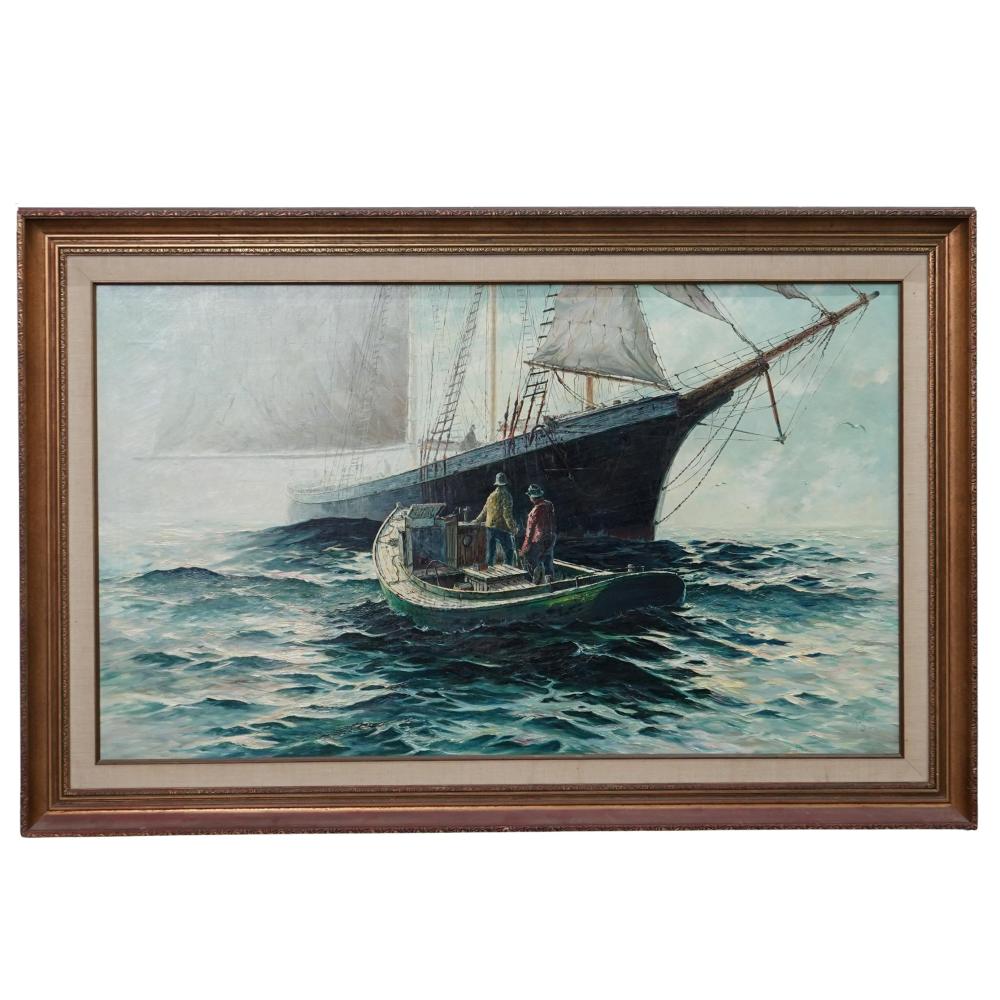 |
Murray Yorke (Canadian, b. 1931) Nautical Ship Scene Oil on Canvas | Akiba Galleries | 2025-11-25 | 449 | USD 250 |
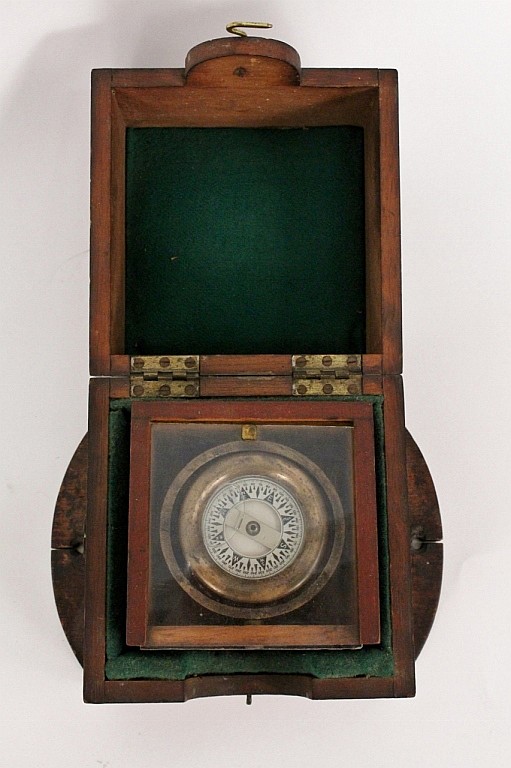 |
American Nautical Ship's Compass | Ahlers & Ogletree Inc. | 2014-08-10 | 837B | USD 350 |
 |
Pair of Antique Brass Nautical Ship Signal Lanterns | Rafael Osona Auctions | 2024-08-04 | 632 | USD 900 |
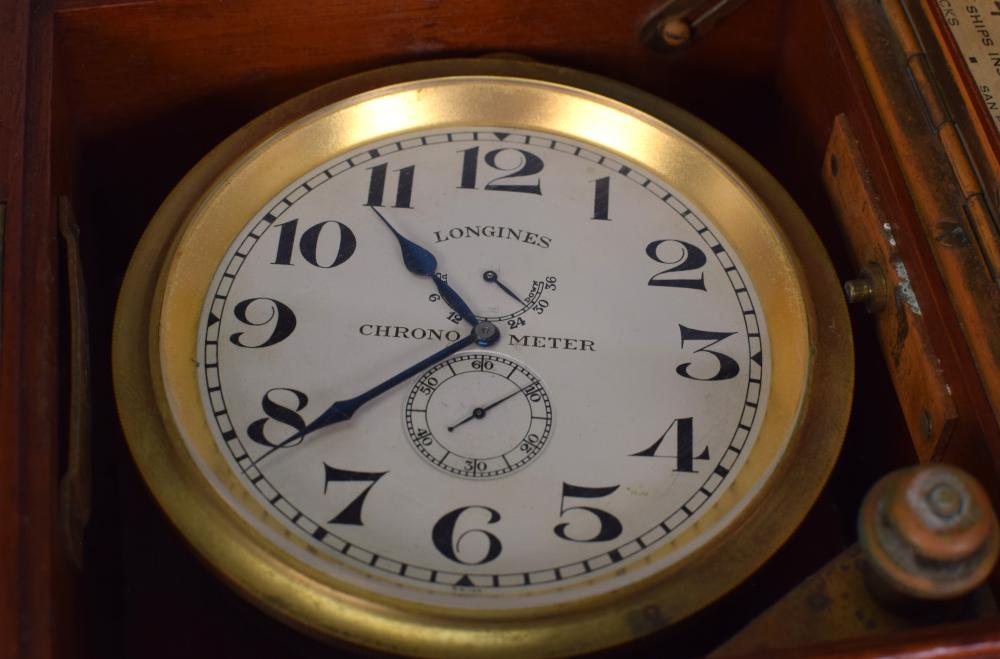 |
LONGINES NAUTICAL OR MARINE SHIP'S CHRONOMETER | White's Auctions | 2022-11-13 | 140 | USD 475 |
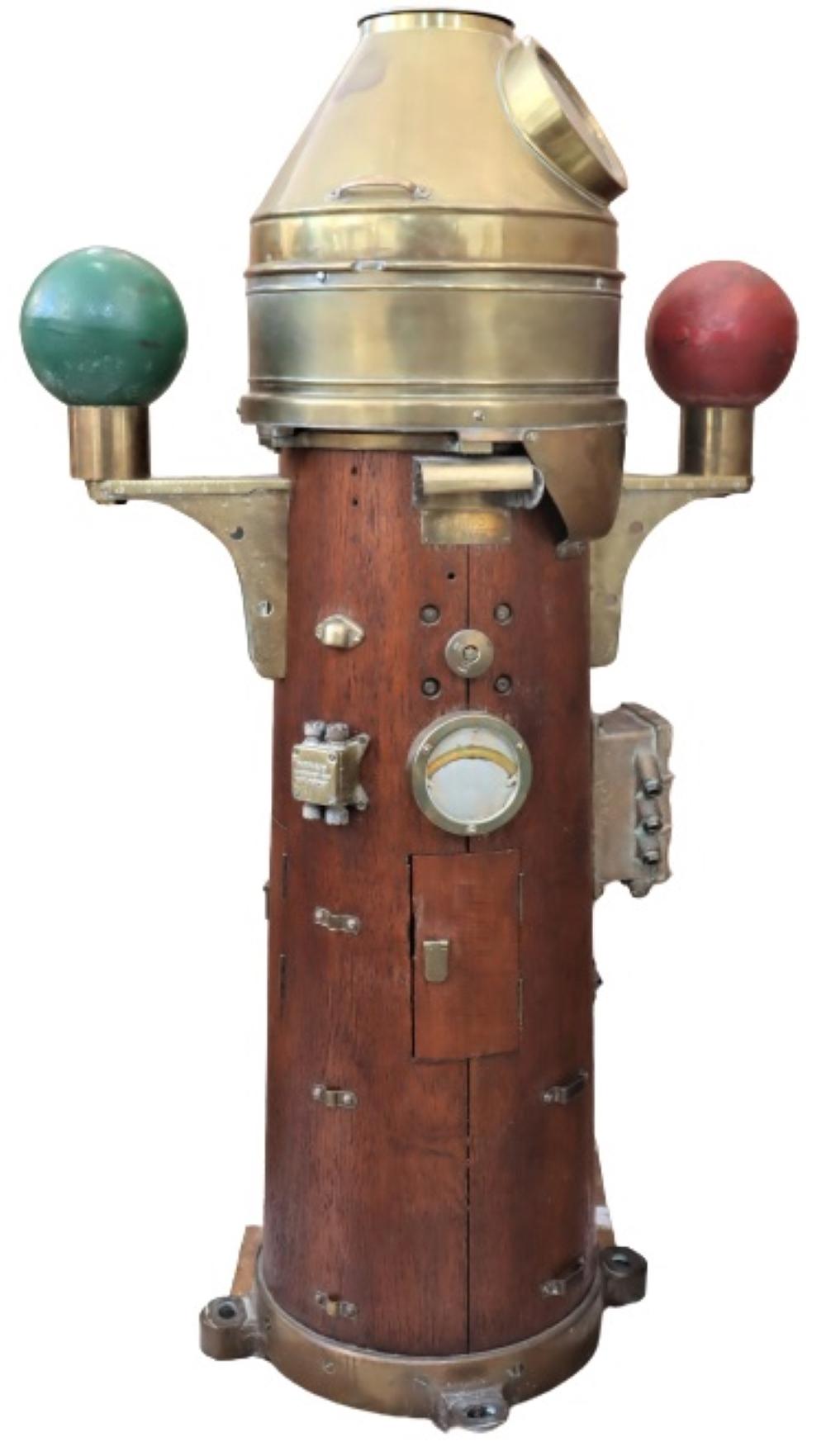 |
19th C. Nautical Marine Ship Binnacle | Sarasota Estate Auction | 2021-01-24 | 777 | USD 1,500 |
How these auction records were verified
Each row is tied to its lot identity, retrieval time, access result, and immutable record hash. Inspect the public comparable provenance record.
Free photo check
Not sure if your item is worth appraising? Let us take a look.
Upload a photo, tell us what you know, and get a free photo check. If a full appraisal makes sense, we will say so.
Free. No card needed. Takes about two minutes.
Want help checking a signed Coppelle ship scene?
Upload front, back, signature close-up, angled surface photos, frame, labels, vessel details, dimensions, condition issues, and provenance notes. We can help separate a documented artist painting, Continental School marine scene, decorative workshop oil, misread signature, print, or later copy before a paid report.